
REVIEW · MULTI-DAY NORTHERN CIRCUIT SAFARI PACKAGES
Tanzania Safari Join Group
Open-roof jeeps and big-cat chances all in one trip. This 6-day Northern Circuit safari links Tarangire, Serengeti, Ngorongoro Crater, and Lake Manyara with custom 4×4 vehicles and long game drives designed for spotting wildlife at the moments animals are most active.
What I really like is the small group size. With a maximum of 6 travelers per vehicle and window seats, you keep your sightlines clear and your guide can manage the group easily when animals pop up close.
One consideration: it is a schedule with early mornings and full days on the road, so you will want decent energy and patience, especially during Serengeti and crater driving.
In This Review
- Key points to know before you go
- Northern Circuit safari, minus the fluff
- Arusha start day: meeting point, pickup, and first timing check
- Day 1 in Tarangire: elephants, baobabs, and a long 6-hour game drive
- Serengeti Days 2-4: staying on the circuit with real time in the park
- Day 2: route game drive, Naabi Gate lunch, then Serengeti driving
- Day 3: Eastern Serengeti plains, early drives, and Seronera campsite nights
- Day 4: full day game viewing with picnic lunch, then Simba campsite
- Ngorongoro Crater on Day 5: black rhino and black-maned lions
- Lake Manyara on Day 6: forest monkeys, elephants in shade, and hippo country vibes
- The open-roof 4×4, and why it changes the safari feeling
- What’s included in the price, and what to budget separately
- Meals and camping gear: where comfort gets practical fast
- Animal spotting targets: what this route is built for
- Price and logistics: is this join-group safari a good deal?
- Who this safari fits best, and who should adjust expectations
- Should you book this join-group safari?
- FAQ
- How many travelers are in this safari?
- What parks are included in the 6-day itinerary?
- What kind of vehicle do you use for game drives?
- Does the safari include pickup from Arusha?
- What meals are included?
- Is park entry included in the price?
- What is not included?
- Where does the safari end?
- Is free cancellation available?
Key points to know before you go
- Small-group vehicle setup: max 6 travelers per 4×4 with open roof access and window seats for better viewing.
- Four classic parks in one route: Tarangire, Serengeti, Ngorongoro Crater, and Lake Manyara cover different habitats and animal styles.
- Most costs are bundled in: all fees and taxes, park entry, meals, and drinking water are included in the safari portion.
- Real time on the wildlife circuit: the itinerary is built around long game drives, not quick photo stops.
- Nights near or inside the action: you’ll stay at lodges and campsites including Serengeti camping (Seronera and Simba campsites mentioned).
- Guide plus chef support: the trip experience is often shaped by smooth organization, with meals handled daily by the safari cook.
Longer northern circuit routes, side by side
- Tanzania Classic – 7 Days★ 5.0 · 1,151 reviews
- Tanzania Wildlife Encounters – 6 Days★ 5.0 · 277 reviews
- Group Safari 7 Days in Tanzania’s Main Parks★ 5.0 · 240 reviews
- 4 Days Join Group tour Tarangire Serengeti and Ngorongoro crater★ 5.0 · 219 reviews
Northern Circuit safari, minus the fluff
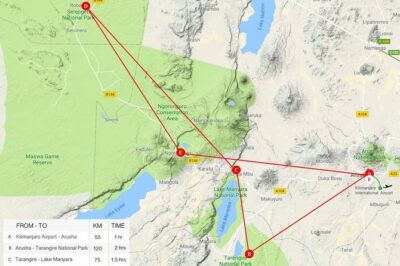
This safari is built around the Northern Circuit, the route most people picture when they think of Tanzania wildlife. The big win is that each park does something different. Tarangire leans into elephants, baobabs, and the Tarangire River corridor. Serengeti is for sheer scale and predator-prey drama. Ngorongoro Crater adds depth and the chance at black rhino. Lake Manyara brings a foresty, Rift Valley feel with monkeys and birds.
I also appreciate that the itinerary is not one of those marathon trips where you just drive past everything. It’s more like you get sustained time in each place, with game drives that last hours, plus picnic lunches inside the parks when possible.
And yes, the animal list is bold on purpose, because this route is designed for it. Expect to look for giraffe, zebra, wildebeest, elephants, hippos, and lots of birds, with the rarer treats of rhinos, leopards, cheetah, and even the possibility of a lion kill.
Arusha start day: meeting point, pickup, and first timing check
You start in Arusha at GLOBAL ENTERPRISE CO. LTD, JMGM+6CV, Sokoine Rd. The start time listed is 8:30 am, and pickup is offered, which is helpful if you do not want to think about transfers right away.
You’ll also have a mobile ticket, which usually means less paper and easier access at the start. The meeting point is noted as near public transportation too, so it is not a remote address you need to wrestle your way to alone.
Why I think the timing matters: your first full wildlife day begins soon after that 8:30 start. Then later in the trip, breakfasts get even earlier in Serengeti. If you are the type who needs a slow wake-up routine, plan for that now.
Day 1 in Tarangire: elephants, baobabs, and a long 6-hour game drive
Tarangire kicks things off with a classic mix. After breakfast at 7:30 am and pickup around 8:00 am, you depart at 8:30 am. The drive to Tarangire takes about 2 hours, then you get about 6 hours of game viewing inside the park.
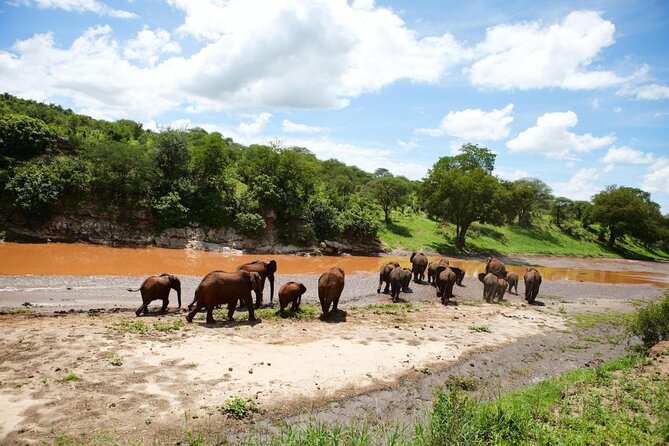
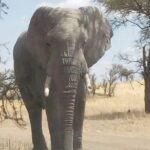
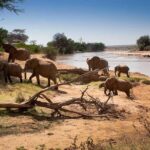
This is the part of the itinerary that feels like you are getting straight into it. Tarangire is described as long and narrow, and that matters because it concentrates wildlife along the river system. You’re specifically set up to look for the Tarangire River corridor, lots of elephants, plus lions and cheetah sightings.
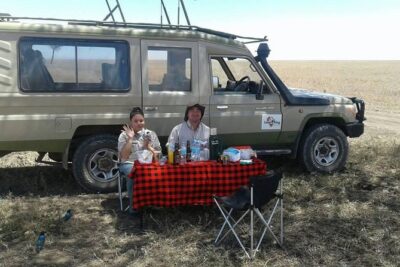
You also get a picnic lunch inside the park, which is exactly the kind of practical detail that saves time and keeps the day flexible. As the day winds down, you exit the park and drive to Fig Tree Lodge for dinner and overnight.
If you want an easy mental image of Day 1, think: elephants where the river draws life, giraffe and zebra moving through the open areas, and baobabs giving the scenery a strong silhouette.
Serengeti Days 2-4: staying on the circuit with real time in the park
Serengeti is the centerpiece, and this itinerary gives it multiple days instead of squeezing it into a half-day. That is where you start getting a sense for how animal patterns shift by time of day.
Day 2: route game drive, Naabi Gate lunch, then Serengeti driving
Day 2 starts with an early breakfast around 6:30 am. You set out for Serengeti with about a 4-hour scenic game drive on the route, plus a picnic lunch at Naabi Gate.
Then after lunch, you move into Serengeti proper for more game drive time. The plan also includes staying in accommodation inside the park on this day, which is a big deal in real safari terms. Less time transferring means more time searching and more chances for “one more sighting before it gets dark.”
Day 3: Eastern Serengeti plains, early drives, and Seronera campsite nights
Day 3 begins with another early game drive. The itinerary points you to the Eastern Serengeti plains, tied to the same Rift Valley forces that shaped the Great Rift Valley over millions of years. You may not need geology notes to enjoy it, but it helps explain why Serengeti looks the way it does, with open areas and strong sightlines.
In the afternoon, you head for lunch at the campsite, then you return for game drive time later in the evening. You drive to Seronera Campsite for dinner and overnight.
This is where the rhythm clicks for many safari lovers: early light, midday rest, then late-day movement when animals often become more visible again.
Day 4: full day game viewing with picnic lunch, then Simba campsite
Day 4 is a full day of game viewing after breakfast. You get another picnic lunch inside the park, and you spend time exploring Serengeti as a World Heritage site where a large concentration of plain game roams.
In the late evening, you drive to Simba Campsite for rest, dinner, and overnight.
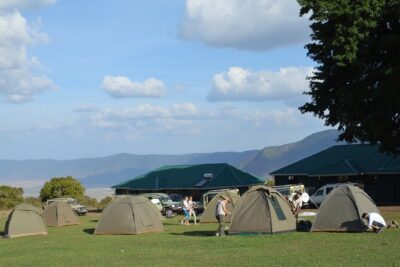
A practical note on comfort: camping nights can be wonderful for being close to the action, but they are also not a city hotel bed. If you know you struggle with sleeping outdoors, take that seriously and pack with it in mind.
Ngorongoro Crater on Day 5: black rhino and black-maned lions
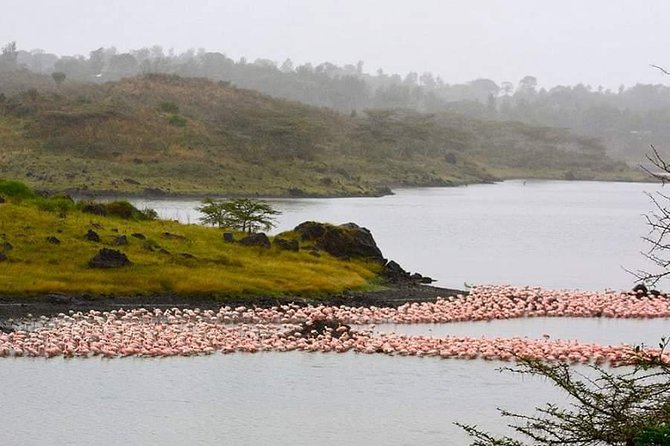
Day 5 focuses on Ngorongoro Crater, and the itinerary spells out one of the main reasons people plan their whole trip around this stop: black rhino.
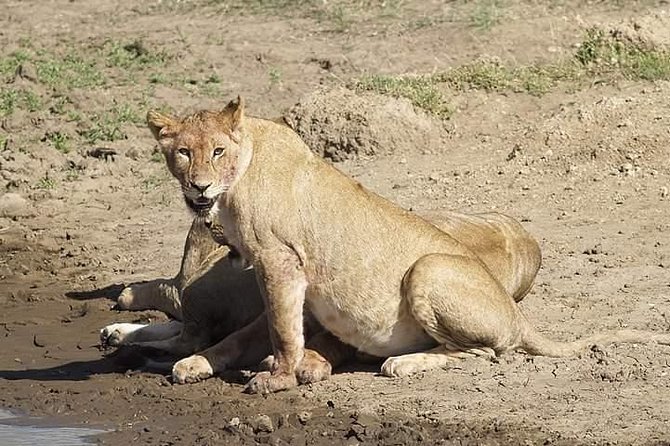
After breakfast, you drive to the crater for a game drive inside the crater. The plan notes that Ngorongoro is one of the best places in Tanzania to see black rhino, plus the pride of lions that can include black-maned males. That is a specific target, and having a whole day’s value aimed at it makes sense.
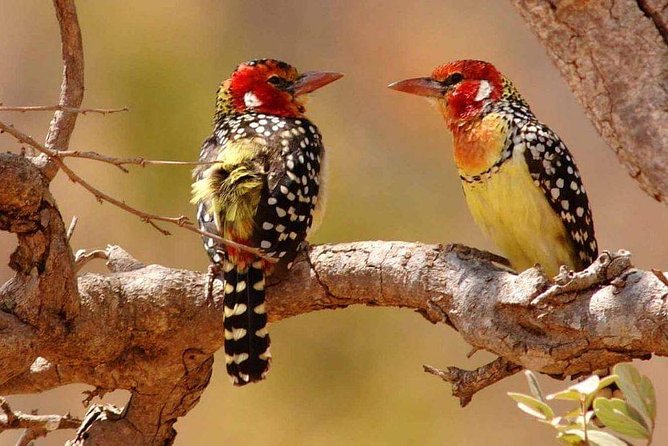
You also get wildlife beyond the big mammals. The crater is described as a place for colorful flamingoes and lots of water birds. Other animals listed include leopard, cheetah, hyena, other antelope family members, and small mammals.
In the late afternoon, you drive back to Fig Tree Lodge for dinner and overnight.
One consideration here is just physical tempo. Driving down and back up from crater areas can feel slower than you expect, and your day might stretch longer than you think. If you like your schedule predictable, this is the day where you should keep buffers in your head.
Lake Manyara on Day 6: forest monkeys, elephants in shade, and hippo country vibes
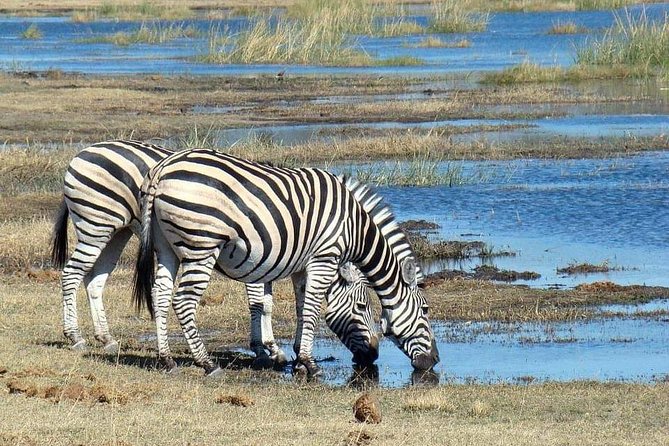
Day 6 starts after you’re at Fig Tree Lodge. The drive to Lake Manyara National Park is described as taking only a few minutes, which gives you a calmer start compared with longer transfer mornings.
In Manyara, you get a classic Rift Valley backdrop and a park that mixes open areas with forested zones. The itinerary specifically calls out monkeys hopping through tall trees in the ground water forest. On the escarpment, elephants stand in the shade, and that detail is practical because it tells you where to watch when the light changes.
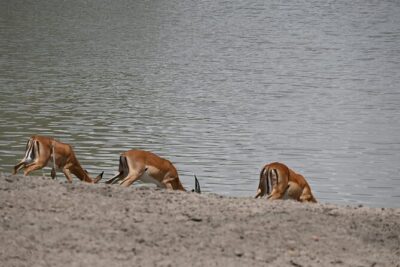
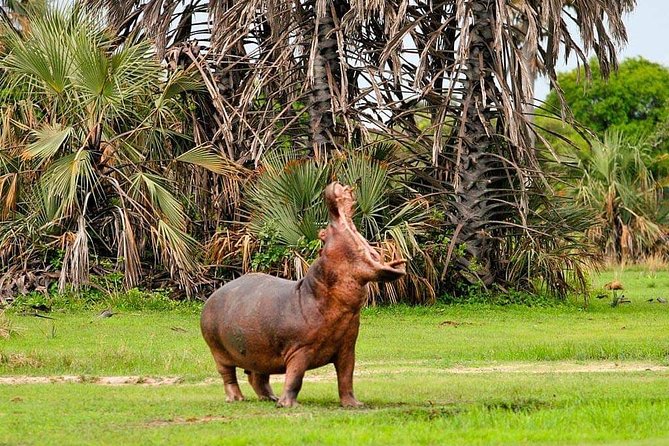
Other animals listed include zebras, impalas, giraffes, buffalos, hippos, and monkeys. The late afternoon plan is to drive back to Tourist Inn Hotel in Arusha. The overall activity ends back at the meeting point, so you’re not left juggling a final transport puzzle.
The open-roof 4×4, and why it changes the safari feeling
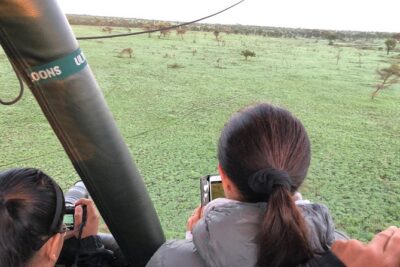
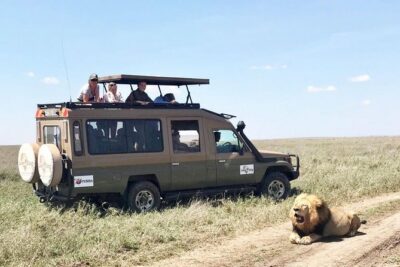
This is a custom designed safari setup with 4×4 vehicles and open roofs for game viewing. In practice, that means you’re not stuck looking through thick glass. You can track animals faster because your eye level and movement match what the guide is seeing.
Add in the group size and you get a comfort advantage. With up to 6 travelers per vehicle and window seats for everyone, you are less crowded than the big-vehicle model, and it is easier for your driver to stop where animals are positioned.
Also, since this is a seat-in-vehicle safari, you are not waiting around for long walks between spots. You spend that time doing the thing you paid for: scanning, tracking, and waiting for movement to turn into a close encounter.
What’s included in the price, and what to budget separately
At $1,538.47 per person for about 6 days, the value depends on what you personally hate paying for separately. Here, a lot is bundled. The list includes:
- All fees and taxes
- Park entry fees
- Professional guide and driver
- Meals: breakfast, lunch, and dinner during the safari days (the package notes 3 meals per day during safari, plus specific meal counts are listed)
- Drinking water
- Camping equipment
So you are not juggling daily park tickets, meal logistics, or the question of where you eat and sleep. That is real money, real stress saved.
What is not included is also clear, and you should plan for it:
- Tips for the driver/guide and safari cook
- Personal items
- International flights
- Visas
My advice: treat tipping as part of the budget, not an afterthought. Also, if you expect to purchase lots of extra drinks beyond the included drinking water, decide that before you go.
Meals and camping gear: where comfort gets practical fast
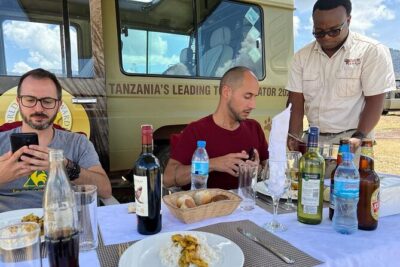
Meals are part of the daily rhythm here, with breakfast, lunch, and dinner included, plus drinking water. The itinerary also uses picnic lunches inside parks, which helps keep your day moving instead of turning lunch into a long off-route interruption.
Camping equipment is included too. That matters because it reduces the gear list you need to bring with you from home.
Based on the consistent praise around service and food handling, the way your chef cooks and the way your guide runs timing can really affect the whole experience. When meals are handled well on safari days, you spend less mental energy worrying about comfort and more energy watching for lions, rhino, or that sudden herd movement that signals something is about to happen.
Animal spotting targets: what this route is built for
You can see giraffe, zebra, wildebeest, elephants, hippos, and a large variety of birds. The itinerary also leans into specific “rare treat” possibilities like rhinos, leopards, cheetah, and lion kills.
A practical way to set expectations: this safari is designed to put you in the right habitats at the right times. But wildlife is wildlife. Even with a strong route, you can have days where you see mostly herds and birds, then a late-game drive where predators appear.
If you care about birds, Manyara and the crater day are worth it for the sheer mix. If you care about big mammals, Tarangire for elephants and Serengeti for overall abundance of animals plus predators, and Ngorongoro for the black rhino possibility.
Price and logistics: is this join-group safari a good deal?
I’d call it a solid value if your priorities match the inclusions. You get four major parks, a small-group vehicle model with open-roof viewing, and meals plus park fees bundled into the cost.
You are also paying for time management. Long game drives across multiple parks cost money and fuel. When the itinerary includes picnic lunches inside parks and keeps you closer to where animals are likely to be, you effectively get more wildlife hours for your money.
Where the value can feel less appealing is if you are chasing maximum flexibility. A set route with set start times means you cannot casually change plans mid-trip. If you want to sleep in and decide daily where to go, a fixed safari route may feel restrictive.
Who this safari fits best, and who should adjust expectations
This is a great fit for you if:
- You want a Northern Circuit highlights route without doing it yourself
- You prefer a small group experience rather than a large convoy
- You like early starts when the light is best and you want strong game-drive time
- You are comfortable with camping-style nights in Serengeti areas (Seronera and Simba campsites are part of the plan)
It may feel less ideal if:
- You want a super relaxed schedule with minimal driving
- You are highly sensitive to outdoor sleeping conditions
- You hate the idea of paying additional amounts for tips and any personal expenses
Should you book this join-group safari?
I’d book this safari if you want one organized way to hit Tarangire, Serengeti, Ngorongoro Crater, and Lake Manyara with open-roof 4×4 viewing and most daily costs already included. It is built for serious time in the parks, not just checking boxes.
Before you book, do a quick reality check: can you handle early breakfasts and long game drives for several days? If yes, you are set up for a trip that hits the classic Tanzania wildlife highlights with a group size that keeps the experience comfortable.
FAQ
How many travelers are in this safari?
The tour is a small group with a maximum of 6 travelers per vehicle.
What parks are included in the 6-day itinerary?
You visit Tarangire National Park, Serengeti National Park, Ngorongoro Crater, and Lake Manyara.
What kind of vehicle do you use for game drives?
The safari uses custom designed 4×4 safari vehicles with open roofs. Each traveler has a window seat.
Does the safari include pickup from Arusha?
Pickup is offered. The start time is listed as 8:30 am with a meeting point on Sokoine Rd in Arusha.
What meals are included?
The package includes meals during the safari, with 3 meals per day noted. Breakfast, lunch, and dinner are included (specific meal counts are listed) and drinking water is included.
Is park entry included in the price?
Yes. The tour includes all fees and taxes, and park entry tickets are covered as part of the experience.
What is not included?
Not included are tips for the driver/guide and safari cook, personal items, international flights, and visas.
Where does the safari end?
It ends back at the meeting point in Arusha, after returning from Lake Manyara.
Is free cancellation available?
Yes. Free cancellation is available up to 24 hours before the experience start time for a full refund, with cut-off times based on local time.
Longer Trips Through the North
- Tanzania Classic – 7 Days
★ 5.0 · 1,151 reviews - 7-Day Premium Luxury Tanzania Safari All-Inclusive
★ 5.0 · 426 reviews - Tanzania Wildlife Encounters – 6 Days
★ 5.0 · 277 reviews - Group Safari 7 Days in Tanzania’s Main Parks
★ 5.0 · 240 reviews - 4 Days Join Group tour Tarangire Serengeti and Ngorongoro crater
★ 5.0 · 219 reviews
Just added from around Arusha
Multi-Day Northern Circuit Safari Packages, compared.
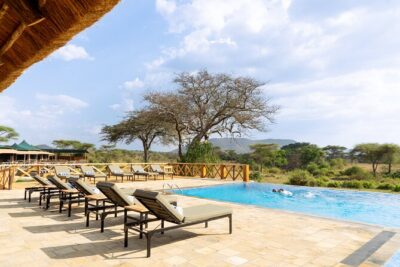 ★ 5.07-Day Premium Luxury Tanzania Safari All-InclusiveFrom $4,840426 reviews
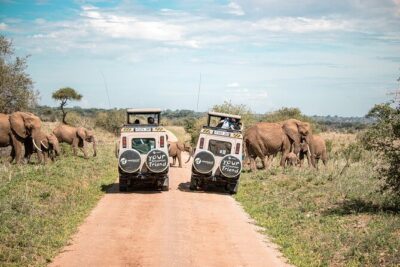 ★ 5.0Tanzania Wildlife Encounters – 6 DaysFrom $3,413277 reviews
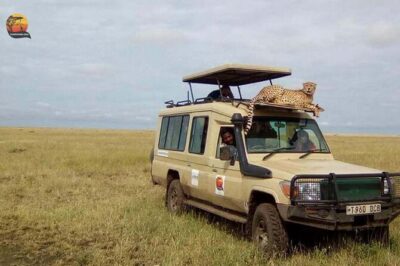 ★ 5.0Group Safari 7 Days in Tanzania’s Main ParksFrom $3,000240 reviews
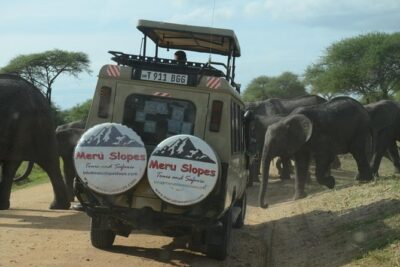 ★ 5.04 Days Join Group tour Tarangire Serengeti and Ngorongoro craterFrom $1,090219 reviews
 ★ 5.05-Day Private Northern Tanzania Safari from ArushaFrom $2,780182 reviews
 ★ 5.05 Days Best of Tanzania Luxury Safari Northern CircuitFrom $3,744174 reviews
 ★ 5.08 Day Spectacular Migration Serengeti mid -Range Tanzania SafariFrom $4,257161 reviews
 ★ 5.0Multi-Day Tanzania Odssey Safari from ArushaFrom $4,164120 reviews
Browse the lists this tour appears in