
REVIEW · MULTI-DAY NORTHERN CIRCUIT SAFARI PACKAGES
Tanzania Classic Safari – 7 Days
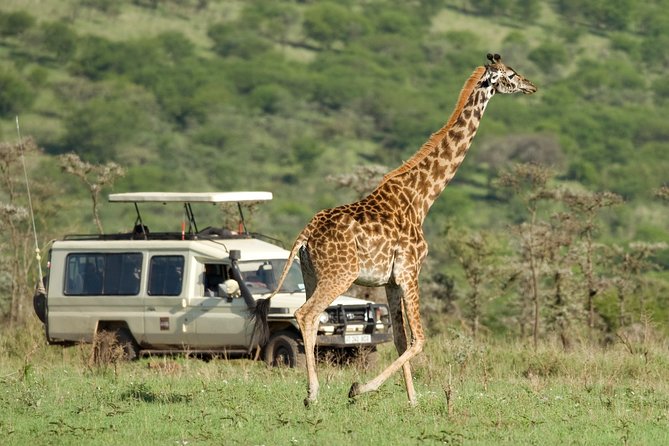
Serengeti migration, minus the guesswork. This Tanzania Classic Safari strings together Tarangire, several days in the Serengeti, and the Ngorongoro Crater, with the pace built around wildlife action. You start with an Arusha lodge welcome, then head out in private comfort with a pro guide.
I especially like the multi-day Serengeti time, because predators and migration movement do not fit neatly into a single day. I also like that park fees, taxes, and meals are included, so your trip budget is easier to plan.
The main catch is timing. This safari is not available year-round, and the Great Migration shifts, so you are chasing a moving target.
In This Review
- Key highlights that make this safari work
- Arriving in Arusha, then getting safari-ready fast
- Tarangire National Park for elephants and baobab “wow” moments
- Serengeti time built for Great Migration chances
- Sunrise safaris in Serengeti, when sightings feel most intense
- Central Serengeti tented camping nights, what to expect
- Ngorongoro Crater descent and Big Five odds, plus rhino focus
- Mto wa Mbu as your last-day reset, with add-ons
- Price and value: what $8,900 actually covers
- Guides and planning that make the itinerary feel smooth
- Practical tips so you enjoy every drive
- Should you book this Tanzania Classic Safari?
- FAQ
- Where does the safari start and end?
- Is pickup offered?
- Is this a private safari?
- How long is the safari?
- What parks and areas are included?
- What meals are included?
- What is included in the price?
- What is not included?
- Is the Great Migration guaranteed?
- Can I get a refund if I cancel?
Key highlights that make this safari work
- Serengeti for more than one day to increase your chances of seeing predators and big migration drama.
- Tarangire’s elephant herds plus baobabs for a different feel than the open Serengeti plains.
- Ngorongoro Crater with Big Five odds and the highest chances of spotting endangered rhino in this area.
- Sunrise safari strategy when animals are most active and sightings often feel more alive.
- Private transportation with a pro guide so you can move efficiently between key areas.
- Mto wa Mbu as a flexible final stop with time to relax or add an extra activity.
Longer northern circuit routes, side by side
- Tanzania Classic – 7 Days★ 5.0 · 1,151 reviews
- Tanzania Wildlife Encounters – 6 Days★ 5.0 · 277 reviews
- Group Safari 7 Days in Tanzania’s Main Parks★ 5.0 · 240 reviews
- 4 Days Join Group tour Tarangire Serengeti and Ngorongoro crater★ 5.0 · 219 reviews
Arriving in Arusha, then getting safari-ready fast
Your trip starts in Arusha, with pickup arranged after you land at Kilimanjaro Airport. The first thing you notice is the shift from airport logistics to real Tanzania time, with a driver waiting outside and a lodge welcome once you arrive.
Before you hit the next day’s drive, you get a short program briefing while you settle in with a local drink. I like this setup because it helps you understand the rhythm of the days ahead, without turning your first night into a scramble.
Tarangire National Park for elephants and baobab “wow” moments
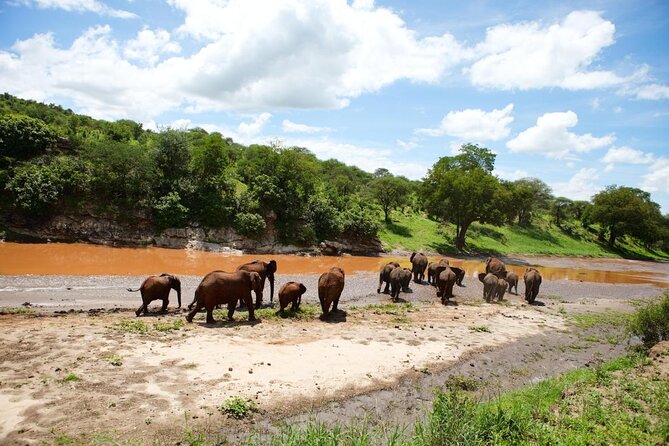
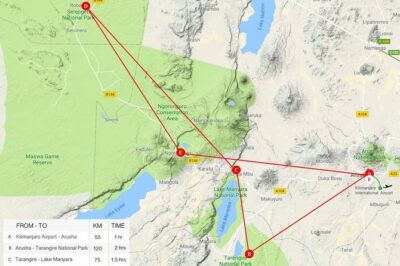
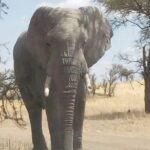
Tarangire is often a favorite because it feels distinct from the Serengeti. You head into a park known for large herds of big elephants and for ancient baobab trees that look older than the idea of travel.
The Tarangire River runs through the area and provides a year-round food source, which matters for wildlife viewing. In plain terms, that steady water supply can help keep animals concentrated, so your guide can work the sightings like a live puzzle.
A practical note: Tarangire is a full day on the schedule, with about 8 hours mentioned. If you are the type who hates feeling rushed, plan to enjoy the morning drives, then lean into the long day rather than trying to multitask on your phone.
Serengeti time built for Great Migration chances
The Serengeti section is where this trip really earns its name. After an early breakfast, you start a safari day in the park, then you stay at a tented camp in central Serengeti.
Here is the logic I like: instead of one stopover, you get multiple days in Serengeti National Park, which gives you repeated chances. Predators can change locations quickly, and the migration can shift, so you want more than one shot at the action.
And the trip is explicitly designed around migration timing. The operator notes that the best Great Migration safari depends on season and where the herd is moving, which is why they say this safari is not available year-round. If you are flexible with your travel month, you give yourself a better shot at seeing the real stuff.
Sunrise safaris in Serengeti, when sightings feel most intense
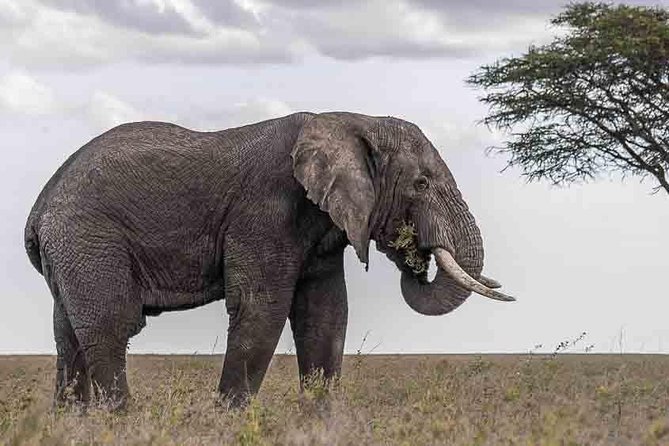
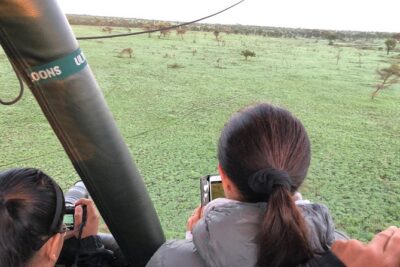
Your second Serengeti day is planned with an early start and a sunrise safari. The guide’s goal here is simple: animals are most active around early hours, so your chances climb before the heat and crowds change the rhythm of the day.
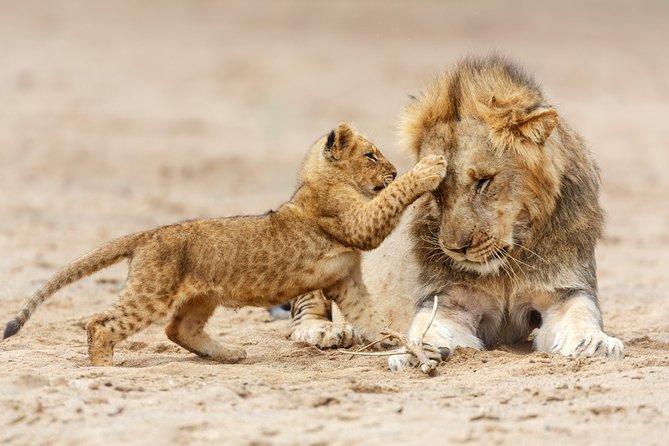
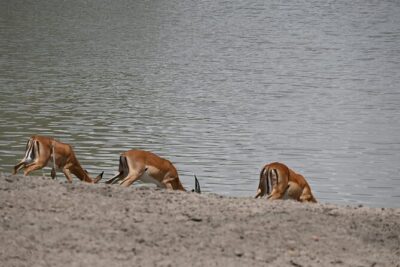
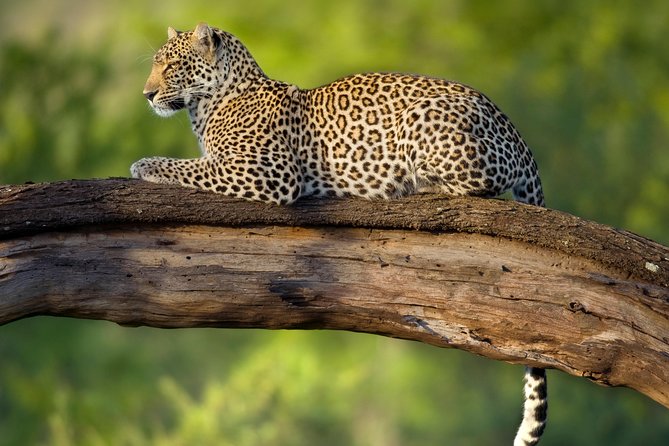
This is also the day that tends to feel like classic wildlife-TV mode. Expect a focus on carnivores such as lions, cheetahs, leopards, and hyenas, plus the full cast of the plains. After the sunrise run, you spend the rest of the day exploring different parts of the park for as many wildlife encounters as possible.
One thing to keep expectations realistic: even with smart timing, wildlife sightings are never guaranteed. What you can control is effort and options, and this itinerary is built to give you both.
Central Serengeti tented camping nights, what to expect
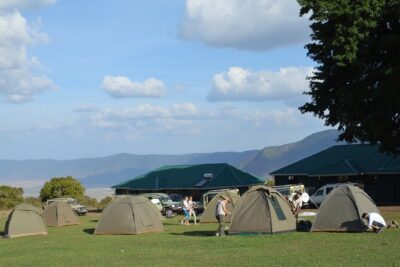
The schedule includes at least one night at a tented camp in central Serengeti after your first Serengeti safari day. That matters because you are not losing daylight to long drives every time you want another sighting window.
A tented camp also tends to bring you closer to the safari feeling, with the evening air and sounds more present than you would get in a city hotel. If you like being near the wild without roughing it too hard, this is usually a sweet spot.
Because the exact camp details are not listed, I cannot tell you specific bedding, power hookups, or room layout. Still, since accommodations are included, you can treat the tented camp as part of the package and focus on what you will actually remember: the early drives and the animal sightings.
Ngorongoro Crater descent and Big Five odds, plus rhino focus
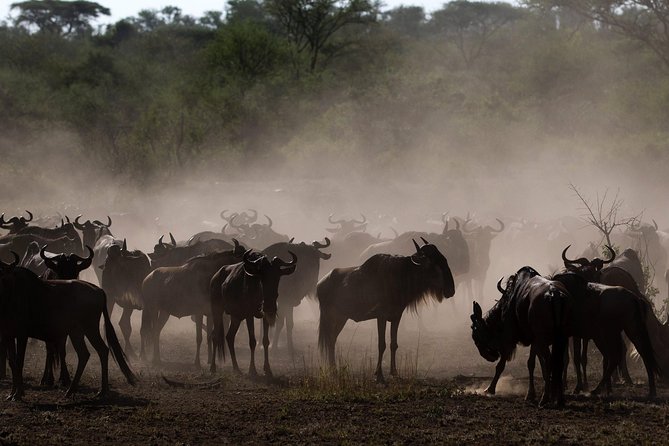
Ngorongoro Crater is the kind of stop people plan entire trips around, and this day is built for serious viewing. You drive toward the steep and narrow road that drops you into the crater, with a bumpy but adventurous ride along the way.
At the crater, the viewing setup is different from open plains. You can often spot animals from a distance, which is useful when you are trying to scan for the Big Five. The schedule calls out the best chance to see lion, elephant, buffalo, rhino, and if you are lucky, leopard.
The rhino mention is important. The operator specifically says Ngorongoro offers the highest chances of seeing the endangered rhino in this area. Even if you never see a rhino, the crater day is still valuable for the density of animals and the unique setting you cannot replicate elsewhere.
You finish the day by continuing on to your next lodge, arriving late afternoon or early evening. That timing gives you a break after the crater focus, which is smart because this is one of the most “animal-packed” days.
Mto wa Mbu as your last-day reset, with add-ons
After Ngorongoro, the safari ends and your final day is in Mto wa Mbu. The itinerary gives you a lighter feel: you wake up with memories full of stories, then choose whether to relax at the lodge or add an extra activity.
This is a nice way to travel out of a safari without immediately jumping into another long drive. If you still have energy, the optional day-of activity can help you add a bit more Tanzania flavor before your flight home.
The schedule also keeps your options open for what happens next. You can fly home from here, or potentially continue on to Zanzibar if that is part of your plan.
Price and value: what $8,900 actually covers
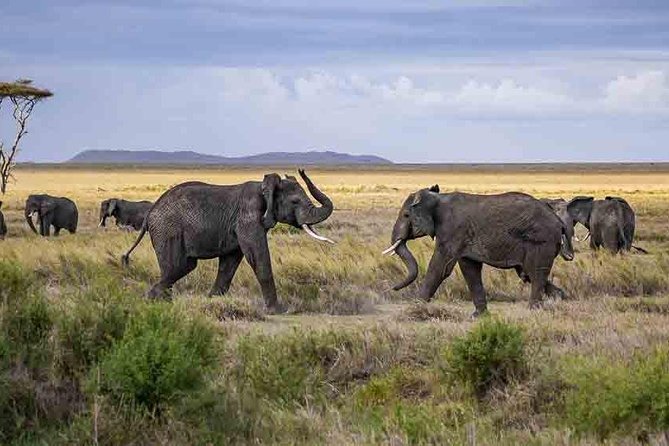
At $8,900 per person, this is not a budget safari. But you are not just paying for a seat and a driver either.
The package includes all park fees and taxes, all accommodations, a professional safari guide, and private transportation. Food is also mostly covered, with 6 breakfasts, 5 lunches, and 5 dinners included in the schedule. When a safari includes park entry, meals, and lodging, the value is easier to see because those are often the biggest hidden costs when you book piecemeal.
Two things to watch on the cost side. Travel insurance and your visa are not included, so you will need to budget those separately. Also, because this safari depends on Great Migration timing, dates matter for both availability and viewing odds.
If your priority is maximizing your chance at the migration while still seeing Tarangire and Ngorongoro, this price can start to feel less steep compared to assembling the same trip yourself.
Guides and planning that make the itinerary feel smooth
Arusha Trips runs the experience, and the biggest compliment that repeats is organization with a human touch. In past arrangements connected with this operator, planners like Lex have been described as reactive and detail-focused, including honeymoon-style guidance.
Guide names that have shown up in guest feedback include Isaac, Izaak, Innocent, and Daniël (spelling may vary). The common thread is that the guides were experienced and friendly, and they helped guests see a wide range of wildlife, including Big Five moments like a rhino sighting.
That matters because on safari, your guide is not just driving. They are reading animal behavior, choosing where to position the vehicle, and helping you understand what you are actually seeing. Good guiding can turn a long day into a real set of unforgettable hours.
Practical tips so you enjoy every drive
Plan around early mornings. A sunrise safari and early starts are not optional extras here, they are core to the viewing strategy.
Bring neutral, earthy clothing and layers. Mornings can feel cool, and days can warm up quickly, so a light layer system helps. Also pack a hat and sunglasses, since you will spend hours looking out across open areas.
Expect long wildlife days, especially with Serengeti time and crater viewing. The itinerary is structured to avoid constant long jumps each hour, but you will still be in “safari mode” for much of the day.
For photography, give yourself time to watch first, then shoot. If you try to film everything, you will miss the small stuff, like how close predators are to prey patterns.
Should you book this Tanzania Classic Safari?
Book it if you want a migration-focused safari with serious time in the Serengeti, not a quick drive-by. The multi-day Serengeti setup, plus Tarangire and Ngorongoro, is a strong combination if your bucket list includes predators and a real chance at Great Migration action.
Be cautious if your dates are fixed and you cannot be flexible on season. Since the operator says the trip is not available year-round and migration timing depends on where the herds are, you could end up shifting your expectations toward more general Serengeti wildlife if the migration is not in the right place.
I would also say book it if you like having logistics handled, because park fees, accommodations, and most meals are included. That lets you spend your energy on the day itself instead of budgeting every step.
If you want, tell me your travel month and whether you are more into migration drama or Big Five sightings, and I can help you think through how to time it.
FAQ
Where does the safari start and end?
It starts in Arusha, Tanzania, and it ends back at the meeting point in the Arusha area.
Is pickup offered?
Yes, pickup is offered.
Is this a private safari?
Yes, it is private. Only your group will participate.
How long is the safari?
The duration is listed as about 6 days, and the tour is marketed as a 7-day safari. The schedule runs from Day 1 through Day 6.
What parks and areas are included?
You visit Tarangire National Park, Serengeti National Park, Ngorongoro Crater, and you end with a day in Mto wa Mbu.
What meals are included?
Breakfast is included for 6 days. Lunch is included for 5 days, and dinner is included for 5 days.
What is included in the price?
The price includes all park fees and taxes, all accommodations, a professional safari guide, private transportation, and the listed meals.
What is not included?
Travel insurance and your visa are not included.
Is the Great Migration guaranteed?
The trip is designed to chase the Great Migration with the biggest chance possible, but it is not available year-round and timing depends on the migration season and location. So, it is not described as guaranteed.
Can I get a refund if I cancel?
No. The experience is non-refundable and cannot be changed for any reason. If you cancel or ask for an amendment, the amount you paid is not refunded.
Longer Trips Through the North
- Tanzania Classic – 7 Days
★ 5.0 · 1,151 reviews - 7-Day Premium Luxury Tanzania Safari All-Inclusive
★ 5.0 · 426 reviews - Tanzania Wildlife Encounters – 6 Days
★ 5.0 · 277 reviews - Group Safari 7 Days in Tanzania’s Main Parks
★ 5.0 · 240 reviews - 4 Days Join Group tour Tarangire Serengeti and Ngorongoro crater
★ 5.0 · 219 reviews
Just added from around Arusha
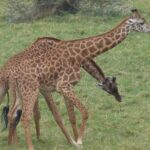
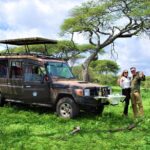
Multi-Day Northern Circuit Safari Packages, compared.
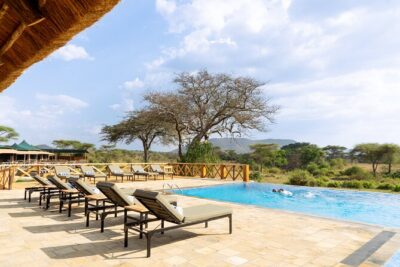 ★ 5.07-Day Premium Luxury Tanzania Safari All-InclusiveFrom $4,840426 reviews
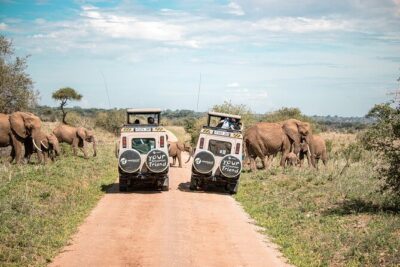 ★ 5.0Tanzania Wildlife Encounters – 6 DaysFrom $3,413277 reviews
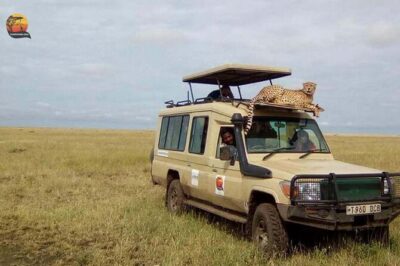 ★ 5.0Group Safari 7 Days in Tanzania’s Main ParksFrom $3,000240 reviews
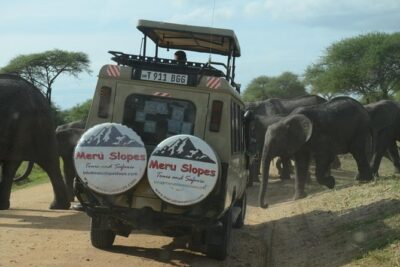 ★ 5.04 Days Join Group tour Tarangire Serengeti and Ngorongoro craterFrom $1,090219 reviews
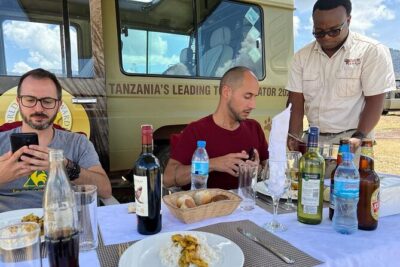 ★ 5.05-Day Private Northern Tanzania Safari from ArushaFrom $2,780182 reviews
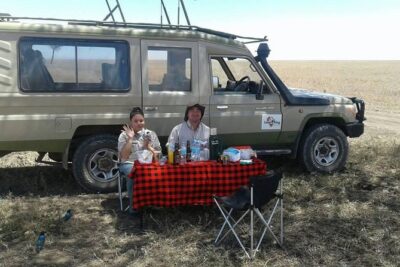 ★ 5.05 Days Best of Tanzania Luxury Safari Northern CircuitFrom $3,744174 reviews
 ★ 5.08 Day Spectacular Migration Serengeti mid -Range Tanzania SafariFrom $4,257161 reviews
 ★ 5.0Multi-Day Tanzania Odssey Safari from ArushaFrom $4,164120 reviews
Browse the lists this tour appears in