
REVIEW · SAFARI
Safari Excelente y Safari lujos Tanzania
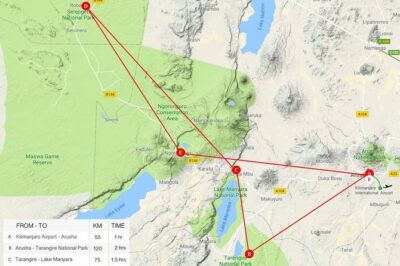
Wildlife time in Tanzania starts fast. This private six-day safari from Arusha strings together Kilimanjaro, Tarangire, Serengeti, Ngorongoro, and Manyara into one smooth circuit, with park entry fees handled and a pickup plan that keeps you from burning daylight on logistics.
What I like most is the pace control that comes with a private tour restricted to your group, plus the practical comfort of included meals throughout. A possible drawback to flag is the price, listed at $7,851.24 per person, which makes this a serious splurge, so you’ll want to double-check what’s included beyond the safari itself.
In This Review
- Key things to know before you go
- Getting Started in Arusha: Pickup, Timing, and First Impressions
- Kilimanjaro National Park Day 1: Arrival Meets Orientation
- Tarangire National Park: Where Dry Season Concentrates the Action
- Serengeti Days: The Big, Familiar Planet-Scale Feeling
- Ngorongoro Conservation Area and the Crater: Picnic at the Edge of a Volcano
- Lake Manyara and Mto Wa Mbu: Birds, Monkeys, Lions, Then Real People
- Private Safari Value: Why Included Meals and Park Fees Matter
- Guides and the Human Touch: The Difference Is Real
- What to Pack and How to Prepare for Real Safari Days
- Who This Safari Suits Best
- Should You Book Safari Excelente y Safari lujos Tanzania?
- FAQ
- Is pickup included for this Tanzania safari?
- What is the starting point and start time?
- How long is the safari?
- Is this a private tour?
- Are park admission and entry fees included?
- Are meals included?
- What parks and areas are visited?
- Will I receive tickets on my phone?
- What happens if I cancel?
Key things to know before you go
- Private, group-only access so you spend more time watching and less time waiting.
- Meals are included, which matters when you are driving all day in national parks.
- Park admission is included for the sites you visit.
- Multi-language guide team, and past guides mentioned include Joseph, Moses, Musa, Amiri, Carlos, and Moises.
- Early starts and long drives are part of the deal, especially for Tarangire and crater day.
Still weighing it up? These Arusha trips came out well when we reviewed them.
- Balloon Safari & Bush Breakfast in Serengeti – Miracle Experience★ 5.0 · 1,646 reviews
- Tanzania Classic – 7 Days★ 5.0 · 1,151 reviews
- 4 Days Group Camping Safari★ 5.0 · 1,101 reviews
- 5 Days Group Camping Safari★ 5.0 · 730 reviews
Getting Started in Arusha: Pickup, Timing, and First Impressions
Most safari plans fall apart at the beginning, when you are hunting for your driver, trying to find your people, and guessing what time to be ready. Here, you start with a set meeting point at Jevas Hotel EncoreTZ in Arusha, with the day starting around 7:30 am.
On top of that, there is a pickup flow that includes airport arrival for Kilimanjaro National Park day, and the tour includes an orientation session and itinerary overview once you are settled. That first hour can sound boring on paper, but in real life it helps you understand the rhythm of the days ahead and what to expect when you’re suddenly in the middle of wild country.
If you are the kind of traveler who likes being ready before the action begins, this setup fits you well. You also get a mobile ticket, which is one less thing to worry about when you land and your brain is still rebooting.
Kilimanjaro National Park Day 1: Arrival Meets Orientation
Day 1 is essentially your on-ramp into Tanzania safari life. You are picked up via the Kilimanjaro arrival route, transferred to the hotel, and given an information session that lays out the plan for your time in the parks.
You do get an admission ticket included for the park day, so you do not have to think about lines, forms, or last-minute payments before you even see animals. Even if Kilimanjaro National Park is not the main headline of your safari, this “warm-up” day helps you adjust to the time, the driving style, and the steady pace of game drives.
The tradeoff is that Day 1 can feel more logistical than wild. If you are craving immediate sightings, you may have that first day as a bit of a balance day, which is normal for a multi-park circuit.
Tarangire National Park: Where Dry Season Concentrates the Action
Tarangire is the kind of park that rewards early mornings and patient scanning. The day starts with a pickup from your Arusha hotel and an early drive to Tarangire, with time to arrive before lunch and begin the safari when wildlife is most active.
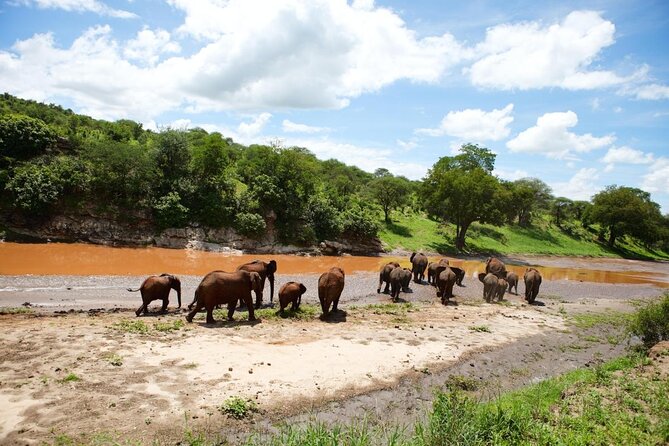
The big reason I think Tarangire is worth the drive is its water system. Its river stays active even in the dry season, so animals concentrate around reliable access points. In practical terms, that means you spend more time with sightings and less time covering ground hoping for luck.
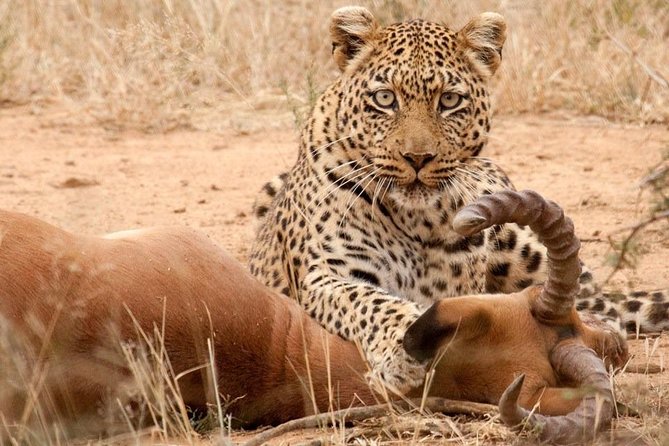
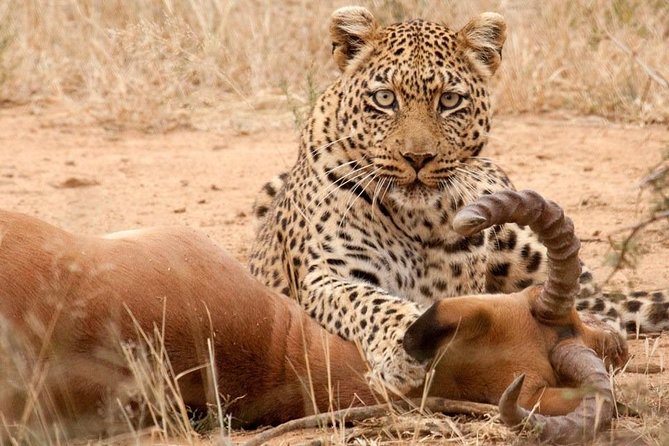
From the animal list tied to this park stop, you can expect elephants, buffalo, oryx, and other antelope, plus predators like lions and leopards when the herbivores are close. You are also looking out for the smaller characters that make a safari feel alive, including creatures like pythons that climb, plus mongooses and lots of birdlife.
A quick reality check: Tarangire days are long but worth it. You’ll want to dress for warm sun and cooler mornings, and you’ll likely do a lot of “stop, scan, look longer than you think you should” watching.
Serengeti Days: The Big, Familiar Planet-Scale Feeling
Serengeti is why most people choose Tanzania, and this trip gives you time in it across two days. After breakfast, you drive from park to park with breaks built in, then you do game viewing in the afternoon through sunset.
The Serengeti experience here is built around the idea of scope. You are not just visiting one pocket of habitat. You are riding across huge distances, with the landscapes doing a lot of the storytelling. That is why the drive time matters, even when you feel like you want to skip straight to animals.
On wildlife expectations, the park name itself comes from the Maasai meaning for plain, which hints at the open-country sightlines. That translates into how you’ll likely spot animals: more horizon, more movement, and more waiting that turns into sudden rewards when the sun angle is right.
Two Serengeti days is also smart because sightings often come in patterns. One day might deliver the dramatic chase moment, another might show quieter behavior like feeding and social groups. Having the extra time helps you avoid the common feeling of ending too soon.
The possible downside is stamina. You are looking at roughly 8 hours and then about 9 hours on the later Serengeti day, which means you need to plan for being in a vehicle for long blocks. Bring layers, use sunscreen, and accept that your camera will need frequent hands-off moments so you can just watch.
Ngorongoro Conservation Area and the Crater: Picnic at the Edge of a Volcano
Ngorongoro is the “wait, is this real?” stop for a lot of people, because it feels like a closed world. This day starts early and then you go down into the crater for a photographic safari and a picnic inside the crater.
The crater itself is described as a volcanic structure formed about 2 million years ago, when collapse created a large cirque roughly 20 km across. That scale changes how wildlife lives there. You’re looking at a landscape that acts like a natural amphitheater, so animals often feel tightly framed inside the view.
This is also a day where your guide matters. The difference between seeing animals at distance and finding the right moment for behavior is all about scanning, timing, and knowing where to look. In past guest comments tied to this operator, guides such as Joseph, Moses, and Amiri are repeatedly praised for spotting animals and explaining what you are seeing, in multiple languages.
The other practical win is the picnic. When you are already committed to being underground inside the crater zone, having a built-in meal plan means you do not lose time hunting for food or dealing with messy logistics.
Lake Manyara and Mto Wa Mbu: Birds, Monkeys, Lions, Then Real People
After Ngorongoro, the trip shifts from pure crater viewing into a mix of nature and community time. Your final park stop is Lake Manyara in the Manyara Region, where you have a picnic inside the park, followed by afternoon safari drives.
Lake Manyara is famous for its birds, and it is specifically described here as home to thousands of flamingos. You can also look for large herbivore groups like wildebeest, zebras, and buffalo, plus monkeys and elephants. This is also one of the classic places for a unique lion behavior, often described as tree-climbing lions, and it’s part of the expectation for this day.
Then you continue to Mto Wa Mbu for a village visit. This is not presented as a checklist stop. You’re invited to see banana plantations, learn about local tribes living together in harmony, view crafts and visit the local market. The value here is that it slows you down and gives context for what you saw in the parks. Wildlife is the headline, but human life is the backdrop.
I love this kind of ending because it changes your brain. After days of game drives, you finally get to stand somewhere you can hear people talk and see how the day-to-day economy works.
Private Safari Value: Why Included Meals and Park Fees Matter
On a multi-day safari, the biggest frustration is not the excitement. It’s the friction. Will you get food on time? Will you be delayed by paperwork? Will you lose a full half-day waiting around?
This tour is designed to reduce that friction. You get all meals prepared and supplied, and park entry fees are included for the parks you visit. Those are not tiny extras. They directly improve the quality of the day because you spend fewer mental calories on logistics and more on noticing animals and enjoying the scenery.
The private format also helps with pacing. Past guest feedback repeatedly points to guides setting a comfort level, including driving style that handles rougher areas during rainy time and working at a pace that fits couples and even pregnant travelers. That does not mean it is effortless, but it suggests the team tries to make the experience feel manageable.
Price note, without sugarcoating: at $7,851.24 per person for about 6 days, this is expensive. It can still be good value if you compare it to other Tanzania safari options that charge separately for park fees, meals, and private guide time. Still, I would treat this like a high-end package and ask what is included and what is not, especially if you are thinking about international flights, tips, and any personal extras.
Guides and the Human Touch: The Difference Is Real
The most praised aspects in the feedback pattern are about the people. Guests highlight that the guides were expert, patient with questions, and capable of finding wildlife, often while also explaining behavior in a way that makes your photos make sense later.
Names that come up include Joseph, Moses, Musa, Moises, Amiri, and Carlos. You can also see a theme about enthusiasm for Tanzania’s nature, plus a sense of professionalism that shows up in details like careful driving and keeping the vehicle in good condition.
For you, that matters because safari success is not only animals. It is timing. It is knowing how to read tracks and movement. It is knowing when to stop and wait. A great guide makes you feel like the trip is working even when the animals are not instantly cooperative.
What to Pack and How to Prepare for Real Safari Days
You don’t need fancy safari gear, but you do need comfort. Expect early starts, long drives, and lots of time outdoors with sun and dust in the mix.
Pack essentials:
- Light layers for mornings and warm afternoons
- Sunscreen and a hat for viewing time
- Binoculars if you have them, they can be a game-changer in open areas
- A rain layer, especially since one review mentions rainy-season driving challenges
- Power bank for your phone and camera, game drives mean constant photo moments
Also, set your expectations about the rhythm. You will likely be eating at planned times, then driving, then stopping and scanning. If you can go with that flow, the days feel smoother.
Who This Safari Suits Best
This is a strong match if you want:
- A private tour restricted to your group
- Included meals and included park entry fees, so you are not doing math all day
- Time in multiple big-name parks, not just a quick taste
- A guide who can answer questions, including in multiple languages
It may be less ideal if you are on a tight budget or you want total control to plan every stop yourself. Private safaris trade freedom for guidance and convenience, and the trade is worth it for many people, but not all.
Should You Book Safari Excelente y Safari lujos Tanzania?
If you value comfort and guided wildlife time, I think this is the kind of safari that can land as a real life memory, not just a tour box checked. The combination of private service, included meals, and included park fees reduces common pain points, and the park lineup is a serious highlight reel: Tarangire for concentrated wildlife, Serengeti for the big-sky drama, Ngorongoro for crater magic, and Lake Manyara plus Mto Wa Mbu for a human ending.
Should you book? Yes, if your budget can handle a premium per-person price and you want a structured private experience rather than DIY uncertainty. Before you commit, do one smart homework step: confirm exactly what the high cost covers beyond the basics listed here, so there are no surprises later.
FAQ
Is pickup included for this Tanzania safari?
Yes. You can be picked up from your Arusha hotel, and there is also a pickup described for arrival from Kilimanjaro airport.
What is the starting point and start time?
The meeting point is Jevas Hotel EncoreTZ, Makao Mapya, Arusha 0255, Tanzania, and the tour starts at 7:30 am.
How long is the safari?
It’s listed as approximately 6 days.
Is this a private tour?
Yes. It is a private tour/activity, restricted to your group only.
Are park admission and entry fees included?
Yes. The tour includes admission and entry fees for the parks you visit.
Are meals included?
Yes. All meals are prepared and supplied.
What parks and areas are visited?
The tour includes Kilimanjaro National Park, Tarangire National Park, Serengeti National Park, Ngorongoro Conservation Area, and the Manyara Region, including Lake Manyara and a visit to Mto Wa Mbu.
Will I receive tickets on my phone?
Yes. The tour includes mobile ticket information.
What happens if I cancel?
This experience is non-refundable and cannot be changed for any reason. It also requires a minimum number of travelers, and if that minimum is not met, you’ll be offered a different date/experience or a full refund.
Just added from around Arusha
Safari, compared.
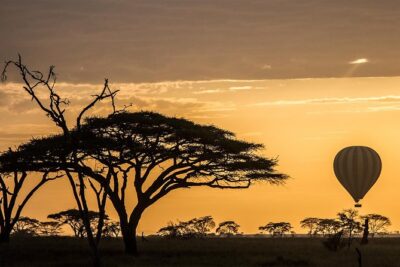 ★ 5.0Serengeti Balloon Safari and authentic bush breakfastFrom $5502,480 reviews
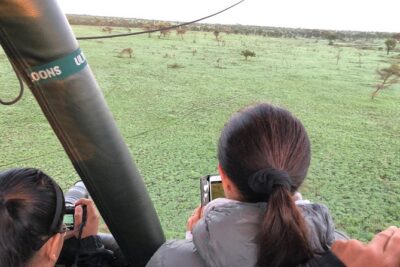 ★ 5.0Balloon Safari & Bush Breakfast in Serengeti – Miracle ExperienceFrom $5991,646 reviews
 ★ 4.7From Zanzibar: Mikumi Safari Day Trip with Flights and MealFrom $4511,470 reviews
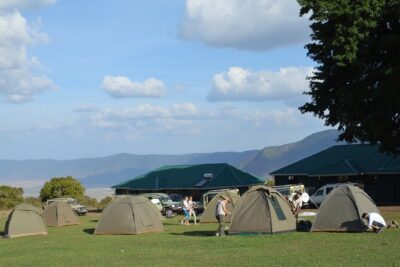 ★ 5.04 Days Group Camping SafariFrom $9001,101 reviews
 ★ 4.7From Zanzibar: Day Selous Game Reserve Safari with FlightsFrom $4701,025 reviews
 ★ 5.05 Days Group Camping SafariFrom $1,100730 reviews
 ★ 5.03 Days Serengeti & Ngorongoro Group Camping SafariFrom $815574 reviews
 ★ 5.07-Day Premium Luxury Tanzania Safari All-InclusiveFrom $4,840426 reviews