
REVIEW · SAFARI
Safari & Culture
Few trips hit both safari and culture.
This Northern Tanzania run is built for wildlife time and real human encounters, moving from Tarangire elephants to full Serengeti game drives, then down into Ngorongoro. I like that you get to share everyday routines with locals around Lake Eyasi and meet the Datoga through hands-on craft work. One thing to plan for: Ngorongoro Crater’s admission is listed as not included, so you’ll want to budget for that extra line item.
You also get a smooth pace for a short window, with early starts where they matter and plenty of time in the parks where animals actually show up. In the car, the guides and drivers highlighted in past trips, like Joseph and Roussagé, are described as long-time Serengeti and Ngorongoro drivers who know where to position you for sightings, including good photo angles. The private setup, pickup offered, and mobile ticket mean less fiddling and more time focusing on the big moments.
If you’re traveling at the right time and you’re flexible on timing, this kind of packed circuit works. If you hate early mornings or you want a slow, unpack-your-bag style trip, this might feel busy.
In This Review
- Key highlights that make this safari tick
- Northern Tanzania in 6 days, with real cultural time
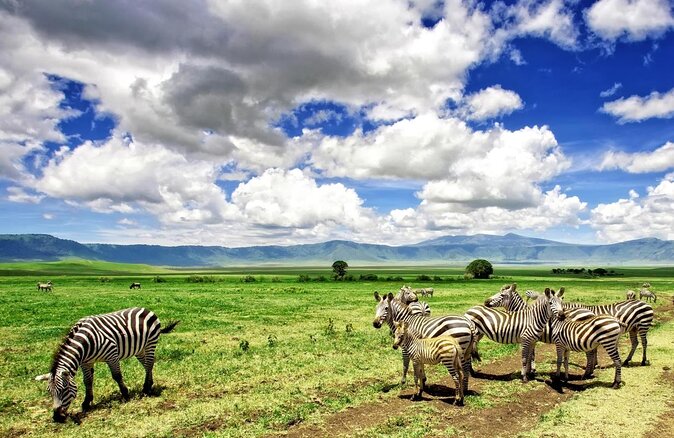
- Tarangire National Park: baobabs, acacias, and elephants at the water’s edge
- Serengeti National Park: two long game drives in prime big-sighting territory
- Full day game drive, aiming for the Big Five
- Overnight stays keep you in the right tempo
- Ngorongoro Crater: the big drop, the rainforest entry, and the animal density
- Lake Eyasi and the Datoga: bush life, hunting with guidance, and jewel making
- Back to Arusha: one last look and a little time for shopping
- Price and value: where $2,572.31 per person makes sense
- What kind of traveler this fits best
- Should you book this safari and culture route?
- FAQ
- How long is the tour?
- Where does the tour take place?
- What does the itinerary include?
- Is pickup offered?
- Is the tour private?
- Are park admission tickets included?
- What wildlife are you likely to target in Serengeti?
- Is there a cultural component?
- What are the operating hours?
- What if weather is bad?
- What is the cancellation policy?
Key highlights that make this safari tick
- Tarangire elephant country, with the river-driven water story behind the park’s wildlife
- Two Serengeti days, including one full day aimed at major predators and other headline species
- Ngorongoro Crater descent, where the rim, rainforest entry, and high concentration of animals change the whole vibe
- Lake Eyasi culture morning, with bushmen life and Datoga jewel making using local tools
- Private group experience, so your schedule and stops can match your pace
- Mostly included park tickets, with the notable exception of Ngorongoro Crater admission
Still weighing it up? These Arusha trips came out well when we reviewed them.
- Balloon Safari & Bush Breakfast in Serengeti – Miracle Experience★ 5.0 · 1,646 reviews
- Tanzania Classic – 7 Days★ 5.0 · 1,151 reviews
- 4 Days Group Camping Safari★ 5.0 · 1,101 reviews
- 5 Days Group Camping Safari★ 5.0 · 730 reviews
Northern Tanzania in 6 days, with real cultural time
A short safari is always a tradeoff. You can either spend longer in one park or you can see multiple ecosystems and then stitch it together with culture. This trip chooses the second option, which is exactly why it feels good for first-timers and people returning to Tanzania with limited time.
The “Safari and Culture” idea here is not just a cultural stop tacked on at the end. You spend actual daytime moving through savannah and crater terrain, then you shift into an early morning that’s explicitly about how people live, hunt, and create. That blend is rare on quick Northern routes.
The other reason I like this format is the rhythm. Big parks get full attention on the days you’re there. Then you move on before the trip drifts into long drives with no payoff.
Tarangire National Park: baobabs, acacias, and elephants at the water’s edge
You start with Tarangire, a park named for the Tarangire River, the main water source animals rely on. That detail matters because water shapes behavior. When water is the center of the map, you can often plan your day around predictable animal movement.
What I’d focus on at Tarangire is the contrast: hill country with multiple vegetation growth zones, then the famous savannah look with baobabs and acacias. This is a park where the trees are not background. They’re part of how you read the scene and where you expect wildlife to show up.
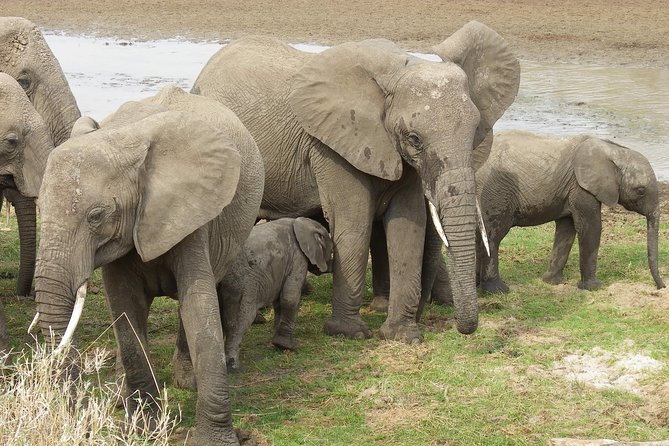
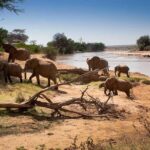
Elephants are the headline, and the park is known for a large concentration of them. Even if you’re not an elephant fanatic, the sheer size of the animals and the way they use the landscape tends to reset your expectations for scale.
Why this first day works: It gets you into safari mode fast, with a 2 to 3 hour departure from Arusha area. It also sets up the next days because you learn what a “water-driven” park looks like compared with other savannah zones.
Watch-outs: A long first day can mean you’ll want to keep expectations realistic for energy. If you’re the type who needs a late-night and a slow morning, I’d plan on going to bed early the day before this starts.
Serengeti National Park: two long game drives in prime big-sighting territory
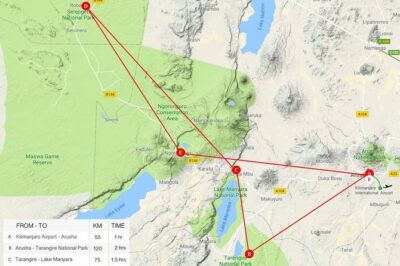
Then you head to Serengeti, traveling through the hilly plateaus around Ngorongoro where Maasai live in round huts and cattle graze across the savannah. Those views matter, because they shift your brain from city Tanzania to pastoral Tanzania before you even reach the main park roads.
Serengeti itself is massive, spread across about 14,750 square kilometers of grassland plains, savannas, riverine forests, and woodlands. That variety is one reason you can have two different-looking days and still feel like you’re in the same famous system.
One of the most practical strengths of this trip is the way it gives you two separate Serengeti days rather than one hurried drive. That matters because wildlife sightings are random. Two days increase your odds, and they also let your driver adjust to what the day gives you.
Full day game drive, aiming for the Big Five
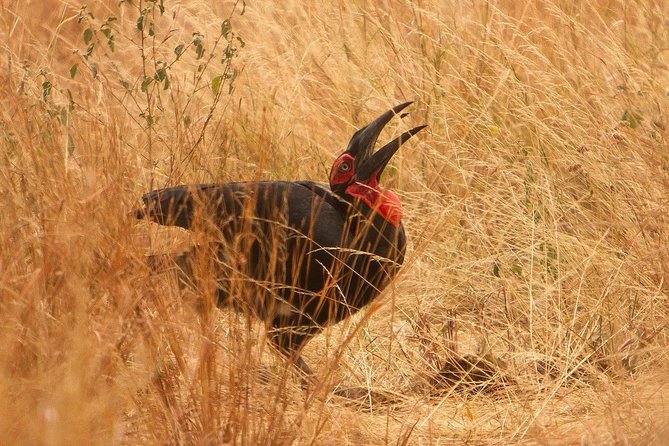
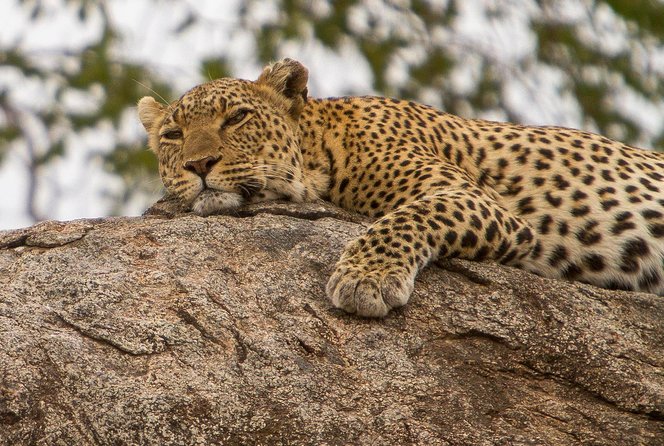
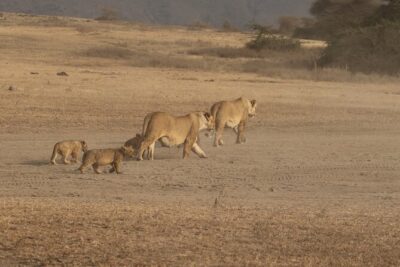
One Serengeti day is set up for a full game drive with a clear target: lions, leopards, elephants, rhinos, and buffaloes. In reality, you’ll also see a lot beyond that list. The day described includes animals like Thompson’s gazelles, topi, Grant’s gazelles, eland antelopes, warthogs, and a mix of birds such as eagles and ostriches.
You may also catch hippos at the hippo pools, including the moment of seeing them wallowing. That detail is a nice reality check: some sightings are dramatic, others are about behavior, and hippos are all behavior.
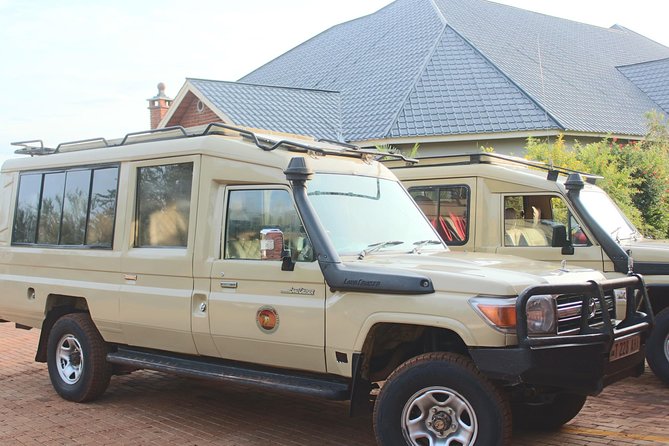
What to expect on the ground: Serengeti is old ecosystem country, and the feeling tends to be bigger than the animals. You sit in the land cruiser, and the space around you is part of the experience. It’s not just a wildlife checklist. It’s time in a place that feels far more open than your home landscape.
Guide advantage you can feel: Past trips highlighted Joseph, described as someone with two decades of driving inside Tanzania parks, plus local driver expertise like Roussagé. When the driver knows routes and patterns, you feel it most when you stop at a moment rather than just driving past possible areas.
Overnight stays keep you in the right tempo
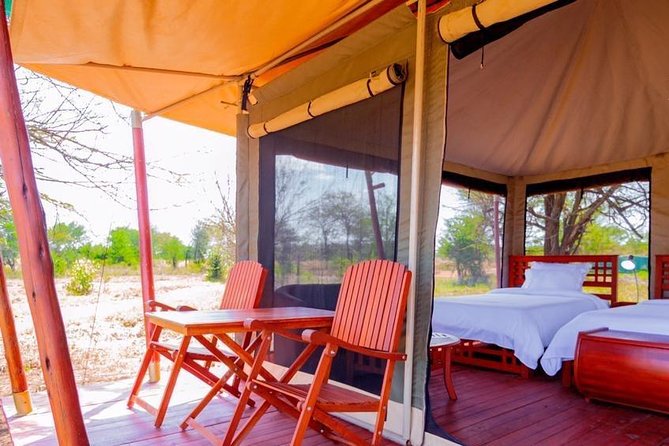
You overnight at Dik-dik Campsite for the first Serengeti night, then at Embalakai Tented Camp the next. Those kinds of settings usually help you stay close to the rhythm of park time, meaning you’re not losing a whole day to travel.
Possible drawback: If you’re prone to motion sickness, two long game drive days can be tough. Bring what you need, and plan to take breaks when you can. Also, wildlife is never guaranteed, so keep your mood flexible.
Ngorongoro Crater: the big drop, the rainforest entry, and the animal density
Ngorongoro is the kind of place that changes your perspective. You drive in from the outside, then you descend into the crater, with rainforest moving past you before the rim-to-floor drop starts.
The crater is described as the largest caldera in the world with intact walls. Those walls are not just a geology trivia point, they help create a tight system. The area supports about 25,000 animals and around 350 bird species with year-round access to water.
Here’s what makes it special in practical terms: even though you’re on the crater floor, you can still be high above sea level because the rim sits at roughly 2,200 meters. The rim towers about 600 meters above, so the terrain feels like an enclosed world.
Why this stop is worth budgeting for: You have an explicit note that Ngorongoro Crater admission is not included. So while this day is a major highlight, you should treat it as the one extra cost you’ll want to confirm before you go. If you’re doing math on value, this is the day to double-check.
What to watch for: Crater days often mean lots of time looking for animals in a concentrated area. That’s great for sightings, but it also means you may spend less time standing around and more time tracking. If you prefer long, slow bird walks, balance your expectations.
Lake Eyasi and the Datoga: bush life, hunting with guidance, and jewel making
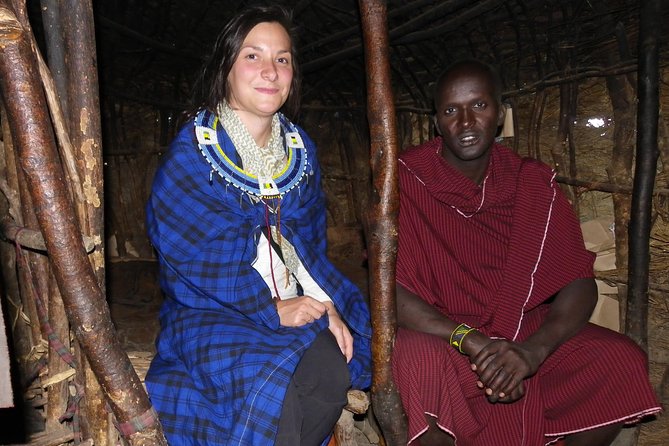
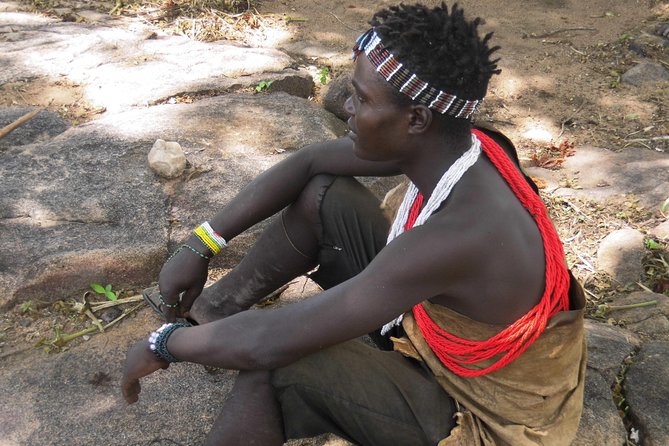
This is the cultural piece that gives the trip its unusual feel. You leave very early with a breakfast box toward Lake Eyasi. From there, you visit bushmen life and also Datoga tribe activities.
The plan includes an hour drive, then time to see their life and hunting with them. Then you proceed to Datoga to see how they make jewels using local tools. Finally, you drive back for hot lunch in Karatu town.
A couple things to keep in mind while you’re there:
1) Be respectful and slow. Cultural interaction works best when you don’t treat it like a performance.
2) Ask what you’re seeing. The most meaningful parts of cultural visits are the explanations, not just the photos.
3) Remember it’s hands-on. Jewel making and tool work is tangible. Even if you’re not an art person, you’ll likely walk away seeing the process differently than you would from a shop display.
Why it’s valuable: Many safaris barely scratch the surface of “how people live.” This day is structured around everyday tasks like hunting practices and craft work. That’s the real definition of culture time, not a quick photo stop.
Possible consideration: Early starts are real here. If you’re not a morning person, give yourself permission to sleep deeply the night before.
Back to Arusha: one last look and a little time for shopping
The final morning brings you back toward Arusha after breakfast, with time for shopping along the way. This is a useful wrap-up window because it gives you something to do that isn’t another vehicle day.
I like these last legs because they help you transition out of safari mode without rushing. You’re also closer to the kind of services and supplies you might need after a multi-day trip.
Watch-out: Shopping time on safari days can feel short. If you’re hunting for specific items, don’t leave it until the last stop only to find stock is limited.
Price and value: where $2,572.31 per person makes sense
At $2,572.31 per person for about 6 days, you’re paying for a multi-park loop, private group setup, and the time it takes to move between major wildlife areas and culture stops.
Here’s how I’d judge the value using what’s included:
- Tarangire and Serengeti days list admission ticket free
- Ngorongoro Conservation Area also lists free admission
- Ngorongoro Crater is the one clearly marked as admission ticket not included
So your cost is not just “a tour price.” It’s also tied to which park fees are covered and which aren’t. If you plan your budget around that, the overall number becomes easier to swallow.
Also, the private group angle is part of the value. A safari with a private setup often means less crowd juggling, and it helps the guide adjust pacing when animals slow down or when you want time to scan.
One last value tip: Ask yourself what you’d do if you had to buy your own tickets and hire a guide day by day. If the answer is complicated or expensive, this packaged approach starts looking smarter.
What kind of traveler this fits best
This experience suits you best if:
- You want a Northern Tanzania sampler that includes Tarangire, Serengeti, and Ngorongoro without needing a week and a half
- You care about seeing big cats and big mammals, including elephants, and you’re okay with wildlife being unpredictable
- You want cultural time that goes beyond a quick stop, especially around Lake Eyasi and the Datoga
- You’re happy with early starts on the days that matter for animals and morning visits
It may be less ideal if:
- You want a slow pace with very little driving
- You dislike early mornings
- You don’t want any extra costs popping up, since Ngorongoro Crater admission is not included
Should you book this safari and culture route?
If you want a tightly packed but not rushed-feeling mix of savannah wildlife and human life, I think this is a strong choice. The two Serengeti days make a big difference, and the Lake Eyasi cultural morning is the kind of add-on that actually changes the whole story of the trip.
Before you commit, do two quick things:
1) Budget for Ngorongoro Crater admission, since it’s not included.
2) Plan for early starts with sleep and snacks in mind, especially for the Lake Eyasi day.
If those points fit your travel style, booking makes sense. You’ll come away with that rare combo of prime parks and genuine culture time, not just another checklist safari.
FAQ
How long is the tour?
The tour is listed as 6 days approximately.
Where does the tour take place?
It takes place in Northern Tanzania, based around Arusha, with visits to Tarangire National Park, Serengeti National Park, Ngorongoro Crater, and Ngorongoro Conservation Area including a Lake Eyasi day.
What does the itinerary include?
You’ll have wildlife days in Tarangire and Serengeti, a Ngorongoro Crater visit, a very early Lake Eyasi cultural day with bushmen and Datoga experiences, and then a return to Arusha with shopping time.
Is pickup offered?
Yes, pickup is offered.
Is the tour private?
Yes, it is a private tour/activity, and only your group will participate.
Are park admission tickets included?
Admission tickets are listed as free for Tarangire, Serengeti, and Ngorongoro Conservation Area, while Ngorongoro Crater admission is listed as not included.
What wildlife are you likely to target in Serengeti?
The plan highlights the Big Five: lions, leopards, elephants, rhinos, and buffaloes, plus many other species such as gazelles, warthogs, and various birds.
Is there a cultural component?
Yes. You’ll experience bushmen life and a Datoga visit focused on how they make jewels by local tools, plus hunting as part of the bushmen time.
What are the operating hours?
The listed hours are 6:00 AM to 7:00 PM, Monday through Sunday.
What if weather is bad?
The experience requires good weather. If it’s canceled due to poor weather, you’ll be offered a different date or a full refund.
What is the cancellation policy?
Free cancellation is available up to 24 hours in advance for a full refund. If you cancel less than 24 hours before the experience starts, the amount paid is not refunded.
Just added from around Arusha

Safari, compared.
 ★ 5.0Serengeti Balloon Safari and authentic bush breakfastFrom $5502,480 reviews
 ★ 5.0Balloon Safari & Bush Breakfast in Serengeti – Miracle ExperienceFrom $5991,646 reviews
 ★ 4.7From Zanzibar: Mikumi Safari Day Trip with Flights and MealFrom $4511,470 reviews
 ★ 5.04 Days Group Camping SafariFrom $9001,101 reviews
 ★ 4.7From Zanzibar: Day Selous Game Reserve Safari with FlightsFrom $4701,025 reviews
 ★ 5.05 Days Group Camping SafariFrom $1,100730 reviews
 ★ 5.03 Days Serengeti & Ngorongoro Group Camping SafariFrom $815574 reviews
 ★ 5.07-Day Premium Luxury Tanzania Safari All-InclusiveFrom $4,840426 reviews