
REVIEW · MULTI-DAY NORTHERN CIRCUIT SAFARI PACKAGES
Private Multi-Day Tour in Tanzania Safari
A week of big wildlife, tightly planned. This private 7-day safari focuses on the parks most people dream about, from endless plains in Serengeti to the volcanic bowl of Ngorongoro Crater. I especially like the private 4 x 4 safari Jeep setup and the day-to-day pacing that gives you multiple chances for the animals you came for. One thing to consider is the cost, plus a small but important payment concern showing up in some past experiences, so I’d confirm every payment step clearly before you hand over money.
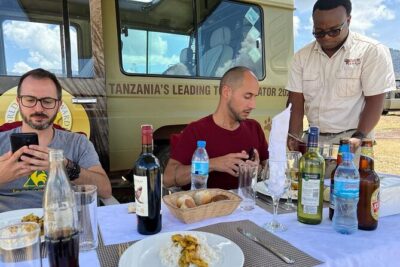
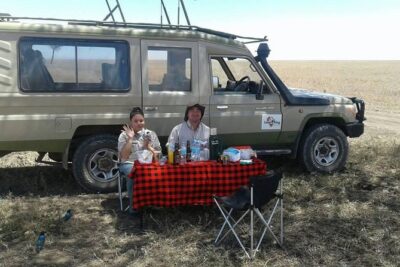
I also like that the tour does not treat this as a drive-through. You get real time in parks, picnic lunches, and safari breakfasts, with meals listed as included (breakfast 6 times, lunch 7 times, dinner 6 times). A guide name that shows up in the feedback is David, so if that’s an option when you book, it’s worth requesting.
In This Review
- Key highlights you’ll care about
- Private safari week from Arusha, and how the timing really works
- Day 1 Lake Manyara National Park, flamingoes and a lion twist
- Day 2 Serengeti arrival with safari breakfast and picnic rhythm
- Day 3 Full Serengeti day, and why habitat variety changes the game
- Day 4 Early start, then Ngorongoro descent via Oldupai Gorge
- Day 5 Inside Ngorongoro, green caldera, and the predator density goal
- Day 6 Tarangire National Park, elephants plus baobab scenery
- Day 7 Closing safari day in Tarangire, then back with a final meal
- Price and value: what $6,950 per person buys you here
- Who this safari week suits best
- Should you book this Tanzania safari week?
- FAQ
- What’s included with pickup in Arusha?
- Is this safari private?
- How long is the trip?
- Which national parks are included?
- What meals are included?
- Are park admission tickets included?
- What vehicle do you use for game drives?
- When do you start?
- What is the cancellation policy?
- What conditions could affect the trip?
Key highlights you’ll care about
- Private jeep time in four major parks with your own group only
- Serengeti in repeat visits, including early start options and different habitat areas
- Ngorongoro crater day with a full descent and crater-wall timing
- Lake Manyara’s flamingoes plus tree-climbing lion chance
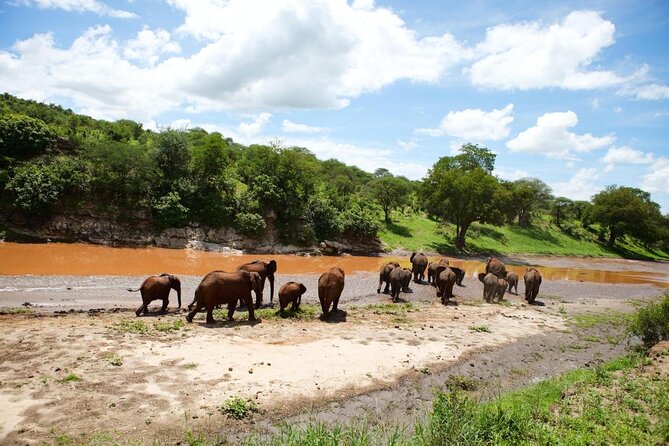
- Tarangire elephants and baobabs in a compact park that’s good for game drives
Longer northern circuit routes, side by side
- Tanzania Classic – 7 Days★ 5.0 · 1,151 reviews
- Tanzania Wildlife Encounters – 6 Days★ 5.0 · 277 reviews
- Group Safari 7 Days in Tanzania’s Main Parks★ 5.0 · 240 reviews
- 4 Days Join Group tour Tarangire Serengeti and Ngorongoro crater★ 5.0 · 219 reviews
Private safari week from Arusha, and how the timing really works
This kind of multi-day safari is all about rhythm. You’re up early, you’re on the road when the light is best, and you’re back to meals and rest at reasonable intervals. The tour is built around that daily rhythm rather than long, exhausting transfers with no wildlife value.
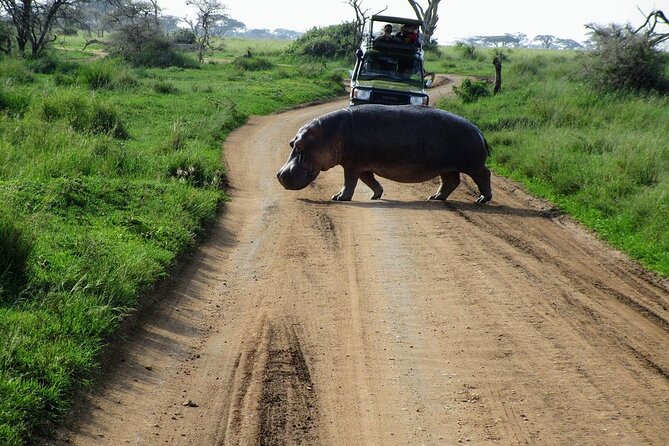
You start from the Arusha area with pickup from your hotel, the airport, or your residence at the listed 07:30 on Day 1. From there, you use a private safari Jeep for the drives between parks and for game drives inside them. Because it’s private, you can keep your schedule tighter. You are not waiting around for other groups’ slow moments.
The itinerary is also designed for repeated chances. Instead of only one day in each park, you spend multiple days across the Serengeti and a full day inside Ngorongoro. That matters, because wildlife is never a predictable checklist. Timing, grass height, and where animals are grazing can change the whole story day to day.
Day 1 Lake Manyara National Park, flamingoes and a lion twist
Day 1 begins with a drive through Maasai country. The idea is simple: you break the travel day into scenery and climate changes before you even reach the park. It’s also a good moment to get briefed on how the guide plans to work the day, since Lake Manyara has a few signature wildlife patterns.
In the park, you get a picnic lunch and then a game drive built around the classics: impala, warthog, elephant, giraffe, and baboons. The headline attraction is obvious first, the pink flamingoes along the lake. The tour also specifically points you toward looking harder for Lake Manyara’s tree-climbing lions, which is one of those things you either see or you spend the whole day chasing the right angle for.
What I’d watch for: at Lake Manyara, your best success often comes from staying flexible. The animals can move quickly around water sources and feeding areas, and the tree-climbing lion rumor turns into a real search once you understand where the terrain supports it. If you’re hoping for that lion story, this is the day you want to be fully awake and patient, because it’s not guaranteed.
Possible drawback: Lake Manyara is compact. If you come expecting a massive, wide-open “rolling plains” feel, you might find the pace a little different. The payoff is that the park can feel “alive” and close-up, especially with baboons and the flamingoes.
Day 2 Serengeti arrival with safari breakfast and picnic rhythm
On Day 2, you start with a safari breakfast before heading out for the Serengeti. Then the day uses a similar structure, breaks in the drive with a picnic lunch, and then a proper arrival into the park for wildlife spotting.
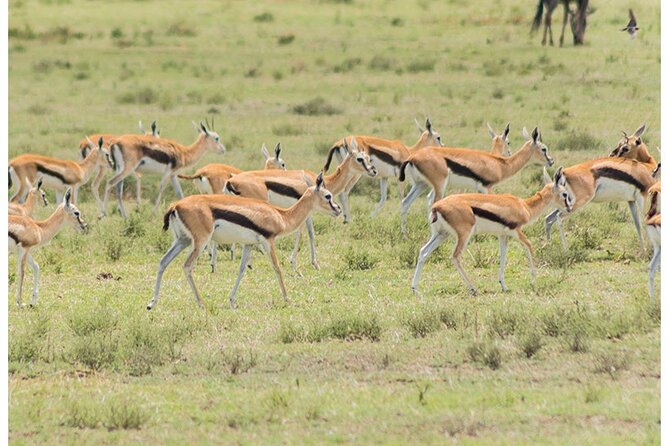
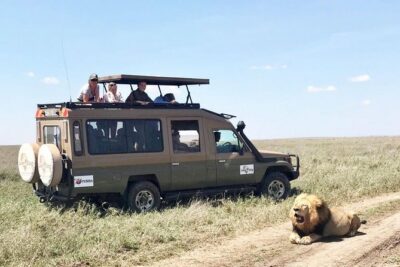
Serengeti is described as treeless plains with a wide expanse of grazers and predators. You’re pointed toward wildebeest, zebra, gazelle, impala, lions, leopards, and also large numbers of buffalo. One detail I like here is the emphasis on the sheer scale of the Serengeti experience, including mention of over 50,000 buffalo dotting the grasslands.
Why this matters to you: when people picture the Serengeti, they picture “the migration.” But even if you’re not timing the exact movement of herds, the predator-prey system is on display. If you keep your attention on the mixed groups of grazers, you’ll often see the cues that predators are moving in.
How to get value out of this day: you’ll have a lot of viewing time, but you also need to accept that sightings are situational. A calm moment with buffalo and zebra can be more productive than constant scanning across far distances. Let the guide read the road signs of activity: where animals are gathered, where birds signal movement, and where the light creates contrast for spotting.
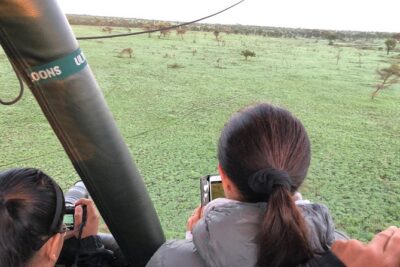
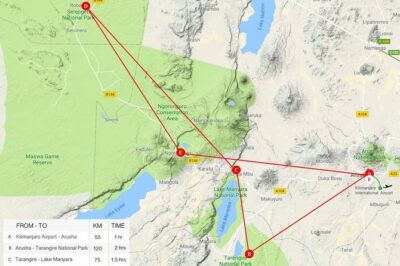
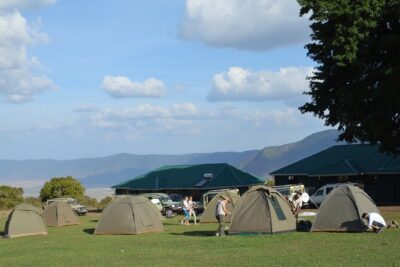
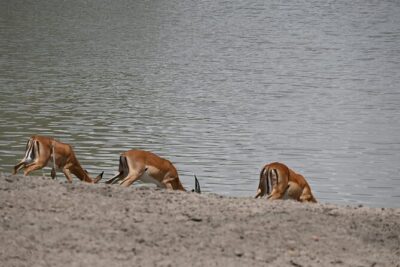
Day 3 Full Serengeti day, and why habitat variety changes the game
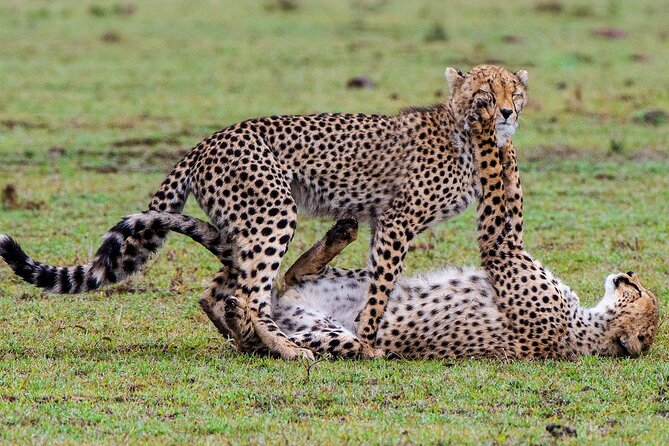
Day 3 is built as a longer day in the Serengeti. The plan is game drives with time for a hearty lunch, and then more tracking of wildlife across different habitats within the park. You’re told to look for monkey and baboon, plus wild dog and honey badger. In the forested pockets, you might also encounter hippo and even crocodile along meandering rivers.
This is one of the reasons I like the way this week is structured. Many safari itineraries treat Serengeti as one single “big plain.” Here, you get the sense that Serengeti is also mosaics of open grass, river lines, and forest edges. That affects what you can realistically see.
What you can hope for on Day 3:
- A higher chance of seeing behavior patterns, like predators stalking or scavengers gathering
- More variety in animal types, including ones tied to water and cover
- A stronger chance to add “bonus sightings” beyond the biggest names
Potential drawback: longer days can blur into one long drive session. To keep this day enjoyable, plan to pack comfort items for long sits in the Jeep. If the day is hot or dusty, your enjoyment can come down to small details, like having the right hat and staying hydrated.
Day 4 Early start, then Ngorongoro descent via Oldupai Gorge
Day 4 shifts the focus. You wake up to sunrise colors over the plains and have options for early exploration and a safari breakfast before heading toward Ngorongoro.
The drive to the crater includes a stop at Oldupai Gorge for a look at artifacts from early humans. Then you continue up toward the crest of the Ngorongoro caldera, described as a huge intact volcanic crater. The crater is presented as a self-contained valley-like world with lions, elephants, gazelles, zebras, and an overall big concentration of wildlife.
Why this day is so valuable: Ngorongoro is one of those places where you can feel the scale fast. The crater setting creates natural boundaries, and that tends to concentrate wildlife. It also makes your game drives feel different from Serengeti. Serengeti spreads out. Ngorongoro compresses.
You also have an optional visit mentioned to a nearby Maasai boma. If you’re interested in culture, this kind of stop can be a nice contrast to all the wildlife hours, as long as you treat it as a human visit, not a photo stop.
Possible drawback: Day 4 is a transition day. You’re moving from Serengeti plains into crater country. If you’re someone who hates schedule changes, you might find the day less relaxed than the purely “game drive only” days.
Day 5 Inside Ngorongoro, green caldera, and the predator density goal
Day 5 is where Ngorongoro takes over. After breakfast, you drive down the crater wall into the caldera. The description is clear: grasslands, marshes, and acacia forest. This mix matters because it creates corridors for prey and angles for predators.
The tour emphasizes high predator density on the continent and names the big categories you might see, including lions and leopards. It also mentions endangered black rhinos, plus pink flamingoes within the crater ecosystem. You’ll have a picnic lunch during the drive and then continue spotting, including golden jackals, hippos, and more wildlife as you work the valley.
In late afternoon, you ascend back up the crater wall after a full day.
How to think about your chances here: Ngorongoro’s value is repetition in a confined area. You’re not just driving for an hour hoping for something rare. You are working a natural amphitheater where animals are likely to remain in reach for longer periods.
What I’d do if you’re chasing rhino: the tour explicitly mentions black rhinos. Keep expectations realistic. You might see them, you might not, but a dedicated full day inside the caldera gives you the time budget to meet that possibility.
Day 6 Tarangire National Park, elephants plus baobab scenery
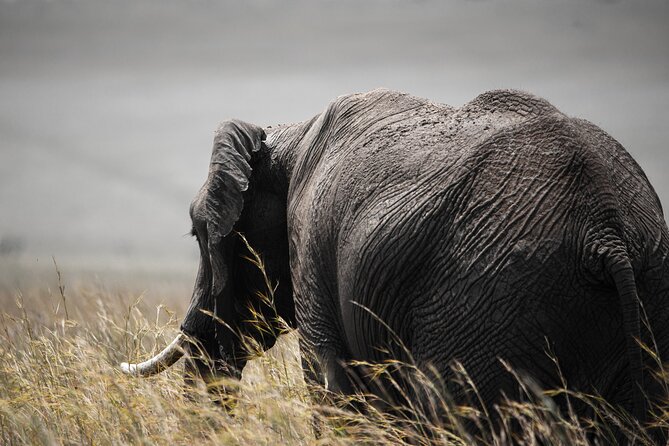
Day 6 starts with breakfast overlooking Ngorongoro’s volcanic terrain. Then you travel to Tarangire, arriving around midday with a lunch stop along the way.
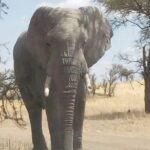
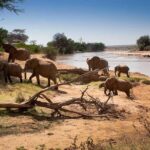
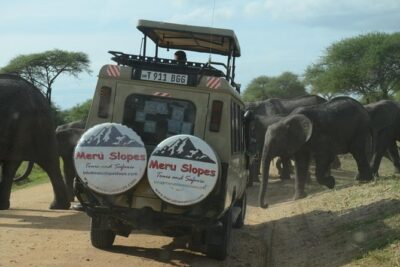
Tarangire is presented with a strong identity: elephants. The tour calls out over 3,000 elephants roaming this compact park. Lions are also possible. But what I like is the addition of baobab trees, with their fat trunks and short branches. That detail matters because it changes how the park feels at eye level. You’re not just scanning flat grass. You’re also learning a “tree map” of the area, since baobabs create landmarks where animals often pass.
Expect the drive style to change slightly: Tarangire is compact, so the pace can feel more stop-start. That’s good. When animals are moving slowly or gathering, you can reposition the Jeep and get better sightlines without losing most of the day to road time.
Possible drawback: because this day has a transfer and then park time, you might not get the full early-morning window you get in Serengeti. That’s the trade for covering multiple major regions in one week.
Day 7 Closing safari day in Tarangire, then back with a final meal
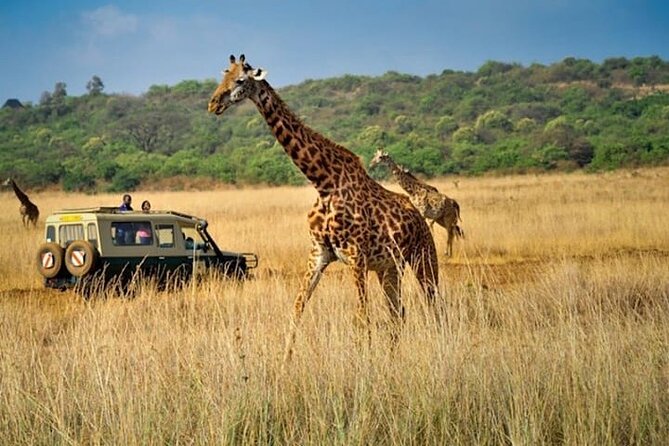
Your last morning is another safari breakfast and then more time in Tarangire. The plan is to hit the road and break up the drive back with a lunch stop at a comfortable restaurant.
This day is short in the sense that it is not described as a second full park day like Day 5 was inside Ngorongoro. But it still matters because it can produce one last “make the trip” sighting. When you’ve built a safari week around multiple ecosystems, your final day is often where the pattern you’ve learned clicks. You start spotting where activity tends to happen.
How to finish strong: keep your camera ready, but also keep your focus on behavior, not just animals. You’ll likely remember the moments where you saw animals responding to the environment, like feeding patterns near water sources or how predators move once they spot easy prey.
Price and value: what $6,950 per person buys you here
At $6,950.00 per person for a roughly 7-day private safari, this is a premium trip. So the question is not just what you get, it’s what you avoid.
What you avoid:
- The stress of scrambling for logistics between parks
- Shared-Jeep delays that break your viewing rhythm
- A rushed one-day-in-one-park approach
What you get: a private Jeep for the multi-park circuit, plus listed meals throughout the week, including dinner 6 times, breakfast 6 times, and lunch 7 times. Park admissions are shown as free/included in the schedule, which can be a meaningful part of the overall value when you add up entry fees across multiple parks.
You also get the structure that safari success relies on: multiple days in Serengeti and Ngorongoro, and then a strong second ecosystem in Tarangire. If your dream is lions, elephants, and the classic crater experience, this itinerary is designed to maximize time where wildlife viewing is concentrated.
One caution on value: the feedback provided includes at least one serious complaint about money and payout delays. I can’t verify details, but it’s enough that you should protect yourself. Before you book, ask the operator for clarity on payment timing and what happens if things go wrong. Make sure you have written documentation for what you’re paying for.
Who this safari week suits best
This tour fits best if you want four named Tanzania highlights in one organized week, and you don’t want to babysit the details yourself. It’s also a good choice if you care about private time. Being in your own vehicle with your own group often means you can keep a steady pace during animal sightings instead of merging into a bigger convoy.
It may be especially good if you:
- Want to focus on big animals like lions and elephants
- Like early starts and long game-drive days
- Prefer a well-paced plan with picnic lunches and safari breakfasts rather than constant “figure it out” moments
The listing also says most travelers can participate, which suggests there’s nothing extreme required beyond typical safari patience, long sit times, and being flexible with wildlife.
Should you book this Tanzania safari week?
Yes, with a smart checklist.
Book if you want a private multi-day safari that targets the big four parks people plan around, and you’ll appreciate a plan that spends real time in Serengeti and gives you a full crater day in Ngorongoro. The included meals and park access listed in the schedule help the trip feel more “all set,” not piecemeal.
Hold off, or at least slow down, if you’re uncomfortable with high pricing or if payment timelines and operator reliability are a concern. Given that at least one past experience raised red flags about money handling, do your due diligence before you pay. Ask for clear written terms, confirm what’s included, and keep proof of every payment step.
If you want one practical tip, request David if he’s available, since the guide name specifically mentioned in the provided feedback is tied to strong satisfaction.
FAQ
What’s included with pickup in Arusha?
The Day 1 schedule lists pickup from your Arusha area hotel, the airport, or your Arusha area residence at 07:30.
Is this safari private?
Yes. It’s a private tour/activity, so only your group participates.
How long is the trip?
It’s listed as 7 days (approx.).
Which national parks are included?
The schedule covers Lake Manyara National Park, Serengeti National Park, Ngorongoro Conservation Area (including Ngorongoro Crater), and Tarangire National Park.
What meals are included?
Meals included are dinner 6 times, breakfast 6 times, and lunch 7 times.
Are park admission tickets included?
The itinerary indicates admission tickets as free/included for the listed park activities.
What vehicle do you use for game drives?
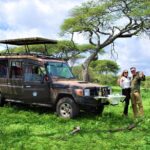
You use a private 4 x 4 safari Jeep.
When do you start?
The experience start time is listed as 12:00 am, and Day 1 pickup is listed for 07:30.
What is the cancellation policy?
Free cancellation is available. You can cancel up to 24 hours in advance for a full refund.
What conditions could affect the trip?
The experience requires good weather. If it’s canceled due to poor weather, you’ll be offered a different date or a full refund. It may also be canceled if the minimum number of travelers is not met, with a different date or full refund offered.
Longer Trips Through the North
- Tanzania Classic – 7 Days
★ 5.0 · 1,151 reviews - 7-Day Premium Luxury Tanzania Safari All-Inclusive
★ 5.0 · 426 reviews - Tanzania Wildlife Encounters – 6 Days
★ 5.0 · 277 reviews - Group Safari 7 Days in Tanzania’s Main Parks
★ 5.0 · 240 reviews - 4 Days Join Group tour Tarangire Serengeti and Ngorongoro crater
★ 5.0 · 219 reviews
Just added from around Arusha
Multi-Day Northern Circuit Safari Packages, compared.
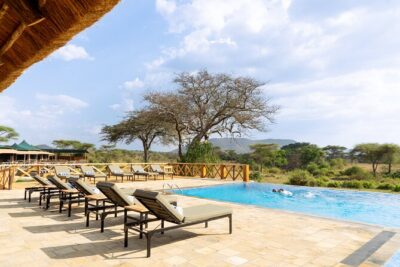 ★ 5.07-Day Premium Luxury Tanzania Safari All-InclusiveFrom $4,840426 reviews
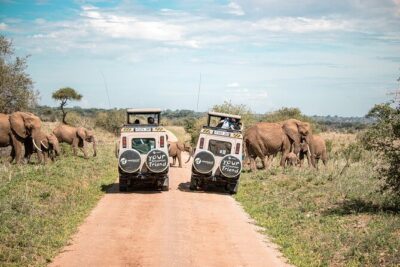 ★ 5.0Tanzania Wildlife Encounters – 6 DaysFrom $3,413277 reviews
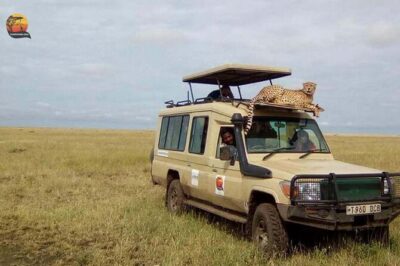 ★ 5.0Group Safari 7 Days in Tanzania’s Main ParksFrom $3,000240 reviews
 ★ 5.04 Days Join Group tour Tarangire Serengeti and Ngorongoro craterFrom $1,090219 reviews
 ★ 5.05-Day Private Northern Tanzania Safari from ArushaFrom $2,780182 reviews
 ★ 5.05 Days Best of Tanzania Luxury Safari Northern CircuitFrom $3,744174 reviews
 ★ 5.08 Day Spectacular Migration Serengeti mid -Range Tanzania SafariFrom $4,257161 reviews
 ★ 5.0Multi-Day Tanzania Odssey Safari from ArushaFrom $4,164120 reviews
Browse the lists this tour appears in