
REVIEW · SAFARI
Off the Beaten Track Safari in Arusha Tanzania
Walking changes the whole safari.
This Off the Beaten Track Safari in Arusha pairs a walking safari around Ikoma Wild Camp with classic park game drives, so you get both close-up on-foot moments and the big-vehicle sightings. I also like the small-group feel, with a maximum of 6 people, which helps your guide keep the day flexible when animals show up. One drawback to think about up front: it is a busy route with long stretches of driving between parks, so it is not the quietest vacation style.
You start in Arusha with a smooth arrival setup. A Tanzania Wildlife Adventures driver meets you at Kilimanjaro Airport with your name on a sign, then you transfer to Springlands Hotel for a real meal and a pre-safari briefing. The vibe is calm and organized, and safety is stated as a priority throughout, which matters when you are spending days off-road.
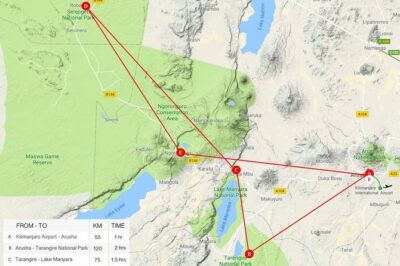
Then the week turns into a real circuit. You will do Tarangire, two days in the Serengeti, a crater day at Ngorongoro, and game viewing at Lake Manyara, plus an optional walking or night safari during the Serengeti portion. If you are hoping for zero driving and maximum downtime, build in extra margins, otherwise the pace is part of the fun.
In This Review
- Key things you will love on this safari
- Arriving in Arusha: name-sign pickup, Springlands comfort, and a real briefing
- Tarangire National Park in the dry season: why the river matters
- Olduvai Gorge en route to Serengeti: the Rift Valley detour that earns its minutes
- Serengeti game viewing: two days, picnic lunch, and optional night or walking time
- Ikoma Wild Camp walking safari: being on foot where the animals are in charge
- Ngorongoro Crater drive: black rhino, lions, and flamingos in one day
- Lake Manyara National Park: ecosystems, monkey areas, and tree-climbing lion odds
- Guides and safety pace: long workdays, smart spotting, and real-world patience
- Hotels inside and outside parks: why location affects your whole day
- What you pay for: value check on the $2,500 group rate
- Tips to plan your days smoothly (without overthinking it)
- Should you book this Arusha safari with Tanzania Wildlife Adventures?
- FAQ
- What is the duration of the Off the Beaten Track Safari in Arusha?
- Where does the safari start and end?
- What time does the safari start?
- What parks and areas does the tour include?
- Is pickup included?
- Are park fees and admission tickets included?
- What about meals?
- Is insurance or flights included?
- FAQ
- Can I choose a walking or night safari during Serengeti time?
- Is free cancellation available?
Key things you will love on this safari
- Ikoma Wild Camp on foot for a more animal-at-your-level experience than vehicle-only drives
- Small-group format (max 6) that makes spotting and patience feel more personal
- Big-name wildlife days across Tarangire, Serengeti, Ngorongoro, and Lake Manyara
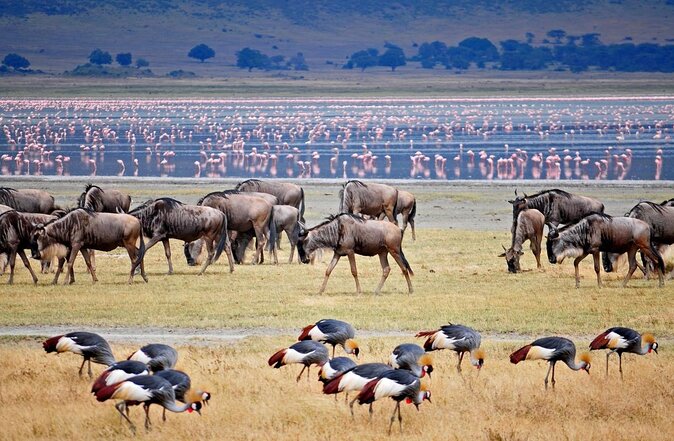
- A crater day that mixes mammals and birds, including flamingos and other water birds
- Tree-climbing lion chances at Lake Manyara plus a stack of other ecosystems to search
- Guides with stamina and long working days, highlighted by names like Marck, Mustapha, and Martin in past experiences
Still weighing it up? These Arusha trips came out well when we reviewed them.
- Balloon Safari & Bush Breakfast in Serengeti – Miracle Experience★ 5.0 · 1,646 reviews
- Tanzania Classic – 7 Days★ 5.0 · 1,151 reviews
- 4 Days Group Camping Safari★ 5.0 · 1,101 reviews
- 5 Days Group Camping Safari★ 5.0 · 730 reviews
Arriving in Arusha: name-sign pickup, Springlands comfort, and a real briefing
Day 1 starts in the most practical way possible: when you land at Kilimanjaro Airport, your driver from Tanzania Wildlife Adventures is there holding a sign with your name. That reduces stress fast, especially if you are arriving from an overnight flight or you just want to get to sleep with a plan.
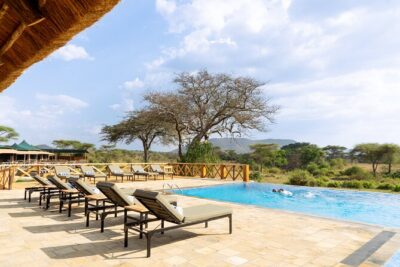
From the airport you transfer to Springlands Hotel. This is not a bare-bones stop. You get a meal on arrival, then a pre-safari briefing with your safari coordinators, so you are not walking into the bush on day one with zero context. Springlands also comes with a swimming pool and a garden setting, plus a bar and a restaurant, so you can reset your body before the driving and early park time begin.
If you like knowing the rhythm of the week before it starts, this first night helps. It also gives your group a chance to meet in a calmer setting, which can make the next days feel less like a transport shuffle.
Tarangire National Park in the dry season: why the river matters
Tarangire National Park is described as spectacular in the dry season, and that detail is more important than it sounds. In the dry months, animals concentrate around water, including the Tarangire River. That means you can spend more time watching close behaviors and less time searching empty grass.
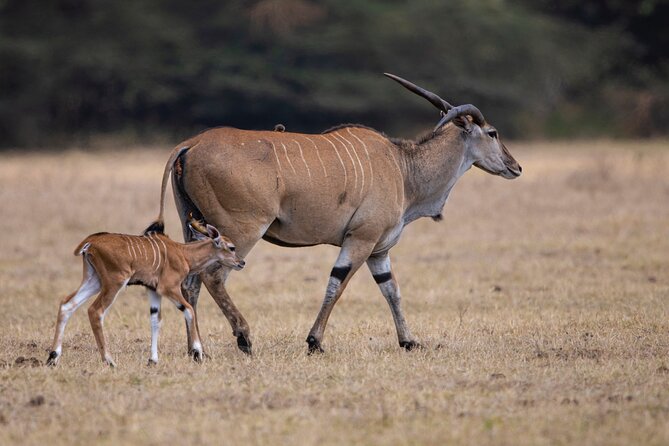
Expect the “classic” dry-season mix: wildebeest, zebra, elephant, eland, and oryx gathering around the water. It is a good day for people who enjoy variety, because Tarangire is not just one animal type. You also get a real sense of how the ecosystem changes when the rains are not doing the work for you.
You will overnight at Highview Coffee Lodge or a similar property. This is a strong base for one main reason: the day is long enough that you want a lodge that feels like a break, not a stopover. A coffee lodge setting can also mean a more relaxed atmosphere after sunset, when you are done with the day’s wildlife hours.
Olduvai Gorge en route to Serengeti: the Rift Valley detour that earns its minutes
The drive from Arusha area toward Serengeti includes a stop at Olduvai Gorge. It is optional, listed around 15 minutes, and that short duration is exactly why it works. You get a meaningful layer to the trip without stealing time from game viewing.
Olduvai Gorge is an archaeological site in the eastern plains of the Serengeti, tied to the first human fossils discovered there. The scenery you see is described as shaped by tectonic forces related to the Great Rift Valley. Even if you are not a geology person, it is a quick reminder that this region is not just “wildlife country,” it is also “how the world became this” country.
Practical tip: since the stop is optional, decide based on your group’s mood. If you are itching to get into Serengeti spotting mode, you can keep it brief. If you like learning moments, this is a compact one.
Serengeti game viewing: two days, picnic lunch, and optional night or walking time
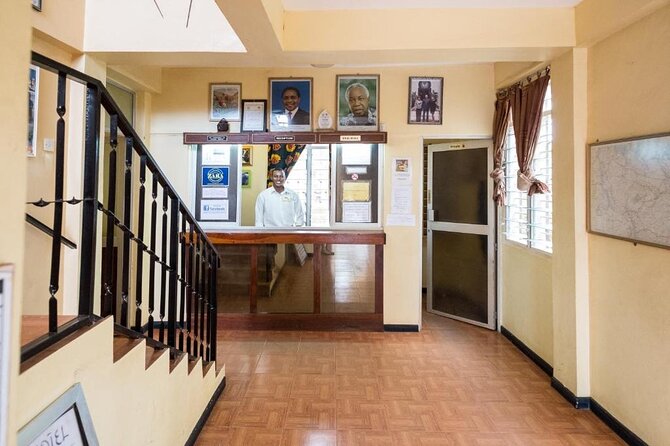
Serengeti National Park is the main event of the week, and you get two days here, not one. That is a big deal for value, because it increases your chances of matching animals to your timing. You are also less likely to have a “one day only” feeling if the first day is calmer than you wanted.
Day 3 is another game viewing day in Serengeti after the drive. Your overnight is at Serengeti Safari Lodge or similar. Day 4 continues with more time in the park, plus a picnic lunch so you can stay in the action longer instead of constantly breaking for meals.
Serengeti also has an option listed for a walking or night safari. You are not locked into that choice, but it is good to know it exists, because it adds variety. A night safari can be the sort of thing people talk about for years, but it is also not for everyone. If you prefer seeing animals in daylight, you can likely keep it to standard game drives.
The best way to judge these days: treat them like wildlife time blocks. Be ready for slower stretches, then sudden bursts of activity. With two days, you will feel like you had time to “play the board” instead of racing the clock.
Ikoma Wild Camp walking safari: being on foot where the animals are in charge
The overview of this safari highlights a Walking Safari around Ikoma Wild Camp, and that is the part that changes how the whole trip feels. Vehicle safaris are about scanning and staying comfortable while animals come to the road. A walking safari flips that. Your senses have more to do, and the pace becomes quieter and more deliberate.
From past experiences associated with guides like Martin, the walking element has been tied to exploring less traveled and more pristine sections on the fringes of the Serengeti area. That matters because “walking safari” can mean lots of things. Here, the intent is clearly to get you out of the usual crowd patterns and into a more natural-feeling setting.
If you do this, wear footwear you trust. Also, pay attention to your guide’s instructions and keep your group together. When you are on foot, small decisions like spacing and where you stop matter more than they do in a vehicle.
One more note: this part of the trip can be emotionally intense in the best way. You are close enough to understand how animals use cover, wind, and distance. That is why it tends to be the highlight for people who want the wilderness effect, not just the photo.
Ngorongoro Crater drive: black rhino, lions, and flamingos in one day
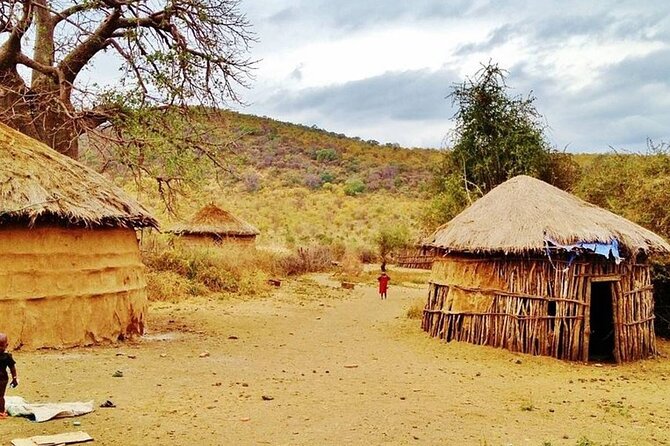
Ngorongoro Crater is one of the days where the itinerary is super direct: after breakfast you drive to the crater and do game viewing inside it. If you love concentrated wildlife areas, this is the reason.
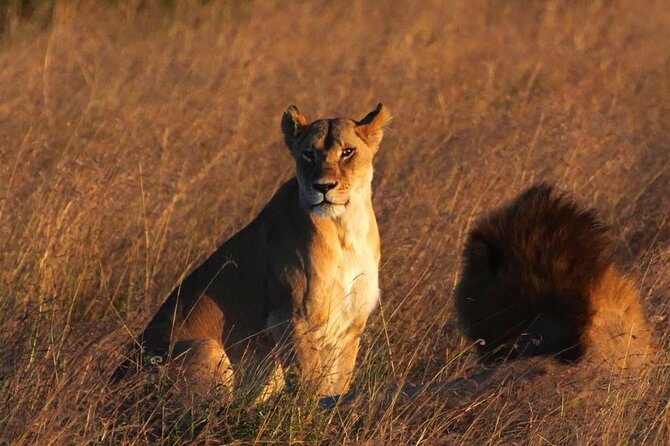
This crater day is described as a best place in Tanzania to see black rhinos and lions. You can also see other animals listed like leopard, cheetah, and hyena. The range is wide enough that you are not stuck hoping for only one species.
Then there is the bird factor. Flamingos and other water birds are mentioned too. That mix matters because it makes the day feel like more than just “mammals on the prowl.” You can end up watching different types of wildlife happening in different parts of the crater.
A crater day also tends to be about timing and patience. You might spot something early, then wait for another moment. If you get irritated easily by waiting, bring patience. But if you can enjoy the slow watch, the payoffs can be big.
After this day, you overnight back at Highview Coffee Lodge or similar, which is a nice reset after the intense crater hours.
Lake Manyara National Park: ecosystems, monkey areas, and tree-climbing lion odds
Lake Manyara rounds out the circuit with a different “feel” than the Serengeti. The park is described as having multiple ecosystems, including acacia forests, grassy plains, a swampy delta, and the vast lake. That means you are searching in different habitats, not just one.
This diversity pulls in a wide variety of wildlife and birds. The itinerary points to buffalo, impala, giraffe, warthogs, hippos, and elephants around the lake, plus monkey areas. It is a good day if you like variety and want the sense that the environment keeps changing as you drive.
The iconic wildlife hook here is the rare tree-climbing lions. You might find them, you might not. Either way, the park still has plenty going on, especially because the itinerary lists several water and bird species opportunities too.
You overnight at Springlands Hotel or similar again, so you end near a calm base in Arusha rather than another long and remote lodge night.
Guides and safety pace: long workdays, smart spotting, and real-world patience
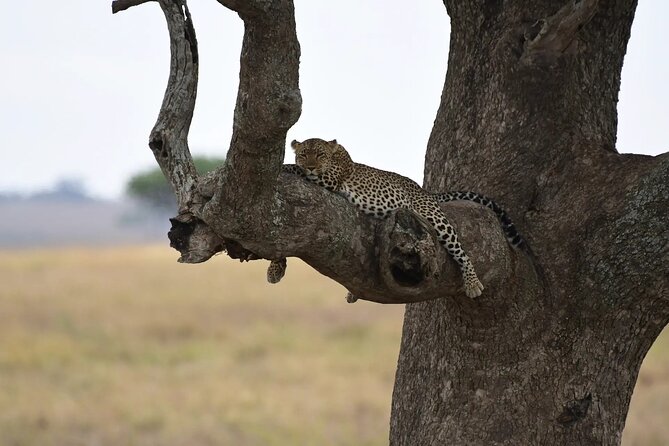
This safari leans hard on the quality of guidance, and the info shared emphasizes that guides can work for a long time. That matters because safari success is not just luck. It is scanning, reading animal behavior, and knowing when to stop and when to move.
In past experiences tied to this operator, guides such as Marck and Mustapha have been credited with making the trip interesting and delivering numerous wildlife encounters. Another guide name that shows up is Martin, linked to exploring less traveled fringes around Ikoma Wild Camp.
What you should take from that: your guide is not just a driver. They are the reason the day feels full, even when wildlife is not instantly cooperative. You will probably spend time listening to explanations and learning how to track animals in different conditions.
As for safety, the trip description states it is a priority. In practical terms, that means you should follow the guide’s rules for walking sections, stay with your group, and do what they say when they say it. Safari safety is not an idea, it is behavior.
Hotels inside and outside parks: why location affects your whole day
The tour notes that some hotels are located inside parks and others outside them. Even without getting overly technical, you can feel the difference.
When you are staying inside a park area, you often get more flexibility for game viewing timing. Less time spent repositioning can also help you keep the day smooth. When you stay outside the parks, you trade that closeness for more standard hotel comforts, like garden space and calmer evenings.
In this itinerary specifically, you will see Springlands Hotel in Arusha, Highview Coffee Lodge, and Serengeti Safari Lodge. Springlands is described with a pool, gardens, bar, and restaurant. That kind of environment is useful after long driving days because it gives you a place to actually decompress.
At Serengeti Safari Lodge, you are centered for Serengeti spotting. Highview Coffee Lodge appears again on crater and Tarangire style nights, acting as a consistent comfort base.
What you pay for: value check on the $2,500 group rate
The headline price is listed as $2,500 per group (up to 15). The experience details also say a maximum of 6 travelers. Because that can look confusing at first glance, I recommend you confirm how the group pricing works for your exact departure.
That said, here is where the value logic is clear. The trip includes all fees and taxes, and the itinerary shows admission tickets as free. It also includes meals: breakfast is listed for 6 days, lunch for 6, and dinner for 5. Pickup is offered, and you have a mobile ticket.
So you are not just paying for driving and sightings. You are paying for park access and meals across multiple days in multiple parks. That typically reduces surprise add-ons later, which is a big deal on safari where park fees can add up.
If you are comparing options, use this checklist: does the price include park fees and most meals, and does it include the walking safari component? This safari does, so it tends to feel like a “handled for you” trip instead of a puzzle.
Tips to plan your days smoothly (without overthinking it)
You start with a specific start time in Arusha, 9:00am. Since you also have transfers tied to airport arrival and departure, treat flights as part of the safari plan, not an afterthought.
Because the route includes multiple parks across several days, you should also pack for long hours and changing weather. Tanzania safari weather can shift, and you will be spending time outdoors. For the walking safari portion around Ikoma Wild Camp, wear shoes you can walk in for real, not just “good enough for a museum floor.”
Also, confirm what “pickup offered” means for your exact arrival time at Kilimanjaro Airport. The driver meeting with your name on a sign is included in the description, but airport timing is always the piece you control. Build in a little slack so you are not sprinting through arrivals.
Should you book this Arusha safari with Tanzania Wildlife Adventures?
Book it if you want a classic big-game circuit plus an on-foot experience. The combination of Tarangire, Serengeti, Ngorongoro Crater, and Lake Manyara gives you variety, and the Walking Safari around Ikoma Wild Camp gives you something most safaris do not. If you also value guides with stamina, names like Marck, Mustapha, and Martin show up as people who help keep wildlife sightings coming.
Consider skipping or switching if you dislike long driving days. This route is built on movement, and the reward is wildlife across several habitats. Also be sure you are comfortable with a walking safari component.
If you decide to go, ask your operator one simple question: how the group size works for your departure, since the info mentions both a per-group cap and a maximum number of travelers. Then you will know exactly what “small group” means for you.
FAQ
What is the duration of the Off the Beaten Track Safari in Arusha?
It is listed as 7 days approximately.
Where does the safari start and end?
It starts in Arusha, Tanzania and ends back at the meeting point.
What time does the safari start?
The start time is 9:00am.
What parks and areas does the tour include?
It includes Tarangire National Park, Serengeti National Park (two days), Ngorongoro Crater, and Lake Manyara National Park, with a walking safari around Ikoma Wild Camp.
Is pickup included?
Pickup is offered.
Are park fees and admission tickets included?
Yes. The tour includes all fees and taxes, and admission ticket is shown as free.
What about meals?
Breakfast is included for 6 days, lunch is included for 6 days, and dinner is included for 5 days.
Is insurance or flights included?
No. Insurance and international and local flights are not included.
FAQ
Can I choose a walking or night safari during Serengeti time?
A walking or night safari is possible as an option during the Serengeti days.
Is free cancellation available?
Yes, you can cancel up to 24 hours in advance for a full refund.
Just added from around Arusha
Safari, compared.
 ★ 5.0Serengeti Balloon Safari and authentic bush breakfastFrom $5502,480 reviews
 ★ 5.0Balloon Safari & Bush Breakfast in Serengeti – Miracle ExperienceFrom $5991,646 reviews
 ★ 4.7From Zanzibar: Mikumi Safari Day Trip with Flights and MealFrom $4511,470 reviews
 ★ 5.04 Days Group Camping SafariFrom $9001,101 reviews
 ★ 4.7From Zanzibar: Day Selous Game Reserve Safari with FlightsFrom $4701,025 reviews
 ★ 5.05 Days Group Camping SafariFrom $1,100730 reviews
 ★ 5.03 Days Serengeti & Ngorongoro Group Camping SafariFrom $815574 reviews
 ★ 5.07-Day Premium Luxury Tanzania Safari All-InclusiveFrom $4,840426 reviews