
REVIEW · 5-DAY EXPERIENCES
From Arusha: 5 Days Classic Safari Cats, Calves & Crater
Big cats and calving season in one loop. I like how this route targets Ndutu timing for lion and leopard action, and I also like the single full day in Ngorongoro Crater for Big Five odds. The main catch is that the headline price does not include the Tourism Development Levy and village tax you’ll pay at check-in, so budget a bit extra.
You start early (8:00 am) and spend several long hours on game drives and transfers, but the tour is set up with transport, a driver-guide, and full board meals at overnight stops close to the parks. If you prefer a laid-back safari with minimal driving, this might feel like a fast pace.
In This Review
- Key Highlights You’ll Actually Care About
- Why Cats, Calves, and Crater Is a Smarter Serengeti Plan
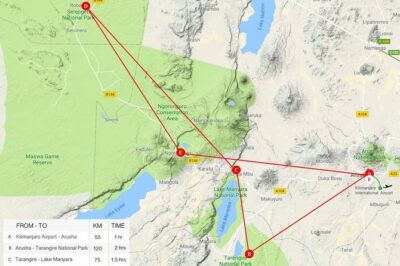
- Day 1: Arusha to Tarangire National Park Game Drive
- Day 2: Conservation Area Transfer and Afternoon at Ndutu Lake
- Day 3: Full Day Ndutu Game Drive for Lions and Leopards
- Day 4: Ngorongoro Crater Full Day and Big Five Odds
- Day 5: Karatu Break and Back to Arusha
- Where You Sleep and Eat, and Why Full Board Is Not a Small Detail
- Price and Value: What $1,254 Really Buys
- The Driver-Guide Factor: Joel Thobias and David Matter
- What to Bring and How to Prepare for a 5-Day Rhythm
- Who This Safari Fits Best
- Should You Book This “Cats, Calves & Crater” Safari?
- FAQ
- How long is the safari and what time does it start?
- Where does the tour begin and is pickup included?
- Which parks and areas are included?
- Are park fees included in the price?
- What meals are included?
- What fees are not included and must be paid at check-in?
- Is this tour private or shared?
- What’s the best time for seeing the Great Migration or calving season?
- What is the cancellation policy?
Key Highlights You’ll Actually Care About
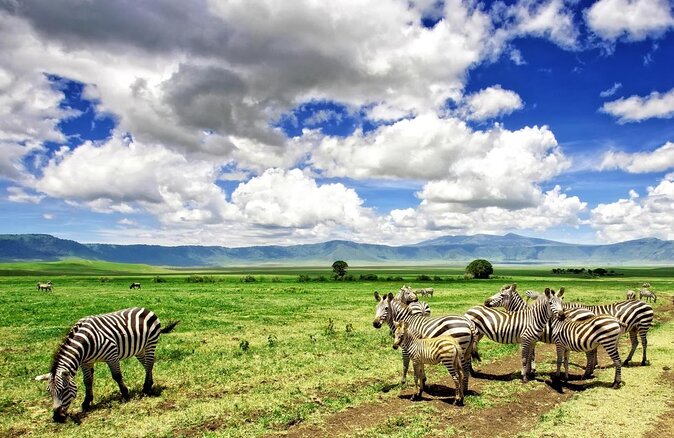
- Ndutu timing for cats and calving season, with great chances for predator-prey drama from Dec to Feb
- Ngorongoro Crater full day, one of the best places for Big Five viewing in a single sinkhole setting
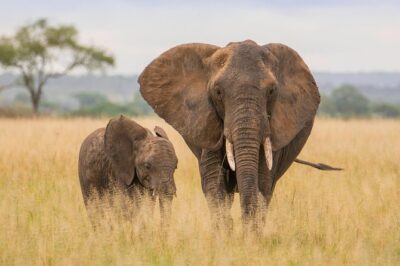
- Tarangire’s elephant density and baobabs, a different feel from the Serengeti plains
- Driver-guide spotting power, with guides like Joel Thobias and David frequently praised for finding hard-to-see animals
- Full board meals included, so you spend less time thinking about logistics
Still weighing it up? These Arusha trips came out well when we reviewed them.
- Balloon Safari & Bush Breakfast in Serengeti – Miracle Experience★ 5.0 · 1,646 reviews
- Tanzania Classic – 7 Days★ 5.0 · 1,151 reviews
- 4 Days Group Camping Safari★ 5.0 · 1,101 reviews
- 5 Days Group Camping Safari★ 5.0 · 730 reviews
Why Cats, Calves, and Crater Is a Smarter Serengeti Plan
This safari is built around three ideas that matter in real life: when the animals are where you can see them, how you stack your time, and how much help you have on the ground.
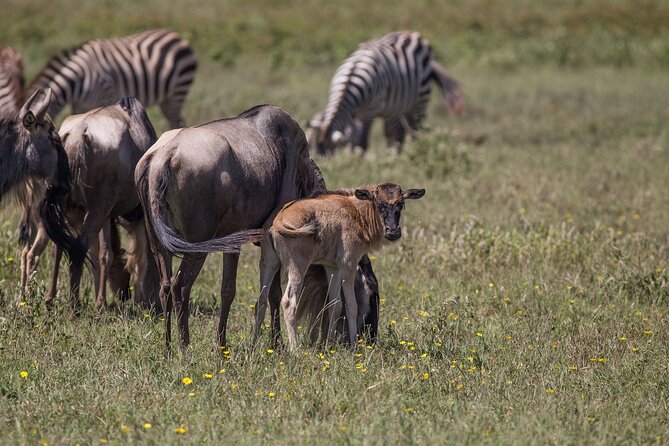
The Ndutu section is the heart of the “cats and calves” promise. If you travel during the Great Migration window (Nov to April) or the calving season (Dec to Feb), you’re timing your days for the kind of feeding and hunting pressure that pulls predators into view. And when conditions line up, Ndutu can be a high-action place, not just a pretty one.
Then the trip adds the “crater” piece with a full day in Ngorongoro Crater, described as the world’s largest intact volcanic caldera. This matters because the crater creates a natural stage. Instead of searching across wide open areas all day, you often spend your game-drive time working inside a contained bowl where many of the park’s wildlife show up.
The value here is the mix: Tarangire for a classic elephant-spotting feel, Ndutu for cat-centered action linked to migration or calving, and Ngorongoro for Big Five odds in one go.
Day 1: Arusha to Tarangire National Park Game Drive
You begin in Arusha, with pickup from your place of stay or the airport. The start time is 8:00 am, and you head to Tarangire.
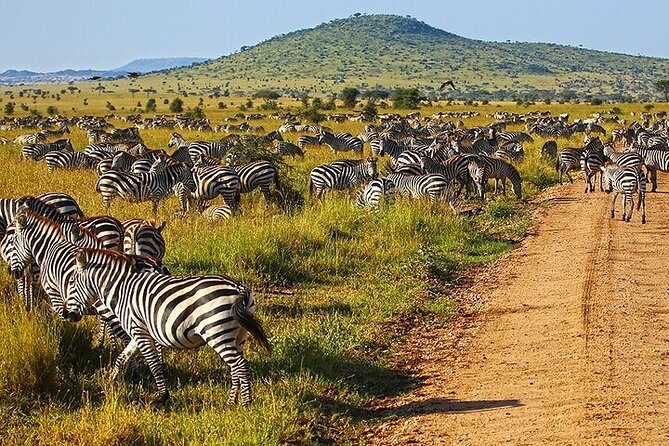
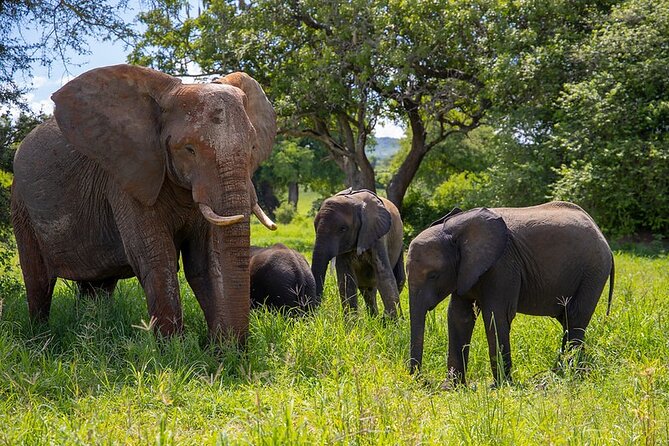
Tarangire National Park is famous for two things that help you enjoy the day fast: baobab trees (they make great photo anchors) and a high density of elephants. The day is set as a full game drive, about six hours. In practice, that’s a good amount of time to get past the initial “spotting anxiety” and settle into the rhythm of watching behavior, not just running toward sightings.
One thing to plan for: this is Day 1 of 5, so you’ll want to keep your energy up and be ready for a longer afternoon drive. If you’re arriving late the night before, you might feel it on the first game drive.
Day 2: Conservation Area Transfer and Afternoon at Ndutu Lake
Day 2 starts with a transfer through the Ngorongoro Conservation Area while heading toward Ndutu in South Serengeti. This part of the route is more than transit. The Ngorongoro Conservation Area is home to the Maasai tribe, so you may see a shift in how the region feels compared with the strict national park vibe.
You don’t lose the day to moving cars alone. You finish with an afternoon game drive around Ndutu Lake, for about three hours. This is a smart way to enter the area. It gives you time to learn the terrain, spot likely prey zones, and get your eyes adjusted before the full day of drives on Day 3.
If you’re hoping for maximum cat sightings on Day 2, temper expectations a bit. This day is partly an orientation. But it can still pay off, especially in migration or calving season when movement is constant.
Day 3: Full Day Ndutu Game Drive for Lions and Leopards
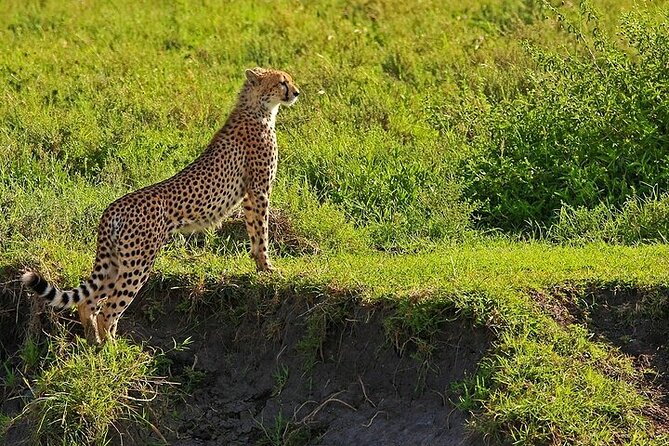
After breakfast, the itinerary shifts into full “cats” mode with a full day game drive around Ndutu, about six hours.
This is where the timing matters most. The area is described as famous for predator-prey action during the Great Migration (Nov to April) and the calving season (Dec to Feb). That means you’re not just looking for big animals sitting still. You’re watching feeding, chasing, and the constant adjustments predators make as prey concentrates.
The wildlife focus here is clear:
- Lion sightings are common in Ndutu
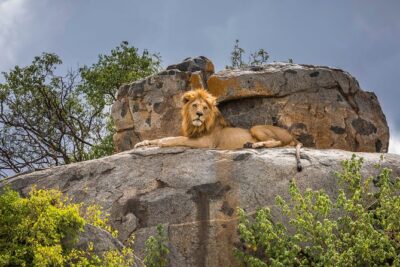
- Riverbank areas are linked with one of the world’s densest populations of leopards
Even if you’ve never chased leopard sightings before, you learn quickly that patience and positioning matter. In the provided experience feedback, guides were praised for spotting animals that are very hard to see, including a leopard perched up in a tree. That kind of result is often about scan technique, timing, and knowing where to look next, not just luck.
Practical note: six hours is long, even on a good day. Plan to bring what you need for comfort (warm layers for mornings and evenings, sun protection, and a camera setup you can operate quickly).
Day 4: Ngorongoro Crater Full Day and Big Five Odds
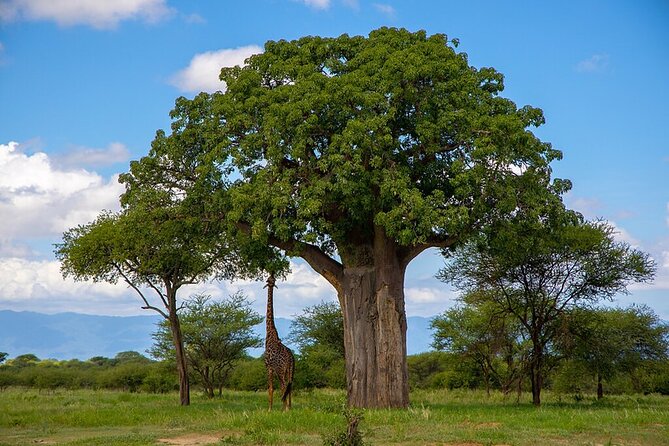
Day 4 is the big payoff day. You head to Ngorongoro Crater for a full day game drive, about six hours.
Ngorongoro Crater is often treated like a safari shortcut, and this tour leans into that. The reason is structural. A crater caldera gives you a natural bowl shape that concentrates habitat and wildlife presence. That’s why it’s highlighted as the best park to get a chance at spotting the Big Five.
You should also know that crater days can feel different from open-plain days. Your sightings can come in strong clusters, but you’re also spending more time inside a single defined area. The quality of the driver-guide here matters a lot because the day is about finding the right zones inside the crater, then staying with activity instead of jumping too soon.
In the feedback tied to this kind of safari circuit, guides like Joel Thobias and David were repeatedly praised for helping people see the Big Five and for strong animal-spotting skills. If that’s a priority for you, this crater day is the most important block to protect.
Day 5: Karatu Break and Back to Arusha
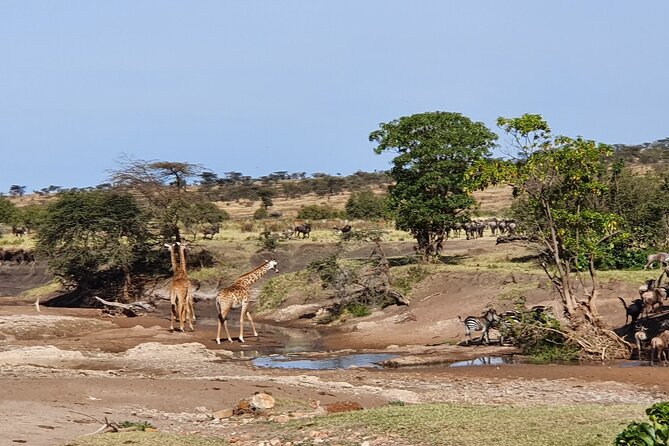
On Day 5, after breakfast, you return toward Arusha. The drive is listed as about three hours.
There’s a stop in Karatu on the way back. Then you’re dropped in central Arusha, back at your place of stay, or at the airport. This gives you an easier ending than a late-night arrival where you still have to solve transport.
How you feel on Day 5 depends on how your body handled Day 3 and Day 4. If you’re prone to getting sore after long drives, start thinking about hydration and stretching from Day 2 onward.
Where You Sleep and Eat, and Why Full Board Is Not a Small Detail
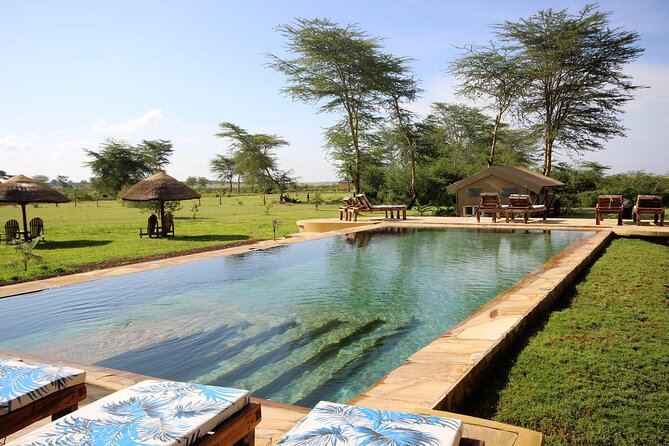
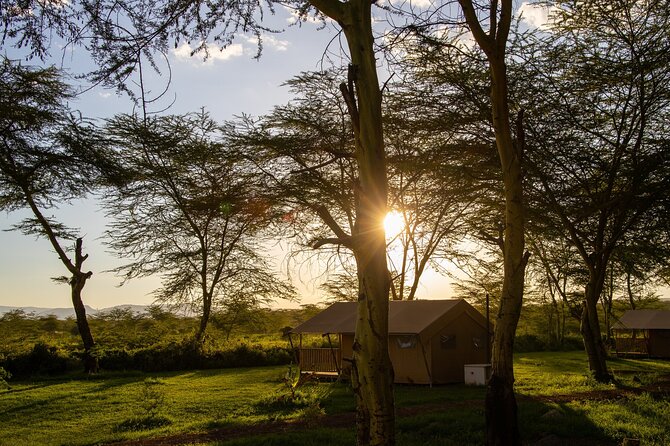
This tour includes overnight stays in accommodations described as unique and located close to the national parks, plus a full board meal plan. You also get park fees and a driver-guide and transport as part of the package.
Meals included are listed as:
- Breakfast: 4
- Lunch: 4
- Dinner: 4
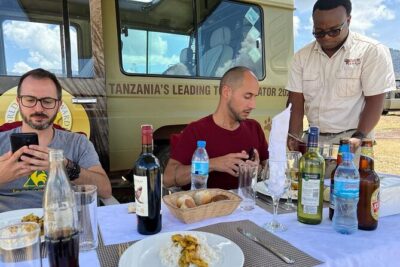
That matters because safari days can eat your time. When meals are part of the plan, you avoid scrambling for food between drives and park rules. It also helps with pacing. You’re not trying to hunt for a restaurant option while wildlife spotting is still happening out there.
In the feedback, there was positive mention of eating well during the safari. That fits the logic of full board: you’re more likely to get steady, planned meals during the most intense days.
Price and Value: What $1,254 Really Buys
At $1,254 for about 5 days, you’re paying for more than “a drive and some animals.” You’re paying for:
- Park fees
- Transport and a driver-guide
- Four breakfasts, four lunches, and four dinners
- Overnight stays near the parks
That means your biggest costs are already covered. For a safari circuit that hits multiple major areas, the structure can feel like good value compared with piecing together each park day and lodging separately.
The part you should not ignore is the extra fees. You’ll pay:
- Tourism Development Levy of $1.50 per person per night
- Village tax of $1.00 per person per night
- Tourism Development Levy in Arusha
These are not included, and they’re due at check-in. So if you’re budgeting, plan for the total to be a little higher than the headline price.
Also note the tour lists group discounts. If you can travel with friends or family, you might improve overall value.
The Driver-Guide Factor: Joel Thobias and David Matter
In any safari, the guide can make the difference between seeing animals and seeing animals that are truly special. This tour leans hard on that, and the feedback you’re given reflects it.
Specific names that show up:
- Joel Thobias was praised for helping people see major wildlife, including lions
- David was praised for positive energy and for spotting key animals like a leopard high in a tree
- Support names like Justin appeared in feedback as well
What you should take from this, even if your guide is someone else, is the skill pattern. The best guides are good at:
- scanning systematically
- understanding how prey and predators move during migration or calving
- adjusting your route without wasting daylight
If you care about more than just checklists, this is the reason to consider this route seriously. A crater day plus Ndutu days can produce big results, but only if your driver-guide is switched on.
What to Bring and How to Prepare for a 5-Day Rhythm
The tour lists a moderate physical fitness level. That usually means you might do some walking around lodges or viewpoints, but the main action is staying alert during drives and game drives.
My practical packing list for this kind of circuit:
- Comfortable neutral clothing for dust and long sitting
- A light layer for cool mornings (especially if you’ll start early like 8:00 am)
- Sun protection and water
- Binoculars if you own them, or at least be ready to rely on camera zoom
- A charged camera and spare storage
Also, expect a lot of time in a vehicle. You’ll enjoy the days more if you plan for it. Keep a simple routine: water, snacks if allowed by your meal plan, camera ready, and don’t stress if you miss one moment. Often the next sight is close behind.
Who This Safari Fits Best
This is a great match if you:
- want a focused safari built around Great Migration (Nov to April) or calving season (Dec to Feb)
- care about cats and want Ndutu as the center of gravity
- want Big Five odds without trying to cram too many parks
- prefer a guided experience with transport and meals handled
It’s less ideal if you:
- dislike long drives and long game-drive stretches
- want a slower pace with lots of downtime
Because it’s described as private for your group, it can also suit couples on a honeymoon vibe or small groups who want flexibility inside the fixed plan.
Should You Book This “Cats, Calves & Crater” Safari?
If your timing lines up with either the Great Migration window or calving season, I think this route is a strong buy. It’s not just name-brand safari geography. The itinerary’s logic is clear: Ndutu is where predators and prey activity can spike, then Ngorongoro Crater gives you a dense Big Five day in a single area.
The decision hinges on two things. First, can you afford the extra taxes that you’ll pay at check-in? Second, are you comfortable with a safari schedule that includes several long days of drives and game drives?
If your answer is yes, this is the kind of safari circuit that can turn a simple trip into a sequence of memorable wildlife moments, especially when your guide is good at finding the animals that don’t want to be found.
FAQ
How long is the safari and what time does it start?
The tour runs for about 5 days and starts at 8:00 am.
Where does the tour begin and is pickup included?
It begins in Arusha. Pickup is offered from your place of stay or the airport.
Which parks and areas are included?
The tour includes Tarangire National Park, Ngorongoro Conservation Area (en route), Ndutu Lake in the South Serengeti area, and Ngorongoro Crater.
Are park fees included in the price?
Yes, park fees are included.
What meals are included?
The tour includes 4 breakfasts, 4 lunches, and 4 dinners, as part of a full board meal plan.
What fees are not included and must be paid at check-in?
You’ll need to pay a Tourism Development Levy of $1.50 per person per night and a village tax of $1.00 per person per night at check-in. The Tourism Development Levy in Arusha is also not included.
Is this tour private or shared?
It is private, and only your group participates.
What’s the best time for seeing the Great Migration or calving season?
Great Migration is typically from November to April. Calving season is typically between December and February.
What is the cancellation policy?
Free cancellation is allowed. You can cancel up to 24 hours in advance for a full refund. If you cancel less than 24 hours before the start time, no refund is provided.
Just added from around Arusha
5-Day Experiences, compared.
 ★ 5.05 Days Group Camping SafariFrom $1,100730 reviews
 ★ 5.05-Day Highlights mid-Range Crater, Serengeti, TarangireFrom $2,327296 reviews
 ★ 5.05 Days Camping Tarangire, Serengeti & Ngorongoro crater & Visiting MaasaiFrom $1,254229 reviews
 ★ 5.0Tanzania Simba Safari – 5 DaysFrom $2,897217 reviews
 ★ 5.05 Days Budget Private Safari, TanzaniaFrom $0191 reviews
 ★ 5.05-Day Private Northern Tanzania Safari from ArushaFrom $2,780182 reviews
 ★ 5.05 Days Best of Tanzania Luxury Safari Northern CircuitFrom $3,744174 reviews
 ★ 5.05-Day Private midrange Tour in Arusha with Airport PickupFrom $3,600160 reviews
Browse the lists this tour appears in