
REVIEW · MULTI-DAY NORTHERN CIRCUIT SAFARI PACKAGES
7 Days Tour Northern Tanzania Safari:
A northern circuit through big wildlife zones. You get game drives across multiple top parks, with early starts and long viewing sessions that fit together like a tight travel puzzle. The timing and route matter here, especially when Serengeti’s herds are moving.
What I like most is the mix of ecosystems, from Tarangire’s elephant river scene to Ngorongoro’s crater wildlife density. I also like the human side, with guides known for spotting animals quickly, plus a cook who uses fresh ingredients and turns camp meals into a real highlight. The one caution: if you are picky about sleeping conditions, some public campsites can feel basic, and Ngorongoro’s Simba campsite is specifically known for that.
In This Review
- Key highlights to know before you go
- Why this northern Tanzania safari route makes sense
- Day 1: Tarangire National Park and the river-elephant pattern
- Day 2: Crossing into Serengeti from the Ngorongoro Crater rim
- Day 3: Serengeti game drives that follow the herds
- Day 4: Ngorongoro Crater rim overnight after early drives
- Day 5: Inside the crater for 5 to 6 hours of big-game odds
- Day 6: Lake Manyara’s Rift Valley edge and tree-climbing lions
- Day 7: Arusha National Park and Ngurdoto Crater, the Little Ngorongoro
- Price and what you really get for $2,724.36 per person
- Guide and camp quality: what matters day to day
- Who should book this northern Tanzania safari?
- Should you book this 7-day safari, or keep looking?
- FAQ
- What parks are visited on this 7-day northern Tanzania safari?
- Does the tour include pickup from Arusha or the camps?
- What time does the Serengeti day start on Day 2?
- How early do you start the Ngorongoro Crater game drive on Day 5?
- Are meals included in the price?
- What vehicle is used for the safari drives?
- Are tips included?
- Where do you sleep on the crater rim?
- What is the tour price per person?
- Can you cancel and get a full refund?
Key highlights to know before you go
- A classic northern Tanzania park loop: Tarangire, Serengeti, Ngorongoro Crater, Lake Manyara, and Arusha National Park in 7 days.
- Serengeti game drives built around the migration rhythm, so drives depend on where herds are moving.
- Ngorongoro Crater time is long on purpose, with a 5 to 6 hour crater drive window.
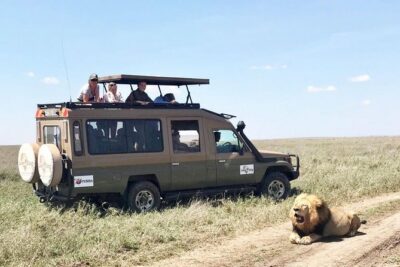
- 4-WD Land Cruiser for park roads and viewing, which helps on rougher terrain.
- Meals and park-related costs included, so the budget is easier to plan.
- Ask for Eli if you want deep wildlife know-how, and look out for cook Amid’s camp food.
Longer northern circuit routes, side by side
- Tanzania Classic – 7 Days★ 5.0 · 1,151 reviews
- Tanzania Wildlife Encounters – 6 Days★ 5.0 · 277 reviews
- Group Safari 7 Days in Tanzania’s Main Parks★ 5.0 · 240 reviews
- 4 Days Join Group tour Tarangire Serengeti and Ngorongoro crater★ 5.0 · 219 reviews
Why this northern Tanzania safari route makes sense
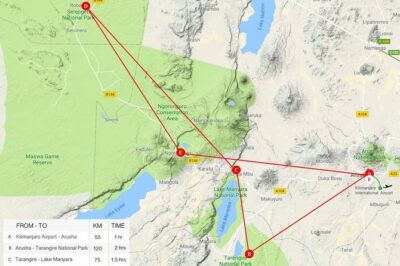
This safari is built for people who want the famous places, but also care about time in the field. The order of parks is not random. You begin with Tarangire to warm up with elephants and baobabs, then head into the Serengeti to chase the migration story, then close with Ngorongoro’s crater, Lake Manyara’s Rift Valley edge, and a final day in Arusha National Park.
The private setup is another practical win. Only your group joins, so you are not stuck waiting for strangers to finish photos or wrangle late arrivals. It also makes it easier for your driver-guide to tailor the pace to wildlife movement, which matters most in Serengeti.
One more detail that helps: you get picked up and moved by vehicle throughout, with packed lunches on key days. That means fewer “where should we eat” surprises and more predictable game-drive blocks.
Day 1: Tarangire National Park and the river-elephant pattern
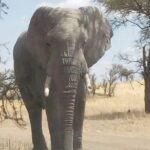
Your first morning starts early after breakfast, then you drive to Tarangire, about 130 kilometers and roughly 2 hours. This park is famous for elephants, and not in a distant, lucky-sighting way. The park’s Tarangire River flows year-round, which pulls animals into predictable viewing zones.
Tarangire also has that unmistakable mix of big trees and wildlife concentration. Baobab trees give you great photo anchors, but they also help you read the scene. When you see groups moving toward river frontage, you are usually moving toward the action too.
Practical note for your expectations: you are not just doing a quick drive-by. The day includes dinner and overnight at Panorama campsite, so your first wildlife day ends with the chance to reset before the longer Serengeti push.
Day 2: Crossing into Serengeti from the Ngorongoro Crater rim
Day 2 is all about transition and momentum. After breakfast around 07:30, pickup is scheduled for 08:00 from the camp, then you head toward the Great Serengeti National Park. You travel via the Ngorongoro Crater rim, with a picnic lunch packed for you along the way.
This is a smart move for two reasons. First, it breaks up the travel day so it does not feel like a long transfer with only one short viewing stop. Second, rim areas often give you broader sight lines compared with deeper valley driving, which can make the first Serengeti sightings feel more dramatic.
Once you reach Serengeti, the plan is a late-afternoon game drive, then dinner and overnight at Seronera campsite. If you want to maximize your “first day in Serengeti” payoff, late afternoon is a good choice. You tend to get animal activity, plus softer light for photos.
Day 3: Serengeti game drives that follow the herds
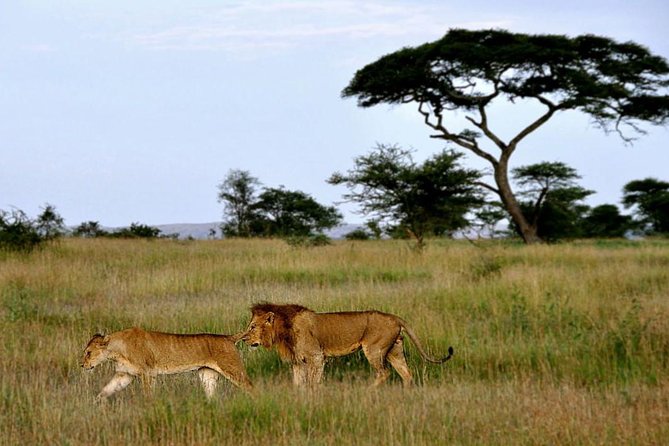
Day 3 keeps the Serengeti focus, with both morning and afternoon game drives. The key idea is that this is a migration safari, so the routes inside the park depend on where the herds are moving. Serengeti is huge, so a one-size-fits-all itinerary cannot work well.
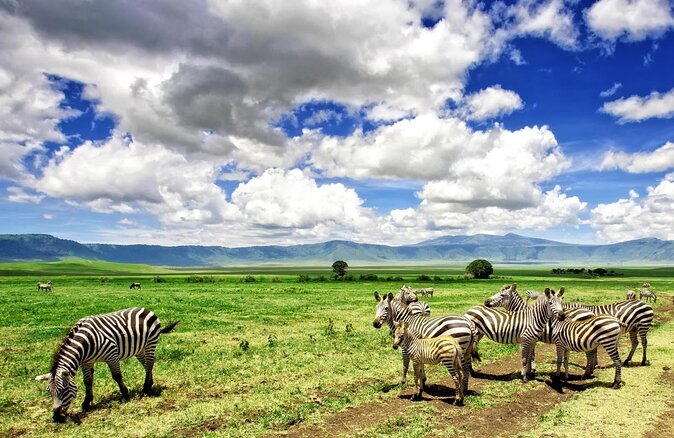
You also get the migration context, which helps you understand what you are seeing. The Great Migration involves over one million wildebeest and hundreds of thousands of zebras moving with rain patterns. The park’s herds shift over time, so your guide’s job is to locate them based on current movement.
This is also where having a strong driver-guide really shows. The itinerary emphasizes that your guide knows how to locate herds, and that practical skill matters more than chasing a checklist of animals. Without that, you end up driving around guessing.
You finish Day 3 the same way as Day 2: dinner and overnight at Seronera campsite. That continuity reduces logistics stress, and it gives you a consistent base while you track what the migration is doing.
Day 4: Ngorongoro Crater rim overnight after early drives
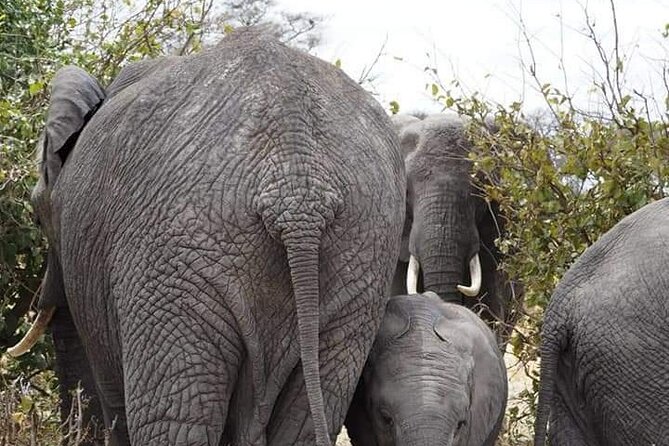
On Day 4, you start with an early morning game drive and then an early lunch before heading to Ngorongoro. The route includes on-the-way explanations from your driver-guide, which is useful because the crater area has its own rules of wildlife behavior.
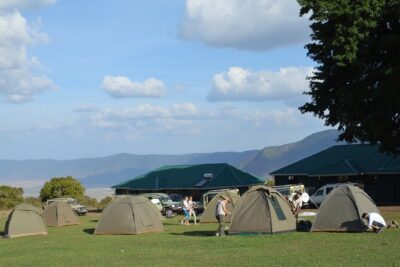
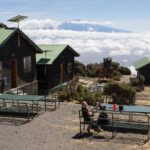
You spend the night on the crater rim at Ngorongoro Simba Campsite. That matters because it changes the timing of when you enter and exit the crater. Instead of rushing in and out the same day, you allow for a calmer start on the next day’s crater drive.
One caution to keep in mind based on prior feedback: public campsites can be basic, and Simba campsite in particular has been flagged for that. If comfort matters, plan for an adjustment. You can still have a great wildlife day, but you might want to treat sleep quality as an area to manage rather than something guaranteed to be luxurious.
Day 5: Inside the crater for 5 to 6 hours of big-game odds
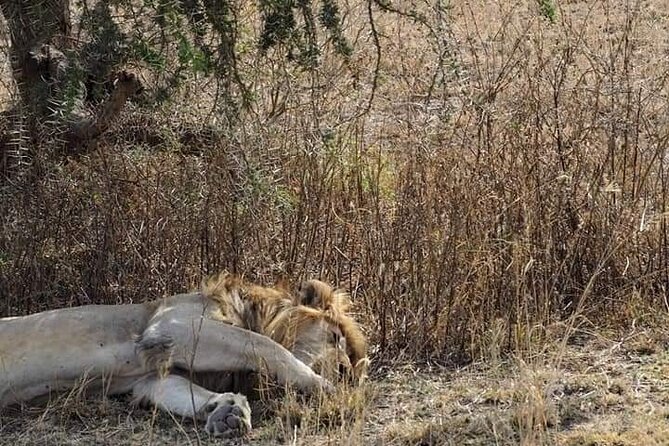
Day 5 starts early at 07:00 for the game drive inside Ngorongoro Crater. You get a long crater window, planned for 5 to 6 hours, with a picnic lunch included.
The crater’s value is simple: the walls create a contained environment, and that tends to concentrate animals. The itinerary notes that very few animals migrate in and out of the crater, and that is why you can expect a strong range of sightings even when migration patterns are less obvious than in Serengeti.
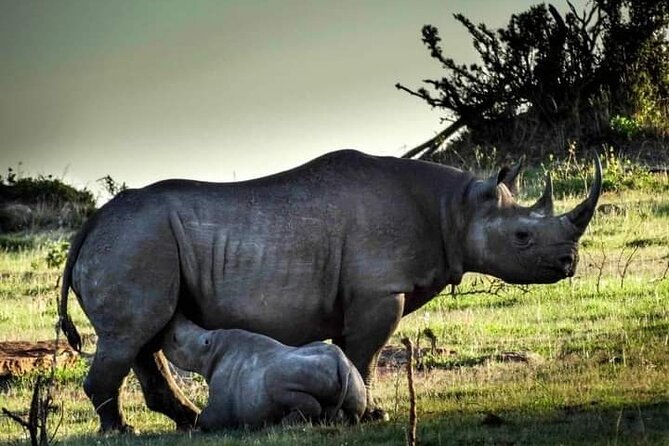
Here’s what you might see during that drive: lions, elephants, zebras, hippos, flamingos, jackals, rhinos, antelopes, and many birds. Even if you do not spot every category in one day, the crater experience usually feels like a wildlife buffet rather than a scavenger hunt.
You then drive to Fanaka campsite for dinner and overnight. That gives you another reset after spending the day in the crater bowl.
Day 6: Lake Manyara’s Rift Valley edge and tree-climbing lions
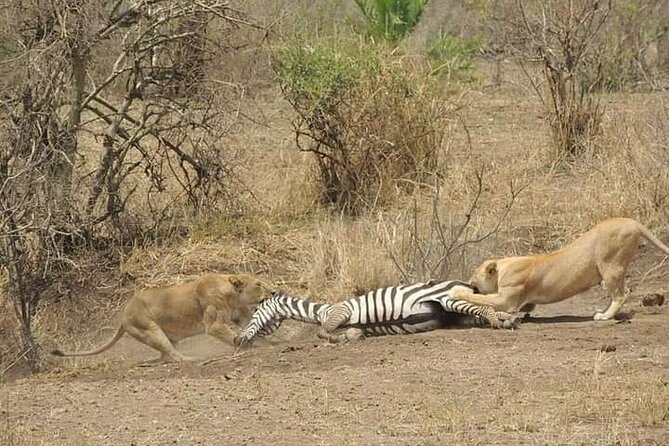
After breakfast, the plan shifts to Lake Manyara National Park with packed lunch for game drives. The park is tied to the Great Rift Valley, and the itinerary highlights that forest starts near the park gate along the Rift Valley base, plus hot springs to the west.
Lake Manyara is known for a few signature sights, and you get a mix of them in the itinerary:
- Tree climbing lions (a distinctive Manyara calling card)
- Buffalo
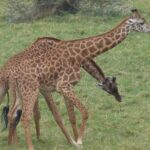
- Giraffe
- Hippo
- Troops of baboons
- Flamingos, ostrich, Egyptian geese, and other birds
Game viewing here can feel different from the open Serengeti. Manyara often mixes forest edges, open clearings, and water-related activity. That variety makes your afternoon drives worth it too, since animals can move between habitats.
Dinner and overnight are at a hotel. Compared with camp nights earlier in the trip, a hotel stop can be a comfort upgrade. It also gives you a chance to wash up properly before your final day.
Day 7: Arusha National Park and Ngurdoto Crater, the Little Ngorongoro
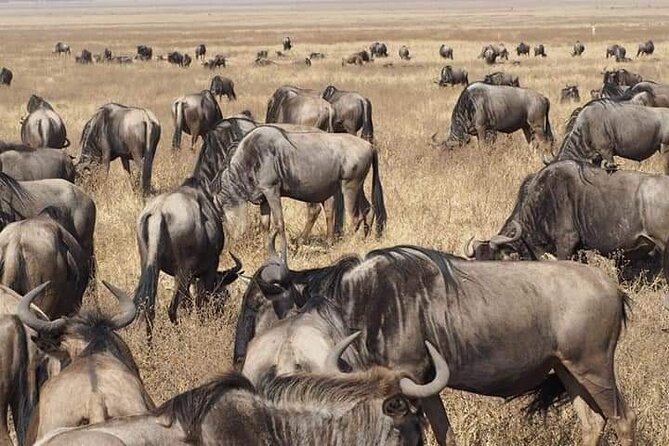
Your final day is shorter and focused. You depart Arusha in the morning with a private guide and travel to Arusha National Park, about a 40-minute drive from Arusha town.
Arusha National Park is praised in the itinerary for having impressive fauna and flora variety. There is also a film connection mentioned in the plan, with the region used for the movie Hartari, starring Hardy Kruger alongside John Wayne. Even if you are not chasing movie trivia, it’s a nice detail that points to how scenic and varied the area can be.
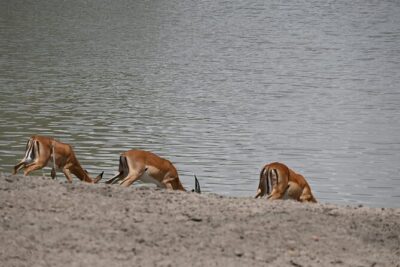
The day trip includes a visit to Ngurdoto Crater, nicknamed the Little Ngorongoro. That is your last wildlife viewing zone before returning to Arusha in the evening. The itinerary notes you can see buffaloes, waterbucks, giraffes, warthogs, zebras, plus many bird species.
Then you return to Arusha and get dropped off in the airport. This last day is good for people who want a calm finish rather than one more long marathon drive.
Price and what you really get for $2,724.36 per person
At $2,724.36 per person, this is not a budget safari. But it is also not paying only for driving from place to place. Based on what is included, you are covering the core safari expenses that usually add up fast on your own.
Included items:
- Parking fees
- All breakfasts and most meals (breakfasts are listed for 7, lunches for 7, dinners for 6)
- Pickup support (the tour notes pickup offered)
- Mobile ticket
- A private experience setup
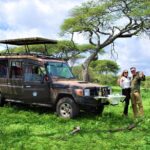
- Vehicle use for park driving with 4-WD Land Cruiser for viewing (not just a transfer)
Not included:
- Tips
Where the value lands: you get multiple major parks in one shot, with meals handled and game drives built into each day. That reduces the biggest hidden costs of DIY travel, like scrambling for food and transport between parks.
The main “value risk” is comfort level at campsites. The safari can still be excellent for wildlife, but if you hate basic sleeping conditions, you may want to ask ahead about upgrading where possible, especially around the crater night.
Guide and camp quality: what matters day to day
This safari puts a lot of weight on your driver-guide, because finding animals inside large parks depends on more than luck. If you want the strongest wildlife spotting, the best advice is to ask for Eli. He is known for deep wildlife knowledge and for driving skillfully, and that usually translates to more time actually watching animals rather than only driving.
Food also impacts your energy. A cook named Amid is specifically called out as using fresh ingredients and preparing good meals each time. That matters because early starts can drain you fast if meals are poor. When camp food is solid, you bounce back better for morning drives.
Finally, campsites set expectations. Panorama campsite, Seronera campsite, and Fanaka campsite are all part of the plan, with Ngorongoro Simba campsite being the one that has received particular criticism for being public and less comfortable. If you are the type who plans to spend hours analyzing bedding and bathroom setup, you will want to plan for that reality.
Who should book this northern Tanzania safari?
This tour fits best if you:
- Want a focused northern Tanzania highlights route without juggling multiple bookings
- Care about wildlife viewing more than hotel-style comfort on every night
- Are interested in the migration story, but can accept that Serengeti timing depends on where the herds are moving
- Prefer a private group setting with a knowledgeable guide who can adjust the day
You may want to think twice if:
- Sleeping comfort is a top priority for every night
- You hate basic public campsites and would feel disappointed at Ngorongoro Simba campsite
Should you book this 7-day safari, or keep looking?
I’d book this safari if you want the classic northern parks in seven days with a plan that prioritizes time on the road and time watching animals. The included park-related costs and meals make it easier to stick to a predictable budget, and the vehicle choice supports serious game viewing.
I would pause and ask questions if you are sensitive to campsite standards. The wildlife side can still be fantastic, but crater rim nights are often where comfort expectations get tested. If you care, ask about comfort upgrades ahead of time, so your trip matches your definition of relaxing.
FAQ
What parks are visited on this 7-day northern Tanzania safari?
You’ll visit Tarangire National Park, Serengeti National Park, Ngorongoro Crater (Ngorongoro area), Lake Manyara National Park, and Arusha National Park, including Ngurdoto Crater.
Does the tour include pickup from Arusha or the camps?
Yes. Pickup is offered, and the itinerary includes pickup from the camp on Day 2 at 08:00.
What time does the Serengeti day start on Day 2?
Breakfast is listed at 07:30, with pickup at 08:00 before heading toward Serengeti.
How early do you start the Ngorongoro Crater game drive on Day 5?
The plan starts at 07:00, with a crater game drive expected to last 5 to 6 hours.
Are meals included in the price?
Yes. The tour lists breakfast (7), lunch (7), and dinner (6) as included.
What vehicle is used for the safari drives?
The tour notes it uses a 4-WD Land Cruiser with viewing.
Are tips included?
No. Tips are not included.
Where do you sleep on the crater rim?
Dinner and overnight on the crater rim are at Ngorongoro Simba Campsite.
What is the tour price per person?
The price is $2,724.36 per person.
Can you cancel and get a full refund?
The policy says you can cancel up to 24 hours in advance for a full refund. If canceled less than 24 hours before the experience start time, the amount paid is not refunded. The policy also notes weather and minimum traveler situations may affect dates or refunds.
Longer Trips Through the North
- Tanzania Classic – 7 Days
★ 5.0 · 1,151 reviews - 7-Day Premium Luxury Tanzania Safari All-Inclusive
★ 5.0 · 426 reviews - Tanzania Wildlife Encounters – 6 Days
★ 5.0 · 277 reviews - Group Safari 7 Days in Tanzania’s Main Parks
★ 5.0 · 240 reviews - 4 Days Join Group tour Tarangire Serengeti and Ngorongoro crater
★ 5.0 · 219 reviews
Just added from around Arusha
Multi-Day Northern Circuit Safari Packages, compared.
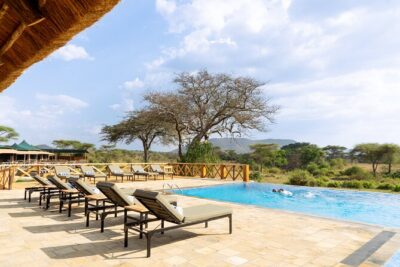 ★ 5.07-Day Premium Luxury Tanzania Safari All-InclusiveFrom $4,840426 reviews
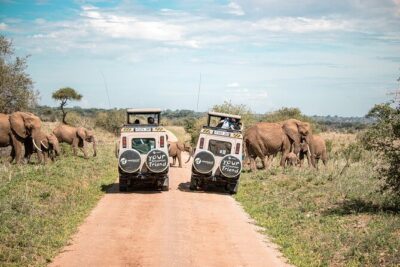 ★ 5.0Tanzania Wildlife Encounters – 6 DaysFrom $3,413277 reviews
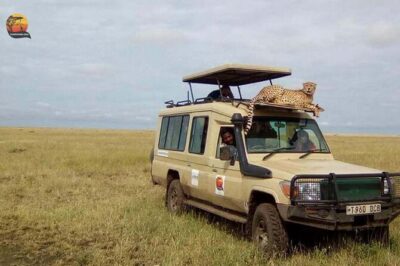 ★ 5.0Group Safari 7 Days in Tanzania’s Main ParksFrom $3,000240 reviews
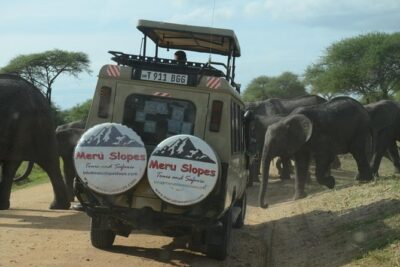 ★ 5.04 Days Join Group tour Tarangire Serengeti and Ngorongoro craterFrom $1,090219 reviews
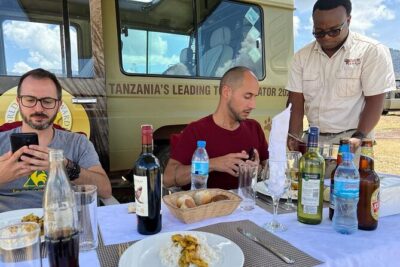 ★ 5.05-Day Private Northern Tanzania Safari from ArushaFrom $2,780182 reviews
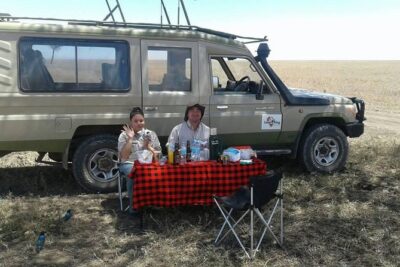 ★ 5.05 Days Best of Tanzania Luxury Safari Northern CircuitFrom $3,744174 reviews
 ★ 5.08 Day Spectacular Migration Serengeti mid -Range Tanzania SafariFrom $4,257161 reviews
 ★ 5.0Multi-Day Tanzania Odssey Safari from ArushaFrom $4,164120 reviews
Browse the lists this tour appears in