
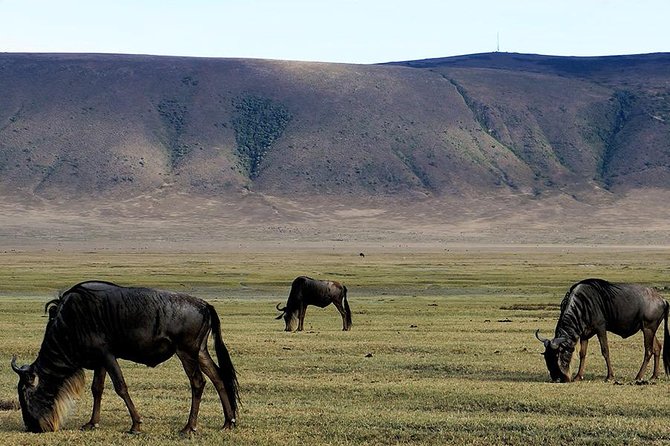
REVIEW · MULTI-DAY NORTHERN CIRCUIT SAFARI PACKAGES
6 Days – Best of Nothern Parks Safari
If you want maximum wildlife, this route is efficient. You base it in northern Tanzania, with classic parks that each feel like a different world, Tarangire, Serengeti, Ngorongoro Crater, and Lake Manyara. I like that it builds in smart timing, like early drives for animal activity and a sunrise slot that’s meant for the best light and sightings. The small group size, up to 6 travelers, also helps you feel more like a safari party than a bus group.
What I like most is the private transportation and the way the trip is paced across multiple parks, so you are not stuck in one ecosystem for the whole week. I also like that your Serengeti day is set up with flexibility, so your guide can help match game drive times to what you want most. A possible drawback: the tour notes a vehicle that is not guaranteed to be air-conditioned, and there is no onboard restroom, so the road days can require a little patience.
In This Review
- The “best of” feeling, without the wasted days
- Key highlights you’ll actually care about
- Entering The Route: How the 6 Days connect smoothly
- Day 1 in Tarangire: Baobabs, elephants, and dry riverbed drama
- Serengeti days: Migration country, plus a guide who adjusts
- Ngorongoro Crater: Sunrise, the 600m descent, and black rhino hope
- Lake Manyara: Tree-climbing lions and birdlife that steals the show
- Camping safari style, lodges, and what to expect at night
- Price and value: What $3,100 covers, and what it does not
- The guide factor: Why the service style makes a difference
- How to get the best wildlife odds without burning out
- Who this safari is perfect for, and who should think twice
- Should you book Best of Northern Parks Safari?
The “best of” feeling, without the wasted days
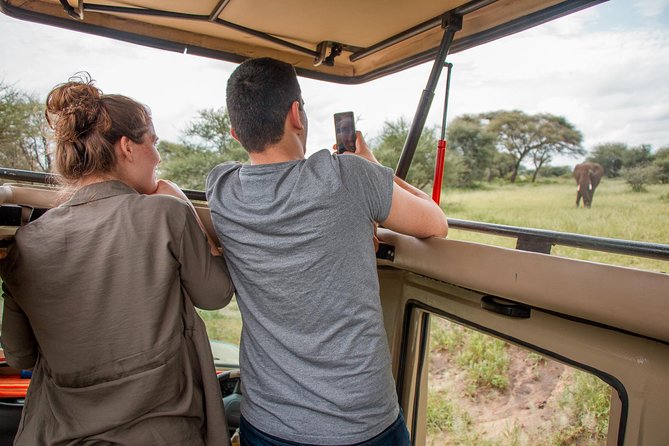
This is the kind of safari that tries to give you variety without dragging you around all day. Day by day, you move from Tarangire’s elephant and baobab country, to Serengeti’s predator action and big-horizon scenery, to Ngorongoro’s dramatic bowl and rare-horn possibilities, and then to Lake Manyara’s birdlife and tree-climbing lion legend. You also get a guide-led plan that’s not just clockwork, the trip includes guidance on wake-up times and day-by-day game drive scheduling.
From the reviews, one name that comes up is Gifton, described as helpful, organized, and present during the trip, including airport pickup for at least some travelers. If you value that kind of hands-on support, that’s a real plus. Just keep your expectations realistic: wildlife sightings are never guaranteed, and crater and big-cat viewing depends heavily on timing and conditions.
Longer northern circuit routes, side by side
- Tanzania Classic – 7 Days★ 5.0 · 1,151 reviews
- Tanzania Wildlife Encounters – 6 Days★ 5.0 · 277 reviews
- Group Safari 7 Days in Tanzania’s Main Parks★ 5.0 · 240 reviews
- 4 Days Join Group tour Tarangire Serengeti and Ngorongoro crater★ 5.0 · 219 reviews
Key highlights you’ll actually care about
- Tarangire elephant concentration in dry riverbeds, plus the baobab scenery that makes the drives feel iconic.
- Serengeti with flexibility, because a single park day can be morning-focused, afternoon-focused, or full-day.
- Ngorongoro sunrise and descent, including a 600m drop to the crater floor for maximum time at prime viewing hours.
- Black rhino chance, mentioned as a possibility in the crater experience.
- Lake Manyara bird focus, including flamingos and a long list of species around the lake.
Entering The Route: How the 6 Days connect smoothly
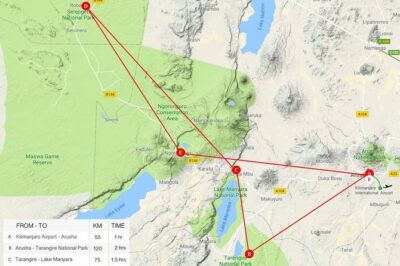
This safari is built for one main goal: see more northern Tanzania wildlife in fewer moves. Starting in Arusha, you go straight into the park circuit instead of spending time on travel detours. The schedule is short enough to feel energetic, but structured enough that you are not constantly guessing what comes next.
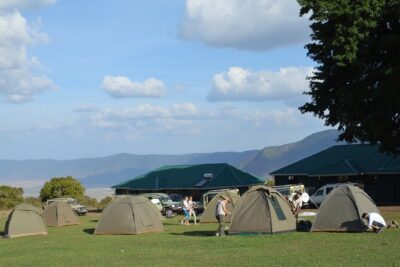
The trip is described as a camping safari, but your actual stay can be in lodges depending on availability. That matters because comfort expectations can vary, and you will want to pack with a “camping-style” mindset while staying open to lodge upgrades when they are available. Your breakfasts are included for all 6 days, which helps mornings run smoothly without you hunting for food right after sunrise.
Also, the group limit is set at a maximum of 6 travelers. In safari terms, that is not a guarantee of better sightings, but it usually means quicker coordination, less waiting, and a calmer feel when you stop for animals.
Day 1 in Tarangire: Baobabs, elephants, and dry riverbed drama
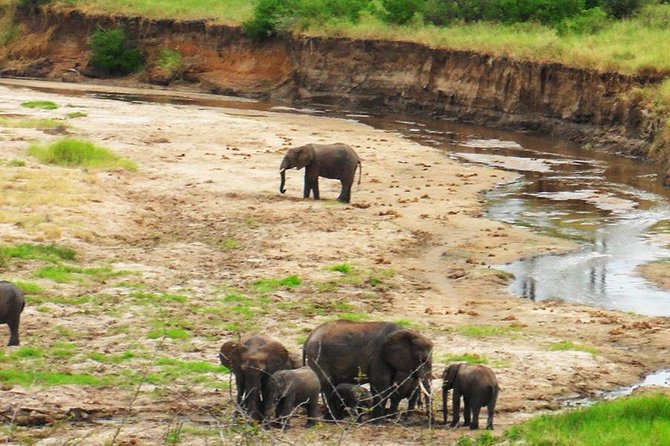
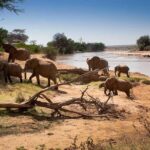
Tarangire National Park is a great first stop because it sets the tone. The park is known for huge baobab trees and it has a setting that feels open and spare, which helps you spot wildlife sooner and more clearly. In the dry season context described here, the animal focus often shifts toward shrinking lagoons and underground water sources in dry riverbeds.
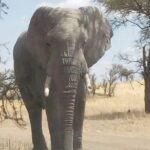
You will drive from Arusha in the morning, with Tarangire as your landing point. The elephant viewing angle is a standout: the description notes huge herds, sometimes up to 300 elephants, moving in search of water. You can also expect a chance of seeing migratory wildebeest, zebra, and buffalo gathering around the remaining water.
Lunch is another Tarangire detail worth paying attention to. The plan describes a lunch area with an observatory setup and views over river and wildlife, so lunch can double as a low-effort viewing session. If you are the type who likes to enjoy the moment instead of constantly scanning for the next animal, this is a nice way to reset after your morning drive.
A small consideration: game drives take time, and the first day can feel like a lot of “on” energy. If you are coming in on a long travel day before Arusha, plan to rest the day before, or you may feel a bit rushed.
Serengeti days: Migration country, plus a guide who adjusts
Serengeti is where most people go for the big spectacle, and this tour aims directly at it. You travel into Serengeti on Day 2, and the park is described as hosting the Great Migration of wildebeest and zebra, along with lions, cheetahs, leopards, and other predators.
Day 2 is your initial hit, and Day 3 is the day that gives you the most control. The tour description is clear that you are flexible on Day 3 based on your preferences. Your guide discusses the best timing, including wake-up time and game drive schedule. That flexibility matters because Serengeti viewing is all about timing: you want to be out when animals are most active, and you want your drives aligned with how you like to spend a day.
You might choose a classic rhythm: morning drive, back for lunch and relaxation, then an afternoon drive. Or you might go all in with a full day game drive plus picnic lunch. This is the day to tell your guide what you care about most. If you want predators, ask for a plan that maximizes chances in likely hunting windows. If you want to focus on the movement of herds, ask your guide how the timing might affect what you see.
One more Serengeti reality check: even with a great plan, you cannot force the Great Migration to appear exactly on schedule. What you can do is maximize time on the ground and let your guide handle the timing decisions, and that is built into this itinerary.
Ngorongoro Crater: Sunrise, the 600m descent, and black rhino hope
Ngorongoro Crater is the kind of place that feels different the moment you arrive. It is described as Noah’s ark style, a natural “bowl” that supports many species in a concentrated area. The crater is also listed as a UNESCO World Heritage Site, and it is described with strong physical features, 2,000ft high walls and a 102 square mile spread.
Day 4 is where you get a sunrise-style experience. The plan encourages an early wake-up for an early morning game drive, aimed at peak activity and one of the best sunrises you will ever witness. After that early game drive, you return for brunch and then proceed to Ngorongoro.
This order is smart. You get your morning viewing while conditions are fresh, then you move toward the crater so you can position yourself for the main crater action the next day. If you are the type who hates rushing, this is still early, but it is early for a reason.
Day 5 is the crater day with the big signature action: you rise early and descend 600m to the crater floor. Descending early means you spend more time on the floor when animals are likely to be moving and when light helps for spotting. The plan also mentions the possibility of the endangered black rhino in the crater area.
That rhino note is the reason Ngorongoro keeps showing up on wish lists. Still, treat it as a chance, not a guarantee. If seeing a black rhino is your top priority, ask your guide how they manage the crater time allocation once you arrive, and be ready for a flexible plan depending on where sightings concentrate that day.
Lake Manyara: Tree-climbing lions and birdlife that steals the show
After the crater, Lake Manyara is a good change of pace. The park sits in the Great Rift Valley, and the vibe shifts from crater bowl intensity to lakeside wildlife and bird action. The itinerary highlights tree-climbing lions, which is a reason people remember this park even if they do not see the lions every time.
You also get the lake itself, including a soda-ash lake detail. It is not just scenery trivia. Soda-ash lakes tend to create very specific habitats, and that shapes the birdlife and water patterns around the shoreline.
Birdlife is a huge emphasis here. The plan states that the lake shores are encrusted with pink flamingo, and that the area can attract more than 400 species of birds. If you have ever wished you could do a safari day that is not only big cats and elephants, this is your release valve. Even if you are more of a mammal person, the bird density can make you slow down and actually enjoy spotting.
On Day 6, you drive to Lake Manyara in the morning and then head back to Arusha after your time in the park. This makes Day 6 feel like the “last best session,” not a stressful dash with no time to enjoy.
Camping safari style, lodges, and what to expect at night
This trip is described as a Tanzania camping safari, but your accommodations are listed as lodges depending on vacancies. That means your exact sleeping setup may vary, and you should treat it as “safari expedition style planning with lodging that may be lodge-based.”
Either way, your nights are planned as part of the park circuit, which is what helps you start early each day. When you sleep close to where you plan to drive, you waste less time on long repositioning, and it leaves more daylight for game drives.
One practical tip for packing: plan for early mornings. Even if you are in a lodge, sunrise starts can mean chilly air and fast transitions, especially around crater mornings. Bring a warm layer and something easy to wear during quick takeoffs and late returns.
Price and value: What $3,100 covers, and what it does not
At $3,100 per person, this is not a budget safari. But it can still be good value depending on what you compare it to. The inclusions are clear and helpful: private transportation, all fees and taxes, accommodations as per the itinerary, and breakfast for 6 days.
Private transportation matters a lot in safari planning. It usually means your schedule is tied to your group and your guide’s timing decisions, not to a moving chain of strangers. In a small group capped at 6 travelers, that can make the day feel smoother when you stop, reposition, or spend extra minutes with an animal.
What is not included is also worth noting. The tour specifically lists no guaranteed air-conditioned vehicle, and there is no restroom on board. Those two items are not deal breakers, but they affect comfort and pacing. If you are heat-sensitive, bring water management habits and plan for frequent stops when needed. If bathroom access is a big concern for you, mentally budget for more stops during drives.
Lunch and dinner are not mentioned as included. That means you should plan to budget meals separately, and you might want to ask the operator what meal options look like at your specific camp or lodge.
The guide factor: Why the service style makes a difference
From the reviews, the guide and organizer support seems to be a major reason people felt taken care of. One name that comes up is Gifton, described as helpful, kind, and fun, with organized planning throughout the trip. Reviews also mention he made himself available at any time to organize the safari within a budget, and that he checked in daily.
Even if you are not relying on someone else to solve every detail, that kind of availability matters. Safari days can involve quick decisions, shifting animals on the move, changing light, and managing how long you sit on a sighting. When your guide stays responsive, you lose less time and you feel more confident that you are in the right place at the right hour.
Another practical point: the itinerary says the guide will discuss the best timings for each day, including wake-up time and drive schedule. That is not just a nice-to-have. It is the difference between “we saw stuff” and “we used our prime hours well.”
How to get the best wildlife odds without burning out
This safari is built on early starts, especially on Day 4 and Day 5. Animals are often more active early, and sunrise and cooler morning temperatures can make it easier to stay alert and comfortable. You will also want to give yourself time to scan slowly. Fast scanning leads to missed details, and patience is how you spot smaller action like birds feeding, smaller predators moving, and herds shifting.
Because the tour includes a flexible Serengeti day, use that leverage. If you prefer fewer hours but better concentration, choose the split day with breaks. If you want maximum chances, do a full day game drive with picnic lunch. Either choice can work, but choose what matches your energy level, not what looks good on paper.
Also, remember the no-restroom-on-board detail. It means you should hydrate smartly and accept that comfort can be more stop-based than onboard.
Who this safari is perfect for, and who should think twice
This tour is a strong fit if you want a classic northern Tanzania hit list in one trip. You get Tarangire for elephants and baobab scenery, Serengeti for predators and migration country, Ngorongoro for a dramatic crater experience with a black rhino hope, and Lake Manyara for birds and tree-climbing lion lore.
It is also a good fit if you like structure but want some control. Serengeti Day 3 flexibility is a big deal, and the small group size helps keep the day adaptable.
You might think twice if you require an air-conditioned vehicle, or if restroom access onboard is a must. Also, if you hate very early mornings, this itinerary leans into sunrise and prime viewing windows, especially around Ngorongoro.
Should you book Best of Northern Parks Safari?
If your goal is variety, strong park choices, and a schedule that prioritizes prime viewing time, I think this is a smart booking. The price may feel high until you look at what you get, private transport, park-linked accommodations, all fees and taxes, and breakfasts across the full 6 days. Add in the guide-led timing planning and the flexible Serengeti day, and it starts to look like a trip designed for real safari efficiency.
I would book it if you are okay with early starts and you understand that vehicle comfort is not the headline here. I would also book it if you value responsive organization, because the name Gifton shows up in feedback as someone who stays available and keeps things running smoothly.
If you want, I can also help you compare this to similar 5-day or 7-day northern routes and figure out which parks to trade if you have a specific animal goal, like predators or rhino.
Longer Trips Through the North
- Tanzania Classic – 7 Days
★ 5.0 · 1,151 reviews - 7-Day Premium Luxury Tanzania Safari All-Inclusive
★ 5.0 · 426 reviews - Tanzania Wildlife Encounters – 6 Days
★ 5.0 · 277 reviews - Group Safari 7 Days in Tanzania’s Main Parks
★ 5.0 · 240 reviews - 4 Days Join Group tour Tarangire Serengeti and Ngorongoro crater
★ 5.0 · 219 reviews
Just added from around Arusha

Multi-Day Northern Circuit Safari Packages, compared.
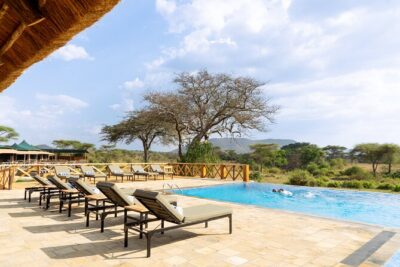 ★ 5.07-Day Premium Luxury Tanzania Safari All-InclusiveFrom $4,840426 reviews
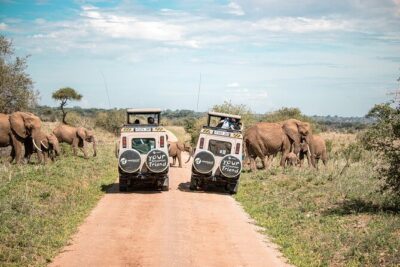 ★ 5.0Tanzania Wildlife Encounters – 6 DaysFrom $3,413277 reviews
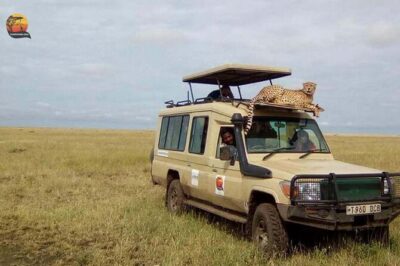 ★ 5.0Group Safari 7 Days in Tanzania’s Main ParksFrom $3,000240 reviews
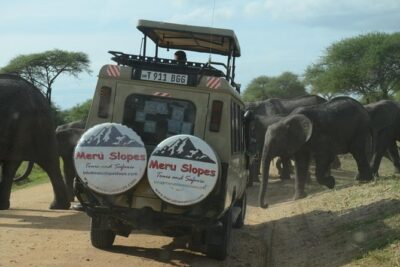 ★ 5.04 Days Join Group tour Tarangire Serengeti and Ngorongoro craterFrom $1,090219 reviews
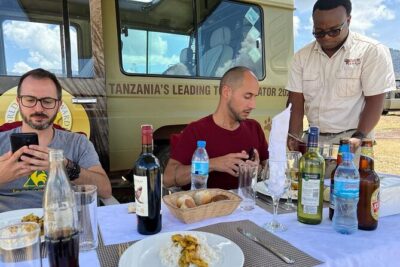 ★ 5.05-Day Private Northern Tanzania Safari from ArushaFrom $2,780182 reviews
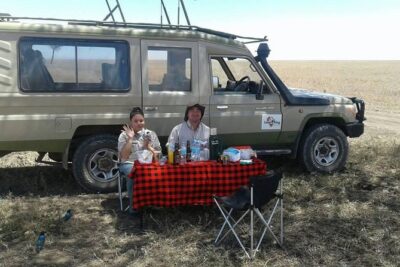 ★ 5.05 Days Best of Tanzania Luxury Safari Northern CircuitFrom $3,744174 reviews
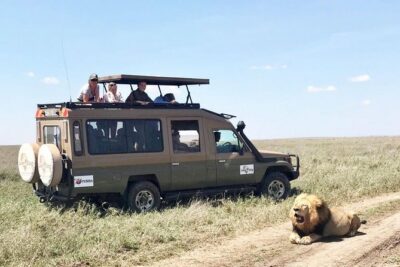 ★ 5.08 Day Spectacular Migration Serengeti mid -Range Tanzania SafariFrom $4,257161 reviews
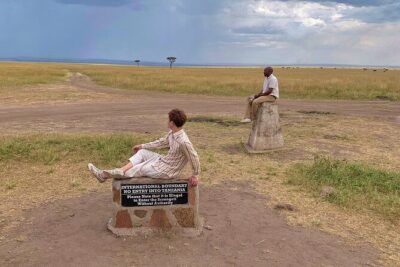 ★ 5.0Multi-Day Tanzania Odssey Safari from ArushaFrom $4,164120 reviews
Browse the lists this tour appears in