
REVIEW · WILDLIFE
6 Day: Magnificent Wildlife Adventure
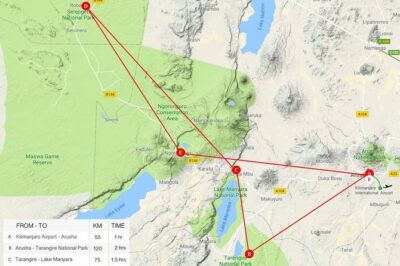
Four parks in six days, in one smooth plan. The real hook is how this safari stacks open-roof 4×4 jeep drives with early wildlife timing, plus the freedom to shape your Serengeti day around what you care about most.
Two things I like a lot: hotel pickup is handled, so you start the day without logistics stress, and the schedule is genuinely customizable, not one-size-fits-all. The one drawback to consider is the rhythm: you will have some very early mornings and long drives, so you need decent patience for the road days.
In This Review
- Key highlights to know before you go
- Why this Safari Works Better Than a Fixed-Plan Tour
- Arusha Pickup, Open-Roof Jeep Setup, and Day-to-Day Timing
- Day 1 in Tarangire: Baobab Giants and Elephant Family Encounters
- Day 2 in Serengeti: Endless Plains and Migration Energy
- Day 3 in Serengeti: A Flexible Day You Can Actually Customize
- Day 4: Ngorongoro Sunrise, Brunch Reset, and Switching Back to Serengeti
- Day 5 in Ngorongoro Crater: The Floor, the Walls, and the Rare Black Rhino Shot
- Day 6 in Lake Manyara: Dense Viewing, Hippo Lake Picnic, and Lots of Birds
- Price and Value: What $5,000 Covers and Why It Adds Up
- Who This Safari Fits Best (And Who Should Reconsider)
- Should You Book This 6-Day Wildlife Adventure?
- FAQ
- What national parks are included in this 6-day safari?
- Where does the tour start and what time does it begin?
- Do I get hotel pickup?
- What vehicle will we use for game drives?
- Are meals included?
- Is the tour private?
- Is a balloon safari included?
- What is included in the price, and what is not?
- FAQ
- Can I cancel for a full refund?
- What happens if the safari is canceled due to weather?
Key highlights to know before you go
- Open-roof 4×4 viewing so you can spot animals and keep a good sightline from your seat
- Hotel pickup included to reduce the number of “where do I go?” moments
- Flexible Serengeti timing with options for morning, afternoon, or an all-day drive plus picnic lunch
- Tarangire elephants and baobabs where elephant family interactions are a major draw
- Ngorongoro sunrise and crater-floor viewing with a real shot at rare sightings like black rhino
- Lake Manyara’s dense action plus a picnic near hippo lake
Still weighing it up? These Arusha trips came out well when we reviewed them.
- Balloon Safari & Bush Breakfast in Serengeti – Miracle Experience★ 5.0 · 1,646 reviews
- Tanzania Classic – 7 Days★ 5.0 · 1,151 reviews
- 4 Days Group Camping Safari★ 5.0 · 1,101 reviews
- 5 Days Group Camping Safari★ 5.0 · 730 reviews
Why this Safari Works Better Than a Fixed-Plan Tour
This is built for people who want more wildlife time and less worrying about the schedule. Instead of locking you into the same drive pattern every day, your guide works with your preferences and game-drive timing, including your wake-up time. That matters, because on safari the best sightings often depend on being in the right place at the right hour.
I also like that you get a real guide relationship, not a revolving-door experience. In Tanzania safaris, the driver’s skill and instincts really do affect what you see and how comfortable you feel, from safe driving to where the vehicle positions you for viewing.
There is also a practical element that is easy to miss until you’re tired: meals are included across the trip. That means fewer stops, fewer decisions, and more time with your eyes up on the savanna.
Arusha Pickup, Open-Roof Jeep Setup, and Day-to-Day Timing
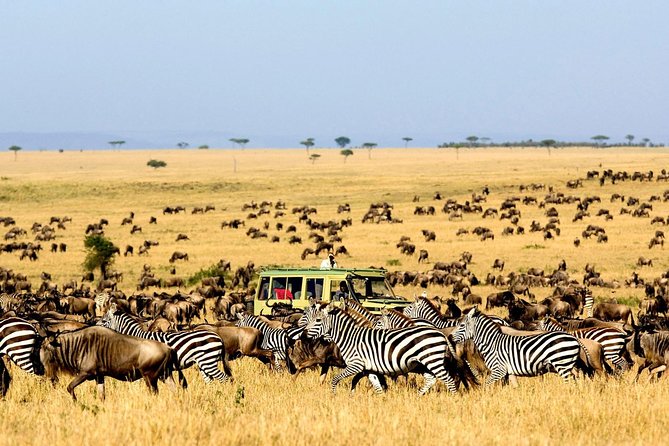
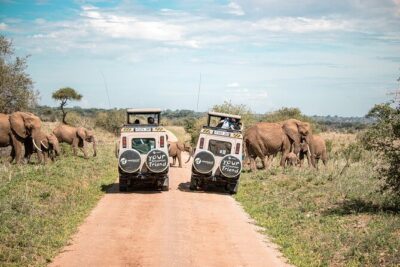
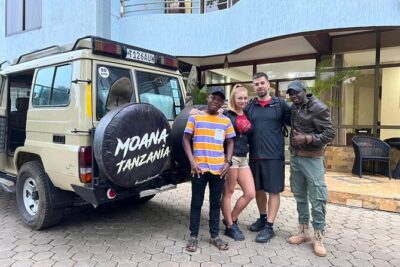
You start in Arusha with an 8:00 am pickup, then head into the parks by 4×4 safari jeep. The vehicle is described as a pop-up roof design with an open top for better viewing, and you sit in a six-window-seat setup. Translation: you are not stuck behind glass all day, and you can scan farther for elephants, lions, and movement on the horizon.
On days that call for early starts, plan to be ready fast. Wildlife tends to be active in the morning hours, and the itinerary is designed around that logic, especially for Ngorongoro and Serengeti. You will likely feel the early wake-ups, but the trade-off is that you get the better light and more animal behavior before the heat settles in.
One more human detail: communication and flexibility show up in the way people describe their experience with the team. The coordinator Anita is mentioned as consistently available for questions, and guides such as Joseph, Chedi, Lucus, and Freddy are highlighted for staying friendly while also respecting your space. That combination is a big quality marker for a safari, because you want both competence and calm.
Day 1 in Tarangire: Baobab Giants and Elephant Family Encounters
Tarangire is a smart first stop because the park hits you with variety right away. It is known for having nine different vegetation zones, which helps explain why the wildlife can feel so different from one part of the drive to another. Then there are the baobab trees, the ancient giants that dominate the scenery in a way that is hard to forget once you see them.
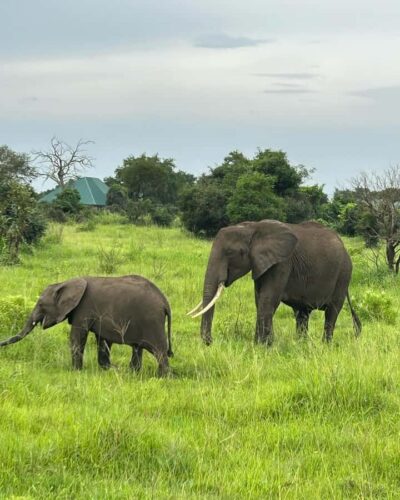
Tarangire is especially famous for elephants. You are in an area described as having the largest concentration of elephants in the country, and the emphasis is on watching how elephant families interact. That is not just about seeing elephants, it is about watching behavior, like how a herd moves as a unit, how young elephants respond, and how groups regroup.
You can expect a steady mix of birds and larger mammals as you scan the river area and open zones. The day includes lunch and uses park admission, and the drive time is long enough that it helps to be mentally ready for a full safari day.
A small practical note: the baobabs look dramatic even in photos, but your best chance is early in the day and whenever the driver finds animal movement. Keep your camera handy, but do not let it replace looking. Elephants can appear in the blink of an eye between tree lines.
Day 2 in Serengeti: Endless Plains and Migration Energy
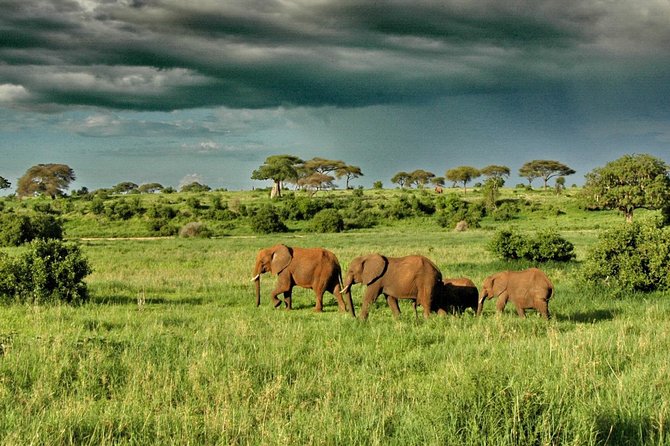
Serengeti is the headline name for a reason, and this day starts with an early breakfast and travel into the park. The drive is described as spectacular, and once you get into the Serengeti, the open plains feeling is immediate, with the sense that space goes on forever.
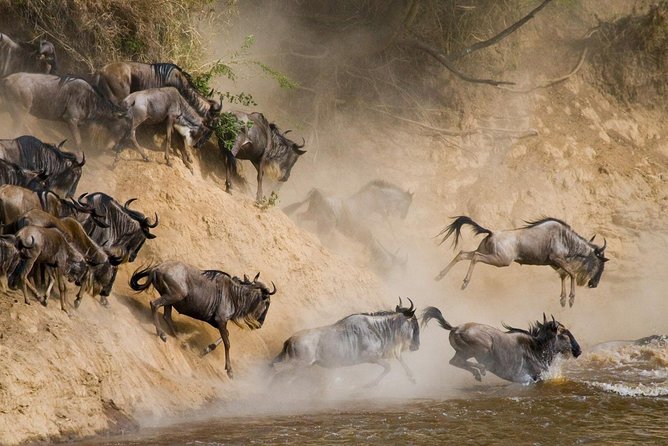
This is also where the Great Migration story becomes more than a concept. The area is described as home to around 2 million wildebeest, plus hundreds of thousands of zebras and other antelope species. If you are a first-time safari person, this is where the trip starts to feel real, because you see the scale of animals and the way the landscape supports them.
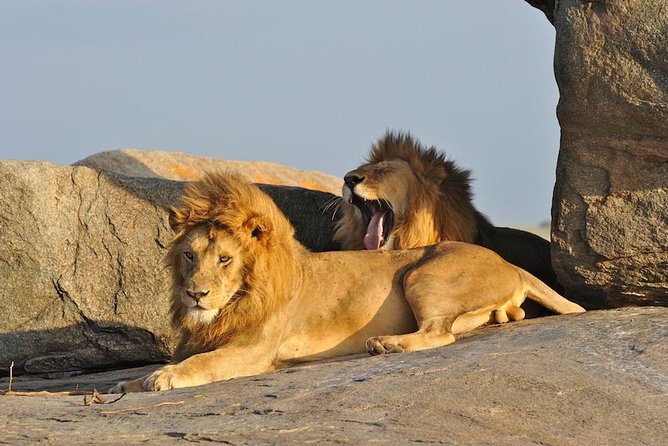
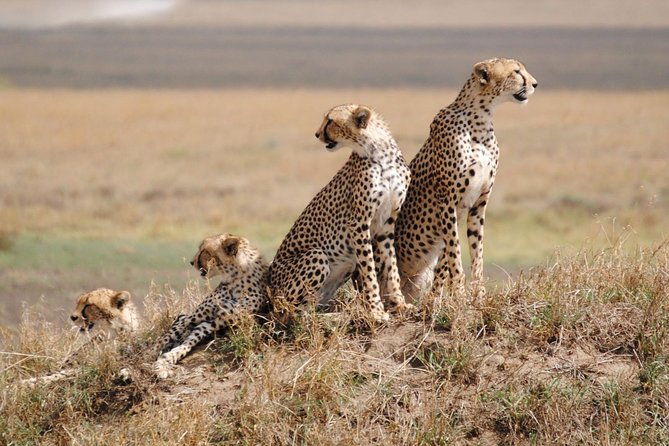
For predators, Serengeti is the place to watch big cats with consistent chances. Lions, cheetahs, and leopards are all part of the predator picture, and the key is how the guide times drives and positions you when movement is reported.
One consideration: the migration timing shifts by season. The safari does not promise a single exact moment, but it is designed so you are in Serengeti during prime opportunity windows. If your dream is very specific, like a particular migration moment, you may want to discuss your priorities with the operator before you book.
Day 3 in Serengeti: A Flexible Day You Can Actually Customize
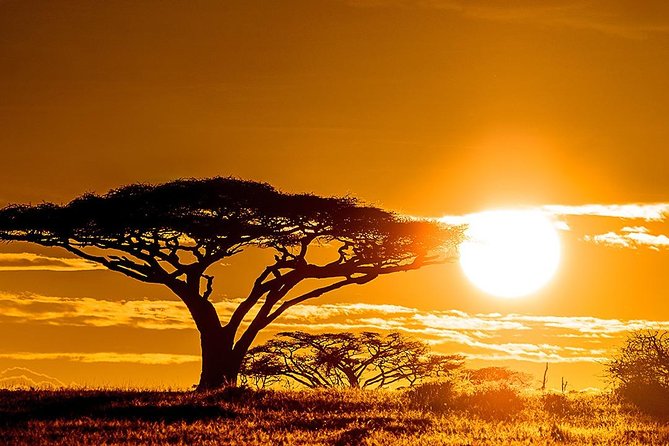
This is the best day on the calendar if you value flexibility. Your guide checks in on preferences and shapes the day around the best timing. You can do a morning game drive, come back for lunch, relax, and then finish with an afternoon drive. Or you can go all day with a picnic lunch.
This matters because safari days are about momentum. If you are chasing a predator sighting, the morning can be productive. If you want birds and different activity patterns, an afternoon drive can pay off. When you have the option, you can choose what fits your energy and what you care about most.
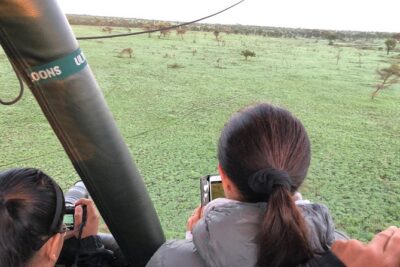
There is also an optional balloon safari mentioned as extra payment. If you love a view-from-above moment, this is your add-on. Just remember a balloon day is a different kind of timing and requires early planning, so ask about what it means for the rest of your day.
If you want one practical tip, it is simple: choose your pace based on how you react to early mornings. If you are energized, take the longer day. If you are tired, split it into two drives and keep the middle portion relaxed.
Day 4: Ngorongoro Sunrise, Brunch Reset, and Switching Back to Serengeti
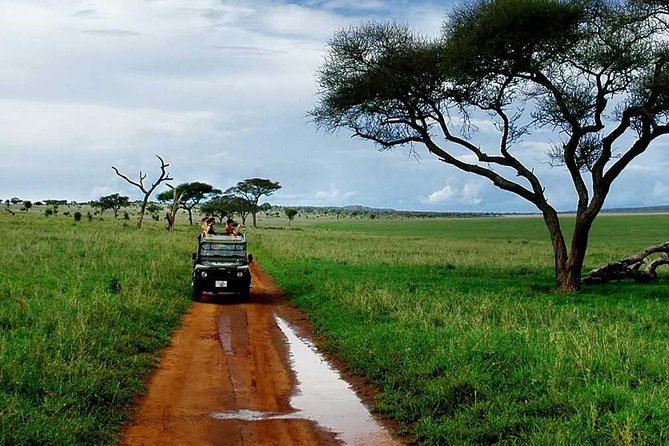
Day 4 is built around a classic safari rhythm: wake early, drive early, then let the day open up. The plan suggests an early morning game drive and one of the best sunrises you are likely to see anywhere in East Africa. Then it shifts into a more comfortable mode with a return for brunch before you continue.
After that, you do a game drive in various areas of Serengeti and then move toward Ngorongoro in the afternoon. The day ends with dinner and overnight at O’ldeani Mountain Lodge, giving you a base before the crater-floor day.
This day is valuable because it bridges two kinds of wildlife country. Serengeti can feel wide and endless, while Ngorongoro is about concentration, steep walls, and a packed “watching theater” effect. By the end of Day 4, you are positioned for your crater descent the next morning.
A small drawback consideration: because you are moving between parks, the day is not only about game drives. There is travel time too, and it adds up. If you are the type who needs breaks, mention it to your guide early, so they can adjust pacing and stops where possible.
Day 5 in Ngorongoro Crater: The Floor, the Walls, and the Rare Black Rhino Shot
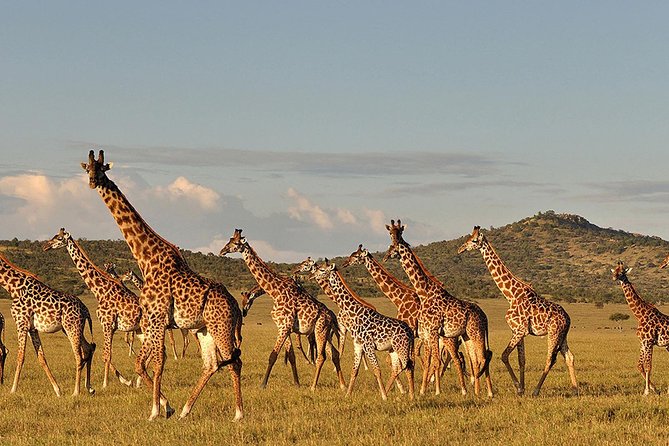
Ngorongoro Crater is where the safari turns into something close to a natural enclosure. The crater spreads about 102 square miles, and it has walls roughly 2,000 feet high. That shape matters for wildlife viewing because it concentrates animals into accessible areas.
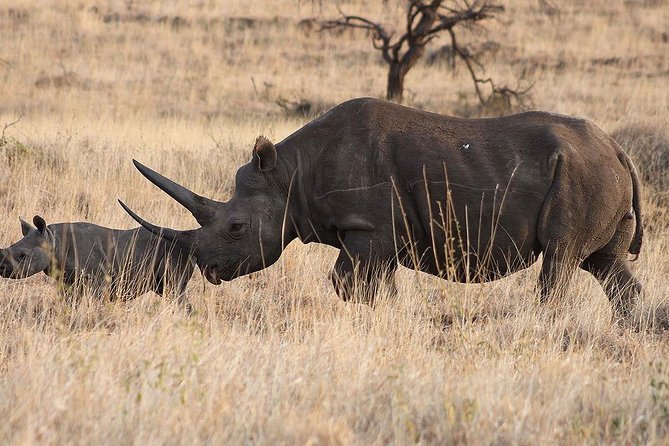
The day starts very early, with a descent to the crater floor for a morning of wildlife. The plan describes Ngorongoro as a place where almost every species of East African wildlife found in the region can be encountered, with the big draw that it is one of the rare locations where you can see black rhino.
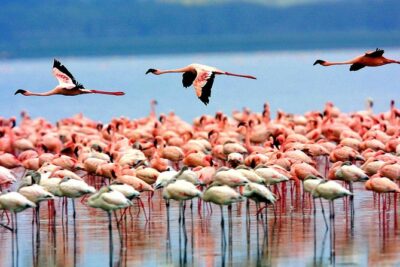
On the crater floor, you are looking across multiple habitats, including a river, swamps, a soda lake, forest areas, and open plains. The soda lake is tied to flamingos, so birdwatchers have something to chase, not just big mammals. Elephants are also part of the crater story, and you get the chance to see large animals that are described as among the largest in the world.
Reality check: seeing black rhino is never guaranteed on safari, even with the best planning. What the itinerary gives you is time at the right place and right part of the day, which is exactly what you can control.
Day 6 in Lake Manyara: Dense Viewing, Hippo Lake Picnic, and Lots of Birds
The final day focuses on Lake Manyara National Park, starting very early. Lake Manyara is described as having a dense animal population of about 25,000, which is why game viewing here can feel fast. In minutes, you can be tracking wildebeest, eland, lions, zebras, gazelles, elephants, and blue monkeys, along with the chance to see more than 500 bird species in the area.
There is also a mention that with luck you might catch a glimpse of the endangered black rhino. Again, that is the kind of sighting you cannot schedule on a calendar, but the itinerary is set up to maximize your viewing time in an area known for this potential.
You have a picnic lunch near hippo lake, then a short game drive before leaving the conservation area. One thing to flag: the description mixes language about descending or ascending a crater on the final day, which belongs more naturally to Ngorongoro. Before you go, ask your guide to confirm the exact flow for Day 6 so you are not surprised by where and when the driving happens.
If you are planning your gear, bring binoculars if you have them. Lake Manyara’s bird content is a big part of why the area can feel rewarding even if mammals are slow in a given hour.
Price and Value: What $5,000 Covers and Why It Adds Up
At $5,000 per person, this is not a budget safari. But you are paying for more than a seat in a vehicle. The included value items are substantial: a 4×4 safari jeep with open roof seating, a professional guide/driver, all fees and taxes, and meals across the trip. Breakfast is included for 6, lunch for 6, and dinner for 5.
That matters because safari costs often creep up in ways people do not expect. When meals and park fees are covered up front, you can budget more cleanly and avoid scrambling for food or surprise add-ons during long park days.
What is not included is also clear: international flights, tips for safari driver/guide and chef, personal items, travel insurance, and visa fees. If you are sensitive to tipping costs, plan for them. If you are traveling from outside Tanzania, your flight cost may be the biggest line item, so treat the $5,000 as the safari portion of the full trip.
When I look at value here, the biggest win is the combination of four parks in six days with an open-roof 4×4 and a flexible Serengeti day. You are not just checking boxes. You are getting time for behavior and positioning.
Who This Safari Fits Best (And Who Should Reconsider)
This safari fits you best if you want:
- A first-time Tanzania experience with big-name parks and strong wildlife odds
- A guide-led, vehicle-on-the-ground safari instead of a rigid schedule
- Serengeti time that you can shape, not only do as a quick drive-by
It may be less ideal if you prefer:
- A slower pace with fewer long drive days
- No early mornings at all
If you are traveling with family, the open-roof jeep format helps kids and adults alike see more. Just keep in mind the itinerary is timed around animal activity, not around your sleep schedule.
Also consider your camera needs and clothing. The schedule is built on early mornings and long hours outside. Bring layers for cool starts and something breathable for warm afternoons.
Should You Book This 6-Day Wildlife Adventure?
I would book this if your priority is maximum wildlife time across Tarangire, Serengeti, Ngorongoro, and Lake Manyara, with the comfort of pickup, included meals, and a guide who can adjust timing. The Serengeti flexibility is a real perk, because it lets you choose morning intensity or a calmer middle of the day.
I would think twice only if you hate very early starts or you want a lighter travel day by day pace. This is a high-action safari plan. It is built for people who like being out there, not for people who want everything to be leisurely.
One last practical note: the experience requires good weather. If conditions are poor, the plan allows for a different date or a full refund, so do not panic if weather changes your timing. In safari land, you go with the flow. That is half the fun.
FAQ
What national parks are included in this 6-day safari?
The tour includes Tarangire National Park, Serengeti National Park, Ngorongoro Crater, and Lake Manyara National Park.
Where does the tour start and what time does it begin?
It starts back in Arusha, Tanzania, with a start time of 8:00 am, and it ends back at the meeting point.
Do I get hotel pickup?
Yes. Hotel pickup is offered, and there is free pickup and drop-off at the airport.
What vehicle will we use for game drives?
You travel in a 4×4 safari jeep with a pop-up open roof and six window seats.
Are meals included?
Yes. Breakfast is included for 6 days, lunch for 6 days, and dinner for 5 days.
Is the tour private?
The tour is described as private, meaning only your group will participate.
Is a balloon safari included?
A balloon safari is not included. It is mentioned as an optional experience with extra payment.
What is included in the price, and what is not?
Included are the safari jeep, a professional guide/driver, all fees and taxes, and meals. Not included are international flights, tips for the driver/guide and chef, personal items, travel insurance, and visa fees.
FAQ
Can I cancel for a full refund?
Yes. You can cancel up to 24 hours in advance for a full refund.
What happens if the safari is canceled due to weather?
If it is canceled due to poor weather, you will be offered a different date or a full refund.
Just added from around Arusha
Wildlife, compared.
 ★ 5.0Tanzania Wildlife Encounters – 6 DaysFrom $3,413277 reviews
 ★ 4.5Zanzibar: Jozani nature walk and wildlife tourFrom $9889 reviews
 ★ 5.06 Day Tanzania Wildlife Mid range SafariFrom $2,50054 reviews
 ★ 5.05 Days 4 Nights Tarangire, Serengeti , Ngorongoro & Manyara Wildlife SafariFrom $2,60040 reviews
 ★ 5.04 Days Wildlife Safari and Cultural Experience in TanzaniaFrom $1,23123 reviews
 ★ 5.0Wildlife Safari TanzaniaFrom $3,10019 reviews
 ★ 4.5SAFARI WILDLIFE 3 DAYS 2 NIGHT FROM ZANZIBAR TO MIKUMIFrom $76019 reviews
 ★ 5.08 Days 7 Nights Tanzania Wildlife & Culture Lodge SafariFrom $3,84217 reviews
Browse the lists this tour appears in