
REVIEW · MULTI-DAY NORTHERN CIRCUIT SAFARI PACKAGES
5-Days Private Tanzania Safari Tour
A walking safari is not something you forget. This 5-day private Tanzania safari mixes classic game drives with time on foot in prime parks of northern Tanzania. It also runs with a local operator, Destiny Explorers, so the focus stays on wildlife, not paperwork.
I particularly like how the itinerary balances elephant country in Tarangire with the big prey energy of the Serengeti. And I like that you get a day where the wildlife experience shifts from jeep-viewing to actually moving through the habitat on foot.
One consideration: you’ll be in the field for long stretches each day, so it’s not the best fit if you want a slow, low-effort vacation.
In This Review
- Key things that make this safari worth your attention
- Private safari energy: more wildlife time, less hassle
- Day 1 at Tarangire: elephants, baobabs, and a colonial backstory
- Serengeti in Ndutu season: aligning your dates with migration odds
- Serengeti plains on Day 3: find what you missed, add the birds
- Ngorongoro Crater on Day 4: black rhino day plus the Karatu break
- Lake Manyara on Day 5: jeep-to-foot walking safari with an armed guide
- Price and logistics: what $2,150 buys in real travel value
- Guides and game driving: why drivers like Noel, Denis, Gilbert, and Joseph matter
- Who this safari suits best, and who might want a lighter plan
- Should you book this 5-day private Tanzania safari?
- FAQ
- What is the duration of the 5-day private Tanzania safari?
- Where does this safari start?
- What time does the safari start?
- Is this tour private?
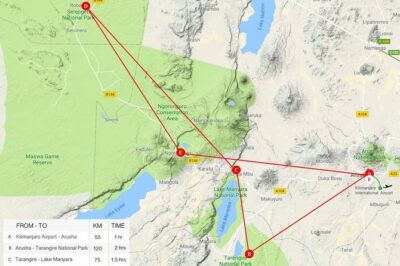
- Which parks are included in the safari?
- Is there a walking safari?
- When is the best time to visit Ndutu for the Great Migration?
- What meals are included?
- Are tips included in the price?
- What is the cancellation policy?
Key things that make this safari worth your attention
- Private group comfort: only your group goes with you, so game driving can match your pace.
- Walking safari on Day 5: after four days in the jeep, you get a different kind of wildlife encounter with an armed guide.
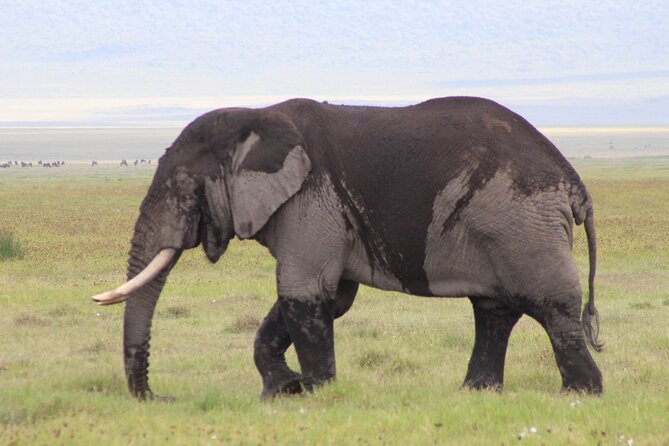
- Tarangire elephant time: Tarangire’s famous elephant presence and baobabs set a strong start.
- Serengeti timing for migration season: Ndutu is highlighted for the Great Migration months (end of December through April).
- Ngorongoro black rhino chance: the crater plan is built around rhino watching and other crater mammals.
- Meals included: breakfast, lunch, and dinner are part of the package for multiple days, which helps keep the trip smooth.
Longer northern circuit routes, side by side
- Tanzania Classic – 7 Days★ 5.0 · 1,151 reviews
- Tanzania Wildlife Encounters – 6 Days★ 5.0 · 277 reviews
- Group Safari 7 Days in Tanzania’s Main Parks★ 5.0 · 240 reviews
- 4 Days Join Group tour Tarangire Serengeti and Ngorongoro crater★ 5.0 · 219 reviews
Private safari energy: more wildlife time, less hassle
This is a private 5-day safari, which matters more than most people expect. When you’re not sharing a vehicle with strangers, the driver can adjust for animal sightings, timing, and your group’s stamina. You’re also less likely to feel rushed by a fixed circuit that ignores your interests.
I also like the operator approach here. Destiny Explorers is repeatedly described as responsive and organized, and that shows up in small things like pickup handling and clear planning from start to finish. One recurring theme in the feedback is that communication stays easy, with a point person named Issa and guides such as Noel, Denis, Gilbert, and Joseph called out for driving and spotting skill.
The one tradeoff with a safari like this is physical time. Even with breaks and meals, you’re doing long game-drive days, and the field conditions can be tiring if you’re not used to heat and dust.
Day 1 at Tarangire: elephants, baobabs, and a colonial backstory
Tarangire National Park kicks things off with what you came for: large animals and distinctive scenery. The park is described as emerging in 1970 from a former colonial hunting ground, which gives it a layered past. That history also helps explain why the wildlife feels so concentrated in many areas, especially where elephants move through the best watering and feeding zones.
The wildlife highlight is the elephant population in northern Tanzania. If you’re lucky, you’ll also see big cats like lions, plus fast hunters like cheetahs, and opportunists like leopards. The park is also framed as having a very diverse animal world, and it’s sized at something comparable to Luxembourg, which hints at how varied the terrain can feel from one day to the next.
Don’t rush this first day. Tarangire is a place where you can enjoy the details: the famous baobab trees are especially impressive, and the description calls out clusters in the northeastern sector. Those thick-trunk trees are not just pretty. They shape how animals move, and they often create the kind of viewing moments where you feel like you’re watching the ecosystem work.
Serengeti in Ndutu season: aligning your dates with migration odds
Day 2 and Day 3 keep you in the Serengeti, starting in the Ndutu region. The key here is timing. Ndutu is described as a prime spot for the Great Migration, and the recommended window is from the end of December through April.
In that season, herds start arriving from the north around late December, and then the big movement comes through into the northbound trek by the time the millions of wildebeest, zebra, and gazelle begin moving again. If you’re going for the classic migration spectacle, those months make your odds far better than walking into the park at a random time of year.
This day is also about wide-open searching. The plan includes a full day of spotting big five opportunities and other wild mammals. While you won’t control exact animal behavior, you can control one thing: you choose the months when the park’s energy shifts toward migration activity.
What I like as a traveler: Ndutu is treated as a specific migration lens, not a vague Serengeti visit. That makes the day feel more intentional, instead of just driving around and hoping.
Serengeti plains on Day 3: find what you missed, add the birds
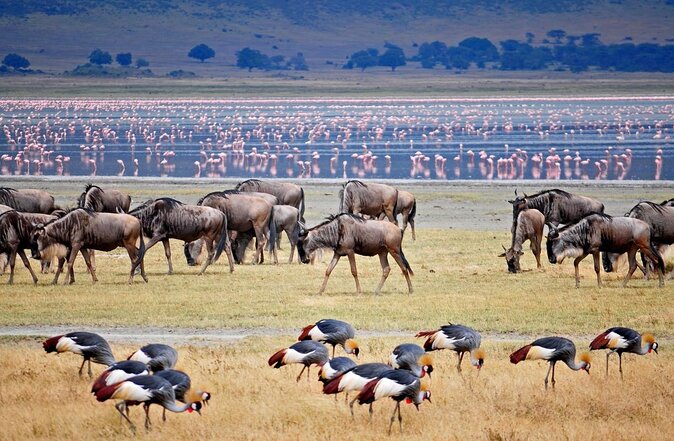
Day 3 keeps the Serengeti going, but with a different focus. You’re picked up and driven to the center of the Serengeti plains for a day designed to catch wildlife you may have missed on earlier drives. It also includes bird-watching, which is a smart add-on in a safari itinerary, because it gives your eyes another job besides scanning for the next big cat.
This is also where your guide’s field instincts start to matter. Even if you don’t see everything in the first two days, Day 3 can rebalance the trip. A skilled driver can find fresh viewing areas and adjust strategy when animals move, instead of simply “going through the motions.”
If you’re the type who loves atmosphere and variety, this is a great day to slow down mentally. You might still be actively hunting for sightings, but the bird-watching angle helps you notice smaller moments, like activity near water or attention-grabbing behavior between species.
Ngorongoro Crater on Day 4: black rhino day plus the Karatu break
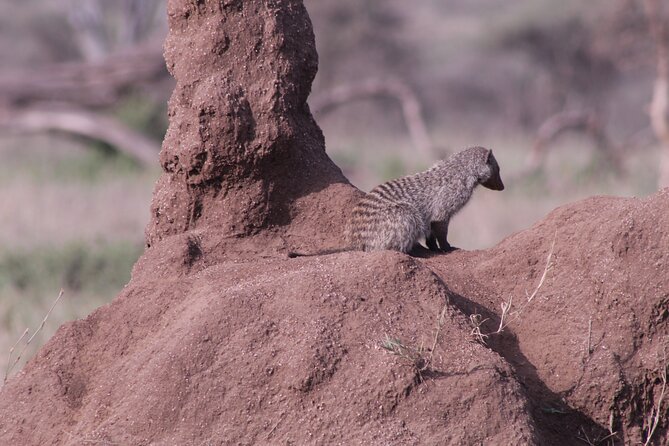
Day 4 shifts from the broader safari plains into the drama of Ngorongoro Crater. The crater portion is planned around the chance to spot the black rhino, plus other mammals. That black rhino focus is important because it sets a clear goal for the day, not just generic crater viewing.
You’ll also get a change of pace with the logistics that follow. After the crater time, the plan calls for ascending the caldera to Karatu for an overnight break and dinner. That matters for how your body feels. After time spent concentrating while scanning from one vantage to the next, the overnight stop gives you a reset so the next day’s walking safari does not feel like punishment.
One practical tip: plan to bring a layer for early or late crater timing. Even when the day is warm, crater areas can feel different in the morning and when you’re moving between elevations. You’ll be glad you packed something light but useful.
Lake Manyara on Day 5: jeep-to-foot walking safari with an armed guide
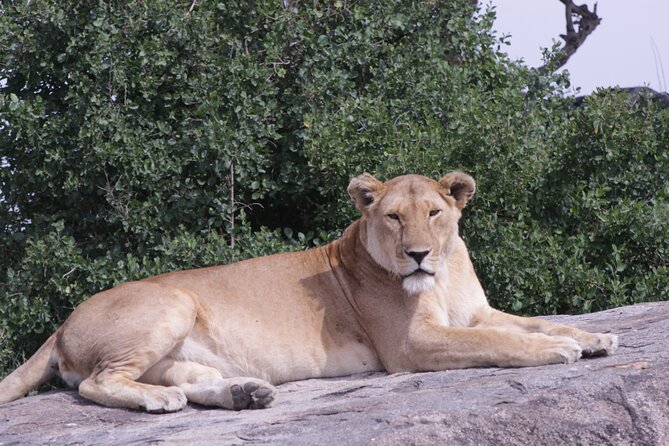
Day 5 is where this safari earns its special label. It’s not just another game drive day. The plan includes Lake Manyara game driving and then a walking safari experience, framed as the moment you get out of the jeep routine after four days of sitting and spotting from inside.
The description is clear that the walk is led by an armed guide, and it also includes local culture to the end of the adventure. That local culture piece can be as simple as how your guide explains what you’re seeing and how people live alongside wildlife, but it’s still a different kind of value than just passing through a park.
From a safety and comfort perspective, walking safaris demand mental readiness. You’ll be moving more slowly, watching your footing and staying alert to what your guide sees. The upside is that your connection to the place changes. You notice tracks, movement patterns, and the “quiet” behavior animals show away from the usual vehicle rhythm.
If you’re worried about the physical part, consider your own baseline. You don’t need to be an athlete, but you do need to be comfortable walking in park conditions.
Price and logistics: what $2,150 buys in real travel value
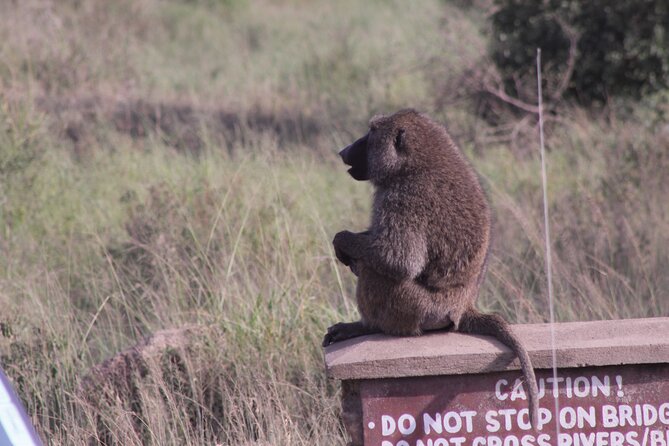
At $2,150 per person for about five days, this is not a budget safari. The value comes from the parts that usually cost you time, energy, or decision stress.
Here’s what helps justify the price:
- Private tour so your schedule is not shaped by other groups.
- Pickup is offered, which reduces the start-of-trip chaos.
- Meals are included for multiple days, including breakfast (4), lunch (5), and dinner (4). That means you’re not hunting for food in between park drives.
- Park entry tickets are shown as free for some days and included for others, which can simplify your expectations about what you still need to pay.
The also-important piece is the human side. Feedback consistently points to smooth handling and strong communication, with guides and drivers praised for getting good vantage points and spotting wildlife. A safari is one long exercise in timing, and that’s where a competent driver saves you from wasting hours.
The one drawback I’d flag, financially or otherwise: because it’s private and full-board for many meals, you’ll likely feel the cost more if you end up wanting fewer parks or more downtime.
Guides and game driving: why drivers like Noel, Denis, Gilbert, and Joseph matter
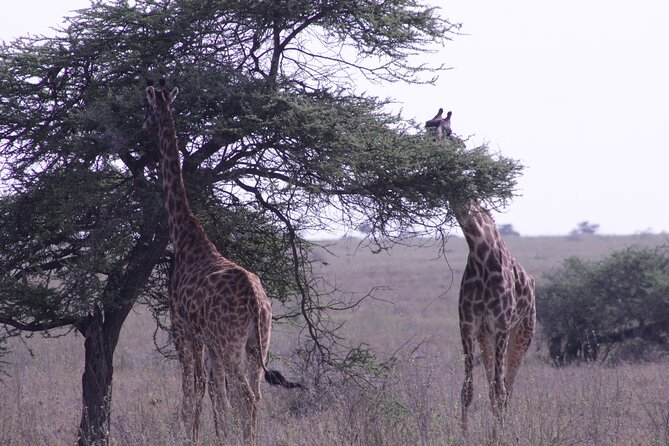
A safari is only as good as the person driving it and the person scanning from the front seat. Your guide’s job is not just finding animals, it’s finding the right moments to watch them without turning every sighting into a rushed snapshot.
In the feedback tied to Destiny Explorers, names come up again and again. Noel is called out for being an exceptional driver and animal spotter, and Joseph is praised for friendly guidance. Gilbert gets highlighted in a standout 5-day experience, and Denis is credited for responsiveness and a smooth custom six-day style itinerary.
Even when the exact animal list varies from day to day, a strong guide improves the odds by reading the landscape and knowing where animals are likely to show up next. That shows in feedback about getting perfect vantage points and seeing a wide range of wildlife, including multiple big cats and rhino.
So when you’re evaluating value, look beyond the parks on the map. Ask yourself if you want the kind of safari where the driving is part of the experience, not just transportation.
Who this safari suits best, and who might want a lighter plan
This works especially well for:
- First-time safari visitors who want a taste of multiple top parks without the stress of planning.
- People who want the migration angle in Ndutu, ideally during end of December to April.
- Travelers who want one “new” experience, the walking safari, not just repeated vehicle drives.
It may feel like too much for:
- Anyone who wants lots of free time each day or expects short outings.
- Travelers who struggle with heat, dust, or long road days. You will be out there most of the day.
If you are the kind of person who enjoys details, you’ll likely appreciate how Tarangire opens with elephant and baobab country, how Serengeti shifts from Ndutu migration energy to more plains searching, how Ngorongoro centers on black rhino and mammals, and how Lake Manyara finishes with the walk.
Should you book this 5-day private Tanzania safari?
I’d book it if your goal is a tight, well-run safari circuit that includes the one experience many people only talk about, the walking safari. The mix of Tarangire, Serengeti, Ngorongoro, and Lake Manyara gives you variety, and the Ndutu timing window makes it more than a generic Serengeti stop.
I’d think twice if you want a low-effort trip with lots of downtime. This is an active wildlife itinerary, and it rewards travelers who are ready to spend real hours searching for animals.
If you’re deciding between “cheap and flexible” and “organized and private,” this one leans organized and private, with meals and pickup handled and a strong focus on guides who can find animals. That combination is often the difference between a good safari and a safari you keep talking about long after you’re back home.
FAQ
What is the duration of the 5-day private Tanzania safari?
The tour is listed as 5 days approximately.
Where does this safari start?
It is based in Arusha, Tanzania, with pickup offered.
What time does the safari start?
The start time is listed as 7:00 am.
Is this tour private?
Yes. It’s a private tour/activity, and only your group participates.
Which parks are included in the safari?
The itinerary includes Tarangire National Park, Serengeti National Park, Ngorongoro Crater, and Lake Manyara.
Is there a walking safari?
Yes. On the Lake Manyara day (Day 5), the plan includes a Lake Manyara game drive and a walking safari with an armed guide and local culture.
When is the best time to visit Ndutu for the Great Migration?
The Ndutu region is described as best from the end of December through April.
What meals are included?
Breakfast is included for 4 days, lunch for 5 days, and dinner for 4 days.
Are tips included in the price?
No. Tips to staff and guide are not included.
What is the cancellation policy?
Free cancellation is offered. You can cancel up to 24 hours in advance for a full refund, and within 24 hours there is no refund.
Longer Trips Through the North
- Tanzania Classic – 7 Days
★ 5.0 · 1,151 reviews - 7-Day Premium Luxury Tanzania Safari All-Inclusive
★ 5.0 · 426 reviews - Tanzania Wildlife Encounters – 6 Days
★ 5.0 · 277 reviews - Group Safari 7 Days in Tanzania’s Main Parks
★ 5.0 · 240 reviews - 4 Days Join Group tour Tarangire Serengeti and Ngorongoro crater
★ 5.0 · 219 reviews
Just added from around Arusha
Multi-Day Northern Circuit Safari Packages, compared.
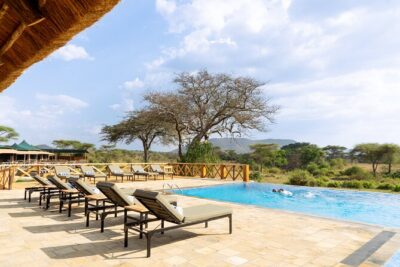 ★ 5.07-Day Premium Luxury Tanzania Safari All-InclusiveFrom $4,840426 reviews
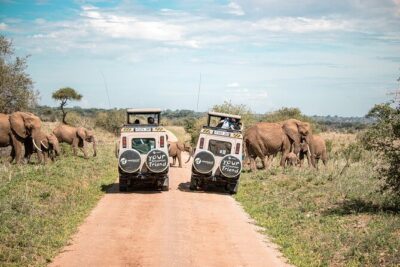 ★ 5.0Tanzania Wildlife Encounters – 6 DaysFrom $3,413277 reviews
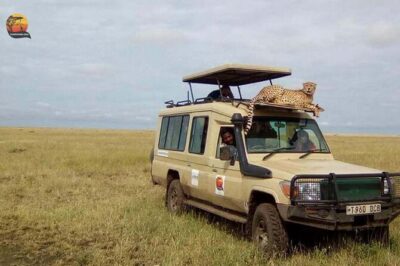 ★ 5.0Group Safari 7 Days in Tanzania’s Main ParksFrom $3,000240 reviews
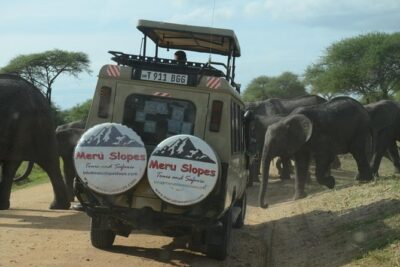 ★ 5.04 Days Join Group tour Tarangire Serengeti and Ngorongoro craterFrom $1,090219 reviews
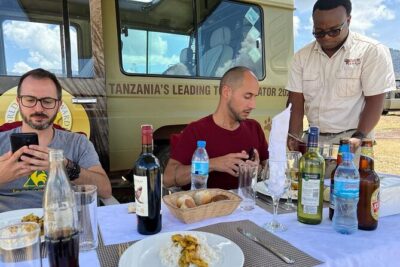 ★ 5.05-Day Private Northern Tanzania Safari from ArushaFrom $2,780182 reviews
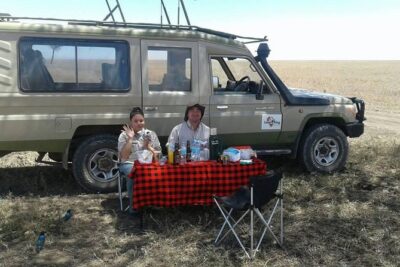 ★ 5.05 Days Best of Tanzania Luxury Safari Northern CircuitFrom $3,744174 reviews
 ★ 5.08 Day Spectacular Migration Serengeti mid -Range Tanzania SafariFrom $4,257161 reviews
 ★ 5.0Multi-Day Tanzania Odssey Safari from ArushaFrom $4,164120 reviews
Browse the lists this tour appears in