
REVIEW · SERENGETI NATIONAL PARK SAFARIS
5-Days Private Midrange Safari: Serengeti, Ngorongoro & Manyara
Five days of Big Five drama in northern Tanzania. The appeal here is simple: you move through Serengeti and Ngorongoro with early drives, crater views, and open-roof vehicle time, plus a final day at Lake Manyara for tree-climbing cats and serious bird life.
I especially like the rhythm built into the schedule. You get both a sunrise push in Serengeti and a later game drive that keeps things going into the evening, which is a smart way to catch different animal moods.
One consideration: this is an active, long-days kind of safari. You’ll start early (often before 7:00), the drives between parks add up, and the crater experience has a physical component, so keep that moderate fitness note in mind.
In This Review
- Key things to know before you go
- Arusha to Tarangire: morning drives and a picnic by the river
- Serengeti entry with a crater viewpoint and a timed lunch stop
- Two Serengeti days for different animal moods
- Ngorongoro crater at first light, open-roof views, and a hippo pool picnic
- Lake Manyara finale: tree-climbing lions and serious bird power
- Price and value: what you are paying for, and what you are not
- What your crew can change: guides and the food rhythm
- Pace and packing: early mornings, open roofs, and comfort choices
- Should you book this Northern Tanzania safari?
- FAQ
- Is pickup included, and where does the safari start?
- How long is the safari?
- Is this a private safari?
- What time do we leave for Tarangire on the first day?
- Are park fees and entries included?
- What meals and drinks are included?
- Are there optional activities or upgrades?
- What kind of accommodation should I expect?
- What is not included in the tour price?
- What is the cancellation policy?
Key things to know before you go
- Private, midrange, and actually managed: Only your group participates, and you stay in midrange lodges throughout.
- Park times are set for wildlife odds: Sunrise in Serengeti and an early crater descent mean you are not wasting prime hours.
- Ngorongoro gets a special treatment: Open-roof 4×4 time inside the crater, plus a picnic at the hippo pool area.
- Serengeti has two distinct days: One morning focuses on the fresh hunt period, while the next day blends transit with more viewing.
- Lake Manyara adds birding and tree-climbing lions: It’s a different flavor from the big open plains.
- Food is part of the value: Drinking water is included all days, and meals are built into the days.
More of the Serengeti, drive by drive
- Balloon Safari & Bush Breakfast in Serengeti – Miracle Experience★ 5.0 · 1,646 reviews
- 3 Days Serengeti & Ngorongoro Group Camping Safari★ 5.0 · 574 reviews
- 5-Day Highlights mid-Range Crater, Serengeti, Tarangire★ 5.0 · 296 reviews
- 3-Day Classic Serengeti Safari★ 5.0 · 263 reviews
Arusha to Tarangire: morning drives and a picnic by the river
Your safari day begins early, with pickup around 7:00 am and a drive to Tarangire that takes about two hours. Tarangire is often described as the land of giants, and even without fancy storytelling, the payoff is what you expect on safari: space to spot animals and enough time to settle in before the day gets busy.
Once you arrive, you start with a morning game drive, then pause for a picnic lunch with panoramic views near the Tarangire River. The way this day is paced matters. A scenic lunch stop breaks up the long attention span you need for wildlife watching, and it gives you a moment to reset before the second game drive.
After lunch, you go back out again. The schedule notes less congestion later, which is practical. Safari can feel like a race when vehicles cluster. Here, the second outing is positioned so you may get better sightings simply because you are not stuck watching the same tail end of the action.
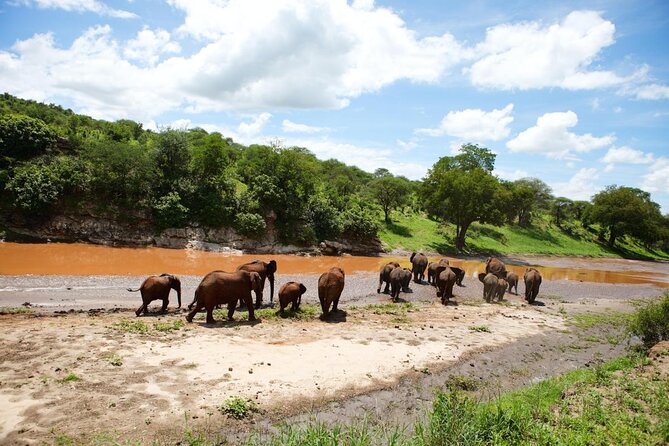
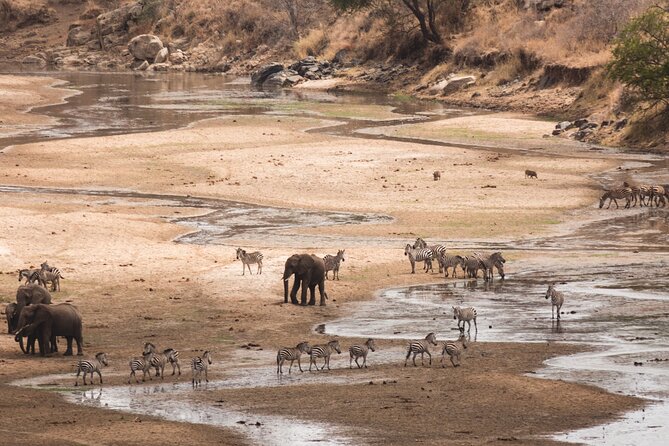
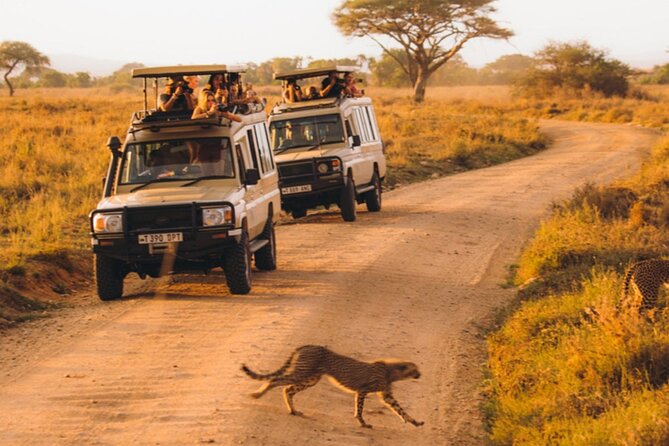
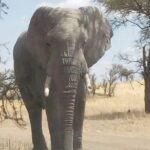
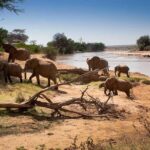
What to watch for: Tarangire is a classic place to look for elephants, giraffes, and all the usual suspects of northern Tanzania. Even when you do not see the headline species every hour, the park often delivers steady sightings that keep the day fun.
Serengeti entry with a crater viewpoint and a timed lunch stop
After breakfast, you head toward Serengeti between 8:45 and 9:00 am. On the way, there’s a short crater viewpoint pause (about 15 to 20 minutes) so you can take in the big Ngorongoro picture before you reach the heart of the plains. This is a nice touch because it gives context early, and later it helps the crater day feel like the real payoff.
You arrive for lunch at Serengeti Nabi gate, with a short walk to stretch your legs. That matters more than it sounds. Long days on safari can make you feel stiff, even in a vehicle. A small walk break keeps the whole trip from feeling monotonous.
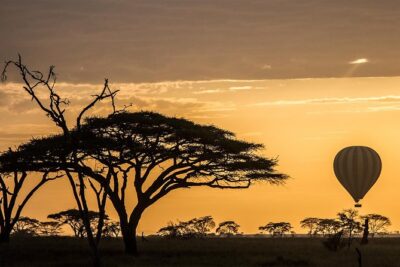
Then you shift into game drive mode, including a sunset drive while you head to your selected accommodation for dinner and overnight. Serengeti at sundown is a real thing. Light changes quickly, animals move with different energy, and you often see different behavior than you did in the morning.
Also, Serengeti is big, listed at about 1.5 million hectares and famous for the wildebeest migration. You may not be chasing the migration story every minute here, but knowing the migration drives the seasonal wildlife flow helps you understand why the park works so well.
Optional add-on on this day: a Maasai boma visit is available if you want a cultural stop layered into the wildlife schedule. Keep in mind that it is optional and can add time to a full day.
Two Serengeti days for different animal moods
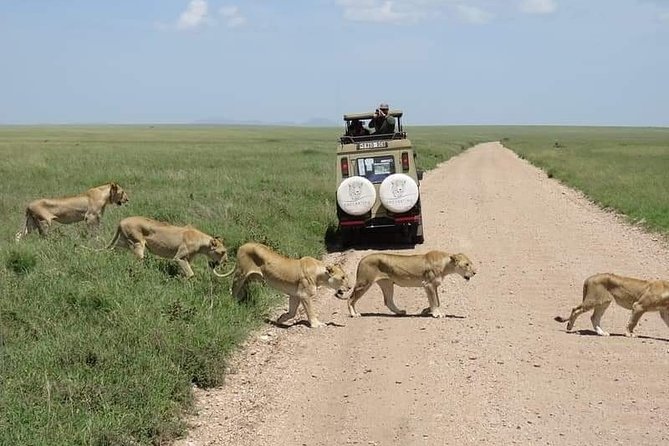
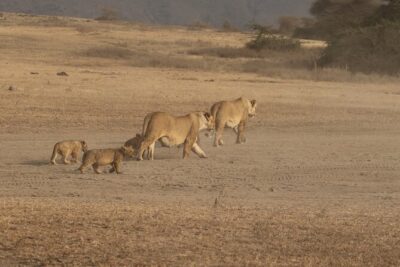
Your second Serengeti-focused day starts with an early sunrise game drive. The timing is the whole point. The schedule calls out nocturnal predators like lions completing night hunts, which is the kind of window you cannot recreate later. When you rise early, you are not just chasing animals, you are chasing the phase of the day when they are most active.
After the morning drive, you go back to your accommodation for breakfast. That return to comfort after a sunrise start is another underrated detail. You get a real meal reset before the afternoon.
In the afternoon, you stop at Naabi Gate for lunch, then continue with transit game viewing as you head toward the Ngorongoro Conservation Area for overnight. This keeps the drive days from feeling like you are simply going from A to B. You’re still scanning for wildlife during the move.
A practical note built into the route: bathrooms are available on every gate and picnic sites around the park. That reduces the stress that can come with long stretches between stops, especially when you are traveling with cameras and water bottles.
Optional upgrade: you can upgrade to Ngorongoro Serena hotel for better views at an extra cost. If you care about crater-facing scenery from your room, this is the kind of spend that can feel worthwhile. If you mainly want wildlife time and a reliable bed, you can probably keep the midrange base plan.
Other ways down into the Ngorongoro Crater
Ngorongoro crater at first light, open-roof views, and a hippo pool picnic
Day four is the big crater day, starting bright and early between 6:30 and 7:00 am as you descend into Ngorongoro Crater. The reason for the early start is practical: the schedule notes better chances for spotting black rhinos earlier in the day.
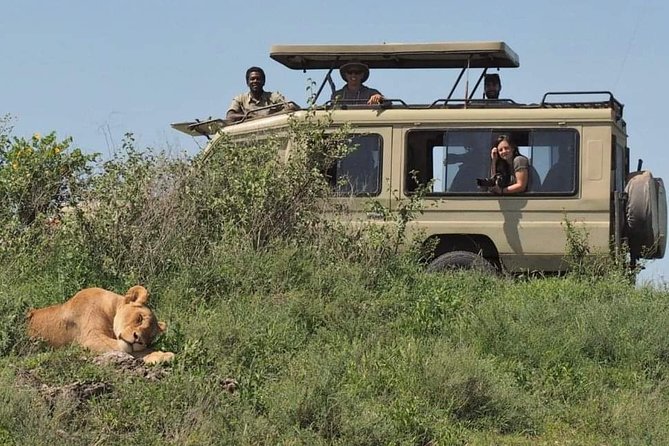
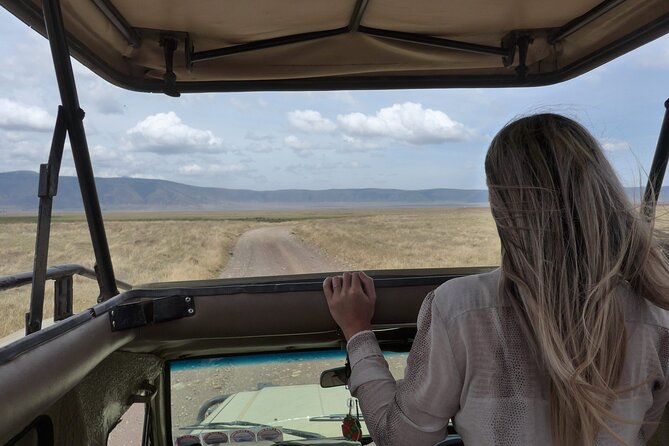
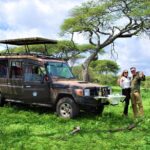
You’ll travel in an open-roof 4×4 land cruiser. That is exactly what you want for crater wildlife because it gives you visibility and a better photographic angle than fully enclosed seating. Crater terrain is dramatic, and open-roof time makes you feel closer to what you’re looking at.
The crater sits about 600 to 650 meters high, and the guide will take you through the changing scenery. The note about the landscape shifting with seasons is worth paying attention to. The crater environment changes how water, grass, and animal movement behave, so your wildlife experience depends on when you travel.
After the morning viewing, you stop for a picnic lunch by the famous hippo pool. If you like animal watching that is slightly easier to focus on, hippo pool time is often it. You can eat, watch, and refocus without constantly wondering whether the next turn will produce anything.
Then you continue with more game viewing as the afternoon moves on. If you are the type who thinks a safari is only about the big-cat climax, crater day can still surprise you with steady wildlife density in a small area.
Lake Manyara finale: tree-climbing lions and serious bird power
Your last day shifts to Lake Manyara after breakfast. You depart from Jungle Pearl, then head to Manyara National Park for game viewing and birding.
Lake Manyara is known for tree-climbing lions. That single detail is enough to make this day feel different from Serengeti and Ngorongoro because it changes how you look for animals. Instead of only scanning open plains, you also watch the edges and vantage areas where climbing behavior can show up.
Bird lovers have an extra reason to get excited here. The park is listed as a birding destination with a huge variety of birds, including large flocks of flamingos. Even if you are not a bird nerd, this often becomes the side of safari you did not expect to enjoy so much.
The day also works well for photographers, described as a photographers playing field. That’s a helpful way to think about it: Manyara can give you more variety in composition, with birds, water-edge action, and those famous lions in unusual positions.
After the park time, you drive back to your chosen location or accommodation in Arusha for dinner and sleep. Ending in Arusha is practical because it reduces that last-day stress. You’re not scrambling to relocate again right after safari.
Price and value: what you are paying for, and what you are not
The cost is listed at $2,586.49 per person for this 5-day private midrange safari. On paper, that might look high or low depending on what you compare it to, but the value is in what’s bundled.
What’s included is meaningful:
- All activities (unless marked optional), plus meals as specified day-to-day
- Drinking water on all days
- Midrange lodge accommodations throughout
- Entries, government tax, transport, and park fees (for non-residents, and including government-imposed increases listed as part of park fees/taxes)
- Breakfast (4), lunch (5), dinner (4) across the days
When you add up park fees, lodge costs, and the logistics of moving between Tarangire, Serengeti, Ngorongoro, and Manyara, this is why the price can make sense for a private safari. You are not paying separately for each piece, and you are getting enough meals included to avoid constantly hunting for food.
What’s not included also matters:
- Tips and gratuities for driver guide and safari cook
- Visas, international flights, laundry, and travel insurance
- Personal expenses and anything not listed under included
If you want the best value, I’d think about the private format like this: if you have enough people to spread costs, you often get a better per-person deal than a smaller-group safari where you must pay full price for each vehicle and guide anyway. The tour also lists group discounts, which can help if your dates line up with availability.
What your crew can change: guides and the food rhythm
This kind of safari rises or falls on the people running it. In the feedback you can spot a pattern: the guides are praised for finding good spots and staying organized, not for vague charm.
For example, Elley is specifically mentioned for knowing exactly where to be, getting everyone into strong viewing spots, and keeping the experience engaging. That aligns with what you need most in wildlife travel: timing, scanning skill, and the confidence to move when the animal movement changes.
On the food side, the chef Dvd is highlighted for keeping guests extremely well fed all week. That’s not a small compliment. Safari meals can be hit-or-miss on some trips, and when the cooking is solid, you conserve energy for long drives and early mornings.
Another name that comes up is Muddy, praised for vast experience guiding people through magical places. And James is noted for arranging airport pickup and communication ahead of time, with an initial hotel stay that helps you start the safari without jet-lag chaos.
So yes, the parks do the heavy lifting. But a well-run team makes those parks more productive, especially on sunrise and crater days where timing is everything.
Pace and packing: early mornings, open roofs, and comfort choices
Plan for early starts. The schedule calls for pickup at 7:00 am on the first day, Serengeti travel around late morning, and a crater descent start between 6:30 and 7:00 am on day four. That pace can be great if you like wildlife action before the day gets loud, but it can also feel intense if you prefer slow travel.
The good news is that the schedule includes breaks you can count on: picnic lunches, gate stops, and returns to accommodation for breakfast on the Serengeti day. Plus, bathrooms are available at every gate and picnic sites around the parks, which is a real comfort detail.
Also, the Ngorongoro day uses an open-roof 4×4 land cruiser. Even in warm regions, sitting with open-air exposure can feel cool early. A light layer is usually smart.
Finally, keep the physical note in mind. The tour says travelers should have moderate physical fitness level, which likely matters most for crater timing and the day’s walking and descending context. If that makes you uneasy, you can still go, but I’d consider your own comfort level with early starts and uneven terrain.
Should you book this Northern Tanzania safari?
Book it if you want a classic Big Five style route that blends Tarangire, two Serengeti days, the crater highlight, and Lake Manyara birding into one focused trip. You like early starts, you want both sunrise and sunset style viewing, and you appreciate that midrange lodges plus meals and water are built into the price.
Consider skipping it or adjusting expectations if you dislike long driving days or you really do not want an early alarm routine. Also, decide early whether you want the optional extras. The Maasai boma visit can add cultural context, and the Ngorongoro Serena upgrade can add crater-view comfort, but both come with additional cost.
If you’re aiming for a safari that is well timed and logistically managed, this route has a clear strength: it puts you in the right places at the right moments, not just in the right parks.
FAQ
Is pickup included, and where does the safari start?
Pickup is offered, and the safari is based in Arusha, Tanzania. One day also references departing from Jungle Pearl before heading to Lake Manyara.
How long is the safari?
The safari runs for 5 days, approximately.
Is this a private safari?
Yes. It is private, and only your group will participate.
What time do we leave for Tarangire on the first day?
You’ll be picked up at 7:00 am, then drive to Tarangire National Park before morning game viewing.
Are park fees and entries included?
Yes. The package includes entries and government tax, and it includes park fees for non-residents as part of the included items.
What meals and drinks are included?
Meals are included as specified across the days, including 4 breakfasts, 5 lunches, and 4 dinners. Drinking water is included on all days.
Are there optional activities or upgrades?
Yes. A Maasai boma visit is optional on the Serengeti day. There is also an optional upgrade to Ngorongoro Serena hotel for extra cost.
What kind of accommodation should I expect?
You stay in midrange lodges throughout the safari, with an optional upgrade to Ngorongoro Serena hotel available.
What is not included in the tour price?
Not included items are tips and gratuities for the driver guide and safari cook, visas, international flights, laundry services, and travel insurance, plus personal expenses.
What is the cancellation policy?
Free cancellation is available up to 24 hours in advance for a full refund, based on the experience’s local time. Canceling later than that does not qualify for a refund.
Down at Lake Manyara
- Private 6-Day Tarangire Manyara Crater and Serengeti with Mid-Range Lodges
★ 5.0 · 238 reviews - 3 Days Tarangire, Ngorongoro & Lake Manyara Group Camping Safari
★ 5.0 · 102 reviews - 3 Days Private Safari – manyara, Ngorongoro & Tarangire
★ 5.0 · 94 reviews - 05 Days Tarangire, Serengeti, Ngorongoro and Lake Manyara
★ 5.0 · 54 reviews - 5 Days 4 Nights Tarangire, Serengeti , Ngorongoro & Manyara Wildlife Safari
★ 5.0 · 40 reviews
Still Thinking About the Crater?
- 3 Days Serengeti & Ngorongoro Group Camping Safari
★ 5.0 · 574 reviews - 5 Days Camping Tarangire, Serengeti & Ngorongoro crater & Visiting Maasai
★ 5.0 · 229 reviews - 4 Days Join Group tour Tarangire Serengeti and Ngorongoro crater
★ 5.0 · 219 reviews - 4-Day Safari from Arusha: Tarangire, Serengeti and Ngorongoro
★ 5.0 · 173 reviews - 2 Days Tarangire and Ngorongoro Group Camping Safari
★ 5.0 · 146 reviews
The Serengeti, Three More Ways
- Balloon Safari & Bush Breakfast in Serengeti – Miracle Experience
★ 5.0 · 1,646 reviews - 3 Days Serengeti & Ngorongoro Group Camping Safari
★ 5.0 · 574 reviews - 5-Day Highlights mid-Range Crater, Serengeti, Tarangire
★ 5.0 · 296 reviews - 3-Day Classic Serengeti Safari
★ 5.0 · 263 reviews - Private 6-Day Tarangire Manyara Crater and Serengeti with Mid-Range Lodges
★ 5.0 · 238 reviews
Just added from around Arusha
Serengeti National Park Safaris, compared.
 ★ 5.0Serengeti Balloon Safari and authentic bush breakfastFrom $5502,480 reviews
 ★ 5.0Balloon Safari & Bush Breakfast in Serengeti – Miracle ExperienceFrom $5991,646 reviews
 ★ 5.03 Days Serengeti & Ngorongoro Group Camping SafariFrom $815574 reviews
 ★ 5.05-Day Highlights mid-Range Crater, Serengeti, TarangireFrom $2,327296 reviews
 ★ 5.0Safari Serengeti And NgorongoroFrom $2,845288 reviews
 ★ 5.03-Day Classic Serengeti SafariFrom $1,455263 reviews
 ★ 5.0Private 6-Day Tarangire Manyara Crater and Serengeti with Mid-Range LodgesFrom $2,685238 reviews
 ★ 5.05 Days Camping Tarangire, Serengeti & Ngorongoro crater & Visiting MaasaiFrom $1,254229 reviews
Browse the lists this tour appears in