
REVIEW · MULTI-DAY NORTHERN CIRCUIT SAFARI PACKAGES
4 Days Tanzania Safari Tour
Four days, three icons, and wildlife overload. This private Tanzania safari connects Arusha to Tarangire, the Serengeti, and the Ngorongoro Conservation Area, with private transportation and day-by-day game drives designed around peak viewing. Expect long, rewarding days, starting with hotel pickup and finishing with a crater exit back toward Arusha.
I love the way Tarangire gives you dramatic “first safari day” energy, especially the large elephant herds and the sea of baobabs along the way. I also really like how the Serengeti portion focuses on predator action and big-scale wildlife viewing, where you’re watching hunting and scanning for standout sightings while the area’s birdlife adds constant motion in the trees and grasses.
One consideration: you’ll be up early and sitting in a vehicle a lot, because game viewing is about timing and distance. If you hate dawn starts, this trip will feel like a grind at times, so plan for early mornings and bring layers for cool starts.
In This Review
- Key highlights worth your attention
- Arusha pickup and the Great Rift Valley drive that sets the tone
- Tarangire National Park: elephants, baobabs, and a full-day game drive
- Serengeti National Park day 2: plains, big cats, and mass wildlife energy
- Central Serengeti day 3: sunrise timing and a full-day chase of predator moments
- Ngorongoro Conservation Area day 4: crater-wide wildlife and Ngoitoktok picnic lunch
- Price and value: what $2,395 covers in Tanzania
- Guide and comfort notes from the way real safaris play out
- Meals, timing, and what your days will feel like
- Who should book this 4-day Tanzania safari from Arusha?
- Should you book it? My straight answer
- FAQ
- Which parks are included in this 4-day safari?
- How long is the safari?
- Is pickup included?
- What meals are included?
- What’s included in the tour price?
- Can I get a refund if I cancel?
Key highlights worth your attention
- Tarangire’s elephant herds and baobabs: a strong contrast to the grassland parks that come next
- Serengeti big cats and predator behavior: better odds of watching hunting moments unfold
- Sunrise option in central Serengeti: the day is built around early starts for prime light
- Ngorongoro’s wildlife concentration: crater water and food help animals stay close together
- Ngoitoktok hot lunch break: a real pause in a long day, right when the schedule needs one
- Driver-guide quality shows up repeatedly: names like Ben, Hassan, Hussein, Kombo, Ally, and Hamisi appear in feedback
Longer northern circuit routes, side by side
- Tanzania Classic – 7 Days★ 5.0 · 1,151 reviews
- Tanzania Wildlife Encounters – 6 Days★ 5.0 · 277 reviews
- Group Safari 7 Days in Tanzania’s Main Parks★ 5.0 · 240 reviews
- 4 Days Join Group tour Tarangire Serengeti and Ngorongoro crater★ 5.0 · 219 reviews
Arusha pickup and the Great Rift Valley drive that sets the tone
Most safari plans fail before they even start, because the first hours feel chaotic. Here, the rhythm is clearer: pickup is offered from your hotel, and you start early enough to get into the day with momentum. On day 1, your pickup is set for 8:00am, and you’re driven along the Great Rift Valley route toward Tarangire.
That matters more than it sounds. Rift Valley roads can be bumpy, and wildlife sightings are partly luck and partly patience. The private setup means you’re not stuck waiting for other vehicles or absorbing group delays. You also keep the window of time you need for longer game-drive blocks inside the parks, instead of spending the day on logistics.
Also, you’re not guessing how the trip runs. Mobile ticketing is part of the experience, so you can spend less time chasing information and more time prepping for the day ahead. (Still, I’d keep a screenshot or backup copy on your phone, just because tech can be moody.)
Tarangire National Park: elephants, baobabs, and a full-day game drive
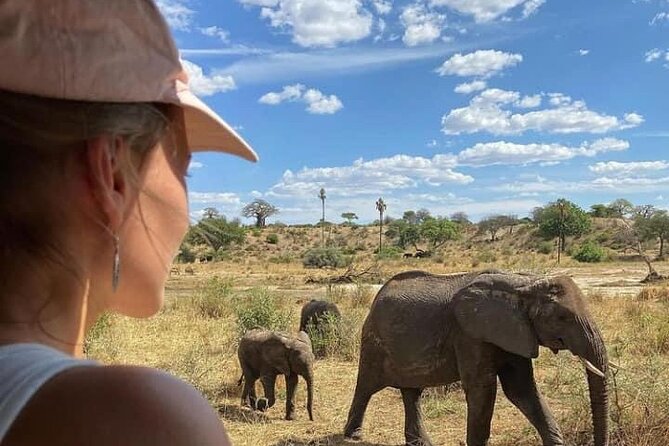
Tarangire is the kind of place that makes you sit up straighter the moment you arrive. Elephants are the headline here, and this park is famous for big elephant herds that can feel surprisingly close compared to other northern options. Add hundreds of baobab trees and you get a landscape where animals stand out against unusual shapes, not just open grass.
Your day is a full game drive block, which is exactly what you want on a first park stop. When you go with a full day, you’re not forced into the “quick rush, quick exit” mindset. You can follow movement, wait for animals to shift, and gradually start recognizing patterns, like which types of areas attract elephant activity or where smaller grazers show up first.
A practical bonus: Tarangire is a great place to learn safari viewing basics without pressure. You’ll likely see elephants, wildebeest and zebra in large numbers, plus lots of smaller action like birds and constant background movement. If you’re traveling with kids or someone who gets bored easily, this is one of the better parks for “always something is happening” pacing.
When the game drive ends, you head to your overnight lodge or tented camp. The trip includes dinner (4), so you should expect a proper evening meal after the long day on the road and in the vehicle. That also means you can avoid hunting for food after park hours, which is a real quality-of-life win.
Serengeti National Park day 2: plains, big cats, and mass wildlife energy
After breakfast, you head from the Rift Valley direction toward the Serengeti. The transition is part of the appeal. The Serengeti is built around wide open views and high concentrations of animals on the move, so even when you’re not seeing the big dramatic moment yet, you’re still constantly scanning.
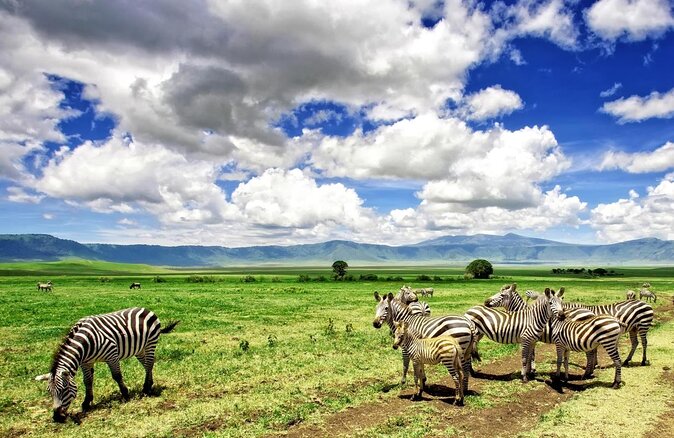
The Serengeti’s reputation here is specific: it has a very high concentration of big cats, and it’s tied to the world’s largest migration of wildebeest and zebra. That doesn’t mean you’ll see the migration every hour, but it does mean the system is dynamic. Animals shift, predators follow, and the rhythm can change quickly if you’re in the right zone at the right time.
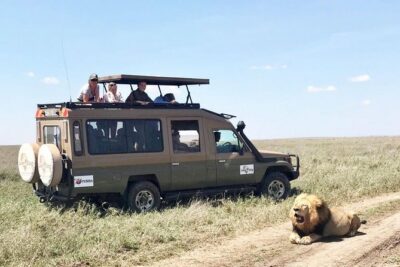
Your game drive time focuses on real safari interactions, not just check-the-box animals. With a full day in the park on day 2, you have chances to observe predators hunting and to spot the supporting cast: impalas, gazelles, hartebeests, elands, zebras, wildebeest, and buffalo. You may also see hyenas and vultures in action, especially once hunting attention pulls attention toward carcass sites or disturbed areas.
Birding is a genuine feature of the Serengeti too. It’s noted for 480 bird species, which means your guide has plenty to point out besides the mammals. This is also why day 2 can feel so satisfying, even if the biggest cat moment doesn’t happen immediately. You’re seeing a living ecosystem, not just wildlife silhouettes at a distance.
By the time you return for the night, you’re not “done” with wildlife viewing yet. The trip keeps the Serengeti momentum going into day 3.
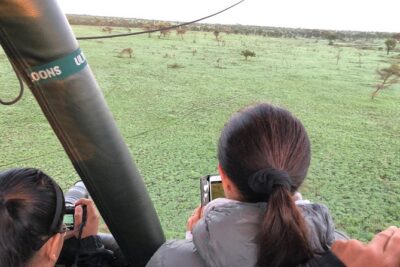
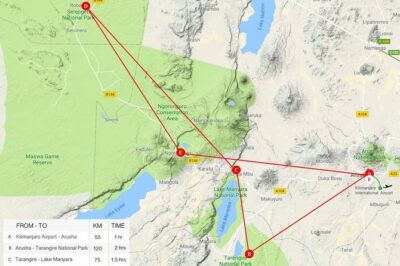
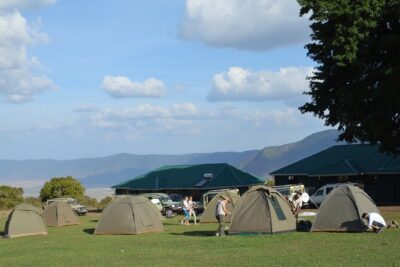
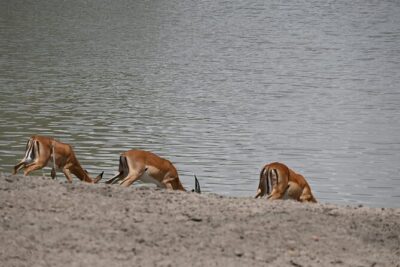
Central Serengeti day 3: sunrise timing and a full-day chase of predator moments
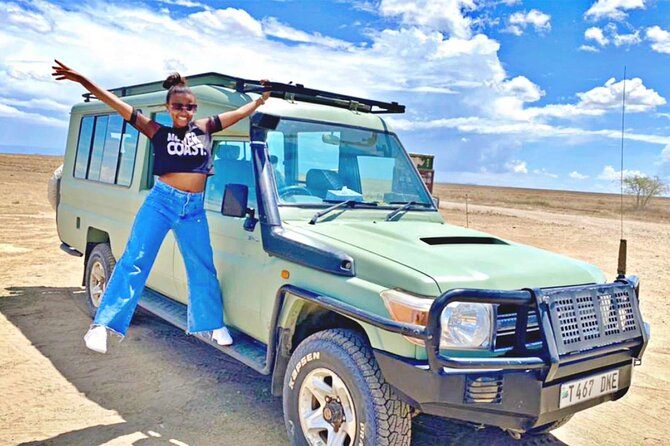
Day 3 is designed around a classic safari idea: the morning is when everything looks sharpest and animals are most active. You’re encouraged to wake up early for sunrise viewing, and then you continue with a full-day game drive in the Serengeti with lunch included.
This matters because the Serengeti rewards patience differently depending on the time of day. Sunrise tends to bring cooler temperatures, clearer visibility, and animals moving with more energy. If you care about photography, that’s when light can help you see detail in fur and faces, not just general shapes.
In terms of viewing expectations, day 3 stays focused on the same core ingredients: predator behavior, constant animal movement, and the high chance of spotting the animals that define the Serengeti. Predators hunting impalas, gazelles, hartebeests, elands, zebras, wildebeest, and buffalo can happen when the timing lines up. Hyenas and vultures can also be active around kills or on opportunistic rounds.
One detail I like in this design: you’re not split into half days on day 3. A long game drive gives you the flexibility to wait for changes. You can move when the guide sees a shift in animal behavior, and you’re not forced to leave the action just because lunch is over.
Then you go back to your lodge or tented camp overnight again, with dinner included for the evening. After two long days in parks, that comfort and meal planning are not small things. They keep your energy for the Ngorongoro day that comes next.
Ngorongoro Conservation Area day 4: crater-wide wildlife and Ngoitoktok picnic lunch
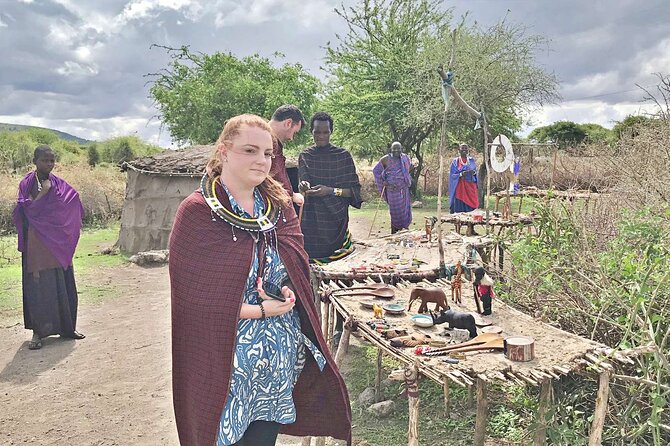
If the Serengeti feels like a wide canvas, Ngorongoro feels like a wildlife amphitheater. You go very early today, with breakfast before departing. Then you do a short game drive until midday.
Here’s what makes Ngorongoro special: it’s a large caldera with a 19km diameter and a 260km circumference, and it’s famous for having one of the world’s highest concentrations of wildlife due to water and food being available almost year-round. In plain terms, animals don’t have to travel far to survive here, so they often stay within the crater area longer.
You take lunch at the Ngoitoktok public picnic site, with a hot lunch included. This is a smart pacing move. Crater driving and animal scanning can wear you down, and having a mid-day meal gives you a break that feels functional, not a tourist trap. After lunch, you continue with more game driving, and then you exit the crater back to Arusha for departure home.
One caution for day 4: crater timing is real. You’ll want to be ready for early starts and for spending a lot of time in a vehicle. Also, the crater experience can involve changing viewpoints and vehicle positioning that affects how comfortable you feel for long periods. If you’re sensitive to motion or sitting fatigue, plan for it.
Still, Ngorongoro is the kind of finale that can feel like a highlight reel. Many safari plans stop at one park, but this one stacks the best-known wildlife zones in a tight schedule, so you finish with a very strong final impression.
Price and value: what $2,395 covers in Tanzania
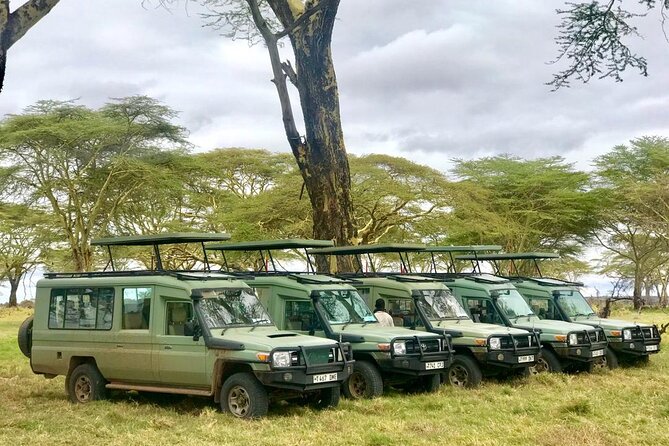
At $2,395 per person for about 4 days, you’re paying for more than transportation. The value comes from what’s bundled in the total: private transportation, conservation fees, and most of the core meal plan. You also get included lunch and dinner (4 each) and breakfast (3) during the trip window.
For a safari, park access is a big cost driver, and logistics are a bigger stress driver. This tour reduces both. Since conservation fees are included, you’re not juggling park fee calculations or worrying about whether you’re covered once you reach the checkpoint lines. Private transportation also means fewer timing headaches, since you’re not stuck coordinating with other vehicles or other groups.
What’s not included is also clearly listed. You’ll need to budget for your international flight and the visa cost. That’s normal, but it’s worth factoring early so you don’t end up surprised at the end of planning.
Is the price “cheap”? No, not for a private, multi-park safari in Tanzania. But if you compare it to the cost of doing multiple parks with private guiding, you’re usually paying for convenience plus access plus time. The trip covers the big named parks in a compressed window, so you’re buying a lot of safari hours and park coverage without living out of a suitcase for extra transfers.
Guide and comfort notes from the way real safaris play out
A safari lives or dies on the guide. The feedback you provided points to strong driver-guide impact, with repeated names like Hassan, Hussein, Kombo, Ally, and Hamisi, plus planning support credited to Ben and others. While you cannot pick your exact guide ahead of time, this pattern is useful: it suggests the company consistently aims for safe driving, wildlife knowledge, and friendly on-the-ground communication.
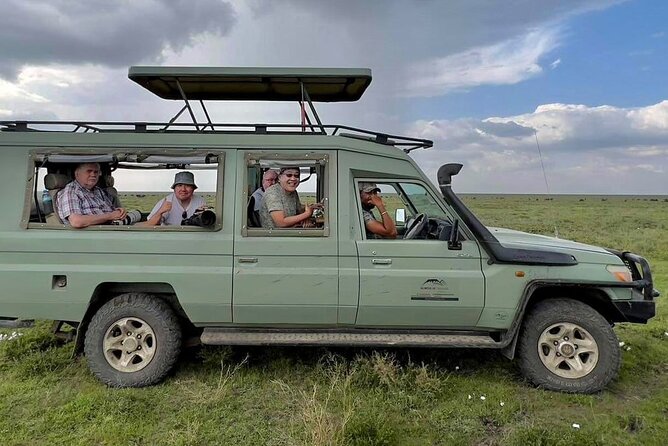
Vehicle details show up too. One note in feedback mentions a vehicle that may not be brand new, but that it had what you need, including enough space for 6 people plus luggage, and also that it came with water and even power plugs. That last part matters more than you might think. Staying charged helps with phones, cameras, and navigation. Water matters because you’ll spend long hours scanning and you don’t want to ration comfort.
So here’s my practical advice. When you confirm your booking, ask a simple question: what kind of safari vehicle will you use, and will it be equipped with water and charging options. You can’t control everything, but you can control whether you ask.
Meals, timing, and what your days will feel like
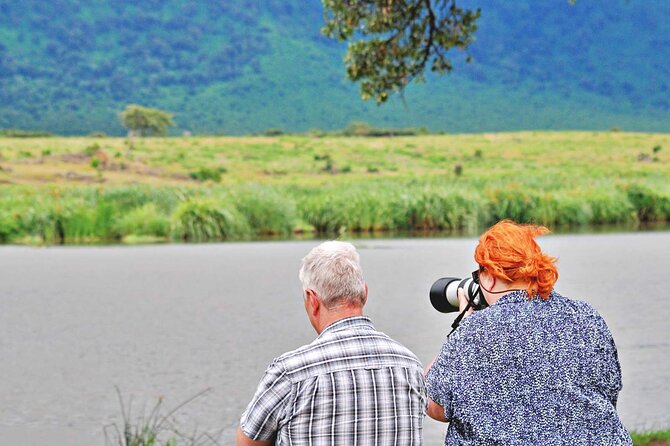
This safari is built around game drive blocks, and the meal plan reflects that. With breakfast (3), lunch (4), and dinner (4) included, you should expect full support for most of your day. Dinner on days that end after park time helps a lot. You’re not searching for a place to eat after the sun goes down and you’re tired.
Also, the schedules include early starts at least two mornings: a standard early day 1 pickup, and explicit early waking for Serengeti sunrise viewing and for the Ngorongoro crater day. That affects how you pack and how you plan sleep. I’d treat this like a “camping under the stars” mindset, even if you’re in a lodge. Layers are key. Mornings can feel cool, and you don’t want to be uncomfortable while you wait for the wildlife to show.
If you like having clear breaks, this itinerary gives you at least one reliable mid-day structure on day 4 with the hot lunch at Ngoitoktok. Day 3 also includes lunch during the Serengeti game drive, which helps you keep energy through the longest viewing window.
Who should book this 4-day Tanzania safari from Arusha?
This is a great fit if you want maximum wildlife density in a short timeframe. It’s especially good for:
- First-time safari travelers who want Tarangire, Serengeti, and Ngorongoro without extra planning headaches
- Groups who want privacy, since it’s a private tour/activity with only your group participating
- People who value safe, organized touring, since multiple feedback notes highlight on-time, attentive service
It’s also a reasonable option for many travelers since it says most travelers can participate. But be honest about your comfort level with early mornings and long driving days. This is an “active viewing” trip. You’ll be spending hours in the vehicle, even when the day is wonderful.
If you’re the type who wants downtime, you may find the schedule tiring. If you’re the type who wants to see as much wildlife as possible while the day is still fresh, you’ll likely feel right at home.
Should you book it? My straight answer
Yes, you should consider booking this 4-day safari if your priority is classic northern Tanzania wildlife in a tight, well-paced plan. You’re getting three of the most famous safari areas in one run, with a viewing structure that includes full days in Tarangire and the Serengeti, plus an early crater day with a hot lunch break.
I’d only pause if you strongly dislike early wakeups or if you know you get uncomfortable sitting for long stretches. Otherwise, the bundled conservation fees, private transportation, and meal coverage make it feel like a practical deal for what you’re getting. It’s not a “cheap safari,” but it’s designed to reduce the things that usually make safari travel stressful.
If you book, do two simple things: pack for cool mornings and hot afternoons, and ask about vehicle comfort and charging when you confirm. Then you can focus on what matters, watching lions, elephants, and the whole moving cast of Tanzania show up, one park at a time.
FAQ
Which parks are included in this 4-day safari?
The tour includes game drives in Tarangire National Park, Serengeti National Park, and the Ngorongoro Conservation Area.
How long is the safari?
It runs for about 4 days.
Is pickup included?
Yes, pickup is offered. Day 1 pickup is listed for 8:00am, and the experience operates daily during the stated hours.
What meals are included?
Breakfast is included 3 times, and lunch and dinner are included 4 times each across the trip.
What’s included in the tour price?
The included items are private transportation, conservation fees, and the listed meals. The tour also notes a mobile ticket feature.
Can I get a refund if I cancel?
You can cancel up to 6 days in advance for a full refund. If you cancel 2 to 6 days before the start time, you get a 50% refund. Canceling less than 2 days before the start time is not refunded, based on the local time of the experience.
Longer Trips Through the North
- Tanzania Classic – 7 Days
★ 5.0 · 1,151 reviews - 7-Day Premium Luxury Tanzania Safari All-Inclusive
★ 5.0 · 426 reviews - Tanzania Wildlife Encounters – 6 Days
★ 5.0 · 277 reviews - Group Safari 7 Days in Tanzania’s Main Parks
★ 5.0 · 240 reviews - 4 Days Join Group tour Tarangire Serengeti and Ngorongoro crater
★ 5.0 · 219 reviews
Just added from around Arusha
Multi-Day Northern Circuit Safari Packages, compared.
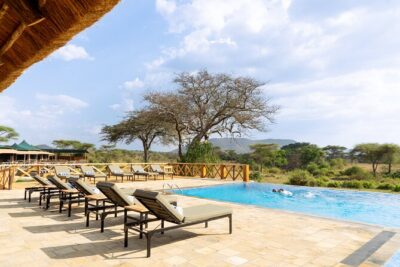 ★ 5.07-Day Premium Luxury Tanzania Safari All-InclusiveFrom $4,840426 reviews
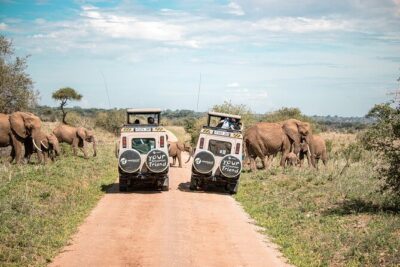 ★ 5.0Tanzania Wildlife Encounters – 6 DaysFrom $3,413277 reviews
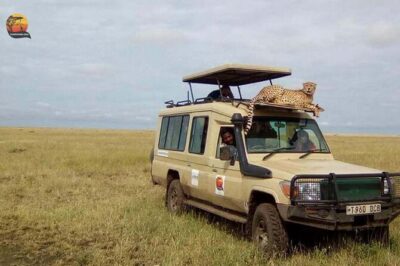 ★ 5.0Group Safari 7 Days in Tanzania’s Main ParksFrom $3,000240 reviews
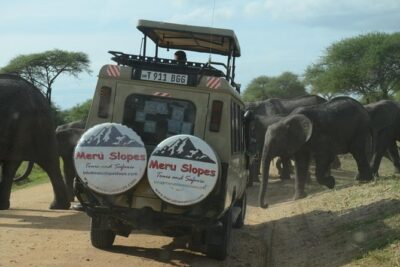 ★ 5.04 Days Join Group tour Tarangire Serengeti and Ngorongoro craterFrom $1,090219 reviews
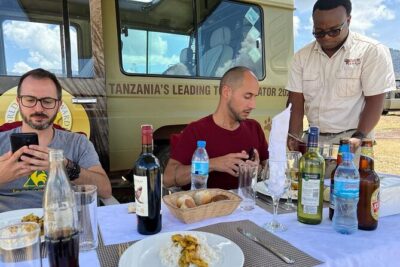 ★ 5.05-Day Private Northern Tanzania Safari from ArushaFrom $2,780182 reviews
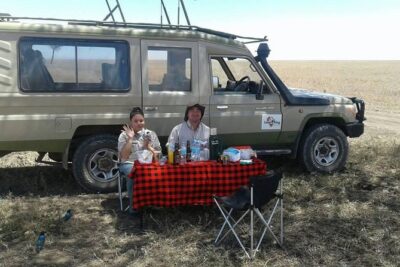 ★ 5.05 Days Best of Tanzania Luxury Safari Northern CircuitFrom $3,744174 reviews
 ★ 5.08 Day Spectacular Migration Serengeti mid -Range Tanzania SafariFrom $4,257161 reviews
 ★ 5.0Multi-Day Tanzania Odssey Safari from ArushaFrom $4,164120 reviews
Browse the lists this tour appears in