
REVIEW · MULTI-DAY NORTHERN CIRCUIT SAFARI PACKAGES
4 Days Tanzania Safari
A safari that starts with elephants is hard to beat. This 4-day Big Five route makes sense because it runs you through three of Tanzania’s most wildlife-forward stops, with a private open-roof jeep and hands-on guiding. I especially love the private vehicle setup and the small comforts that make long drives easier, like the in-jeep charging cables, binoculars, and cold drinks. I also liked how the trip is paced to include real game viewing time, not just driving between photo spots. One possible drawback to plan for is that sightings are never guaranteed, and you can spend hours searching in Serengeti and Ngorongoro without seeing every animal you hope for.
The trip shines for people who want a guided, logistics-light experience that still feels flexible. I’d keep one consideration in mind: Ngorongoro often means an early start and potentially cool, windy conditions in the highlands, so your comfort depends on what you pack. If you show up prepared and stay patient during the search, this route is a strong way to see a lot in just four days.
In This Review
- Quick hit key points to know before you go
- The private open-roof jeep that makes 4 days feel like more
- Day 1 Tarangire National Park, elephants and baobabs on the clock
- Day 2 Serengeti Seronera, when the river pulls wildlife into view
- Day 3 North Serengeti cats, then Ngorongoro Conservation Area overnight
- Day 4 Ngorongoro Crater, the early start you’ll be glad you accepted
- What’s actually included, and why it changes your cost picture
- Guides are the difference maker, from Ronald to Edwin
- What to pack, based on the conditions this route signals
- Who this safari fits best, and who should think twice
- FAQ
- FAQ
- How long is the safari?
- Where does pickup happen?
- Which parks are included?
- Is this tour private?
- What vehicle setup do you use for game viewing?
- Are meals included?
- What should I know about park tickets and fees?
- What is not included in the price?
- Is there mobile ticketing?
- Can I cancel for a full refund?
- Should you book this 4-day Big-Five route?
Quick hit key points to know before you go
- Private open-roof jeep time so you can scan quickly and get steadier views of animals
- Charging cables and binoculars that help when your phone battery or your viewing needs run out
- Tarangire elephants and baobabs on Day 1, a great warm-up park before Serengeti
- Seronera area focus in Serengeti where water concentration supports lots of wildlife
- Early Ngorongoro Crater start for a longer game drive window and big wildlife odds
- Guides with a strong teaching style highlighted by names like Ronald, Octavian, Elias, and Edwin
Longer northern circuit routes, side by side
- Tanzania Classic – 7 Days★ 5.0 · 1,151 reviews
- Tanzania Wildlife Encounters – 6 Days★ 5.0 · 277 reviews
- Group Safari 7 Days in Tanzania’s Main Parks★ 5.0 · 240 reviews
- 4 Days Join Group tour Tarangire Serengeti and Ngorongoro crater★ 5.0 · 219 reviews
The private open-roof jeep that makes 4 days feel like more
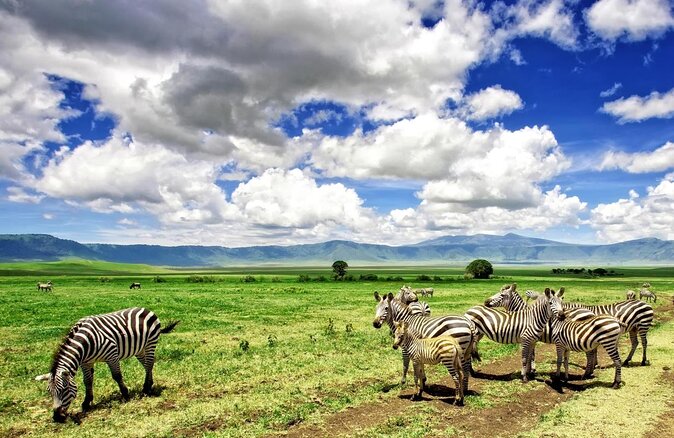
This safari is built around a private game-viewing vehicle, not a shared cattle truck. The jeep is open-roof, which matters more than you might think. You get easier spotting across the plains, better sightlines for photography, and a more direct feel for the landscape and wildlife movement.
Comfort details are handled too. There are electricity cables in the vehicle for charging your camera or phone, plus binoculars, a freezer with drinks, and first aid support. Seats are described as comfortable, and the vehicle setup is aimed at keeping you functioning through long drives and early mornings.
One more small but real value point, the ride includes bottled water and some drinks during safari time. On safari, hydration and caffeine-like energy matter, especially when you’re out for hours and the day starts earlier than you expect.
Day 1 Tarangire National Park, elephants and baobabs on the clock
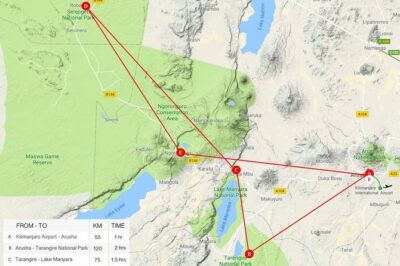
Your day begins with a pickup in Moshi or Arusha. The drive to Tarangire takes about 4 to 5 hours, so use that time to get your bearings with your guide and settle in. When you reach Tarangire, plan for 3 to 4 hours of driving inside the park.
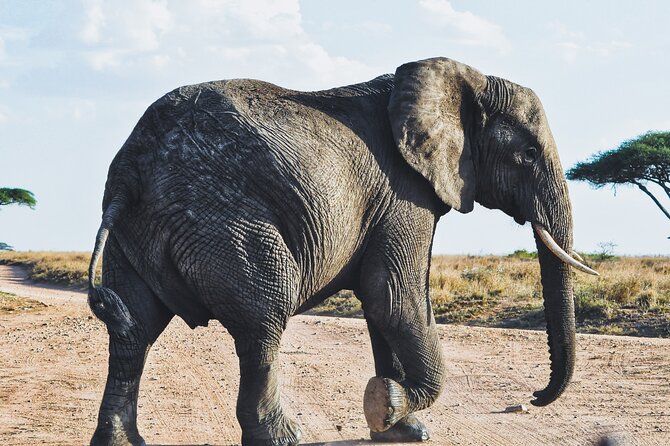
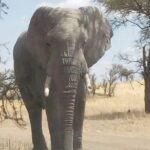
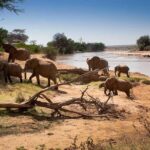
Tarangire is famous for elephants and scattered baobab trees, and this itinerary leans into both. You’re not rushing to hit ten stops, you’re spending real time in the park where those features help animals concentrate. You also have a chance at other mammals like giraffes, antelopes, lions, and cheetahs, though the tour correctly treats sightings as luck plus skill, not a promise.
Lunch is provided during the day, which is a big convenience on a first day. I’d also treat the local vervet monkeys like a tiny wildlife test. They can look cute, but they’re mischievous when food shows up, so keep your snacks secured.
Late afternoon, you leave the park and head to Haven Nature Safari Camp for dinner and your first night. That timing is practical: you get a full day of animals, then you’re in place to rest before Serengeti ramps up.
Day 2 Serengeti Seronera, when the river pulls wildlife into view
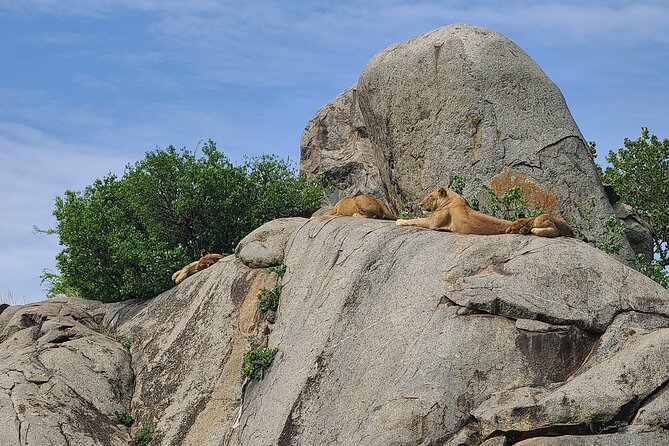
After breakfast, you drive toward Serengeti National Park. The route takes you through the Karatu farmland and the Ngorongoro Conservation Area before you drop into the Serengeti itself. Even if you’re focused on wildlife, those road stretches are useful because they give your guide time to position you for the best conditions once you reach the central area.
Your Serengeti game viewing centers on the Seronera area. This is one of the richest wildlife habitats in the park, and the reason is plain: the Seronera River provides water that attracts animals. In practical terms, it means your search time is more productive. Animals need water, and when many of them are nearby, you can see more variety in less time.
You get about 5 hours at this stop, which is a healthy chunk for Serengeti in a 4-day plan. That said, Serengeti is huge, and you’re not seeing all of it in a short trip. Your value here is targeted viewing in one of the park’s stronger zones.
Day 2 is also where I’d start thinking about your camera settings and your patience. If you’re shooting, open-roof viewing helps, but you still need to be ready for quick re-spotting and sudden movement changes. If you’re just watching, it’s a good day to tune your eyes to distance and scan steadily.
Day 3 North Serengeti cats, then Ngorongoro Conservation Area overnight
Day 3 begins with more game viewing in Serengeti. This time the focus shifts to the North Serengeti area, described as the heart of the park for diversity, especially cats. Serengeti is enormous at about 1,400 square kilometers, roughly the size of Northern Ireland. The math matters, because it means you only see a slice, even with a private jeep.
The itinerary targets what many people most want in Serengeti: cats. You may spot lions, leopards, and cheetahs, but again, sightings are not guaranteed. The difference between a good safari and a great safari is often how your guide reads the land and positions the vehicle, not how many hours you drive.
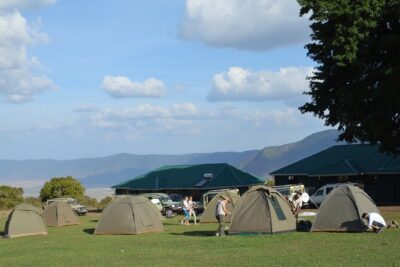
After the game drive, you transfer into the Ngorongoro Conservation Area for dinner and overnight. This is also where packing pays off. The tour guidance specifically suggests warm clothes and light gloves because it can get chilly and windy in the highlands. If you’ve only packed for warm days, this is the point where you’ll feel it, especially during early or late viewing and when you’re outside between drives.
This night in the conservation area is practical for the next morning. You’ll be closer to Ngorongoro Crater, and you’ll be set up for that early start that makes a big difference in a short itinerary.
Day 4 Ngorongoro Crater, the early start you’ll be glad you accepted
Today you get an early breakfast and a very early pickup. The plan is to start early enough to spend about 7 hours in the park before you transfer back toward the airport or Moshi/Arusha. That long time block inside the crater area is one of the reasons this 4-day safari works. You have room for wildlife searching, and you’re not trapped into a short, rushed visit.
Ngorongoro Crater is described as one of the few places where scenery and wildlife come together with a strong historical and cultural feel. You can think of it like a wildlife amphitheater, animals moving through a dramatic basin, while your vehicle route gives you frequent chances to spot them.
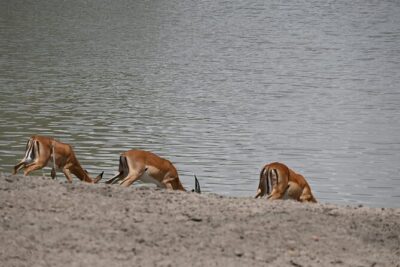
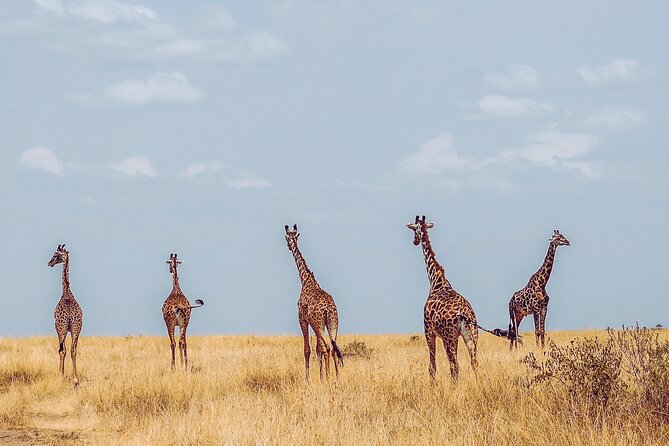
Wildlife expectations are broad and exciting: rhino, elephants, lions, giraffes, pink flamingos, and hyenas are listed as possibilities. The crater environment also changes how you view animals. Waterbirds like flamingos can show up, and large mammals can appear at different depths across the basin, so your guide’s spotting and positioning matters.
Game drive time is described as 6 to 8 hours. That range hints at flexibility based on conditions, which is useful because crater viewing can change quickly depending on where animals are and how weather behaves.
After the drive, you head back toward the airport or nearby towns. In other words, you’ll end the safari the same day you do your crater time, which is common for a 4-day itinerary and makes planning smoother.
What’s actually included, and why it changes your cost picture
This is not just a “ride and good luck” safari. The package includes private transportation, professional guide/driver, and landing and facility fees. It also includes all camping equipment and accommodations, plus the full meal plan: breakfast (4), lunch (4), and dinner (4).
It’s also set up with 24 hours support, and tickets are handled via mobile ticket. For many travelers, that reduces friction at the start of the trip, because you’re not scrambling for documents or trying to coordinate multiple parties.
From a value perspective, the big win is that your core safari services are bundled. You’re paying a single price per person at $1,300, and the package covers the guide, private vehicle use, accommodations, and meals. The trip does not list flights or insurance as included, so those are your two main extra items to budget for.
Guides are the difference maker, from Ronald to Edwin
The strongest praise in the available feedback is about the guiding style. People highlight guides like Ronald and Edwin as attentive, insightful, patient, and friendly. That kind of guiding matters because it directly improves your odds of better sightings, not by magic, but by improving your spotting routine and helping you understand what you’re seeing.
Good guides also reduce mental load. When your guide explains the animals and the local environment, you start to notice patterns. You also waste less time guessing. And when the itinerary adjusts to your needs, it’s usually because the guide and company are paying attention to real-world constraints like timing.
There’s also a theme of planning support. Elias is mentioned as planning everything patiently and helping make the itinerary fit schedules, including quick responses and flexibility when flights had delays. That is the type of service that helps most on safari, where you’re dealing with early pickups and time-sensitive park access.
Even small touches can matter. One example shared in the feedback is a happy anniversary cake during a briefing. While you should treat special touches as request-based, it shows the company is paying attention to people, not just checklists.
What to pack, based on the conditions this route signals
This safari asks you to live in multiple weather modes. Tarangire and Serengeti can feel warmer and more exposed, but Ngorongoro is where the temperature shift hits. The tour specifically suggests warm clothes and light gloves for chilly and windy highlands.
So I’d pack like this:
- Warm layer(s) for early starts and breezy moments
- Light gloves for hands during long crater or highland viewing
- A camera setup that works with occasional charging needs, plus cables if you have them
- Binoculars if you own them, though the jeep provides them
- Food storage that keeps snacks safe from vervet monkey attention on Day 1
Also consider how you’ll handle long hours. With private open-roof viewing, you can feel the air and wind more. Bring clothing that makes that comfortable, not just possible.
Who this safari fits best, and who should think twice
This 4-day route suits you if you want big park highlights with a private jeep and you care about comfortable logistics. You’ll like it especially if you value guided learning, clear spotting support, and the chance at Big Five animals during a tight schedule.
It’s also a good fit for couples, friends, and small groups who want the trip to run at your pace instead of a rigid group schedule. Because it’s private, your time in the jeep is your group’s time.
Who should think twice? If you want a guarantee of specific animals on specific days, no safari can promise that. If your priority is seeing every Big Five member with certainty, you’ll need to manage expectations and understand that wildlife is wildlife.
FAQ
FAQ
How long is the safari?
It runs for 4 days, with daily activities that can start early and include multi-hour game drives.
Where does pickup happen?
Pickup is offered in Moshi or Arusha. Day 4 also includes pickup from your hotel or campsite after an early breakfast.
Which parks are included?
Tarangire National Park, Serengeti National Park, and Ngorongoro Crater (within the Ngorongoro Conservation Area).
Is this tour private?
Yes. It’s a private tour, and only your group participates.
What vehicle setup do you use for game viewing?
You use a private jeep with an open roof. The vehicle includes electricity cables for charging, binoculars, a freezer with drinks, first aid support, and comfortable seats.
Are meals included?
Yes. The package includes breakfast (4), lunch (4), and dinner (4).
What should I know about park tickets and fees?
Admission ticket is listed as free for the park days, and landing and facility fees are included in the package details.
What is not included in the price?
Flights and insurance are not included.
Is there mobile ticketing?
Yes, a mobile ticket is included.
Can I cancel for a full refund?
Free cancellation is offered up to 24 hours in advance for a full refund, based on local time.
Should you book this 4-day Big-Five route?
I’d book it if you want a high-visibility Tanzania itinerary in a short time window, and you like the idea of a private open-roof jeep with comfort upgrades like charging cables and binoculars. This route also makes sense because it concentrates your time in Tarangire, Serengeti’s Seronera area, then Ngorongoro Crater with a long early game drive.
Before you book, be honest with yourself about two things. First, sightings are never guaranteed, even with excellent guiding. Second, plan for early starts and potentially cool, windy highlands, especially around Ngorongoro, so your packing is part of your success.
If those two points fit your style, this is a strong way to experience Tanzania’s biggest wildlife zones without turning your trip into a logistics project.
Longer Trips Through the North
- Tanzania Classic – 7 Days
★ 5.0 · 1,151 reviews - 7-Day Premium Luxury Tanzania Safari All-Inclusive
★ 5.0 · 426 reviews - Tanzania Wildlife Encounters – 6 Days
★ 5.0 · 277 reviews - Group Safari 7 Days in Tanzania’s Main Parks
★ 5.0 · 240 reviews - 4 Days Join Group tour Tarangire Serengeti and Ngorongoro crater
★ 5.0 · 219 reviews
Just added from around Arusha
Multi-Day Northern Circuit Safari Packages, compared.
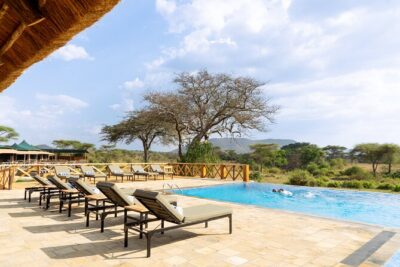 ★ 5.07-Day Premium Luxury Tanzania Safari All-InclusiveFrom $4,840426 reviews
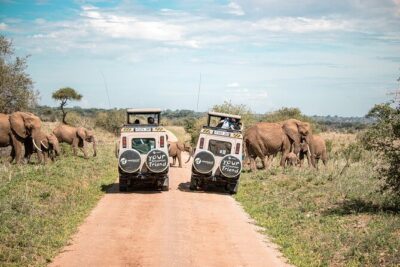 ★ 5.0Tanzania Wildlife Encounters – 6 DaysFrom $3,413277 reviews
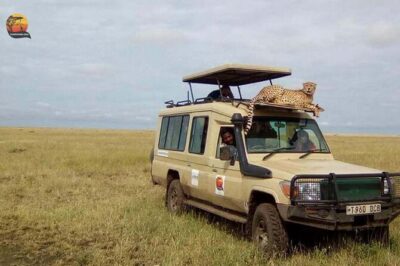 ★ 5.0Group Safari 7 Days in Tanzania’s Main ParksFrom $3,000240 reviews
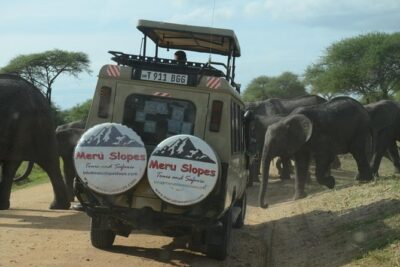 ★ 5.04 Days Join Group tour Tarangire Serengeti and Ngorongoro craterFrom $1,090219 reviews
 ★ 5.05-Day Private Northern Tanzania Safari from ArushaFrom $2,780182 reviews
 ★ 5.05 Days Best of Tanzania Luxury Safari Northern CircuitFrom $3,744174 reviews
 ★ 5.08 Day Spectacular Migration Serengeti mid -Range Tanzania SafariFrom $4,257161 reviews
 ★ 5.0Multi-Day Tanzania Odssey Safari from ArushaFrom $4,164120 reviews
Browse the lists this tour appears in