
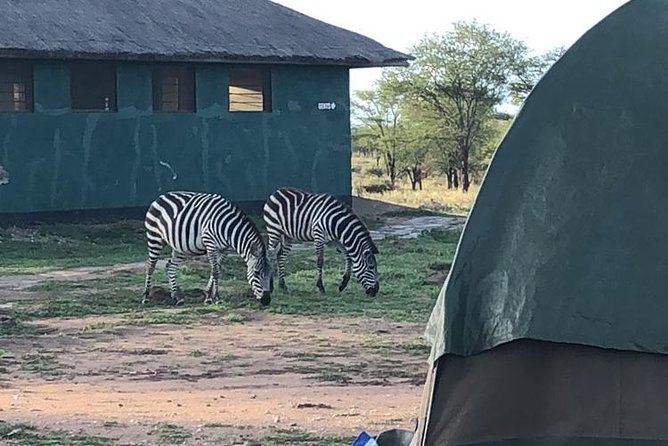
REVIEW · SERENGETI NATIONAL PARK SAFARIS
4 days Tanzania group safari to Serengeti, Crater and Tarangire
Big animals, and you get close fast. This 4-day group camping safari connects Tarangire elephant country, Serengeti wildlife drives, and Ngorongoro Crater’s rhino chances, with you moving on a tight schedule. I especially like the fact that you spend nights at camps near the action, including Twiga campsite outside the park and Simba public campsite, so the safari feels alive after dark. I also like the small-group setup, maximum 6 travelers, which keeps decisions flexible when your guide spots something worth stopping for. The main drawback to plan for is the early starts and long driving days, so you’ll want to be comfortable with a bit of road time and “rougher than hotel” camping basics.
From Arusha, you get hotel or lodge pickup around 8 a.m., then the adventure builds day by day with game drives plus meals that are planned in. The itinerary also notes park admission as free or included on the scheduled days, which can make the whole trip feel simpler and better value at about $950 per person. Add in mobile ticketing and confirmation at booking time, and you get a safari that’s organized without feeling overproduced.
In This Review
- Key things to know before you go
- Entering The Safari Circuit From Arusha
- Tarangire National Park: Elephants, Baobabs, and Great Birding
- Day 2 Serengeti: Lunch At The Gate, Then An Evening Game Drive
- Day 3 Sunrise In The Wild, Then Moving Toward The Crater
- Day 4 Ngorongoro: The Rhino Window Plus Hippos At The Lake
- Camping Safari Reality: What You Gain, What You Should Pack
- Guides, Group Size, and Food: Why People Feel Cared For
- Price and Value: Is $950 Reasonable for This 4-Day Plan?
- Who Should Book This Safari, and Who Might Want Another Style
- Should You Book MyTrip2Tanzania’s 4-Day Camping Safari?
- FAQ
- Where does this safari start?
- How many people are in the group?
- What parks are included in the 4 days?
- What’s the daily timing like on the first and last day?
- Is park entry included in the price?
- What meals are included?
- Do I need travel insurance or a Tanzania visa through the tour?
- How does cancellation work?
Key things to know before you go
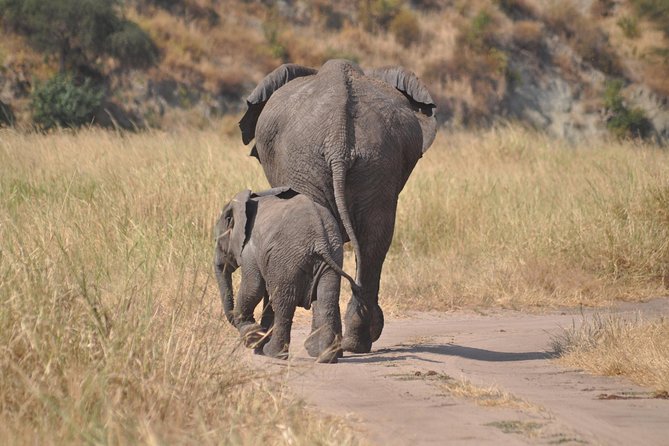
- A true camping safari rhythm with nights at Twiga campsite outside Tarangire and Simba public campsite by the crater area
- Small group, max 6 travelers, which often means more patience for spotting and fewer “waiting around” moments
- Tarangire day is a full-day game drive with big-elephant energy plus baobabs and strong birding potential
- Two Serengeti-style wildlife days with one lunch-at-the-gate transit day and one sunrise-focused morning
- Ngorongoro is timed for rhinos with an early half-day crater drive, plus hippos at the lake stop
More of the Serengeti, drive by drive
- 2 Day Serengeti Safari Experience from Mwanza★ 5.0 · 198 reviews
- Full-Day Private Serengeti Safari from Mwanza★ 5.0 · 47 reviews
- 4 days Tanzania group safari to Serengeti, Crater and Tarangire★ 5.0 · 22 reviews
- Serengeti 2-Day Safari from Mwanza★ 5.0 · 16 reviews
Entering The Safari Circuit From Arusha
You start in Arusha, and the whole trip is built around three iconic zones: Tarangire, Serengeti, and Ngorongoro Crater. The driving distances are not tiny, but the schedule spreads the long moments so you still get real safari time each day.
Your pickup happens around 8 a.m. from your hotel, lodge, or hostel in Arusha. From there, you’re not just “transported,” you’re already doing safari work, starting with the first gate entry day. You’ll also notice the tour doesn’t try to overload your day with too many back-to-back stops, which matters because game viewing is about patience, not ticking boxes.
One practical note: since this is a camping safari, your comfort level will depend on what you pack and how you set expectations. You’re trading the smoothness of lodges for proximity to wildlife sounds at night and the feeling of camping inside the safari landscape.
Tarangire National Park: Elephants, Baobabs, and Great Birding
Day 1 is Tarangire, and it’s timed well. You leave around 8 a.m. after breakfast, arrive at the gate around 10 a.m., then you’re in for a full-day game drive. That means you get the late-morning light and the afternoon window when animals often move more, too.
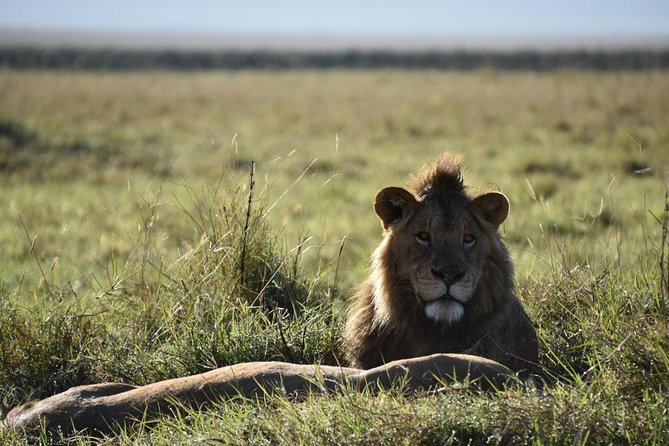
Tarangire is famous for elephants, described as having one of the largest concentrations of elephants in the world. For me, that matters because elephants are not just “one more animal,” they shape the whole feel of the park. When there are lots of them, you tend to get more interactions: calves, herds at the water, and the slower pace that makes wildlife viewing enjoyable.
You’ll also get baobab scenery, plus a strong birding angle. If you like small details like birds and foraging patterns, Tarangire is a smart first stop because it gives you both the big-eye moments and the quieter ones.
What I like most about this day is how it sets your safari expectations. After a long drive, you’re not stuck in a bus all day. You’re immediately working your way through the park, and dinner plus an overnight at Twiga campsite outside the park keeps the day connected to the wild.
Day 2 Serengeti: Lunch At The Gate, Then An Evening Game Drive
Day 2 shifts you toward Serengeti. You’ll have a longer drive, about 3 hours, with you reaching Serengeti Gate around 1 p.m. That schedule gives you a real lunch break at the gate, plus a short walk, before you continue.
The value here is timing. Many people rush straight into the park and feel tired by the time the best light arrives. This day builds in recovery so you can enjoy the half-day game drive later. You’ll be back at the campsite around 6 p.m., which also gives you time to settle in before night takes over the scene.
Serengeti highlights on this trip include the famous rocky kopjes areas, often compared in travel culture to the Lion King movie setting. You’ll also hear about the big-picture rewards: huge mammal concentrations and the sheer number of bird species (more than 500 are noted in the itinerary highlights). And yes, the wildlife migration factor is season-dependent, but the itinerary’s focus on classic Serengeti sightings is consistent.
A small consideration: because this is a “transit day” in the schedule, you are trading a full-day drive for a better-paced rhythm. If your priority is maximum hours in the vehicle, you might wish Day 2 was longer. But if you prefer energy that lasts, that pacing is a plus.
Tarangire again, with different operators

Day 3 Sunrise In The Wild, Then Moving Toward The Crater
Day 3 starts early, around 6 a.m., to catch sunrise. You get about 2 hours of game drive time early in the day, which is a big deal for visibility and animal movement. Then you drive back to the lodge area for breakfast and to pick up luggage, and you head out again for another game drive.
This is one of my favorite parts of the itinerary because it breaks the day into two wildlife blocks. You’re not stuck with one long session that turns into fatigue, and you’re not forced into a single “all-or-nothing” morning either. The schedule also prepares you for the next phase, where you slowly drive back toward Ngorongoro and spend the night at Simba public campsite.
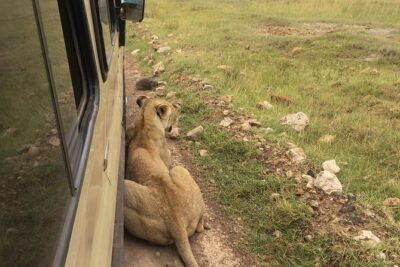
Serengeti highlights for Day 3 include landscapes, large groups of lions (not guaranteed, but a strong possibility given the itinerary emphasis), and a cat-focused theme. You also get the chance to see the big mammal concentration that Serengeti is known for, plus bird diversity. One more detail I appreciate is that the itinerary calls out Serengeti’s kopjes areas again, since these rocky zones often act like focal points for predators and scavengers.
As a practical matter, moving toward Ngorongoro means you should expect day-to-day changes in scenery and vibes. The safari shifts from wide-open grassland feel to the crater environment over time.
Day 4 Ngorongoro: The Rhino Window Plus Hippos At The Lake
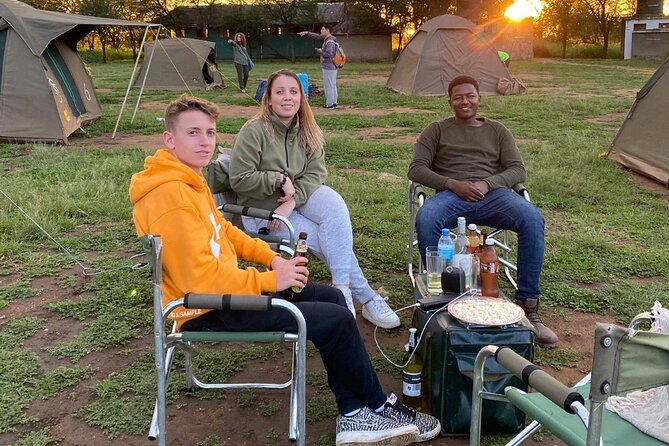
Ngorongoro Crater is where the safari gets intense. You start early again, around 6 a.m., and the plan is a half-day game drive inside the crater. The itinerary highlights it as the best chance to see rhinos, which is one reason this stop is the big headline for many people.
This day is structured around high-probability viewing. After you drive out for crater sightings, you also get a short break by the lake to observe hippos. That lake stop is not just a photo break, it gives you a different kind of wildlife watching than dry grassland scanning, since hippos are obvious once you spot them and they show behavior that’s hard to miss.
At around 11 a.m., you start the drive back for brunch and to pack. Then you transfer back to Arusha. That timing keeps the day from stretching too far into late afternoon, which is helpful after two early mornings.
Ngorongoro Crater is described in the itinerary as an enormous inactive volcano feature, and the crater is labeled a World Heritage Site. The schedule also mentions flamingos as a famous crater attraction. In other words, this is not only a “big mammals” day, it’s also a scenery and bird life day, even if your main reason for going is rhinos.
Camping Safari Reality: What You Gain, What You Should Pack
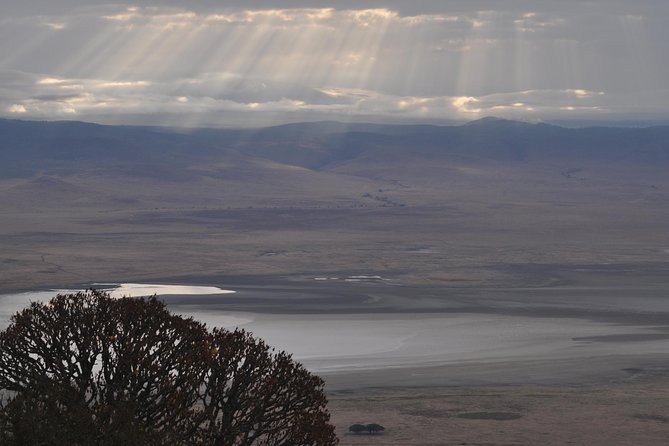
Camping is the heart of this safari style, and it changes the feel in a good way. You’re not waiting for the next lodge shuttle. Your day ends where your safari story begins again, with camp downtime and sounds from outside that feel part of the wildlife rhythm.
Based on what’s been shared, the camping setup includes meals cooked by the kitchen team, and people have praised the food as delicious and fresh. That’s important, because on safari, hunger is the enemy of patience. You want food that keeps you calm, and the trip’s meal plan is designed around that.
Your main “what to bring” priorities are simple: something warm for early mornings, a headlamp or flashlight, and layers you can handle when you’re in and out of the vehicle. Since you’re sleeping in camps, pack for dust and for the fact that you might go from cool morning air to warmer midday conditions fast.
Also, keep in mind that camping means less privacy and more basic amenities than a hotel. If you know that going in, you’ll enjoy the authenticity instead of resenting it. This is one of those trips where comfort is a trade, and the payoff is proximity and atmosphere.
Guides, Group Size, and Food: Why People Feel Cared For
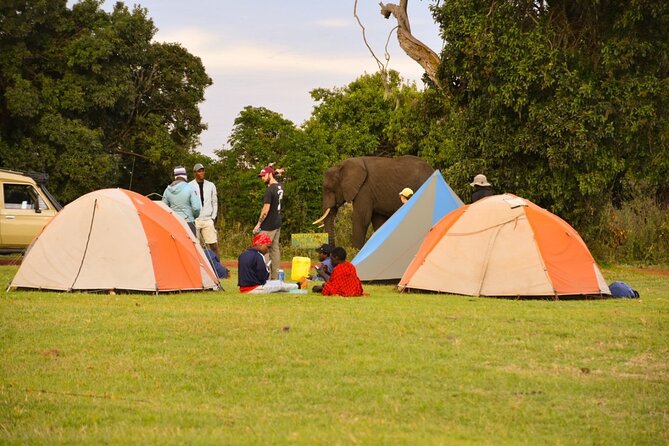
Group size is small here, maximum 6. That matters more than you think. When there are fewer people, guides can spend less time herding and more time adjusting to sightings. It also makes the safari feel like a shared adventure rather than a production line.
The biggest praise tied to guides is how they explain what you’re seeing and how they handle questions. Names that come up include Ayubu and Philbert, and in some departures Faraja is mentioned too. People also note that the guides communicate in English, and some guides can even manage German, which helps if language is a concern.
Food is another major win. Reviewers have highlighted that the kitchen team cooked meals that were consistently good, including a sense that everything was prepared fresh. That is a big deal on camping safaris, because you’re relying on the kitchen for most of your comfort.
If you’re the kind of person who likes to understand animals instead of just spotting them, a strong guide can make the difference between random viewing and real satisfaction. This itinerary is built for that, with multiple game drive blocks across several parks and time for explanations during the stops.
Price and Value: Is $950 Reasonable for This 4-Day Plan?
At $950 per person for about 4 days, you should judge value by what’s included and how the schedule is built. Here, the tour includes breakfast, lunch, and dinner. The itinerary also lists park admission as free or included on the scheduled days, which is a key detail when you compare safari options.
What you’re paying for is more than driving. You’re paying for guiding, for entry access that’s already planned into the days, for the camping setup and the campsite nights, and for the meals that keep you going. You’re also getting pickup within Arusha and a full transfer back to Arusha at the end.
One reality check: this is not a luxury lodge circuit. It’s a camping safari. If your idea of value is private vehicles and high-end rooms, you may feel this trip’s style is basic. But if your goal is wildlife time in iconic Tanzania areas, and you’re willing to trade luxury for closeness, the price starts to look fair.
Also, because the group cap is 6, you can often justify a higher cost if it means fewer people per guide and more flexibility in the field.
Who Should Book This Safari, and Who Might Want Another Style
This tour fits you best if you want a classic Tanzania safari route with camping energy. If you love elephants, Tarangire is a strong opener. If you want a real chance at rhinos, Ngorongoro is the headline. If you’re a “morning person” for wildlife, the sunrise timing on Day 3 is a big plus.
You might reconsider if you hate early mornings or dislike long drives. This itinerary includes multiple early start times and at least one day that is more about transit than full-day game driving. If you want a slower pace, or if you’re traveling with someone who struggles with fatigue, you may want a different length or an itinerary with fewer switchovers.
That said, the trip’s pacing is designed to keep you from being exhausted every single day. The lunch break at Serengeti Gate on Day 2 is one example, and the two-block structure on Day 3 is another.
Should You Book MyTrip2Tanzania’s 4-Day Camping Safari?
I think you should book this safari if you’re planning a first Tanzania trip and want the big-name parks covered in a tight, practical route. Tarangire, Serengeti, and Ngorongoro are all high-impact stops, and the camping format makes the experience feel closer to the wildlife cycle.
If small-group attention matters to you, maximum 6 travelers is a good sign. If you care about the human side of safari, the guide names that have shown up in feedback, like Ayubu and Philbert, suggest you’ll get patient guiding and helpful explanations. And if you want the trip to be enjoyable even when you’re tired, the consistent praise for food is worth taking seriously.
Go in with realistic expectations about camping and timing, and you’ll likely get more out of it than someone who only cares about luxury comforts.
FAQ
Where does this safari start?
The safari starts in Arusha, Tanzania, with pickup offered from your hotel, lodge, or hostel.
How many people are in the group?
The maximum group size is 6 travelers.
What parks are included in the 4 days?
You visit Tarangire National Park, Serengeti National Park, and Ngorongoro Crater.
What’s the daily timing like on the first and last day?
On Day 1, the safari starts around 8 a.m. after breakfast and you reach Tarangire Park gate around 10 a.m. On Day 4, you start around 6:00 a.m. for the crater drive, then drive back after about 11 a.m. for brunch and transfer back to Arusha.
Is park entry included in the price?
The itinerary shows admission tickets as free on some days and included on others, so park entry appears to be covered as part of the schedule on those days.
What meals are included?
Breakfast is included 3 times, lunch 4 times, and dinner 3 times.
Do I need travel insurance or a Tanzania visa through the tour?
Health insurance and the entry visa for Tanzania are not included.
How does cancellation work?
You can cancel up to 24 hours in advance for a full refund, based on local time.
Longer Trips Through the North
- Joining Safari from Mwanza
★ 5.0 · 54 reviews - 5 Days Tanzania Safari from Mwanza to Arusha
★ 5.0 · 8 reviews - 2 Day Tanzania Tour
★ 5.0 · 5 reviews - The Ultimate Guide for 2-Day Tanzania Safari from Mwanza
★ 5.0 · 3 reviews
Tarangire and Its Baobabs
- Balloon Safari & Bush Breakfast in Tarangire – Miracle Experience
★ 5.0 · 169 reviews - 3 Day – Tarangire, Ngorongoro Crater Lake Manyara- Mid – Range
★ 5.0 · 16 reviews - 4-Day Serengeti, Ngorongoro,Tarangire safari
★ 5.0 · 3 reviews
The Serengeti, Three More Ways
- 2 Day Serengeti Safari Experience from Mwanza
★ 5.0 · 198 reviews - Full-Day Private Serengeti Safari from Mwanza
★ 5.0 · 47 reviews - Serengeti 2-Day Safari from Mwanza
★ 5.0 · 16 reviews - 3 Days Serengeti and Ngorongoro Crater Safari from Mwanza to Arusha
★ 4.5 · 16 reviews - Full-Day Serengeti Tour from Mwanza
★ 5.0 · 11 reviews
Just added from around Tanzania
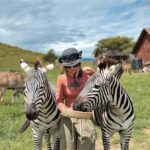
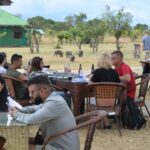
Serengeti National Park Safaris, compared.
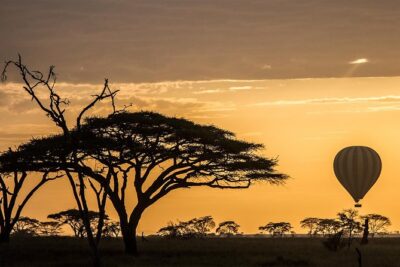 ★ 5.0Serengeti Balloon Safari and authentic bush breakfastFrom $5502,480 reviews
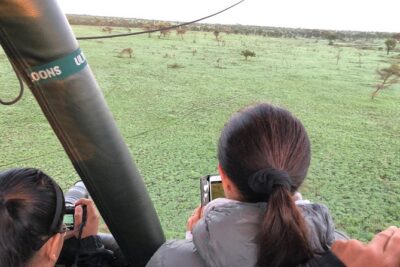 ★ 5.0Balloon Safari & Bush Breakfast in Serengeti – Miracle ExperienceFrom $5991,646 reviews
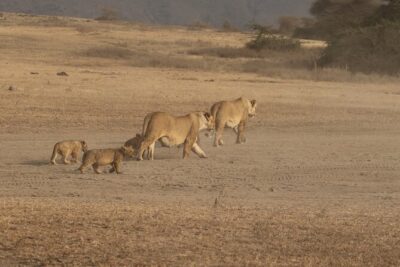 ★ 5.03 Days Serengeti & Ngorongoro Group Camping SafariFrom $815574 reviews
 ★ 5.05-Day Highlights mid-Range Crater, Serengeti, TarangireFrom $2,327296 reviews
 ★ 5.0Safari Serengeti And NgorongoroFrom $2,845288 reviews
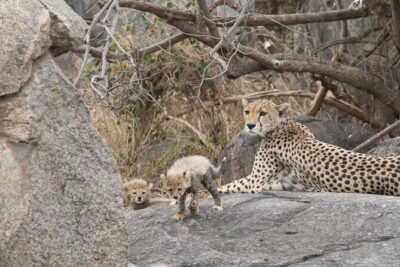 ★ 5.03-Day Classic Serengeti SafariFrom $1,455263 reviews
 ★ 5.0Private 6-Day Tarangire Manyara Crater and Serengeti with Mid-Range LodgesFrom $2,685238 reviews
 ★ 5.05 Days Camping Tarangire, Serengeti & Ngorongoro crater & Visiting MaasaiFrom $1,254229 reviews
Browse the lists this tour appears in