
REVIEW · SERENGETI NATIONAL PARK SAFARIS
4-Day Serengeti, Ngorongoro,Tarangire safari
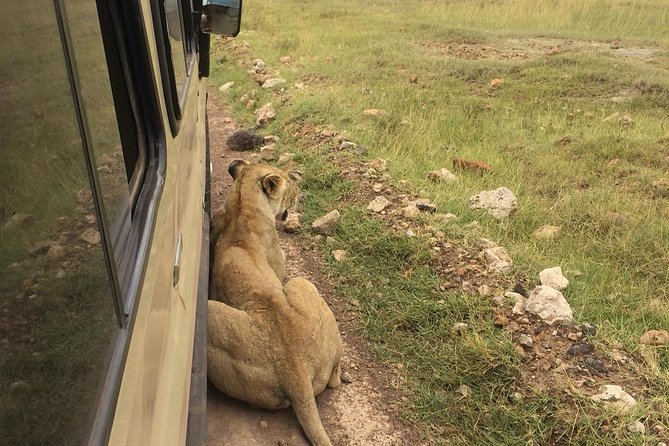
Three parks, one nonstop animal calendar. This 4-day Serengeti, Ngorongoro, Tarangire safari is built around classic Tanzania sightings, from elephant herds near the Tarangire River to lion stalking in Serengeti, and a crater floor packed with wildlife at Ngorongoro. I like that it runs as a tight, small-group circuit, starting early each day and finishing back in Moshi or Arusha.
Two things I really like. First, Tarangire National Park is elephant country, and the route is set up for repeat chances at big herds among seasonal swamps and savannah. Second, the Ngorongoro Crater morning is timed for sunrise views, then a full drive inside the caldera where you can spot animals drawn by springs, plus a serious chance at the Big Five. Guides in this operation include people like Jackson and Mille, and that matters because seeing wildlife is partly luck, but a good eye and road sense raise your odds.
One possible drawback: this is an early-start, long-drive safari. The experience notes that you should have strong physical fitness, so if you prefer slower days with lots of downtime, you may find the schedule demanding, especially with a 7:00 am start time.
In This Review
- Key things that make this safari work
- Why this 4-day Serengeti, Ngorongoro, Tarangire route makes sense
- Tarangire National Park: elephant herds, river country, and real chances at predators
- Serengeti National Park: migration country where timing changes what you see
- Ngorongoro Crater: sunrise views, springs that pull animals, and Big Five potential
- Guides and small-group style: why names like Jackson and Mille matter
- Lodging choices: where comfort shows up after the long game drives
- Price and value: what $2,800 covers, and how to judge fairness
- Timing, fitness, and what to realistically expect each day
- Who should book this safari, and who should think twice
- Should you book the 4-day Serengeti, Ngorongoro, Tarangire safari?
- FAQ
- What parks are included in this 4-day safari?
- How long is the safari?
- What time does the safari start?
- Do you offer pickup in Moshi or Arusha?
- What’s included in the price?
- Are park admission tickets included?
- What is not included?
- What is the maximum group size?
- Is this experience refundable?
- What happens if the safari is canceled due to poor weather?
Key things that make this safari work
- Max 6 travelers means you are not fighting for space on the game drive vehicle
- Tarangire elephants plus river-area habitats for varied sightings in one park
- Serengeti at midday gives you time for a solid game drive and seasonal migration potential
- Ngorongoro sunrise and crater-floor viewing brings you wildlife with strong birdlife, too
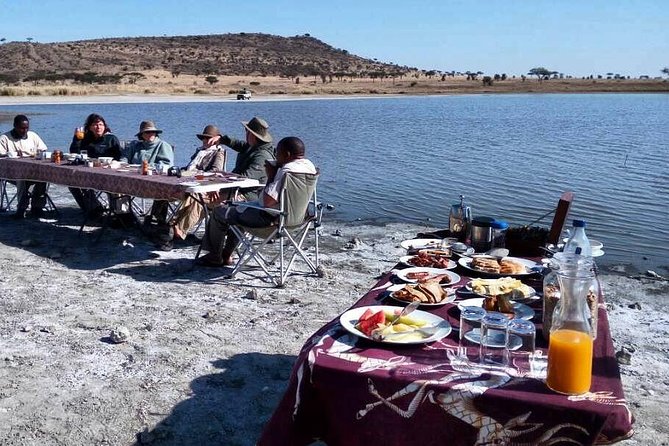
- Lunch, accommodation, and all fees are included, so you budget fewer surprises
- Hotel pickup in Moshi or Arusha keeps the first morning simple
More of the Serengeti, drive by drive
- 2 Day Serengeti Safari Experience from Mwanza★ 5.0 · 198 reviews
- Full-Day Private Serengeti Safari from Mwanza★ 5.0 · 47 reviews
- 4 days Tanzania group safari to Serengeti, Crater and Tarangire★ 5.0 · 22 reviews
- Serengeti 2-Day Safari from Mwanza★ 5.0 · 16 reviews
Why this 4-day Serengeti, Ngorongoro, Tarangire route makes sense
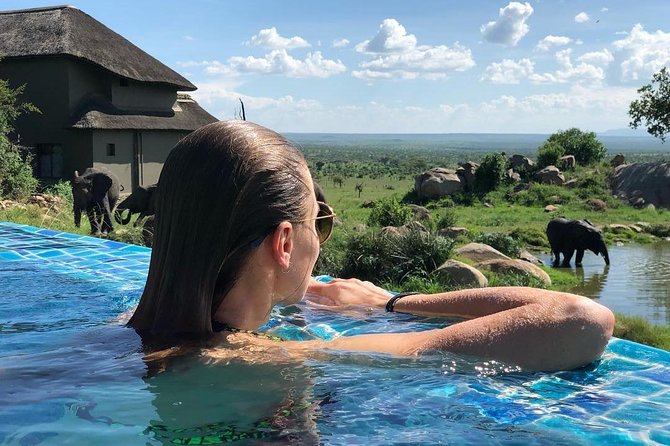
This trip stitches together three parks that are famous for very different reasons, and that variety is the point. You get elephant action in Tarangire, large-scale predator prey drama in Serengeti, and then a rare-feeling day in Ngorongoro where the terrain funnels animals toward the crater floor.
What I like most is how the driving is used as part of the experience, not just travel time. On the way to Serengeti, you pass through the Ngorongoro Conservation Area and you can view the crater before continuing onward. That means you are seeing the big attraction more than once, which helps if you are the type who wants the photos without gambling everything on one timing window.
Also, you are not doing this as a giant cattle-car safari. This has a maximum of 6 travelers, so you tend to get more personal attention when spotting is the goal. The guides named in feedback for this style of trip include Jackson and Mille, and that fits the overall vibe here: practical wildlife focus, not just sightseeing from afar.
Tarangire National Park: elephant herds, river country, and real chances at predators
Tarangire National Park is often the first place people fall hard for Tanzania safari because elephants show up like they own the place. The route starts with hotel pickup from Moshi or Arusha, then heads to Tarangire for game viewing that’s built around the Tarangire River area and the seasonal swamps and savannahs around it.
In practical terms, this matters because different animals use different habitat types. With the focus on river-edge environments, you are more likely to see classic mix-and-match sightings in one day: zebras, wildebeests, buffaloes, hartebeests, giraffes, and waterbucks. Add elephants to that, and you can end up with wildlife viewing that feels constant rather than random.
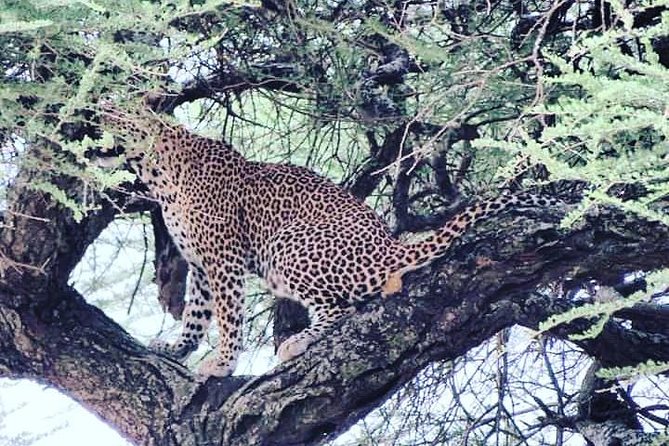
You also get some upside for the luck-based stuff. There is a chance to see lions stalking their next meal, and even leopards that may be resting higher up in trees. Nobody can promise those sightings on a specific day, but Tarangire’s elephant density and general wildlife variety increase your odds that something interesting is happening even when you think it might be quiet.
The main consideration for Tarangire is just energy. This is a full game-drive day, and you’ll want to be ready for early starts and long periods of scanning. If you get cranky in the car, this park can test you, but if you enjoy patient wildlife watching, it’s a strong opener.
Serengeti National Park: migration country where timing changes what you see
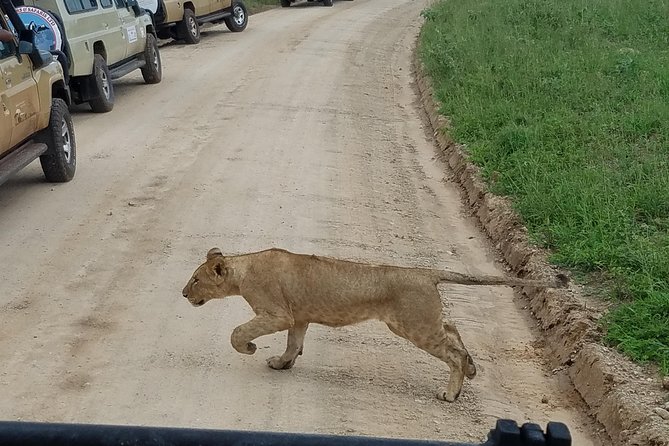
Serengeti National Park is the headline for many people, and the way this safari approaches it is logical. After breakfast, you pass through the Ngorongoro Conservation Area, then continue until you reach Serengeti at around midday. That timing may sound like you are starting late, but it actually sets you up for a proper afternoon game drive once you arrive.
Serengeti’s big selling point here is habitat diversity. You move through areas like grassy plains, swamps, lakes, savannah, and even mountainous surroundings depending on where you drive. That variety matters because it changes which animals are easiest to spot at that moment.
The other reason Serengeti is a must is the migration. Depending on the season, you may have the opportunity to witness thousands of wildebeests and zebras moving in search of fresher grasslands. Even if you do not catch the biggest migration scenes, the park still delivers a wide range of wildlife and predator-prey energy, and you’ll feel it more once you are out there on the drive.
After the game viewing, you stay overnight at a nearby campsite, lodge, or permanent tented camp. The lodging choice affects your comfort level, but the structure stays the same: wildlife time by day, then a place to recharge in the evening.
One small reality check: the migration is seasonal. If you are traveling at a different time of year than your dream scenario, you might not see the exact number or movement pattern you imagined, though Serengeti still tends to deliver plenty.
Other ways down into the Ngorongoro Crater
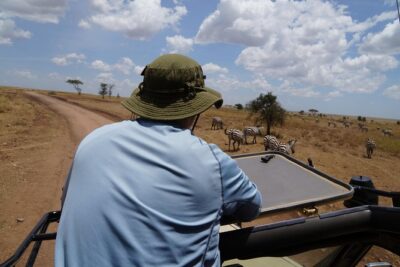
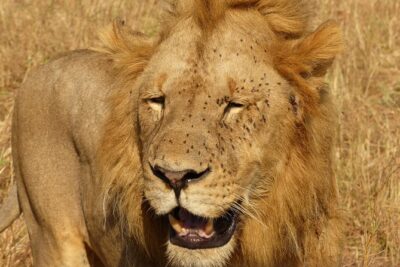
Ngorongoro Crater: sunrise views, springs that pull animals, and Big Five potential
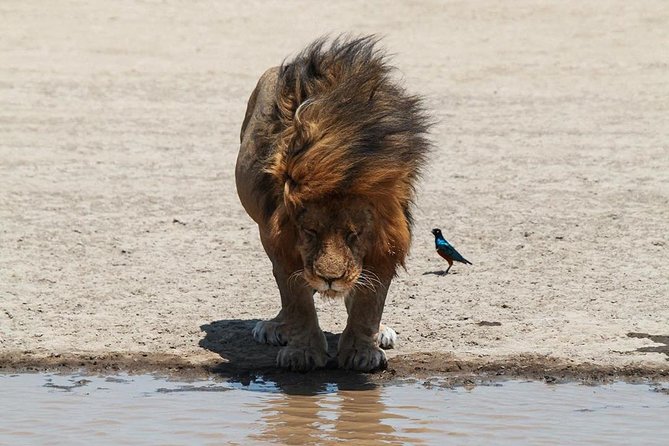
Ngorongoro is where this safari turns from a great wildlife route into a truly memorable one. You start early so you can catch sunrise views over the crater, then head for a game drive inside the world’s largest volcanic caldera.
What makes Ngorongoro different is the way the crater floor concentrates wildlife. The crater has springs that attract animals like wildebeests and gazelles, so instead of animals being spread out across an entire open landscape, you’re often looking at a place where they funnel together. That dynamic can make sightings feel unusually close and unusually steady throughout the drive.
The classic target here is the Big Five: lion, elephant, buffalo, rhino, and leopard. A safari still has no guarantees, but this park is specifically famous for enabling Big Five opportunities in a single day. You also get serious birding value, with more than 500 bird species recorded in the crater area, which is a nice bonus if you enjoy spotting wings as much as four-legged icons.
The day also includes a break timed near the hippo pool, after lunch by that spot you do more viewing on the way out. That combination, sunrise first, hippo pool midday pause, more viewing afterward, is a smart rhythm. It helps you keep your attention up instead of burning out before the best parts.
Then you drive back to Moshi or Arusha to end the safari. That final transfer is worth considering if you have a flight later that day, since game drives and driving times can run long depending on conditions. Plan buffer time if you can.
Guides and small-group style: why names like Jackson and Mille matter
In safari country, the difference between a good day and a great one is often practical. It’s knowing where to look, when to slow down, and how to read the terrain and animal behavior instead of just driving quickly between “possible spots.”
This operation is tied to guides who have been recognized in feedback, including Jackson and Mille. When people specifically praise guide quality, they are usually talking about spotting skill and the ability to keep the day productive even when wildlife is hard to find. In places like Tarangire and Serengeti, where animals move and conditions change, that kind of day-to-day judgment matters.
The small group size also affects the feel. With a maximum of 6 travelers, you tend to get a calmer atmosphere, and your guide can manage requests and viewing positions without the chaos you see on larger buses. You also get more consistent experiences, like everyone staying engaged rather than half the group drifting off to snack, nap, or complain.
Finally, the included approach helps: lunch is included, and fees are handled. That reduces the number of decisions you must make mid-safari. Fewer logistics distractions usually mean you spend more time watching.
Lodging choices: where comfort shows up after the long game drives
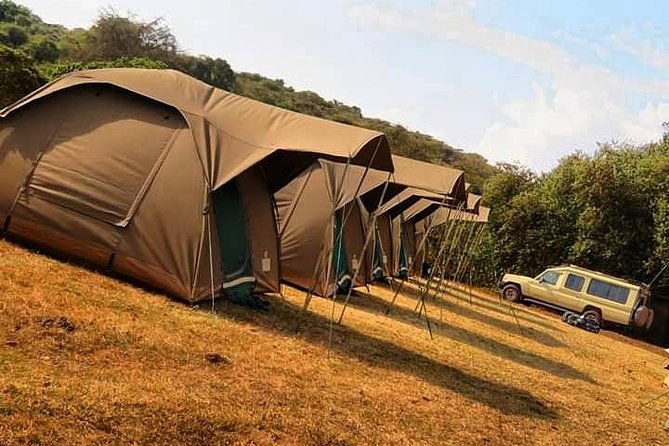
You’ll sleep either at a campsite, lodge, or a permanent tented camp depending on what the safari selection includes for your dates. That flexibility is helpful because comfort preferences vary a lot, and you can match the trip to your comfort level.
I especially like the idea of lodge-style comfort when you have just come from a week of tents or you simply want to recover properly between drives. One feedback highlight was that safari lodges felt worth it after spending time in tents. That’s a real point, because after a day of early mornings and long viewing hours, the quality of sleep affects how much you enjoy the next day’s game drive.
Even if you choose more basic accommodation, you can expect the safari still keeps the schedule centered on early wildlife time and evening recovery. The key thing to know is that the overnight stop is part of the safari rhythm, not a quick stopover. It’s where you reset, refresh, and get ready for another early start.
Price and value: what $2,800 covers, and how to judge fairness
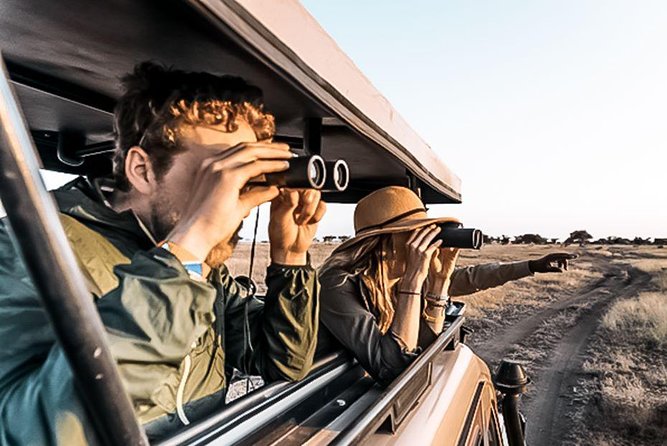
At $2,800 per person for an approximately 4-day safari, you’re paying a premium that reflects how specialized the service is. This is not just driving around. You’re moving through multiple parks with wildlife viewing schedules, and you’re including daily game-drive time, guides, accommodation, and meals.
The big value item is what’s included. The safari includes lunch, accommodation, and all fees and taxes. When those are covered, you avoid the common safari surprise of additional park charges and operational add-ons. Pickup is also offered, so the start of the trip is smoother for you, especially if you are arriving in Tanzania through Arusha or Moshi.
What’s not included is also clear: flights and tips. So you’ll still need to handle international and domestic air separately, and you’ll want to budget some extra for gratuities. If you like having everything planned tightly, this price structure is helpful because most of the core safari costs are handled up front.
One more value angle is group size. With a maximum of 6 travelers, you’re not paying for a private experience in name only, but you are benefiting from a smaller group dynamic that can make wildlife viewing more comfortable.
Timing, fitness, and what to realistically expect each day
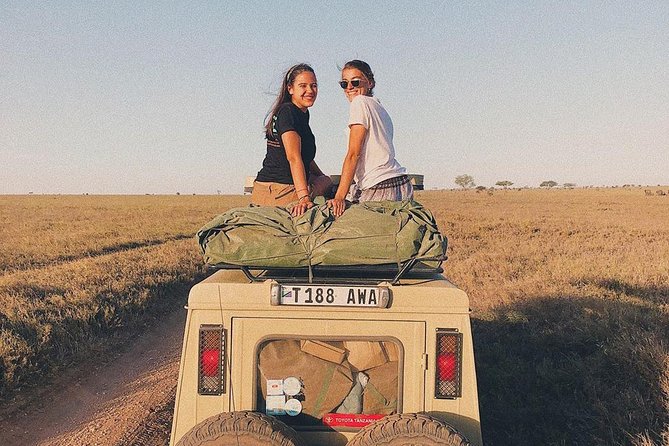
This safari starts at 7:00 am, and that early start is a big part of the whole experience. Sunrise viewing on Ngorongoro means you will feel that early wake-up not just once, but as a regular pattern across days.
The experience also calls for strong physical fitness. That doesn’t mean you have to be an athlete, but it does mean you should be comfortable with long sitting hours, repeated early mornings, and the physical demands that come with bumpy roads and extended game viewing time.
Your best expectations are these:
- You should expect wildlife viewing opportunities to be frequent, not constant, because animals move.
- You should expect predator sightings to be possible but not guaranteed, even though parks like Tarangire and Serengeti provide legitimate chances.
- You should expect that season affects what you see most. Serengeti migration especially depends on timing.
If you show up with patience and you’re ready for early days, you’ll enjoy this safari more than if you expect a perfect list of animals every hour.
Who should book this safari, and who should think twice
This is a great match if you want a classic “greatest hits” Tanzania safari route in a short time window. You’ll hit Tarangire, Serengeti, and Ngorongoro, and you’ll cover both open-habitat wildlife viewing and the concentrated crater-floor experience.
It’s also a good fit for people who appreciate being with a small group and having a guide who can actively manage the day. With a cap of 6 travelers, you are more likely to get a focused safari feel.
Think twice if you dislike early wake-ups, long drives, or you are not comfortable with the physical demands noted for the experience. Also consider whether you want a more flexible schedule. This one is structured and efficient, which is great for most people, but not everyone’s style.
If you are the type who wants elephants, lions, and the Big Five chance without switching accommodations every day in different cities, this routing logic is strong.
Should you book the 4-day Serengeti, Ngorongoro, Tarangire safari?
Book it if you want a tightly packed wildlife circuit with included meals, fees, and accommodation, plus a small-group feel. The route makes sense for first-timers because it covers the animal “why” behind each park: elephants at Tarangire, migration potential in Serengeti, and crater concentration at Ngorongoro, with sunrise timing and Big Five odds.
Don’t book it if your priority is a relaxed pace, or if early mornings and long sitting hours will wear you down. Also, if you have a very specific migration expectation, remember that timing changes what you see in Serengeti.
If you book, plan your expectations around opportunity rather than guarantees, and you’ll come away thinking this was a smart way to see three of Tanzania’s biggest wildlife stages without wasting days on logistics.
FAQ
What parks are included in this 4-day safari?
You will visit Tarangire National Park, Serengeti National Park, and the Ngorongoro Crater in the Ngorongoro Conservation Area.
How long is the safari?
It runs for approximately 4 days.
What time does the safari start?
The meeting start time is 7:00 am.
Do you offer pickup in Moshi or Arusha?
Yes, pickup is offered, including pickup from your hotel in Moshi or Arusha.
What’s included in the price?
The price includes lunch, accommodation, and all fees and taxes.
Are park admission tickets included?
Yes. The experience indicates admission ticket fees are covered.
What is not included?
Flights and tips are not included.
What is the maximum group size?
The safari has a maximum of 6 travelers.
Is this experience refundable?
No. This experience is non-refundable and cannot be changed for any reason.
What happens if the safari is canceled due to poor weather?
If it is canceled due to poor weather, you will be offered a different date or a full refund.
Tarangire and Its Baobabs
- Balloon Safari & Bush Breakfast in Tarangire – Miracle Experience
★ 5.0 · 169 reviews - 4 days Tanzania group safari to Serengeti, Crater and Tarangire
★ 5.0 · 22 reviews - 3 Day – Tarangire, Ngorongoro Crater Lake Manyara- Mid – Range
★ 5.0 · 16 reviews
Still Thinking About the Crater?
- 3 Days Serengeti and Ngorongoro Crater Safari from Mwanza to Arusha
★ 4.5 · 16 reviews - 3 Day – Tarangire, Ngorongoro Crater Lake Manyara- Mid – Range
★ 5.0 · 16 reviews
The Serengeti, Three More Ways
- 2 Day Serengeti Safari Experience from Mwanza
★ 5.0 · 198 reviews - Full-Day Private Serengeti Safari from Mwanza
★ 5.0 · 47 reviews - 4 days Tanzania group safari to Serengeti, Crater and Tarangire
★ 5.0 · 22 reviews - Serengeti 2-Day Safari from Mwanza
★ 5.0 · 16 reviews - 3 Days Serengeti and Ngorongoro Crater Safari from Mwanza to Arusha
★ 4.5 · 16 reviews
Just added from around Tanzania

Serengeti National Park Safaris, compared.
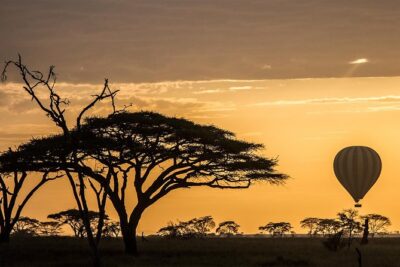 ★ 5.0Serengeti Balloon Safari and authentic bush breakfastFrom $5502,480 reviews
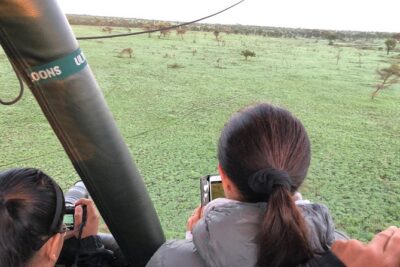 ★ 5.0Balloon Safari & Bush Breakfast in Serengeti – Miracle ExperienceFrom $5991,646 reviews
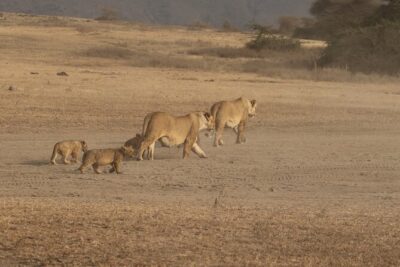 ★ 5.03 Days Serengeti & Ngorongoro Group Camping SafariFrom $815574 reviews
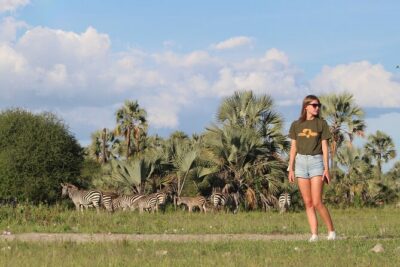 ★ 5.05-Day Highlights mid-Range Crater, Serengeti, TarangireFrom $2,327296 reviews
 ★ 5.0Safari Serengeti And NgorongoroFrom $2,845288 reviews
 ★ 5.03-Day Classic Serengeti SafariFrom $1,455263 reviews
 ★ 5.0Private 6-Day Tarangire Manyara Crater and Serengeti with Mid-Range LodgesFrom $2,685238 reviews
 ★ 5.05 Days Camping Tarangire, Serengeti & Ngorongoro crater & Visiting MaasaiFrom $1,254229 reviews
Browse the lists this tour appears in