
REVIEW · MAASAI VILLAGE AND CULTURAL EXPERIENCES
2 Day Massai Village Experience (all-incl.)
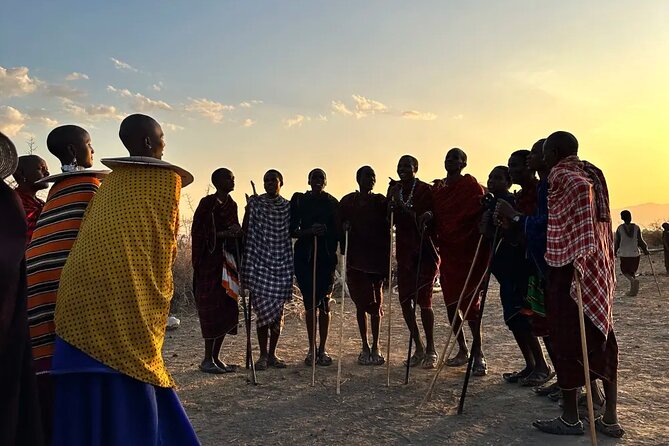
Two days can change how you see Maasai life. Here, the focus is Oltukai Maasai village near Lake Manyara, run with a clear community and conservation mission through Kipe Laizer, Mr. Kipelyan Olesisian. I especially like that this is not just a quick cultural stop, it is built around daily routines and practical learning tied to local needs.
I also like the all-in feel of the experience, especially the traditional Maasai hut night plus real interaction with the family side of life, including meals in the home setting. One consideration: the days are long (listed as about 12 hours each), you should have moderate fitness, and if you want to leave the village during your visit, you will need to arrange extra transportation to the main road (listed as $20).
In This Review
- Key things that make this Maasai village stay worth your time
- Oltukai and Lake Manyara: why the setting matters
- Meet Kipe Laizer, the Maasai warrior and conservationist behind the program
- Day 1 at the park-adjacent Maasai village: chores, crafts, and real conversation
- The overnight in a traditional Maasai hut: where the trip really clicks
- Day 2 sunrise at Lake Manyara: school time and the waterhole
- All-in price at $468.65: where the value comes from
- Small group reality: maximum 15 travelers and how to prepare
- Where pickup, transport, and the meeting point fit into your plan
- Who should book this Maasai village experience, and who might not
- Should you book? My straight answer
- FAQ
- How long is the Maasai village experience?
- Where is the meeting point, and where does the tour end?
- What is included in the price?
- Is the conservation fee included, or do I pay it separately?
- Do you offer pickup?
- What can I expect to do during the two days?
- What is the cancellation policy?
Key things that make this Maasai village stay worth your time
- Kipe Laizer’s conservation connection: You learn alongside a Maasai warrior and wildlife conservationist, Mr. Kipelyan Olesisian (Kipe Laizer).
- A social-impact layer, not a side note: 20% of profit goes to support vulnerable children and orphans in Kipe’s village, known as Oltukai.
- Hands-on village life: Expect activities like milking cows, herding goats, and making traditional crafts, so it feels like participation rather than watching.
- A family meal experience: Dinner and breakfast are included, and you may be welcomed into the family for tea and dinner in the mother’s hut.
- Small group energy: Maximum of 15 travelers, which helps keep the day from feeling rushed or overly staged.
- Lake Manyara both days: You get sunrise vibes and time connected to the school and a local waterhole, not just park-time.
Still weighing it up? These Tanzania trips came out well when we reviewed them.
- 2 Day Serengeti Safari Experience from Mwanza★ 5.0 · 198 reviews
- Balloon Safari & Bush Breakfast in Tarangire – Miracle Experience★ 5.0 · 169 reviews
- Joining Safari from Mwanza★ 5.0 · 54 reviews
- Full-Day Private Serengeti Safari from Mwanza★ 5.0 · 47 reviews
Oltukai and Lake Manyara: why the setting matters
This experience is based out of the Maasai community at Oltukai, near iconic Lake Manyara in Tanzania. That geographic detail is more than pretty scenery. Lake Manyara is one of those places where daily survival and wildlife conservation are linked in obvious ways. The people here live with the same natural constraints you see from a distance, so your conversations make more sense than they do when you only visit as a tourist.
Also, being close to Lake Manyara National Park shapes what you experience. You’re not only in a workshop-style cultural setting. You’re outdoors, you’re seeing the savannah, and you’re learning about how Maasai people relate to land and animals. You may catch wildlife views in the broader area while you’re learning, but even when you do not, the environment still does the job of grounding the story.
One more practical point: the tour is listed as about two days total. In real terms, that means you get enough time for relationships to form. You are not stuck doing a single photo stop and then vanishing. For many people, that is where the biggest emotional shift happens, because the visit turns into shared time instead of quick consumption.
Meet Kipe Laizer, the Maasai warrior and conservationist behind the program
The named person at the center of this experience is Mr. Kipelyan Olesisian, also known as Kipe Laizer. He is described as a Tanzanian Maasai warrior and wildlife conservationist from the northern region of Tanzania at Lake Manyara Region. That matters because it gives the days a “why,” not just a “what.”
Instead of treating Maasai culture as something stuck in the past, the program frames it as living practice tied to land stewardship. You’ll hear about traditional customs, beliefs, and practices, but you also learn about the role Maasai people play in conservation efforts. That angle tends to make your questions better when you talk to people, because you’re not only asking how something is done, you’re also asking why it connects to wildlife and the landscape.
Another social good layer is built into the structure. Kipe Adventure donates 20% of its profit to support vulnerable children and orphans in Oltukai. The experience also states that your stay helps the local community get clean water, food, and education for children. Even if you do not fully measure impact during your short stay, it changes the feel of the trip. You are not just paying for access. You are supporting ongoing needs the community has identified.
If you like experiences that connect culture and conservation without sounding like a lecture, this is the right direction. If you prefer a purely cultural day with no discussion of conservation, you might find this program leans a little more purpose-driven than you expected, but it is still framed as everyday life.
Day 1 at the park-adjacent Maasai village: chores, crafts, and real conversation
Your first day is built around the Maasai community near Lake Manyara National Park, with about 12 hours of time listed. The program description is clear that you will do more than watch. You can experience village life through interactions and practical activities like milking cows, herding goats, and making traditional Maasai crafts.
For me, the best part of activities like these is what they teach you indirectly. You start to understand time, effort, and responsibility in a way that facts never do. Milking cows and helping with basic herding tasks are not “shows.” They are part of how families manage food and daily work. When you do small pieces of that routine, you can ask better questions, and people usually respond more openly because you are participating instead of hovering.
Craft time also matters. Traditional crafts are one of those activities where you can slow down and notice details. If you are the type who likes to learn by doing, you’ll likely enjoy the chance to make things by hand rather than just taking photos.
There is also a wildlife and savannah angle on Day 1. You’re told you can enjoy stunning views of the African savannah and wildlife while you learn about conservation efforts. You should think of this as “views and context,” not a guaranteed safari drive. Still, the location makes the conservation story feel more grounded.
A small comfort detail: a conservation fee is listed as included, and admission for the park time is free in the description. So you are not arriving thinking you have to manage multiple tickets during the day.

The overnight in a traditional Maasai hut: where the trip really clicks
The program includes dinner and breakfast, plus an unforgettable night in a traditional Maasai hut. That is often the point where the experience becomes personal, because nighttime is when you stop performing as a visitor and start experiencing what “home” feels like in your host’s world.
From the experience description and the provided comments, the family welcome can be very warm. One example shared describes being welcomed into the family as if it was part of the household, with tea and dinner in Kipe Laizer’s mother’s hut. Safety and comfort are specifically mentioned in that same account. You should still keep expectations grounded: this is a rural village stay. But the program is clearly set up so you feel looked after while you learn.
What I like about the hut night is the pacing. You are not sleeping after a high-speed drive-by. You spent the day doing activities, talking, and seeing how routines work. So when you go to bed, it feels like you’re continuing the day rather than escaping it.
Practical tip for your mindset: go in expecting simple and direct. If you want polished hotel amenities, this is not that kind of trip. If you want to understand what daily family life is like, the hut night is the heart of the value.
Day 2 sunrise at Lake Manyara: school time and the waterhole
Day 2 starts with sunrise over Lake Manyara, with about 12 hours listed for the day. That early timing is a gift, because you get a calmer start than you would on a normal day-trip. Sunrise also changes the tone of your conversations. People feel more awake, the air feels different, and your attention is less scattered.
The program includes time connected to the local school, described as a moment where you spend time with children and experience laughter, learning, and shared dreams. I think that part of the trip matters because it shifts your role. Instead of only learning traditions from adults, you see how the next generation views life and education.
A second Day 2 option mentioned in the summary is spending time at the waterhole, described as a life source that sustains existence there. This is a helpful context piece. When you see how water functions in daily life, the earlier mention of support for clean water becomes easier to understand. You stop thinking of “water projects” as abstract impact and start thinking about what that means day to day.
One more point: you might be tempted to treat Day 2 as purely emotional and photo-friendly. Try to balance it. Ask questions. Watch how tasks get done. If you are offered a chance to interact, do it respectfully and patiently. Short visits can feel emotional in both directions, and the best approach is quiet presence, not performance.
All-in price at $468.65: where the value comes from
The price is listed as $468.65 per person for an all-in two-day experience. That’s not a bargain-basement price, but it can be fair value when you compare what’s included versus what many cultural experiences charge extra for.
Here is what you get that actually saves you money and hassle:
- Dinner and breakfast are included
- Private transportation is included
- A conservation fee is included and does not have to be paid extra
- Admission ticket for Lake Manyara National Park is listed as free in the Day 1 description
- Pickup is offered (not only self-drive)
When a tour folds meals, transportation, and key fees into one package, you spend less time negotiating payments and more time showing up. In places like this, that practical simplicity is part of the quality.
Also, the program has a stated profit-sharing mission. With 20% of profit donated to vulnerable children and orphans in Oltukai, the price is also tied to ongoing community needs like clean water, food, and education. You may not see the results overnight, but that structure is different from experiences where you pay for a cultural show with no link to support.
Possible trade-off: because it is all-in and community-centered, it is less likely to be flexible for spur-of-the-moment changes. The program also states that if you want to go out of the Maasai village during your visit, transportation to the main road is $20. So you may want to plan your expectations ahead of time.
If you like structured, supported experiences that keep the budget predictable, this price likely makes sense. If you only want a casual meeting and do not care about meals, village-based activities, or conservation alignment, you might find alternatives cheaper, but they are less likely to pack in the same “day-to-day” feel.
Small group reality: maximum 15 travelers and how to prepare
This experience runs with a maximum of 15 travelers. That number matters more than you might think. In rural community settings, the difference between 6 people and 15 people changes the pace of conversations, how long you can stay with one person, and how overwhelmed the household might feel. A cap at 15 helps keep things human scale.
The tour also asks for moderate physical fitness. You will likely be on your feet outdoors and participating in activities like herding goats or milking cows. You do not need to be an athlete, but you should be ready for basic physical effort and time in the sun.
You also need to think about your communication style. If you treat the day like a checklist, people will feel it. If you show calm curiosity, you will get more out of it. The tone from the provided notes is that hosts can welcome you like part of the household. That only works when visitors act like guests, not customers.
For families, one example includes a father and son with the son described as 9 years old. That suggests the setting can work for kids, as long as the child can handle rural routines and the long day length. If you bring kids, keep interactions short and gentle, and lean on the guide to manage timing.
Where safety is concerned, one provided account specifically notes feeling completely comfortable and safe while hosted. That doesn’t mean you ignore common sense, but it is a good sign that the program knows how to welcome visitors properly.
Where pickup, transport, and the meeting point fit into your plan
Pickup is offered, and you return back to the meeting point at the end. The listed start point is TotalEnergies MAKUYUNI SERVICE STATIONA104, Junction To Karatu, Dodoma Rd, Makuyuni 00000, Tanzania. This is a specific meeting spot, so treat it like a big deal.
A practical way to plan is to arrive with enough buffer time. Since the tour runs about 12 hours each day, you want to avoid being late in the morning after a long drive. If you are already traveling through the region, consider building in a little margin around that meeting point.
You’ll also get a mobile ticket, which usually means less paperwork on the ground. That can be a quiet quality-of-life win.
Finally, remember that you’re in a village setting. If you want to leave the village during your visit, the program lists transportation to the main road as $20. So if you want any extra errands or viewpoint hopping, decide ahead of time and ask the provider how it would work logistically.
Who should book this Maasai village experience, and who might not
You should book if you want:
- A two-day community-focused cultural stay, not a quick stop
- Hands-on interactions like crafts, cow milking, and goat herding
- A conservation-linked Maasai perspective through Kipe Laizer
- An all-in package where meals and key fees are included
- A small group size (max 15) for more personal time
You might think twice if:
- You dislike long days (each day is listed as about 12 hours)
- You want a standard hotel comfort level instead of a village night in a traditional hut
- You need easy, frequent independent movement, because leaving the village requires extra transport to the main road ($20)
If you want a trip that changes how you see the world through everyday life and real responsibility, this format is exactly built for that.
Should you book? My straight answer
Book this if your idea of a good trip is time with real people, daily routines, and a conservation and community-support layer you can actually connect to. The presence of Kipe Laizer, Mr. Kipelyan Olesisian, plus the stated 20% profit donation to vulnerable children and orphans in Oltukai, makes the experience feel purpose-driven without turning it into a lecture.
Skip it if you’re looking for a short, low-effort activity with lots of independent roaming and hotel-style comfort. Also, go in with the right mindset for rural hosting. Your role is to participate respectfully, ask good questions, and accept simple conditions.
If you match those expectations, you will likely come away with more than photos. You’ll have a clearer sense of how culture, family life, and conservation can work together in the Lake Manyara area.
FAQ
How long is the Maasai village experience?
It runs for about 2 days (approximately), with each day listed at about 12 hours.
Where is the meeting point, and where does the tour end?
The start meeting point is TotalEnergies MAKUYUNI SERVICE STATIONA104, Junction To Karatu, Dodoma Rd, Makuyuni 00000, Tanzania. The activity ends back at the same meeting point.
What is included in the price?
Dinner and breakfast are included, along with private transportation. The conservation fee is also included.
Is the conservation fee included, or do I pay it separately?
The conservation fee is included and does not have to be paid extra.
Do you offer pickup?
Yes, pickup is offered.
What can I expect to do during the two days?
You can expect Maasai village interactions and daily-life activities such as milking cows, herding goats, and making traditional crafts. You will also have time connected to a local school and a waterhole, plus sunrise over Lake Manyara.
What is the cancellation policy?
You can cancel up to 3 days in advance for a full refund. If you cancel less than 3 days before the start time, the amount you paid will not be refunded.
Just added from around Tanzania
Maasai Village and Cultural Experiences, compared.
 ★ 5.05 Days Camping Tarangire, Serengeti & Ngorongoro crater & Visiting MaasaiFrom $1,254229 reviews
 ★ 4.5Maasai village visit, Materuni waterfalls & coffee experienceFrom $15495 reviews
★ 5.05 Days Camping Tarangire, Serengeti & Ngorongoro crater & Visiting MaasaiFrom $1,28058 reviews
★ 4.5Maasai village visit, Materuni waterfalls & coffee experienceFrom $15495 reviews
★ 5.05 Days Camping Tarangire, Serengeti & Ngorongoro crater & Visiting MaasaiFrom $1,28058 reviews
 ★ 5.0Hidden Arusha Waterfall, Coffee & Village Tour (All-Inclusive)From $4042 reviews
 ★ 4.7Massai village & Baraka turtules aquariumFrom $5742 reviews
 ★ 5.0Maasai village visit and Chemka hot-springs with hot lunch.From $12233 reviews
 ★ 4.3Zanzibar: Maasai village Tour with Sunset Dhow CruiseFrom $5232 reviews
 ★ 4.9Kilimanjaro: Maasai Village Visit, Waterfalls, & Coffee TourFrom $18527 reviews
Browse the lists this tour appears in