
REVIEW · NGORONGORO CRATER SAFARIS
3 Day – Tarangire, Ngorongoro Crater Lake Manyara- Mid – Range
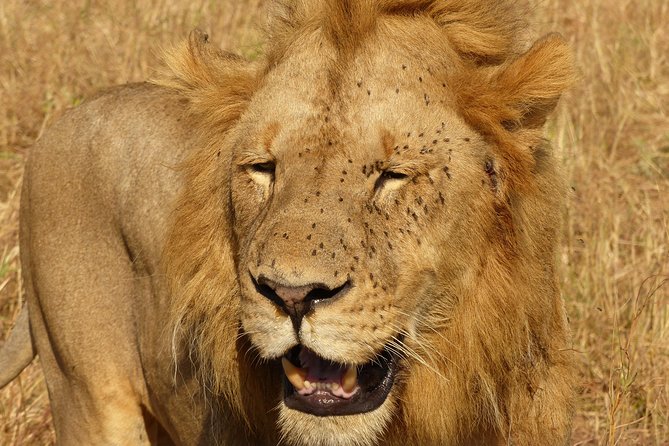
Few places deliver wildlife drama this fast. This 3-day Tanzania safari links Tarangire, Ngorongoro Crater (UNESCO), and Lake Manyara into a tight, practical route with game drives timed for animals that are most active. I love the small-group setup (max 6), because you get more attention from your guide when sightings pop up. I also like that your days are built around real safari rhythms, with early starts that matter in Ngorongoro. The only drawback is the pace: you will be up early and driving a lot, so this is best for travelers who enjoy long game-drive days.
You will start in Arusha and move through three standout ecosystems, from Tarangire’s elephant country to Ngorongoro’s crater bowl density and Lake Manyara’s acacia tree scenery. I like that meals and lodging are included, which makes the trip feel smoother than piecing things together on your own. One consideration: alcohol is not included, so if you drink, plan ahead.
In This Review
- Key highlights (the stuff that matters)
- Why this 3-park safari works from Arusha
- Price and logistics: what your $1,350 covers
- Day 1: Tarangire elephants first, then Twiga Lodge dinner
- Day 2: Ngorongoro Crater in the morning, high density, big species variety
- Day 3: Lake Manyara full-day drives, then back to Arusha around 5 pm
- Small-group style: better guide focus, and it shows
- Food, comfort, and what “included” feels like on safari
- Wildlife reality check: how to maximize your chances in three days
- Who should book this tour, and who might want a different pace
- Should you book this 3-day Tarangire, Ngorongoro, and Manyara safari?
- FAQ
- What parks are included in this 3-day safari?
- Where does the tour start, and what time?
- Is pickup included?
- How many people are in the group?
- What meals are included?
- Is accommodation included, and where do you stay on night one?
- Are park admission tickets included?
- What wildlife can you expect at Ngorongoro?
- What is the expected return time to Arusha on day three?
- What happens if weather is poor or you need to cancel?
Key highlights (the stuff that matters)
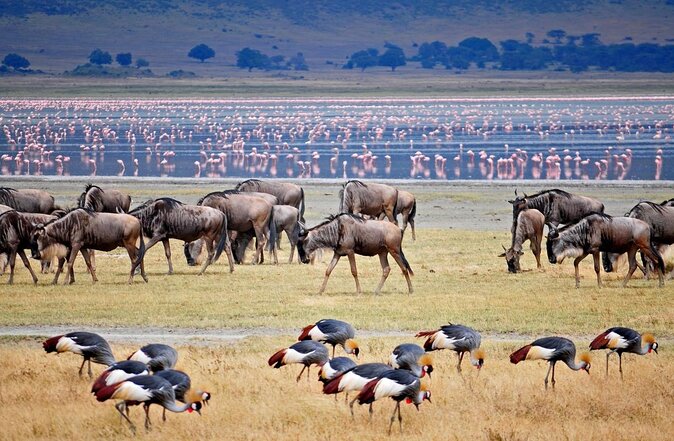
- Ngorongoro Crater, UNESCO site, with morning timing that helps with top sightings
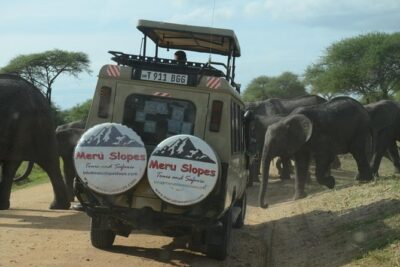
- Tarangire elephant country, often where your first big herds show up fast
- Lake Manyara full-day game drives, focused on scenery plus primates like baboons and blue monkeys
- Small group up to 6, so your guide can keep an eye on everyone
- Meals and lodge included, so you spend less time on logistics and more time on wildlife
Other ways down into the Ngorongoro Crater
- 3 Days Serengeti and Ngorongoro Crater Safari from Mwanza to Arusha★ 4.5 · 16 reviews
Why this 3-park safari works from Arusha
A three-day safari sounds short, but that’s the point. You get the headline wildlife moments without losing half your vacation to travel between far-flung regions. Starting from Arusha also keeps the routing sensible, and it helps you begin your day with daylight on the parks.
What makes this route feel especially “right” is the way it mixes parks with different wildlife personalities. Tarangire is famous for elephants and lions. Ngorongoro is famous for density, meaning you can see a lot of species in a relatively small area when timing is good. Lake Manyara adds forest edges, figs, and the chance to spot primates.
The schedule also respects safari reality. You will not treat these parks like quick photo stops. You’re actually set up for longer game-drive stretches, with packed lunches so you’re not wasting prime viewing hours.
Price and logistics: what your $1,350 covers
At $1,350 per person, this is positioned as mid-range, but the value comes from what’s included. You’re not just buying “a seat in a vehicle.” You’re getting the core safari components tied together:
- Pickup is offered, and you start from Arusha
- All accommodation and meals are included (breakfasts, lunches, dinners)
- Bottled water is included
- Park admission is listed as free, which usually means park access fees are handled for you rather than tacked on later
That matters because safaris can get confusing fast once you start adding park fees, meals, and lodge costs. Here, the trip is built like a package, and that reduces decision fatigue.
One more practical note: you’ll receive a mobile ticket, which helps if you prefer minimizing paper.
Day 1: Tarangire elephants first, then Twiga Lodge dinner
Your day starts early after pickup, with the plan set so you can reach Tarangire quickly. On this itinerary, you’re aiming to be in the park by around 10:00 AM, and that is a smart target for day one. By then, wildlife activity is already building, and you’ll start with enough daylight to find herds and predators.
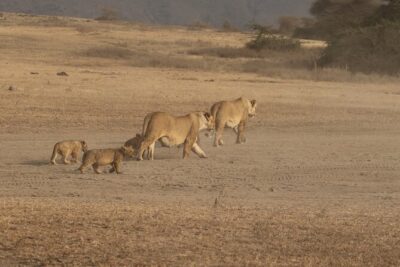
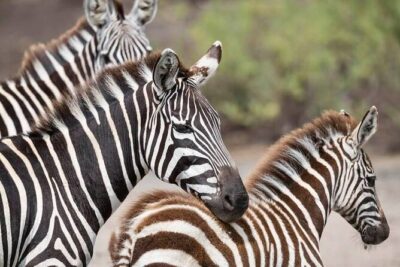
Tarangire is where many first-time safari expectations start to come true. Expect to look for tons of elephants and multiple lion prides, plus the usual mix of zebras and other grazing animals. The guide’s job on day one is straightforward: put you in good areas, then keep you moving when sightings are happening.
You’ll take a proper lunch during the day, then continue the safari. In the evening, you are transferred to Twiga Lodge for dinner and overnight. Having that lodging locked in is a real comfort benefit. You don’t have to hustle for dinner options after a long drive and game drive day.
What to watch for: on day one, your main goal is building “sighting momentum.” If you see elephants early, that often means you will get a steady flow of animals afterward, because the ecosystems and watering patterns are active.
Tarangire again, with different operators

Day 2: Ngorongoro Crater in the morning, high density, big species variety
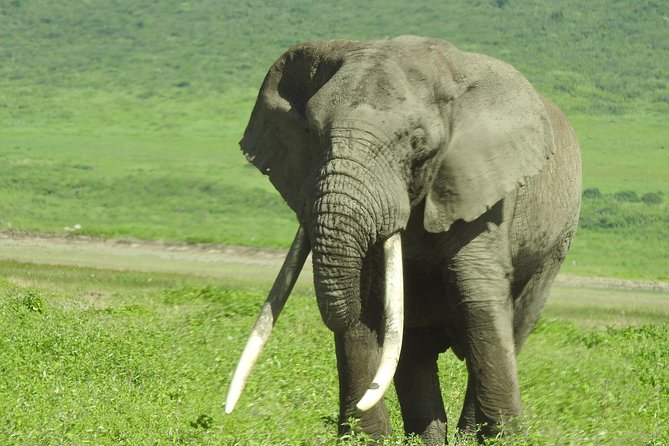
If you only remember one timing lesson from this tour, it’s this: leave early for Ngorongoro. You’re set to start from the hotel at about 6:30 AM, and the schedule puts you inside the crater after roughly an hour. That early slot matters because animals often move differently at cooler morning hours.
Ngorongoro is the UNESCO stop, and it lives up to the hype in a practical way. This is the crater bowl where you can see a lot of different species per square kilometer. The wildlife list here is the kind of line you hope to hear on safari and actually get to check off:
- Buffalo
- Elephants
- Lions
- Wildebeest
- Zebras
- Hippopotamus
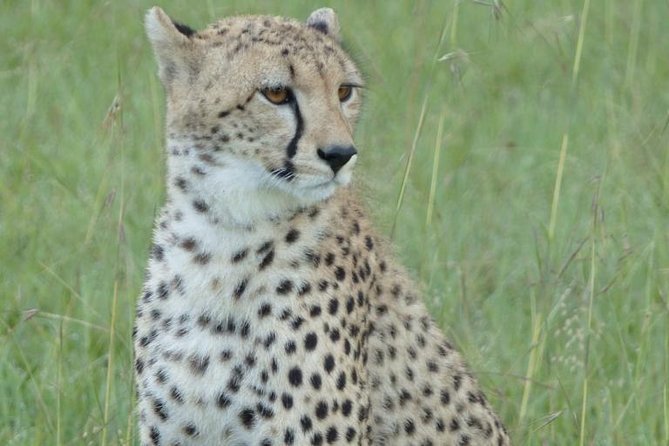
- Feline species like Caracas and servals
The mix is the point. You’re not only chasing one iconic animal. You’re scanning for the whole ecosystem working at once.
The day is paced like a crater day should be: breakfast and lunch are included, and you spend the morning focusing on crater wildlife. Lunchtime comes without pulling you out of the safari day too long, which helps you keep your viewing time where it counts.
One possible drawback to consider: this is a long day, and crater driving can mean a slower, more “eyes out the window” rhythm compared with open-plain parks. If you like to be on your feet, take breaks, and move around constantly, this day may feel more like extended viewing than quick activity.
Day 3: Lake Manyara full-day drives, then back to Arusha around 5 pm
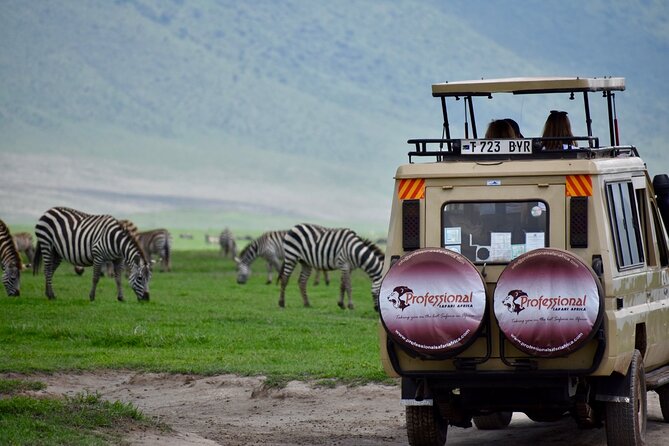
After check out, you’ll do an early breakfast and head to Lake Manyara National Park for a full day of game drives. Lake Manyara is smaller than some parks, but it hits with variety. You’re looking at lush acacia forest areas, big fig trees, and mahogany trees.
This park is known for more than just big animals. You should also plan your scanning around the primate chances: a growing population of baboons and blue monkeys. When these show up, they often do it in ways that are fun to watch, because they may be closer to the road and more visible than you’d expect.
Lunch happens at a picnic site, then you continue game viewing until late evening. By design, your day ends with an exit from the park and a drive back to Arusha. You’re expected to arrive around 5:00 PM, and the plan notes flexibility if you have a flight or other plans.
Tip for enjoying day three: by the time you reach Lake Manyara, your safari senses are “warmed up.” You’ll get more out of it if you shift from pure chasing to observation, especially around tree lines and animal movement between shaded areas.
Small-group style: better guide focus, and it shows
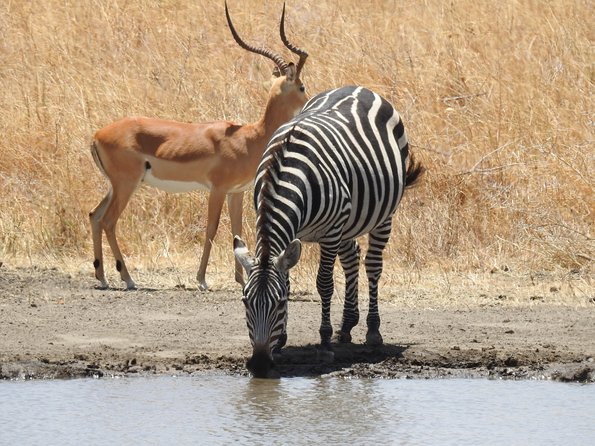
This tour caps at 6 travelers, which is a big deal for safari quality. In a small group, your guide can react faster. If one side of the vehicle spots something, they don’t need to herd a crowd or pause for constant coordination.
The guide experience is also a standout theme in the feedback tied to this operator. Names like Anton, Jonas, Felix, and Godlove come up repeatedly, usually for doing the two things you need most on safari: finding animals and explaining what you’re seeing. One guide even stood out for adding fun to the ride with a car DJ setup, and that kind of light touch matters when you’re in and out of game drive sessions.
You’ll also notice that communication from the operator has been credited to people like Medison Samwel and Boris in the customer experience side. That can make a difference when you’re planning from Arusha and trying to confirm timings.
Food, comfort, and what “included” feels like on safari
Meals are included across the three days: breakfast twice, lunch three times, and dinner twice, plus bottled water. I like this setup because safari days often force people into buying snacks repeatedly, which gets expensive and takes your focus away from the road and sightings.
Day one explicitly includes lunch and dinner, and you have a named dinner stop at Twiga Lodge. Other lodging nights aren’t named in the itinerary details you provided, but the key point is that your accommodation is included, so you’re not hunting last-minute rooms after a crater day.
One small heads-up: alcoholic beverages are not included. If you want a drink with dinner, you’ll need to pay for it separately at the lodge.
My practical advice: treat packed lunches as part of the safari rhythm. Eat early, hydrate often, and save your snack bites for quieter moments. It will make those long game-drive stretches feel less demanding.
Wildlife reality check: how to maximize your chances in three days
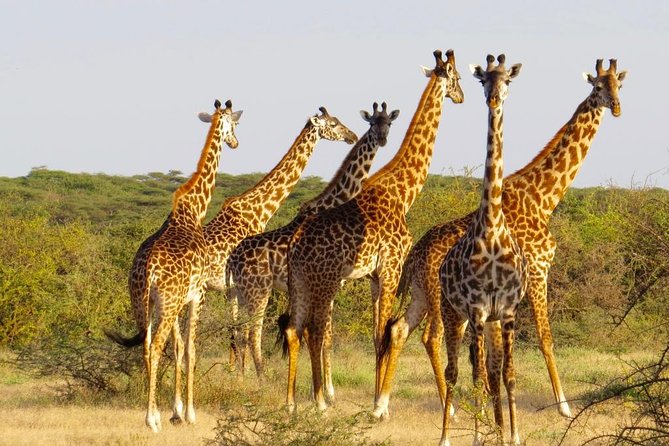
You cannot control animal behavior. You can control how prepared you are. This itinerary helps you because it uses classic timing: early departures, especially for Ngorongoro, and full-day viewing on Lake Manyara.
Here are the best ways to get more out of the three days without turning it into a stress fest:
- Keep your eyes moving, not locked on one target. Ngorongoro especially can surprise you with different species close together.
- Listen to your guide’s direction even if you think you already see something. Guides often react to movement patterns you can’t spot at first.
- Be ready for “close, then gone.” Many sightings are brief, because animals decide to move, not because your guide failed.
Also, for season context, one guest highlighted March as a strong time because animals can have babies, meaning sightings may include young animals and active family behavior. Your exact results depend on timing, but it’s a useful reminder that when you’re lucky, the park stories get more interesting fast.
Who should book this tour, and who might want a different pace
This is a great fit if you want:
- A first safari with the major Tanzanian highlights in a tight window
- A mid-range experience that avoids constant meal planning
- A small group with more personal guide attention
- A schedule built around morning wildlife activity, especially for Ngorongoro
It may be less ideal if you:
- Want relaxed mornings with lots of late starts
- Get cranky after long drives and long viewing sessions
- Are hoping to change the itinerary on the fly every day
The upside is that the route is focused. You’re not driving to three parks just to spend 45 minutes in each. You’re spending real time with the animals.
Should you book this 3-day Tarangire, Ngorongoro, and Manyara safari?
If you’re choosing between doing one park or squeezing in three, I’d lean toward booking this one. The combination is smart: Tarangire brings elephants and lions, Ngorongoro adds the UNESCO crater experience with strong species variety, and Lake Manyara rounds it out with forest scenery plus primates like baboons and blue monkeys.
I’d book it especially if you like these priorities:
- Small-group safari time (max 6)
- Included meals and lodging so your budget stays sane
- Guides who get praised by name for both wildlife spotting and explanation
Only do a hard reconsider if you hate early mornings or you need very flexible daily pacing. Otherwise, this is the kind of Tanzania trip that gives you high sighting odds without making your vacation feel like a checklist.
FAQ
What parks are included in this 3-day safari?
The tour covers Tarangire National Park, Ngorongoro Conservation Area (Ngorongoro Crater), and Lake Manyara National Park.
Where does the tour start, and what time?
It starts in Arusha, Tanzania, with the start time listed as 8:00 am.
Is pickup included?
Yes. Pickup is offered.
How many people are in the group?
The tour is described as a small group with a maximum of 6 travelers.
What meals are included?
The tour includes breakfast (2), lunch (3), and dinner (2). Bottled water is also included.
Is accommodation included, and where do you stay on night one?
Accommodation is included. After day one in Tarangire, you are transferred to Twiga Lodge for dinner and overnight.
Are park admission tickets included?
Admission tickets are listed as free in the tour details, meaning they are handled as part of the experience.
What wildlife can you expect at Ngorongoro?
The itinerary highlights possible sightings of buffalo, elephants, lions, wildebeest, zebras, and hippopotamus, plus feline species including Caracas and servals.
What is the expected return time to Arusha on day three?
You are expected to be back in Arusha around 5:00 pm, with flexibility if you have a flight or other situation.
What happens if weather is poor or you need to cancel?
The experience requires good weather. If it’s canceled due to poor weather, you’ll be offered a different date or a full refund. There is free cancellation up to 24 hours in advance for a full refund.
Tarangire and Its Baobabs
- Balloon Safari & Bush Breakfast in Tarangire – Miracle Experience
★ 5.0 · 169 reviews - 4 days Tanzania group safari to Serengeti, Crater and Tarangire
★ 5.0 · 22 reviews
Still Thinking About the Crater?
- 3 Days Serengeti and Ngorongoro Crater Safari from Mwanza to Arusha
★ 4.5 · 16 reviews
Just added from around Tanzania



Ngorongoro Crater Safaris, compared.
 ★ 5.03 Days Serengeti & Ngorongoro Group Camping SafariFrom $815574 reviews
 ★ 5.0Safari Serengeti And NgorongoroFrom $2,845288 reviews
 ★ 5.05 Days Camping Tarangire, Serengeti & Ngorongoro crater & Visiting MaasaiFrom $1,254229 reviews
 ★ 5.04 Days Join Group tour Tarangire Serengeti and Ngorongoro craterFrom $1,090219 reviews
 ★ 5.04-Day Safari from Arusha: Tarangire, Serengeti and NgorongoroFrom $1,753173 reviews
 ★ 5.02 Days Tarangire and Ngorongoro Group Camping SafariFrom $550146 reviews
 ★ 5.04 Days Tarangire Serengeti Ngorongoro CraterFrom $900117 reviews
 ★ 5.03 Days Tarangire, Ngorongoro & Lake Manyara Group Camping SafariFrom $700102 reviews
Browse the lists this tour appears in