
REVIEW · MULTI-DAY NORTHERN CIRCUIT SAFARI PACKAGES
4 days safari in Tanzania
Four days, and your camera won’t rest. This Tanzania safari loop from Arusha hits Tarangire National Park for elephant and baobab encounters, then adds Olduvai Gorge for one of the most important chapters in human evolution. I also like the way the route mixes wildlife time with meaning, so the trip feels more than just a wildlife checklist.
You get real value because this is all-inclusive in the practical sense: private transportation, park fees, game drives, and meals. The group is capped at 15 travelers, which keeps the vibe more personal than the big-vehicle chaos you can find elsewhere. The one tradeoff to consider is that when the safari includes tent-style lodging, comfort can be simpler than a full hotel, and that basic feel shows up in the feedback.
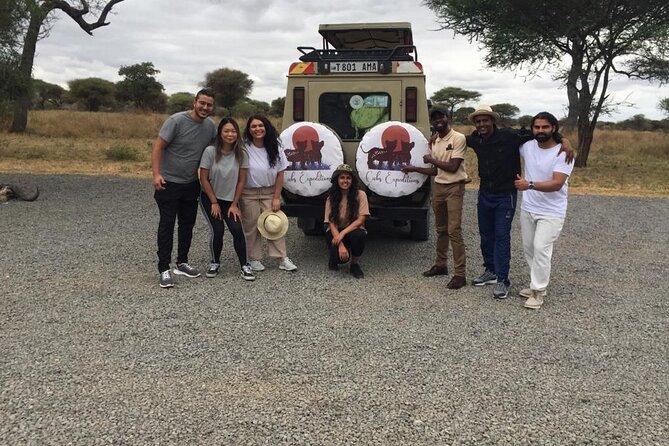
What keeps people coming back is the human side. You travel with a professional guide and driver for the full stretch, and you get context on Tanzania culture and history while you’re moving between parks. Pick-up starts at Arusha Airport, so you are not scrambling on day one.
In This Review
- Key safari takeaways before you go
- Four parks, one smart 4-day plan out of Arusha
- Tarangire National Park: elephants, baobabs, and an easy first win
- Serengeti National Park: why Seronera is where wildlife concentrates
- Ngorongoro Conservation Area plus Olduvai Gorge: animals and human origins in one day
- Into the crater on day four: the predator hunt and Lake Magadi
- Guides, small group size, and the service style you feel every day
- Price and value: $1,700 buys less stress than you might expect
- What the itinerary feels like in real time, day by day
- Packing and comfort tips for a safari that runs hard
- Should you book this 4-day Tanzania safari?
Key safari takeaways before you go
- Olduvai Gorge stops on the same route you are already taking for big wildlife days
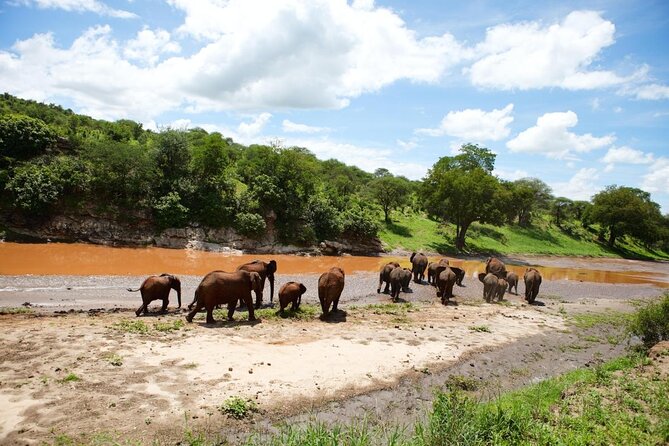
- Tarangire’s elephant and baobab mix gives you quick, memorable sightings early
- Serengeti Seronera area and the Seronera River help explain why animals keep showing up
- Ngorongoro crater wildlife from a real drop into the crater with predator-focused driving
- Small-group safari feel with up to 15 people and professional guiding throughout
- Food matters on this trip, with cooks like Gidi and Issa getting named for consistently good meals
Longer northern circuit routes, side by side
- Tanzania Classic – 7 Days★ 5.0 · 1,151 reviews
- Tanzania Wildlife Encounters – 6 Days★ 5.0 · 277 reviews
- Group Safari 7 Days in Tanzania’s Main Parks★ 5.0 · 240 reviews
- 4 Days Join Group tour Tarangire Serengeti and Ngorongoro crater★ 5.0 · 219 reviews
Four parks, one smart 4-day plan out of Arusha
This is the kind of safari route you want if it is your first time in Tanzania, or if you want to see more than one ecosystem without spending days planning. The trip starts in Arusha, then works through Tarangire, Serengeti, and the Ngorongoro Conservation Area, with a meaningful detour to Olduvai Gorge. You also get game drives built into the schedule, not just “drive by and hope.”
What I like most is that the day structure is designed for wildlife realities. Game viewing time is planned, and there are hours of non-game driving between parks so you can expect the movement, not fight it. And because meals and lodging are part of the package, you do not waste energy on day-to-day logistics.
The route is also practical in a value sense. At $1,700 per person for about four days, you are paying for transportation, fees, guiding, and food, not just a seat in a vehicle. That matters because safari travel is where costs and stress pile up fastest when you do it DIY.
Tarangire National Park: elephants, baobabs, and an easy first win
Day one starts with a morning push out of Arusha, with a quick stop in Arusha Town for any last-minute shopping. Then you head to Tarangire National Park with game viewing time on the schedule (about 3 to 4 hours, and that feels like a gift after travel). Tarangire is known for two things that are hard to fake: huge elephant numbers and the iconic baobab trees.
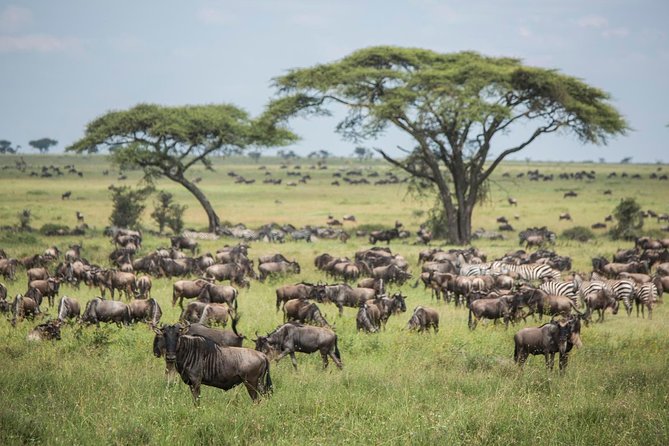
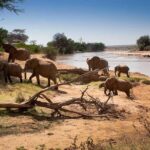
Tarangire’s elephant focus is not vague. The itinerary notes an annual migratory cycle that can include up to 3,000 elephants, plus massive numbers of wildebeest and zebra. Even if you do not see those exact totals, you are traveling to a system where elephants are a regular feature, not a rare miracle.
You’ll also have a picnic lunch at the park. That sounds simple, but it helps you stay present instead of tracking restaurant stops on a strict timeline. Dinner and overnight are at Marera View Lodge on the first night, so you end day one with a proper reset before the longer wildlife day ahead.
A possible drawback: Tarangire can be a “warm-up” park. If you have high expectations for lions or dense predator action on day one, the elephant and baobab rhythm might feel different than a predator-heavy day. Still, for many first-time safaris, this is exactly the right opener.
Serengeti National Park: why Seronera is where wildlife concentrates
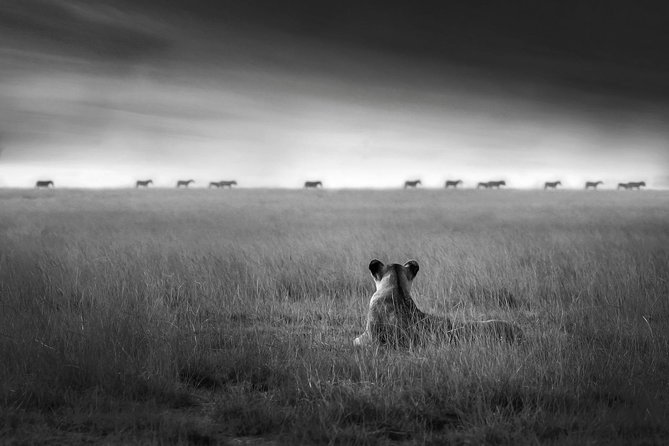
On day two you head to Serengeti National Park, with non-game time of about 3 to 4 hours on the way. The drive passes through the high-lying farmland around Karatu and the Ngorongoro Conservation Area, which is a good moment to notice how quickly Tanzania’s geography can change. Then the trip drops you into the Serengeti experience: wide plains and long sightlines that make animal sightings feel larger than life.
Once you enter the central park area, you are aiming for Seronera, described as one of the richest wildlife habitats, helped by water from the Seronera River. That detail is useful because it gives you a real reason animals gather there. When water stays available, wildlife planning stops being random, even when animals keep moving.
Arrive in time for lunch and then continue with the day’s game driving. The schedule suggests a full day of transit and viewing, not a short “taste” of the park. That is important because Serengeti rewards patience. If you only spend a few hours, you risk missing the moment when animals decide to show themselves.
One practical note from the feedback: some departures mention sleeping in tents while spending time in the Serengeti. If you are the type who needs steady comfort at night, ask your operator what lodging style to expect for your exact dates. If you are game for a more outdoors feel, tented nights can be a big part of why people remember the Serengeti so strongly.
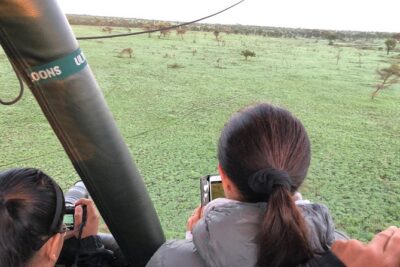
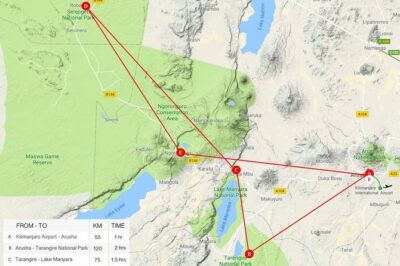
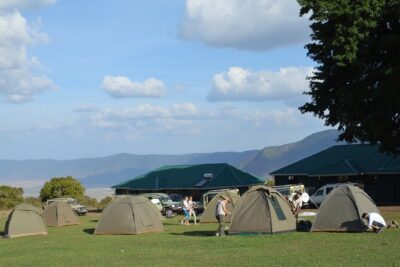
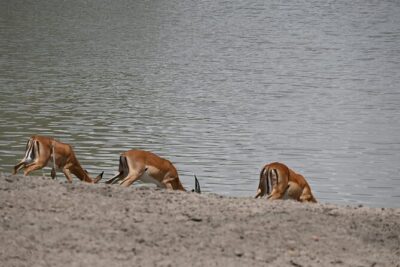
Ngorongoro Conservation Area plus Olduvai Gorge: animals and human origins in one day
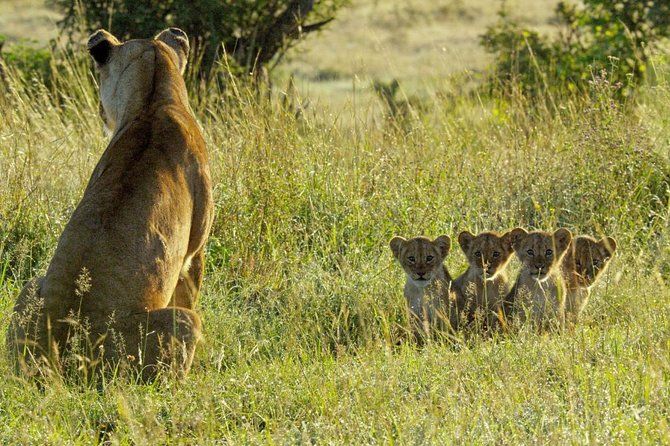
Day three combines an early game drive with a move toward the Ngorongoro Conservation Area, plus a stop at Olduvai Gorge. Olduvai Gorge is not thrown in as a quick bathroom break. The itinerary frames it as a site tied to major discoveries by Drs. Lois and Mary Leakey, including fossils and evidence associated with early human evolution. That’s a rare combo on a safari: you get big-cat odds and then, hours later, you are learning how humans have deep roots here.
The driving rhythm matters. You start early, catch wildlife when visibility is best, then head out for the gorge learning stop. Late afternoon, you transfer to Ang’ata Tented Lodge for dinner and overnight. The wording and accommodations suggest a tented lodge experience, which tends to be a highlight for people who like the feeling of being close to nature.
What to consider: combining a wildlife-heavy morning with a history-heavy afternoon means your brain will stay switched on. That’s a good thing if you like variety, but it can feel packed if you prefer downtime. Personally, I find this kind of day makes the whole trip feel more meaningful because the safari is not living in a bubble.
If you want the best results for sightings, bring a simple, realistic mindset: your guide is scouting constantly. The feedback frequently names excellent guides and drivers, including people like Eli, Andrew, Simon, and Omani, and that kind of guide skill is what turns a day into a “we actually saw a lot” day.
Into the crater on day four: the predator hunt and Lake Magadi
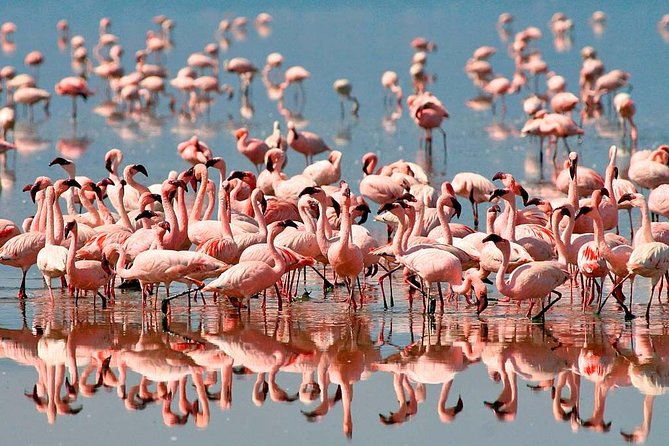
Day four brings the Ngorongoro crater experience. After an early breakfast, you descend over 600 meters into the crater to look for wildlife. This is one of the reasons Ngorongoro works so well for short safaris. The crater concentrates animals, supported by year-round water supply and fodder. That concentration boosts your chances compared to parks where everything is scattered across wide distances.
The itinerary lists animals you may see, including wildebeest, zebra, buffalo, eland, warthog, hippo, and giant African elephants. It also calls out predators: lions, hyenas, jackals, cheetahs, and the ever-elusive leopard. Leopard sightings can depend on timing and patience, and your best tool is a sharp spotter, which is where the guides in this group earn their praise.
The day also includes a visit to Lake Magadi, described as a large but shallow alkaline lake in the southwestern corner of the crater. That part is practical and scenic. Lakes pull animals in and give you a different kind of wildlife viewing than the grass plains. Even when you are not tracking a specific animal, you usually get the sense of the ecosystem working around water.
A possible consideration: this day is likely your most intense driving for spotting. If you are prone to motion sickness or you want long, relaxed breaks, plan to manage that with breaks and water. Your guide will help pace the day, but Ngorongoro is a place where the best sightings often happen while you are still “on the hunt.”
Guides, small group size, and the service style you feel every day
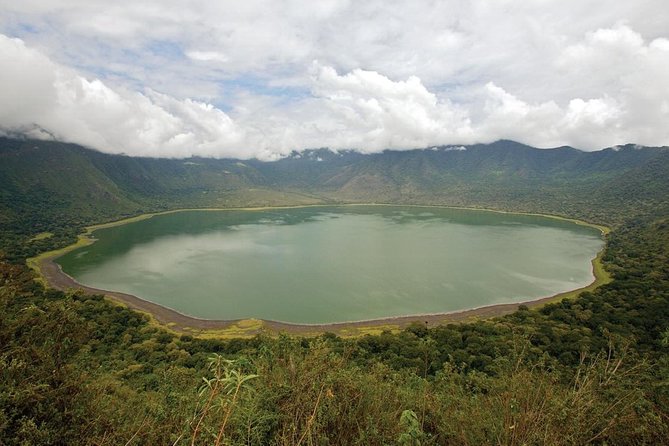
This tour runs with a maximum group size of 15 travelers, and that matters more than it sounds. In a smaller group, your guide can react faster. You are also less likely to get stuck waiting for ten other people to finish photos before moving to the next spot.
You’ll also feel the value of having a professional guide and driver throughout the safari, not a “swap crew” schedule. Multiple feedback comments credit guides with actively working to find animals and adjusting when sightings happen. Names that show up in the feedback include Eli and Omani for spotting skills, and Simon and Andrew for keeping the drive productive. Cooks get praise too, including Gidi, Issa, and Tito for meal quality.
Food is not a minor detail on safari. It influences your energy for game drives, and it also sets the tone for how relaxed you feel. One review highlights delicious food across the route, and the recurring cook mentions suggest this operator takes meals seriously for the budget end of safari travel.
Where you might want to pay attention: the tour is run as a group experience. If you want a fully private safari with total control over timing, you may find the shared pace less flexible. Still, the consistent praise for communication and problem solving suggests the group format is handled well.
Price and value: $1,700 buys less stress than you might expect
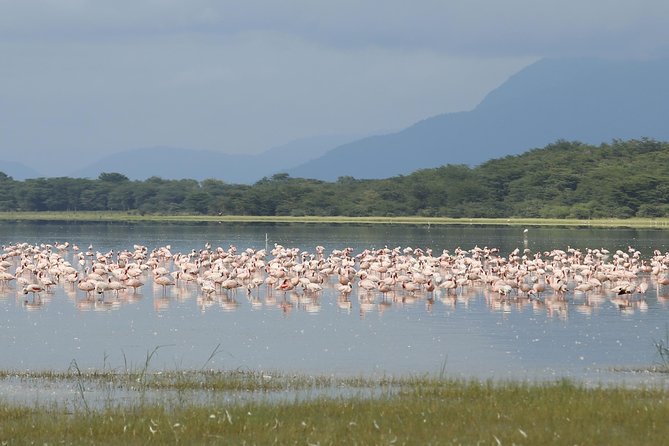
Let’s talk money in a way that actually helps you decide. At $1,700 per person for roughly four days, you are paying for more than “a safari.” You are covering private transportation, all fees and taxes, game driving, a professional guide, and a full set of meals (breakfast, lunch, dinner). Admission tickets are included too, which removes another common DIY headache.
What is not included is tips. That is normal for group safari operations, but it helps to factor it into your budgeting. Also, because this is an all-inclusive package, you should check what drinks are covered versus what is not, since the provided details only list meals and accommodation, not beverages.
For value, the key question is this: does your time get protected? If you are paying for transport and fees up front, you lose less time and less energy. And from the feedback, the overall service quality seems to land in the “good value for the money” zone, including lodging coordination and meals.
If you are comparing against other safari options, I’d focus on what you get included, not only the headline price. A cheaper safari that adds major costs later can quickly turn into a more expensive day-by-day grind.
What the itinerary feels like in real time, day by day
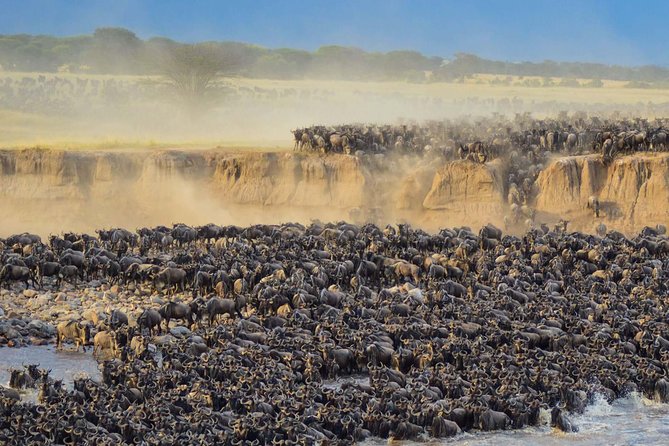
Here’s how the schedule plays in your body, not just on paper.
Day one is your travel and first wildlife hit. You start with breakfast, stop in Arusha Town, then roll into Tarangire for a game drive plus picnic lunch. You finish at Marera View Lodge for dinner and overnight.
Day two is your shift into Serengeti. You travel through Karatu and the Ngorongoro Conservation Area, descend into Serengeti, and aim for the Seronera area with lunch after arrival. Then you keep game viewing going for the day. Lodging is included, and feedback notes tent-style nights during Serengeti time for some departures.
Day three starts early with a game drive in the Ngorongoro area, then you go to Olduvai Gorge for the Leakey-connected human evolution learning stop. You end day three at Ang’ata Tented Lodge for dinner and overnight.
Day four is crater viewing and final wildlife odds. After breakfast, you descend into the crater for wildlife, then head to Lake Magadi. You wrap the day back toward Arusha.
One more practical point: the distances are not huge, but you are driving for hours. Plan for that. A safari does not feel like a train ride, it feels like a moving search. That is why your guide and driver behavior matters, and why small-group logistics help.
Packing and comfort tips for a safari that runs hard
You are going to spend long hours in the vehicle, so pack for practicality. Bring neutral clothing in earth tones, a hat that can handle sun, and sunglasses. If you have a sensitive stomach, keep water and small snacks ready before long non-game driving segments.
Layering helps because mornings can feel cooler before the day heats up. Also, if your nights are tented, treat them like outdoors lodging. That means a light sleeping layer, plus anything you personally need for sleep quality.
For wildlife viewing, remember that the best photos often require patience rather than constant camera firing. If your guide suggests a still moment, take it. Those quiet windows often produce the most natural-looking sightings.
Finally, since tips are not included, think about how you want to handle that before you go. Having a clear plan keeps the end of the safari smooth.
Should you book this 4-day Tanzania safari?
If you want a well-paced first safari that covers Tarangire elephants, Serengeti plains, Olduvai Gorge history, and Ngorongoro crater wildlife, this route makes sense. The combination of parks is strong, and the inclusions help protect your time and energy. I also like that the group size is limited, because it supports better guiding and faster decisions when animals appear.
Book it if you are flexible about lodging comfort and you know you are buying a wildlife-focused experience, not a luxury resort weekend. Skip it or ask tougher lodging questions if you need very high comfort standards at night, since tent-style lodging can be basic.
If you are the type who cares about seeing animals in the right places, with guides who actively work for sightings, this is a solid choice for your budget. With the names and praise around guides like Eli, Andrew, Simon, and Omani, and cooks like Gidi and Issa, you can expect the safari to feel cared for, not just packaged.
Longer Trips Through the North
- Tanzania Classic – 7 Days
★ 5.0 · 1,151 reviews - 7-Day Premium Luxury Tanzania Safari All-Inclusive
★ 5.0 · 426 reviews - Tanzania Wildlife Encounters – 6 Days
★ 5.0 · 277 reviews - Group Safari 7 Days in Tanzania’s Main Parks
★ 5.0 · 240 reviews - 4 Days Join Group tour Tarangire Serengeti and Ngorongoro crater
★ 5.0 · 219 reviews
Just added from around Arusha
Multi-Day Northern Circuit Safari Packages, compared.
 ★ 5.07-Day Premium Luxury Tanzania Safari All-InclusiveFrom $4,840426 reviews
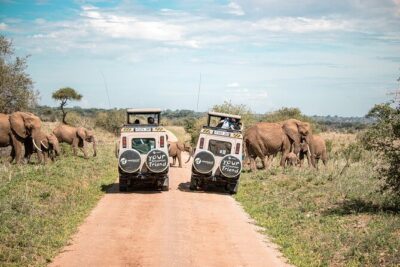 ★ 5.0Tanzania Wildlife Encounters – 6 DaysFrom $3,413277 reviews
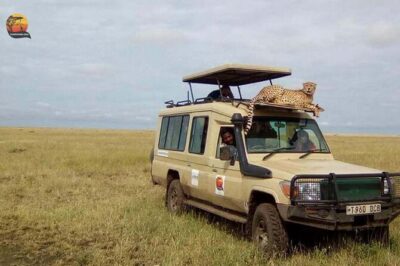 ★ 5.0Group Safari 7 Days in Tanzania’s Main ParksFrom $3,000240 reviews
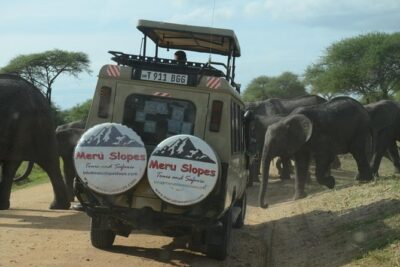 ★ 5.04 Days Join Group tour Tarangire Serengeti and Ngorongoro craterFrom $1,090219 reviews
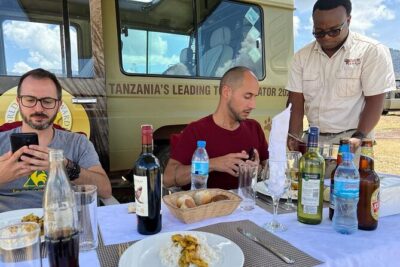 ★ 5.05-Day Private Northern Tanzania Safari from ArushaFrom $2,780182 reviews
 ★ 5.05 Days Best of Tanzania Luxury Safari Northern CircuitFrom $3,744174 reviews
 ★ 5.08 Day Spectacular Migration Serengeti mid -Range Tanzania SafariFrom $4,257161 reviews
 ★ 5.0Multi-Day Tanzania Odssey Safari from ArushaFrom $4,164120 reviews
Browse the lists this tour appears in