
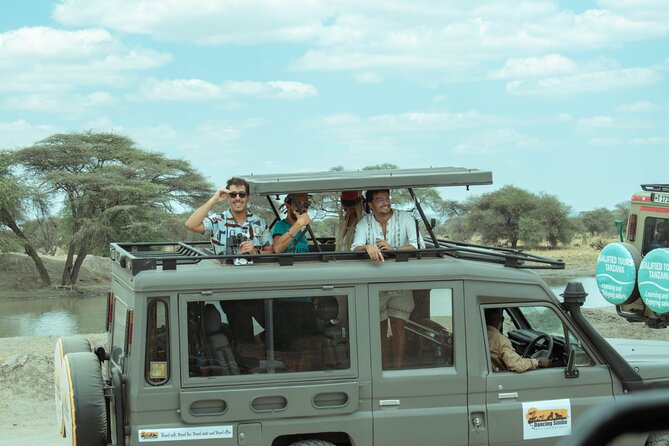
REVIEW · NGORONGORO CRATER SAFARIS
4 Days lodge safari Tarangire , Ngorongoro crater & Walking
Three days chasing animals, one day on foot. This is a compact lodge safari that mixes iconic parks with real village moments, from Materuni Waterfalls to a coffee tour, and then down into Ngorongoro Crater. I especially liked how the days are built around wildlife that actually changes, elephants and baobabs in Tarangire, then predator chances in the crater, and I also liked the hands-on add ons like swimming at Chemka and the Maasai chief visit. One drawback to plan around is the early starts and long driving days, so bring patience for the road.
I also appreciate that the tour keeps the group small (max 6), which matters on safari when you want your guide to notice what you notice. If you like seeing animals plus learning how people live around the parks, this route hits that balance.
Key things to know up front: the price includes several meals and your arrival night in Arusha, but tips are not included. So if you’re budgeting for Tanzania, factor that in from day one.
In This Review
- Key highlights worth packing your expectations with
- What you’re really booking in 4 days from Arusha
- Day 1 on Kilimanjaro slopes: Materuni Waterfalls, coffee tour, and Chemka
- Tarangire National Park game drives: elephants, baobabs, and a real picnic
- Ngorongoro Crater: descending over 600 meters for dense wildlife and predator chances
- Mto wa Mbu walking safari and Maasai chief visit near Lake Manyara
- How meals, lodges, and included extras affect your budget
- Guide names that show up, and why that matters for your game drives
- Price and value check for a Tarangire plus Ngorongoro circuit
- When to go and what to pack for swimming and walking
- Should you book this 4-day Tarangire, Ngorongoro, and walking safari?
- FAQ
- What parks and activities are included in this 4-day safari?
- Is pickup from Arusha or Moshi included?
- How big is the group?
- Are meals included in the price?
- Where is accommodation included?
- Are park fees and crater service included?
- Do I need to pay tips?
- What happens if weather is poor?
- What is the cancellation window?
Key highlights worth packing your expectations with
- Materuni Waterfalls at 2,500m with a local guide, plus time to swim and then a coffee tour
- Chenka Hot Springs swim in a natural pool where small fish may nibble while you soak
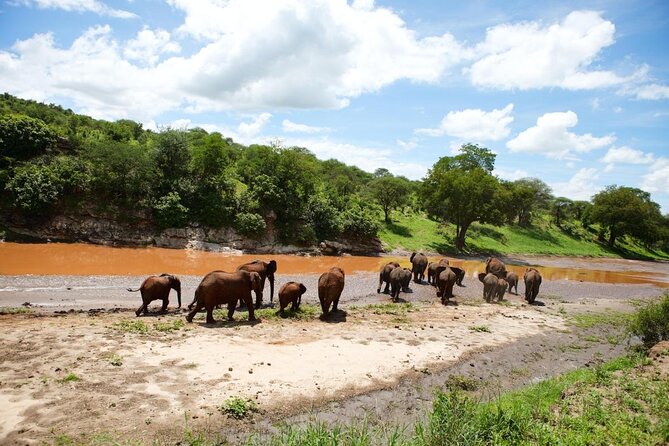
- Tarangire’s elephant numbers and baobab scenery paired with a game drive and a picnic lunch inside the park
- Ngorongoro Crater descent over 600m to see wildlife that gathers where water and fodder are available
- Mto wa Mbu walking safari and Maasai chief visit, including singing, dancing, traditional clothes, and food tasting
- Value add on arrival day: bed and breakfast in Arusha, plus drinks during the safari days
Other ways down into the Ngorongoro Crater
- 3 Days Serengeti & Ngorongoro Group Camping Safari★ 5.0 · 574 reviews
- 5 Days Camping Tarangire, Serengeti & Ngorongoro crater & Visiting Maasai★ 5.0 · 229 reviews
- 4 Days Join Group tour Tarangire Serengeti and Ngorongoro crater★ 5.0 · 219 reviews
- 4-Day Safari from Arusha: Tarangire, Serengeti and Ngorongoro★ 5.0 · 173 reviews
What you’re really booking in 4 days from Arusha
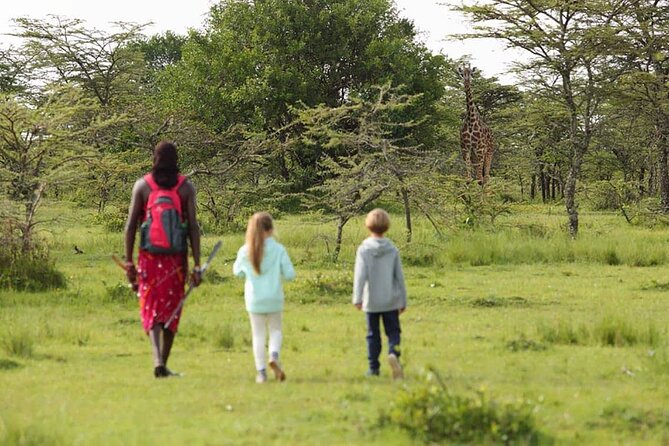
This is a route built for momentum. You base yourself in the Arusha area, then you move into Tarangire and Ngorongoro with a safari Jeep, before finishing with a walking day near Lake Manyara. The pacing is tight, but the payoff is that you get multiple “worlds” without having to change your travel rhythm constantly.
You can expect a classic safari structure: a morning push, a midday pause for lunch, and then more wildlife time in the afternoon (timing shifts based on where animals are and what the day brings). You’re not sitting in one place hoping for luck. Your guide drives around to locate animals, including at water sources like the Tarangire River.
The practical part matters, too. The group size is capped at 6, and pickup is offered. That combination usually means less chaos at the stops and more chance for your guide to adjust the route to your interests and questions.
One more thing I’d highlight is the way the tour includes activities beyond “park gates and binoculars.” Materuni and Chemka give you a break from the safari rhythm, and the Mto wa Mbu day includes walking and cultural interaction with a Maasai chief. If you want a Tanzania trip that feels lived-in, not just photographed, that mix is a big reason this itinerary works.
Day 1 on Kilimanjaro slopes: Materuni Waterfalls, coffee tour, and Chemka
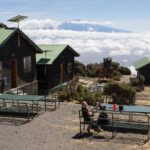
Day 1 is your altitude intro and your “Tanzania senses” day. You get picked up in Arusha or Moshi, then you head to Materuni Waterfalls at about 2,500 meters. That elevation can feel cool and crisp compared with town, so treat it like a small climate change.
On the way, you explore the slopes of Mount Kilimanjaro with a local guide who points out things like birds, chameleons, and the farm mix of coffee and banana trees. Then you arrive at the falls and get time to swim in the clean pool. If you bring a swimsuit and something you don’t mind getting wet, this part can turn into one of your trip memories for all the right reasons.
After that, you walk back to the village for a coffee tour. It’s a small but meaningful transition from scenery to how people actually earn a living in the region. And it continues straight into the hot springs.
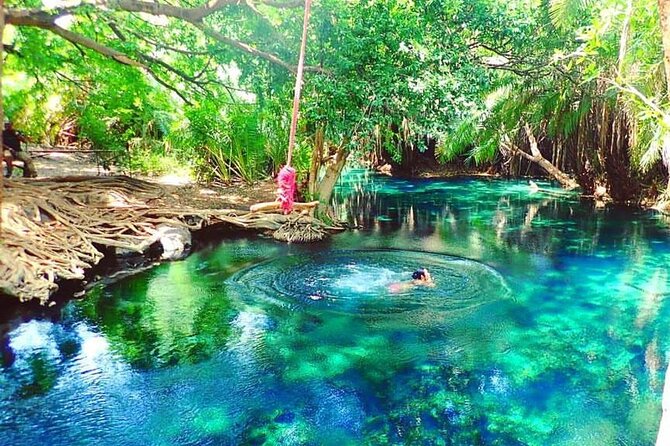
Next stop is Chemka Hot Springs, where you swim in a natural pool with small fish in the water. You also get drinks while swimming. This is a rare moment where the day stops being about wildlife and becomes about your body cooling down and relaxing. At night, you drive back to Arusha and stay at Karibu Heritage Lodge.
What to consider on this day: it’s not a quick sightseeing shuffle. You’re mixing walking, swimming, and rural paths. You’ll enjoy it most if you’re comfortable with a full activity day, not just “sit in the car and look out.”
Tarangire National Park game drives: elephants, baobabs, and a real picnic
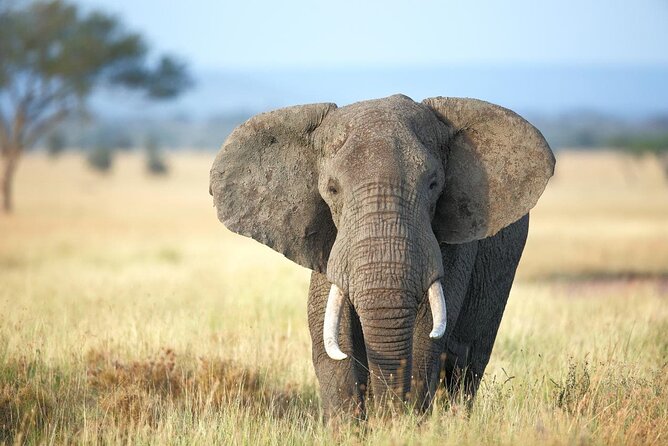
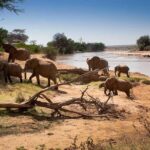
Tarangire is a strong choice for a 4-day plan because it’s built around a few signature sights. Elephants dominate the story here, and baobabs bring that unmistakable acacia-savana feel. The itinerary specifically emphasizes Tarangire’s annual migratory cycle pattern and mentions up to 3,000 elephants and huge numbers of wildebeest and zebra within the larger cycle.
Once you’re in the park, you’re on a game drive by safari Jeep, guided with lots of park information along the way. This isn’t just driving past animals. Your guide is trying to put you where the action is, including at the Tarangire River, where animals come to drink.
Lunch is handled as a picnic lunch inside the park. That sounds simple, but it’s a big quality-of-life detail. Rather than rushing back out of the park to find food, you keep your day rhythm and stay in wildlife time.
One practical upside of Tarangire in this particular itinerary is that it sets you up for contrast. By the time you get to Ngorongoro Crater, you’ll be used to the big scenery and the Jeep pace. Then the crater changes everything, because visibility and animal density feel completely different.
The consideration: if you’re hoping for a very late start style safari, Tarangire might not fit. Safari days here are typically driven by animal movement and light, so you’ll want to be ready when the schedule calls.
Tarangire again, with different operators
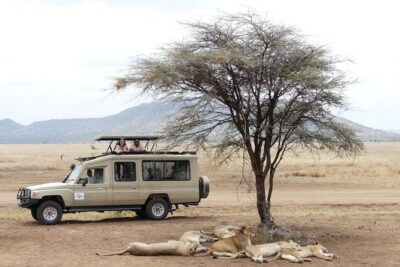
Ngorongoro Crater: descending over 600 meters for dense wildlife and predator chances
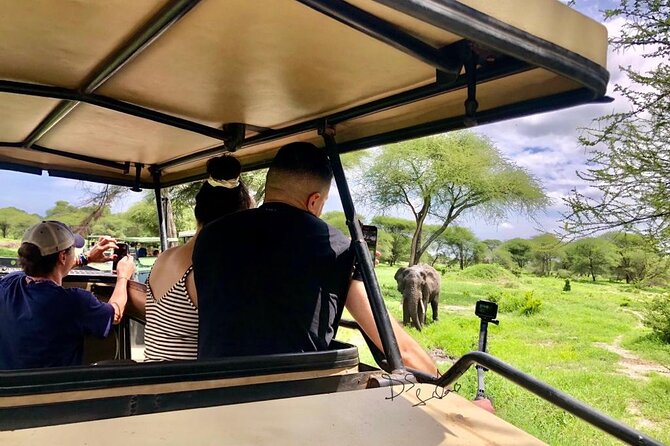
Day 3 is the centerpiece. You drive to Ngorongoro Crater after breakfast and then descend over 600 meters into the crater. That steep drop matters because it changes the ecosystem inside the bowl. The itinerary notes a year-round supply of water and fodder, and that’s why wildlife concentrates there.
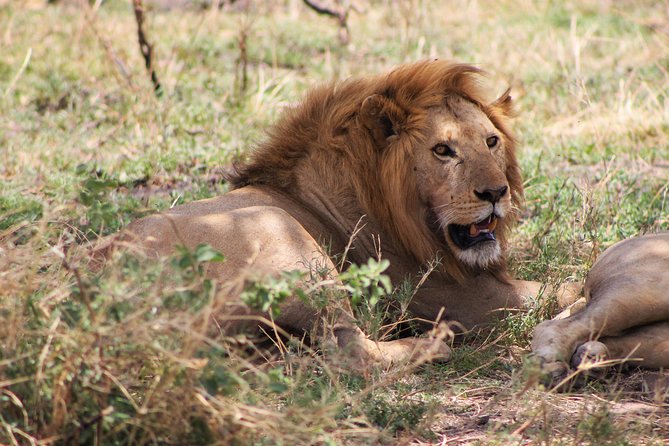
You’ll likely see herds of wildebeest, zebra, buffalo, antelope, warthog, hippo, and giant African elephant. The mix is part of what makes Ngorongoro a “once you’ve seen it, you get it” location. It doesn’t feel like random scatter. It feels like a busy meeting place.
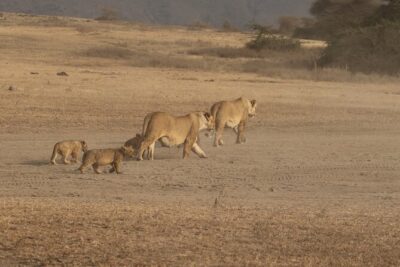
Then there’s the predator angle. The itinerary calls out predators including lion, hyena, jackal, cheetah, and the ever-elusive leopard. This is also where a sharp guide matters, because spotting a leopard can depend on your patience and your ability to read the terrain. The crater can offer long animal sightings, but the leopard moments are the ones you may have to wait for.
You also visit Lake Magadi, described as a large and shallow alkaline lake in the southwest corner of the crater. That stop helps break up the drive and gives you another distinctive setting inside the crater ecosystem.
What I like about this day as a traveler: it’s structured for variety within one location. You’re not repeating the exact same sight loop. You descend, you scan for different animal types, and you include a specific crater feature with Lake Magadi.
The key consideration is simple: crater wildlife depends on conditions like sightings and visibility. If you’re the type who panics when you don’t see a specific animal on schedule, plan to stay flexible and trust your guide to shift your viewing time to what is actually happening that day.
Mto wa Mbu walking safari and Maasai chief visit near Lake Manyara
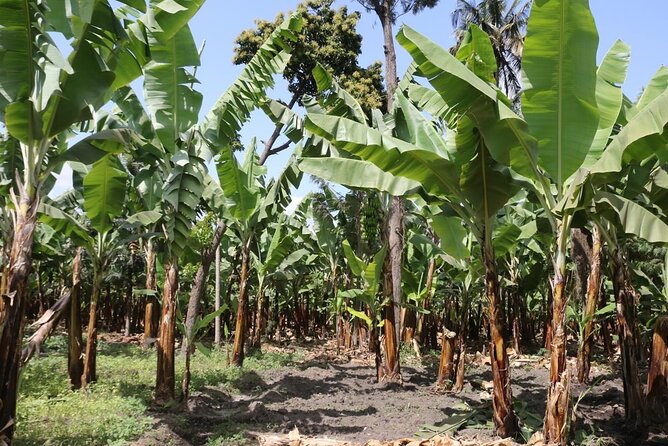
Day 4 shifts gears on purpose. You start early, you drive up toward the Rift Valley viewpoint area, and you do a walking safari around Mto wa Mbu, which is close to Lake Manyara National Park. The tour highlights sunrise views over Lake Manyara, and your early start is your best bet for that softer light.
This day is about people and farms as much as it is about nature. You walk through banana, coffee, and rice farms with information from your local guide. You also get a Maasai visit where you learn about lifestyle from the chief of the village, and you can ask questions. The experience includes dancing and singing, and you can try traditional clothes. There’s also traditional food tasting on this day, plus biking close to the manyara area.
If you like safari that feels connected to local life, this is the part that usually sticks with people. It’s not a “look from the car” stop. You’re walking, talking, and joining the cultural moments. That said, it can also be the most emotionally intense day, because you’re meeting someone face to face, not just watching animals at a distance. Go in with respect and curiosity.
The consideration: this is not a pure rest day. Walking is involved, and biking is included, so you’ll want comfortable shoes and a calm attitude toward uneven terrain and small village realities.
How meals, lodges, and included extras affect your budget
This tour is priced at $720 per person for about 4 days. The value question here is not just the headline rate. It’s what’s included and what it prevents you from having to pay for separately.
Included items cover all fees and taxes, and there’s a specific mention of crater service included. You’re also covered with meals across the days: 4 breakfasts, 4 lunches, and 3 dinners. There’s also water and beers mentioned, which is a practical inclusion for long safari days.
The itinerary also includes free accommodation on your arrival day in Arusha with bed and breakfast. That matters because many safari packages force you to figure out a separate hotel the night before you start driving. Here, you’re already sorted.
The one thing not included is tips. That’s common, but you should still budget for it. If you plan to tip, decide your range before you go so you don’t end up guessing in the moment.
Also, small details matter for comfort. The tour uses a safari Jeep, and it lists drinking water. That reduces the “forgot to buy something” stress that can hit during long days.
Guide names that show up, and why that matters for your game drives
Wildlife spotting is not only about luck. Your guide’s scanning, animal knowledge, and decision-making affect your day. In the feedback I reviewed, certain guide names show up repeatedly, including Michael, Joseph, Procous, and Lucqs. People also credit David for organizing and handling trip details smoothly.
Here’s what that suggests for you: you’re likely to get more than basic driving. You should get explanations of park behavior and what you’re looking at. That matters especially for predator chances in Ngorongoro and for understanding elephant movement patterns in Tarangire.
Group size also ties in. With a max of 6 travelers, your guide can spend more time responding to questions and adjusting viewing stops. If the group were bigger, you’d lose some of that attention.
One more practical note: the tour offers pickup and uses a mobile ticket. That reduces friction when you arrive in Tanzania, especially if you’re trying to coordinate a tight itinerary with limited time.
Price and value check for a Tarangire plus Ngorongoro circuit
At $720 for 4 days, this sits in a mid-range bracket for a route that includes two major safari parks and a crater day plus cultural and swimming stops. What makes it feel more reasonable is the mix of included costs: safari Jeep access, multiple meals, arrival night accommodation in Arusha, and listed inclusions like water and beers.
Where you might feel the cost is in the timing. This is a route that works best when you can commit time. If your schedule forces you into rush travel, you’ll feel it in fatigue. But if you have 4 solid days, the route is efficient.
Also consider what your alternative usually looks like. If you try to “DIY” this combo, you pay in time, planning stress, and often in separate lodging and meal costs. Here, the structure is already assembled for you, so you can focus on being present.
Finally, consider season and luck. Even with a great guide, wildlife viewing changes day to day. This itinerary includes strong odds by visiting Tarangire and then concentrating in Ngorongoro, where water and fodder keep animals around. That’s a smarter strategy than bouncing randomly between areas.
When to go and what to pack for swimming and walking
The itinerary explicitly includes swimming at Materuni Waterfalls and at Chenka Hot Springs. So bring a swimsuit and a towel if your packing style expects you to dry off afterward.
Walking is part of Day 4 in Mto wa Mbu, and biking is included. Bring comfortable shoes you can walk in on uneven ground. Also bring a light layer for early morning and for higher elevation days, since Materuni sits at about 2,500 meters.
This is also a weather-sensitive safari. If conditions are poor, the experience may shift to a different date or be refunded. That’s why it helps to have some flexibility in your travel plan even if you book early.
If you’re sensitive to cold mornings, you might want to layer up for the start of the day. If you’re not, still pack something light for comfort because safari mornings can feel cooler than you expect.
Should you book this 4-day Tarangire, Ngorongoro, and walking safari?
I’d say book it if you want a tight itinerary that still feels human. You get Tarangire’s elephants and baobabs, then the crater’s wildlife density, plus a day on foot in Mto wa Mbu and real cultural interaction with the Maasai chief. I also like that the tour is built for small groups and includes a lot of meals and your arrival night.
Skip it if you hate early mornings, or if you need a vacation day that is mostly resting. This route is active, and you should go in expecting driving time and walking time.
If you can handle a full day of activities on Day 1 and another active day on Day 4, this is a very solid way to experience Northern Tanzania without stretching your schedule too thin.
FAQ
What parks and activities are included in this 4-day safari?
You visit Tarangire National Park and Ngorongoro Crater, and you also do a walking safari around Mto wa Mbu near Lake Manyara. On top of the wildlife days, you go to Materuni Waterfalls, a coffee tour, and Chenka Hot Springs where swimming is included.
Is pickup from Arusha or Moshi included?
Pickup is offered, and the tour is described as picking you up from your hotel in Arusha or Moshi for the Materuni day.
How big is the group?
The tour has a maximum of 6 travelers, which can help keep things organized during drives and walks.
Are meals included in the price?
Yes. The package includes 4 breakfasts, 4 lunches, and 3 dinners, plus drink water and beers are listed as included.
Where is accommodation included?
Accommodation is included for your arrival day in Arusha on a bed and breakfast basis. The itinerary also mentions returning to Karibu Heritage Lodge in Arusha after Day 1.
Are park fees and crater service included?
All fees and taxes are included, and crater service is also listed as included.
Do I need to pay tips?
Tips are not included. The only explicit non-included item listed is tips.
What happens if weather is poor?
The experience requires good weather. If it is canceled due to poor weather, you’ll be offered a different date or a full refund.
What is the cancellation window?
You can cancel up to 24 hours in advance for a full refund. If you cancel less than 24 hours before the start time, the amount paid is not refunded.
More Lodge Safaris
- 7-Day Premium Luxury Tanzania Safari All-Inclusive
★ 5.0 · 426 reviews - 5-Day Highlights mid-Range Crater, Serengeti, Tarangire
★ 5.0 · 296 reviews - Private 6-Day Tarangire Manyara Crater and Serengeti with Mid-Range Lodges
★ 5.0 · 238 reviews - 5 Days Best of Tanzania Luxury Safari Northern Circuit
★ 5.0 · 174 reviews - 5-Day Private midrange Tour in Arusha with Airport Pickup
★ 5.0 · 160 reviews
Tarangire and Its Baobabs
- 5-Day Highlights mid-Range Crater, Serengeti, Tarangire
★ 5.0 · 296 reviews - Private 6-Day Tarangire Manyara Crater and Serengeti with Mid-Range Lodges
★ 5.0 · 238 reviews - 5 Days Camping Tarangire, Serengeti & Ngorongoro crater & Visiting Maasai
★ 5.0 · 229 reviews - 4 Days Join Group tour Tarangire Serengeti and Ngorongoro crater
★ 5.0 · 219 reviews - 4-Day Safari from Arusha: Tarangire, Serengeti and Ngorongoro
★ 5.0 · 173 reviews
Still Thinking About the Crater?
- 3 Days Serengeti & Ngorongoro Group Camping Safari
★ 5.0 · 574 reviews - 5 Days Camping Tarangire, Serengeti & Ngorongoro crater & Visiting Maasai
★ 5.0 · 229 reviews - 4 Days Join Group tour Tarangire Serengeti and Ngorongoro crater
★ 5.0 · 219 reviews - 4-Day Safari from Arusha: Tarangire, Serengeti and Ngorongoro
★ 5.0 · 173 reviews - 2 Days Tarangire and Ngorongoro Group Camping Safari
★ 5.0 · 146 reviews
Just added from around Arusha

Ngorongoro Crater Safaris, compared.
 ★ 5.03 Days Serengeti & Ngorongoro Group Camping SafariFrom $815574 reviews
 ★ 5.0Safari Serengeti And NgorongoroFrom $2,845288 reviews
 ★ 5.05 Days Camping Tarangire, Serengeti & Ngorongoro crater & Visiting MaasaiFrom $1,254229 reviews
 ★ 5.04 Days Join Group tour Tarangire Serengeti and Ngorongoro craterFrom $1,090219 reviews
 ★ 5.04-Day Safari from Arusha: Tarangire, Serengeti and NgorongoroFrom $1,753173 reviews
 ★ 5.02 Days Tarangire and Ngorongoro Group Camping SafariFrom $550146 reviews
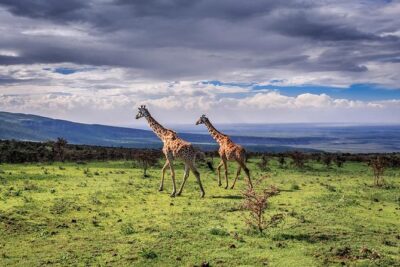 ★ 5.04 Days Tarangire Serengeti Ngorongoro CraterFrom $900117 reviews
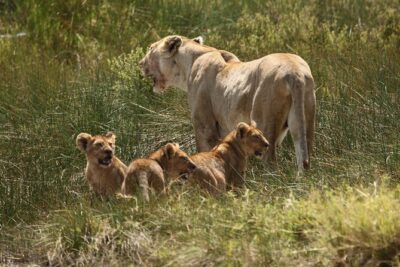 ★ 5.03 Days Tarangire, Ngorongoro & Lake Manyara Group Camping SafariFrom $700102 reviews
Browse the lists this tour appears in