
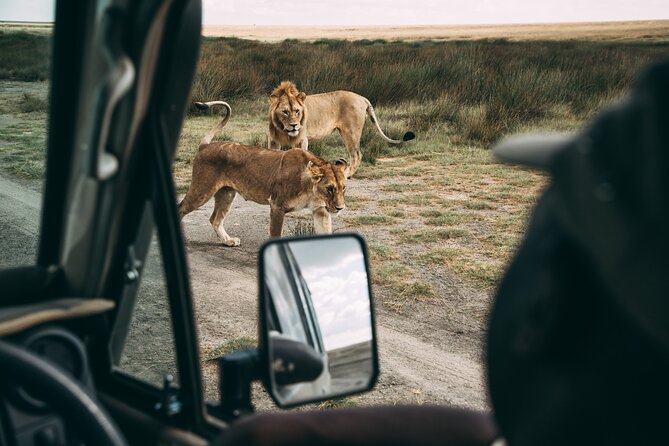
REVIEW · SERENGETI NATIONAL PARK SAFARIS
4 Days Lodge Safari in Lake Manyara, Serengeti & Ngorongoro Crater
Three parks, four days, big wildlife energy. This northern circuit safari zips from Lake Manyara to Serengeti and down into Ngorongoro Crater, with early starts and enough time to chase different animal vibes. If you end up with a guide like Musa, you get the kind of on-the-spot coaching that turns random sightings into real sightings.
I like two things a lot. First, the route covers multiple ecosystems fast, so you are not stuck with one type of wildlife. Second, the day structure is built around morning game drives, when animals are more active and your chances improve. Past guests highlight how guides like Musa, Endrick, Alex, and Otto or Roger help you find animals before you do.
One possible drawback to plan for: the schedule is tight, so driving time is real. Also, the basics included are food, not drinks, so you will want to budget for beverages and tips.
In This Review
- Key details that matter before you go
- A Fast Route Through Tanzania’s Northern Circuit
- Day 1 in Lake Manyara: Flamingos and Tree-Clan Cats
- Day 2 in Serengeti: Kopjes, Predator Chances, and Migration Timing
- Day 3 to the Crater Rim: Seronera Wildlife and Two Game Drives
- Day 4 in Ngorongoro Crater: Your Big Five Window
- Price and Value: What $2,375 Really Covers
- Guides and Service That Make the Difference on Safari
- Small Planning Tips for a Smoother 4 Days
- Should You Book This 4-Day Lodge Safari?
- FAQ
- What parks are included in the 4-day safari?
- Where does the safari start and end?
- What time does the safari start?
- How long is the safari?
- What meals are included?
- Are drinks included?
- What is the cancellation policy?
Key details that matter before you go
- Lake Manyara birdlife, with the lake area known for pink flamingos and hundreds of bird species
- Serengeti variety, from short grass plains to swamps and kopjes where predators often show up
- Ngorongoro crater-rim strategy, with sunrise viewing plus another drive before you go down
- A practical Big Five window, since the crater concentrates wildlife in a small area
- Meal planning that works, with breakfast, lunch, and dinner included during the safari days
- Guides you will actually remember, with names like Musa, Endrick, Rama, Mark, Otto, Roger, Alex, and Moses appearing in strong guest feedback
More of the Serengeti, drive by drive
- Balloon Safari & Bush Breakfast in Serengeti – Miracle Experience★ 5.0 · 1,646 reviews
- 3 Days Serengeti & Ngorongoro Group Camping Safari★ 5.0 · 574 reviews
- 5-Day Highlights mid-Range Crater, Serengeti, Tarangire★ 5.0 · 296 reviews
- 3-Day Classic Serengeti Safari★ 5.0 · 263 reviews
A Fast Route Through Tanzania’s Northern Circuit
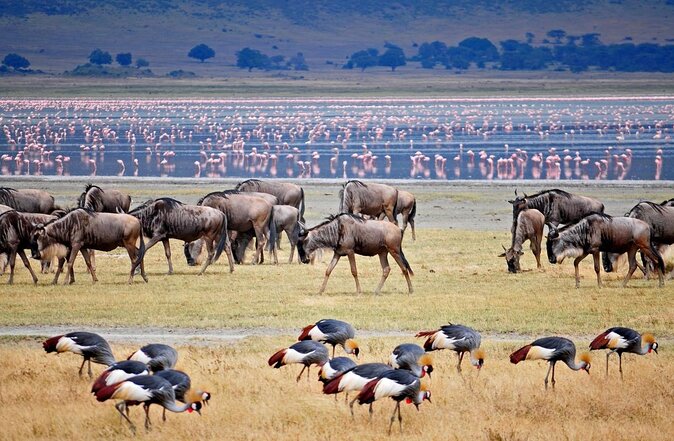
This is a classic “best hits” safari route for people who do not have a week to spare. In about four days, you cover Lake Manyara National Park, then push into the Serengeti plains country, and finish with the crater that people treat like a wildlife magnet. It is a lot of country, but the design keeps the focus on game drives, not museum stops or busy city wandering.
For value, I like that the safari bundle is built around the essentials: the days are structured for wildlife viewing, and your meals are included. That matters because safari days add up fast once you factor in food, entry fees, and the time spent moving between parks. Here, you can also take comfort from the fact that it is set up as a private safari for your group, with pickup offered from the meeting point in Arusha.
The other big plus is variety. Lake Manyara brings birds and forest-edge animals. Serengeti brings open-country predator drama and scenic kopjes. Ngorongoro is a natural amphitheater that tends to pack species close together, which is exactly what you want when time is limited.
Day 1 in Lake Manyara: Flamingos and Tree-Clan Cats
You start with a short briefing in Arusha and then head to Lake Manyara National Park. The park sits along the Rift Valley escarpment, and it is dominated by alkaline Lake Manyara. This is one of those places where the lake itself does the marketing. If conditions are right, flamingos can make the shallow waters look pink, and the whole area feels alive with water birds.
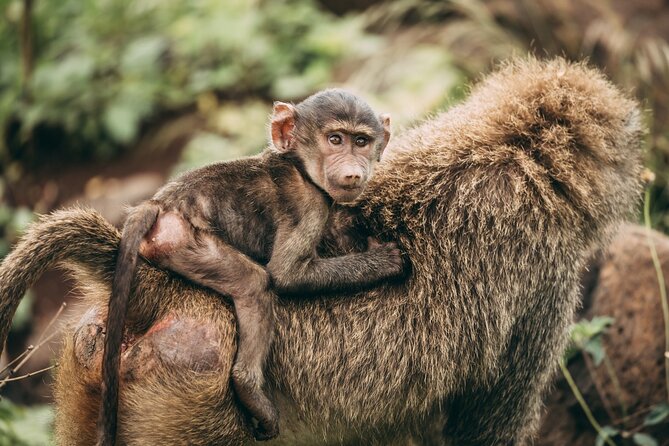
This park also mixes habitats in a way that helps your viewing stay interesting. You can go from forest patches where you may spot monkeys, to grassland zones with giraffes and antelopes, to areas where elephants are often seen around acacia trees. If your timing is lucky, you might even see Manyara lions lounging in trees, which is a different kind of “lion moment” than the flat plain style.
Logistically, Day 1 is relatively smooth on paper, about a half-day of safari time listed around six hours. That can be a good thing if you are coming off travel and want to ease into the pace instead of starting with a full marathon.
Practical tip: bring a light layer and plan for early-to-mid-morning light changes. Bird colors can shift quickly, and the best viewing often happens when you are set up and scanning patiently rather than sprinting to the next lookout.
Day 2 in Serengeti: Kopjes, Predator Chances, and Migration Timing
After breakfast, you drive toward the fertile crater highlands where the Iraqw people grow wheat, corn, and coffee. You pass the Ngorongoro area before reaching the Serengeti around midday. That means Day 2 is not just a transfer day, but it also is not a full sunrise-to-sunset marathon either. It is a practical compromise when you are squeezing three major reserves into four days.
Once you reach Serengeti, you are in Tanzania’s biggest national park, and that size matters. The park includes short grass plains, savannah, thicker bush, swamps, mountain areas, and lakes. That diversity keeps your wildlife chances from feeling repetitive. You are also dealing with kopjes, those rocky outcrops that dot the grassland and often become predator viewing points.
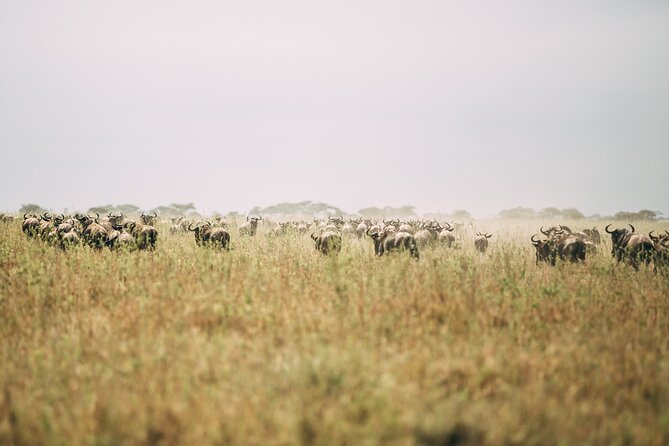
This is also where season matters. The tour description notes the migration of thousands of animals, and it points to timing around the short rainy season in November and December. If you are traveling in a migration window, the scenery and the animal energy can feel extra intense, because prey and predators are moving in rhythm with the rains.
Even if you are not in a peak migration moment, Serengeti still gives you a strong shot at seeing predators. The key is your guide’s scanning and positioning, especially around kopjes and other natural “stopping points” where animals like to converge.
Practical tip: if you care about photography, ask your guide to prioritize stable viewing spots rather than constantly driving. Serengeti roads can be bumpy, and steady stopping helps you get sharper shots.
Other ways down into the Ngorongoro Crater
Day 3 to the Crater Rim: Seronera Wildlife and Two Game Drives
Day 3 starts with dawn. You head out early for an early morning game drive, then return for breakfast before heading out again for another drive. This two-drive structure is one of the best ways to make limited days feel fuller, because you are targeting two activity windows instead of one.
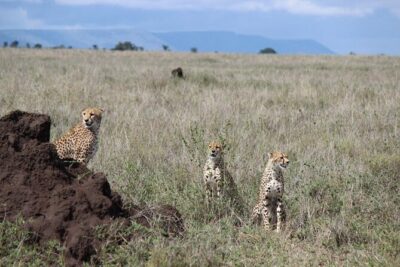
The focus here includes the Seronera region, which is where you often see wildebeests and zebras close together. The important part is how often predators can appear near that prey, including lions, plus the occasional leopard or cheetah. I like this approach because it is not just about seeing animals on paper, it is about stacking chances during the hours when animals are most visible.
After a picnic lunch, you travel toward the Ngorongoro Crater rim. When you arrive, you get the views over a crater about 600 meters deep. That rim time is more than a scenic pause. It helps you understand the “stage” you are about to enter on Day 4, and it sets expectations for why the crater can deliver intense wildlife viewing fast once you go down.
Practical tip: bring a small pack for the rim portion. Even if your day was warm, crater-rim mornings can feel cooler, and you will want the ability to adjust without scrambling for bags later.
Day 4 in Ngorongoro Crater: Your Big Five Window
This is the day most people talk about after. You start with early breakfast and then descend via a steep, narrow road into Ngorongoro Crater. The crater has forested slopes at first, and then the view opens into savannah. That change in habitat happens quickly, and it can make the wildlife feel more concentrated even within the crater.
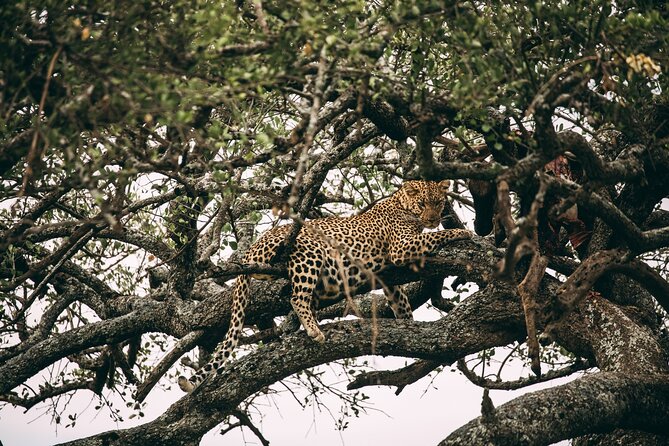
The tour information highlights that with a bit of luck, you can observe the Big Five: lion, elephant, buffalo, rhino, and leopard. You should also expect warthogs, wildebeests, zebras, and hippos, plus more than 500 bird species in the area. That list matters. It is not just about the Big Five idea, it is about having lots of chances for different kinds of sightings.
Because you only spend a few hours down in the crater, timing and positioning matter. You are going early, and you also have a picnic lunch planned while you are viewing. That keeps you out of the “hunting for food” mindset and lets you focus on animals and birds.
When the morning and lunch window ends, you leave the crater in the early afternoon and drive back to Arusha, arriving early evening. It is a full ending day, but it is also a clear finish. You know you will be back to town before late night.
Practical tip: even if you have seen lions elsewhere, keep watching. Ngorongoro can surprise you with close-up behavior and quick changes in where animals appear.
Price and Value: What $2,375 Really Covers
At $2,375 per person, this is not a budget safari. So the question is not just cost, it is what you get for that cost and how much time you save by combining three reserves in four days.
From the details provided, meals are included: breakfast is listed for three days, lunch for four days, and dinner for three days. That is a meaningful reduction in daily spending, especially on long-drive safari days where it is not fun to hunt down food or pay for it on the go.
Park admission is also shown as free for at least Lake Manyara and for parts of the Serengeti and Ngorongoro conservation side, while crater admission is included on Day 4. Those differences can affect the real total cost, and it is one reason a bundled itinerary can feel better than piecing together separate days.
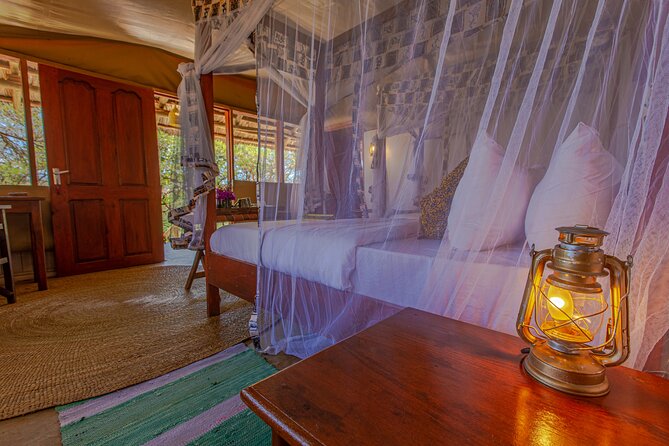
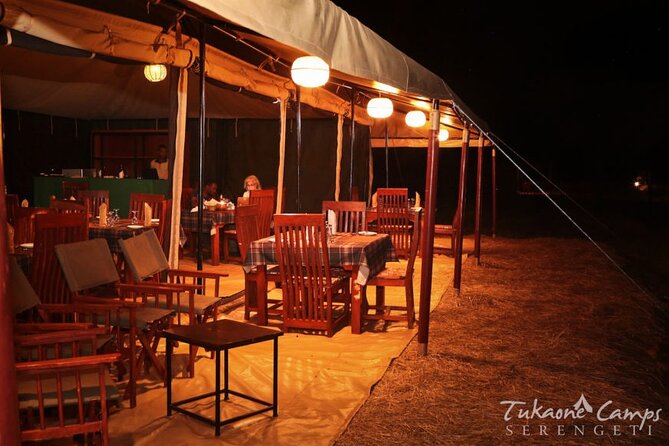
The “lodge safari” angle is supported by guest feedback that mentions stays in lodges and even a mix that can include camping. That can change the feel of the trip from purely lodge-based to more classic, outdoors-forward safari nights. If you care a lot about comfort level, confirm your exact accommodation nights when you book.
Also worth factoring in: it is set up as a private safari for your group. Private does not always mean you have a small number of vehicles, but it does mean your route planning and game drive decisions are more flexible than a typical large group bus safari.
So who is this for? If you want iconic parks fast, prefer a guided experience with strong attention to timing, and are okay paying for condensed value, this price can make sense. If you want a slower pace with lots of downtime, or you are mainly chasing only one park, you might find better value in a longer, single-park safari.
Guides and Service That Make the Difference on Safari
The standout theme from strong guest feedback is that guides matter, and this tour seems to take guiding seriously. Names that show up include Musa, Endrick, Mark, Otto, Roger, Alex, Moses, and the trip planner Rama.
Here is what that usually translates to in real life. A good guide is not just spotting animals from far away, they are also reading the situation. They know when to stop, where to look for sign, and how to move without spooking animals or wasting daylight. On safari, daylight is your currency.
Multiple notes also praise hospitality and attention to detail. That shows up as smooth transfers, timely schedules, and the kind of planning that prevents the small hassles that can pile up in remote areas. When you are moving between Lake Manyara, Serengeti, and Ngorongoro, those “small” things are actually big. They are the difference between feeling rushed and feeling guided.
The booking experience also gets credit. Rama is mentioned repeatedly for responsive planning and for putting together the itinerary in a way that fits what people wanted to see. That matters because Tanzania safaris are flexible creatures. You want an organizer who can keep things organized even when wildlife and road realities shift.
One more practical point: since Day 2 and Day 3 include midday arrivals and multiple drives, having a guide who can explain what you are seeing makes the long stretches feel shorter. Even if you are not the type to study animal facts, understanding behavior helps you track what is happening.
Small Planning Tips for a Smoother 4 Days
Even though this safari is guided, you can make it easier on yourself with a few simple moves.
Pack for changing temperatures. Mornings can feel cooler, especially before sunrise and at crater rims. Bring a light jacket you can take on and off.
Bring binoculars if you have them. The tour includes birds and animals across different habitats, and binoculars make scanning faster, especially in Serengeti open-country.
Use sun protection like it is part of your outfit. You will likely spend hours in direct light during drives and sightings.
Expect long drives. Day 2 starts around midday after getting to Serengeti, and Day 3 shifts you toward the crater rim after a game drive and picnic lunch. That is normal for this route. If you get carsick, plan ahead.
Budget for drinks and tips. The included meals cover food, not drinks, and tips are not included. If you like to have bottled water on hand, consider bringing cash so you are not hunting for it at the wrong time.
Should You Book This 4-Day Lodge Safari?
My honest take: book it if you want a focused route that hits Lake Manyara, Serengeti, and Ngorongoro Crater with a safari rhythm built around wildlife viewing. The value lives in the condensed time, the meals included, and the fact that guides like Musa and others are repeatedly praised for helping you spot animals and guiding you through the day without chaos.
I would think twice if you hate driving days, want a super relaxed pace, or you are only interested in one type of wildlife. Also, at $2,375 per person, it is worth confirming your exact lodge or camping style for your nights so you know what you are paying for in real comfort.
If your goal is iconic Tanzania wildlife in a short window, this itinerary is one of the more practical ways to do it.
FAQ
What parks are included in the 4-day safari?
You visit Lake Manyara National Park, Serengeti National Park, and the Ngorongoro Conservation Area, with time at Ngorongoro Crater on Day 4.
Where does the safari start and end?
It starts at Four Points by Sheraton Arusha, The Arusha Hotel, Fire Road, Clocktower Roundabout, Arusha, and ends back at the same meeting point.
What time does the safari start?
The start time listed is 8:00 am.
How long is the safari?
The duration is listed as 4 days (approx.).
What meals are included?
The safari includes breakfast (3), lunch (4), and dinner (3).
Are drinks included?
No. Drinks are not included.
What is the cancellation policy?
There is free cancellation. You can cancel up to 24 hours in advance of the experience for a full refund. If you cancel less than 24 hours before, the amount paid is not refunded.
Down at Lake Manyara
- Private 6-Day Tarangire Manyara Crater and Serengeti with Mid-Range Lodges
★ 5.0 · 238 reviews - 3 Days Tarangire, Ngorongoro & Lake Manyara Group Camping Safari
★ 5.0 · 102 reviews - 3 Days Private Safari – manyara, Ngorongoro & Tarangire
★ 5.0 · 94 reviews - 05 Days Tarangire, Serengeti, Ngorongoro and Lake Manyara
★ 5.0 · 54 reviews - 5 Days 4 Nights Tarangire, Serengeti , Ngorongoro & Manyara Wildlife Safari
★ 5.0 · 40 reviews
Still Thinking About the Crater?
- 3 Days Serengeti & Ngorongoro Group Camping Safari
★ 5.0 · 574 reviews - 5 Days Camping Tarangire, Serengeti & Ngorongoro crater & Visiting Maasai
★ 5.0 · 229 reviews - 4 Days Join Group tour Tarangire Serengeti and Ngorongoro crater
★ 5.0 · 219 reviews - 4-Day Safari from Arusha: Tarangire, Serengeti and Ngorongoro
★ 5.0 · 173 reviews - 2 Days Tarangire and Ngorongoro Group Camping Safari
★ 5.0 · 146 reviews
The Serengeti, Three More Ways
- Balloon Safari & Bush Breakfast in Serengeti – Miracle Experience
★ 5.0 · 1,646 reviews - 3 Days Serengeti & Ngorongoro Group Camping Safari
★ 5.0 · 574 reviews - 5-Day Highlights mid-Range Crater, Serengeti, Tarangire
★ 5.0 · 296 reviews - 3-Day Classic Serengeti Safari
★ 5.0 · 263 reviews - Private 6-Day Tarangire Manyara Crater and Serengeti with Mid-Range Lodges
★ 5.0 · 238 reviews
Just added from around Arusha
Serengeti National Park Safaris, compared.
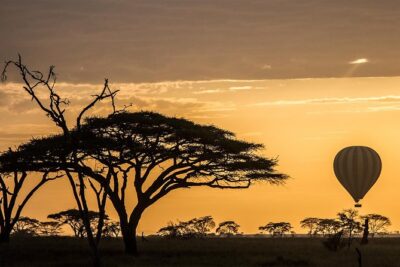 ★ 5.0Serengeti Balloon Safari and authentic bush breakfastFrom $5502,480 reviews
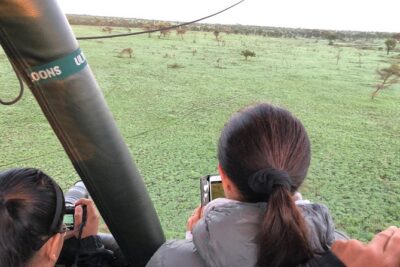 ★ 5.0Balloon Safari & Bush Breakfast in Serengeti – Miracle ExperienceFrom $5991,646 reviews
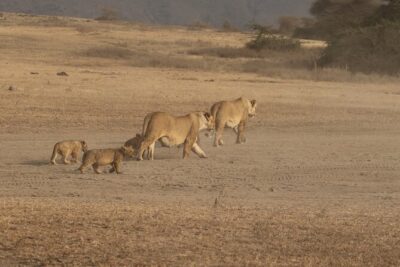 ★ 5.03 Days Serengeti & Ngorongoro Group Camping SafariFrom $815574 reviews
 ★ 5.05-Day Highlights mid-Range Crater, Serengeti, TarangireFrom $2,327296 reviews
 ★ 5.0Safari Serengeti And NgorongoroFrom $2,845288 reviews
 ★ 5.03-Day Classic Serengeti SafariFrom $1,455263 reviews
 ★ 5.0Private 6-Day Tarangire Manyara Crater and Serengeti with Mid-Range LodgesFrom $2,685238 reviews
 ★ 5.05 Days Camping Tarangire, Serengeti & Ngorongoro crater & Visiting MaasaiFrom $1,254229 reviews
Browse the lists this tour appears in