
REVIEW · WILDLIFE
4 Day: Taste of Wildlife
Crater dawn beats any bedtime alarm. This 4-day private safari from Arusha is built around big wildlife days in the Northern circuit, with Lake Manyara, Serengeti, and Ngorongoro Crater timed for the hours animals actually move. You get a private safari setup, not a cattle-call lineup, plus a professional driver/guide doing the legwork.
What I like most is the push for early morning game drives. On Ngorongoro, you go down for sunrise-style viewing and you also do a full morning crater session the next day, which is when wildlife density really pays off. I also like the way the route compresses major parks into a short trip so you’re not spending all your time just driving past the good stuff.
One thing to consider is the pace. This is long day after long day, with multiple full game-drive blocks and crater descents, and it can feel like a lot if you prefer slow mornings. And at $3,400 per person, it only feels like a good deal if you’re sure you want a private itinerary hitting these three top areas.
In This Review
- Quick highlights
- 4 Days, Three Parks, One Private Jeep: The Big Picture
- Lake Manyara National Park: Trees, Baboons, and Hippo Lake Views
- Serengeti National Park: The Endless Plains Experience
- Ngorongoro Conservation Area Day 3: Early Drive and Oldeani Night
- Ngorongoro Conservation Area Day 4: 25,000 Animals in One Crater
- Big Five Reality Check and Other Wildlife You Can Expect
- Price, What You Get, and What You Should Budget For
- Should You Book This Taste of Wildlife Safari?
- FAQ
- What city does this safari start from?
- What time is pickup on the first day?
- Is this safari private or shared?
- Which parks are included in the itinerary?
- How does the tour handle meals?
- Are park admission tickets included?
- What wildlife can you expect at Ngorongoro Crater?
- Is airport pickup and drop-off included?
- Is cancellation free?
Quick highlights
- Lake Manyara in one full day with acacia and big fig trees, plus baboons, blue monkeys, and hippos on the lake
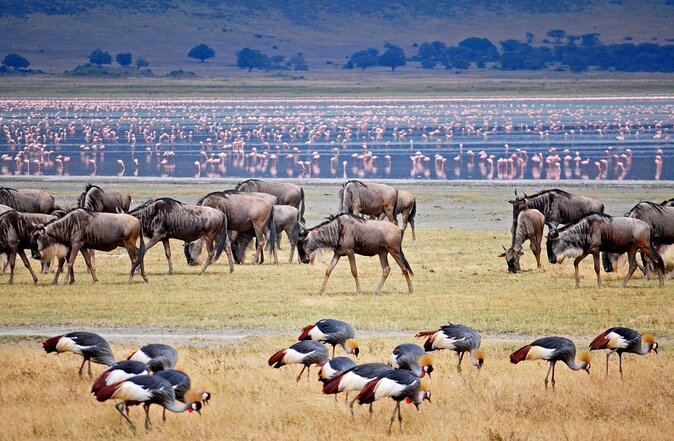
- Serengeti’s endless plains and the Great Migration country, with wildebeest and zebra on a scale that messes with your sense of distance
- Ngorongoro sunrise timing on Day 3, then a second crater morning for top viewing density
- Crater wildlife density aimed at spotting lions, eland, elephants, and even a possible black rhino
- Meals and water included, so you’re not constantly budgeting mid-drive
- An operation that answers fast, with Anita Ayo and Joseph called out for calm, practical help
Still weighing it up? These Arusha trips came out well when we reviewed them.
- Balloon Safari & Bush Breakfast in Serengeti – Miracle Experience★ 5.0 · 1,646 reviews
- Tanzania Classic – 7 Days★ 5.0 · 1,151 reviews
- 4 Days Group Camping Safari★ 5.0 · 1,101 reviews
- 5 Days Group Camping Safari★ 5.0 · 730 reviews
4 Days, Three Parks, One Private Jeep: The Big Picture
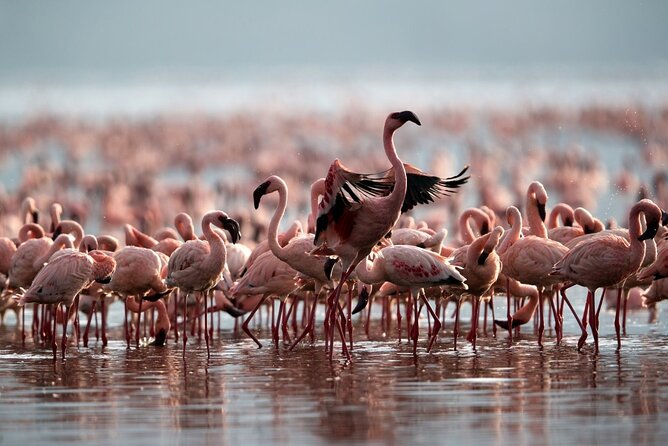
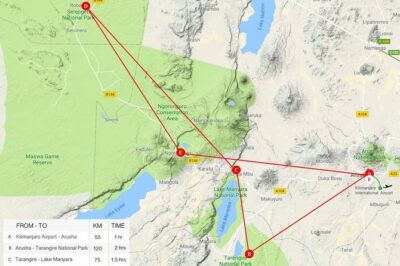
This is a tight, smart safari arc: Arusha in the morning, Lake Manyara and Serengeti in the first half, then Ngorongoro Crater as the centerpiece. You’ll spend around a day in each area, with driving built around game viewing time rather than sightseeing checklists.
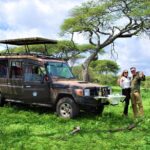
The “private” part matters. Your group is the only group in the safari vehicle, so you’re not trapped behind strangers who want different stops. It also tends to mean you can ask questions and adjust your focus on what you’re seeing that day, instead of pretending you’re all on the same page.
Another practical plus is how the trip handles communication and guidance. The people behind this safari, including Anita Ayo and Joseph, are praised for being responsive and patient when you have lots of questions. That’s not a small thing when you’re planning an expensive, time-sensitive trip.
Finally, this route is clearly designed for wildlife results. Lake Manyara is smaller, but rich, Serengeti delivers the iconic open plains, and Ngorongoro is all about dense viewing in a compact area. If you’re the type of traveler who wants maximum animal time, this schedule fits that mindset.
Lake Manyara National Park: Trees, Baboons, and Hippo Lake Views
Lake Manyara is the kind of park that rewards attention. It’s relatively compact at about 205 square miles, so you can cover a lot of ground without feeling like you’re constantly chasing views across a map. The day starts with a hotel pickup at 8:00 am and a full day game drive, built around the Great Rift Valley scenery and the lake itself.
This park’s “signature” comes from its combination of vegetation and animal behavior. You’ll pass lush acacia trees plus giant figs and mahogany trees, which matters because shade lines up with where animals feed and rest. It also means your drive is more than just scanning grassland.
On the wildlife side, the day is built for variety:
- Baboons and blue monkeys are part of the permanent resident mix.
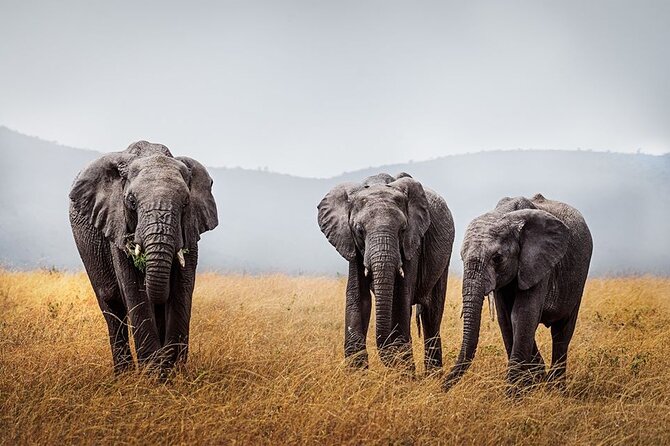
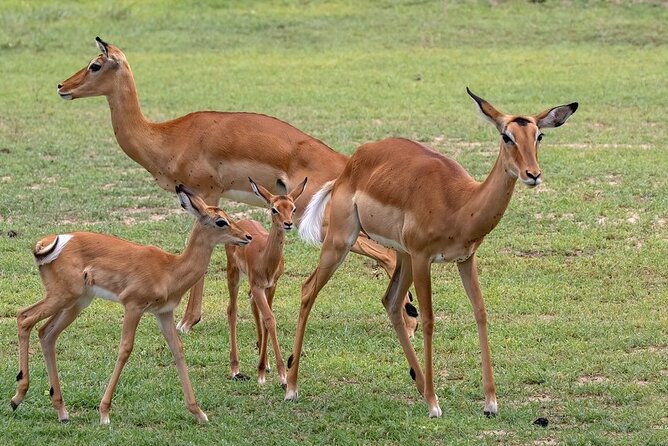
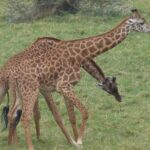
- Giraffes, elephants, impalas, and lots of buffalo are also expected residents.
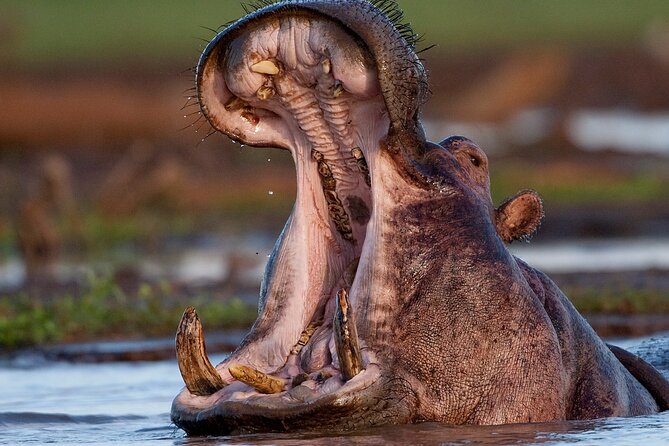
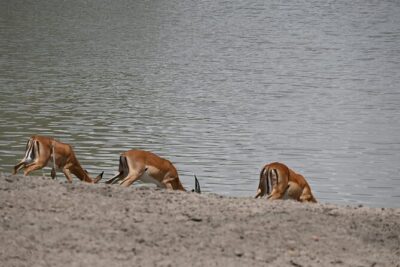
- And yes, hippos live in the lake, which creates those unforgettable moments when you realize you’re watching big animals from right near the water.
What I’d keep in mind is that Lake Manyara’s vibe is different from Serengeti. You’re not chasing endless horizons as much as you’re reading the park. Look for animals moving between trees, near the lake edges, and around open patches where predators and prey interact.
Photo-wise, the lakeside drives are a big reason people remember this stop. You’re often shooting against water and greenery, not only dust and grass.
Serengeti National Park: The Endless Plains Experience
Serengeti is the reason many people book Tanzania in the first place. After an early breakfast, you’ll head there on Day 2. The driving is long, but it’s part of the experience, because the scenery changes as you approach the park and the terrain opens up into that vast, open country.
Once you’re in, the name makes sense. Serengeti is described as meaning endless plains. The park stretches to about 6,900 square miles (around 18,000 square kilometers). That scale matters because it changes how wildlife behaves in front of you. When the plains reach the horizon, an animal sighting can feel like it appears from nowhere, and distances can look wrong until you’re used to them.
This is also Great Migration country. The trip highlights the scale: over 2 million wildebeest, plus hundreds of thousands of zebras and many antelopes. For you, that translates into a good chance of seeing groups moving, not just single animals standing still for your camera.
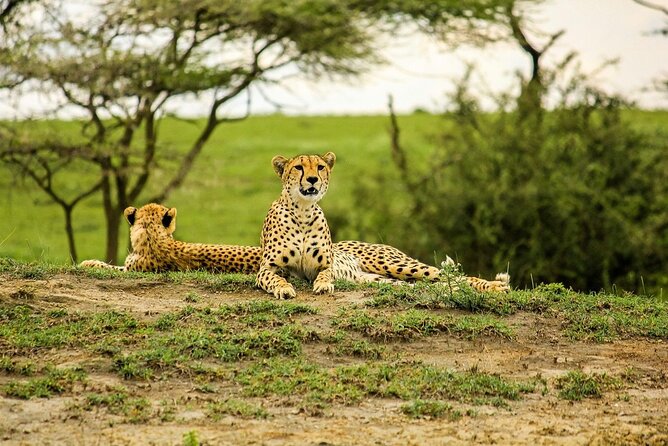
The itinerary’s wildlife emphasis is clear. You’re going to spend dedicated time on the game drive looking for big cats and other large predators, because Serengeti is known for those sightings. The plains do not guarantee a lion, but they create the conditions where predators can hunt and you can spot them when they’re on the move.
If you like wildlife photography, Serengeti can be mentally exhausting in a good way. You’re scanning constantly, but the reward is that the whole environment feels alive. When the horizon is that open, your eyes start tracking motion instead of shapes, and that’s where the action hides.
Ngorongoro Conservation Area Day 3: Early Drive and Oldeani Night
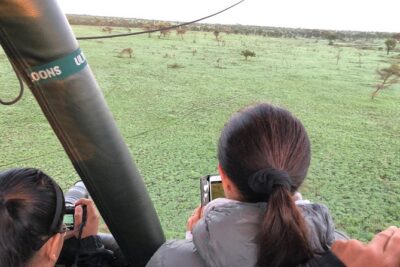
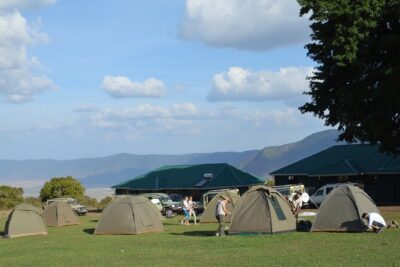
Ngorongoro is the main event, and Day 3 is where the experience shifts gears. You’ll do a very early wake up for an early morning game drive, aimed at catching animals when activity is higher. After that morning drive, you return to the camp for brunch, then you keep driving until noon and have lunch.
The timing matters here. You’re not trying to see everything in one afternoon light. You’re getting that earlier viewing window, then adding another block later when the schedule allows. That split often gives you more variety because animal behavior shifts across the day.
After lunch, you pack up and continue toward Ngorongoro Oldeani Mountain Lodge for dinner and overnight. That means your night is spent within the Ngorongoro orbit, not back in Arusha. You end Day 3 closer to the crater floor, which sets you up for an even better Day 4 start.
One practical note: crater-country drives can feel longer than the “hours” on paper, because road conditions and the need to stop for sightings slow things down. Still, this pacing is designed for results. You’re spending time where the wildlife density does the work for you.
Ngorongoro Conservation Area Day 4: 25,000 Animals in One Crater
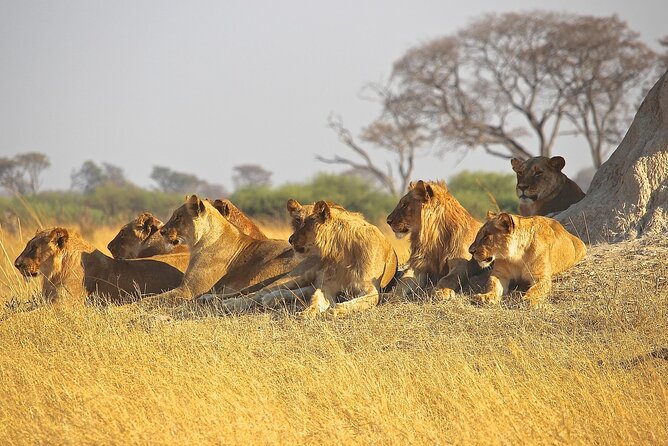
Day 4 is the morning you remember. You start very early and descend into the crater floor for wildlife viewing in one of Tanzania’s most concentrated settings. The itinerary points to an animal population of about 25,000 in the crater area, and that density is why Ngorongoro delivers so often.
In a matter of minutes, you can spot multiple species. The trip lists big hits you can see, including:
- Wildebeests
- Eland
- Lions
- Zebras
- Gazelles
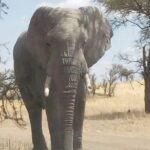
- Elephants
- Blue monkeys
- And more than 500 bird species in the area
There’s also a chance at the endangered black rhino. That word chance is important. You’re not being promised a specific sighting, but you are being scheduled into prime conditions where spotting it is possible.
After the morning drive, you’ll have a picnic lunch near the hippo lake. This is a smart move in a place where you might otherwise burn the day driving between scattered stops. Then you do a short game drive, ascend out of the crater area, and head back toward Arusha.
The crater route has a built-in emotional rhythm. You go down, you look longer than you thought you would, you start realizing you’re not just seeing animals, you’re seeing how many are sharing the same space. Even if you’ve watched wildlife documentaries before, being in that concentrated habitat changes the experience from viewing to witnessing.
Big Five Reality Check and Other Wildlife You Can Expect
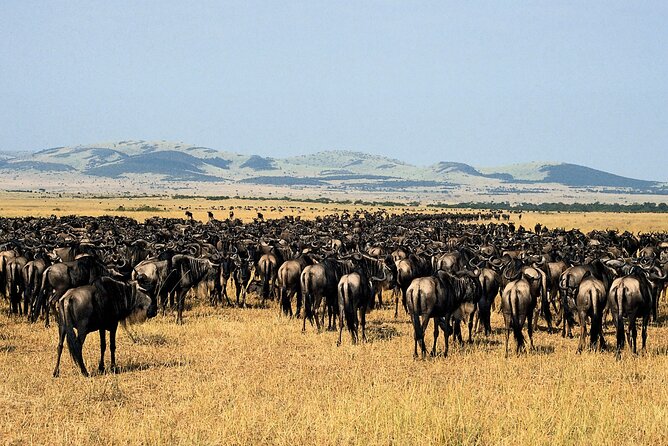
This safari is marketed around big wildlife destinations and big cat country, and the itinerary specifically mentions big five-related potential plus a broad list of species across the parks. But I think it helps to calibrate expectations the smart way.
Here’s what the tour data supports for wildlife viewing:
- At Lake Manyara, you have resident elephants, buffalo, giraffes, and hippos, with baboons and blue monkeys in the mix.
- In Serengeti, you’re in Great Migration habitat with large prey herds that support predators, plus big cats are part of the goal.
- In Ngorongoro, the focus is the dense crater-floor scene, with lions, elephants, zebras, eland, and more listed, and a possible black rhino.
That’s a lot of boxes checked. What’s missing from the hard facts is a guarantee. Wildlife is always wildlife. But this trip is built with the right pattern: multiple parks, multiple drives, and crater timing that boosts the odds.
If you want variety more than a single target species, this is a strong fit. You’re not only watching grassland grazers. You’re also watching waterside animals and climbing into a crater habitat where different species share the same view.
Also, since your meals are included and your days are packed with game drives, you’ll be spending more time in the vehicle doing what you paid for. That’s key. A safari can be expensive, but it can still feel wasteful if you’re constantly off-road and stuck waiting. This one keeps the attention on active viewing windows.
Price, What You Get, and What You Should Budget For
$3,400 per person is not pocket change. So I look at what’s included as a way to judge whether the price fits the experience you want.
What’s included in the tour package:
- Car for the safari
- Professional driver/guide
- All activities unless labeled optional
- Bottle of water
- Lunch, breakfast, and dinner (with breakfasts listed for 4, lunches for 5, and dinners for 3)
- Admission is indicated as free for the Lake Manyara and Serengeti days, and included for the Ngorongoro days
So you’re paying for guided wildlife time across three major destinations, with food support and park access handled for the days in the plan. For a private safari that keeps you in the field, that can feel like real value compared with piecing together separate park days and guides.
What’s not included:
- Tips for the driver/guide and chief
- International flights and visa fees
- Travel insurance
- Personal items
That means your true total cost will depend on those personal and travel add-ons. The biggest “gotcha” is tipping, because safari tips are a real part of how guides get compensated. The tour gives you freedom, but it also signals that you should plan for that extra expense.
The other cost factor is your travel style. If you’re the type who would rather pay less and join a group, this price might feel steep. But if you care about comfort, flexibility, and control over your viewing rhythm, the private format is doing work for you.
Should You Book This Taste of Wildlife Safari?
If you want a 4-day safari that hits Lake Manyara, Serengeti, and Ngorongoro Crater, this is an easy yes in terms of design. The schedule is built around early starts, and the crater focus on dense viewing is exactly what makes Ngorongoro special. The included meals and the fact that admissions are covered on the listed park days also reduce money friction during your trip.
I’d book it if:
- You want a private safari experience
- You’re serious about wildlife viewing, not just scenic driving
- You’re okay with early mornings and long day game drives
- You’re traveling with the goal of seeing many species across several habitats
I’d think twice if:
- You dislike packed schedules or you prefer more downtime
- You’re trying to keep costs low, because this price assumes you want a premium private format
If you do book, I’d treat it like this: the success of the trip is timing plus density plus patience. You’ll get the timing, and Ngorongoro gives you density. Then your job is simple, show up early and stay alert when the driver calls a sighting.
FAQ
What city does this safari start from?
It starts in Arusha, Tanzania, with pickup from your hotel. The tour ends back at the meeting point.
What time is pickup on the first day?
The start time is 8:00 am.
Is this safari private or shared?
It’s private. Only your group participates.
Which parks are included in the itinerary?
The itinerary includes Lake Manyara National Park, Serengeti National Park, and Ngorongoro Crater in the Ngorongoro Conservation Area.
How does the tour handle meals?
Breakfast is included for 4 days, lunch for 5 meals, and dinner for 3 dinners, as listed in the inclusions.
Are park admission tickets included?
Admission is listed as free for Lake Manyara and Serengeti days, and included for Ngorongoro Crater days.
What wildlife can you expect at Ngorongoro Crater?
The itinerary lists wildebeests, eland, lions, zebras, gazelles, elephants, blue monkey, and over 500 bird species. It also notes there is a chance to see the endangered black rhino.
Is airport pickup and drop-off included?
Yes. Free pick up and drop off is offered at the airport.
Is cancellation free?
Yes, there is free cancellation. You can cancel up to 24 hours in advance of the experience start time for a full refund. If you cancel less than 24 hours before, the amount paid is not refunded.
Just added from around Arusha
Wildlife, compared.
 ★ 5.0Tanzania Wildlife Encounters – 6 DaysFrom $3,413277 reviews
 ★ 4.5Zanzibar: Jozani nature walk and wildlife tourFrom $9889 reviews
 ★ 5.06 Day Tanzania Wildlife Mid range SafariFrom $2,50054 reviews
 ★ 5.05 Days 4 Nights Tarangire, Serengeti , Ngorongoro & Manyara Wildlife SafariFrom $2,60040 reviews
 ★ 5.04 Days Wildlife Safari and Cultural Experience in TanzaniaFrom $1,23123 reviews
 ★ 4.5SAFARI WILDLIFE 3 DAYS 2 NIGHT FROM ZANZIBAR TO MIKUMIFrom $76019 reviews
 ★ 5.0Wildlife Safari TanzaniaFrom $3,10019 reviews
 ★ 5.08 Days 7 Nights Tanzania Wildlife & Culture Lodge SafariFrom $3,84217 reviews
Browse the lists this tour appears in