
REVIEW · SERENGETI NATIONAL PARK SAFARIS
4-Day Safari: Lake Manyara, Serengeti & Ngorongoro
Three parks, four days, big wildlife odds. I like how this safari connects Lake Manyara’s soda-lake setting with Ngorongoro crater game viewing, with pickup from Arusha. It’s the kind of trip where your “where next?” question gets answered fast.
Two things I really like. First, the included boxed lunches help you stay out on the game-drive loop instead of wasting time hunting for food. Second, the small group limit (up to 15 people) keeps the experience more personal, and it’s easier to manage the pace without feeling rushed.
The tradeoff is comfort. This is budget campsite accommodation, so don’t expect a resort vibe. You’ll also want to pack your own toiletries and towels, and the days can start early and run long.
In This Review
- Key points to know before you go
- The value of a 4-day Arusha safari circuit
- Pickup, small-group pace, and how the days flow
- Lake Manyara National Park: flamingos, elephants, and tree-climbing lions
- Serengeti’s Seronera area: why the river brings animals close
- Ngorongoro Conservation Area: the optional Olduvai stop and what it adds
- Ngorongoro crater safari: half-day viewing in a dense wildlife bowl
- Camping safari comfort: what’s included, and what you should pack
- Price, admissions, and what costs extra
- Guide quality and safari realism: why the small details matter
- Who this safari fits best
- Should you book this 4-day Lake Manyara, Serengeti and Ngorongoro safari?
Key points to know before you go
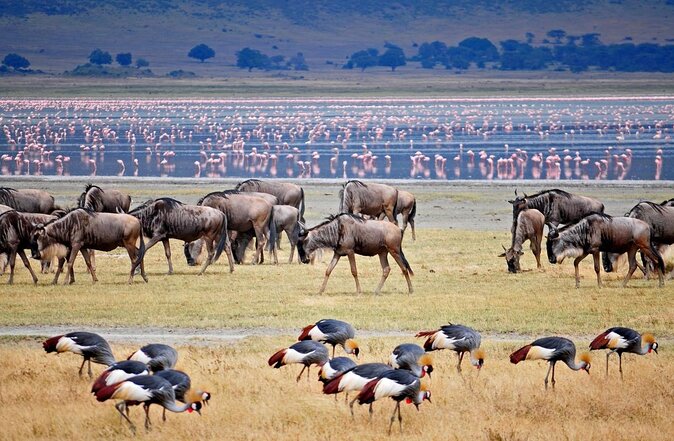
- Lake Manyara’s soda-lake drama: A huge, shallow soda lake attracts flamingos, and the park is known for tree-climbing lions.
- Serengeti’s Seronera area and river pull: Game drives focus on a wildlife-rich area supported by the Seronera River.
- Ngorongoro crater is a “one-bowl” safari: After an early start, you descend for a half-day wildlife search in a dense crater ecosystem.
- Camping safari basics are included: You get dinner, breakfast, and planned lunches, which is great for value if you’re fine with simple lodging.
- Guides matter, and names show up in the good feedback: People often praise guides such as Masulya and Martin, plus Max and Joe, for pushing to find animals and keep things running smoothly.
More of the Serengeti, drive by drive
- Balloon Safari & Bush Breakfast in Serengeti – Miracle Experience★ 5.0 · 1,646 reviews
- 3 Days Serengeti & Ngorongoro Group Camping Safari★ 5.0 · 574 reviews
- 5-Day Highlights mid-Range Crater, Serengeti, Tarangire★ 5.0 · 296 reviews
- 3-Day Classic Serengeti Safari★ 5.0 · 263 reviews
The value of a 4-day Arusha safari circuit
This is a classic northern Tanzania loop: Lake Manyara, Serengeti, then Ngorongoro Conservation Area. What makes it work for real life is the pacing. You’re not bouncing every hour, yet you still cover three totally different wildlife scenes in four days.
I also like that the trip is built around scheduled game drives, not just travel time. You get afternoon drives after the first two travel days, then you go early on the Ngorongoro crater day, when wildlife tends to be easier to spot and conditions are usually better for viewing.
The price is about $1,743.59 per person, which sounds steep until you look at what’s included. Park entrance fees, meals, and a driver/guide are part of the package, so you’re not piecing together multiple separate costs. If you’re the type who hates budgeting surprises, this structure helps.
Pickup, small-group pace, and how the days flow
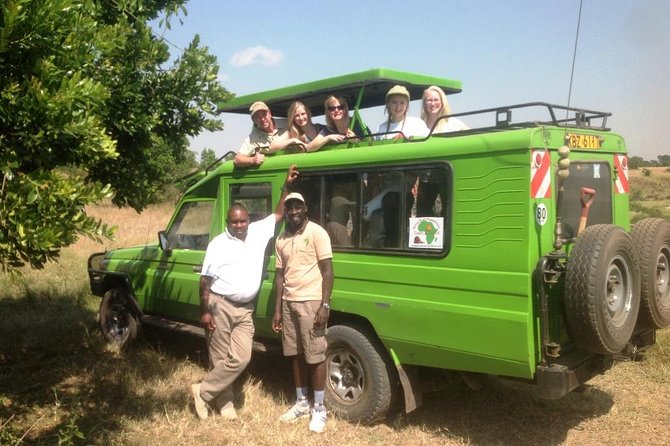
Your safari starts with pickup in Arusha and ends with drop-off back in the Arusha area. That matters, because on a short safari you don’t want to spend your precious hours on transfers you could have used for game drives.
The group size cap is 15 travelers, which usually keeps the logistics manageable. In the field, you might still find that the group runs in smaller vehicle groups, since safari operations can shift based on availability. I’d treat the “max 15” as your group size anchor, but know that the number in your specific jeep can vary.
Expect a rhythm of: transfer, lunch at the camp, then an afternoon (or early morning) game drive. On at least one day, you’ll also be covering longer road time and crater logistics. If you’re the type who gets grumpy on early starts, bring your patience and your water bottle.
Lake Manyara National Park: flamingos, elephants, and tree-climbing lions
Lake Manyara is one of those parks that looks dramatic even before you spot your first animal. The main feature is the massive but shallow soda lake that covers much of the park, sitting at the foot of the Great Rift Valley’s western escarpment. That setting is more than a pretty backdrop, because it drives the wildlife.
Here’s what to watch for:
- Flamingos drawn to the algae in the lake
- Elephants, including one of the larger concentrations in the region
- Tree-climbing lions, a Manyara signature that people talk about because it’s unusual
Your day in Manyara is paced with an afternoon game drive. That’s a smart setup, because you’re arriving in time for lunch first, then heading into the park when visibility and wildlife activity are often good. Dinner and overnight at your camp follow, so you’re not trying to cram too much into the same daylight.
One practical consideration: because it’s a soda-lake park with varied habitats, wildlife sightings can be uneven day to day. When it’s quiet, it helps to stay calm and watch the edges, not just the middle of the drive route.
Other ways down into the Ngorongoro Crater
Serengeti’s Seronera area: why the river brings animals close
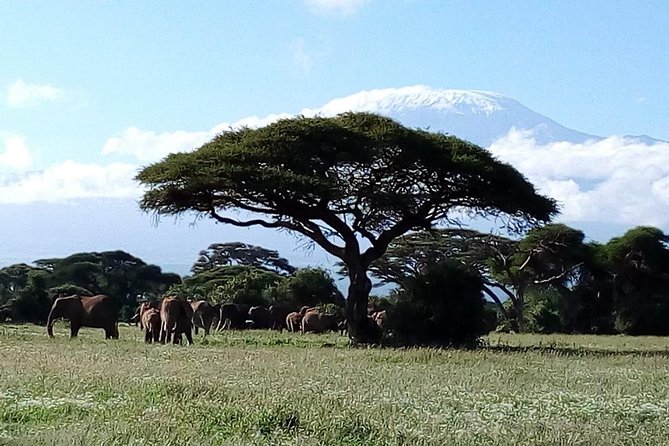
Serengeti is the “endless plains” part of northern Tanzania. But on a safari, plains only matter because they concentrate animals in specific zones. That’s why the focus on the Seronera area is so useful.
Seronera is described as one of the richest habitats, mainly because the Seronera River provides water that draws wildlife. In plain terms: when water is present in a big ecosystem, animals can’t spread out as easily. You get more reliable sighting opportunities, which is exactly what you want on a four-day schedule.
Your Serengeti portion is an afternoon drive after breakfast and travel through the Karatu area and the broader Ngorongoro region en route. That road day matters, because it changes your scenery from highland farmland into the park core, and it sets you up for the later wildlife search.
What to expect while driving:
- More species variety across open grassland areas and along animal movement paths
- Predator behavior and prey interactions, since water and grazing draw everything together
A heads-up: Serengeti sightings are never guaranteed on your timetable. What you can control is attitude. If you treat the afternoon drive as a “find and learn” session, you’ll usually get more out of it, even on quieter drives.
Ngorongoro Conservation Area: the optional Olduvai stop and what it adds
After breakfast, you shift toward Ngorongoro Conservation Area and you do an early morning game viewing before heading on. This is also where an optional stop can pop up: Olduvai Gorge.
Olduvai Gorge is tied to archaeology and human evolution research. The tour notes that Drs. Lois and Mary Leakey discovered significant skulls there, often referred to as Nutcracker Man and Handy Man. If you’re the kind of traveler who likes connecting wildlife sightseeing to big-picture human storylines, this detour can be worth your attention.
The big practical point is cost and timing. Olduvai Gorge is optional, and any related costs are not included in the package price. So if you want that stop, plan for an extra ticket and some schedule flexibility.
By the time you reach the Ngorongoro side, dinner and overnight happen at Simba campsite. Camping here is part of the safari feel, and it keeps you positioned for the next day’s crater descent.
Ngorongoro crater safari: half-day viewing in a dense wildlife bowl
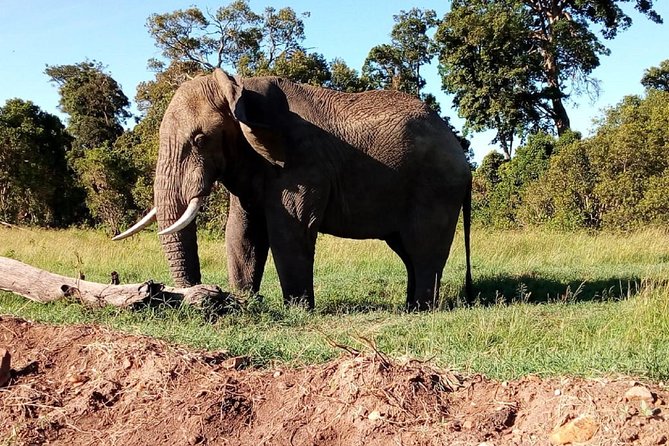
Ngorongoro crater is a different kind of wildlife experience. Instead of searching huge open plains, you descend into a natural bowl where animals concentrate in a limited area. That changes everything about spotting.
Your crater day is built around:
- Early breakfast
- Descending into the crater for about a half-day safari tour
- Picnic lunch, then departing back toward Arusha for dinner and overnight
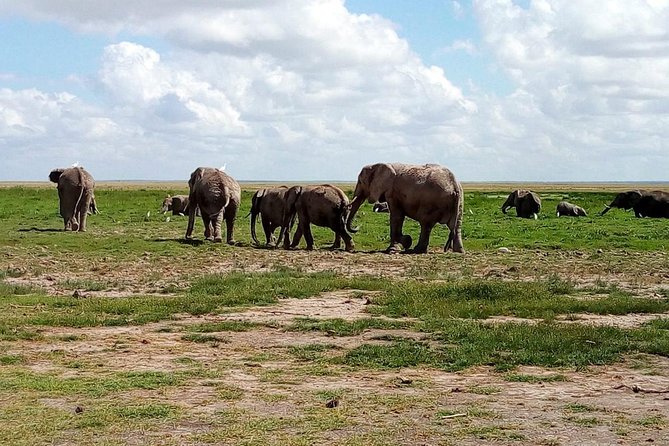
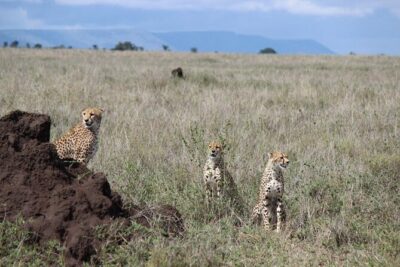
Wildlife listed for this area includes herds of wildebeest, zebra, buffalo, eland, and warthog, plus hippo, and giant African elephants. Predators are also a major draw, including lions, hyenas, jackals, cheetahs, and the elusive leopard that can take extra patience and a trained eye to spot.
This is the day where I’d encourage you to go slowly with your expectations. Lions and predators are easiest to find when conditions line up and animals move through predictable routes. Leopards, in particular, are a “pay attention” species, not a guarantee.
If you want the most value out of crater time, treat it like a viewing game:
- Keep your eyes on shade lines and tree edges.
- Watch for small movements, not just big animals.
- When your guide pauses the vehicle, use that moment to scan systematically.
Camping safari comfort: what’s included, and what you should pack
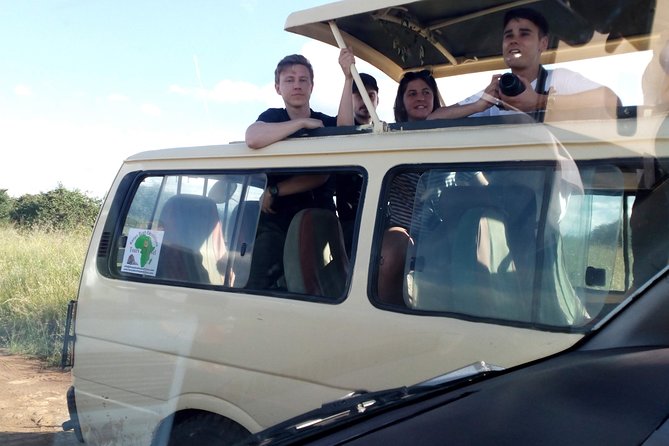
This trip uses budget campsite accommodations and includes dinner and breakfast. You’re not booking a luxury lodge, and that’s a big part of why the trip can stay within a single package price.
In the feedback tied to this style of tour, I saw mentions of a hands-on camping feel, including a tent-making experience. That’s not a promise for every departure, but it’s a good indicator of the overall tone. You’ll be close to nature, and you’ll also have less control over comfort details than you would in hotels.
Here’s what you know you’ll need based on what’s not provided:
- Toiletries and towels are not included
- Bathing soap and personal sanitari(es) are not included
So I recommend packing the basics like you’re doing “camping,” not “staying at a clean city hotel.” Bring:
- A small towel you’re okay using in a safari-camp routine
- Hand sanitizer and wipes for between drives
- Sunscreen and something for rain, since weather changes can happen
Also, your dress code is casual, which is good. Still, plan for dust. Neutral colors and breathable layers will keep you comfortable and reduce how much dust clings to your clothes.
Price, admissions, and what costs extra
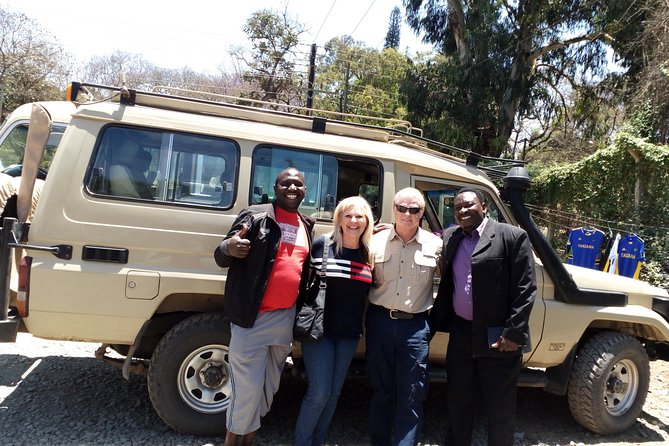
Let’s talk value, not just a number. At $1,743.59 per person, you are paying for:
- Driver/guide service
- National park entrance fees
- Meals: dinner (3), breakfast (3), and lunch (4)
- Admission tickets are handled for park access during the days listed as included
- Included lunches (including boxed lunches) that protect your time during game drives
- Mobile ticket delivery
That package design is why this can feel like “good math” compared with piecemeal safari planning.
What’s not included is where you need to budget carefully:
- Olduvai Gorge tour costs (optional)
- Toiletries and towels
- Bathing soap and personal sanitari(es)
There’s also an important downside to keep in mind: the experience is non-refundable and cannot be changed for any reason. If your plans are even slightly uncertain, be cautious before paying.
Guide quality and safari realism: why the small details matter
A safari is only as good as the people driving it and the way they manage time. In the feedback I reviewed, guide names like Masulya and Martin came up with praise for being friendly and for answering questions. Other names like Max and Joe were also mentioned in positive terms for pushing to find animals and keeping the experience moving.
So what should you do with that? Simple. Ask questions on the first day and use the guide as your information channel. If your guide helps you understand where animals drink, feed, or rest, your game drive becomes more than a drive. It becomes a wildlife map you can read.
Also, read the driving day as part of the experience. One note highlighted that the rough road can be tough, but also part of the real safari adventure. If you have back sensitivity, plan for it with basic comfort habits (comfortable clothing, water, and a positive mindset).
Who this safari fits best
This safari fits best if you want:
- A budget camping approach with meals handled
- A compact, four-day northern circuit from Arusha
- Real game-drive time across three parks with different habitats
- A group-size cap that helps keep the service more personal
It may not fit as well if you want luxury accommodation, long downtime, or very flexible scheduling. This is a structured safari. You’ll be moving and viewing most days, with early starts and crater logistics on the big finale.
Should you book this 4-day Lake Manyara, Serengeti and Ngorongoro safari?
Yes, with a clear-eyed plan.
Book it if you’re excited by the idea of tree-climbing lions at Lake Manyara, river-supported wildlife in Serengeti, and a concentrated crater safari in Ngorongoro. You’ll also appreciate the practical value: meals, park entrances, and planned lunches are included, so you’re not constantly re-planning your budget.
Skip it or consider a different style if you need luxury comfort, or if you’re not okay with camping basics and the reality of early mornings and longer drive days. And if your schedule is at risk, remember the tour is non-refundable.
If that sounds like you, this is a strong way to see northern Tanzania in one efficient, wildlife-focused loop.
Down at Lake Manyara
- Private 6-Day Tarangire Manyara Crater and Serengeti with Mid-Range Lodges
★ 5.0 · 238 reviews - 3 Days Tarangire, Ngorongoro & Lake Manyara Group Camping Safari
★ 5.0 · 102 reviews - 3 Days Private Safari – manyara, Ngorongoro & Tarangire
★ 5.0 · 94 reviews - 05 Days Tarangire, Serengeti, Ngorongoro and Lake Manyara
★ 5.0 · 54 reviews - 5 Days 4 Nights Tarangire, Serengeti , Ngorongoro & Manyara Wildlife Safari
★ 5.0 · 40 reviews
Still Thinking About the Crater?
- 3 Days Serengeti & Ngorongoro Group Camping Safari
★ 5.0 · 574 reviews - 5 Days Camping Tarangire, Serengeti & Ngorongoro crater & Visiting Maasai
★ 5.0 · 229 reviews - 4 Days Join Group tour Tarangire Serengeti and Ngorongoro crater
★ 5.0 · 219 reviews - 4-Day Safari from Arusha: Tarangire, Serengeti and Ngorongoro
★ 5.0 · 173 reviews - 2 Days Tarangire and Ngorongoro Group Camping Safari
★ 5.0 · 146 reviews
The Serengeti, Three More Ways
- Balloon Safari & Bush Breakfast in Serengeti – Miracle Experience
★ 5.0 · 1,646 reviews - 3 Days Serengeti & Ngorongoro Group Camping Safari
★ 5.0 · 574 reviews - 5-Day Highlights mid-Range Crater, Serengeti, Tarangire
★ 5.0 · 296 reviews - 3-Day Classic Serengeti Safari
★ 5.0 · 263 reviews - Private 6-Day Tarangire Manyara Crater and Serengeti with Mid-Range Lodges
★ 5.0 · 238 reviews
Just added from around Arusha
Serengeti National Park Safaris, compared.
 ★ 5.0Serengeti Balloon Safari and authentic bush breakfastFrom $5502,480 reviews
 ★ 5.0Balloon Safari & Bush Breakfast in Serengeti – Miracle ExperienceFrom $5991,646 reviews
 ★ 5.03 Days Serengeti & Ngorongoro Group Camping SafariFrom $815574 reviews
 ★ 5.05-Day Highlights mid-Range Crater, Serengeti, TarangireFrom $2,327296 reviews
 ★ 5.0Safari Serengeti And NgorongoroFrom $2,845288 reviews
 ★ 5.03-Day Classic Serengeti SafariFrom $1,455263 reviews
 ★ 5.0Private 6-Day Tarangire Manyara Crater and Serengeti with Mid-Range LodgesFrom $2,685238 reviews
 ★ 5.05 Days Camping Tarangire, Serengeti & Ngorongoro crater & Visiting MaasaiFrom $1,254229 reviews
Browse the lists this tour appears in