
REVIEW · MULTI-DAY NORTHERN CIRCUIT SAFARI PACKAGES
4-Day Group Joining Safari in Tanzania | Shared Safari
Elephants first, then the big Serengeti sweep. This 4-day shared safari from Arusha threads together Tarangire, the Serengeti, and Ngorongoro Crater in one classic route, with pickup offered and a small group size capped at 7. I especially like how the plan keeps moving while still giving real wildlife time, so the day feels full rather than rushed. One thing to consider, though, is the road time, with long drives between parks and several hours marked as non-game viewing.
What really sells this kind of shared trip is the human side. I like that the operator keeps communication smooth, and I’ve seen examples like Jonas handling plans clearly and a driver named Beni who knew where animals were showing up. You still share the experience with others, but the trip doesn’t feel like a faceless bus tour.
The schedule also favors early starts. You’ll wake up very early on the Serengeti migration day to catch sunrise, then chase animals until late evening, and that is not a “sleep in” setup. If you prefer slow travel, you may want a private safari instead of a join-group format.
In This Review
- Key highlights you’ll care about
- Why This 4-Day Shared Safari Hits Tarangire, Serengeti, and Ngorongoro
- Meeting in Arusha, getting picked up, and using the mobile ticket
- Day 1 Tarangire National Park: elephants, baobabs, and the first big wildlife payoff
- Day 2 Serengeti transfer: Karatu farmland to Seronera river country
- Day 3 migration day: sunrise to late evening in the Serengeti
- Day 4 Ngorongoro Crater: 600 meters down and a predator-rich bowl
- How good is the value at $998 per person?
- Who this shared safari is best for, and who should think twice
- Small practical tips that help on this route
- Should you book this Joagro Safaris Tanzania shared route?
- FAQ
- What parks are included in this 4-day shared safari?
- Where does the safari start in Arusha?
- Is pickup included?
- How many people are in the group?
- What time does the tour start?
- Are park admissions included in the price?
- Is migration viewing included?
- What is the cancellation policy?
- What does the tour include in terms of tickets?
Key highlights you’ll care about
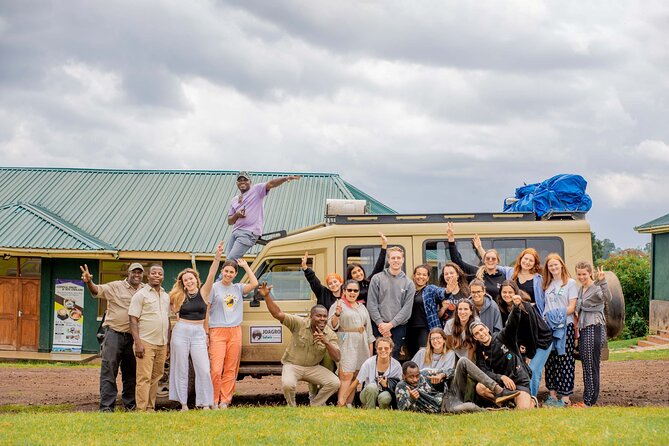
- Max 7 travelers, so you’re not packed like a sardine safari
- Tarangire elephants and baobabs, a different feel from the open Serengeti
- Serengeti sunrise-to-late-afternoon hunting, built around migration timing
- Ngorongoro Crater’s “bowl” of wildlife, with predators in the mix
- Park admissions listed as free for days 1-2 and included on days 3-4, which can help with budgeting
- Good driver knowledge, including examples like Beni and clear coordination by Jonas
Longer northern circuit routes, side by side
- Tanzania Classic – 7 Days★ 5.0 · 1,151 reviews
- Tanzania Wildlife Encounters – 6 Days★ 5.0 · 277 reviews
- Group Safari 7 Days in Tanzania’s Main Parks★ 5.0 · 240 reviews
- 4 Days Join Group tour Tarangire Serengeti and Ngorongoro crater★ 5.0 · 219 reviews
Why This 4-Day Shared Safari Hits Tarangire, Serengeti, and Ngorongoro
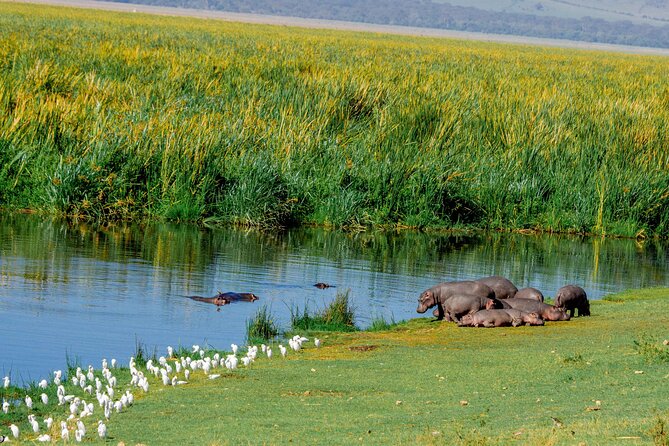
This is a textbook “greatest hits” safari loop, but the value is in how the pieces fit together. Tarangire gives you elephants and baobab trees, the Serengeti delivers the endless plains feeling, and Ngorongoro Crater packs in wildlife density like you are looking at nature’s zoo without the fences.
I like that the route aims for variety instead of repeating the same scenery. If your goal is to see Tanzania’s signature wildlife across different ecosystems, this shared format does it in just four days.
The group style matters too. With a maximum of 7 travelers, you keep the social vibe, but you usually still get the driver time and attention you need to find animals.
Meeting in Arusha, getting picked up, and using the mobile ticket
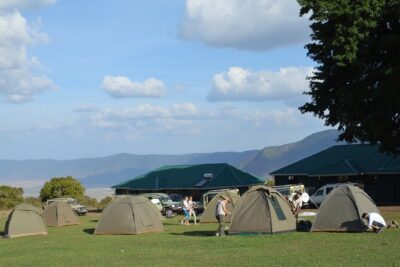
Your meeting point is TFA SHOPPING CENTER, Arusha, Sokoine Rd (Arusha 2055, Tanzania), and the experience ends back at the meeting point. Pickup is offered, so you should expect some kind of pickup arrangement, but confirm details when you book.
The tour uses a mobile ticket, which is handy if you don’t want to worry about printing. Confirmation is received at booking, and the group size limit is stated as up to 7, which helps you plan your expectations for crowding.
One practical note: the listed start time shows as 12:00 am. That timing can be confusing. In reality, safari days often mean earlier mornings. When you get your confirmation, double-check your actual pickup time for Day 1 so you do not arrive in a rush.
Day 1 Tarangire National Park: elephants, baobabs, and the first big wildlife payoff
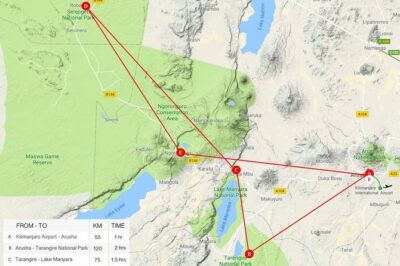
Day 1 starts with a drive from Arusha to Tarangire, about 130 km away. After breakfast, you head out, with a chunk of time that is labeled non-game viewing around 3 to 4 hours. This is time for the transfer itself and breaks, not “wasted time,” just part of how safaris work in this region.
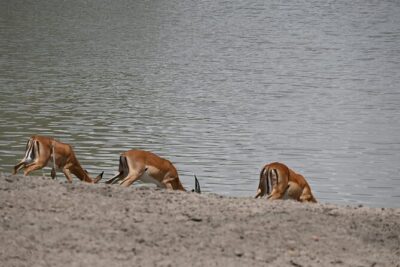
Tarangire is known for big elephant herds and the iconic baobab trees. The park’s vegetation is sparse, with baobabs and acacias standing out against wide, open areas. That matters because you can spot animals more easily in this type of setting, and elephants tend to make their presence obvious.
The numbers given for Tarangire’s annual movement are impressive: up to around 3,000 elephants, plus large counts of wildebeest and zebras during the migratory cycle described for the area. You should not treat those as a promise of exact sightings on your exact day, but it tells you the scale that people come for.
A good way to prepare mentally is this: Day 1 is your warm-up wildlife day, and it often sets the tone. If you nail a few key sightings here, the rest of the trip feels easier because you know what “good” looks like in the landscape of your day.
Day 2 Serengeti transfer: Karatu farmland to Seronera river country
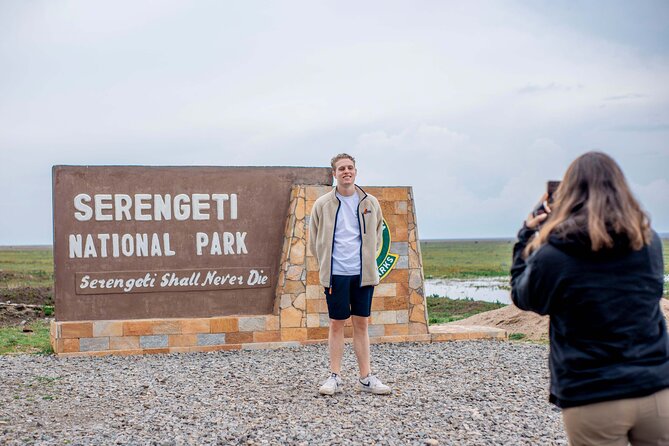
On Day 2, the drive is about 200 km to Serengeti National Park. There’s also time noted for non-game viewing around 2 to 3 hours, and the schedule is a long day overall, about 10 hours.
What helps on this day is the shift in scenery as you leave the highlands behind and drop into the Serengeti environment. You’re going from agricultural areas around Karatu and the Ngorongoro Conservation Area into the famous open plains where you can see wildlife moving across the distance.
You arrive in time for lunch and spend the rest of the day in the Serengeti. The plan focuses on a section called Seronera, which is described as one of the richest habitats in the park because of the Seronera River and its water supply. Water is everything for wildlife, and when a day is built around water access, it often improves your chances of multiple sightings.
Practical expectation-setting for you: Serengeti days can feel different depending on weather and time of day. If it is hot and animals are seeking shade, you might see more resting behavior. If it is cooler, you may catch more movement.
Also, do not underestimate how exciting it is just to be there. Even without constant big action, the Serengeti feeling hits you, the sense of wide space and the steady rhythm of watching animals work the day.
Day 3 migration day: sunrise to late evening in the Serengeti
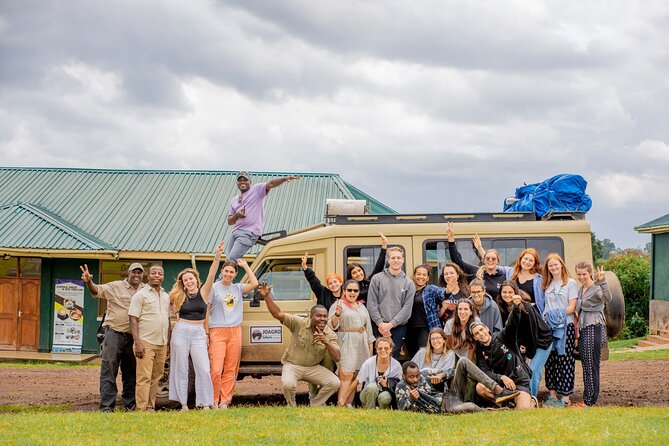
This is the day built around early effort. You wake up very early to catch the sunrise in the Serengeti, and then you spend the day “chasing animals” until late evening. The schedule notes about 9 hours on this migration-focused day.
This is where timing matters most. Migration and predator activity often follow patterns tied to light, water, and animal movement through the plains. The sunrise start is not just for dramatic photos, it gives you a shot at the hours when animals tend to be most active and visibility is often best.
What I like about doing migration time within a group safari is that you spend less mental energy deciding where to go. The driver’s job is to locate the best opportunities, and examples like driver Beni described strong animal-finding skills on safari routes. Even if your specific sightings vary, the overall approach should feel organized.
Pack for a long day in the truck. Even if the schedule says 9 hours, it can feel like a full day because you are awake earlier and you stay focused for hours. Bring layers, because mornings can feel cooler, and afternoons can swing hot quickly on the plains.
And remember, migration does not mean one guaranteed moment. Sometimes the action is constant. Sometimes it is slower, then suddenly intense. That uncertainty is also part of why this day feels special.
Day 4 Ngorongoro Crater: 600 meters down and a predator-rich bowl
Day 4 drives about 210 km to Ngorongoro Crater. Breakfast happens early, and then you head out for a day-long crater experience with non-game viewing time around 3 to 4 hours. It’s listed as about 10 hours total.
Ngorongoro is described as a crater over 600 meters deep, and that depth is not just trivia. It creates a natural amphitheater where animals gather and where visibility can feel unusually concentrated. You are essentially watching wildlife come together in a contained setting.
Ngorongoro conservation area is described as supporting many animals, including wildebeest, zebra, buffalo, eland, warthog, hippo, and large African elephants. There’s also a strong predator component mentioned, including lions, hyenas, jackals, cheetahs, and the elusive leopard. Leopard sightings depend on timing and luck, but knowing that predators are part of what you are looking for changes how you scan and how long you stay patient.
The route also includes a possible visit to Lake Magadi, described as a large but shallow alkaline lake. That matters because it signals “water-related ecosystem activity,” which can influence where animals are likely to spend time.
If you enjoy photography, this is your best day to take your time. Crater wildlife can move at different heights and distances, so a calm pace helps. If you chase every moment, you may miss the smaller action, like a predator settling in for a wait or a herd changing direction.
How good is the value at $998 per person?
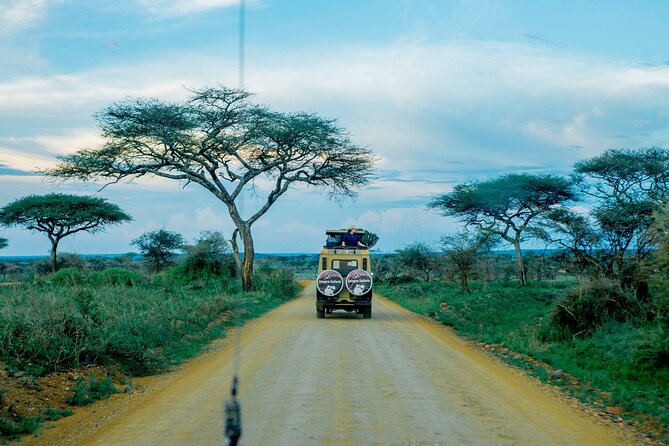
At $998 per person for 4 days, this safari positions itself as a mid-range shared option that aims to cover major parks in a short window. The value comes from three things: the classic route, the group size cap, and the way the schedule handles park fees.
First, you cover Tarangire, Serengeti, and Ngorongoro Crater. That is a lot of “headline” wildlife in one trip. Second, the group maximum of 7 travelers typically makes shared safaris less chaotic than larger group formats.
Third, the schedule lists admission ticket free for Day 1 and Day 2, and admission ticket included for Day 3 and Day 4. Depending on how the operator structures your total costs, that can help you avoid surprises and budget cleanly.
Where you should be cautious is with what can vary on any safari. You can’t control sightings, and the long drive days can be tiring. Also, lodge quality can vary depending on availability and route decisions. If you care a lot about lodge comfort and meal variety, you may want to confirm what lodging category is used for your specific dates.
Still, with the route design and small-group cap, the price feels aimed at travelers who want the big parks without paying private-safari pricing.
Who this shared safari is best for, and who should think twice
This safari is a good fit for most people who want a classic Tanzania experience and do not mind group travel. The schedule includes early mornings and long viewing windows, which suits active travelers who want their days full.
It is especially good if you want:
- Elephants and baobabs in Tarangire
- Serengeti plains plus a sunrise migration-style day
- Ngorongoro Crater with predator chances and dense wildlife
You might think twice if:
- You dislike early starts, since sunrise wake-up is part of Day 3
- You get uncomfortable with long drives, since the park-to-park distances are substantial
- You want total control over pace, because shared trips trade flexibility for value
Small practical tips that help on this route
Safari success is often boring details done right.
Bring layers for early mornings and cooler crater air. Use neutral, muted colors if you have them, since it helps you blend into the viewing environment.
Keep your day-bag simple. You will likely be spending a lot of time in the truck and stepping out when the driver finds animals. A small bottle of water and basic snacks help, but keep it light so you are not juggling stuff during drives.
For photography, get ready early and stay patient. Some of the best sightings can appear in short windows. Also, during the crater day, animals can be at different depths and distances, so check your camera settings before you need them.
Finally, lean on your driver. Strong driver animal-finding skills can change your day, and you can see the value of that in examples like driver Beni being praised for knowing where animals show up.
Should you book this Joagro Safaris Tanzania shared route?
If you want the big Tanzanian sights in a short time, and you like the idea of max 7 travelers instead of a massive bus group, I think this is a sensible choice. The mix of Tarangire elephants, Serengeti sunrise-to-late-evening migration time, and Ngorongoro’s predator-rich crater is exactly the kind of combination that makes a four-day safari feel worth it.
Book it if you can handle early mornings and long drives, and you want a well-paced sampler of Tanzania’s most famous parks. Consider another style, like a private safari, if you are picky about pace, comfort changes between lodges, or you really struggle with dawn starts.
If you do book, double-check your actual pickup time and get clarity on what you should expect for lodge standards on your dates. Then, show up ready to watch, because the real work in a safari is attention, not rushing.
FAQ
What parks are included in this 4-day shared safari?
You visit Tarangire National Park, Serengeti National Park, and Ngorongoro Crater.
Where does the safari start in Arusha?
The meeting point is TFA SHOPPING CENTER, Arusha, Sokoine Rd, Arusha 2055, Tanzania. The tour ends back at the same meeting point.
Is pickup included?
Pickup is listed as offered, and the tour starts at the Arusha meeting point.
How many people are in the group?
The safari has a maximum of 7 travelers.
What time does the tour start?
The start time is listed as 12:00 am at the Arusha meeting point. Your actual pickup timing should be confirmed after booking.
Are park admissions included in the price?
The schedule lists admission ticket free for Day 1 and Day 2, and admission ticket included for Day 3 and Day 4.
Is migration viewing included?
Yes. Day 3 includes a migration-focused Serengeti day with an early wake-up for sunrise and game viewing until late evening.
What is the cancellation policy?
Free cancellation is available. You can cancel up to 24 hours in advance of the experience start time for a full refund.
What does the tour include in terms of tickets?
You get a mobile ticket, and confirmation is received at booking.
Longer Trips Through the North
- Tanzania Classic – 7 Days
★ 5.0 · 1,151 reviews - 7-Day Premium Luxury Tanzania Safari All-Inclusive
★ 5.0 · 426 reviews - Tanzania Wildlife Encounters – 6 Days
★ 5.0 · 277 reviews - Group Safari 7 Days in Tanzania’s Main Parks
★ 5.0 · 240 reviews - 4 Days Join Group tour Tarangire Serengeti and Ngorongoro crater
★ 5.0 · 219 reviews
Just added from around Arusha


Multi-Day Northern Circuit Safari Packages, compared.
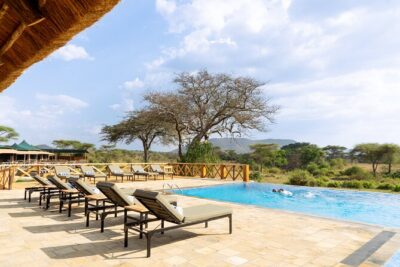 ★ 5.07-Day Premium Luxury Tanzania Safari All-InclusiveFrom $4,840426 reviews
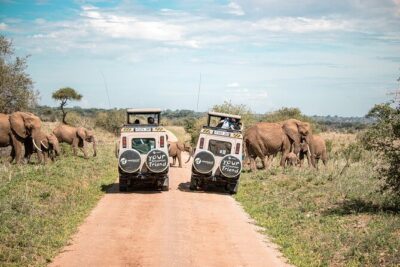 ★ 5.0Tanzania Wildlife Encounters – 6 DaysFrom $3,413277 reviews
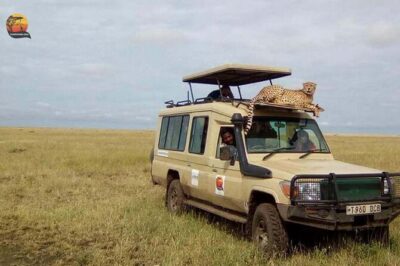 ★ 5.0Group Safari 7 Days in Tanzania’s Main ParksFrom $3,000240 reviews
 ★ 5.04 Days Join Group tour Tarangire Serengeti and Ngorongoro craterFrom $1,090219 reviews
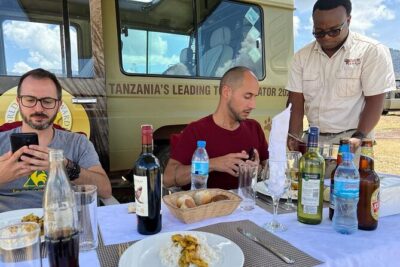 ★ 5.05-Day Private Northern Tanzania Safari from ArushaFrom $2,780182 reviews
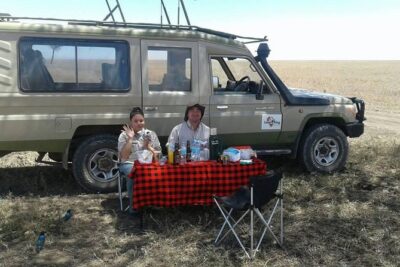 ★ 5.05 Days Best of Tanzania Luxury Safari Northern CircuitFrom $3,744174 reviews
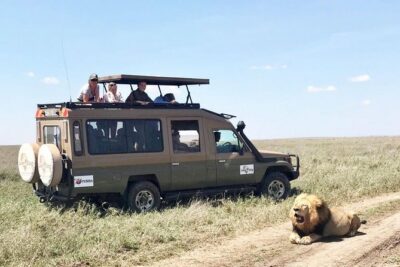 ★ 5.08 Day Spectacular Migration Serengeti mid -Range Tanzania SafariFrom $4,257161 reviews
 ★ 5.0Multi-Day Tanzania Odssey Safari from ArushaFrom $4,164120 reviews
Browse the lists this tour appears in