
REVIEW · MULTI-DAY NORTHERN CIRCUIT SAFARI PACKAGES
4 Day: Astonishing Group Safari
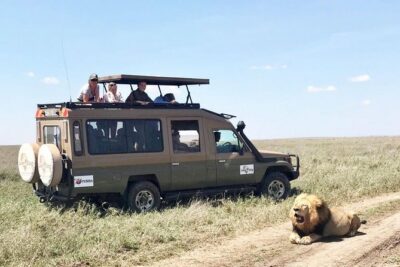
Four days, three iconic parks, big game. This group safari is built for fast access to Tanzania’s top wildlife areas, with drives timed for animal activity and practical support from a pro guide. I especially like the small group size (up to 6) and the pop-up roof 4×4 jeep, which makes it easier to spot animals and get photos. The one trade-off is the route is tight, so you will spend long stretches in the vehicle and you should expect early mornings.
You start in Arusha at 8:00 am, with pickup offered, and you get a mobile ticket. If you have questions during planning, the company has used named contacts like Anita to help smooth things out. Overall, it is a strong choice if you want the headline parks in a short time, without the stress of building everything yourself.
In This Review
- Key highlights worth knowing
- A 4-day shortcut through Tanzania’s Big Safari Route
- Day 1: Lake Manyara or Tarangire, acacia shade and Rift Valley drama
- Serengeti: the endless plains feel real, not just a slogan
- Your flexible Serengeti day: build your perfect mix of morning and afternoon drives
- Ngorongoro Crater day: early sunrise drives and the black rhino target
- The safari jeep and timing details that affect your comfort
- Meals and camp rhythm: when food is part of the safari
- Price and value: what you pay for, and what you still need to budget
- Who this safari fits best, and who might want a different plan
- Making the call: should you book this group safari?
- FAQ
- What time does the safari start in Arusha?
- Is hotel pickup included?
- How many people are in the group?
- Are meals and drinks included?
- Which parks are included in the 4-day safari?
- What is not included in the tour price?
Key highlights worth knowing
- Up to 6 people in your group, so the safari feels focused instead of chaotic
- Pop-up roof 4×4 jeep with six window seats for better viewing on game drives
- Lake Manyara or Tarangire first, then Serengeti, then Ngorongoro Crater in a classic circuit
- One full Serengeti day with flexible drive timing based on what you want
- Meals are mostly handled (4 breakfasts, 4 lunches, 3 dinners) and drinks are included
- Black rhino is a real target at Ngorongoro, though sightings are never guaranteed
Longer northern circuit routes, side by side
- Tanzania Classic – 7 Days★ 5.0 · 1,151 reviews
- Tanzania Wildlife Encounters – 6 Days★ 5.0 · 277 reviews
- Group Safari 7 Days in Tanzania’s Main Parks★ 5.0 · 240 reviews
- 4 Days Join Group tour Tarangire Serengeti and Ngorongoro crater★ 5.0 · 219 reviews
A 4-day shortcut through Tanzania’s Big Safari Route
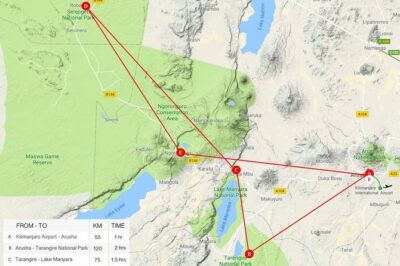
If you only have a few days, this kind of safari is a smart way to use your time. In four days, you hit three of the most famous wildlife regions in Tanzania: Lake Manyara (or Tarangire), Serengeti, and Ngorongoro Crater. That short hop between ecosystems is exactly why this itinerary works for first-timers.
I like that the tour is designed around game drives as the core activity, not “drive-by sightseeing.” You get a professional driver/guide, a 4×4 safari vehicle with the pop-up roof setup, and you spend your daylight hours where wildlife happens. It is a simple formula: fewer logistics headaches, more time watching.
The trade-off is pacing. You are in a safari rhythm where early starts matter, and “full day” often means a lot of time on the road. If you hate car time, you may feel it by day two or three. If you can handle long drives for the payoff, this is a great sprint.
Day 1: Lake Manyara or Tarangire, acacia shade and Rift Valley drama
Day one begins with pickup from your hotel in the 8:00 am slot and then a full day game drive across the Great Rift Valley region. Depending on the exact program, you will go to Lake Manyara National Park or Tarangire National Park. Either way, you get scenery and wildlife in a compact window.
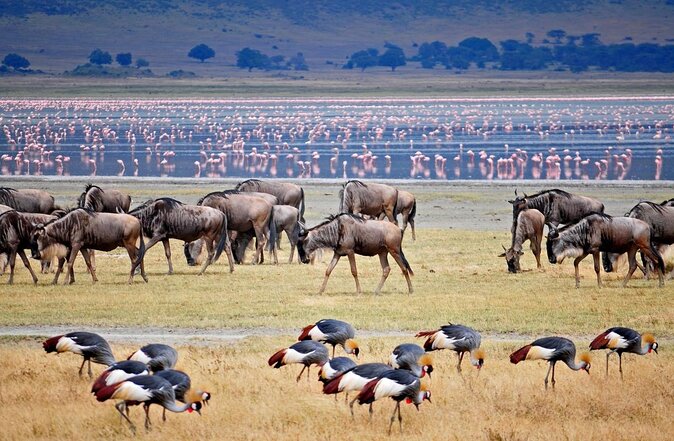
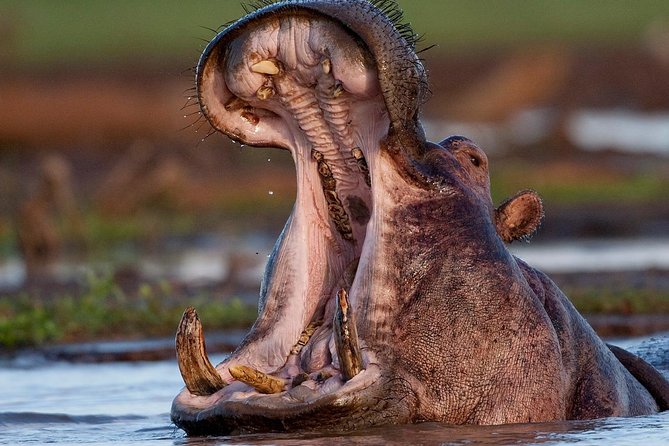
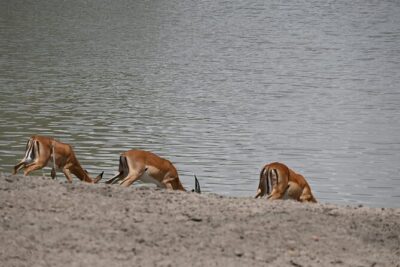
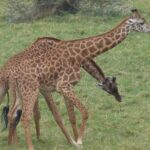
In Lake Manyara, the draw is the mix of lush acacia woodland and the famous trees like giant figs and mahogany trees. This is the kind of habitat where you can get classic safari moments fast, including the chance to see baboons and blue monkeys, plus common herbivores like giraffes, elephants, impalas, and buffalo. The lake itself also supports hippos, so your day can include both woodland action and water-related sightings.
What I like about starting here is variety. It is not just “more open plains,” so you avoid the feeling that the whole trip looks the same. You get different animal behavior too. Baboons and monkeys can be noisy and quick, and water-edge animals tend to cluster in readable patterns for photo timing.
One practical consideration: parks like these can be busy in peak season, and animal sightings can shift day to day. Your guide should adjust where you park the jeep, so your best photos are often about being flexible for a few hours.
Serengeti: the endless plains feel real, not just a slogan
After an early breakfast, you head toward Serengeti National Park, and the journey itself is part of the experience. Once you get into the park, you understand why people describe it as huge and horizon-stretching. The feeling of scale is not small talk, it is what you see when the plains go on and on.
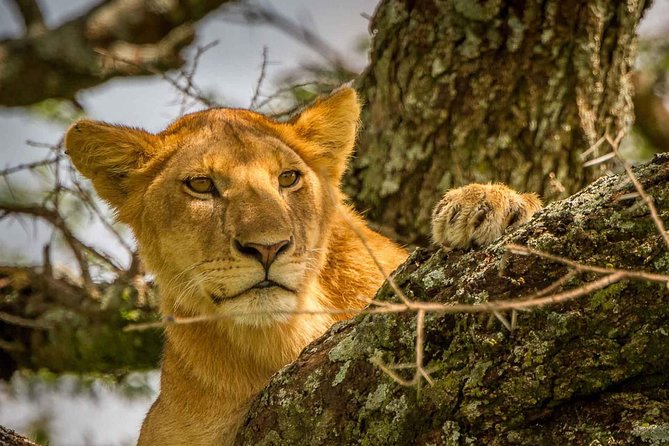
Serengeti is also where you connect wildlife with big-picture ecology. This is the home of the Great Migration, and you are in the world of wildebeest and zebra in enormous numbers. If predators are on your list, this is also a top region to look for big cats and other large carnivores, because the prey density makes hunting possible.
I like that the tour keeps admissions simple, with park-entry handled as part of the package on the first Serengeti day. That matters because it reduces the admin you have to manage while traveling.
A realistic note: seeing specific animals on a short trip is never guaranteed. But when you are in Serengeti with a proper guide, you are playing the odds in one of the most productive places on earth for wildlife viewing. The guide’s job is to put you where the action is, not where the brochure says the action should be.
Your flexible Serengeti day: build your perfect mix of morning and afternoon drives
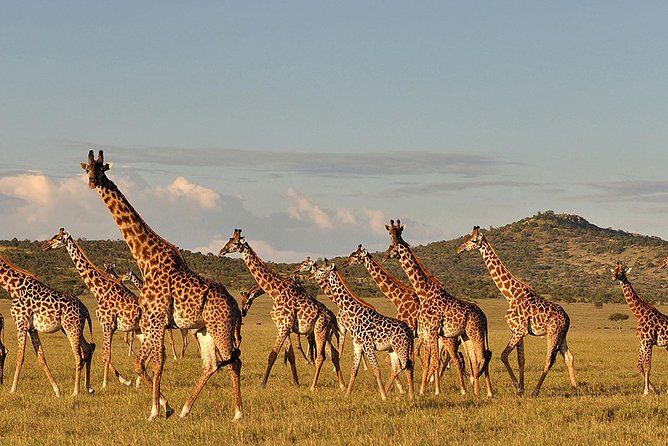
On day three, you get a full day in Serengeti, and this is one of the strongest parts of the tour concept. The plan is not rigid. Your guide will talk with you about what timing works best for animals and then organize game drives around your preferences.
That flexibility can look like a half-and-half approach: a morning game drive, lunch back at camp or lodge, then an afternoon game drive. If you want a longer push, you can choose something closer to a full day with a picnic lunch. Either way, you are not stuck with a one-size-fits-all schedule.
I love this because safari preferences are personal. Some people wake up ready at dawn and want maximum time outdoors. Others prefer a break in the middle of the day to rest, hydrate, and reset. Having options makes your wildlife time more enjoyable, not just longer.
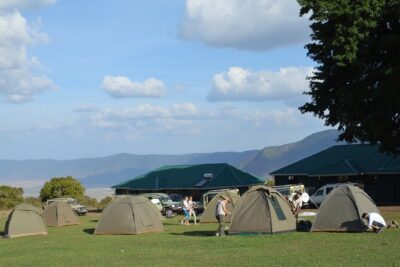
After the driving, you return to the Seronera campsite area for dinner and overnight. It helps to stay in the region where the animals are active, rather than burning hours transferring. For many travelers, this is also when the safari feels most grounded, because your day ends with camp life instead of constant motion.
Ngorongoro Crater day: early sunrise drives and the black rhino target
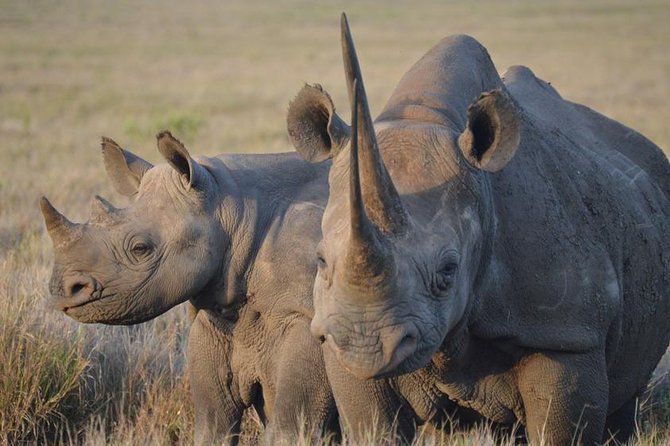
On day four, the tour leans into a classic strategy: very early wake-up for an early morning game drive. Animals are often more active at cooler hours, and sunrise in this region can be genuinely memorable. You also get the advantage of better light for viewing and photography, before the day warms up.
After the morning drive, you return for brunch and then head into Ngorongoro Crater. This crater is treated like a wildlife destination in its own right, with steep walls and a “contained world” feeling once you descend. The crater is large enough to hold many different habitats, including a river, swamps, and a soda lake area.
Why this matters for your trip: Ngorongoro is one of the rare places where you can look specifically for black rhino. You should treat that as a serious possibility, not a promise. Your guide’s ability to find the right area and the day’s wildlife movement both affect your outcome.
Also, Ngorongoro can be a powerful contrast after Serengeti plains. Instead of endless horizon views, you are watching wildlife within the crater’s bowl. The animals often feel more concentrated, and you get a different kind of drama from the steep drop-offs and open spaces below.
If you only have four days, this crater finale is a smart move. It keeps your trip exciting until the end, not just as a last stop you “fit in.”
The safari jeep and timing details that affect your comfort
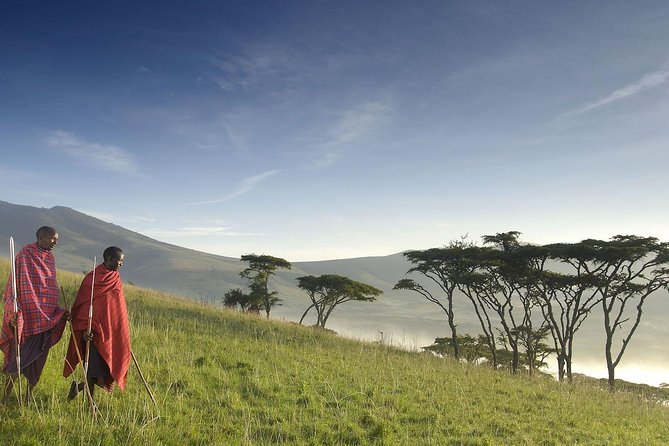
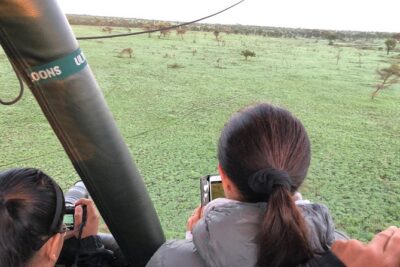
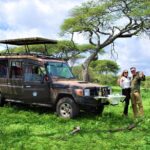
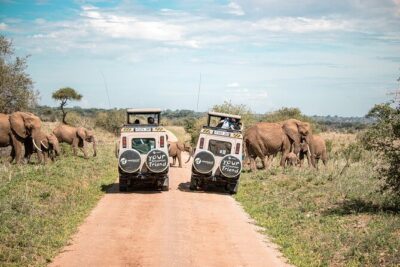
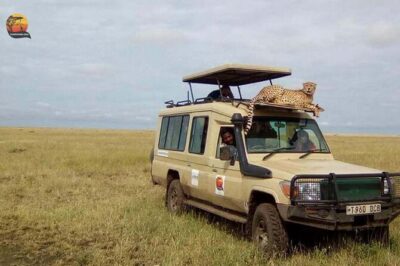
This tour runs on one vehicle style: a 4×4 safari jeep with a pop-up roof and six window seats. That setup is a big deal for comfort. The pop-up roof lets you see higher, and it makes it easier for everyone to track animals without everyone constantly leaning in the same direction.
Group size matters too. With a maximum of 6 travelers, you usually spend less time waiting for decisions and less time negotiating where you sit. A smaller group often means the guide can adjust faster when animals appear.
Timing is also practical here. The tour includes early starts, including the crater morning push. That can be tough if you are the type who needs a slow ramp-up, so plan for real rest at night and steady hydration.
One more comfort tip that comes from the tour’s structure: you will spend several hours per day in the vehicle. Pack what you need for heat and sun, and consider how you will handle dust. Even on good days, roads in safari country can be rough on clothing and skin.
Meals and camp rhythm: when food is part of the safari
Meals are included, and that is a quiet quality-of-life win. You get 4 breakfasts and 4 lunches, plus dinners for 3 of the 4 days. Drinks are included too, which helps when you are doing a lot of driving and you do not want to constantly hunt for refreshments.
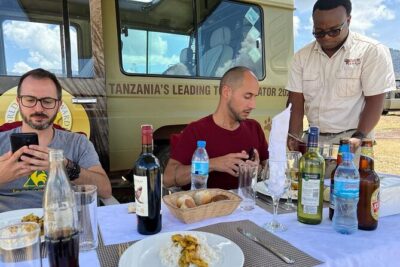
I also like that the tour treats food as a real part of the experience, not an afterthought. In feedback from past travelers, the chef has been highlighted for doing a great job, and the meals were described as delicious. When food is handled well, it changes the safari mood because you are not running on snacks and stress.
Dinner setup can be social. At the camp and dining tent, one traveler mentioned a communal table format, which tends to make it easier to meet fellow safari people and swap tips about sightings. That can be fun, especially if you like learning how other people experienced the same parks.
Practical note: because you have early mornings and full driving days, the best meal strategy is to eat well when offered. Do not wait until you feel hungry, because your schedule may not give you many easy breaks.
Price and value: what you pay for, and what you still need to budget
At $1,054 per person for 4 days, this is not a cheap activity. The value comes from what is included, and how much it compresses into a short window.
Your package includes:
- Safari jeep 4×4 with pop-up roof
- Professional driver/guide
- All fees and taxes
- Meals and drinks (with the counts noted earlier)
Park-entry handling is shown as free for the early days, and Ngorongoro day includes admission. In other words, you are not juggling separate park tickets while trying to enjoy the safari.
What you should budget separately:
- International flights
- Tips for the safari driver/guide and chief
- Personal items
- Travel insurance and visa fees
I think this pricing makes sense if you want a streamlined route and you do not want to assemble transport, guides, and park logistics on your own. If you already have local transport and know exactly how you want to plan, you could potentially spend less. But for many people, paying for the structure is worth it.
Also, because it is a group safari, you get some cost efficiency without going full bare-bones. The pop-up roof jeep and meals included are the kind of inclusions that protect your comfort.
Who this safari fits best, and who might want a different plan
This works best for:
- First-time Tanzania visitors with only about 4 days
- People who want the headline parks without complicated planning
- Travelers who like group energy but still want a smaller group size
- Anyone who can handle early starts for better wildlife odds
It may be less ideal if:
- You hate long drives and want lots of free time
- You need a super relaxed itinerary with minimal vehicle time
- You expect guarantees for specific animals
A good safari mindset helps. Instead of chasing one exact sighting, focus on patterns. Large predators are easiest when the guide can position you with prey activity. Rhino chances at Ngorongoro depend on timing and where the animals are, which is why the early drive is such a big deal.
Making the call: should you book this group safari?
I would book this tour if your priority is a high-impact wildlife hit in a short timeframe. The route design, the professional guide support, and the included meals make the experience feel less like logistics and more like safari time. Add in the pop-up roof jeep and the small group cap, and it becomes a comfortable way to see Serengeti and Ngorongoro without sacrificing your sanity.
I would think twice if you are sensitive to schedule pressure. This is a “do it now” safari, not a slow wander. If you want plenty of downtime, or you dislike early wake-ups, you might end up feeling rushed.
If you do book, go in with a flexible attitude. Give your guide room to adjust timing, especially in Serengeti. That is where the tour’s flexibility becomes a real advantage, because you are building the day around what you want most.
FAQ
What time does the safari start in Arusha?
The safari starts at 8:00 am in Arusha.
Is hotel pickup included?
Yes. Pickup is offered, and the tour includes free pickup and drop off at the airport.
How many people are in the group?
This is a group safari with a maximum of 6 travelers.
Are meals and drinks included?
Yes. Meals and drinks are included, including 4 breakfasts, 4 lunches, and 3 dinners.
Which parks are included in the 4-day safari?
You visit three highlights: Lake Manyara National Park or Tarangire National Park, Serengeti National Park, and Ngorongoro Crater.
What is not included in the tour price?
International flights, tips for the driver/guide and chief, items personal to you, travel insurance, and visa fees are not included. The tour also requires good weather, and if it is canceled due to poor weather, you will be offered a different date or a full refund.
Longer Trips Through the North
- Tanzania Classic – 7 Days
★ 5.0 · 1,151 reviews - 7-Day Premium Luxury Tanzania Safari All-Inclusive
★ 5.0 · 426 reviews - Tanzania Wildlife Encounters – 6 Days
★ 5.0 · 277 reviews - Group Safari 7 Days in Tanzania’s Main Parks
★ 5.0 · 240 reviews - 4 Days Join Group tour Tarangire Serengeti and Ngorongoro crater
★ 5.0 · 219 reviews
Just added from around Arusha
Multi-Day Northern Circuit Safari Packages, compared.
 ★ 5.07-Day Premium Luxury Tanzania Safari All-InclusiveFrom $4,840426 reviews
 ★ 5.0Tanzania Wildlife Encounters – 6 DaysFrom $3,413277 reviews
 ★ 5.0Group Safari 7 Days in Tanzania’s Main ParksFrom $3,000240 reviews
 ★ 5.04 Days Join Group tour Tarangire Serengeti and Ngorongoro craterFrom $1,090219 reviews
 ★ 5.05-Day Private Northern Tanzania Safari from ArushaFrom $2,780182 reviews
 ★ 5.05 Days Best of Tanzania Luxury Safari Northern CircuitFrom $3,744174 reviews
 ★ 5.08 Day Spectacular Migration Serengeti mid -Range Tanzania SafariFrom $4,257161 reviews
 ★ 5.0Multi-Day Tanzania Odssey Safari from ArushaFrom $4,164120 reviews
Browse the lists this tour appears in