
REVIEW · NGORONGORO CRATER SAFARIS
3Days luxury safari to Tarangire Ngorongoro crater and Manyara
A short safari can still feel huge. This one strings together Tarangire, Ngorongoro Crater, and Lake Manyara fast, with classic Big Five terrain and plenty of photo time. I especially like the photo-friendly 4WD Land Cruiser with photographic roof hatch and the way the schedule prioritizes wildlife drives (not just driving around). One thing to keep in mind: with only 3 days, sightings are never guaranteed, so you are going for strong odds, not a perfect checklist.
Here’s the vibe: you start from Arusha, get into safari mode quickly, and spend nights arranged inside or very close to the action. You also get a professional safari guide and park-entry coverage in the package, which cuts down on hassle. If you want one tight route through northern Tanzania and you value a smoother, well-organized trip, this circuit makes sense.
In This Review
- Key highlights from this 3-day northern Tanzania safari
- Why this Tarangire, Ngorongoro, and Manyara route works in 3 days
- Getting rolling from Arusha, and why timing matters
- Day 1 in Tarangire National Park: giant elephant herds and a calmer savannah pace
- Day 2 in Ngorongoro: going down into the caldera for black rhino country
- Day 3 at Lake Manyara: birds, flamingos in season, and tree-climbing lions
- The vehicle and guide setup that makes photos easier
- Luxury value check: what you get for $1,500 per person
- Big Five odds, and what you should expect when sightings vary
- Who this safari fits best, and who should reconsider
- Should you book Dancing Simba Safaris for this Tarangire, Ngorongoro, and Manyara circuit?
- FAQ
- How long is the safari?
- Where does the safari start and end?
- Which parks are included?
- What’s included in the price?
- What is not included?
- Is this a private tour?
- Is pickup offered?
- Is there free cancellation?
Key highlights from this 3-day northern Tanzania safari
- Tarangire elephant country, known for very large herds and classic savannah action
- Ngorongoro Crater descent, where black rhino and big predators live in the same bowl
- Lake Manyara birds plus tree-climbing lion chances, with Rift Valley scenery and seasonal flamingos
- Open-roof, photo-friendly game driving, built for better viewing angles and pictures
- Meals and park fees included, so budgeting feels simpler before you go
Other ways down into the Ngorongoro Crater
- 3 Days Serengeti & Ngorongoro Group Camping Safari★ 5.0 · 574 reviews
- 5 Days Camping Tarangire, Serengeti & Ngorongoro crater & Visiting Maasai★ 5.0 · 229 reviews
- 4 Days Join Group tour Tarangire Serengeti and Ngorongoro crater★ 5.0 · 219 reviews
- 4-Day Safari from Arusha: Tarangire, Serengeti and Ngorongoro★ 5.0 · 173 reviews
Why this Tarangire, Ngorongoro, and Manyara route works in 3 days
This safari is designed for people who want the signature northern parks without turning the trip into a long road marathon. Tarangire brings big-elephant herds and landscapes that feel wide and open. Ngorongoro Crater gives you that dramatic “wow” factor of a natural amphitheater holding dense wildlife. Lake Manyara adds a different flavor, with birds, forest edges, and the well-known possibility of tree-climbing lions.
The value is not just the parks. It’s the sequencing. You hit Tarangire first, when you’re fresh and ready to track animals across savannah and seasonal marsh areas. Then you go into Ngorongoro, where the wildlife viewing is concentrated in one dramatic place. Finally, Manyara helps you finish with variety, especially if birds and dramatic Rift Valley views are your thing.
One practical thought: you’ll spend a lot of time looking out of a vehicle. The trade is that you cover distance efficiently. The payoff is that you’re more likely to get multiple solid wildlife drives in just 3 days.
Getting rolling from Arusha, and why timing matters
The safari starts in Arusha. Pickup is offered, and the tour is private, so you’re not sharing vehicles with strangers or doing awkward waiting. You also have mobile ticket support, which helps if you’re juggling schedules while traveling in Tanzania.
A key detail for planning: the tour is often booked about 10 days in advance on average. If your dates are fixed around holidays or peak seasons, it’s smart to lock it in sooner rather than later. Not because you’ll lose your spot instantly, but because you’ll have an easier time getting the timing you want.
Also, expect early starts on game-drive days. This is normal safari rhythm, but it’s worth knowing so you do not treat it like a relaxed vacation schedule. Early light can improve visibility, and animals often move when temperatures are kinder.
Day 1 in Tarangire National Park: giant elephant herds and a calmer savannah pace
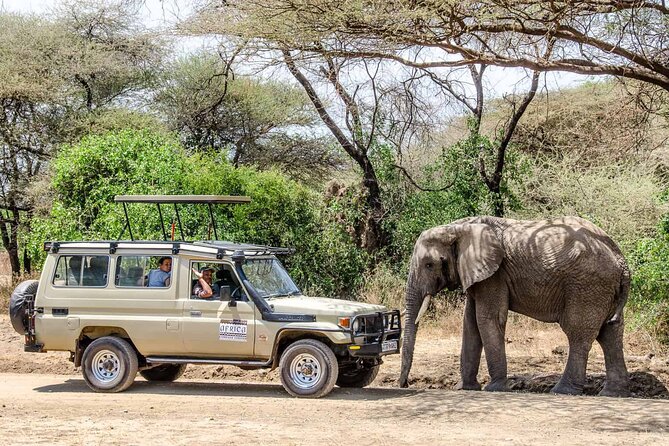
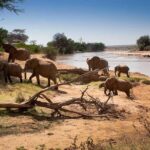
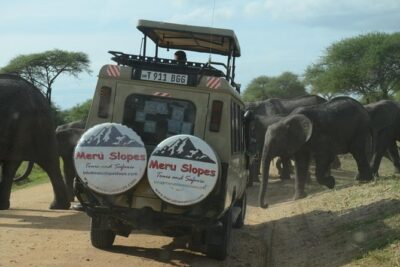
Tarangire is famous for elephant density in northern Tanzania. The park is described as tree savanna with seasonal marshes, which matters because it pulls animals into predictable feeding and watering zones. One standout stat you should know: Tarangire has been counted with over 4,000 elephants at one point, which is the kind of number that changes your expectations fast.
Once you arrive, your driver sets things up and you’re in an open-roof jeep for wildlife exploring and photography. That open viewing setup is a real advantage. It helps you track movement more easily and improves picture angles when animals are close to the vehicle.
You’ll stop for a picnic lunch at a pick nick site inside the park, then continue with more driving and wildlife viewing in the afternoon. The schedule also builds in a “stay inside the park” style overnight, so you are not rushing late hours back and forth. The result is more time in the places animals actually are.
What you might see here:
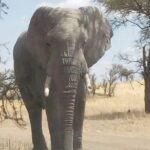
- elephants in large numbers
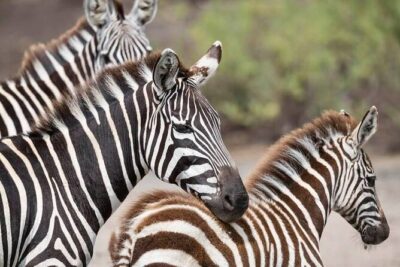
- giraffes, buffalo, lions, zebras, and different antelopes and gazelles
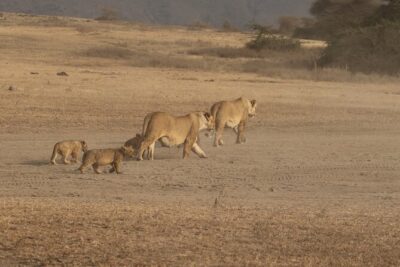
- lions and other big cats are possible, but sightings are never guaranteed
A small consideration: Tarangire can feel like lots of wildlife and lots of time at once. If you get overwhelmed by options, pick your priorities early. I find it helps to decide, before the drive starts, whether you are hunting for elephants, big cats, or birds. Then let everything else be a bonus.
Tarangire again, with different operators
Day 2 in Ngorongoro: going down into the caldera for black rhino country
Ngorongoro Conservation Area is where the safari gets dramatic. You start at the gate with a safari guide explanation and time for photos before heading up toward viewpoints. Then you go down into the crater itself, which is described as the world’s largest intact volcanic caldera. That bowl shape matters because it concentrates wildlife and creates a landscape where spotting can feel almost unfair.
Wildlife described for the crater includes black rhinos, plus Grant’s and Thomson’s gazelles, lions and leopards, elephants, and mountain reedbucks in the slopes’ forests. You might also see buffaloes, spotted hyenas, rare wild dogs, and a long list of bird life, with more than 500 bird species in the area.
The schedule is built around an intensive game drive and a picnic lunch after the descent. That “down then drive hard then lunch then drive again” rhythm helps maximize crater time, because the best viewing often happens in bursts. Then, in the afternoon, you leave the caldera and travel back to your accommodation.
How to think about Ngorongoro realistically:
- It’s one of the best places for a variety of animals in a short window.
- Big predators can appear when you least expect it, or not at all.
- If you’re focused on black rhino, keep your expectations open and let the guide work the sighting odds.
From the guide experience you’ll likely enjoy, the practical value is time on the animal, not just time on the road. In past trips organized by this company, guides such as Ombeni and Lunje have been praised for being encouraging and good at positioning you for views and photos. When you book, ask how they plan to structure crater viewing time, and if they have a preferred approach for photography angles.
Day 3 at Lake Manyara: birds, flamingos in season, and tree-climbing lions
Lake Manyara is a different mood from Tarangire and Ngorongoro. After breakfast, the day starts with the drive from Arusha to Manyara National Park. Manyara is described as an unspoiled paradise, best known for birds and tree-climbing lions.
The Rift Valley shapes the park, with a dramatic western escarpment forming the western border and the shallow, alkaline Lake Manyara on the east side. The lake’s water level changes with seasons, flooding and drying in cycles. That seasonal shift is why the park can host thousands of flamingos during rainy periods.
Vegetation here ranges from savannah to evergreen forest, which helps explain the animal variety. Forest edges are where you often get sightings that look different from classic open savannah. It also gives the day a nice change of pace, so your photos do not all look like the same background.
What you might see:
- tree-climbing lions
- abundant birds
- thousands of flamingos when conditions are right
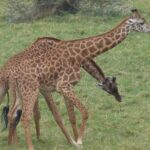
- giraffes, based on what the park is known for and the way the trip describes potential sightings
One note: because Manyara’s highlight animals and bird numbers can be seasonal, your exact day can vary. That’s not a bad thing. It just means you should enjoy Manyara for its mix of forest edge, birds, and Rift Valley drama, not only as a checklist stop.
The vehicle and guide setup that makes photos easier
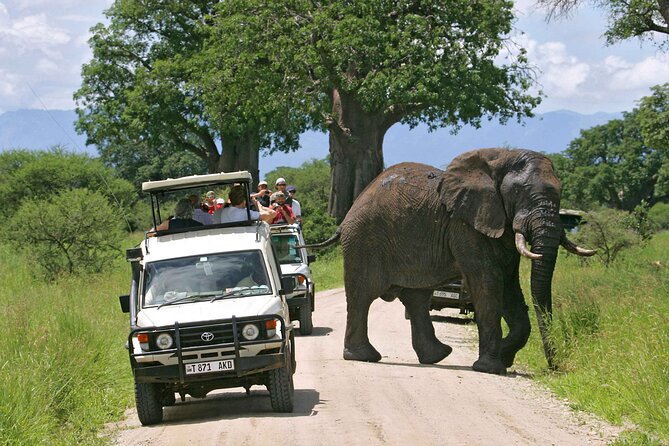
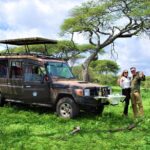
This safari leans hard into viewing quality. Transport is provided in a 4WD Land Cruiser with a photographic roof hatch, and the trip also describes open-roof jeep exploring, especially on the Tarangire day. Those two details sound small, but they matter.
In practical terms:
- You can see over the vehicle better when animals are moving or standing at the edge of the road.
- You can frame shots more easily without awkward body contortions.
- Your guide can call out direction and sightings faster because you’re not stuck with a roof down viewing setup.
Your professional safari guide is also a big part of the experience. In guest notes associated with the company, guides and support team members like Dennis and David are praised for being helpful, friendly, and attentive to timing during sightings. Lucas is also mentioned in connection with dedicated guiding. The consistent theme is not just spotting animals, but managing your time when animals show up.
A quick tip before you go: pack for photos as if you’re shooting all day. Bring a lens cloth, keep your phone or camera straps secure, and be ready to shoot quickly when the animal appears. Safari moments can be short, but the vehicle setup helps you react faster.
Luxury value check: what you get for $1,500 per person
At $1,500 per person, you’re not paying for a cheap ride. You are paying for convenience and the included safari machinery: transport, park access coverage, and meals. Included items list dinner, three breakfasts, three lunches, transport in a 4WD Land Cruiser with photo roof hatch, wildlife reserve fees, and camping equipment. Personal items, travel insurance, visa fees, laundry, and tips are not included.
So where is the value?
- You’re getting park fees and meals included, which often surprise people when they pay those separately.
- You’re getting 4WD safari transport designed for wildlife viewing and photography.
- You’re getting a private tour, which means your schedule is more adjustable to what the driver and guide are seeing.
What may feel less “luxury” to some people: camping equipment is listed, while the trip also describes lodge accommodation. That doesn’t mean anything is wrong. It just means you should confirm the exact overnight style for your dates. Ask whether your night is lodge-based or camping-style, and what the room setup is like. Luxury in safaris usually comes from good service, safety, and comfort basics, not from a city-hotel vibe.
Also, remember what big wildlife safaris cost in general across Tanzania. This price is positioned for people who want less hassle and more curated time in the parks, not people who want to DIY every step.
Big Five odds, and what you should expect when sightings vary
This safari is marketed around the chance to see members of the Big Five: lion, leopard, buffalo, black rhino, and elephants. The itinerary also highlights other animals like warthogs, hippos, antelopes, cheetah, hyenas, and a variety of birds.
Here’s the honest way to plan your expectations:
- Big Five sightings are possible, and Ngorongoro is a strong place for diversity.
- But predators, especially leopards and lions, can be elusive.
- Rhinos can be rare in some moments, even in parks where they exist.
Even in successful safaris, people sometimes miss one big cat sighting on the day. That’s not a failure of the trip. It’s safari nature. Your best move is to stay flexible and let the guide adjust routes based on real-time animal movement.
If seeing a particular animal is your number one goal, tell your guide early in the process and ask how they prioritize target species. A good guide will balance your priorities with what’s actually on the ground, and not just chase a single promise.
Who this safari fits best, and who should reconsider
This 3-day route fits best if you:
- want a compact safari through northern Tanzania: Tarangire, Ngorongoro, and Manyara
- value private guiding and transport more than DIY travel
- care about photo-friendly driving and structured wildlife time
- want meals and park fees handled for you
It may not be ideal if you:
- hate early mornings and long park days
- need a very relaxed pace with minimal vehicle time
- expect guaranteed Big Five sightings every day
If you’re traveling as a small group of friends or family, private tours can feel especially good because you get shared safari focus without waiting on strangers.
Should you book Dancing Simba Safaris for this Tarangire, Ngorongoro, and Manyara circuit?
I would book this if your goal is a well-run, focused northern Tanzania safari that hits three major parks in 3 days, with included meals and park fees. The itinerary structure makes sense: elephants and open views at Tarangire, crater density at Ngorongoro, then birds and Rift Valley variety at Lake Manyara.
Do your homework on one point before you pay: confirm the overnight arrangement style (lodge versus camping setup) for your dates. Also, if you care about specific animals, ask your guide how they prioritize sightings and what your photo time will look like on each park day.
If you want the best odds of a memorable Big Five style safari without turning your trip into a logistics project, this circuit is a strong choice.
FAQ
How long is the safari?
It runs for 3 days (approximately).
Where does the safari start and end?
It starts in Arusha, Tanzania, and ends back at the meeting point.
Which parks are included?
Tarangire National Park, Ngorongoro Conservation Area (Ngorongoro Crater), and Lake Manyara National Park.
What’s included in the price?
Dinner, breakfast (3), lunch (3), transport in a 4WD Land Cruiser with photographic roof hatch, wildlife reserve fees, and camping equipment.
What is not included?
Personal items, travel insurance, visa fees, laundry, and tips for the driver.
Is this a private tour?
Yes. It is listed as a private tour or activity, so only your group participates.
Is pickup offered?
Yes, pickup is offered, and the tour starts from Arusha.
Is there free cancellation?
Yes, you can cancel up to 24 hours in advance for a full refund, based on local time.
Down at Lake Manyara
- Private 6-Day Tarangire Manyara Crater and Serengeti with Mid-Range Lodges
★ 5.0 · 238 reviews - 3 Days Tarangire, Ngorongoro & Lake Manyara Group Camping Safari
★ 5.0 · 102 reviews - 3 Days Private Safari – manyara, Ngorongoro & Tarangire
★ 5.0 · 94 reviews - 05 Days Tarangire, Serengeti, Ngorongoro and Lake Manyara
★ 5.0 · 54 reviews - 5 Days 4 Nights Tarangire, Serengeti , Ngorongoro & Manyara Wildlife Safari
★ 5.0 · 40 reviews
Tarangire and Its Baobabs
- 5-Day Highlights mid-Range Crater, Serengeti, Tarangire
★ 5.0 · 296 reviews - Private 6-Day Tarangire Manyara Crater and Serengeti with Mid-Range Lodges
★ 5.0 · 238 reviews - 5 Days Camping Tarangire, Serengeti & Ngorongoro crater & Visiting Maasai
★ 5.0 · 229 reviews - 4 Days Join Group tour Tarangire Serengeti and Ngorongoro crater
★ 5.0 · 219 reviews - 4-Day Safari from Arusha: Tarangire, Serengeti and Ngorongoro
★ 5.0 · 173 reviews
Still Thinking About the Crater?
- 3 Days Serengeti & Ngorongoro Group Camping Safari
★ 5.0 · 574 reviews - 5 Days Camping Tarangire, Serengeti & Ngorongoro crater & Visiting Maasai
★ 5.0 · 229 reviews - 4 Days Join Group tour Tarangire Serengeti and Ngorongoro crater
★ 5.0 · 219 reviews - 4-Day Safari from Arusha: Tarangire, Serengeti and Ngorongoro
★ 5.0 · 173 reviews - 2 Days Tarangire and Ngorongoro Group Camping Safari
★ 5.0 · 146 reviews
Just added from around Arusha
Ngorongoro Crater Safaris, compared.
 ★ 5.03 Days Serengeti & Ngorongoro Group Camping SafariFrom $815574 reviews
 ★ 5.0Safari Serengeti And NgorongoroFrom $2,845288 reviews
 ★ 5.05 Days Camping Tarangire, Serengeti & Ngorongoro crater & Visiting MaasaiFrom $1,254229 reviews
 ★ 5.04 Days Join Group tour Tarangire Serengeti and Ngorongoro craterFrom $1,090219 reviews
 ★ 5.04-Day Safari from Arusha: Tarangire, Serengeti and NgorongoroFrom $1,753173 reviews
 ★ 5.02 Days Tarangire and Ngorongoro Group Camping SafariFrom $550146 reviews
 ★ 5.04 Days Tarangire Serengeti Ngorongoro CraterFrom $900117 reviews
 ★ 5.03 Days Tarangire, Ngorongoro & Lake Manyara Group Camping SafariFrom $700102 reviews
Browse the lists this tour appears in