
REVIEW · NGORONGORO CRATER SAFARIS
3 Days Tarangire, Lake Manyara and Ngorongoro Crater Tour
A safari that packs serious variety into 3 days. This route links Tarangire, Lake Manyara, and Ngorongoro Crater with a small-group feel and plenty of time on game drives. You’ll ride in a 4×4 open roof safari vehicle, with park fees and meals handled, so you can focus on seeing animals and understanding the places.
I like the mix of big mammals and classic safari scenery, then the grand scale of Ngorongoro’s caldera on day three. The other standout is the human touch the guides bring, with names like Sam and Ezekiel showing up in past experiences and putting real effort into explaining what you’re seeing, not just driving from one spot to another.
One thing to consider up front: this is an early start, full-days kind of schedule. If you hate long drives or want a slower pace, the 7:30 am start and the 8 to 10 hour park days may feel like a lot.
In This Review
- Key highlights to know before you go
- Three Parks, One Tight Window From Arusha
- Your Safari Vehicle and Small Group Feel
- Day 1 Tarangire National Park: Elephants and Baobabs First
- Day 2 Lake Manyara: Birds, Woodland Edges, and a Different Pace
- Day 3 Ngorongoro Crater: The Giant Caldera Day
- Price and Value: What You Pay For at $695.90
- What the Itinerary Means in Real Life (Not Just on Paper)
- Who This Safari Fits Best
- Practical Tips for a Smoother Safari Day
- Should You Book This 3 Day Circuit?
- FAQ
- What time does the tour start?
- How long is the 3 day safari?
- Which parks are included in this safari?
- What vehicle do you use for game drives?
- Are park entry fees included?
- What meals and drinks are included?
- Is pickup included?
- How many travelers are in the group?
- Is there an option for a private tour?
- What is the cancellation window?
Key highlights to know before you go
- Open-roof 4×4 safari vehicle for better animal spotting and that close-to-the-action feeling
- Tarangire’s elephant density and baobab scenery make it a strong day one choice
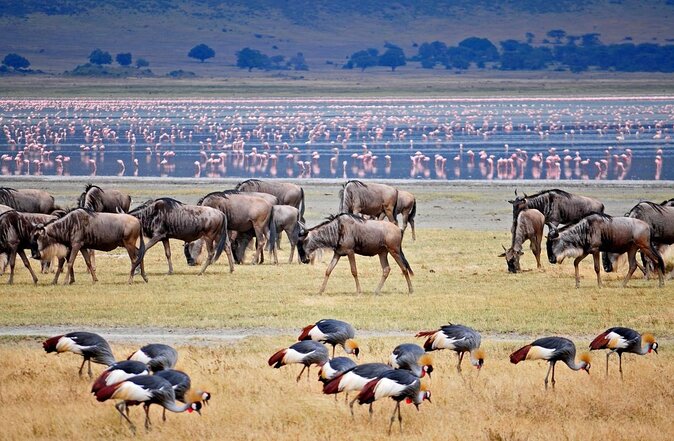
- Lake Manyara’s birdlife focus gives you more than just big mammals to look for
- Ngorongoro Crater’s volcanic caldera scale is the wow factor on day three
- Meals and drinks are included, including 1.5L bottled water per day
- Max 7 travelers, with private tour options if you have 5 people or more
Other ways down into the Ngorongoro Crater
- 3 Days Serengeti & Ngorongoro Group Camping Safari★ 5.0 · 574 reviews
- 5 Days Camping Tarangire, Serengeti & Ngorongoro crater & Visiting Maasai★ 5.0 · 229 reviews
- 4 Days Join Group tour Tarangire Serengeti and Ngorongoro crater★ 5.0 · 219 reviews
- 4-Day Safari from Arusha: Tarangire, Serengeti and Ngorongoro★ 5.0 · 173 reviews
Three Parks, One Tight Window From Arusha
This is the kind of safari plan that works when you have limited time but still want real variety. You start in Arusha, the classic jumping-off point for northern Tanzania parks. It sits at the base of volcanic Mt. Meru, and it’s close to the wider safari circuit that also includes other parks if you decide to extend later.
The tour is built around three distinct environments. Tarangire leans dry and open, Lake Manyara has a lake-and-woodland character with lots of bird potential, and Ngorongoro is all about descending into a giant crater basin. That change in terrain matters, because animals and viewing opportunities shift when the habitat changes.
Timing is straightforward on paper: the meeting start time is 7:30 am, and each day is long enough to feel like you’re actually doing safari, not just passing through. In practice, it means you should plan to be ready early with a good breakfast mindset, since you’ll be out in the field for hours.
Your Safari Vehicle and Small Group Feel
You’ll travel in a 4×4 open roof safari vehicle. Open roof is not a luxury add-on here, it’s part of the experience. You get better views for spotting animals, and photos come out clearer because you’re not constantly fighting windows and glare. On the flip side, open roof also means you’ll feel the sun, breeze, and dust more than you would in a fully enclosed vehicle. Bring sun protection and expect a bit of grit.
The group size caps at 7 travelers. That small number changes the vibe. It’s easier for the guide to move the vehicle around safely and manage the “where do we look now?” moment when something appears. It also tends to keep the tour from feeling like a big bus day where you only see animals from a distance.
Pickup is offered, and the meeting area is listed as near public transportation. If you’re arriving by shuttle or local transport, that flexibility can help. If you’re coming from a hotel in Arusha, ask the operator to confirm the pickup point so you’re not guessing on safari day.
Day 1 Tarangire National Park: Elephants and Baobabs First
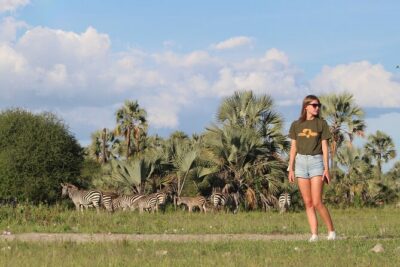
Tarangire is one of those parks that earns its reputation quickly. The park’s name connects to the Tarangire River that runs through the area, and that water influence shapes the ecosystem. Expect a mix of granitic ridges, river valleys, swamps, and woodlands. You’ll see a lot of acacia woodland and seasonally flooded grassland, plus the famous baobab trees.
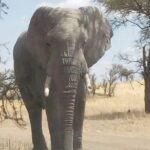
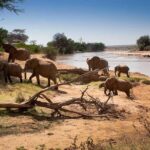
What I like most about starting here is the way Tarangire sets up your whole safari day. It’s famous for high density elephants, so even if you’re not chasing every rare sighting, the chance of seeing big animals is strong. Baobabs also make the scenery iconic. They’re not just “pretty trees,” they’re feeding and shelter points that can draw animals into the open.
If you’re going in the June to November dry season, the park tends to be extra productive for viewing. The dry season is when visitors often see large herds of thousands of zebra, wildebeest, and cape buffalo. Even if your timing is outside that window, the park still has a reliable rhythm, because animals concentrate where food and water are available.
On this day, you’ll spend about 8 hours in the park with admission included. That’s long enough to get into the driving “hunt” flow where you’re not only looking for animals, you’re learning how the guide reads the terrain. One practical takeaway from earlier safari experiences with guides like Sam: the best days are the ones where the guide explains what you’re seeing as you go, not just when you ask.
Potential drawback to know: Tarangire days can be dusty and sun-heavy, especially with an open-roof vehicle. Plan clothing that works for heat and protection. Also, bring patience for long roads out of Arusha, since you’re starting early and spending a full morning and afternoon in the field.
Tarangire again, with different operators
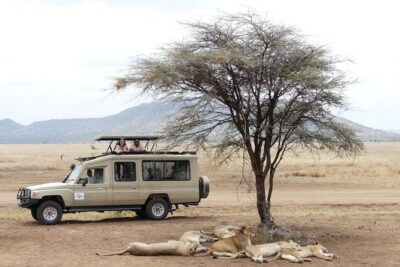
Day 2 Lake Manyara: Birds, Woodland Edges, and a Different Pace
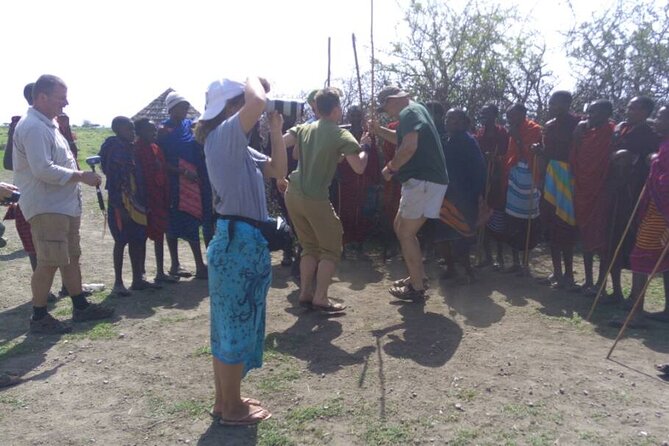
Lake Manyara National Park sits between Lake Manyara and the Great Rift Valley. That location matters because it creates a mix of habitats in a relatively compact area. The park covers about 325 km2, including roughly 230 km2 of lake surface. You’re not just driving through one type of scenery, you’re moving between woodland edges and areas influenced by the lake.
Here’s a key detail: more than 350 bird species have been observed. That’s the kind of stat that tells you what to expect even if you’re mainly a “big animal” safari person. On Lake Manyara, you can end up with excellent sightings by shifting your focus. Look up sometimes. Watch the shoreline. Notice how the habitat changes where birds gather.
The day is about 10 hours total. That’s a long field day, so bring snacks in addition to what’s provided if you tend to get hungry between meal times. The tour then heads back to Manyara town for your sleepover. That matters for comfort. You’re not trying to do a late-night game drive and then collapse somewhere far away. You’ll have a regular end-of-day rhythm.
One thing I find helpful in a lake-and-woodland park day is understanding the “why” behind sightings. If you know the habitat pattern, you can predict where you’ll likely see activity. Even without extra facts, the basic logic is simple: birds use water and cover, while mammals often use the same corridors and edges. A good guide will help you connect the dots.
Possible drawback: if you’re only chasing specific targets like big cats, Lake Manyara can feel less predictable day-to-day compared with parks known for consistently high predator density. That said, it’s still an important stop because it gives you variety, and birdlife alone is a good reason to include it.
Day 3 Ngorongoro Crater: The Giant Caldera Day
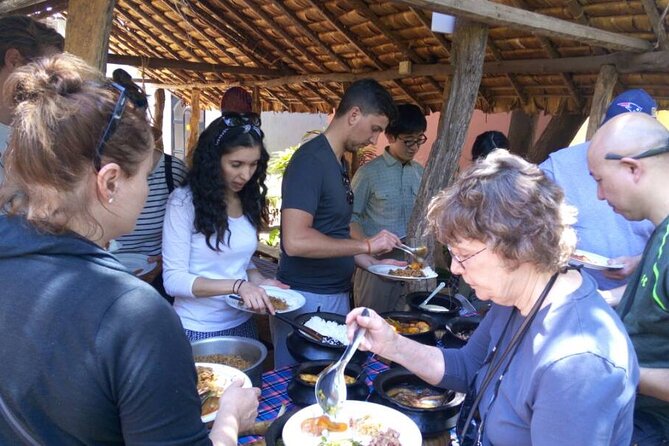
Ngorongoro Crater is the main feature of the Ngorongoro Conservation Authority, and it’s huge. The crater is described as the world’s largest inactive, intact, and unfilled volcanic caldera. It formed when a large volcano exploded and collapsed on itself millions of years ago.
The numbers here are the part that make your brain stop and go wow. The crater is about 610 meters deep and the floor covers about 260 square kilometers. It sits roughly 1,800 meters above sea level on the crater floor. In other words, you’re not just visiting a “spot,” you’re entering a giant natural bowl.
The viewing power of Ngorongoro comes from concentration. When many animals live in one enclosed caldera, your odds of seeing something move upward. You’re also traveling into an area with major ecological variety in one place, which helps break the monotony of “same scenery all day.”
This day runs about 8 hours and includes the crater service fees. That’s good value, because Ngorongoro viewing has a cost component that’s easy to forget when comparing cheap itineraries.
From a practical standpoint, plan for changing conditions. Even if the day feels similar to Arusha in the morning, the crater environment can shift how it feels temperature-wise and how dust behaves in the vehicle. With an open roof, you’ll want sunscreen and a light layer. Your guide should help you manage timing, but you should come ready for sun exposure and wind.
Price and Value: What You Pay For at $695.90
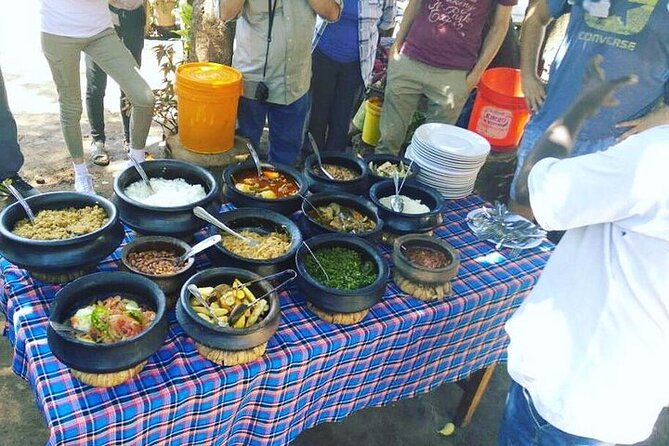
At $695.90 per person, this tour is aiming at “fair price for a real safari route.” The best way to judge value is to look at what’s included, because safari costs add up quickly once you start counting the details.
Included in this package:
- Park entry and crater service fees
- Long base 4×4 open roof safari vehicle
- Government taxes
- Water and soft drinks, including 1.5L bottled water per day
- Lunches (3)
- Breakfast (2) and dinners (2)
That set of inclusions is meaningful because it covers the big cost buckets: entry fees, the vehicle, and food. Water matters in Tanzania because staying hydrated on a long day is not optional. Having it built into the tour is practical, not just convenient.
Not included:
- International airfare and visa
- Health insurance and medical evacuation
- Tips and porterage to guides
- Items of personal nature
- Any other transfers not listed, and any extra accommodation not mentioned
So where does the money “feel” like it’s going? Most of your paid value here is going into park access, transport, and daily meals. If you’ve ever tried to piece together a safari piecemeal, you know the hidden costs are usually what kill your budget. This package reduces that headache.
One more value point: the tour limits to max 7 travelers, and it also offers private tours if you book with 5 people or more. That’s a real lever. If you’re traveling as a small group, you might get a more personal experience without paying for a fully custom charter.
What the Itinerary Means in Real Life (Not Just on Paper)
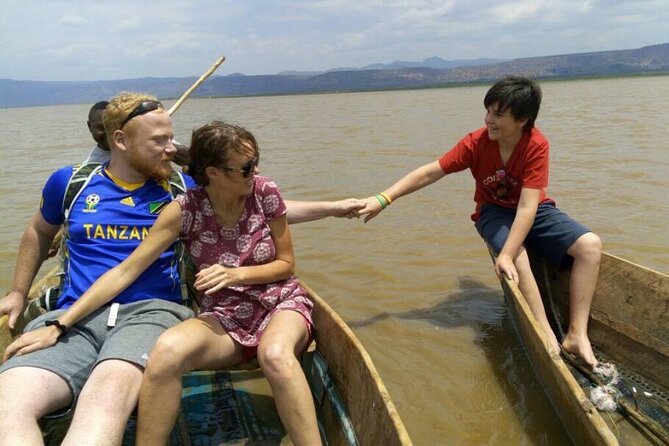
A 3-day safari can feel either rushed or satisfying depending on how it’s structured. This one is built for field time, not sightseeing stops. Day one and day three are both listed around 8 hours, and day two is longer at 10 hours. Those are the hours where your guide is actually searching for animals, repositioning, and giving you time to settle your eyes after each move.
Here’s what you can expect from the flow:
- You’ll start in the morning, typically with 7:30 am departure timing.
- You’ll spend most of the day in the parks rather than constantly driving between attractions.
- You’ll have meals included so you’re not hunting for food between long drives.
- You’ll end day two with a sleepover back in Manyara town, rather than staying out in the wilderness and trying to keep energy up.
The “culture” angle in the tour description is worth understanding too. A safari tour isn’t a classroom, but the best guides turn the drive into learning. In past experiences with guides like Ezekiel, the emphasis was on explaining what animals meant and what you were actually looking at, not just naming animals quickly and moving on. That kind of guide talk makes a big difference when you’re trying to understand Tanzania beyond a checklist.
Who This Safari Fits Best
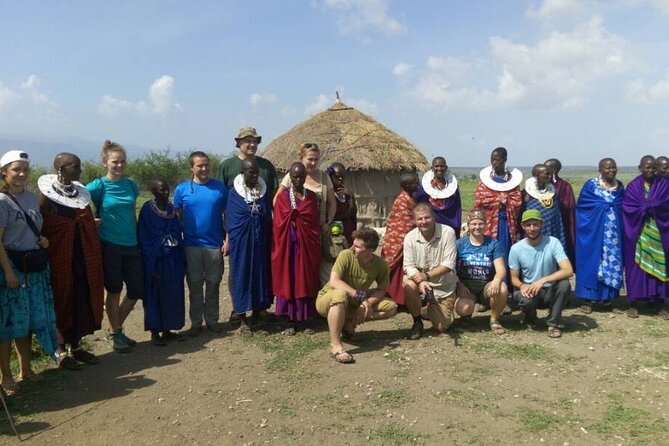
This tour is a strong match if you:
- Want a classic northern circuit in a short window
- Like learning from your guide as you go
- Prefer a small group size instead of large safari crowds
- Want open roof game viewing without a bunch of extra add-ons
It may not be ideal if you:
- Want a slower, more relaxed pace
- Are extremely sensitive to sun and dust (open roof changes the comfort level)
- Need a completely flexible itinerary day-by-day, since this is a fixed 3-park sequence
If you’re a solo traveler, you might be joining a group trip rather than getting a private vehicle right away. The operator states they organize both private and group joining trips, and private tours are available when booking has 5 people or more. If private matters to you, coordinate your dates around your group size.
Practical Tips for a Smoother Safari Day
Because this is a long-day, open-roof setup, small preparation choices have a big payoff.
Bring:
- Sun protection (hat, sunscreen) for the open roof rides
- Sunglasses
- Lightweight layers for temperature shifts
- A bag that can handle dust
- A camera lens cloth, dust is real on safari
Wear:
- Closed-toe shoes with grip
- Comfortable safari pants or shorts that you don’t mind getting dusty
Plan mentally:
- Expect early mornings and long hours.
- Keep snacks and water habits in mind even though bottled water and soft drinks are included. If you know how you eat when traveling, stick to that.
Also, take advantage of guide time. If you have questions, ask them. Names like Sam and Ezekiel show up in guidance notes from earlier experiences, and the best viewing usually happens when you understand what to look for.
Should You Book This 3 Day Circuit?
If you want a tight, efficient Tanzania safari that hits Tarangire, Lake Manyara, and Ngorongoro Crater, I think this is an easy yes to consider. The value is strongest when you care about what’s included: park entry, crater fees, a proper 4×4 open-roof vehicle, and daily meals plus 1.5L water per day.
Book it especially if:
- You want elephant and baobab time in Tarangire
- You like adding birdlife and lake habitat to your safari
- You want Ngorongoro’s caldera experience without stretching your schedule into a week
Hold off or ask extra questions first if:
- You need a more relaxed pace than long 8 to 10 hour days
- You’re planning extra park changes like Serengeti and want a different routing, not this exact sequence
- You’re unsure about what accommodation details are covered versus not covered, since the itinerary mentions a sleepover in Manyara town but doesn’t spell out hotel specifics here
If you align your expectations with early starts, full days, and open-roof comfort, this is the kind of safari plan that delivers real variety in a short trip.
FAQ
What time does the tour start?
The meeting start time is 7:30 am.
How long is the 3 day safari?
The duration is listed as about 3 days.
Which parks are included in this safari?
You visit Tarangire National Park, Lake Manyara National Park, and Ngorongoro Crater.
What vehicle do you use for game drives?
You ride in a 4×4 open roof safari vehicle.
Are park entry fees included?
Yes, park entry and crater service fees are included.
What meals and drinks are included?
The package includes 3 lunches, 2 breakfasts, and 2 dinners, plus 1.5L bottled water per day and soft drinks.
Is pickup included?
Pickup is offered.
How many travelers are in the group?
The tour has a maximum of 7 travelers.
Is there an option for a private tour?
Yes, it states private tours are available if the booking has 5 people or more.
What is the cancellation window?
You can cancel for a full refund if you cancel up to 24 hours in advance of the experience start time.
Down at Lake Manyara
- Private 6-Day Tarangire Manyara Crater and Serengeti with Mid-Range Lodges
★ 5.0 · 238 reviews - 3 Days Tarangire, Ngorongoro & Lake Manyara Group Camping Safari
★ 5.0 · 102 reviews - 3 Days Private Safari – manyara, Ngorongoro & Tarangire
★ 5.0 · 94 reviews - 05 Days Tarangire, Serengeti, Ngorongoro and Lake Manyara
★ 5.0 · 54 reviews - 5 Days 4 Nights Tarangire, Serengeti , Ngorongoro & Manyara Wildlife Safari
★ 5.0 · 40 reviews
Tarangire and Its Baobabs
- 5-Day Highlights mid-Range Crater, Serengeti, Tarangire
★ 5.0 · 296 reviews - Private 6-Day Tarangire Manyara Crater and Serengeti with Mid-Range Lodges
★ 5.0 · 238 reviews - 5 Days Camping Tarangire, Serengeti & Ngorongoro crater & Visiting Maasai
★ 5.0 · 229 reviews - 4 Days Join Group tour Tarangire Serengeti and Ngorongoro crater
★ 5.0 · 219 reviews - 4-Day Safari from Arusha: Tarangire, Serengeti and Ngorongoro
★ 5.0 · 173 reviews
Still Thinking About the Crater?
- 3 Days Serengeti & Ngorongoro Group Camping Safari
★ 5.0 · 574 reviews - 5 Days Camping Tarangire, Serengeti & Ngorongoro crater & Visiting Maasai
★ 5.0 · 229 reviews - 4 Days Join Group tour Tarangire Serengeti and Ngorongoro crater
★ 5.0 · 219 reviews - 4-Day Safari from Arusha: Tarangire, Serengeti and Ngorongoro
★ 5.0 · 173 reviews - 2 Days Tarangire and Ngorongoro Group Camping Safari
★ 5.0 · 146 reviews
Just added from around Arusha
Ngorongoro Crater Safaris, compared.
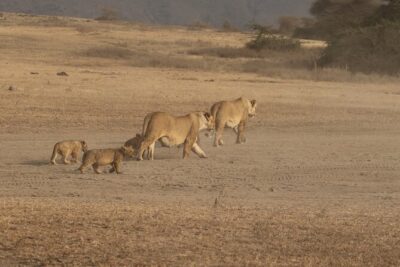 ★ 5.03 Days Serengeti & Ngorongoro Group Camping SafariFrom $815574 reviews
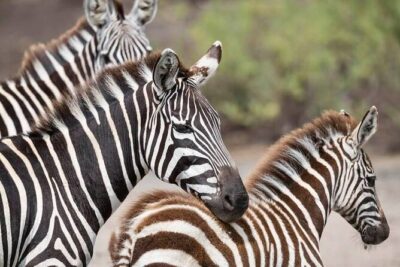 ★ 5.0Safari Serengeti And NgorongoroFrom $2,845288 reviews
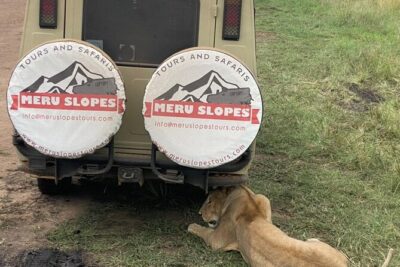 ★ 5.05 Days Camping Tarangire, Serengeti & Ngorongoro crater & Visiting MaasaiFrom $1,254229 reviews
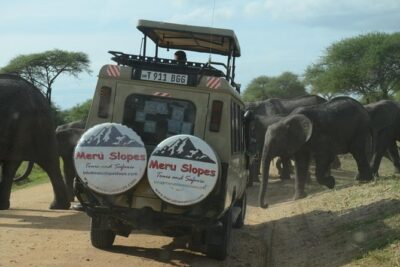 ★ 5.04 Days Join Group tour Tarangire Serengeti and Ngorongoro craterFrom $1,090219 reviews
 ★ 5.04-Day Safari from Arusha: Tarangire, Serengeti and NgorongoroFrom $1,753173 reviews
 ★ 5.02 Days Tarangire and Ngorongoro Group Camping SafariFrom $550146 reviews
 ★ 5.04 Days Tarangire Serengeti Ngorongoro CraterFrom $900117 reviews
 ★ 5.03 Days Tarangire, Ngorongoro & Lake Manyara Group Camping SafariFrom $700102 reviews
Browse the lists this tour appears in