
REVIEW · BIG FIVE AND GAME DRIVE SAFARIS
3 – Days Tanzania Wildlife Safari
Three days in Tanzania, three unforgettable parks. This fast, focused safari from Arusha packs Lake Manyara, the Ngorongoro Crater, and Tarangire National Park into one wildlife route, with hotel pickup and a professional guide in a comfortable safari car.
I like how the day-by-day plan aims at different styles of wildlife watching, from bird-filled Lake Manyara to the crater’s animal density. Private group touring and included admission tickets make it feel more straightforward than many budget safaris.
One consideration is the pace. You will be moving most of the day, and Day 3 ends with drop-off in Arusha or at Kilimanjaro International Airport, with no accommodation included for that day.
In This Review
- Key things I’d zero in on
- Why this 3-day Tanzania wildlife safari works for real life
- Starting in Arusha: pickup, comfort, and a private setup
- Day 1 Lake Manyara: flamingos, birds, and big-game chances
- Day 2 Ngorongoro Crater: viewpoint, descent, and serious density
- Overnight in Mto wa Mbu at Burudika Lodge
- Day 3 Tarangire National Park: baobabs and elephants, plus airport drop-off
- How the guide really changes what you see
- Value check: what $995 per person gets you, and what to watch
- Who should book this safari, and who may want more time
- Practical packing and safari etiquette that actually helps
- Should you book this 3-day wildlife safari from Arusha?
- FAQ
- Where does this safari start?
- Is this a private tour?
- Which national parks are included?
- Are admission tickets included?
- Do I get an overnight during the trip?
- What kind of ticket do I receive?
- How does the trip end on Day 3?
- What is the total duration?
- When does the tour operate?
- Can I cancel for free?
Key things I’d zero in on
- A tight 3-day circuit through three of Tanzania’s best-known wildlife areas
- Lake Manyara’s bird and flamingo territory plus a chance at big mammals
- Ngorongoro’s rim to crater descent, paired with morning game viewing
- Overnight at Burudika Lodge in Mto wa Mbu after the crater drive
- Tarangire’s baobabs and elephant herds, with both morning and afternoon drives
- Private tour, hotel pickup, and mobile ticket for a smoother start
Longer northern circuit routes, side by side
- Tanzania Classic – 7 Days★ 5.0 · 1,151 reviews
- Tanzania Wildlife Encounters – 6 Days★ 5.0 · 277 reviews
- Group Safari 7 Days in Tanzania’s Main Parks★ 5.0 · 240 reviews
- 4 Days Join Group tour Tarangire Serengeti and Ngorongoro crater★ 5.0 · 219 reviews
Why this 3-day Tanzania wildlife safari works for real life
If you have limited time but still want top-tier wildlife, this is the kind of plan that makes sense. Instead of spreading across a huge loop, you hit three parks with very different vibes, all from Arusha. That means you do not spend your days only traveling, you also get real time on the ground for spotting animals.
I also like the way the schedule is built around the best use of daylight for game drives. Most people see more when mornings and afternoons get treated like wildlife viewing windows, not just transport time. Each day also includes admission tickets, so you are not juggling extra fees in the middle of your trip.
That short duration is the tradeoff. You can have excellent sightings, but you will not have the luxury of slow exploration. If you know you want one area at a deeper level, like staying longer around the crater, you might prefer a longer safari later. Still, as a first safari or a time-crunched trip, this one is strong.
Starting in Arusha: pickup, comfort, and a private setup
This safari starts in Arusha, with pickup from your hotel. You should expect the day to begin early, and the tour operates within set daily meeting hours (6:00 AM to 6:00 PM, Monday through Sunday). In practice, that means you will want to be ready at pickup time, not lingering over coffee.
You will travel in a comfortable safari car with a professional wildlife guide. This matters more than people think. In wildlife country, the difference between seeing animals and missing them often comes down to where the guide positions the vehicle, how they read tracks and movement, and whether they know where certain sightings tend to happen.
This is also a private tour, so it is only your group. That reduces the awkward gaps you sometimes get on shared tours, where your schedule can feel like it belongs to a dozen people instead of to you. You’ll also receive a mobile ticket, which is handy if you are trying to keep everything simple on your phone.
Day 1 Lake Manyara: flamingos, birds, and big-game chances
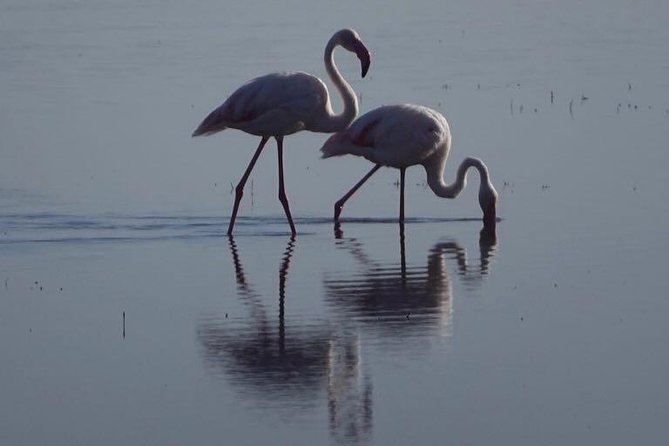
Lake Manyara is a good first stop because it instantly changes the way you think about wildlife. Yes, you can spot mammals. But the park is especially famous for birds, including flamingos, and it is tied to year-round bird activity. That makes it ideal if you want variety in what you see, not just the classic big-cat checklist.
After breakfast pickup, you head into Lake Manyara for morning game viewing. You will spend the morning inside the park, then you’ll have an early picnic lunch. The picnic piece is more than a convenience. It keeps the day moving and lets you stay in wildlife time instead of rushing back out for a restaurant.
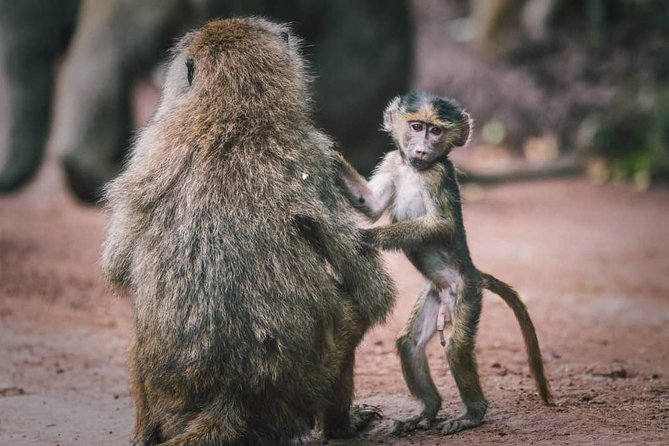
What you can realistically hope for here includes a mix of species. The park is associated with animals such as leopards, lions, cheetahs, elephants, blue monkeys, and hippos. You may also encounter smaller antelope like dik-diks, gazelles, impala, and others. There are also details worth keeping in mind if birds are your focus: the park is known for its rich birdlife, and Lake Manyara’s fame is tied to flamingos and broader birdwatching opportunities.
A practical tip for this day is to bring binoculars if you like birds. Even basic binoculars make bird watching far more rewarding. And keep your camera ready at eye level, since many bird moments happen in a quick sweep of motion across the shoreline.
More game drives with the same aim
Day 2 Ngorongoro Crater: viewpoint, descent, and serious density
Ngorongoro Crater is the headline stop, and it is set up to be dramatic. You start the day with breakfast, then drive toward the crater via the Ngorongoro conservation area. You also get time at the crater viewpoint before descending.
That viewpoint stop is valuable because it helps you understand what you are about to enter. The crater rim gives perspective, and the descent turns that perspective into action. Once you are down in the crater, you do a morning game drive and then stop at a picnic site for lunch.
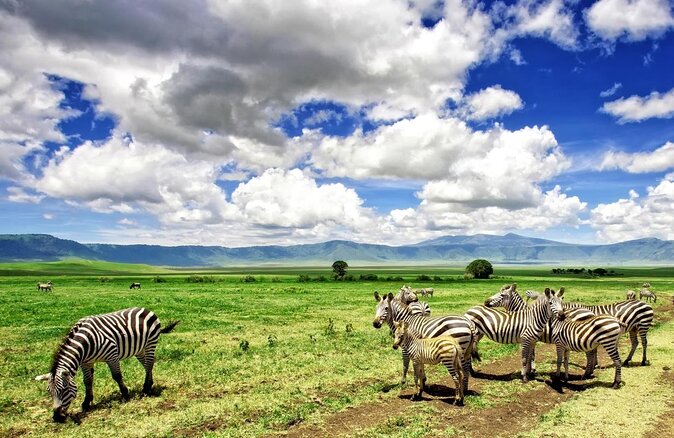
Ngorongoro is often described as a wildlife heaven, and the numbers explain why. The crater is known for having over 20,000 large animals, and it is also one of Tanzania’s last strongholds for black rhino. You might see one, but because the rhino population is small, it is not something to count on every day. Think of it like a bonus moment, not a guarantee.
After lunch, you continue with game viewing on the way out, then drive to Mto wa Mbu for overnight. That flow is smart. It keeps you from wasting the afternoon with only transport, and it adds one more chance for wildlife before you call it a day.
Overnight in Mto wa Mbu at Burudika Lodge
Day 2 ends with an overnight stay at Burudika Lodge in Mto wa Mbu. I like Mto wa Mbu as a base conceptually because it is close enough to the next driving rhythm, while still giving you a real chance to reset after a long crater day.
Since this safari is built around strong game drive blocks, your evening is about rest and regrouping. You will likely have a better experience if you treat the lodge as your recharge stop, rather than expecting a big schedule after dark. Keep your essentials organized for the next morning, especially if you want photos. If your camera gear gets scattered, your Day 3 mornings can start chaotic.
Also, because this is a private tour, the lodge transfer tends to feel smoother. You are not waiting around for strangers, which helps after a day of long drives.
Day 3 Tarangire National Park: baobabs and elephants, plus airport drop-off
Tarangire is a great way to close the safari because it feels different from Lake Manyara and Ngorongoro. The park is known for baobabs that dominate the scene. These trees are not just pretty. They also make the terrain feel more readable, and you often get better photo framing because the baobab forms a clear visual marker.
You will do a morning game drive after pickup from your hotel, then have a picnic lunch. In the afternoon, you go back out for another game drive. That two-drive structure is one of the reasons short safaris still feel full. You get multiple chances at wildlife, rather than hoping the one block is enough.
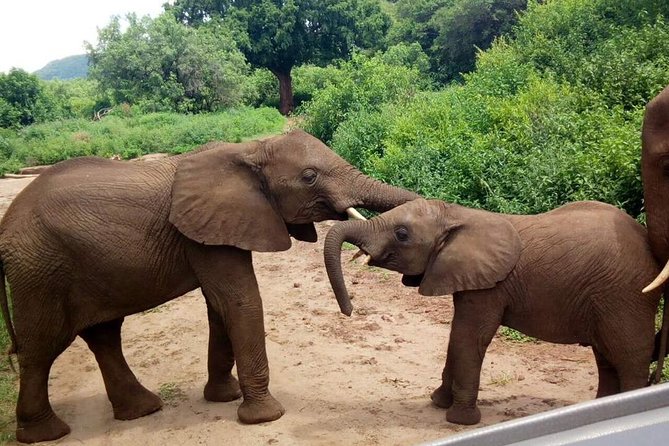
Tarangire is also an elephant park, with herds reported up to 300 elephants. Alongside elephants, you may see migratory wildebeest, zebra, buffalo, impala, gazelle, hartebeest, and elands. Even if you do not spot every species listed, the elephant focus gives you a high likelihood of classic safari viewing.
The day ends with drop-off back in Arusha or at Kilimanjaro International Airport for your departure flight. Note the important detail: Day 3 accommodation is not included. This is the one timing detail I would plan around first. If you have a late flight, check what you are doing before you book, so you are not stuck figuring out a last-minute hotel right after a full day drive.
How the guide really changes what you see
On a wildlife safari, your vehicle and timing help, but the guide is what turns time into sightings. One reason people rave about operators like Dusty Roads Adventures & Tours is that their guides are often described as detail-focused, with an ability to spot movement and set you up for the right angles.
In the feedback I’ve seen, guides such as Jeff get mentioned for having eagle eyes with the support of Dusty Roads Adventures. There is also mention of Justine making special efforts for photographers, which tells me the focus is not only on finding animals, it is also about helping you get the shot.
What this means for you: you should expect your guide to keep scanning constantly, to reposition when wildlife changes direction, and to manage the drive rhythm so you spend more time looking and less time guessing. If your group includes someone who cares about photography, it helps to mention that early. Even without guarantees, a guide who understands what you are after can adjust how they approach viewing stops.
Value check: what $995 per person gets you, and what to watch
At $995 per person for a 3-day safari, this price sits in a mid-range spot for Tanzania wildlife trips, and the value comes from what is included.
From the information provided, you get:
- hotel pickup in Arusha
- transport in a comfortable safari car
- a professional wildlife guide
- admission tickets included (listed for each day)
- a private tour (only your group)
- mobile tickets
- an overnight at Burudika Lodge after Day 2
- picnic lunches during the main driving days (Lake Manyara includes a picnic lunch, and Day 2 and Day 3 have picnic lunch stops)
What is not explicitly included is just as important. Day 3 accommodation is not included. Also, meals beyond the picnic lunches are not clearly outlined in the package summary you have here, so you should plan for that. You should also treat the price as tied to the safari flow shown, not as a flexible menu. If you want to add extra park time or different areas, you will likely pay more and adjust days.
So is it worth it? If your goal is a high-quality starter safari with major parks and included admissions, I think the package makes sense. If you want a slower experience, add-on activities, or extra nights to chase specific sightings like black rhino, you will probably want to budget for a longer itinerary.
Who should book this safari, and who may want more time
This 3-day safari is a strong fit for:
- first-time visitors who want major parks without committing to a full week
- couples or small groups who like a private pace
- anyone who wants a balanced mix of birds and big mammals, with baobabs and crater viewing in the mix
- most travelers, since the package notes that most people can participate
You might choose a longer safari instead if:
- you know you want a deeper focus on one park
- you want more buffer time for wildlife conditions and road changes
- you want more than three major viewing days, especially if you are chasing a very specific animal and want more tries
For families, short safaris can work well because the days are structured and the return timing is predictable. Still, you should expect long hours on game drive days, so comfort and patience matter.
Practical packing and safari etiquette that actually helps
Since you will spend a lot of time in the vehicle, pack for comfort and sun. Bring a hat, sunscreen, and water. Wear neutral colors that do not scream for attention, and keep layers handy because mornings can feel cooler than afternoons.
For wildlife viewing, listen to your guide’s instructions on where the vehicle can stop and how close you can get. When guides manage vehicle distance well, it helps animals stay calm and it improves your odds of seeing natural behavior rather than frantic movement. Keep noise low inside the car. If you are taking photos, plan your settings before the vehicle stops moving, so you are not fumbling while animals are right there.
If you are a birder, this route is a reminder that Tanzania is not only about big mammals. Lake Manyara can be a bird-focused day, so binoculars and a bird-friendly mindset pay off.
Should you book this 3-day wildlife safari from Arusha?
I’d book it if you want a well-paced, private introduction to Tanzania wildlife that hits Lake Manyara, Ngorongoro Crater, and Tarangire without making your trip feel like endless transit. The combination of admission tickets included, a professional guide, and a real overnight stop at Burudika Lodge makes it feel organized for a short trip.
I would pause and plan harder if you are sensitive to a fast schedule or if your Day 3 timing is tight, since Day 3 accommodation is not included and the tour ends with drop-off in Arusha or at Kilimanjaro International Airport.
If you want my simple decision rule: if three parks in three days sounds like your style, this is a smart way to start. If you want more breathing room, a longer safari will let you turn sightings into stories, one extra day at a time.
FAQ
Where does this safari start?
Pickup is offered from your hotel in Arusha.
Is this a private tour?
Yes. Only your group will participate.
Which national parks are included?
You visit Lake Manyara, Ngorongoro Crater, and Tarangire National Park.
Are admission tickets included?
Yes. Admission tickets are included for the tour days listed.
Do I get an overnight during the trip?
Yes. The overnight is at Burudika Lodge in Mto wa Mbu after Day 2. Accommodation for Day 3 is not included.
What kind of ticket do I receive?
You receive a mobile ticket.
How does the trip end on Day 3?
After Tarangire, you are dropped off at your hotel in Arusha or at Kilimanjaro International Airport.
What is the total duration?
The tour is listed as approximately 3 days.
When does the tour operate?
Meeting hours are Monday through Sunday from 6:00 AM to 6:00 PM.
Can I cancel for free?
Yes. Free cancellation is available up to 24 hours in advance for a full refund. If you cancel less than 24 hours before the start time, the amount paid is not refunded.
More Time in the Vehicle
- Tanzania Simba Safari – 5 Days
★ 5.0 · 217 reviews - Living Among Lions
★ 5.0 · 191 reviews - Big Five Luxury Safari in Tanzania
★ 5.0 · 68 reviews - From Arusha: 6 Day Classic Game Drive Serengeti & Ngorongoro
★ 5.0 · 49 reviews - 4-Day Simba Safari – Mid Range Tour
★ 5.0 · 47 reviews
Longer Trips Through the North
- Tanzania Classic – 7 Days
★ 5.0 · 1,151 reviews - 7-Day Premium Luxury Tanzania Safari All-Inclusive
★ 5.0 · 426 reviews - Tanzania Wildlife Encounters – 6 Days
★ 5.0 · 277 reviews - Group Safari 7 Days in Tanzania’s Main Parks
★ 5.0 · 240 reviews - 4 Days Join Group tour Tarangire Serengeti and Ngorongoro crater
★ 5.0 · 219 reviews
Just added from around Arusha
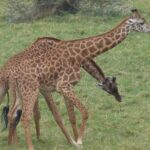
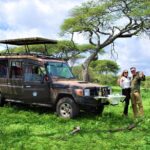
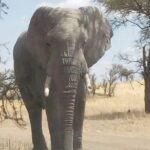
Big Five and Game Drive Safaris, compared.
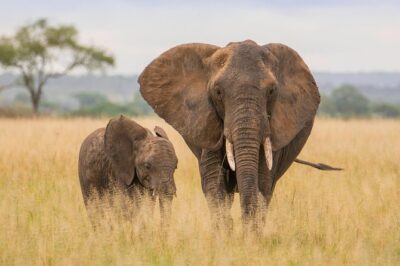 ★ 5.0Tanzania Simba Safari – 5 DaysFrom $2,897217 reviews
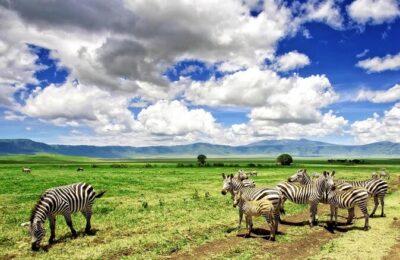 ★ 5.0Living Among LionsFrom $3,872191 reviews
 ★ 5.0Big Five Safari In TanzaniaFrom $3,75099 reviews
 ★ 5.0Big Five Luxury Safari in TanzaniaFrom $2,90068 reviews
 ★ 4.3From Zanzibar: Nyerere National Park Game Drive with LunchFrom $55059 reviews
 ★ 5.0From Arusha: 6 Day Classic Game Drive Serengeti & NgorongoroFrom $2,86449 reviews
 ★ 5.04-Day Simba Safari – Mid Range TourFrom $2,17947 reviews
 ★ 5.05 Days 4 Nights Tarangire, Serengeti , Ngorongoro & Manyara Wildlife SafariFrom $2,60040 reviews
Browse the lists this tour appears in