
REVIEW · MULTI-DAY NORTHERN CIRCUIT SAFARI PACKAGES
3 Days Tanzania Safari
Three days, three wildlife worlds in Tanzania. This Northern Circuit camping safari from Arusha is interesting because you get proper game drives with a 4×4 pop-up roof so you can actually watch and shoot from a good angle. I like the big-animal feel at Tarangire, then the drama of going down into Ngorongoro Crater for that concentrated wildlife moment. The only drawback to plan for is the early starts and the steep crater descent, which can be tiring if you do not handle hills well.
You also get the practical stuff that makes a safari feel easier: two nights of accommodation, bottled water, and meals lined up with breakfast, lunch, and dinner. Extras like binoculars and a birds and animal field guide help you get more from each sighting without scrambling for gear.
Because it is set up as a private tour for your group, your guide can pace the day around what you are actually seeing, not around a one-size-fits-all schedule.
In This Review
- Key things I’d focus on before you book
- Northern Circuit in 3 days: why this route works
- Day 1 in Tarangire National Park: elephants, baobabs, and picnic lunch time
- Day 2 in Ngorongoro Conservation Area: that 600m crater descent
- Day 3 at Lake Manyara: birds, pink flamingos, and tree-climbing lions (if you’re lucky)
- Camping safari rhythm: meals and the small comfort wins
- The 4×4 with pop-up roof: how you’ll actually spot animals
- Price and value: does $1,038.47 per person make sense?
- What to pack and what to plan for on safari days
- Who this safari is best for
- Should you book this 3 Days Tanzania Safari?
- FAQ
- What’s included in this 3-day Tanzania safari?
- Which parks are included and what are the main highlights?
- What game-viewing setup will we use for wildlife drives?
- Can I request vegetarian meals?
- Do I need a visa for Tanzania, and when do I get it?
- Are tips and cancellations covered in the cost?
Key things I’d focus on before you book
- Pop-up roof 4×4 game drives for better viewing and photo angles
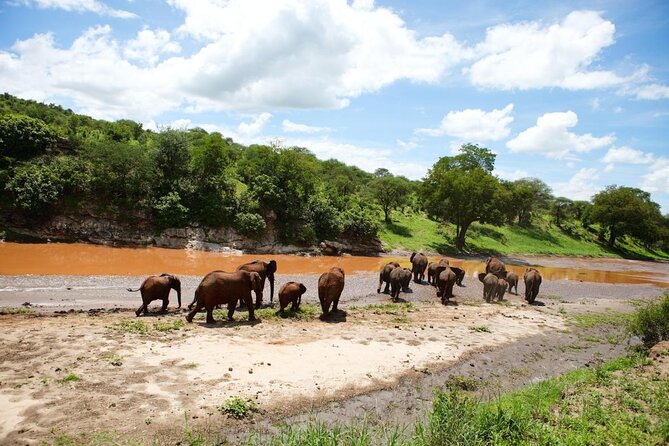
- Tarangire elephants and baobabs in open, dry-season scenery
- A steep Ngorongoro Crater morning with a dramatic 600m descent
- Lake Manyara birdlife plus a chance at the famous tree-climbing lions
- Binoculars and a field guide included, so you can focus on wildlife instead of shopping
Longer northern circuit routes, side by side
- Tanzania Classic – 7 Days★ 5.0 · 1,151 reviews
- Tanzania Wildlife Encounters – 6 Days★ 5.0 · 277 reviews
- Group Safari 7 Days in Tanzania’s Main Parks★ 5.0 · 240 reviews
- 4 Days Join Group tour Tarangire Serengeti and Ngorongoro crater★ 5.0 · 219 reviews
Northern Circuit in 3 days: why this route works
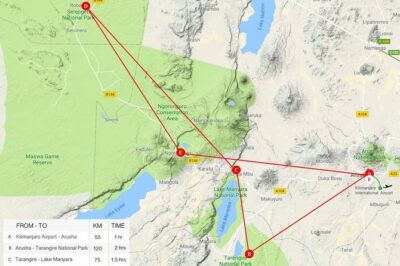
If you only have a short window, the Northern Circuit is a smart choice. You are not bouncing randomly across the map. Instead, this route strings together three very different wildlife settings in a way that keeps you in Tanzania’s best-known “game viewing mood” each day.
Tarangire gives you classic savanna contrast, with sparse vegetation and big herds moving through dry riverbeds. Ngorongoro is all about that bowl effect, where animals gather and you feel like you are watching life happen below your viewpoint. Lake Manyara changes the pace again, shifting the focus toward birds, Rift Valley scenery, and the unique behavior Lake Manyara is known for.
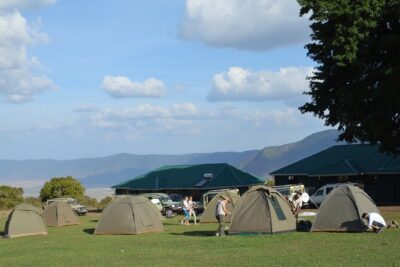
It is also a camping safari, which means you get that behind-the-scenes rhythm of staying closer to the landscape and the day’s sightings. I like that style because it keeps the trip feeling like an experience, not just a checklist.
Day 1 in Tarangire National Park: elephants, baobabs, and picnic lunch time
Tarangire National Park is one of those places that makes instant sense. The huge baobab trees give you a sense of scale, and the park’s dry-season look helps animals show up more clearly against the ground.
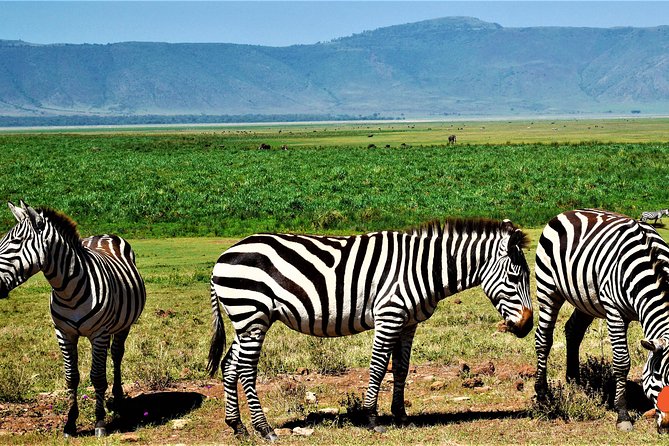
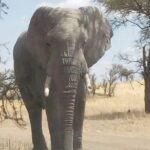
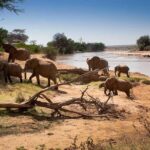
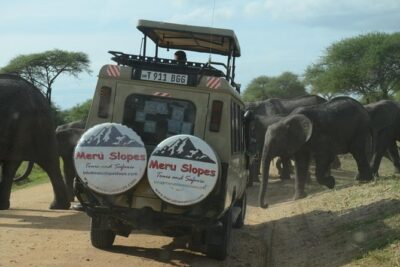
In the morning, pickup is from Mount Meru Hotel in Arusha, then you drive out to Tarangire. The highlight here is the chance to see large numbers of elephants, with the park known for herds that can reach up to around 300 in the right conditions. You also have a real shot at seeing wildebeest, zebra, and buffalo crowding around shrinking lagoons in dry riverbeds.
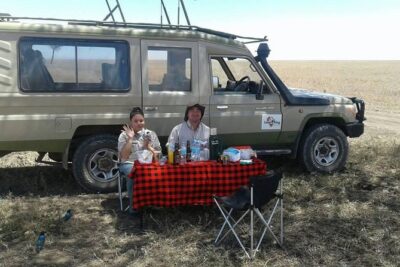
What I like is that you are not rushed through a drive-by. The day is built around a full afternoon game drive, and you get a picnic lunch as part of the plan. That matters because game viewing is not just about reaching the park, it is about spending enough time scanning, repositioning, and letting animals come to you.
A small practical note: because the scenery is sparse, heat and sun can feel intense. A hat, sunscreen, and water habits matter on this day, even though bottled water is included.
Day 2 in Ngorongoro Conservation Area: that 600m crater descent
If Day 1 is about open savanna drama, Day 2 is about controlled chaos inside a natural amphitheater.
You start early and descend about 600 meters down into Ngorongoro Conservation Area. That is a big change in elevation, and it is one reason this trip asks for at least moderate physical fitness. You will feel the “morning wake-up plus stairs or steep terrain” combo, then you get rewarded with a totally different wildlife view from the crater floor.
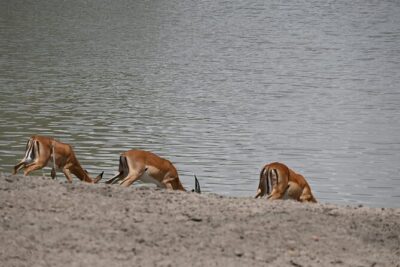
Ngorongoro is a UNESCO World Heritage Site and one of Africa’s most famous wildlife settings. The key idea is that the crater acts like a natural gathering point. The program has you out for an afternoon of viewing, and you are likely to see a wide range of animals sharing the same space.
You might also spot the endangered rhino. The wording is important here. This is not a guarantee, but Ngorongoro is one of the best places in Tanzania to look for it, and your guide should know where sightings have been happening.
One more detail I appreciate: the drive time is counted as part of the day, not left as a vague “we will see later.” You get about 7 hours on the plan for this crater day, so the trip feels structured rather than just transit-heavy.
Day 3 at Lake Manyara: birds, pink flamingos, and tree-climbing lions (if you’re lucky)
Lake Manyara National Park sits in the Great Rift Valley, and it has a totally different “energy” than the other two parks. This is where the scenery looks more layered, and wildlife viewing can feel a bit more unpredictable in the best way.
In the morning, you head out to Lake Manyara. The park is famous for tree-climbing lions, and it is also known for a soda-ash lake. The animals are great, but the real star here for many people is birdlife.
The shore line can be covered with pink flamingos, and the park attracts more than 400 species of birds, including waterfowl and migrants. That bird density changes how you watch. You spend more time scanning treelines, shore edges, and the air above the lake, not just chasing the big mammal sightings.
In the afternoon, you drive back to Arusha or Moshi, or you may end at Kilimanjaro Airport. This is a good wrap-up day because it gives you one last viewing window, then a smoother transition out.
If you are the kind of person who likes to keep learning while you watch, this park is a great match for the field guide and binoculars included.
Camping safari rhythm: meals and the small comfort wins
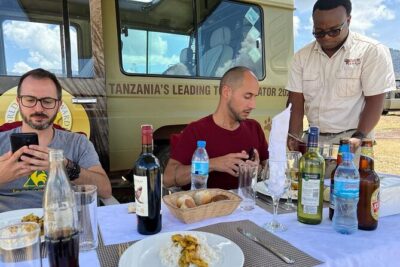
A camping safari can mean different things, but the core promise here is practical: you are fed well enough that you can focus on wildlife, not logistics. Your meals are set as part of the itinerary, including breakfast, lunch, and dinner at scheduled points across the three days.
Bottled water is included, and coffee and/or tea also shows up. Those are the tiny details that make a difference when you are waking up early, driving a lot, and getting sun exposure.
You also have emergency evacuation insurance included. That is the kind of line item people often skip reading, and then later wish they had paid attention. It does not replace common sense, but it adds peace of mind in a remote setting.
Since the plan is a private tour for your group, you do not have to squeeze comfort into a crowded shared vehicle. Your guide can also help you manage meal timing around sightings.
The 4×4 with pop-up roof: how you’ll actually spot animals
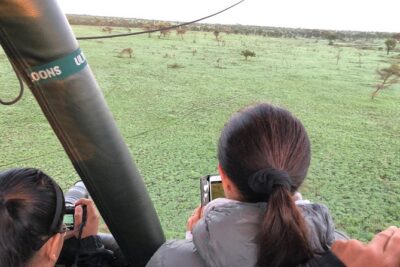
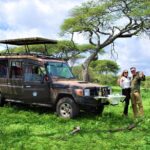
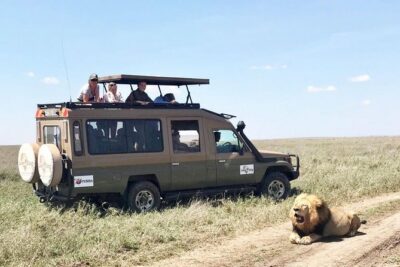
This is not the place to rely on a seat with limited visibility. This safari uses a 4×4 with a pop-up roof for game viewing, which is a big deal for both spotting and photo angles.
From a pop-up roof, you can see over tall grasses and reach a more level view when animals show up near trees, riverbeds, or the crater rim. It is also easier to keep the camera steady while you track movement.
Your guide should also use the vehicle to reposition as needed. That is where the “unlimited mileage” part matters. It signals that the plan is not built around strict mileage caps that force shortcuts.
And here is something I appreciate based on what I have seen in real safari feedback from this operator’s guides: names like Joshua, Roger, Alan, Ian, Francis, Rashid, and Edwin come up with praise for calm driving and clear explanations. I would treat that as a positive sign, but still do yourself a favor and ask your operator who your guide will be. Good match matters.
Price and value: does $1,038.47 per person make sense?
At $1,038.47 per person for about three days, you are paying for much more than “a car and a driver.”
What you get on paper is strong for a short trip:
- 2 nights accommodation
- National Park fees
- A professional guide
- Hotel pickup and drop-off
- A 4×4 with pop-up roof
- Meals across the itinerary plus bottled water
- Binoculars and a birds and animal field guide
- Government taxes
- Emergency evacuation insurance
When you break it down, the biggest cost drivers on safari are usually park access, vehicle time, and guiding. This package bundles those pieces together, so you are not piecing together separate bookings that can add friction mid-trip.
Where the value can wobble is in what you do outside the listed inclusions. Alcohol is not included, and personal items are on you. Also, gratuities are expected.
Speaking of which, the suggested industry recommendations are $15 a day for the cook and $20 a day for your guide, divided by everyone in the vehicle. For budget planning, treat this as a separate line item so it does not surprise you.
Overall, for a three-park Northern Circuit hit with camping and a strong viewing setup, the price feels more like “full-service safari” than “starter package.”
What to pack and what to plan for on safari days
You do not need to overpack, but you do need to pack smart for wildlife viewing.
A couple tips that show up repeatedly in real-world safari advice:
- Bring a camera with strong zoom (one suggestion was around 60x optical zoom).
- Pack DEET for mosquitoes and flying bugs.
That is especially relevant for evenings at camp, even if you are only there briefly. Also plan for sun on all three days. Even when vegetation is sparse, you can still burn quickly in open areas.
Practical comfort items:
- Light layers, because mornings can feel cool and afternoons can feel hot.
- A hat and sunscreen.
- A day bag that works from a vehicle roof view.
- Binocular-compatible camera strap, so you are not fighting your gear.
Since bottled water is included, you can sip confidently during drives, but I still suggest you keep a small habit going: drink steadily, not just at stops.
Who this safari is best for
This is a good fit if you:
- Want Tarangire, Ngorongoro, and Lake Manyara in one tight trip
- Prefer a private, paced experience rather than a busy multi-group shuffle
- Like learning as you watch, thanks to the included field guide and binoculars
- Are comfortable with early starts and at least moderate fitness needs for a crater day
It may be less ideal if you:
- Hate steep terrain or strong morning timing
- Expect a perfectly relaxed pace every day, because game drives require patience and time outdoors
The group size is limited to your group only, so it suits couples, small families, and friends who want shared adventure without extra noise.
Should you book this 3 Days Tanzania Safari?
I would book this itinerary if you want a well-rounded Northern Circuit safari in a short time and you value practical inclusions. Tarangire plus Ngorongoro plus Lake Manyara is a strong three-day blend, and the pop-up roof 4×4 plus included binoculars and field guide are the kind of details that make the sightings more satisfying.
Before you commit, do two quick checks:
- Confirm you feel good about the steep 600m crater descent and early mornings.
- Budget for gratuities and any extras like alcohol and personal purchases, since those are not included.
If that all sounds manageable, this is the sort of safari where the days feel full, the wildlife viewing time is real, and you leave with stories you will keep repeating long after the photos are sorted.
FAQ
What’s included in this 3-day Tanzania safari?
The package includes 2 nights accommodation, national park fees, emergency evacuation insurance, bottled water, and meals based on the itinerary (breakfast, lunch, and dinner). You also get a professional guide, hotel pickup and drop-off, unlimited mileage in a 4×4 with pop-up roof for game viewing, and added extras like a birds and animal field guide book plus binoculars.
Which parks are included and what are the main highlights?
You visit Tarangire National Park, Ngorongoro Conservation Area (the crater), and Lake Manyara National Park on the Northern Circuit. Tarangire is known for huge baobab trees and large elephant herds. Ngorongoro is famous for wildlife viewing in the crater and the chance to see an endangered rhino. Lake Manyara is known for tree-climbing lions and extremely strong birdlife, including pink flamingos.
What game-viewing setup will we use for wildlife drives?
You travel in a 4×4 vehicle with a pop-up roof specifically for game viewing. Unlimited mileage is included, and the schedule is built around several hours of drive time on the park days.
Can I request vegetarian meals?
Yes. Vegetarian options are available, and you should advise the operator at booking if you need it.
Do I need a visa for Tanzania, and when do I get it?
The tour notes that a visa must be obtained at the border or airport.
Are tips and cancellations covered in the cost?
Tips are not included. The suggested recommendations are $15 a day for the cook and $20 a day for your guide, divided by everyone in the vehicle. Cancellation is free up to 24 hours in advance for a full refund; if you cancel less than 24 hours before the experience starts, the amount paid is not refunded.
Longer Trips Through the North
- Tanzania Classic – 7 Days
★ 5.0 · 1,151 reviews - 7-Day Premium Luxury Tanzania Safari All-Inclusive
★ 5.0 · 426 reviews - Tanzania Wildlife Encounters – 6 Days
★ 5.0 · 277 reviews - Group Safari 7 Days in Tanzania’s Main Parks
★ 5.0 · 240 reviews - 4 Days Join Group tour Tarangire Serengeti and Ngorongoro crater
★ 5.0 · 219 reviews
Just added from around Arusha
Multi-Day Northern Circuit Safari Packages, compared.
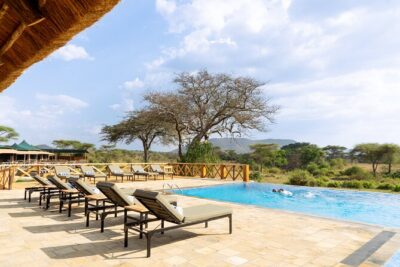 ★ 5.07-Day Premium Luxury Tanzania Safari All-InclusiveFrom $4,840426 reviews
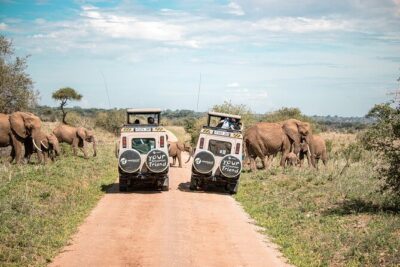 ★ 5.0Tanzania Wildlife Encounters – 6 DaysFrom $3,413277 reviews
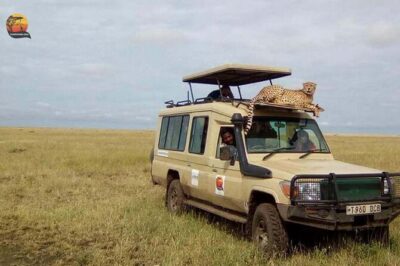 ★ 5.0Group Safari 7 Days in Tanzania’s Main ParksFrom $3,000240 reviews
 ★ 5.04 Days Join Group tour Tarangire Serengeti and Ngorongoro craterFrom $1,090219 reviews
 ★ 5.05-Day Private Northern Tanzania Safari from ArushaFrom $2,780182 reviews
 ★ 5.05 Days Best of Tanzania Luxury Safari Northern CircuitFrom $3,744174 reviews
 ★ 5.08 Day Spectacular Migration Serengeti mid -Range Tanzania SafariFrom $4,257161 reviews
 ★ 5.0Multi-Day Tanzania Odssey Safari from ArushaFrom $4,164120 reviews
Browse the lists this tour appears in