
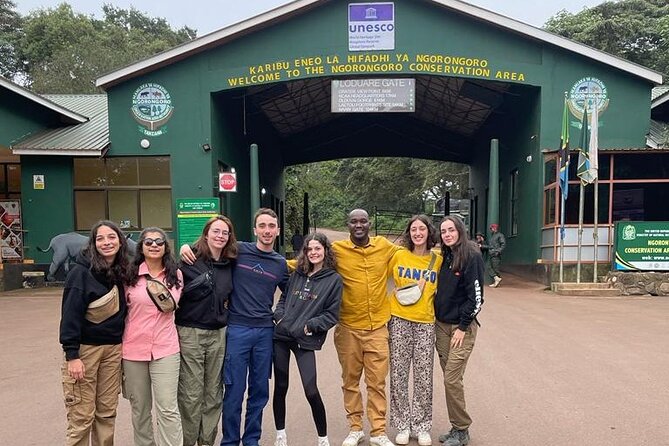
REVIEW · NGORONGORO CRATER SAFARIS
3 Days Tanzania Safari: Tarangire, Manyara and Ngorongoro Crater
Three parks, one unforgettable rhythm. This 3-day safari from Arusha strings together Tarangire, Lake Manyara, and Ngorongoro Crater for serious wildlife time and a real feel for northern Tanzania. I like that the tour is guided by pros who actually explain what you are seeing, and I like the smart mix of habitats, so you do not just get one type of animal encounter.
You’ll also get practical perks that make the day smoother: bottled mineral water throughout and binoculars provided, so you can stay focused on spotting animals instead of hunting for gear. One thing to consider, though, is that this is a full-on safari schedule, with long driving days and early starts, and the trip is not positioned as luxury.
In This Review
- Key takeaways before you go
- Tarangire, Manyara, and Ngorongoro in 3 days from Arusha
- Tarangire National Park: elephants, giraffes, and a photogenic savanna
- Lake Manyara National Park: flamingos and tree-climbing-lion energy
- Ngorongoro Crater UNESCO: Big Five chances and the hippo pool picnic
- What the 9-hour days feel like, and how to pack
- Guides and group size: why this tour vibe tends to work
- Meals and what you should expect on comfort
- Price and value: what $998.65 is paying for
- Who should book this safari, and who might rethink it
- Should you book Ubuntu Safaris and Tours for this 3-day loop?
- FAQ
- Where does the safari pick up and end?
- How long is the safari?
- What parks are included?
- What is included in the price?
- What is not included?
- What is the group size limit?
Key takeaways before you go
- Tarangire’s elephant energy: lots of elephants and giraffes, plus great chances for birds and big-open savanna views
- Lake Manyara’s variety in a short day: flamingos, hippos, and the famous tree-climbing lion possibility
- Ngorongoro Crater is the centerpiece: start early, descend for a morning drive, then enjoy a picnic stop by the hippo pool
- You get the basics covered: binoculars, bottled mineral water, and meals (2 breakfasts, 3 lunches, 2 dinners)
- Small group feel: maximum 28 travelers, which usually helps the day stay organized and not chaotic
- Guides with real personality: people highlight guides like Elli, Ombeni, and Agustino, often mentioning lively explanations and attentive care
Other ways down into the Ngorongoro Crater
- 3 Days Serengeti & Ngorongoro Group Camping Safari★ 5.0 · 574 reviews
- 5 Days Camping Tarangire, Serengeti & Ngorongoro crater & Visiting Maasai★ 5.0 · 229 reviews
- 4 Days Join Group tour Tarangire Serengeti and Ngorongoro crater★ 5.0 · 219 reviews
- 4-Day Safari from Arusha: Tarangire, Serengeti and Ngorongoro★ 5.0 · 173 reviews
Tarangire, Manyara, and Ngorongoro in 3 days from Arusha
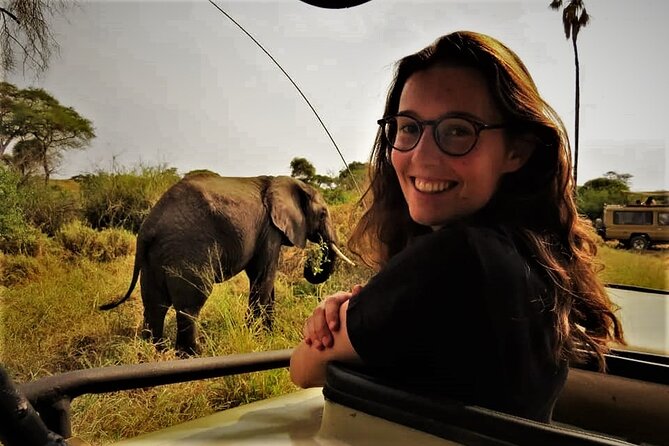
If you want a fast hit of northern Tanzania wildlife, this route makes sense. You start with Tarangire’s distinctive savanna and wildlife flow, shift to Lake Manyara for lake and forest edge action, then end with the dramatic setting of Ngorongoro Crater.
The day structure is built around prime viewing. Game drives typically work best early and late, so you get the most from each park without wasting daylight.
Because this is a group safari, you do not get total freedom to chase every sighting, but the tradeoff is that it stays organized and smooth. I also like that you return to the Clocktower Roundabout area in Arusha at the end, so you are not left trying to figure out transport late in the day.
Tarangire National Park: elephants, giraffes, and a photogenic savanna
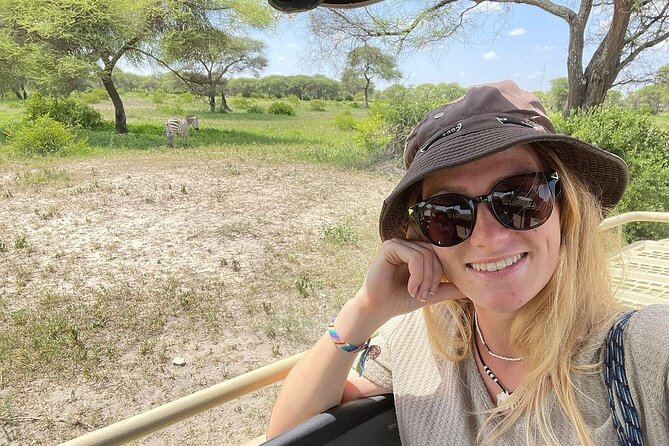
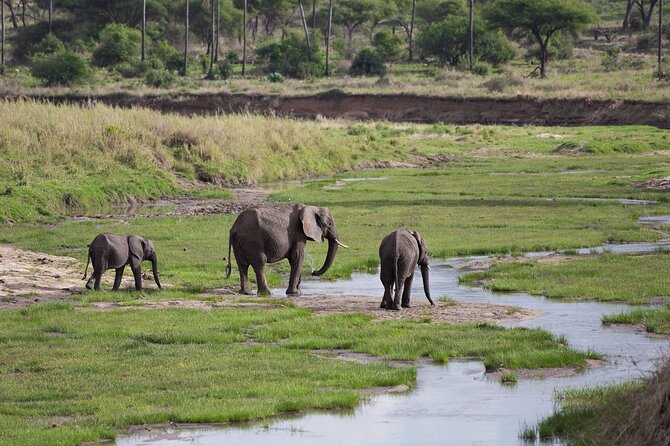
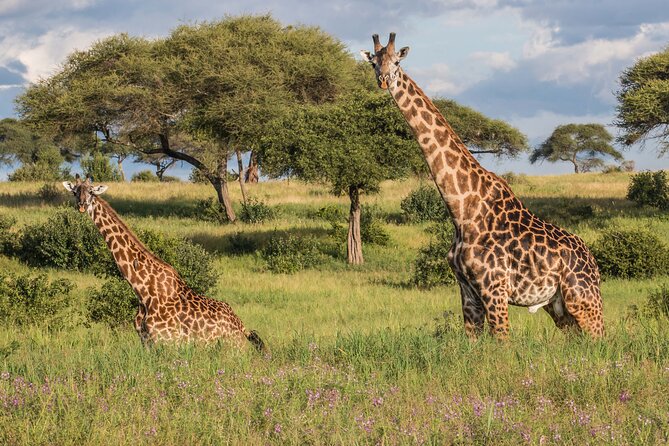
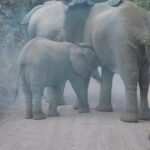
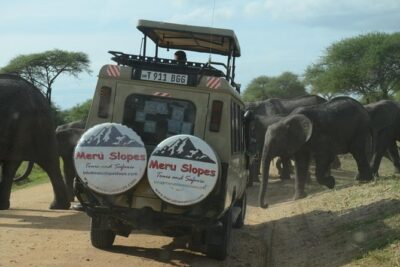
Tarangire is the opener for a reason. The park is known for its big concentrations of elephants, and you will also often see giraffes moving through the open areas. If you like watching animals at different distances, this place delivers, from close, textured views to wide shots that show how the savanna works.
Expect a long first day because Tarangire is the “main warmup” park. The time is set up for a full game drive, plus the chance to catch the light when the day starts to soften. You are also guided through birdlife and the smaller details that many people miss when they focus only on the big mammals.
The one practical note: Tarangire is not just about one species. It is about a mix of wildlife and scenery, with enough variety that your guide can keep the drive interesting even when the animal action is slower in a spot. The reviews you read for this kind of tour tend to focus on animals seen, and the strongest version of Tarangire is when your guide helps you spot what you might otherwise overlook.
Lake Manyara National Park: flamingos and tree-climbing-lion energy
After breakfast, you head out to Lake Manyara, about an hour from Tarangire. That short transfer matters, because it preserves time for the actual game drive.
Lake Manyara is famous for two things people love to hear about. First, tree-climbing lions. Second, flamingos in lake areas when the conditions line up. Even if you do not get a lion high in the trees, the park is still worth it because you get lake habitat views plus chances for hippos and elephants.
This day is also built for a more relaxing lunch break. You stop for lunch at a picnic site before overnighting near the park. That rhythm helps, because the next day at Ngorongoro asks for real early energy.
If you are the type who likes variety, Manyara is where you can see that northern Tanzania is not just endless grassland. You get water, birds, and different animal behavior than you see in deeper savanna.
Tarangire again, with different operators
Ngorongoro Crater UNESCO: Big Five chances and the hippo pool picnic
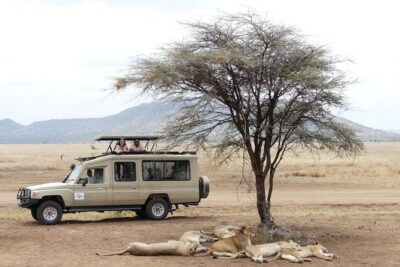
Ngorongoro Crater is the headliner. It is a UNESCO World Heritage site, and the timing is set for one of the best ways to experience it: start early, descend into the crater, and do a morning game drive.
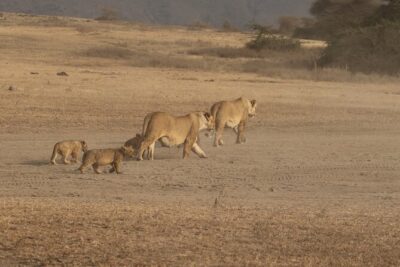
The crater setting changes everything. Wildlife here is concentrated in a way that often feels like a safari “stage,” with animals moving through a defined bowl of land and vegetation. The tour also calls out Big Five chances, including lions, elephants, buffalo, rhinos, and leopards. You should treat that as a real possibility, not a guarantee, but the odds are what make Ngorongoro such a bucket-list stop.
One memorable detail in the flow is the lunch by the hippo pool. That kind of stop is more than food. It is a chance to slow down and watch behavior around the water, which is often where you learn more about how animals use the landscape.
The day does not end when the morning drive finishes. You ascend out of the crater in the afternoon and return to Arusha in the evening. That means you should plan on a long day even though it feels like a single location. The crater itself is the fun part, but the road time back matters.
What the 9-hour days feel like, and how to pack
Each day is listed around 9 hours, and that is a clue to how your body will experience the trip. It is not a quick half-day. You are out for full daylight windows, with driving time included.
The biggest “timing reality” is Ngorongoro’s early start. If you can tolerate early mornings with good humor, you will love this. If mornings are your enemy, start hydrating right away and try to sleep early the night before the crater day.
On the packing side, you can go light because the tour provides binoculars and bottled mineral water. Still, you will want your own layers, since safari days often swing between warm sun and cooler air, especially early and later in the day.
Bring:
- A hat and sunscreen for long hours in open areas
- Comfortable shoes that handle dirt, steps, and uneven ground near picnic points
- A light rain layer, just in case
- A camera strap or small day bag that keeps hands free during spotting
Also, bring your curiosity. Guides like Elli, Ombeni, and Agustino come up in feedback for a reason, they talk, they explain, and they help you understand what you are seeing rather than just pointing quickly.
Guides and group size: why this tour vibe tends to work
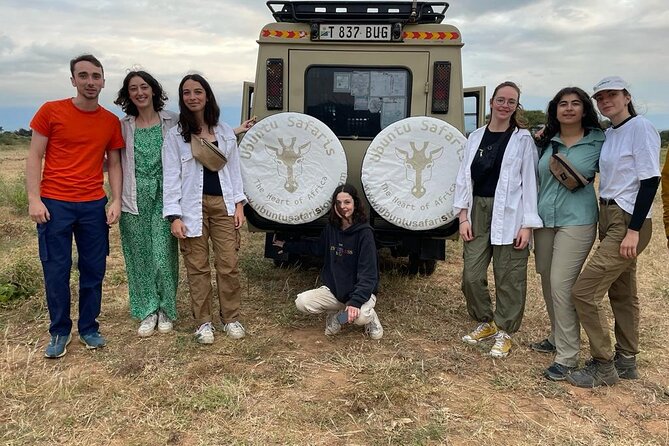
This safari runs with professional guidance and a group limit of up to 28 travelers. That is big enough to be affordable and run efficiently, but small enough that you usually do not feel like you are one face in a crowd of hundreds.
In the reviews, people repeatedly praise guides for being kind, attentive, and able to explain things in a way that sticks. One guide name that comes up is Elli, including comments about interesting discussions and knowing animals and parks well. Another name that shows up is Ombeni, with people highlighting how he showed good spots in Tarangire and Ngorongoro. Agustino also appears in feedback, with travelers appreciating smooth organization.
What that means for you: you are more likely to make sense of animal sightings in context. Lions at a distance are easier to understand when your guide explains why they are there, what the habitat suggests, and what you might look for next.
It also helps that the tour includes bottled water throughout the safari. On long drives, that is not a luxury detail, it is a comfort and focus detail.
Meals and what you should expect on comfort
The tour includes a lot of the “day-to-day” stuff that can otherwise add cost or stress. You get 2 breakfasts, 3 lunches, and 2 dinners. That is a big deal on safari, because food availability in parks is limited, and you want to spend time driving and spotting, not searching for meals.
You also get lunch on the crater day, and you get bottled mineral water throughout. Binoculars are included too.
Now for the reality check on comfort. The tour is not billed as luxury, and that matches what you might find if you are trying to set expectations. One review mentions accommodations described as classic but efficient. Another review specifically calls out nice accommodations, but without calling it high-end. So if you want a spa, you may be disappointed. If you want clean, functional, and close enough to get sleep before early drives, you will probably be happy.
Price and value: what $998.65 is paying for
At $998.65 per person for 3 days, you are paying for a tightly packed safari experience in northern Tanzania. The best way to judge value here is to look at what is already included versus what could be add-ons elsewhere.
Included items you should count:
- Binoculars
- Bottled mineral water throughout
- Meals: 2 breakfasts, 3 lunches, 2 dinners
- Admission ticket is listed as free for Day 1 (Tarangire) and Day 2 (Lake Manyara)
- Admission is included on Day 3 for Ngorongoro Crater
That matters because park entry and food can quietly inflate safari costs. If you were planning everything yourself, you would spend money on transport, guides, park access, and meals. This package bundles the core pieces, which is why it can feel like good value even with a group format.
You also get practical touches: pickup is offered, the tour ends back at the meeting point, and group size stays capped at 28. Those details reduce “time tax,” meaning less effort for you.
Who should book this safari, and who might rethink it
This safari fits you well if:
- You want a short safari window and still want the big-name parks: Tarangire, Lake Manyara, and Ngorongoro
- You like wildlife variety, including birds and lake habitat action, not just plains mammals
- You want a guided experience with explanations, not a do-it-yourself scramble
- You value included meals and bottled water for long days
This safari might not fit you as well if:
- You want luxury lodging and a high-end comfort setup (this is not positioned as luxury)
- You do not like early mornings, especially for Ngorongoro
- You need absolute private control over every stop, since it is a group format
The sweet spot is people who are serious about seeing wildlife and happy trading some independence for organization and expert spotting help.
Should you book Ubuntu Safaris and Tours for this 3-day loop?
I think you should seriously consider booking this if your goal is an efficient northern Tanzania sampler that still hits the big safari moments. Tarangire sets you up with elephants and giraffes, Lake Manyara adds lake-and-bird energy plus the tree-climbing lion story, and Ngorongoro gives you that crater bowl feeling with strong Big Five potential.
What makes me lean positive is the blend of included basics that actually matter on safari: bottled mineral water throughout, binoculars provided, and meals covered. Add in the consistent praise for guides like Elli, Ombeni, and Agustino, and you get the sense that the experience is guided in a human way, not just a checklist of stops.
My “do not overpromise” advice: treat big animal sightings as chances, not certainties. Safari is wildlife and weather. But the itinerary is built for prime viewing, and the stops chosen give you multiple shots at impressive moments.
If you want a fast, well-run safari that focuses on animal time over extras, this is a solid book.
FAQ
Where does the safari pick up and end?
Pickup is offered at the Clocktower Roundabout in Arusha, Tanzania. The activity ends back at the meeting point.
How long is the safari?
The tour is listed as 3 days (approx.), with each day running about 9 hours.
What parks are included?
The safari visits Tarangire National Park, Lake Manyara National Park, and Ngorongoro Crater.
What is included in the price?
Included items listed for the safari include binoculars, bottled mineral water throughout the safari, and meals (2 breakfasts, 3 lunches, and 2 dinners). Ngorongoro Crater admission is included, while Tarangire and Lake Manyara admissions are listed as free.
What is not included?
The listing notes luxury as not included.
What is the group size limit?
The tour has a maximum of 28 travelers.
Down at Lake Manyara
- Private 6-Day Tarangire Manyara Crater and Serengeti with Mid-Range Lodges
★ 5.0 · 238 reviews - 3 Days Tarangire, Ngorongoro & Lake Manyara Group Camping Safari
★ 5.0 · 102 reviews - 3 Days Private Safari – manyara, Ngorongoro & Tarangire
★ 5.0 · 94 reviews - 05 Days Tarangire, Serengeti, Ngorongoro and Lake Manyara
★ 5.0 · 54 reviews - 5 Days 4 Nights Tarangire, Serengeti , Ngorongoro & Manyara Wildlife Safari
★ 5.0 · 40 reviews
Tarangire and Its Baobabs
- 5-Day Highlights mid-Range Crater, Serengeti, Tarangire
★ 5.0 · 296 reviews - Private 6-Day Tarangire Manyara Crater and Serengeti with Mid-Range Lodges
★ 5.0 · 238 reviews - 5 Days Camping Tarangire, Serengeti & Ngorongoro crater & Visiting Maasai
★ 5.0 · 229 reviews - 4 Days Join Group tour Tarangire Serengeti and Ngorongoro crater
★ 5.0 · 219 reviews - 4-Day Safari from Arusha: Tarangire, Serengeti and Ngorongoro
★ 5.0 · 173 reviews
Still Thinking About the Crater?
- 3 Days Serengeti & Ngorongoro Group Camping Safari
★ 5.0 · 574 reviews - 5 Days Camping Tarangire, Serengeti & Ngorongoro crater & Visiting Maasai
★ 5.0 · 229 reviews - 4 Days Join Group tour Tarangire Serengeti and Ngorongoro crater
★ 5.0 · 219 reviews - 4-Day Safari from Arusha: Tarangire, Serengeti and Ngorongoro
★ 5.0 · 173 reviews - 2 Days Tarangire and Ngorongoro Group Camping Safari
★ 5.0 · 146 reviews
Just added from around Arusha

Ngorongoro Crater Safaris, compared.
 ★ 5.03 Days Serengeti & Ngorongoro Group Camping SafariFrom $815574 reviews
 ★ 5.0Safari Serengeti And NgorongoroFrom $2,845288 reviews
 ★ 5.05 Days Camping Tarangire, Serengeti & Ngorongoro crater & Visiting MaasaiFrom $1,254229 reviews
 ★ 5.04 Days Join Group tour Tarangire Serengeti and Ngorongoro craterFrom $1,090219 reviews
 ★ 5.04-Day Safari from Arusha: Tarangire, Serengeti and NgorongoroFrom $1,753173 reviews
 ★ 5.02 Days Tarangire and Ngorongoro Group Camping SafariFrom $550146 reviews
 ★ 5.04 Days Tarangire Serengeti Ngorongoro CraterFrom $900117 reviews
 ★ 5.03 Days Tarangire, Ngorongoro & Lake Manyara Group Camping SafariFrom $700102 reviews