
REVIEW · LAKE MANYARA NATIONAL PARK
3 Days Safari Tour in Lake Manyara and Ngorngoro
Two parks, one wild crater rim. This 3-day lodge safari from Arusha strings together Lake Manyara’s famous baboons and tree-climbing lions with the Ngorongoro Crater where predator density is high. I especially like how the day-by-day flow mixes different animal behavior and scenery, so you are not just repeating the same drive. The other big win for me is the guide factor, with praise for guides such as Michael and David, including fluent English and strong animal-spotting instincts.
The only drawback is the pace. You are starting early, spending long hours in a 4×4, and only getting a half-day inside the crater, so you need to be comfortable with a fast, efficient safari rhythm.
In This Review
- Key highlights you will care about
- Why Lake Manyara and Ngorongoro in 3 Days Works
- Day 1: Lake Manyara habitats, baboons, and the drive toward Karatu
- Day 2: A walking safari on the Ngorongoro rim (and why it’s worth the early start)
- Day 3: The over-600-meter descent into Ngorongoro for a half-day safari
- The guides and 4×4 vehicle that make or break safari days
- Food and lodging: what is included, and what you should expect
- Price and value: is $1,960 per person fair for this 3-day plan?
- Timing tips for a smooth safari rhythm in Arusha to crater country
- Who this safari suits best, and who should rethink it
- Should you book this 3-day Lake Manyara and Ngorongoro tour?
- FAQ
- What parks and areas are included in this safari?
- Where does the tour start, and when?
- Is pickup available from Arusha, and are airport transfers included?
- What vehicle is used for the safari drives?
- How large is the group?
- Is the Ngorongoro crater descent included, and how long is the crater safari?
- What lodging is included for the first night?
- What is included for meals?
- Can I cancel for a full refund?
Key highlights you will care about
- Two very different ecosystems in three days, with Lake Manyara habitats plus Ngorongoro’s crater game
- Baboons as a standout at Lake Manyara, plus the chance for the lions that are known for climbing trees
- A walking safari on the rim at Ngorongoro Conservation Area, with picnic lunches
- A real crater descent of over 600 meters for a half-day wildlife safari
- Small-group feel with a maximum of 14 travelers and a 4×4 safari vehicle
- Meals included all three days, including breakfast, lunch (often picnic-style), and dinner
Lake Manyara trips we also sat with
- Private 6-Day Tarangire Manyara Crater and Serengeti with Mid-Range Lodges★ 5.0 · 238 reviews
- 3 Days Tarangire, Ngorongoro & Lake Manyara Group Camping Safari★ 5.0 · 102 reviews
- 3 Days Private Safari – manyara, Ngorongoro & Tarangire★ 5.0 · 94 reviews
- 05 Days Tarangire, Serengeti, Ngorongoro and Lake Manyara★ 5.0 · 54 reviews
Why Lake Manyara and Ngorongoro in 3 Days Works
If you want classic northern Tanzania safari, this combo is one of the smartest short trips. Lake Manyara gives you variety right away, from woodland areas to swamps and lake views, and it is known for big groups of baboons. Then Ngorongoro flips the script, with the crater acting like a contained ecosystem where wildlife gathers in striking numbers.
The timing also helps your odds. You get game drives at Lake Manyara on day one, then a rim experience at Ngorongoro on day two, and finally the crater descent on day three. That pattern matters because animals move differently from morning to midday, and predators tend to show up when visibility and conditions are right.
One more practical point: this is a lodge safari, not just a day-tour shuffle. You get an overnight base in Karatu after day one, so the schedule feels more like a trip than a marathon.
Day 1: Lake Manyara habitats, baboons, and the drive toward Karatu
You start with a morning push from Arusha toward Lake Manyara National Park. The plan is to drive about 2.5 hours, enjoy game drive time in the park, then head on to Ngorongoro for dinner and an overnight stay in Karatu at Kudu Campsite or Bougainvillea Safari Lodge.
What I like about Lake Manyara on day one is the habitat mix. You are not stuck in one kind of scenery. The park can include acacia woodlands, water-forest areas, baobab-studded cliffs, hot springs streaked with algae, swamps, and the lake itself. That variety is a big reason you can see different animal behaviors in a single day.
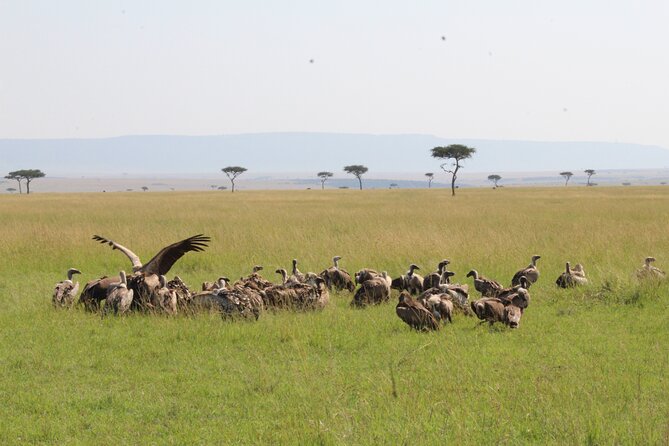
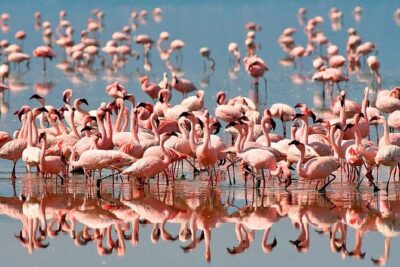
Lake Manyara also has a couple of signature wildlife draws. It is famous for having the largest concentration of baboons anywhere, and the lions here are known for tree climbing. If you travel during flamingo season, you may also spot flocks of these birds, which adds a different kind of wildlife magic beyond the classic large mammals.
After your Manyara time, you transition toward the Ngorongoro area for the evening. The dinner and overnight in Karatu keeps you close enough to start early the next day, without making you fight a long commute.
Day 2: A walking safari on the Ngorongoro rim (and why it’s worth the early start)
Day two is built around the Ngorongoro Conservation Area rim walk. After breakfast, you depart briefly, then set off early for a walking safari around the rim, with picnic lunches. It is listed as taking about seven hours total, so plan for a full day, even if the walking portion is only part of it.
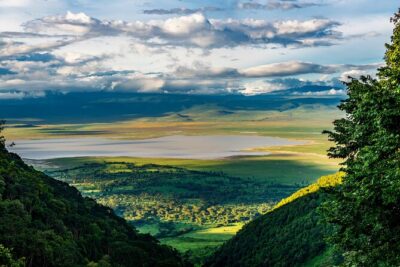
I like rim walks because they change how you see the crater. Instead of only looking from a vehicle, you get to stand at the edge and take in the scale and depth. The crater rim also gives you that first-feel context, which makes the later crater descent more meaningful.
And walking safari means you are paying more attention to smaller details. You are likely to notice signs of animals, track-like clues, and bird activity that can be easy to miss from a bouncing safari seat. If you are the type who gets more excited by observation than by speed, this is a strong day.
Day 3: The over-600-meter descent into Ngorongoro for a half-day safari
The final day is where Ngorongoro becomes real. After breakfast you travel to the Ngorongoro Conservation Area, arrive for lunch, then descend over 600 meters into the crater for a half-day wildlife tour. This part of the itinerary is often the main reason people choose this trip, and it is easy to see why.
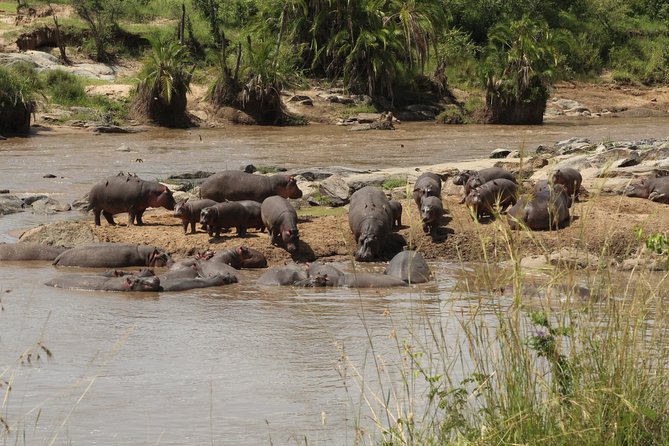
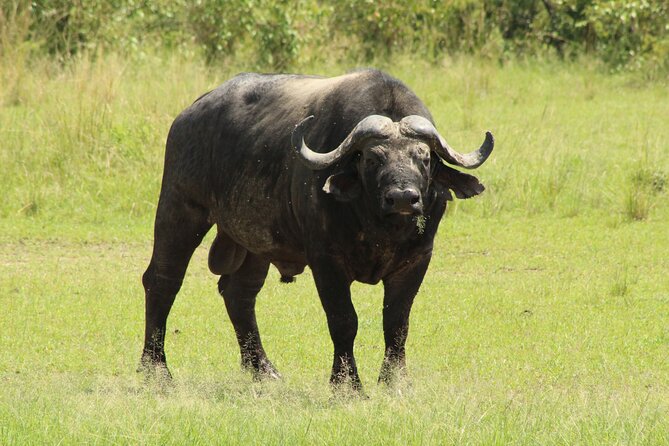
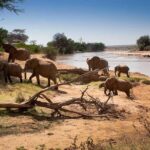
Ngorongoro is famous for its year-round water supply and fodder, and that matters for animals. The crater supports a wide range of species, including herds of wildebeest and zebra, buffalo, eland, warthog, hippo, and giant African elephants. In a relatively contained area, you can often see multiple species in the same general safari window.
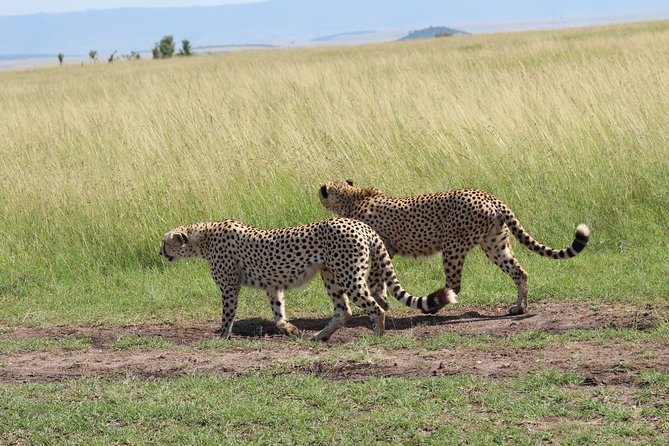
Predators are a major draw too. The crater is known for a dense population of lions, hyenas, jackals, and cheetahs, with leopard being more elusive and sometimes requiring a trained eye. This is exactly the kind of moment where your guide’s instincts and spotting skill matter.
You also have time for a visit to Lake Magadi, which adds variety beyond big-animal grazing patterns. Even if your main goal is the crater wildlife, this kind of extra stop helps you feel like the day has texture, not just one long drive.
The guides and 4×4 vehicle that make or break safari days
A safari itinerary is the skeleton. The guide is the muscle. Across the feedback, guides named Michael and David get called out for being warm, professional, and focused on what you actually want to see. English fluency also comes up as a big positive, especially when you want clear explanations while you are scanning the bush for movement.
With a maximum group size of 14 travelers, you also tend to get a calmer experience than you would on a larger tour. Smaller groups usually mean you can hear directions better, and your guide can manage sighting angles without chaos.
The vehicle is listed as a 4×4 safari vehicle, which is practical for Tanzania’s roads and for the changing surfaces around parks. You are going to spend serious hours inside it, so getting to the right place at the right time is essential. A good guide helps you spend less time wondering and more time watching.
Food and lodging: what is included, and what you should expect
This trip includes breakfasts, lunches, and dinner for all three days, plus parking fees and transportation. Day one includes picnic lunches during the drive and game drive, then dinner after you head toward the Ngorongoro side. Day two includes picnic lunches as part of the walking safari day. Day three includes lunch as you arrive before the crater descent.
What that means for you: you can travel lighter. You are not trying to track down meals at random stops during long drives, and you are less likely to waste safari time hunting food. Picnic-style lunches also tend to be common on safari routes because they keep you moving.
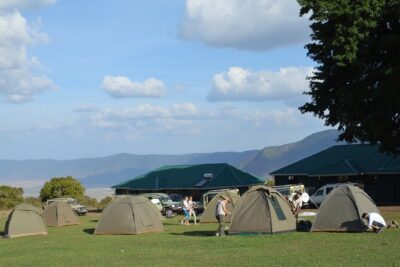
For lodging, night one is in Karatu at Kudu Campsite or Bougainvillea Safari Lodge. The point of a Karatu base is logistics. You get a convenient position to start early for the rim day and have less stress in the morning.
Price and value: is $1,960 per person fair for this 3-day plan?
At $1,960 per person, the price is not cheap, so it is worth thinking in value terms. Here is what you are getting that affects value most:
- 4×4 transportation for the safari days
- parking fees
- breakfast, lunch, and dinner for three days
- airport transfers if applicable
- pickup offered from Arusha Urban, with return to the meeting point
- park access is shown as free for the itinerary days listed
Also, the maximum group size is 14 travelers, and the schedule is focused on two of the most famous areas in northern Tanzania. Lake Manyara and Ngorongoro together usually cost more than single-park safaris, because you are paying for more driving and more park access time.
So, is it value? For most people, it comes down to two things. First, do you want a fast, efficient route that hits both parks without dragging it into a longer trip? Second, do you care about guides who can communicate well and help you spot animals reliably? If your priorities match that, this package looks like a reasonable way to buy time, meals, and transport in one block.
Timing tips for a smooth safari rhythm in Arusha to crater country
This itinerary starts at 8:30 am from Arusha Urban, then builds early-day energy into day two and the crater descent on day three. That is normal for safari, but you should be ready for it.
Here is how I’d plan around the timing, so the long days feel easier:
- Dress in layers. Morning safari air can feel cooler, while afternoons can warm up quickly.
- Bring a hat and sunglasses, since you will be scanning for animals across open areas.
- Stay hydrated during long drives, even when you are focused on sightings.
- Keep your camera ready. With baboons, flamingos in season, and predators in the crater, you want your hands free and your settings sorted.
One more practical note: this tour includes picnic lunches. You can treat that as a sign to eat normally but not overpack food. If you bring snacks, keep them light and easy.
Who this safari suits best, and who should rethink it
This tour fits best if you want a classic northern circuit highlight in a tight schedule. If your must-dos include Lake Manyara’s baboon concentration and Ngorongoro’s crater descent, it makes sense to choose a plan that gets you there efficiently.
It also works well for couples and special trips. One honeymoon experience is highlighted in the feedback, and the emphasis on a guide who is attentive, professional, and tuned to your wants suggests this can feel personal, not factory-tour.
Who might reconsider? If you hate early starts or you do not handle long vehicle days well, the pace may be your main challenge. Also, because Ngorongoro leopard is not guaranteed, you need to go in with patience. You will be in the right place for the right opportunity, but predators can remain elusive.
Should you book this 3-day Lake Manyara and Ngorongoro tour?
I would book this if your priorities are clear: two parks, guided wildlife focus, included meals, and a crater descent that you cannot get from simpler options. The strongest selling points for me are the combination of Lake Manyara’s baboon-and-lion personality and Ngorongoro’s dense predator setting, plus the small-group limit and guide quality that shows up in the feedback.
Before you commit, check your expectations. This is a 3-day sprint with a half-day crater drive, not a slow safari with all-day time in one park. If that pace sounds good to you, you should be happy.
If you want the trip to feel extra smooth, plan for early mornings, pack for hot and cool swings, and rely on your guide. In safari country, that is where the magic is made.
FAQ
What parks and areas are included in this safari?
The itinerary includes Lake Manyara National Park and the Ngorongoro Conservation Area, including time that includes descending into the Ngorongoro Crater and a visit to Lake Magadi.
Where does the tour start, and when?
It starts in Arusha Urban, Tanzania and the listed start time is 8:30 am. The tour ends back at the meeting point.
Is pickup available from Arusha, and are airport transfers included?
Pickup is offered. Airport transfers are included if applicable.
What vehicle is used for the safari drives?
The tour includes transportation in a 4×4 safari vehicle.
How large is the group?
The tour has a maximum of 14 travelers.
Is the Ngorongoro crater descent included, and how long is the crater safari?
Yes. On day three you descend over 600 meters into the crater for a half-day’s safari tour.
What lodging is included for the first night?
Dinner and overnight on day one are at Kudu Campsite or Bougainvillea Safari Lodge in Karatu.
What is included for meals?
The tour includes breakfast (3), lunch (3), and dinner (3). Picnic lunches are mentioned for day one and day two.
Can I cancel for a full refund?
Yes. You can cancel up to 24 hours in advance for a full refund. If you cancel less than 24 hours before the start time, the amount paid is not refunded.
Down at Lake Manyara
- Private 6-Day Tarangire Manyara Crater and Serengeti with Mid-Range Lodges
★ 5.0 · 238 reviews - 3 Days Tarangire, Ngorongoro & Lake Manyara Group Camping Safari
★ 5.0 · 102 reviews - 3 Days Private Safari – manyara, Ngorongoro & Tarangire
★ 5.0 · 94 reviews - 05 Days Tarangire, Serengeti, Ngorongoro and Lake Manyara
★ 5.0 · 54 reviews - 5 Days 4 Nights Tarangire, Serengeti , Ngorongoro & Manyara Wildlife Safari
★ 5.0 · 40 reviews
Just added from around Arusha
Lake Manyara National Park, compared.
 ★ 5.0Private 6-Day Tarangire Manyara Crater and Serengeti with Mid-Range LodgesFrom $2,685238 reviews
 ★ 5.03 Days Tarangire, Ngorongoro & Lake Manyara Group Camping SafariFrom $700102 reviews
 ★ 5.005 Days Tarangire, Serengeti, Ngorongoro and Lake ManyaraFrom $1,18054 reviews
 ★ 5.03-Day Ngorongoro Crater Manyara and Tarangire Safari from ArushaFrom $70049 reviews
 ★ 5.05 Days 4 Nights Tarangire, Serengeti , Ngorongoro & Manyara Wildlife SafariFrom $2,60040 reviews
 ★ 5.05 days serengeti, ngorongoro, tarangire & manyara lodge tourFrom $2,23237 reviews
 ★ 5.04 Days / 3 Nights Lake Manyara, Ngorongoro and SerengetiFrom $1,70036 reviews
 ★ 5.0Arusha: 5 days Safari Trip Tarangire, Lake Manyara and NgorongoroFrom $1,89435 reviews
Browse the lists this tour appears in