
REVIEW · NGORONGORO CRATER SAFARIS
3 Day Sharing Safari – Manyara, Ngorongoro Crater and Tarangire National Parks
A safari that feels like a greatest-hits reel. In three days you cover Tarangire, Ngorongoro Crater, and Lake Manyara, so you do not waste time shopping for experiences or figuring out logistics. I like how the package is built for real viewing, with early starts, wildlife-focused drives, and the practical comfort of included lodging.
Two things I especially like: the private transportation (so you are not scrambling with strangers at every transfer) and the way the day plans center on wildlife hotspots like Tarangire’s dry-season river and the crater floor’s dense animals. One consideration is simply time in the vehicle, each day clocks in around 7 to 8 hours, so you’ll want to dress and pack for long drives.
In This Review
- Key things I’d watch for before you go
- How this 3-day Northern Safari actually feels for you
- Starting from Arusha, then letting the parks run the show
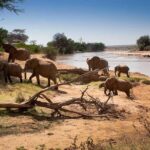
- Tarangire National Park: elephants at the Tarangire River
- What to consider in Tarangire
- Ngorongoro Crater Conservation Area: the volcano bowl where big animals stack up
- A realistic heads-up for Ngorongoro
- Lake Manyara National Park: flamingos, birds, and lions that may hang in trees
- What to expect on your Manyara day
- Value and logistics: what your $870 really buys
- Guides and service: the human part that makes or breaks a safari
- Practical packing and viewing tips for these specific parks
- Should you book this 3-day sharing safari?
- FAQ
- Where does the safari start and end?
- How much does the 3-day safari cost?
- What parks are included in the 3 days?
- Is accommodation included?
- Are meals included?
- Is there a maximum group size?
- Are park admission tickets included?
- Do they offer pickup in Arusha?
- What is the cancellation policy?
Key things I’d watch for before you go
- Three major parks in one short run: Tarangire, Ngorongoro, and Manyara, all on the northern circuit
- Tarangire’s dry-season lifeline: the Tarangire River, often called the river of warthogs
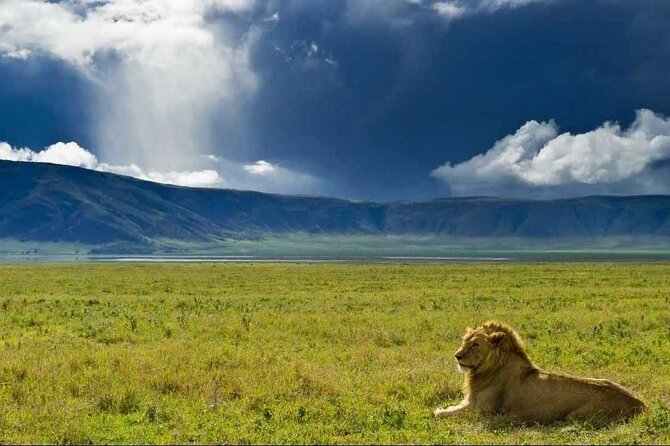
- Ngorongoro’s natural amphitheater: a collapsed volcano bowl created millions of years ago
- Manyara’s birds plus mammals: flamingos, hundreds of bird species, and a chance at tree-lounging lions
- Small group size: a maximum of 6 travelers keeps the vibe more personal
- Service and planning support: a guide named Peter is cited as friendly, competent, and full of good suggestions
Other ways down into the Ngorongoro Crater
- 3 Days Serengeti & Ngorongoro Group Camping Safari★ 5.0 · 574 reviews
- 5 Days Camping Tarangire, Serengeti & Ngorongoro crater & Visiting Maasai★ 5.0 · 229 reviews
- 4 Days Join Group tour Tarangire Serengeti and Ngorongoro crater★ 5.0 · 219 reviews
- 4-Day Safari from Arusha: Tarangire, Serengeti and Ngorongoro★ 5.0 · 173 reviews
How this 3-day Northern Safari actually feels for you
This kind of sharing safari works best when you want to see the big parks without turning your trip into an endless spreadsheet. You meet in Arusha, then you spend your time on game drives and park time, not on hunting down tickets or negotiating every transfer.
The package is positioned as all-inclusive in practice: accommodation is included, and you get breakfasts plus lunches plus dinners, with meals and drinks covered. You also avoid extra add-ons that can quietly balloon a trip budget, like parking fees, since those are included too.
One more detail that matters: it is capped at 6 travelers. That usually means less crowding and fewer waits, and it makes it easier for your guide to adjust pacing when animals show up where you want them.
Starting from Arusha, then letting the parks run the show
The tour starts in Arusha at Shoppers Supermarket and returns you there at the end. That is helpful because you are not trying to coordinate a new pickup point halfway through your trip.
Even if you are staying somewhere in town, the promise of pickup offered can save you stress. You can keep your focus where it belongs, on the viewing windows, the drive-down moments, and whatever animals are active that day.
Timing is built around early departures after breakfast. That matters in Tanzania because the best sightings often happen when animals move and feed before the heat pushes them into cover.
Tarangire National Park: elephants at the Tarangire River
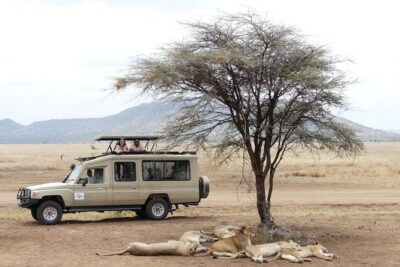
Tarangire is the kind of park that makes you understand why dry-season water points matter. The park is named after the Tarangire River, and during the dry season it is described as the only water source for wildlife in the region.
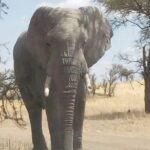
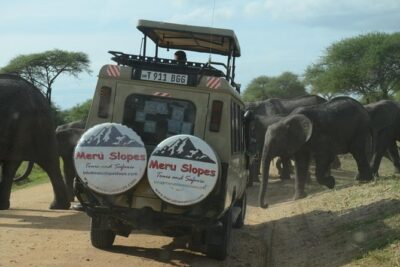
That is why Tarangire is famous for elephant families gathering around the river. When you see elephants clustered at water, you are not just watching one animal. You’re watching a social routine, families staying close, older elephants leading, and the younger ones testing boundaries.
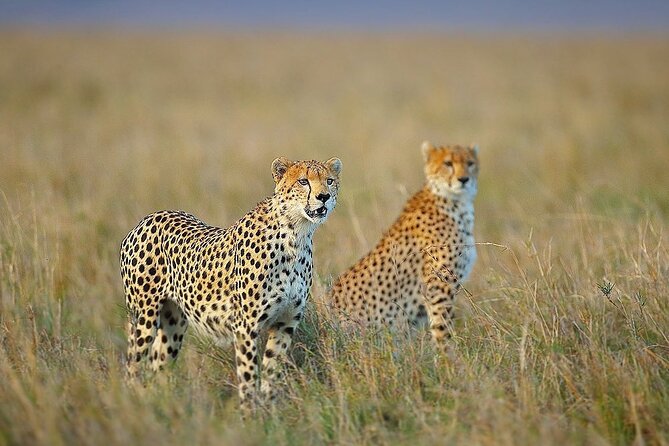
You’ll also have a chance at other dry-country classics like giraffe, bushbuck, and hartebeest. And because Tarangire draws prey to water, predators tend to circle too, with lions and leopards listed as possibilities.
Even if wildlife is the main event, Tarangire’s setting is part of the attraction. You may see dense patches of elephant grass and acacia woodlands, plus the idea of birdlife that is highlighted as especially strong for breeding.
Tarangire again, with different operators
What to consider in Tarangire
Because the day is listed at about 7 hours, you’ll likely feel the pace as a full safari day. If you get stiff from long sitting, bring a light layer for early morning chill and another for the afternoon sun, since the weather can swing quickly.
Ngorongoro Crater Conservation Area: the volcano bowl where big animals stack up
Ngorongoro is the stop that people remember, and for good reason. The crater is described as looking like a forgotten world at first glance, and then it opens up into a natural stage where animals are packed into one place.
This is not just a scenic viewpoint. The crater was formed when a volcano exploded and collapsed about two to three million years ago. That history matters because it explains why the area holds dense wildlife, including large mammal populations described as among the densest on the African continent.
The crater experience starts with the drive down, and that’s often half the thrill. You are moving from open country down into the crater floor, where the view can change fast and where sightings can appear right when you think you are just getting to the viewpoint.
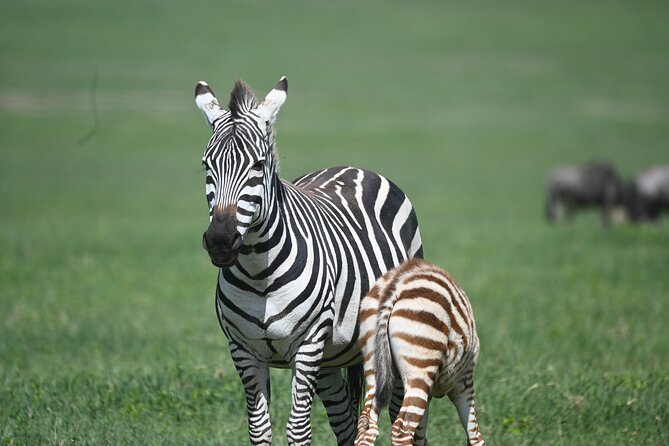
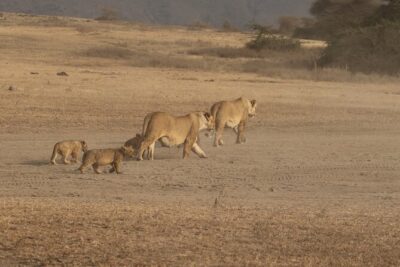
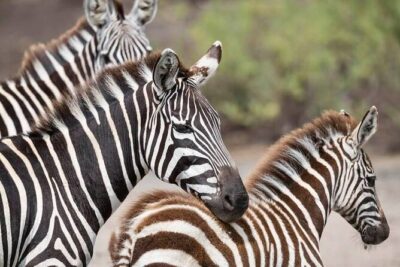
On the crater floor, you are looking for big names like lions, and you might even spot the endangered black rhino. You’ll also find the classic grazing lineup mentioned in the plan, including wildebeest and zebra, with other animals likely based on conditions.
A realistic heads-up for Ngorongoro
The day runs about 8 hours, so this is your longest block. If you are sensitive to motion or long sitting, treat this as your key comfort planning day, bring water, and use any breaks you get to stand up, stretch, and reset.
Also, Ngorongoro is famous for big animals, but seeing the black rhino depends on what’s active and where animals are that day. Go in expecting it as a chance, not a guarantee, and you’ll enjoy the rest of the crater even more.
Lake Manyara National Park: flamingos, birds, and lions that may hang in trees
Lake Manyara is the smaller park on this route, but it’s packed with variety. It sits about 120 km west of Arusha, and it is named for the shallow salt lake that covers about 70% of the park lands.
The seasonal rhythm is a big deal here. The plan explains that the soda lake floods and dries depending on the season, which changes where wildlife gathers and what the birds can access.
Birding fans have a clear reason to care: Manyara is highlighted as home to thousands of flamingos and over 500 other bird species. Even if you are not a bird person, that many birds signals a functioning ecosystem, and it usually means more activity around the water and edges.
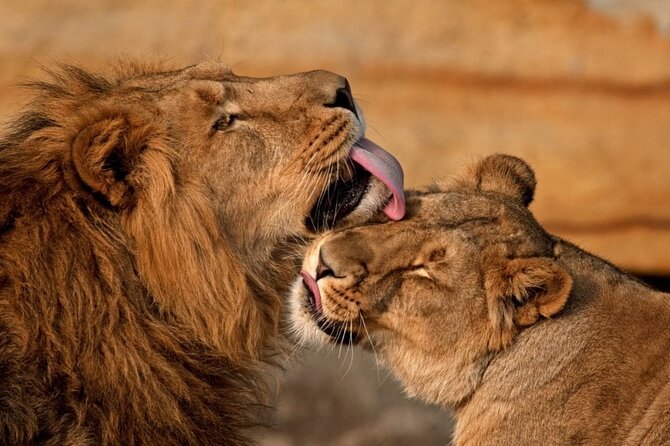
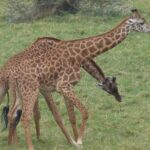
But this is not only for birds. The viewing list includes monkey, giraffe, zebra, wildebeest, buffalo, and elephant. And yes, the tour specifically notes the chance at lions lounging on trees, which is the kind of detail that makes you pay attention when you spot branches and shade.
Scenery here is described in terms of terrain types that affect what you see. You may encounter open grassy plains, primate-filled woodlands, and cliffs with baobab trees. Those shifts in habitat can bring different animal styles, from grazing to browsing to resting.
What to expect on your Manyara day
Your Manyara day runs about 7 hours, and it starts with early breakfast at the lodge. The drive to the park is described as short, which helps you get more time in the park itself.
If you like variety within a single day, Manyara is a good fit because you’re not locked into one habitat type. You’re moving through different sections, so the viewing keeps changing.
Value and logistics: what your $870 really buys
At $870 per person, the value question is all about what you avoid paying for yourself. In this package, you get accommodation, private transportation, and meals including breakfast and lunch and dinner, plus drinks as part of the included experience. Parking fees are also covered.
That matters because safari costs often hide in the details. If you were booking all of this separately, you’d likely pay extra for transfers, driver time, vehicle coordination, and the basic “getting fed and housed” parts. Here, the package folds those into one price, so budgeting feels simpler.
The tour also lists admission ticket free for the park days. If you’re trying to keep control of your total trip budget, that is a big advantage.
One more value point: the experience caps at 6 travelers. Shared does not automatically mean cramped or rushed, and a smaller max group often makes the day feel more flexible, especially when your guide is working with wildlife movement.
Guides and service: the human part that makes or breaks a safari
A safari can run on logistics, but it really lands because of the guide. In the feedback you provided, a guide named Peter stands out as both friendly and competent, and as someone who makes good suggestions.
That kind of guidance matters when sightings are not guaranteed. You need someone who can read animal behavior, adjust to what the park is offering, and keep you focused on the right areas without turning it into guesswork.
You’ll also feel supported from planning through the trip. One review highlights that the company helped a family plan a great safari, answered questions, and kept service available when needed. That’s especially useful if you are traveling with kids or you want to get your timing right.
Practical packing and viewing tips for these specific parks
You’re moving through three parks with different animal behavior, so your approach should shift slightly.
For Tarangire, think about long river-area viewing where elephants gather. Bring a hat, sunscreen, and something light for the morning and late afternoon, since you’ll be outdoors during early departures.
For Ngorongoro, plan for the full-day crater pattern. You’ll likely be on the move for hours and you might spend time scanning a wide basin. Sunglasses help, and a small binocular setup can make a difference if you already use one at home. If you do not, at least focus on keeping your eyes rested, because concentration matters for big-cat and rhino spotting.
For Lake Manyara, the bird focus can reward patience. If flamingos and lots of bird species are a priority for you, bring something that helps you watch calmly, like comfortable footwear and a layer for breezier areas.
In all three parks, the best “gear” is actually comfort. You’ll sit for long stretches, so bring what makes sitting easier for you, and keep water and small snacks handy if you’re the type who prefers control over timing.
Should you book this 3-day sharing safari?
I’d book it if you want a clean, well-structured way to hit the northern circuit highlights without playing travel accountant every day. The included accommodation and meals with drinks, plus private transportation and the small max group size of 6, make the price easier to justify.
I’d pause if you hate long safari days in a vehicle. Two days are listed around 7 hours, one around 8, and the whole point of this itinerary is efficiency, which means more time on the road than a slower style of trip.
If your goal is to see elephants, get a real crater experience, and still have a shot at the bird-and-bush variety of Manyara, this is a strong match. Just go in with the right expectations: some of the headline sightings like black rhino are chances, not guarantees, but the rest of the wildlife is still the main event.
FAQ
Where does the safari start and end?
The tour starts at Shoppers Supermarket in Arusha, Tanzania, and it ends back at the same meeting point.
How much does the 3-day safari cost?
The price listed is $870.00 per person.
What parks are included in the 3 days?
You visit Tarangire National Park, Ngorongoro Conservation Area (for Ngorongoro Crater), and Lake Manyara National Park.
Is accommodation included?
Yes, accommodation is included in the package.
Are meals included?
Yes. The package includes breakfast (2), lunch (3), and dinner (2).
Is there a maximum group size?
Yes. The tour has a maximum of 6 travelers.
Are park admission tickets included?
Admission tickets are listed as free in the schedule for the days provided.
Do they offer pickup in Arusha?
Pickup is offered, and the meeting point is Shoppers Supermarket in Arusha.
What is the cancellation policy?
You can cancel for a full refund up to 24 hours before the experience starts. If you cancel less than 24 hours before, the amount paid is not refunded.
Down at Lake Manyara
- Private 6-Day Tarangire Manyara Crater and Serengeti with Mid-Range Lodges
★ 5.0 · 238 reviews - 3 Days Tarangire, Ngorongoro & Lake Manyara Group Camping Safari
★ 5.0 · 102 reviews - 3 Days Private Safari – manyara, Ngorongoro & Tarangire
★ 5.0 · 94 reviews - 05 Days Tarangire, Serengeti, Ngorongoro and Lake Manyara
★ 5.0 · 54 reviews - 5 Days 4 Nights Tarangire, Serengeti , Ngorongoro & Manyara Wildlife Safari
★ 5.0 · 40 reviews
Tarangire and Its Baobabs
- 5-Day Highlights mid-Range Crater, Serengeti, Tarangire
★ 5.0 · 296 reviews - Private 6-Day Tarangire Manyara Crater and Serengeti with Mid-Range Lodges
★ 5.0 · 238 reviews - 5 Days Camping Tarangire, Serengeti & Ngorongoro crater & Visiting Maasai
★ 5.0 · 229 reviews - 4 Days Join Group tour Tarangire Serengeti and Ngorongoro crater
★ 5.0 · 219 reviews - 4-Day Safari from Arusha: Tarangire, Serengeti and Ngorongoro
★ 5.0 · 173 reviews
Still Thinking About the Crater?
- 3 Days Serengeti & Ngorongoro Group Camping Safari
★ 5.0 · 574 reviews - 5 Days Camping Tarangire, Serengeti & Ngorongoro crater & Visiting Maasai
★ 5.0 · 229 reviews - 4 Days Join Group tour Tarangire Serengeti and Ngorongoro crater
★ 5.0 · 219 reviews - 4-Day Safari from Arusha: Tarangire, Serengeti and Ngorongoro
★ 5.0 · 173 reviews - 2 Days Tarangire and Ngorongoro Group Camping Safari
★ 5.0 · 146 reviews
Just added from around Arusha
Ngorongoro Crater Safaris, compared.
 ★ 5.03 Days Serengeti & Ngorongoro Group Camping SafariFrom $815574 reviews
 ★ 5.0Safari Serengeti And NgorongoroFrom $2,845288 reviews
 ★ 5.05 Days Camping Tarangire, Serengeti & Ngorongoro crater & Visiting MaasaiFrom $1,254229 reviews
 ★ 5.04 Days Join Group tour Tarangire Serengeti and Ngorongoro craterFrom $1,090219 reviews
 ★ 5.04-Day Safari from Arusha: Tarangire, Serengeti and NgorongoroFrom $1,753173 reviews
 ★ 5.02 Days Tarangire and Ngorongoro Group Camping SafariFrom $550146 reviews
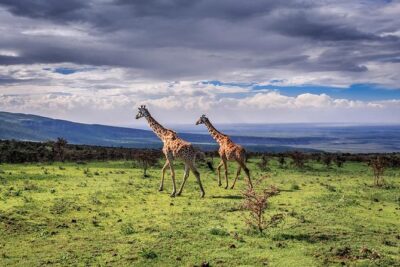 ★ 5.04 Days Tarangire Serengeti Ngorongoro CraterFrom $900117 reviews
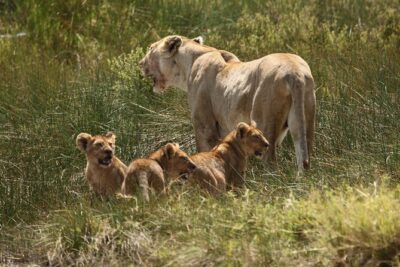 ★ 5.03 Days Tarangire, Ngorongoro & Lake Manyara Group Camping SafariFrom $700102 reviews