
REVIEW · NGORONGORO CRATER SAFARIS
2 Days Tarangire and Ngorongoro Safari from Zanzibar
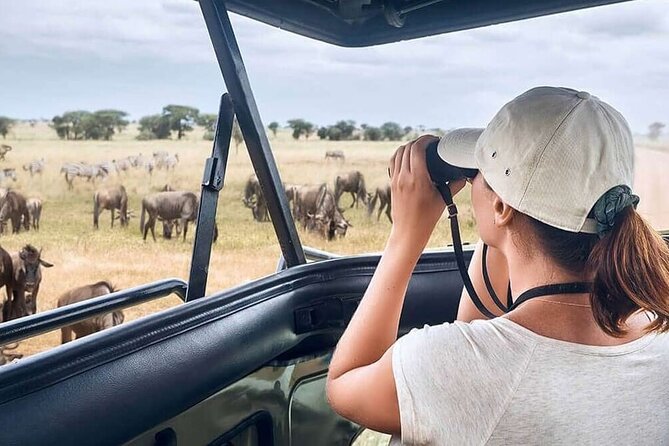
Two days, two big wilderness hits. This safari stacks Tarangire River game drives and the Ngorongoro Crater big wildlife in one tight plan, with open-roof 4×4 viewing and expert help along the way. I love the animal-spotting focus and the way your schedule actually moves you through the best chances for sightings, not just photos.
The main thing to think about is the overall cost and logistics. Flights are not included, and tips are extra (plan on about $30-$50 per car per day), so you’ll want to budget a little beyond the listed price. If you’re not into camping-style sleep, also note the included gear is set up for that kind of overnight.
In This Review
- Key things I’d lock in before you go
- From Zanzibar to Arusha: the start that sets the pace
- Tarangire National Park: baobabs, river game, and a real picnic
- The drive from Tarangire to Ngorongoro: why the timing matters
- Ngorongoro Crater: big five country in a volcanic bowl
- Hippo pool picnic: where a meal becomes part of the wildlife show
- Camping setup, included food, and what comfort really means here
- Price and value: what you’re paying for, and what to budget extra
- Logistics that can make or break a tight 2-day plan
- Who should book this safari, and who might want another option
- Should you book this 2-day Tarangire and Ngorongoro safari from Zanzibar?
- FAQ
- Where does this safari start and end?
- Is pickup from my accommodation included?
- Do I need to book flights separately?
- What meals and water are included?
- What kind of transport will I use during game drives?
- Is this safari camping or lodge based?
- Are tips included in the price?
Key things I’d lock in before you go
- Open-roof 4×4 viewing that keeps you positioned for spotting and photographing without closing windows all day
- Tarangire River game drive timing that matters in the dry season, when wildlife concentrates around water
- Ngorongoro’s black rhino odds in the crater, plus the chance to see big five country from inside the caldera
- Hippo pool picnic lunch that turns a meal into part of the wildlife show
- AMREF air ambulance coverage plus 24/7 support, which gives real peace of mind when you’re far from hospitals
- Small group size up to 20 so the pace stays controlled
Other ways down into the Ngorongoro Crater
- 3 Days Serengeti & Ngorongoro Group Camping Safari★ 5.0 · 574 reviews
- 5 Days Camping Tarangire, Serengeti & Ngorongoro crater & Visiting Maasai★ 5.0 · 229 reviews
- 4 Days Join Group tour Tarangire Serengeti and Ngorongoro crater★ 5.0 · 219 reviews
- 4-Day Safari from Arusha: Tarangire, Serengeti and Ngorongoro★ 5.0 · 173 reviews
From Zanzibar to Arusha: the start that sets the pace
Your trip begins around Arusha, after a connection from Zanzibar. The plan calls for pickup from your accommodation, then a transfer to Zanzibar Airport so you can catch a flight to Arusha either late afternoon or early morning after breakfast. Once you land, you’re set for a roughly two-hour drive into Tarangire.
That first day can feel like travel math, but that’s also why this format is efficient. You’re using the flight time to compress the safari into 48 hours, instead of losing whole days to transit. You do have to be organized with flight times, because the safari itself depends on you arriving in Arusha.
One practical bonus: the company offers 24/7 phone support and includes an air ambulance service via AMREF Flying Doctors. It’s not the kind of thing you want to use, but having it built in is a comfort factor when you’re planning in remote areas.
Tarangire National Park: baobabs, river game, and a real picnic
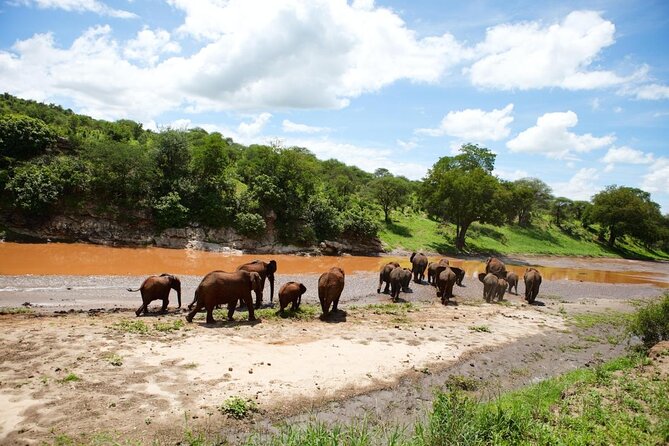
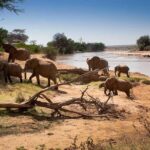
Tarangire is built for sightings, especially when the weather is dry. This park is known as a strong birding destination, but the headline for many people is game around the Tarangire River, when it becomes the key water source in the area. You also get that unforgettable feel of northern Tanzania with lots of scenic baobab trees punctuating the savannah.
After your drive from Arusha, you begin your game drive across golden savannah where wildlife grazes along the river. This is the part of the day where patience pays off. You’ll generally get a lot of slow scanning, then sudden motion when animals shift toward water or show up near the riverbanks.
A big highlight here is the picnic lunch with a view of the river. Eating outside in the middle of the action is one of those safari moments that sounds simple until you’re there. It helps you slow down, breathe, and reset your eyes for the afternoon sightings.
What I like about Tarangire in a short safari is that it gives you a full “savannah experience” before Ngorongoro. You see a wide spread of habitat first, then the crater comes as the dramatic change of scenery and wildlife behavior.
The drive from Tarangire to Ngorongoro: why the timing matters
Next comes a breakfast, then you head to Ngorongoro Conservation Area. This is a long-standing reason Ngorongoro is famous: you’re not just looking at wildlife in open plains, you’re stepping into a volcanic crater system that shapes animal movement.
Ngorongoro is often called an 8th Wonder for good reason, because the crater acts like a natural stage. Inside it, the visibility can be excellent and animal density can feel higher than you’d expect from a single day. Even if you don’t chase every landmark, the crater’s structure does the work for you.
In a 2-day plan, your timing and energy matter. Start the day with a good breakfast, then keep your camera ready but your expectations flexible. Sometimes the best sightings happen when you stop searching and start watching the patterns around water and grazing.
Tarangire again, with different operators
Ngorongoro Crater: big five country in a volcanic bowl
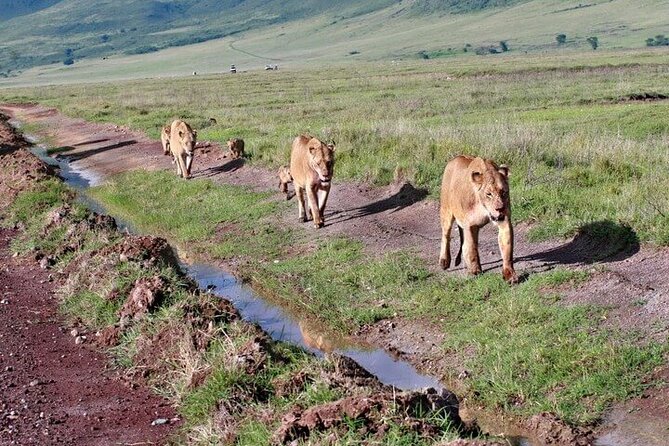
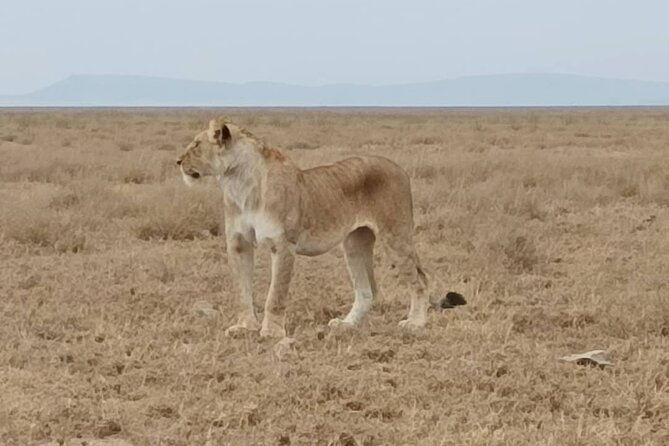
Ngorongoro Crater is known for a reason: it can deliver some of the most iconic mammals in Tanzania. The big five presence is a major pull, and the crater is especially noted for the endangered black rhino. Even if you’ve seen rhinos elsewhere, a black rhino sighting here has a different weight because the focus is on conservation and survival.
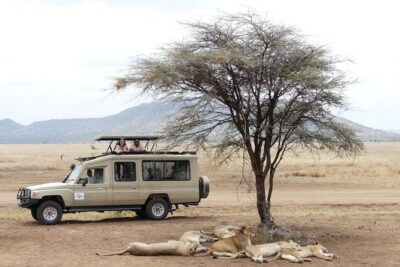
The experience is built around viewing from a safari vehicle. You’ll be in an open-roof 4×4 land cruiser, which is excellent for spotting and photography because you can look in every direction and keep a steady line of sight. That open roof also means you’ll feel the sun, wind, and dust more. Bring something to protect your neck and hands, and you’ll enjoy the day more.
Wildlife in Ngorongoro often behaves like it knows the schedule. Herds and grazing animals move in predictable ways, then change quickly when a guide signals a moment you shouldn’t miss. This is where having an experienced, English-speaking guide matters, and where the reviews give you clues about what to expect.
In past experiences with this company, guides such as Paul and Herman have been praised for animal expertise. That kind of knowledge is not just trivia. It helps you understand what you’re seeing, why it’s there, and how to watch without spooking animals.
Hippo pool picnic: where a meal becomes part of the wildlife show
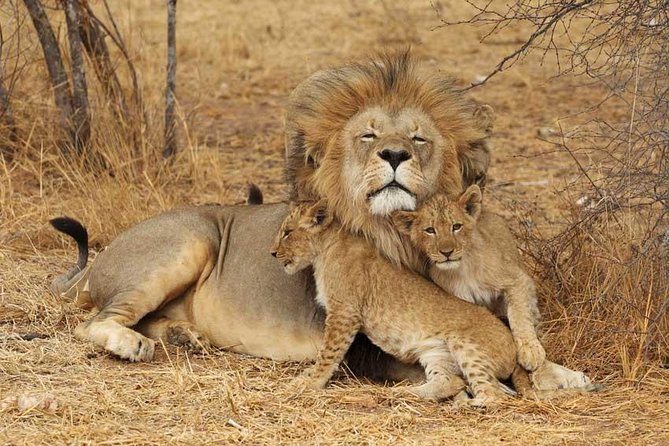
One of the most memorable moments built into this schedule is the picnic lunch by the hippo pool. It’s a brilliant idea, because it places food and wildlife in the same setting. Hippos are loud, active, and impossible to ignore, so you’re not just eating near a view, you’re eating near ongoing behavior.
This part of the crater experience also keeps your day moving. You get the morning focus for game viewing, then you reset at lunch, then you can continue observing with fresh energy and a cleaner headspace for spotting.
A small caution: hippo pool time can also mean you’ll be photographing in changing light. You might want sunglasses that stay put and a camera strap you can trust. You’ll likely spend time with your attention shifting between animals and your lunch table, so keep your valuables organized and accessible.
Camping setup, included food, and what comfort really means here
This trip includes tent and mattress setup, plus camping materials as part of the package. That means you should plan for a camping-style overnight, not a full hotel experience. The upside is you can keep the safari close to the action and make the most of the short time window.
Comfort-wise, the good news is that meals are included across the days: breakfasts, lunches, dinners, and 1.5 bottles of water per day. You’re also covered with accommodation under the program. If you’ve ever done safari where you have to figure out meals on your own, you’ll appreciate how much simpler this is.
In reviews connected to this kind of safari service, camping gear has been described as super clean. That matters, because safari camping is more enjoyable when you’re not worried about the basics after a long drive day.
Pack like you’re camping. Think layers for early mornings, something lightweight for the day, and a small towel or wipes for quick refreshes. The itinerary is short, but the sun can be strong, and dust is real.
Price and value: what you’re paying for, and what to budget extra
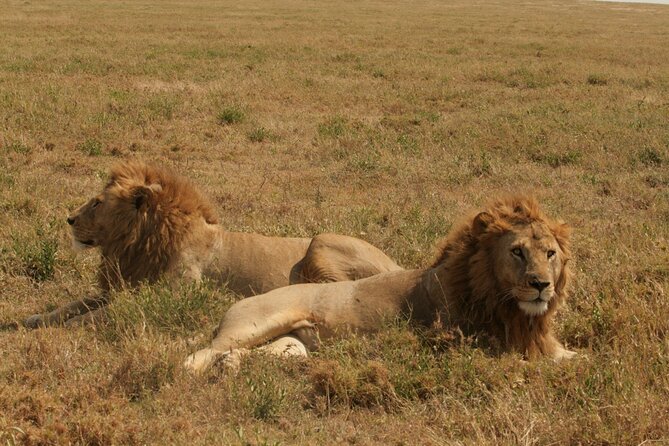
At $2,167 per person, this is not a bargain. But for a 2-day private safari setup with open-roof 4×4 transport, accommodations, camping gear, and meals included, the price starts to make more sense.
Here’s what’s included in the value picture:
- All fees and taxes
- Private transportation and the 4×4 open-roof safari vehicle
- Camping tent and mattress, plus water daily
- 24/7 phone support and AMREF air ambulance coverage
- Experienced English-speaking safari guide
- Breakafasts, lunches, dinners, plus water
What to budget separately:
- Flights to get you from Zanzibar to Arusha and back, plus travel insurance and visa costs
- Tips for safari staff, listed at about $30-$50 per car per day
- Alcoholic beverages
- Personal items
- Any park fee increases where applicable
- Any extra activities not included in the plan
That last part matters. Even with a lot included, safari spending often has a few “small extras” that add up. The cleanest way to keep this trip satisfying is to treat tips and alcohol as planned costs, not surprises.
Also note a practical one: the tour uses mobile ticket, and group discounts are mentioned. If you can travel with a partner or family and your dates align, you may find it’s easier to justify the overall spend.
Logistics that can make or break a tight 2-day plan
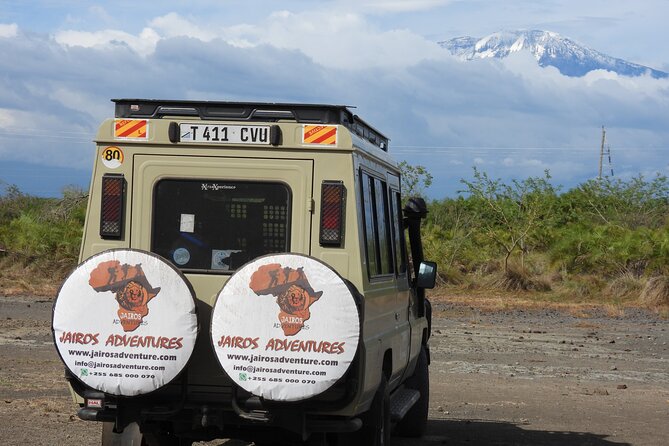
Because this is 2 days, the schedule is built around efficiency. Your day starts early enough to maximize game drive time, and every transition is designed to keep you on the right side of daylight for animal viewing.
Your “watch outs” are mostly timing and comfort:
- Make sure your flight times actually match the pickup and transfer plan in Zanzibar.
- Wear footwear that handles uneven savannah ground.
- Expect dust on roads and in parks, and plan for sun protection.
Since pickup is offered and the group size caps at 20, you’re not likely to feel like you’re in a big bus tour. That matters because in wildlife country, too many vehicles and too much chaos can reduce your viewing chances.
One more detail worth knowing: the meeting point and end point are back at the meeting location in Arusha. So you’re not looking at complicated wrap-up logistics. You finish where you started, which is a relief after a long day.
Who should book this safari, and who might want another option
This 2-day Tarangire and Ngorongoro plan fits best if you want a high-impact safari without spending a week in transit. You’ll love it if you care about classic northern Tanzania wildlife settings, appreciate open-air vehicle viewing, and don’t mind camping-style nights.
It’s also a strong choice for people who value guided spotting. In the feedback on this provider’s safari service, guides like Paul and Herman get highlighted for animal knowledge, and that kind of guidance can make your sightings feel more meaningful.
You might want to think twice if:
- You dislike camping arrangements.
- You’re not comfortable planning flights and timing tightly from Zanzibar to Arusha.
- You want alcohol included, because it’s not listed as included.
- You dislike added costs like tips and possible park fee increases.
Should you book this 2-day Tarangire and Ngorongoro safari from Zanzibar?
If your ideal safari is short, focused, and built around famous animal areas, I’d say this is a strong yes. Tarangire gives you river-focused game driving and that baobab-filled savannah feel. Then Ngorongoro brings the volcanic crater drama, with a real shot at the endangered black rhino and a hippo pool lunch that turns midday downtime into a wildlife moment.
I’d book it when you can handle the small list of extras: flights, tips, and any park fee changes. I’d also book it if you’re the type who enjoys watching animals behave, not just checking boxes.
Before you pay, do two quick sanity checks:
- Confirm your Zanzibar to Arusha flight timing matches the late afternoon or early morning connection window.
- Budget for tips and personal spending so the trip stays comfortable, not stressful.
If those boxes are checked, you’ll get a well-structured safari experience with solid safety back-up and guides who are known for animal know-how.
FAQ
Where does this safari start and end?
It starts in Arusha, Tanzania. The activity ends back at the meeting point in Arusha.
Is pickup from my accommodation included?
Pickup is offered, and the driver can pick you up from your accommodation and transfer you to Zanzibar Airport to catch your flight to Arusha for the safari.
Do I need to book flights separately?
Yes. Flights are not included, including travel insurance and visa or passport fees.
What meals and water are included?
Breakfasts, lunches, dinners, and 1.5 bottles of water per day are included.
What kind of transport will I use during game drives?
You’ll use a 4×4 land cruiser with an open roof for safari viewing.
Is this safari camping or lodge based?
Camping is included, with a tent and mattress provided as part of the program, and accommodation is included under your plan.
Are tips included in the price?
No. Tips for the safari guide are not included, and they are listed at about $30-$50 per car per day.
Tarangire and Its Baobabs
- 5-Day Highlights mid-Range Crater, Serengeti, Tarangire
★ 5.0 · 296 reviews - Private 6-Day Tarangire Manyara Crater and Serengeti with Mid-Range Lodges
★ 5.0 · 238 reviews - 5 Days Camping Tarangire, Serengeti & Ngorongoro crater & Visiting Maasai
★ 5.0 · 229 reviews - 4 Days Join Group tour Tarangire Serengeti and Ngorongoro crater
★ 5.0 · 219 reviews - 4-Day Safari from Arusha: Tarangire, Serengeti and Ngorongoro
★ 5.0 · 173 reviews
Still Thinking About the Crater?
- 3 Days Serengeti & Ngorongoro Group Camping Safari
★ 5.0 · 574 reviews - 5 Days Camping Tarangire, Serengeti & Ngorongoro crater & Visiting Maasai
★ 5.0 · 229 reviews - 4 Days Join Group tour Tarangire Serengeti and Ngorongoro crater
★ 5.0 · 219 reviews - 4-Day Safari from Arusha: Tarangire, Serengeti and Ngorongoro
★ 5.0 · 173 reviews - 2 Days Tarangire and Ngorongoro Group Camping Safari
★ 5.0 · 146 reviews
Just added from around Arusha

Ngorongoro Crater Safaris, compared.
 ★ 5.03 Days Serengeti & Ngorongoro Group Camping SafariFrom $815574 reviews
 ★ 5.0Safari Serengeti And NgorongoroFrom $2,845288 reviews
 ★ 5.05 Days Camping Tarangire, Serengeti & Ngorongoro crater & Visiting MaasaiFrom $1,254229 reviews
 ★ 5.04 Days Join Group tour Tarangire Serengeti and Ngorongoro craterFrom $1,090219 reviews
 ★ 5.04-Day Safari from Arusha: Tarangire, Serengeti and NgorongoroFrom $1,753173 reviews
 ★ 5.02 Days Tarangire and Ngorongoro Group Camping SafariFrom $550146 reviews
 ★ 5.04 Days Tarangire Serengeti Ngorongoro CraterFrom $900117 reviews
 ★ 5.03 Days Tarangire, Ngorongoro & Lake Manyara Group Camping SafariFrom $700102 reviews
Browse the lists this tour appears in