
REVIEW · MULTI-DAY NORTHERN CIRCUIT SAFARI PACKAGES
2 Days Tanzania Safaris
Two parks in two days, with a tented night. This tight Northern Tanzania route turns Tarangire National Park and Ngorongoro Crater into a single, action-packed story, starting in Arusha and ending with world-famous wildlife concentration.
I love how this plan mixes birding with classic game viewing, because Tarangire is often calmer and more varied than the better-known circuits. I also like the small group limit (max 15) and the hands-on spotting focus that keeps you moving with purpose.
One drawback to consider: the day lengths are long, with about 10 hours on Day 1 and about 8 hours on Day 2, so this is not a “sleep in and stroll” kind of trip. Add in one night in a tented camp, and you will want to be good with simple, safari-style lodging.
In This Review
- Key things that make this 2-day safari work
- A practical look at Rupia Adventure’s 2-day route from Arusha
- Tarangire National Park: birding country, plus game in the less-famous season window
- Day 1 in the vehicle: how to handle a long Tarangire day without burning out
- Ngorongoro Crater: UNESCO wildlife density and the caldera setting you cannot fake
- How the Ngorongoro day actually plays out, plus what to watch for
- The tented camp night: what you can plan for, and how to make it feel better
- Small-group touring with a max of 15: why it helps your sightings
- Transfers, tickets, and meals: the parts you should care about for value
- Price and value at $600 per person: what you’re really paying for
- Who this safari suits best, and who should think twice
- Should you book this 2-day Tanzania safari with Rupia Adventure?
- FAQ
- What parks are included on this 2-day Tanzania safari?
- How long is the safari?
- What is the meeting start time?
- Does the tour include pickup from Arusha hotels?
- Is the night in a tented camp included?
- Are meals included?
- What is the group size limit?
- Are park entrance fees included?
- Do I get a mobile ticket?
- What is the cancellation and refund policy?
Key things that make this 2-day safari work
- Tarangire first, with strong birding and a different feel from the big-name parks
- Real UNESCO time at Ngorongoro, known for dense wildlife viewing
- Hotel round-trip transfers in Arusha, so you are not juggling logistics
- Meals included both days, plus one night in a tented camp
- Small groups up to 15, which helps your guide manage routes and attention
Longer northern circuit routes, side by side
- Tanzania Classic – 7 Days★ 5.0 · 1,151 reviews
- Tanzania Wildlife Encounters – 6 Days★ 5.0 · 277 reviews
- Group Safari 7 Days in Tanzania’s Main Parks★ 5.0 · 240 reviews
- 4 Days Join Group tour Tarangire Serengeti and Ngorongoro crater★ 5.0 · 219 reviews
A practical look at Rupia Adventure’s 2-day route from Arusha
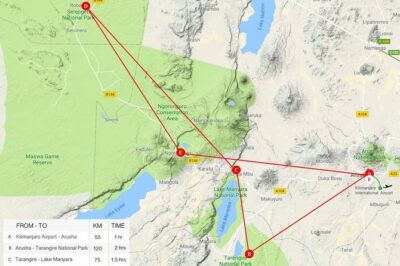
This safari is built as a fast, focused sampler of Northern Tanzania. You start with pickup from your Arusha hotel and a morning departure around 8:30 am, then spend the night at a tented camp before continuing to the crater the next day. It is the kind of schedule that makes sense if you are short on time but still want two of the region’s headline areas.
The tour also keeps things straightforward. Round-trip transfers, meals on both days, and park entrance fees are included. You will also receive a mobile ticket, which is handy if you prefer to keep everything on your phone.
The biggest practical tradeoff is stamina. Even though the itinerary is only two days, it is still real safari time in the vehicle, which is part of the deal with wildlife viewing. If you tend to get restless after long drives, plan for breaks and stay hydrated.
Tarangire National Park: birding country, plus game in the less-famous season window
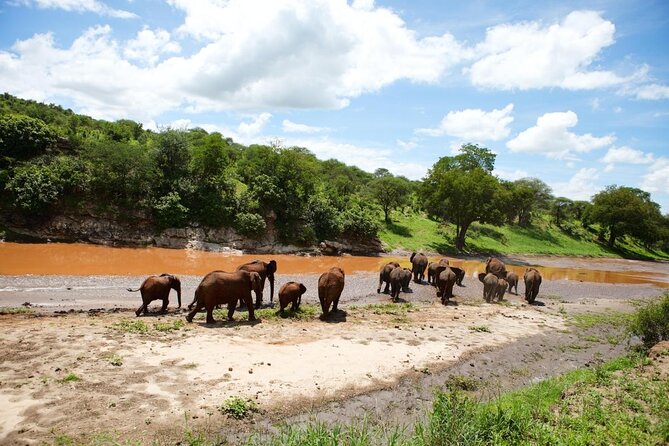
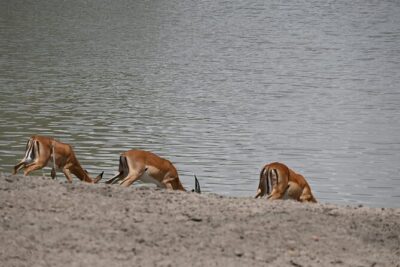
Day 1 centers on Tarangire National Park, the Northern circuit’s surprise package. It is often overshadowed by the Serengeti and Ngorongoro routes, but it has its own rhythm: different habitat, different wildlife mix, and a reputation for birding that holds up year after year.
Game viewing is described as especially strong from July through October, when the park’s concentrations can be impressive. That matters because Tarangire is not just about a few iconic animals. The park is known for species that can feel more “local” to the region, including Oryx and generuk, with dwarf mongoose noted as a real prize even though the sightings are rare.
Here is how to think about Tarangire if you are going for wildlife. You should treat it like a place where your best moments can come from steady scanning, patience, and guide-led route choices, not only from chasing one big animal. If you also care about birds, Tarangire is one of those places where your attention gets rewarded. You can spend the day looking up and out as much as looking for movement on the ground.
One more useful perspective: Tarangire’s “less crowded” feel is not guaranteed on every day, but the whole pitch of the park is that it remains quieter than the most famous headline stops. That can make a safari feel less hectic, and it gives your guide more flexibility when timing matters.
Day 1 in the vehicle: how to handle a long Tarangire day without burning out
Day 1 is listed at about 10 hours, and that is before you count the normal safari moments like stopping for animals, letting the light change, and taking in the bird action. In other words, you are not doing this as a quick photo drive. You are doing this as a full wildlife outing.
The payoff is that you get time to cover the park thoughtfully and still have room for the “good surprises.” The tour describes Tarangire as having peak-season concentrations, and it also points out that some of the best specific prizes, like dwarf mongoose, are not easy to pin down. That is a big reason a longer day helps. If the animal you want is slow to appear, you have more chances.
A tip based on how safari days actually go: set your expectations so you do not feel disappointed if the first hour is just birds and general browsing. On a park like this, the best viewing can build over time. If you arrive with a few “wish-list” species in mind, you can also ask your guide to prioritize searches, within reason.
Ngorongoro Crater: UNESCO wildlife density and the caldera setting you cannot fake
Day 2 heads to Ngorongoro Crater, UNESCO World Heritage territory and one of Africa’s best-known wildlife viewing sites. The tour frames the crater as one of the most beautiful natural safari locations in the world, with a large concentration of wildlife in a compact area. That concentration is what makes Ngorongoro such a strong second-day choice.
The crater itself is described as the world’s largest intact volcanic caldera. Even if you have seen crater photos before, the real thing tends to land differently because volcanic geology shapes the grazing grounds and where animals can spend time. The tour also highlights that the Ngorongoro region includes surrounding highlands, which adds variety to the overall day rather than limiting you to one single view.
What you should expect from a wildlife perspective is density, not random luck. Ngorongoro is famous for putting many animals in view, and that is the advantage of this route after Tarangire. Tarangire can feel like discovery and scanning. Ngorongoro shifts toward repeated sightings, tighter viewing loops, and the feeling that the ecosystem is humming.
Another plus in the tour description is the cultural dimension. It points to an exceptional place to interact with people from the Masaai tribe. I would treat that as a chance to learn and connect respectfully, not as a staged performance. If your guide offers context, listen closely and ask questions that show genuine interest.
How the Ngorongoro day actually plays out, plus what to watch for
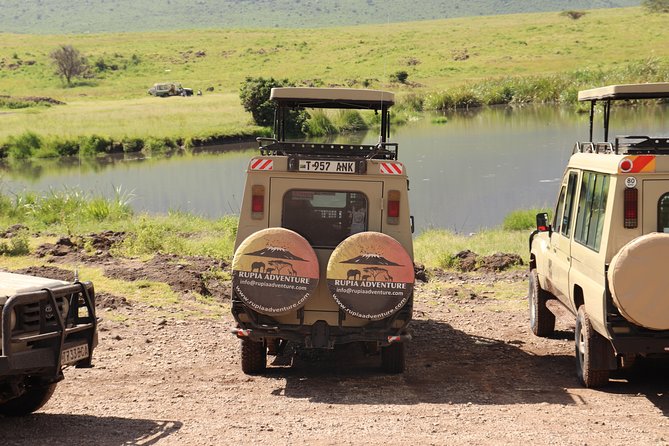
Day 2 is listed at about 8 hours, and this is the day you will most likely feel the “wow” factor. With a higher chance of repeated wildlife sightings, you may be tempted to rush through it. Try not to. This is one of those places where watching calmly often leads to better sightings, because animals do not read your schedule.
The tour also references routes and the experience of interacting with the surroundings. In practice, a good guide matters here, because route decisions and timing can influence how often you see animals at a comfortable distance. From the safari experiences linked with this operator, the focus is on finding animals and using less crowded driving routes when possible.
If you want to get the most out of Ngorongoro, have at least two priorities. First, pick a few animals you hope to see, but keep it flexible. Second, decide what you want more of: wide views and grazing herds, or close looks at smaller wildlife. Your guide can adjust, within the realities of what the crater is giving that day.
The tented camp night: what you can plan for, and how to make it feel better
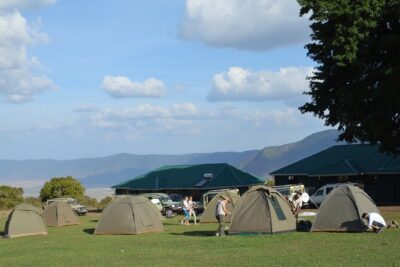
The itinerary includes one night in a tented camp, with meals on both days included. That is a solid deal in a two-day window because your sleeping arrangement and food are handled, so you are not trying to book dinner at the last minute.
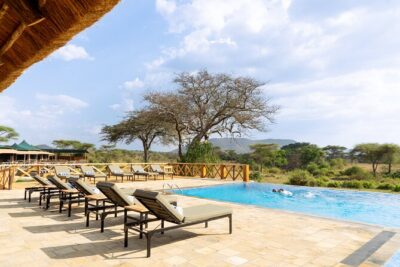
Because the tour data does not spell out the camp amenities in detail, I would approach this night with a flexible mindset. A tented camp usually means safari-style comfort: you are here for the experience and the rhythm of being out in the bush, not for resort-style predictability. If you know you need extra comforts to sleep well, ask the operator what the setup is like before you go.
How to make the night easier on yourself? Pack for the temperature swings that can happen on safari. Even when daytime feels warm, evenings can feel noticeably cooler in open-air environments. Also, bring what you need to keep your hands and face comfortable for mosquito season, since safari camping always comes with that reality in Tanzania.
Small-group touring with a max of 15: why it helps your sightings
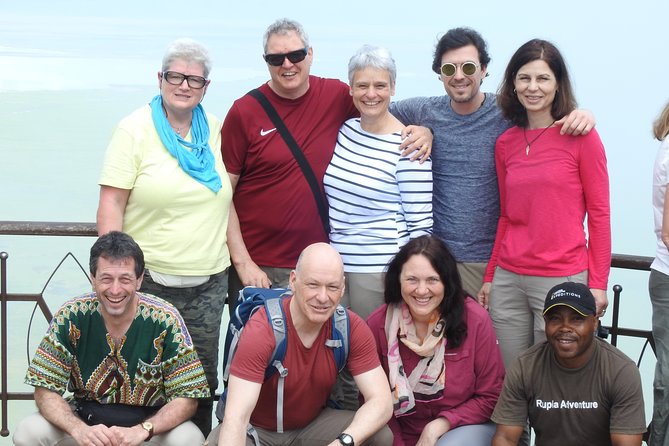
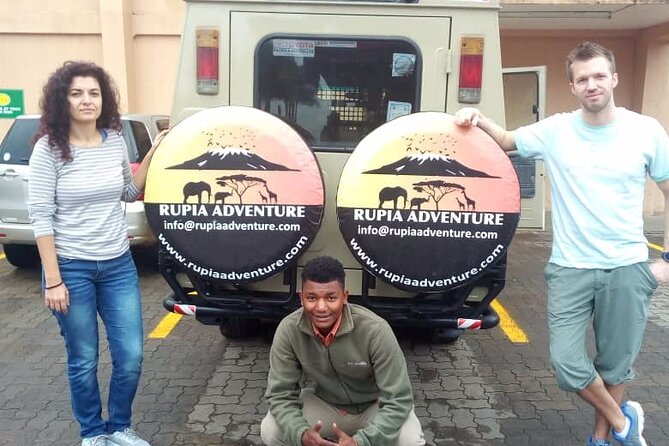
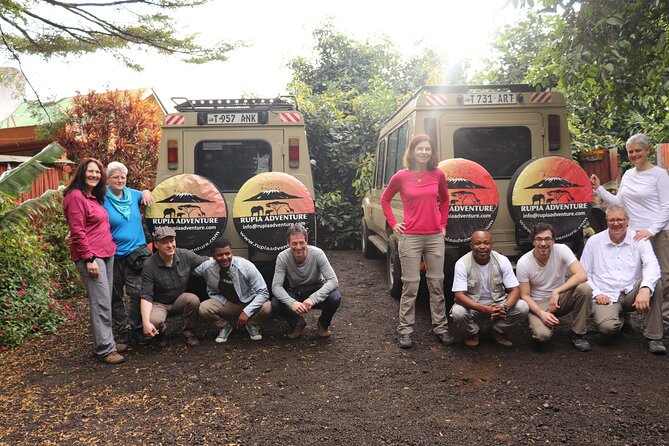
This safari runs with a maximum of 15 travelers, and in at least one example setup tied to this tour, the group was six people total. That kind of small headcount matters because it changes how your guide can work. When the group is small, you get more listening time, fewer people to coordinate, and a better chance of having everyone positioned well for sightings.
The tour also emphasizes professional guides and a personal feel, and the operator name shows up repeatedly in feedback tied to animal spotting. In plain terms, a strong guide can turn “we went to the park” into “we actually found the hard stuff.” The descriptions linked with this tour highlight guide skills like spotting animals that are difficult to find and adjusting driving routes to help avoid congestion.
If you book this, lean into that advantage. Tell your guide early what you care about most, like birds, cats, or just the broader mix. Safari guides can only guess your priorities until you say them out loud.
Transfers, tickets, and meals: the parts you should care about for value
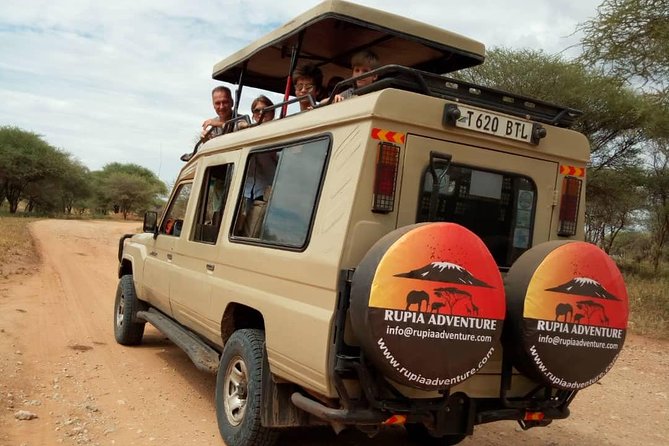
This tour includes round-trip transfers from your Arusha hotel, so you avoid the stress of finding a meeting vehicle or figuring out local logistics. It also includes park entrance fees, with admission tickets listed for both days. On top of that, meals are included for both days, which is important because food costs can add up fast when you are out in the field.
Then there is the “small paper” part of travel: you get a mobile ticket. For many people, that means less time hunting for confirmations at the last minute.
In value terms, the $600 price tag makes more sense when you compare it to what a two-day safari often costs once you add transfers, park fees, guide time, and meals. Here, those pieces are bundled, which usually lowers the risk of surprise add-ons.
Price and value at $600 per person: what you’re really paying for
At $600 per person for a roughly two-day safari, you are paying for two major parks, a night in a tented camp, meals, and guided spotting time. That is the main value driver. You are not just paying to get into one park, you are paying for the logistics that connect Tarangire and Ngorongoro in a tight schedule.
Is it “cheap”? Not really, but it is not priced like a long, multi-park expedition either. This route is for people who want the headline Northern circuit experiences without taking a full week.
The best way to judge whether it is worth it for you is to ask: do you want two parks and a tent night inside two days? If yes, this sounds like a clean package. If you want a slower pace, deeper cultural time, or more flexibility to chase animals over multiple days, you may prefer a longer safari format.
Who this safari suits best, and who should think twice
This is a strong fit if you:
- Want a two-day plan that covers Tarangire and Ngorongoro
- Like the idea of birding plus big wildlife viewing
- Prefer a small group size for better coordination
- Are okay with a tented camp night as part of the safari rhythm
It might be less ideal if you:
- Struggle with long days in the vehicle (Day 1 is about 10 hours)
- Need resort-style lodging and detailed camp amenities spelled out
- Get very fixated on one specific animal, since even in famous parks, rare sightings like some noted species can still depend on luck and timing
Should you book this 2-day Tanzania safari with Rupia Adventure?
If you want a no-fuss, high-impact sampler of Northern Tanzania, I think this is a smart booking. The pairing is logical: Tarangire gives you a different feel with strong birding and solid wildlife chances, then Ngorongoro delivers dense crater wildlife and UNESCO scenery in a single focused day.
I would book it if you are the type who enjoys being out on safari all day, checking wildlife as you go, and trusting your guide to manage routes and pacing. If you are looking for a gentle schedule or lots of downtime, you might be happier with a longer itinerary that spreads the driving over more days.
FAQ
What parks are included on this 2-day Tanzania safari?
You will visit Tarangire National Park on Day 1 and Ngorongoro Crater on Day 2.
How long is the safari?
The duration is approximately 2 days.
What is the meeting start time?
The start time is 8:30 am.
Does the tour include pickup from Arusha hotels?
Yes, round-trip transfers from your Arusha hotel are provided.
Is the night in a tented camp included?
Yes, you will spend the night in a tented camp.
Are meals included?
Yes, meals are included on both days.
What is the group size limit?
The maximum group size is 15 travelers.
Are park entrance fees included?
Yes, admission tickets are included for the activities listed on both days.
Do I get a mobile ticket?
Yes, a mobile ticket is provided.
What is the cancellation and refund policy?
This experience is non-refundable and cannot be changed for any reason. If it is canceled due to poor weather, you will be offered a different date or a full refund. If it is canceled because the minimum number of travelers is not met, you will be offered a different date or a full refund.
Longer Trips Through the North
- Tanzania Classic – 7 Days
★ 5.0 · 1,151 reviews - 7-Day Premium Luxury Tanzania Safari All-Inclusive
★ 5.0 · 426 reviews - Tanzania Wildlife Encounters – 6 Days
★ 5.0 · 277 reviews - Group Safari 7 Days in Tanzania’s Main Parks
★ 5.0 · 240 reviews - 4 Days Join Group tour Tarangire Serengeti and Ngorongoro crater
★ 5.0 · 219 reviews
Just added from around Arusha

Multi-Day Northern Circuit Safari Packages, compared.
 ★ 5.07-Day Premium Luxury Tanzania Safari All-InclusiveFrom $4,840426 reviews
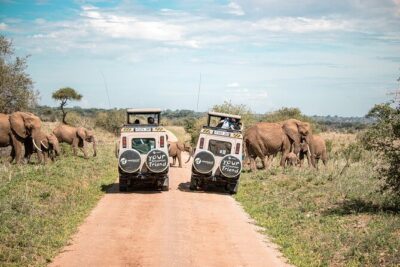 ★ 5.0Tanzania Wildlife Encounters – 6 DaysFrom $3,413277 reviews
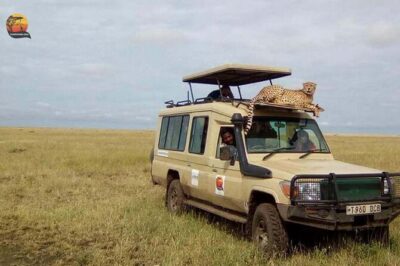 ★ 5.0Group Safari 7 Days in Tanzania’s Main ParksFrom $3,000240 reviews
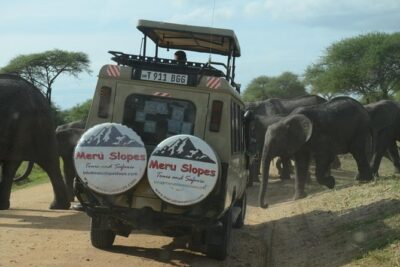 ★ 5.04 Days Join Group tour Tarangire Serengeti and Ngorongoro craterFrom $1,090219 reviews
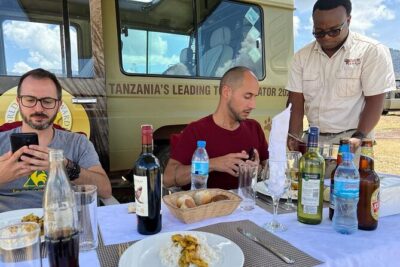 ★ 5.05-Day Private Northern Tanzania Safari from ArushaFrom $2,780182 reviews
 ★ 5.05 Days Best of Tanzania Luxury Safari Northern CircuitFrom $3,744174 reviews
 ★ 5.08 Day Spectacular Migration Serengeti mid -Range Tanzania SafariFrom $4,257161 reviews
 ★ 5.0Multi-Day Tanzania Odssey Safari from ArushaFrom $4,164120 reviews
Browse the lists this tour appears in