
REVIEW · NGORONGORO CRATER SAFARIS
2 days Majestic Tanzania safari Tarangire and Ngorongoro Crater
Two parks, two wow moments in Tanzania. In just 2 days, you go from Tarangire elephants and baobabs to the Ngorongoro Crater, where wildlife seems to show up at the right moment. It is a tight trip, but the route is built for maximum sightings without turning your vacation into a travel spreadsheet.
What I like most is how practical the setup feels. You get pickup from your Arusha or Moshi accommodation, plus a professional driver/guide who can speak English, and the food is handled too. I also like that they include a hot lunch, which matters a lot when you are out on the road early.
One drawback to plan for: you sleep in a campsite setting, so this is not a hotel-style comfort level. If you like slow mornings and private space, you might find the early departures and basic night setup a bit much.
In This Review
- Key highlights you will feel right away
- Tarangire and Ngorongoro in 48 Hours: the no-nonsense safari plan
- Day 1: Tarangire National Park and the baobabs that steal the show
- Why Tarangire works so well for a short safari
- What to do in your own comfort zone
- After park time: the campsite night
- Day 2: Ngorongoro Crater at dawn for denser wildlife
- What you should expect to see
- The predator reality check
- Your total time in the crater
- What makes this safari feel good: small group, strong guiding, solid meals
- The English-speaking guide advantage
- Food that does not break your momentum
- A quick note about communication
- Price and value: what $750 gets you and where your money goes
- Timing and logistics: early drives, better light, and how to prep
- What to pack for two fast days
- How to handle the campsite night
- A small strategy for spotting animals
- Who this tour suits best, and who might want another option
- Should you book this Tarangire and Ngorongoro safari for $750?
- FAQ
- What time does the tour start?
- Where do you get picked up?
- Is the group small?
- What meals are included?
- Is the safari ticket cost included?
- What does the price include, and what is not included?
Key highlights you will feel right away
- Small group size (up to 6 travelers), which usually means a calmer safari rhythm
- Tarangire’s baobabs and elephant herds, plus lots of birds to keep you busy between animal sightings
- A very early Ngorongoro departure (around 06:00) for the best chance at action
- Ngorongoro’s predator odds, including lions, hyenas, jackals, cheetahs, and the possible leopard sight
- Included meals with a hot lunch, so your day does not revolve around searching for food
- English-speaking driver/guide, helpful for reading animal behavior and the terrain
Other ways down into the Ngorongoro Crater
- 3 Days Serengeti & Ngorongoro Group Camping Safari★ 5.0 · 574 reviews
- 5 Days Camping Tarangire, Serengeti & Ngorongoro crater & Visiting Maasai★ 5.0 · 229 reviews
- 4 Days Join Group tour Tarangire Serengeti and Ngorongoro crater★ 5.0 · 219 reviews
- 4-Day Safari from Arusha: Tarangire, Serengeti and Ngorongoro★ 5.0 · 173 reviews
Tarangire and Ngorongoro in 48 Hours: the no-nonsense safari plan
This is the kind of safari I recommend when you want the big-name parks without surrendering your whole trip to driving days. Two days sounds short until you realize the route is built around peak wildlife hours, not extra scenic detours. You will be up early, yes, but that is exactly when animals tend to be moving and feeding.
You also get a clear “arc” to the experience. Day 1 is about variety and grandeur, from baobab stands to elephants and birds in Tarangire National Park. Day 2 is more intense, because you are descending into a giant caldera that concentrates animals, from wildebeest and zebra to hippos.
And because the group is kept to a maximum of 6 travelers, you should feel less stuck in a crowded parade. It helps your time out on the tracks stay flexible, which is important when wildlife decides to show up late.
Day 1: Tarangire National Park and the baobabs that steal the show
The day starts with pickup from your Arusha or Moshi accommodation, with an early departure time set at around 08:00. After a drive into Tarangire National Park, your wildlife viewing time begins. Tarangire is a strong first stop for a simple reason: it mixes big mammals, famous trees, and lots of bird activity in one compact experience.
Why Tarangire works so well for a short safari
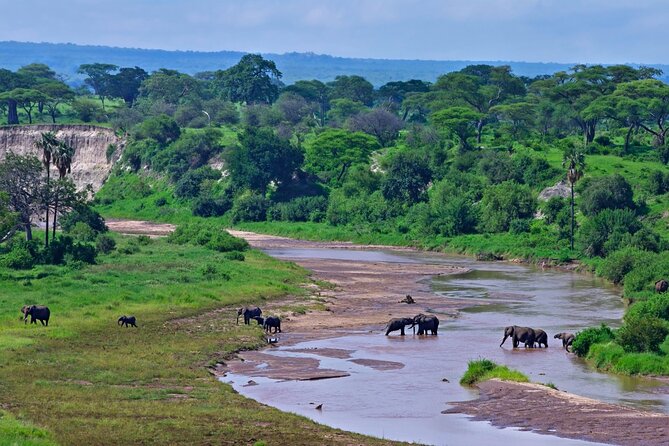
Tarangire National Park is known for baobab trees, and they are not just background scenery. These massive trees create shade patterns and landmark views that make it easier to spot animal movement and read the landscape. When you see herds coming in and out of shade, you quickly understand why this park is such a classic.
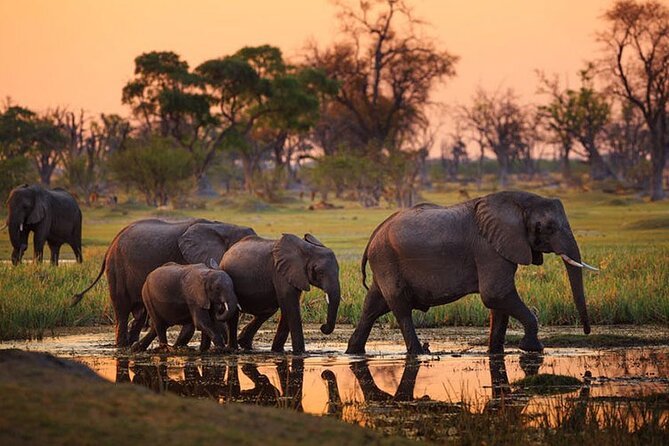
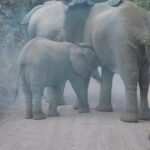
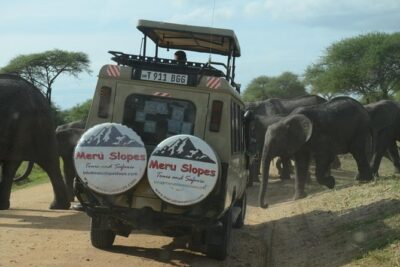
Elephants are a major reason people come here. You are told you are visiting one of the largest populations of elephants in the country, and in practice that usually means you spend less time waiting for the first big sighting. Even when the elephants are not right next to you, the park’s activity tends to keep you engaged.
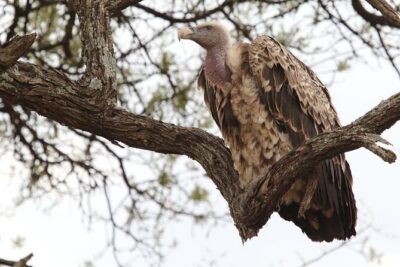
Birdwatching also matters here. You are going to be surrounded by a wide range of bird species, so if one wildlife moment is quiet, another is usually happening nearby. That keeps a 6-hour viewing window from feeling like a long sit.
Tarangire again, with different operators
What to do in your own comfort zone
If you like photos, bring a light camera strap and small lens cloth. Tarangire tracks can get dusty, and you do not want smudges ruining the shots you wait all morning for. Also, keep your water handy during park time. The tour includes meals, but you will still want water and snacks in the vehicle as you wait for sightings.
After park time: the campsite night
Once your Tarangire wildlife outing ends, you head to your overnight camp for the night. The key detail here is that it is described as a cozy campsite rather than a resort hotel. So think “functional base,” not “spa luxury.” You will likely enjoy the contrast, because a day surrounded by wildlife makes a quiet night feel like a reward, not a compromise.
Day 2: Ngorongoro Crater at dawn for denser wildlife
On day 2, you leave camp early, around 06:00, and drive toward the Ngorongoro Conservation Area. From there you descend to the Ngorongoro Crater for a final wildlife expedition. Ngorongoro is described as one of the Seven Natural Wonders of Africa, and the real point of that fame is simple: it is a wildlife concentration machine.
A crater this large, described as the largest unbroken one in the world, creates a bowl effect. Water and grazing patterns pull animals into repeated zones. That is why a short safari can still feel packed, even when you only have a single crater day.
What you should expect to see
The animal list is the headline, but the fun is watching who is near who. You can expect wildlife such as:
- wildebeest
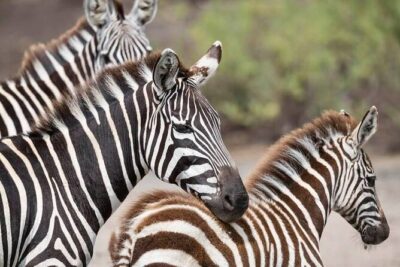
- zebra
- buffalo
- eland
- warthog
- hippopotamus
- giant African elephants
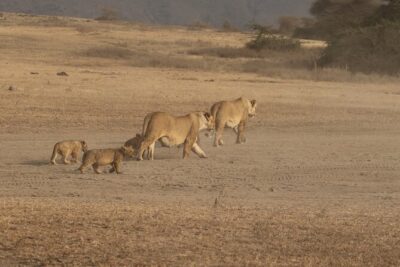
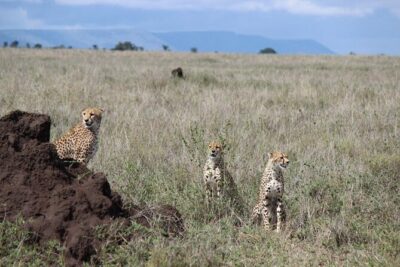
The tour also calls out a strong focus on predators. This is where Ngorongoro tends to feel different from many other parks. You have a real chance at lions, hyenas, jackals, and cheetahs, plus a possible leopard if you keep your eyes sharp.
The predator reality check
Predators are exciting, but they can also be picky about when they move. That is why the dawn timing matters. Early departures help you catch more active hours before the heat settles and animals shift behavior. When you are down in the crater, your best strategy is to stay patient and watch the ground level activity, not only the far-off silhouettes.
Also, watch for the smaller details. If flamingos are present, they usually mean the water and mudflat zones are active. If hippos are around, you may see them breathing and shifting more than you expect, even if they look calm at first.
Your total time in the crater
Your wildlife expedition time is listed at around 6 hours. In a crater setting, that is a good amount of time because the day is not just about one sighting. You are more likely to connect the dots: grazing herds, predator interest, and the moments when everyone suddenly changes direction.
What makes this safari feel good: small group, strong guiding, solid meals
This tour is designed for a group of up to 6 travelers, which changes the feel of the day. With fewer people, you usually get more comfortable viewing and less crowd pressure when the vehicle stops. It also tends to improve communication, because your driver/guide can react to the group’s questions faster.
The English-speaking guide advantage
You are traveling with a professional driver/guide who speaks English. That matters more than people think. On a safari, it is not just about spotting animals. It is about understanding what you are seeing, like why animals are moving where they are or what behavior suggests feeding or threat. When the guide can explain in clear English, your safari becomes more than a checklist.
One guest specifically praised Raphael Proches for being helpful and for bringing a strong level of experience to the drive. That kind of guidance can turn a good day into a “wait, that makes sense” day, especially when you are trying to tell similar animals apart or interpret animal behavior quickly.
Food that does not break your momentum
This is one of the underrated parts of safari planning. Your day is long, and hunger kills patience. Here, dinner is included, and you also get breakfast and lunch. Breakfast is listed as 2 meals, and lunch as 2 meals, with a highlight on a hot lunch that guests described as satisfying.
Dietary needs are also addressed on request. If you have restrictions, it is smart to raise them early so the kitchen can plan properly. The more you communicate up front, the less likely you are to end up with a limited option on safari day.
A quick note about communication
The group format also pairs well with practical communication. One guest mentioned WhatsApp messaging worked well for planning and follow-up. That kind of quick check-in can reduce stress when you are dealing with pick-up times and early starts.
Price and value: what $750 gets you and where your money goes
At $750 per person for about 2 days, the value depends on what you compare it to. The big win here is that key safari costs are already covered: your meals, an English-speaking driver/guide, and transport between major stops. The tour also notes that admission tickets are free, which can be a meaningful part of the overall budget in Tanzania.
In plain terms, you are paying for time with a guide, time in the parks, and the logistics that make early starts manageable. If you tried to piece together a similar two-park plan by yourself, the coordination effort and transport costs often add up quickly.
What is not included is also clear. International flights, visas, and tips for the driver/guide and safari cook are not part of the price. That is normal for this kind of tour, but you should factor it into your total Tanzania budget so there are no surprise line items at the end.
If you want maximum value from the same budget, focus on what is most expensive in your own situation: guided park time, transport, and meals. This safari covers those essentials, leaving you free to spend your energy on the wildlife.
Timing and logistics: early drives, better light, and how to prep
This safari is built around timing. Day 1 starts around 08:00 from your accommodation, and Day 2 leaves around 06:00. Early departures can feel intense, but they also protect your chances of seeing more animals active during cooler hours.
What to pack for two fast days
You do not need to overpack, but you should pack with comfort and visibility in mind.
- Light layers, because morning and late-day temps can feel different
- A hat or cap for sun, especially while you are sitting and waiting for sightings
- Sunglasses and sunscreen
- Comfortable closed-toe shoes, since you might hop out or move around during stops
- A small rain layer, since weather can change even when forecasts seem calm
- Your camera battery plan, since cold mornings can reduce battery life
How to handle the campsite night
The campsite night is your main “comfort variable.” You should assume it will be functional, clean, and suited to safari travel, but not the same as a hotel bed with a full set of amenities. If you accept that up front, you will likely sleep better because you know the trade you made: you get your best wildlife hours.
A small strategy for spotting animals
When you get a stop, do not rush to the first sight. Scan slowly, check the ground movement, then look for secondary clues like birds reacting or animals bunching together. Predators are often detected through behavior in the herd first, not by chance alone.
Who this tour suits best, and who might want another option
This is a great fit if you want a classic Tanzania hit list in a short time frame. You like seeing elephants and baobabs on Day 1, and you want concentrated wildlife action on Day 2 inside Ngorongoro. It also suits travelers who enjoy structure, meaning you want pickup, meals, and guiding handled so you can focus on the parks.
It is also a good option for families and groups who want a small group size. Less crowding helps everyone enjoy the ride.
Who might think twice? If you strongly prefer hotel comfort and late mornings, the campsite night and early schedule will likely feel less fun than it does for people who are safari-minded. Also, if you are expecting a leisurely pace with lots of extra stops, the itinerary is deliberately tight.
Should you book this Tarangire and Ngorongoro safari for $750?
I would book it if you match the mindset: you want early wildlife time, you are okay with a campsite night, and you value a guided two-park safari that includes meals. The combination of Tarangire’s big elephant and baobab vibe, plus Ngorongoro’s high-density crater wildlife, makes the 2 days feel efficient.
I would pause and compare if you are traveling for maximum comfort, or if you dislike dawn starts. In that case, you might be happier with a longer trip that spreads time out.
My final advice: before you commit, think about your total budget beyond the $750, especially tips and your visa needs. Then decide based on your comfort level with early mornings and basic lodging. If that sounds fine, you are in for a strong taste of Tanzania’s wildlife, in a timeframe that is easy to fit into a real itinerary.
FAQ
What time does the tour start?
The tour notes a start time of 4:30 pm. The day-by-day schedule also describes pickup for the first day around 08:00 and departure for the second day around 06:00.
Where do you get picked up?
Pickup is offered from your accommodation in Arusha or Moshi.
Is the group small?
Yes. The tour has a maximum of 6 travelers.
What meals are included?
Dinner is included, and breakfast (2) and lunch (2) are included as well. Other dietary requirements are available on request.
Is the safari ticket cost included?
Admission tickets are listed as free.
What does the price include, and what is not included?
Included are dinner, meals listed above, and a professional English-speaking driver/guide. Not included are international flights, visas, and tips for the driver/guide and safari cook.
Longer Trips Through the North
- Tanzania Classic – 7 Days
★ 5.0 · 1,151 reviews - 7-Day Premium Luxury Tanzania Safari All-Inclusive
★ 5.0 · 426 reviews - Tanzania Wildlife Encounters – 6 Days
★ 5.0 · 277 reviews - Group Safari 7 Days in Tanzania’s Main Parks
★ 5.0 · 240 reviews - 4 Days Join Group tour Tarangire Serengeti and Ngorongoro crater
★ 5.0 · 219 reviews
Tarangire and Its Baobabs
- 5-Day Highlights mid-Range Crater, Serengeti, Tarangire
★ 5.0 · 296 reviews - Private 6-Day Tarangire Manyara Crater and Serengeti with Mid-Range Lodges
★ 5.0 · 238 reviews - 5 Days Camping Tarangire, Serengeti & Ngorongoro crater & Visiting Maasai
★ 5.0 · 229 reviews - 4 Days Join Group tour Tarangire Serengeti and Ngorongoro crater
★ 5.0 · 219 reviews - 4-Day Safari from Arusha: Tarangire, Serengeti and Ngorongoro
★ 5.0 · 173 reviews
Still Thinking About the Crater?
- 3 Days Serengeti & Ngorongoro Group Camping Safari
★ 5.0 · 574 reviews - 5 Days Camping Tarangire, Serengeti & Ngorongoro crater & Visiting Maasai
★ 5.0 · 229 reviews - 4 Days Join Group tour Tarangire Serengeti and Ngorongoro crater
★ 5.0 · 219 reviews - 4-Day Safari from Arusha: Tarangire, Serengeti and Ngorongoro
★ 5.0 · 173 reviews - 2 Days Tarangire and Ngorongoro Group Camping Safari
★ 5.0 · 146 reviews
Just added from around Arusha

Ngorongoro Crater Safaris, compared.
 ★ 5.03 Days Serengeti & Ngorongoro Group Camping SafariFrom $815574 reviews
 ★ 5.0Safari Serengeti And NgorongoroFrom $2,845288 reviews
 ★ 5.05 Days Camping Tarangire, Serengeti & Ngorongoro crater & Visiting MaasaiFrom $1,254229 reviews
 ★ 5.04 Days Join Group tour Tarangire Serengeti and Ngorongoro craterFrom $1,090219 reviews
 ★ 5.04-Day Safari from Arusha: Tarangire, Serengeti and NgorongoroFrom $1,753173 reviews
 ★ 5.02 Days Tarangire and Ngorongoro Group Camping SafariFrom $550146 reviews
 ★ 5.04 Days Tarangire Serengeti Ngorongoro CraterFrom $900117 reviews
 ★ 5.03 Days Tarangire, Ngorongoro & Lake Manyara Group Camping SafariFrom $700102 reviews
Browse the lists this tour appears in