
REVIEW · NGORONGORO CRATER SAFARIS
2 Day Safari Tarangire and Ngorongoro Crater
Two parks, one tight safari schedule.
This overnight trip from Arusha strings together Tarangire National Park and the Ngorongoro Crater, two Tanzanian powerhouses with very different wildlife vibes. Tarangire is famous for elephants at the Tarangire River and the chance of tree-climbing lions, while Ngorongoro brings you into the UNESCO-listed caldera where a lot of animals share a smaller space.
I love that you get a real two-park day split, not just a drive-by. I also like that this one handles the food, with dinner, lunch (twice), and breakfast (twice) included, so you can focus on wildlife instead of snack math.
One thing to consider: this is safari value priced, not a luxury trip. Also, pickup can depend on where your hotel sits, and some people have mentioned small extra pickup or drop-off charges.
In This Review
- Key highlights worth planning for
- Tarangire and Ngorongoro in One Overnight Plan (Why This Combo Works)
- Price and What $440 Covers (And What It Does Not)
- Day 1 at Tarangire: Baobabs, Elephants, and the River Magnet
- What you’ll likely see (and why it’s so satisfying)
- Timing and pacing you can expect
- Day 1 to Night: How the Overnight Transitions Feel
- Day 2 at Ngorongoro Crater: The Caldera That Packs Wildlife In
- The hippo pool picnic (yes, it’s as cool as it sounds)
- Big species you might spot
- Small Group Size and the Guide Factor (What You Actually Gain)
- “Admission Ticket Free” and How Park Costs Change Your Budget
- Practical Tips for a Smooth 2-Day Safari From Arusha
- Start time and hotel pickup
- Dress for wildlife watching, not fashion
- Bring what you actually use
- When This Safari Is Best (Dry Season Logic, With Real Expectations)
- Who This Tour Fits Best
- Should You Book This 2-Day Tarangire and Ngorongoro Safari?
- FAQ
- How long is the safari?
- Where does the safari start and end?
- What parks are included?
- Is pickup from Arusha included?
- How many people are in the group?
- What meals are included?
- Is there a park entrance fee included?
- What is not included in the price?
- What is the cancellation window?
Key highlights worth planning for
- Tarangire River action in the dry season brings elephants, wildebeest, and zebra to the water
- Tree-climbing lions are a real possibility in Tarangire’s baobab-studded areas
- Ngorongoro picnic lunch by the hippo pool puts you close to heavyweights, safely
- UNESCO Ngorongoro Conservation Area means dense wildlife viewing in the caldera
- Max 7 people keeps the drive and guiding more personal
- Meals and parking included helps you keep the trip budget tidy
Other ways down into the Ngorongoro Crater
- 3 Days Serengeti & Ngorongoro Group Camping Safari★ 5.0 · 574 reviews
- 5 Days Camping Tarangire, Serengeti & Ngorongoro crater & Visiting Maasai★ 5.0 · 229 reviews
- 4 Days Join Group tour Tarangire Serengeti and Ngorongoro crater★ 5.0 · 219 reviews
- 4-Day Safari from Arusha: Tarangire, Serengeti and Ngorongoro★ 5.0 · 173 reviews
Tarangire and Ngorongoro in One Overnight Plan (Why This Combo Works)
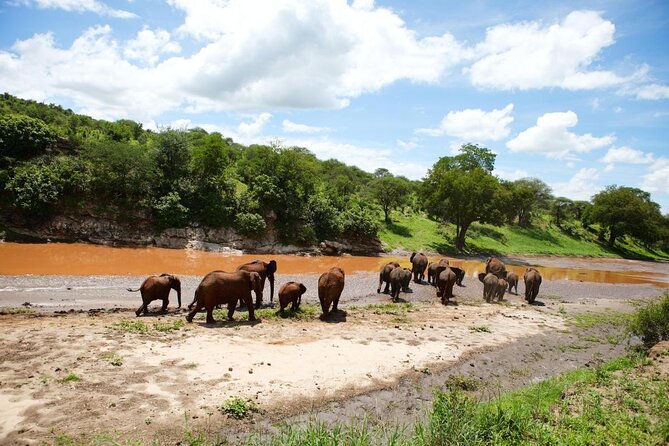
If you only have a short window in northern Tanzania, the smartest move is picking parks that complement each other. Tarangire is a distinct, elephant-forward park with big baobabs and a river corridor that concentrates animals. Ngorongoro is a bowl, a natural amphitheater, where many species can be seen on the same day because they’re drawn into the caldera’s habitats.
This tour’s format is built for that logic. You spend one full day in Tarangire and a second day in Ngorongoro, with an overnight in between. That means you are not racing to fit both parks into one brutal day, which usually turns safaris into more driving than wildlife.
The value here is not just seeing two places. It’s the pacing. A two-day safari lets your body adjust to the morning starts, the long viewing sessions, and the small moments that make a safari memorable, like spotting the first elephants at a distance and then watching how close they get as the day warms up.
Price and What $440 Covers (And What It Does Not)
At $440 per person, this is positioned as a midrange safari option, not a high-end lodge package. The key question is what’s included, and that’s where this one helps you.
Included in the tour price:
- Round-trip transportation from Arusha
- Overnight accommodation
- Dinner
- Lunch (2)
- Breakfast (2)
- Parking fees
Not included:
- Luxury
So what do you get in real life? You get an organized, guided wildlife trip with meals and the overnight handled. That’s a big deal because safari costs often balloon through “extras” like separate meals, separate transfers, or add-ons that creep in when you plan independently.
The practical catch: “not luxury” means your comfort level should match a standard safari setup, not a resort experience. If your definition of vacation is room service and plush bedding, you might prefer a more expensive lodge-and-private-driver style safari.
Also, while pickup is offered, it might not be universally included for every hotel location. One review mentioned a $5 extra for hotel pickup and drop-off. I would treat that as a heads-up, not a guarantee, but it’s smart to confirm what your exact hotel address will cost for pickup.
Day 1 at Tarangire: Baobabs, Elephants, and the River Magnet
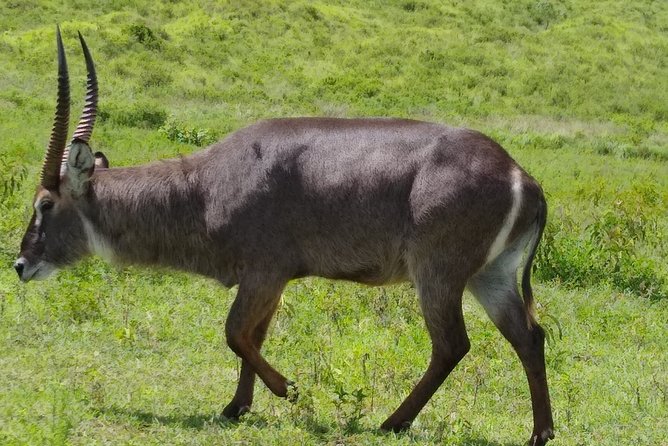
Tarangire National Park has a reputation for being an easier-to-read wildlife show than some parks. That’s partly because of the Tarangire River. During the dry season, when water becomes scarce elsewhere, the river turns into a magnet. Elephants come in big groups, and wildebeest and zebra also funnel toward the water to replenish.
That concentration matters because it changes how wildlife spotting works. In many areas, you spend time driving hoping for movement. Here, once the animals are gathered near the river, you can spend more time watching behavior rather than constantly guessing where the action might be.
Tarangire again, with different operators
What you’ll likely see (and why it’s so satisfying)
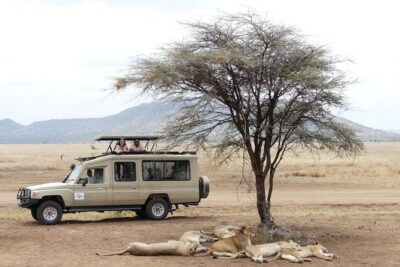
You’re in a park with the core “tar-get” safari species: elephants, wildebeest, zebra, and buffalo, plus predators and scavengers like lions, leopards, and hyenas. The interesting twist is the chance of tree-climbing lions. That’s not something every safari offers, and it fits Tarangire’s scenery, with baobabs acting like natural landmarks and vantage points.
There’s also a strong “classic Africa” feel here: bulbous baobabs, open stretches, and animals moving through corridors rather than disappearing into the forest. It’s the kind of park where you can go from spotting an elephant in the distance to having a close-up view of tracks, dust, and social groups as the day unfolds.
Timing and pacing you can expect
The schedule gives you a long Tarangire day, about 8 hours in the park. You also get an earlier stop window that’s tied to getting into the park in time for wildlife activity.
One tip: early mornings on safari can feel chilly. Bring layers you can manage easily in the vehicle. You’ll often get warm while scanning plains, then cool down again during slower moments.
Day 1 to Night: How the Overnight Transitions Feel
An overnight safari is all about logistics you don’t have to think about. The tour includes your overnight accommodation and dinner, and then you wake up already set for the next day’s driving and viewing.
That helps you avoid one of the most common safari mistakes: burning energy on planning when you should be spending energy on spotting animals. You’ll likely have a little buffer time to reset, recharge your camera batteries, and get your bag organized for the next day.
It’s also useful because Ngorongoro is a different kind of viewing environment. The crater can involve significant time spent looking down into the caldera areas. If you arrive fresh, you get more out of those long viewing windows.
Day 2 at Ngorongoro Crater: The Caldera That Packs Wildlife In
Ngorongoro Conservation Area is famous for how much life it can hold in one place. The crater is UNESCO-listed, and it works like a natural funnel. Animals move into the caldera habitats and you get dense wildlife viewing compared with many open parks.
Your itinerary focuses on extended crater time, about 7 hours in the Ngorongoro area. That’s a good amount because it gives your guide time to move you to the right viewing zones as animals shift. In a crater, where animals congregate and spread out, timing and positioning make a huge difference.
The hippo pool picnic (yes, it’s as cool as it sounds)
One of the standout details in this tour is a picnic lunch by the hippo pool. That means you’re not just eating while animals are somewhere in the distance. You’re eating with the hippos close enough to notice their movement and breathing, and it’s the kind of moment that makes people remember Ngorongoro years later.
Just keep it grounded: you’re still on a safari with safety rules in place. Listen to your guide and keep your movement slow and simple. If you want photos, get your lens ready and then let your eyes do the first “zoom.” Often the most dramatic moments happen when you’re not rushing for the camera.
Big species you might spot
The tour description highlights cape buffalo, rhinoceros, and hippopotamus. That combo is one reason Ngorongoro feels like a “big day.” You’re not only looking for one signature animal. You’re watching multiple layers of the ecosystem, from thick-bodied herbivores to the predators and scavengers that follow the food.
Even if you don’t see every species, the crater setting keeps the day interesting. You’ll likely notice how animals share space and how their behavior changes depending on water, grazing, and visibility.
Small Group Size and the Guide Factor (What You Actually Gain)
This safari caps at 7 travelers, which changes the experience in real terms. In bigger groups, you often fight for windows on the vehicle and visibility becomes harder. With a smaller group, your guide can manage pacing, turn-taking, and where people stand for viewing.
You also get a Signature safari guide for the experience, which matters because the spotting game is half timing and half reading the land. A good guide helps you understand what you’re seeing, not just point at it. That’s especially valuable in places like Ngorongoro, where animals can appear in one section and then vanish as herds shift.
If you’re the type who likes your safari to feel “human scale,” this setup is a good fit. The goal isn’t to rush through ten stops. It’s to keep you on the best wildlife windows with enough time to actually enjoy them.
“Admission Ticket Free” and How Park Costs Change Your Budget
The itinerary notes admission ticket free. If that holds true in the way the tour is packaged, it can remove one of the budget uncertainties that hits safari planning.
Here’s the value logic: park entrance fees can vary and can be one more item you have to confirm when comparing tour operators. When a safari includes admission or treats it as covered within the tour package, you can compare apples to apples more easily with other options.
Still, I’d do one quick sanity check during booking: ask the operator whether park entrance is included for both Tarangire and Ngorongoro under your specific booking. If it is, you’re paying for the experience rather than itemized add-ons.
Practical Tips for a Smooth 2-Day Safari From Arusha
This kind of safari lives and dies on comfort and readiness. Here’s what helps most, based on how these safaris usually run and the details you’re given.
Start time and hotel pickup
The day starts early out of Arusha. That’s great for wildlife and also means you should plan for a quick breakfast, not a slow morning routine.
Pickup is offered, and the tour ends back at the meeting point at Masailand Safari & Lodge (MJ7W+X3, Arusha 1531, Tanzania). If you’re staying far from main routes, ask your operator whether your pickup is direct or if there could be a small extra charge.
Dress for wildlife watching, not fashion
Safari vehicles can be warm in the sun and cool when the skies shift. Use layers:
- light jacket or hoodie
- long pants
- hat or cap for sun
- shoes you don’t mind getting dusty
Bring what you actually use
Pack essentials for a couple of long wildlife days:
- binoculars if you have them
- water bottle
- sunscreen and lip balm
- a phone power bank
- camera strap and lens cloth
Even with meals included, it’s still worth having a small personal comfort item like a snack for the vehicle, especially if you’re the kind of person who gets hungry during scanning.
When This Safari Is Best (Dry Season Logic, With Real Expectations)
The Tarangire portion is described as especially fascinating during the dry season because the river becomes a key water source. That’s the big idea. When water concentrates, animals concentrate. That increases the odds of seeing animals close together and improves the “watching” part of the safari.
Ngorongoro has its own seasonal rhythms, but this tour’s format is built for the kind of wildlife movement that happens when grazing and water draw animals into predictable zones.
If you’re choosing dates, aim for a time when you can tolerate morning starts and expect open viewing. If weather is poor, the tour may be adjusted or refunded, so keep flexibility in your schedule.
Who This Tour Fits Best
This is a strong match for:
- First-time safari goers who want a taste of two parks without overplanning
- People who care about meal inclusion and a simple package
- Anyone who likes smaller groups and more personal guiding
- Wildlife lovers who want the Tarangire elephant focus plus Ngorongoro crater “big day” viewing
It may not be ideal for you if:
- You want luxury accommodations and a fully premium experience
- You dislike long drives and early mornings
- You only want one park and don’t want to split time
Should You Book This 2-Day Tarangire and Ngorongoro Safari?
If your goal is maximum wildlife payoff in a short timeframe, I think this booking makes sense. The park combo is smart: elephants and tree-climbing lion chances in Tarangire, then the caldera density of Ngorongoro. Add in meals included and a small group size and you get a safari that feels organized without feeling stiff.
I’d book if you’re comfortable with a standard safari comfort level and you’re excited by the idea of a hippo pool picnic. I’d be cautious if you’re chasing luxury or if your hotel pickup situation is unclear, because a small extra charge can pop up depending on location.
One last practical note: with an average booking window of about 20 days in advance, don’t wait too long if you have fixed travel dates. This is exactly the kind of two-day plan that gets grabbed during peak safari periods.
FAQ
How long is the safari?
The tour runs for 2 days, approximately.
Where does the safari start and end?
It starts at Masailand Safari & Lodge (MJ7W+X3, Arusha 1531, Tanzania) and ends back at the meeting point.
What parks are included?
Tarangire National Park and the Ngorongoro Conservation Area (Ngorongoro Crater).
Is pickup from Arusha included?
Pickup is offered, and round-trip transportation from Arusha is included.
How many people are in the group?
The maximum group size is 7 travelers.
What meals are included?
Dinner is included, along with lunch (2) and breakfast (2).
Is there a park entrance fee included?
The itinerary lists admission ticket free for the park stops.
What is not included in the price?
Luxury is listed as not included.
What is the cancellation window?
You can cancel up to 24 hours in advance for a full refund.
Tarangire and Its Baobabs
- 5-Day Highlights mid-Range Crater, Serengeti, Tarangire
★ 5.0 · 296 reviews - Private 6-Day Tarangire Manyara Crater and Serengeti with Mid-Range Lodges
★ 5.0 · 238 reviews - 5 Days Camping Tarangire, Serengeti & Ngorongoro crater & Visiting Maasai
★ 5.0 · 229 reviews - 4 Days Join Group tour Tarangire Serengeti and Ngorongoro crater
★ 5.0 · 219 reviews - 4-Day Safari from Arusha: Tarangire, Serengeti and Ngorongoro
★ 5.0 · 173 reviews
Still Thinking About the Crater?
- 3 Days Serengeti & Ngorongoro Group Camping Safari
★ 5.0 · 574 reviews - 5 Days Camping Tarangire, Serengeti & Ngorongoro crater & Visiting Maasai
★ 5.0 · 229 reviews - 4 Days Join Group tour Tarangire Serengeti and Ngorongoro crater
★ 5.0 · 219 reviews - 4-Day Safari from Arusha: Tarangire, Serengeti and Ngorongoro
★ 5.0 · 173 reviews - 2 Days Tarangire and Ngorongoro Group Camping Safari
★ 5.0 · 146 reviews
Just added from around Arusha


Ngorongoro Crater Safaris, compared.
 ★ 5.03 Days Serengeti & Ngorongoro Group Camping SafariFrom $815574 reviews
 ★ 5.0Safari Serengeti And NgorongoroFrom $2,845288 reviews
 ★ 5.05 Days Camping Tarangire, Serengeti & Ngorongoro crater & Visiting MaasaiFrom $1,254229 reviews
 ★ 5.04 Days Join Group tour Tarangire Serengeti and Ngorongoro craterFrom $1,090219 reviews
 ★ 5.04-Day Safari from Arusha: Tarangire, Serengeti and NgorongoroFrom $1,753173 reviews
 ★ 5.02 Days Tarangire and Ngorongoro Group Camping SafariFrom $550146 reviews
 ★ 5.04 Days Tarangire Serengeti Ngorongoro CraterFrom $900117 reviews
 ★ 5.03 Days Tarangire, Ngorongoro & Lake Manyara Group Camping SafariFrom $700102 reviews
Browse the lists this tour appears in