
REVIEW · NGORONGORO CRATER SAFARIS
2-Day Private Guided Tour to Tarangire and Ngorongoro
Big wildlife in just two days. This private safari pairs Tarangire National Park with the Ngorongoro Crater, so you get both elephant country and that famous enclosed caldera ecosystem.
I love how smoothly the days flow, with hotel pickup in Arusha and meals handled (breakfast, dinner, and two lunches). You also get a classic East Africa mix, Big Five time in the crater and then Tarangire’s big herds and bird life.
One consideration: two days is a sprint, so you will spend real time driving and still only get limited hours in each park. If you want a slow, spend-all-day kind of safari, this may feel tight.
In This Review
- Quick hits: what makes this 2-day combo work
- Two parks, one tight schedule, and why that’s still worth it
- Arusha to Tarangire: what the drive sets you up to see
- Tarangire’s must-see zones, and what to watch for
- Tarangire game drive: the real value of this first day
- What can feel challenging on day one
- Ngorongoro Conservation Area: getting to the crater with the right mindset
- The morning mist factor you should plan around
- The crater game drive: how the “wildlife bowl” changes the experience
- A balanced reality check for Ngorongoro
- Why private guiding matters more than you think
- Price and value: is $1,278 per person fair for two days?
- What to expect day to day, hour by hour
- Who this tour suits best (and who should skip it)
- Book it or keep looking? My honest take
- FAQ
- FAQ
- Where does the tour start and end?
- How long is the private tour?
- What meals are included?
- Is park admission included?
- What is not included in the tour price?
- Can I cancel for a full refund?
- What hours is the activity available?
Quick hits: what makes this 2-day combo work
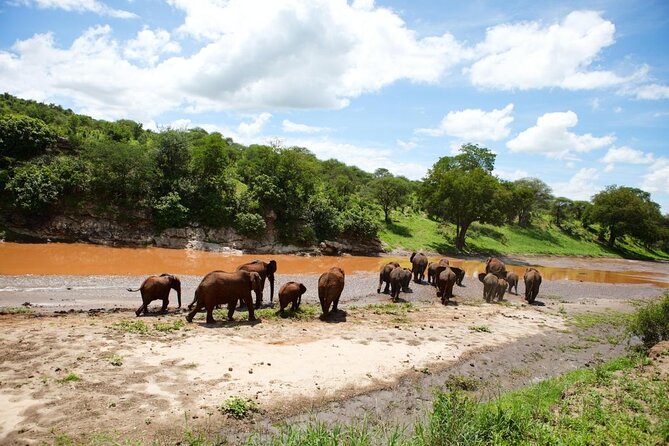
- Tarangire elephants and birding focus: strong for elephants, lions, leopards, and lots of birds.
- Dry-season water drama: the Tarangire River is a key magnet for wildlife when water is scarce.
- Baobab scenery breaks up the game drive: you get dramatic scenery tied to the park’s ecology.
- Ngorongoro Crater is a self-contained ecosystem: a natural “wildlife bowl” with its own animal population.
- A Big Five target, with rhino as a bonus chance: rhinos are possible if you are lucky.
- Private format with hotel pickup: easier timing, less waiting around, and just your group in the vehicle.
Other ways down into the Ngorongoro Crater
- 3 Days Serengeti & Ngorongoro Group Camping Safari★ 5.0 · 574 reviews
- 5 Days Camping Tarangire, Serengeti & Ngorongoro crater & Visiting Maasai★ 5.0 · 229 reviews
- 4 Days Join Group tour Tarangire Serengeti and Ngorongoro crater★ 5.0 · 219 reviews
- 4-Day Safari from Arusha: Tarangire, Serengeti and Ngorongoro★ 5.0 · 173 reviews
Two parks, one tight schedule, and why that’s still worth it
This is the kind of safari you do when you want the headline experiences without booking a week. Tarangire gives you wide open game-viewing and a chance to spot animals that move with the water and season. Ngorongoro gives you the iconic crater moment, where wildlife gathers in a concentrated setting.
What I like most is that the route makes sense. Start outside the crater in Tarangire, where wildlife patterns often follow food and water. Then shift to Ngorongoro, where the crater’s “closed” geography means you can see a lot of species within a small area.
The downside is obvious once you clock the timing. Two full days means early mornings, long park drives, and fewer chances to linger if you see something unexpected. If you like relaxed pacing, you might prefer a longer safari. If you like efficient days with big payoffs, this combo can feel like a smart hit of Africa.
Arusha to Tarangire: what the drive sets you up to see
You leave Arusha around 8:00 am for Tarangire, with lunch boxes for the day. The drive is about 110 km and takes roughly 2 hours, which is long enough to settle in, but not so long that your safari day disappears before it starts.
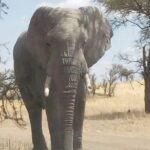
This first day matters because Tarangire is not just another stop. It’s known for large herds of elephants, and those herds shape your entire day. When elephants are around, you often get more opportunities to spot their neighbors too. Lions can appear, leopards are possible, and the bird life is a major draw.
Tarangire is also a good choice if you prefer less crowd intensity than some of the more famous circuit hotspots. That can matter when you are trying to enjoy the animals instead of fighting for viewing angles.
Tarangire’s must-see zones, and what to watch for
Silale Swamp is the highlight area in the south of the park. It’s described as nearly always rich in wildlife. That means your guide has a strong reason to aim for areas like this, because water and habitat keep animals active even when conditions change.
You’ll also notice the baobab presence. The park is known for a high number of these iconic trees, and they are more than just photo props. They create a landscape of shadows, scale, and natural landmarks that help you orient while you drive.
If you are visiting during the dry season, keep an eye on the Tarangire River. The information here is clear: it becomes the only source of water in the area, and that naturally pulls animals in. Practically, that can mean more concentrated sightings, especially during the middle of the day when you expect movement patterns to shift.
Tarangire again, with different operators
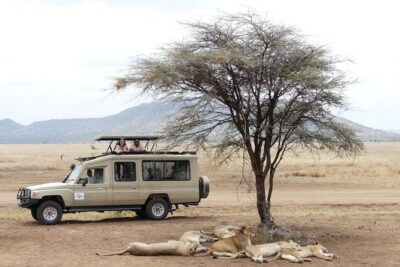
Tarangire game drive: the real value of this first day
Once you’re in the park, you do a game drive after lunch. Lunch is handled inside the park at a picnic spot chosen by your driver guide, and the timing keeps you from losing too much daylight.
Tarangire is often framed as the place for elephants, but I think the bigger win is variety. You get the elephant energy, plus birding opportunities, plus a broader mix of habitats. Even if you are chasing a specific animal, you are likely to come away with plenty of “side” sightings.
A balanced view of expectations helps here. If you have Big Five on your mind, Tarangire is not the only ticket. But it can be a strong lead-up day, where you build momentum, learn how your guide tracks, and get your eyes trained for movement, calls, and tracks.
What can feel challenging on day one
The main challenge is physical, not mental. The road within and near parks can be bumpy, and you will be spending many hours in the vehicle. Bring water, expect dust, and plan to take breaks when the guide stops.
Also, wildlife spotting can’t be scheduled. You might see plenty of elephants and birds, and still have a day where leopards stay out of reach. That’s normal for safari life. The best strategy is to enjoy the full mix, not just the checklist.
Ngorongoro Conservation Area: getting to the crater with the right mindset
Day two is all about getting to the Ngorongoro Crater, part of the Ngorongoro Conservation Area. This crater is described as the world’s largest intact collapsed caldera, which is the kind of phrase that sounds geological, but plays out beautifully in the real world.
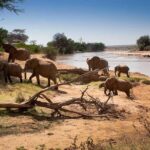
Because it’s a self-contained ecosystem, you get a unique population of wildlife living in a confined area with amazing variety. Practically, that means sightings can be more concentrated than in open parks, because animals are effectively sharing the same “bowl” space.
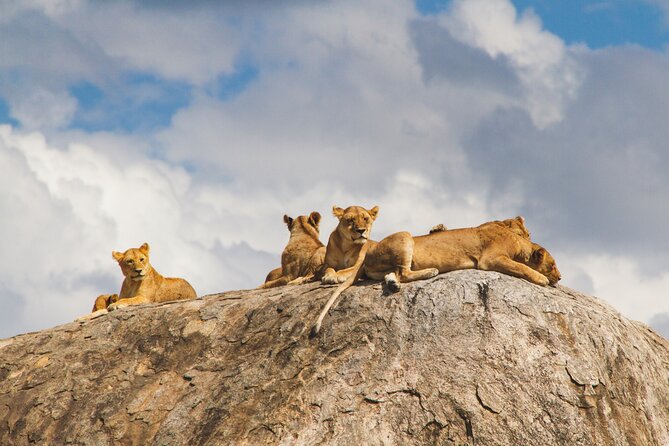
This is also where the Big Five focus becomes real. The crater is described as one of the best places in East Africa to see the Big Five, and the list of animals you might encounter includes lions, hyena, serval, Cape buffalo, zebra, and great bird life. Rhinos are an added advantage if you are lucky.
The morning mist factor you should plan around
High altitude changes the feel of the early hours. The view from lodge verandas is described as breathtaking in the morning, with early morning mist. And the key practical note is that the crater can be visited any time of the year.
So even if your itinerary time feels fixed, your goal should be to stay flexible in your expectations about lighting and mist. Early on, you may have softer visibility, then sharper views later as the air clears. Don’t judge the crater too quickly, because conditions can shift fast.
The crater game drive: how the “wildlife bowl” changes the experience
After arriving, you have lunch in the crater, then continue with the game drive. That lunch-in-the-area detail is more important than it sounds. It keeps your day inside the crater ecosystem longer, instead of pushing you out too soon just to clear the schedule.
In Ngorongoro, the crater geography means you may spot animals in different groups across the same day. The mix mentioned includes lots of lions and hyena, plus Cape buffalo, zebra, and birds. Serval is specifically listed too, which hints that you are not only looking for the big, obvious mammals.
A helpful way to think about it: Tarangire can teach you patterns. Ngorongoro tests your patience and luck in a more confined setting. You still can have a slower moment, but when things click, you can see multiple species close together in a way that feels instantly memorable.
A balanced reality check for Ngorongoro
Rhino is described as a possible bonus chance, but not guaranteed. That matters because many people book Ngorongoro for rhinos and then feel disappointed if they miss.
Here’s the better plan: treat the crater as a broad species experience first. If you happen to spot rhino, that becomes the extra prize. This mindset keeps the day enjoyable even if the rhinos do not show.
Why private guiding matters more than you think
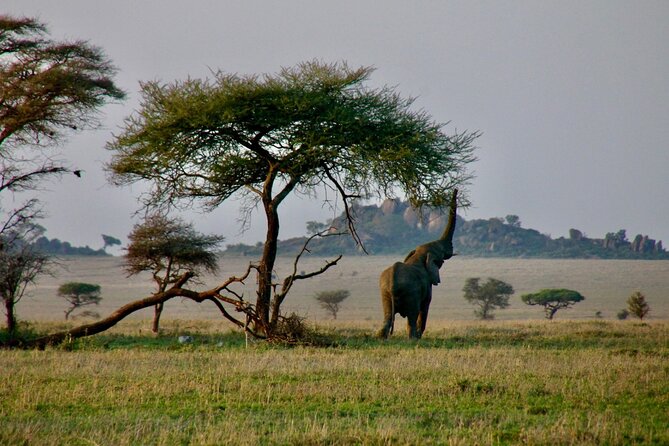
This is a private tour, meaning only your group participates. That sounds like a marketing line, but it changes how the day feels. You are not stuck waiting for other schedules, and your driver guide can make the kind of stop-and-scan decisions that work best for your group’s pace.
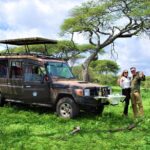
The reviews also point to the human side of this setup. One account mentioned a meeting for preparation before the safari, and then a guide picking them up at their hotel. Another mentioned that the safari car was in good condition and the driver-guide was professional, with one name, Jeremiah, showing up in the feedback for a private package through the same company.
I take that as a signal that organization and vehicle quality are part of their standard, not an afterthought. For a short safari, that matters because you cannot waste hours trying to fix logistics.
Price and value: is $1,278 per person fair for two days?
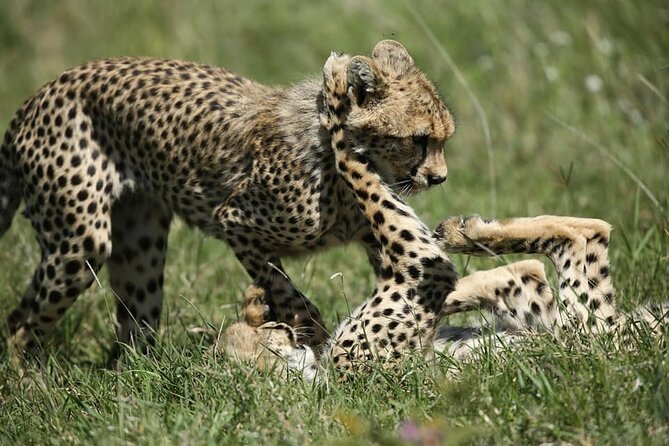
At $1,278 per person, this is not a budget safari. But it can be good value when you break it down by what you’re actually getting.
You are paying for:
- Private transportation for two full park days
- Breakfast and dinner, plus two lunches
- A plan that hits Tarangire and Ngorongoro
- Park entry being shown as free in the day details
- A mobile ticket approach
Not included are visa and tips, so you should budget for those separately.
For me, the value question comes down to your priorities. If you only have two days and want both Tarangire and the crater, a combo like this often costs less than you would pay to piece together two separate private outings. On the other hand, if you were willing to join a group safari, you might spend less. You’ll trade that lower price for less control over timing and fewer chances for flexible stops.
My practical advice: if this price fits your trip budget and you want a tailored private experience, it looks like a sensible way to cover the two most famous ecosystems in a short time.
What to expect day to day, hour by hour
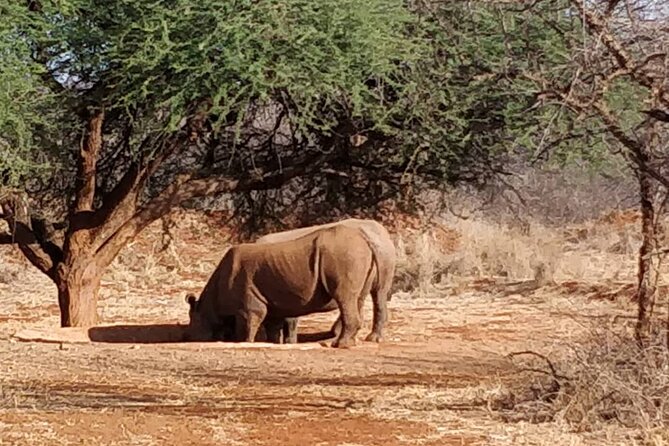
The itinerary is structured to keep you moving without feeling rushed inside the parks.
Day 1 rhythm:
- Morning departure from Arusha around 8:00 am
- Lunch boxes on the road
- Lunch inside Tarangire at a chosen picnic spot
- Game drive time to focus on elephants, birds, and other wildlife
You’ll spend about 9 hours on this day.
Day 2 rhythm:
- Drive to Ngorongoro Crater
- Lunch inside the crater
- Game drive continuation
- Return to Arusha late afternoon
This day is about 8 hours.
The key point for your planning is that you will likely start earlier than you expect and you will be in the vehicle for long stretches. If you are prone to motion sickness, this is the moment to think about it before you go.
Who this tour suits best (and who should skip it)
This tour fits best if:
- You want a two-park safari without dragging the trip out
- You like the idea of private guiding and a smooth, organized day
- You are excited about both elephant country in Tarangire and the crater concentration in Ngorongoro
- You want a realistic shot at the Big Five, with rhino as a bonus if luck plays along
I’d be more cautious if:
- You hate long vehicle time or prefer a slower, more relaxed safari pace
- You are only hunting one specific animal and will feel unhappy without it
- You have limited stamina for early starts and long drives
Book it or keep looking? My honest take
I’d book this if you want the classic Tarangire plus Ngorongoro combo and you value a well organized private day. The structure is practical, the wildlife focus matches what you expect from these parks, and the meals plus pickup help remove stress.
If you have more time, a longer safari can reduce the feeling of rush and increase your odds of rare sightings. But if your calendar is tight, this plan does what it promises, Tarangire’s elephants and birds, then Ngorongoro’s crater magic and Big Five odds.
FAQ
FAQ
Where does the tour start and end?
The tour starts in Arusha Urban, Tanzania, and it ends back at the meeting point in Arusha.
How long is the private tour?
It runs for about 2 days total, with each day lasting roughly 8 to 9 hours.
What meals are included?
Breakfast and dinner are included, and lunch is included twice, with lunch provided during time in the parks.
Is park admission included?
Admission tickets are marked as free in the day details provided for both Tarangire National Park and Ngorongoro Conservation Area.
What is not included in the tour price?
Visa costs and tips are not included.
Can I cancel for a full refund?
Yes. You can cancel up to 24 hours in advance for a full refund.
What hours is the activity available?
The provided opening hours are Monday through Sunday from 8:00 AM to 6:00 PM.
Tarangire and Its Baobabs
- 5-Day Highlights mid-Range Crater, Serengeti, Tarangire
★ 5.0 · 296 reviews - Private 6-Day Tarangire Manyara Crater and Serengeti with Mid-Range Lodges
★ 5.0 · 238 reviews - 5 Days Camping Tarangire, Serengeti & Ngorongoro crater & Visiting Maasai
★ 5.0 · 229 reviews - 4 Days Join Group tour Tarangire Serengeti and Ngorongoro crater
★ 5.0 · 219 reviews - 4-Day Safari from Arusha: Tarangire, Serengeti and Ngorongoro
★ 5.0 · 173 reviews
Still Thinking About the Crater?
- 3 Days Serengeti & Ngorongoro Group Camping Safari
★ 5.0 · 574 reviews - 5 Days Camping Tarangire, Serengeti & Ngorongoro crater & Visiting Maasai
★ 5.0 · 229 reviews - 4 Days Join Group tour Tarangire Serengeti and Ngorongoro crater
★ 5.0 · 219 reviews - 4-Day Safari from Arusha: Tarangire, Serengeti and Ngorongoro
★ 5.0 · 173 reviews - 2 Days Tarangire and Ngorongoro Group Camping Safari
★ 5.0 · 146 reviews
Just added from around Arusha


Ngorongoro Crater Safaris, compared.
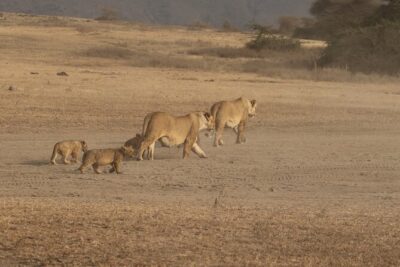 ★ 5.03 Days Serengeti & Ngorongoro Group Camping SafariFrom $815574 reviews
 ★ 5.0Safari Serengeti And NgorongoroFrom $2,845288 reviews
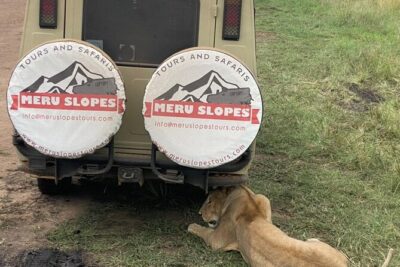 ★ 5.05 Days Camping Tarangire, Serengeti & Ngorongoro crater & Visiting MaasaiFrom $1,254229 reviews
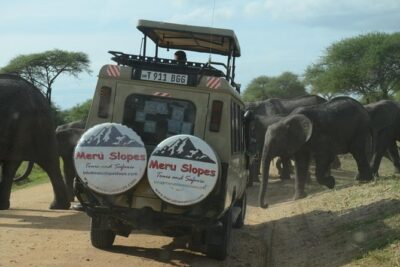 ★ 5.04 Days Join Group tour Tarangire Serengeti and Ngorongoro craterFrom $1,090219 reviews
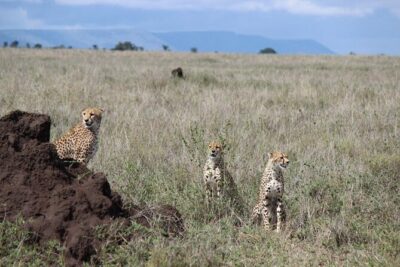 ★ 5.04-Day Safari from Arusha: Tarangire, Serengeti and NgorongoroFrom $1,753173 reviews
 ★ 5.02 Days Tarangire and Ngorongoro Group Camping SafariFrom $550146 reviews
 ★ 5.04 Days Tarangire Serengeti Ngorongoro CraterFrom $900117 reviews
 ★ 5.03 Days Tarangire, Ngorongoro & Lake Manyara Group Camping SafariFrom $700102 reviews
Browse the lists this tour appears in