
REVIEW · ZANZIBAR SPICE FARMS AND PLANTATIONS
Zanzibar: Spice Farm Tour and Cooking Class with Lunch
First, there is nothing on this island quite like spice hands-on. This Zanzibar tour mixes a guided walk through plantations and villages with real cooking time, so you learn what spices do and why Zanzibar food tastes the way it does. I especially love the up-close spice tasting from the plants, plus the 3-course Swahili cooking session with a local chef. One thing to consider is the day can get disrupted by pickup mix-ups or tip requests, which can affect how smooth the experience feels.
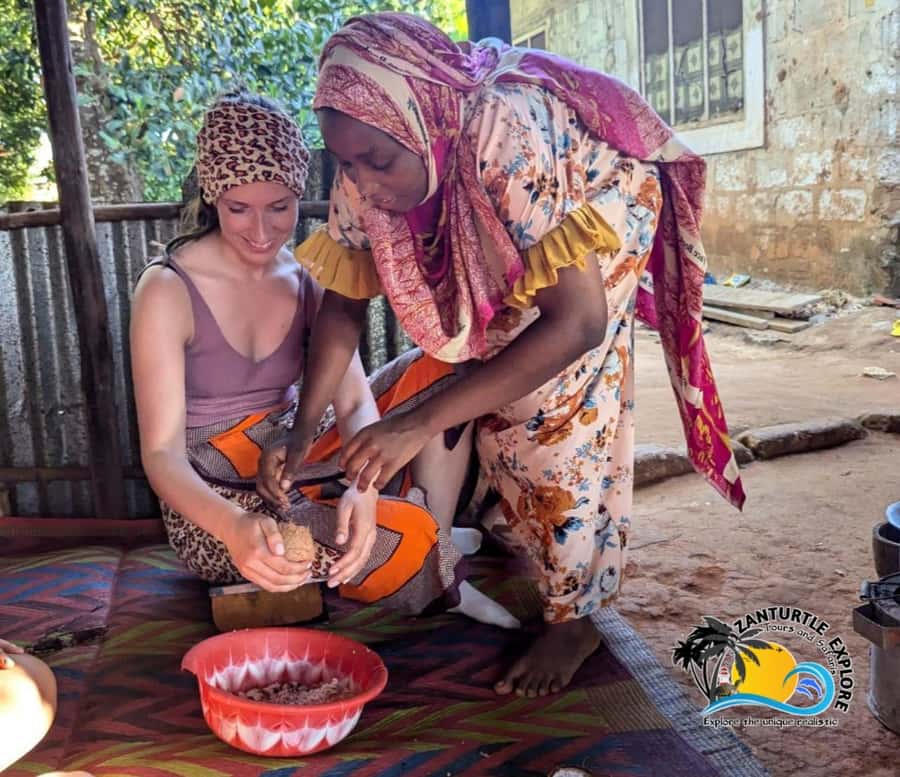
The format is built for sensory learning. You smell and touch spices as you go, taste tropical fruits, then cook a shared meal using traditional tools and techniques that locals pass down.
If you want a calm, classroom-only cooking lesson, you might be happier with a more controlled setting. But if you like walking, outdoors cooking, and learning by doing, this 5-hour plan is a great use of your time in Zanzibar.
In This Review
- Key things to know before you go
- Why This Zanzibar Spice Farm Tour Feels Hands-On
- The 5-Hour Flow: Pickup, Guided Farm Walk, Cooking, and Lunch
- Inside the Spice Walk: Cloves, Cinnamon, Ginger, Lemongrass, and More
- Village Life, Fruit Tastings, and Those Palm-Leaf Moments
- The Cooking Class: Swahili Food, 3 Courses, and Open-Fire Style
- Lunch, Shopping, and How to Handle Spice Souvenirs
- Price and Value: Is $63 a Smart Trade in Zanzibar?
- Logistics That Can Affect Your Day: Pickup Timing and Cash Prep
- Who Should Book This Spice Farm and Cooking Class
- Should You Book This Zanzibar Spice Farm Tour With Cooking Class?
- FAQ
- Where does the tour pick up and drop off?
- How long is the Zanzibar spice farm tour and cooking class?
- What is included in the cooking class and lunch?
- What should I bring for the spice farm and cooking session?
- What languages is the live guide available in?
- Is the tour wheelchair accessible?
- Are alcohol or pets allowed?
Key things to know before you go
- Jambo Spice Farm Dole is the main stop, with a guided farm walk followed by a shared cooking session.
- You will get the full sensory kit: smell, touch, and taste spices plus fruit tastings.
- Expect an outdoor, hands-on cooking style, not just watching.
- The tour is private group with hotel pickup and drop-off, usually via a van.
- Bring cash and be ready for several people to ask for tips during the day.
More spice farm afternoons on the island
- Zanzibar: Stone Town, Spice Tour, Prison Island with Lunch★ 4.4 · 1,219 reviews
- Zanzibar: Prison Island, Stone Town, & Spice Farm Tour★ 4.5 · 579 reviews
- Zanzibar: Stone Town, Spice tour & Prison Island with Lunch★ 4.6 · 453 reviews
- Full-Day Private Stone Town +Spice Farm and Prison Island Tour★ 4.5 · 216 reviews
Why This Zanzibar Spice Farm Tour Feels Hands-On
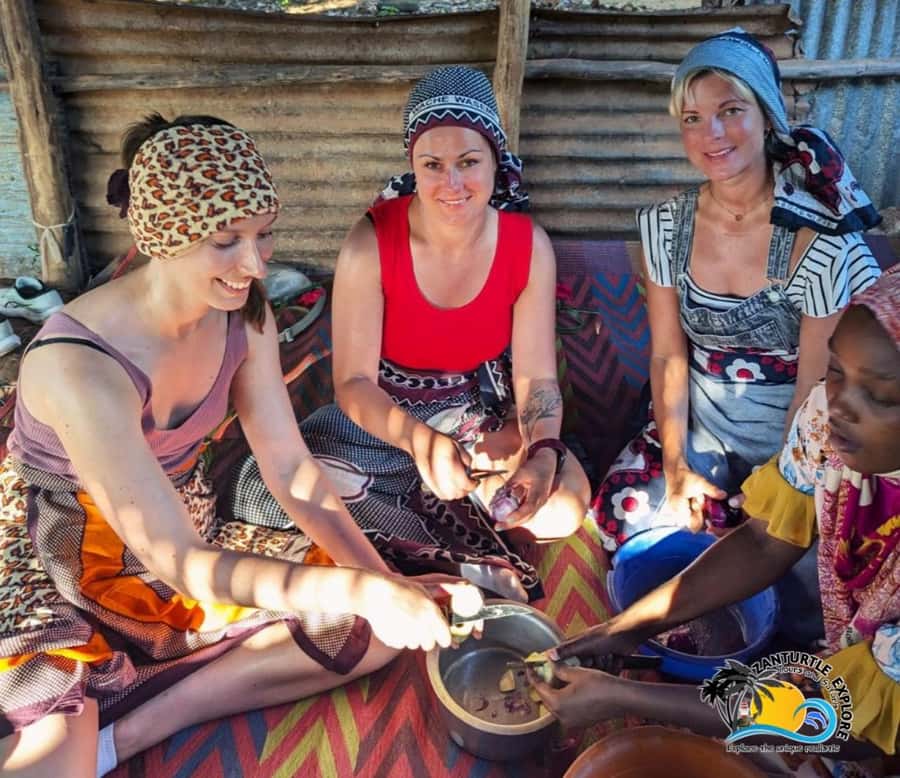
I like tours that teach by letting you use your senses, not just listen to facts. On this outing, you walk through spice plantations where cloves, cinnamon, ginger, lemon grass, and other spices grow in their natural setting. Then you practice spotting and interacting with the plants, so the scents make sense in your brain, not just in your nose.
Two parts tend to hit hardest when the day goes well. First, you get to experience spices directly as you go, including moments where you can see and touch the plants, and then taste them too. Second, the cooking time is built around preparing ingredients with the chef, so you learn the process, not only the final dish.
The tour also leans into Zanzibar’s everyday visuals. You may see local people climb spice trees and coconut trees while you are on the farm walk. You might even pick up palm-leaf accessories like ties, rings, armbands, and glasses, which turns the farm into more than a photo stop.
The biggest drawback is also the most practical one. Transport and timing can be messy at the start if the wrong guests get picked up, and you might end up waiting. Separately, you may feel pressure around tipping, with multiple people asking for tips at different points. It does not ruin the day, but it can leave a sour taste if you were hoping for a more straightforward, all-in experience.
The 5-Hour Flow: Pickup, Guided Farm Walk, Cooking, and Lunch
This is a compact half-day trip, around 5 hours total. You get hotel pickup from one of four areas, travel by van for about an hour, then spend the day moving between the farm and the shared cooking space.
Here is how the schedule typically plays out:
- Pickup and van ride (about 1 hour): Several pickup options exist, including Stone Town and Unguja North or South.
- Farm stop at Jambo Spice Farm Dole (about 2 hours): You start with a break and orientation, then go into the guided walking tour through villages and spice plantations.
- Cooking and lunch at the farm (about 1.5 hours): You return for the cooking class, prepare together with the chef, and eat a meal you made.
- Return van ride (about 1 hour): You drop back at one of the listed drop-off locations.
That structure matters because it keeps the day focused. You are not spending hours commuting without doing anything. You are also not only watching cooking happen, you are working and eating within the same setting.
One practical warning: because pickups vary by hotel location, the start time can feel a little fragile. I recommend confirming your pickup details in advance and staying ready at the lobby a bit early, especially if your hotel is in Stone Town where streets can be busy.
Inside the Spice Walk: Cloves, Cinnamon, Ginger, Lemongrass, and More
This part is the heart of the experience. You do not just hear spice names, you walk among the plants and learn what each one is used for in Zanzibar cooking. The goal is simple: connect the spice to its smell, its texture, and how it shows up on a plate.
During the walk, you should expect plenty of interaction. The day includes tasting and smelling spices, plus the chance to touch them. The farm also has moments where you watch laborers climb trees to locate specific plants, then cut different barks or parts of plants so you can see, feel, and taste more than one spice.
Common examples you will encounter include:
- cloves
- cinnamon
- ginger
- lemon grass
Depending on what is in season, you might encounter other spices as well. The value here is that you can leave with real mental images. Back home, when you see these spices in a shop, you will remember what the plant looked like and how it smelled fresh.
If you have ever bought spices in a hurry and wondered how to use them, this walking tour gives you that missing context. It also helps if you care about authenticity, because the farm focuses on Zanzibar’s flavors rather than generic “spices of the world” storytelling.
More Zanzibari kitchens to sit in

Village Life, Fruit Tastings, and Those Palm-Leaf Moments
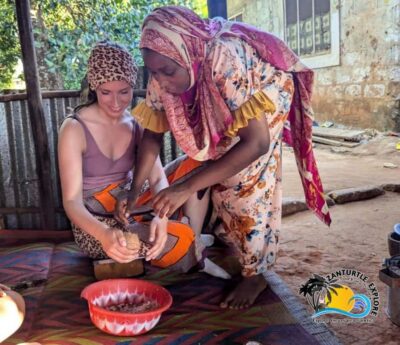
A good farm tour should teach you how people live around the crop, not only how plants grow. This one includes guided time through village areas as you walk through the villages and plantations. You get a look at the local way of life, then you connect that setting to food.
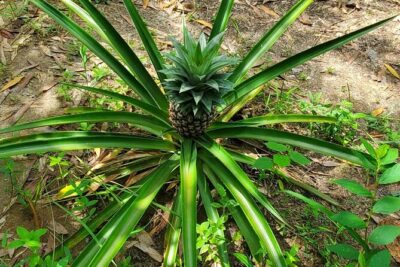
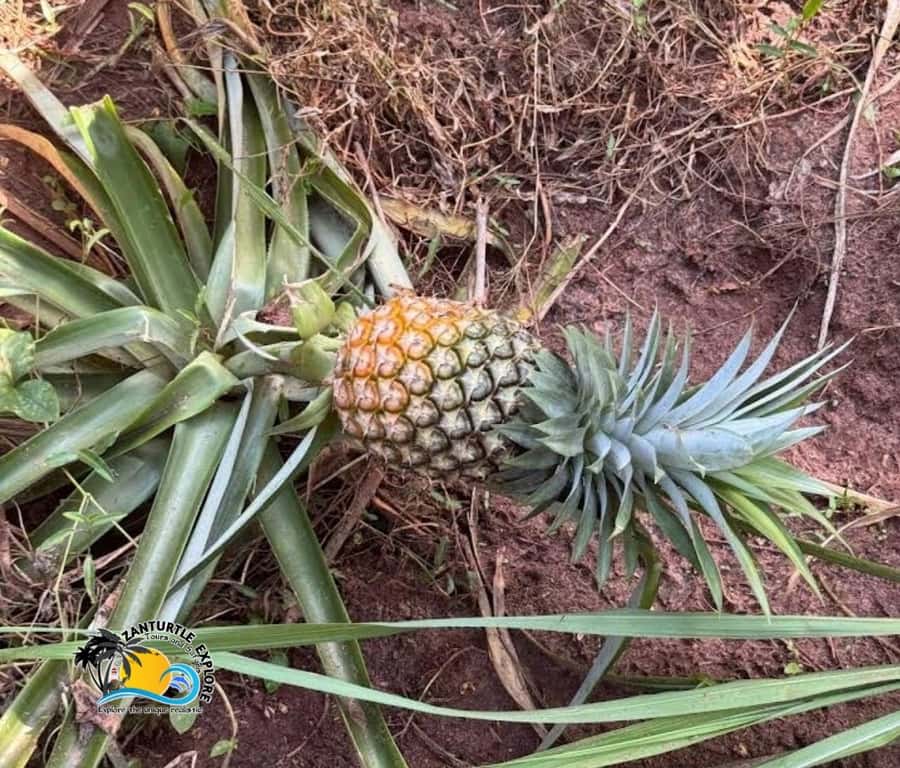
Fruit tasting is another highlight, and it is not an afterthought. You may try tropical fruits like pineapple, bananas, oranges, and watermelon. Some days also include smaller varieties like red bananas and small mangoes, which makes it more interesting than only the usual supermarket lineup.
You might also get a small cultural hands-on moment. The day can include palm-leaf accessories such as ties, rings, armbands, and glasses. It sounds light and touristy on paper, but it actually helps you slow down and look around. You start noticing textures and details, not only searching for perfect photos.
Another item that some people find memorable is the chance to see a lively performance element during the day, including “butterfly men” and fun crowns made during the visit. If you are not into any playful entertainment, treat this as a bonus, not the main event. The serious value stays with the plants, the cooking, and the food.
The Cooking Class: Swahili Food, 3 Courses, and Open-Fire Style
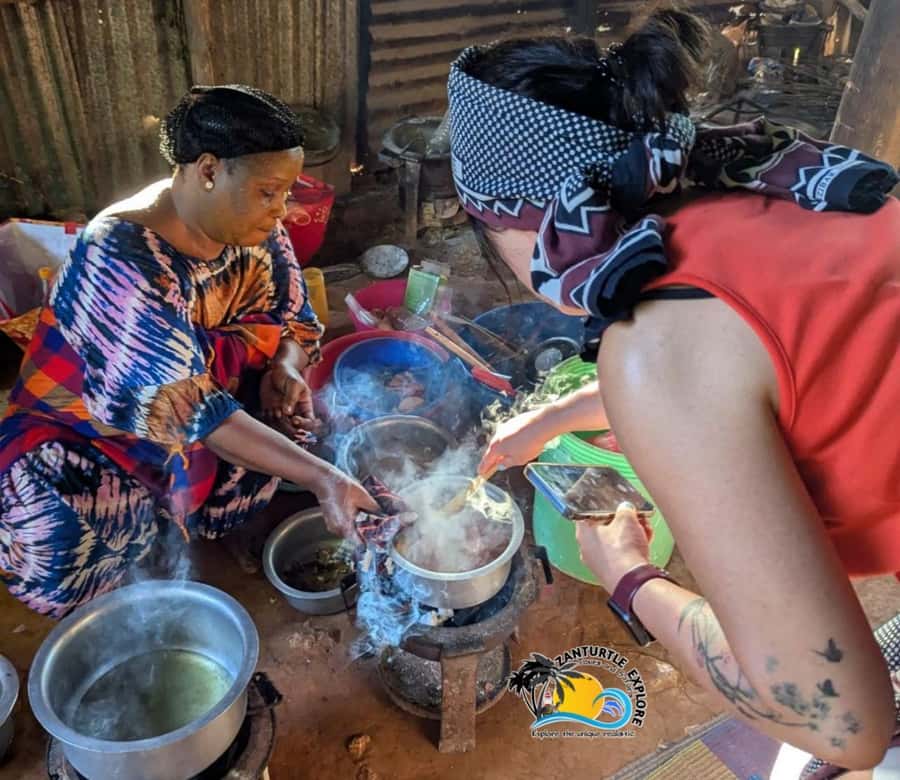
This is where the day earns its keep. After the spice walk, you return and cook together with the chef. The class is described as preparing a traditional Swahili meal, including a 3-course menu and dessert.
What I like about this setup is that it is hands-on. You are not only watching the chef do everything. You prepare ingredients and participate in the process, which is exactly how you learn cooking that you can repeat later.
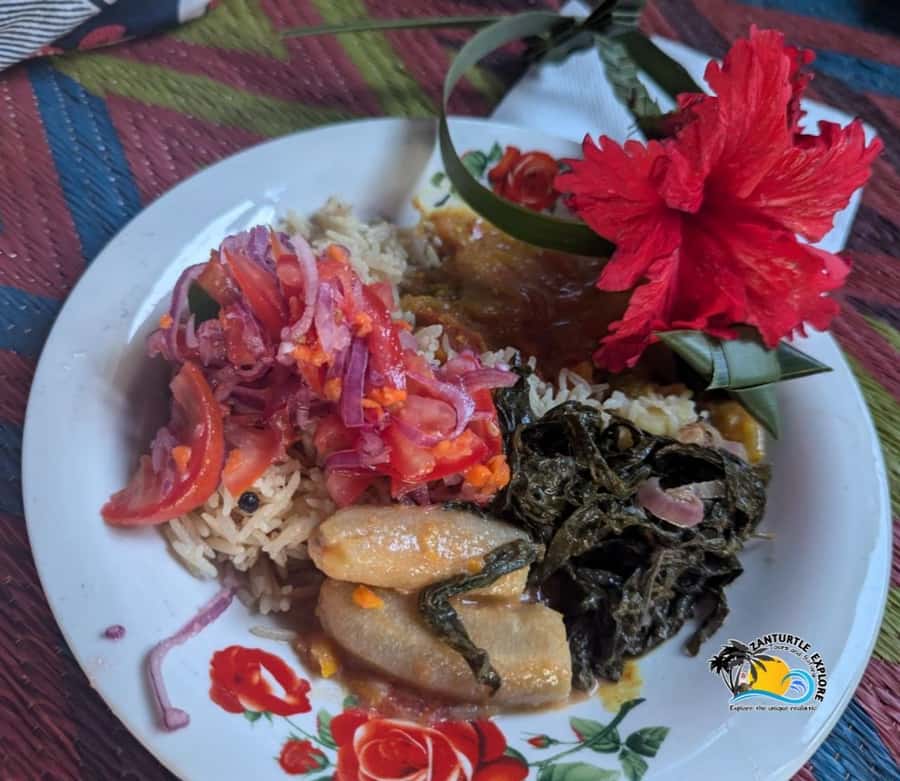
From cooking examples tied to the dishes on this kind of menu, you may end up making things like:
- Tanzanian pilau rice
- a curry
- side dishes
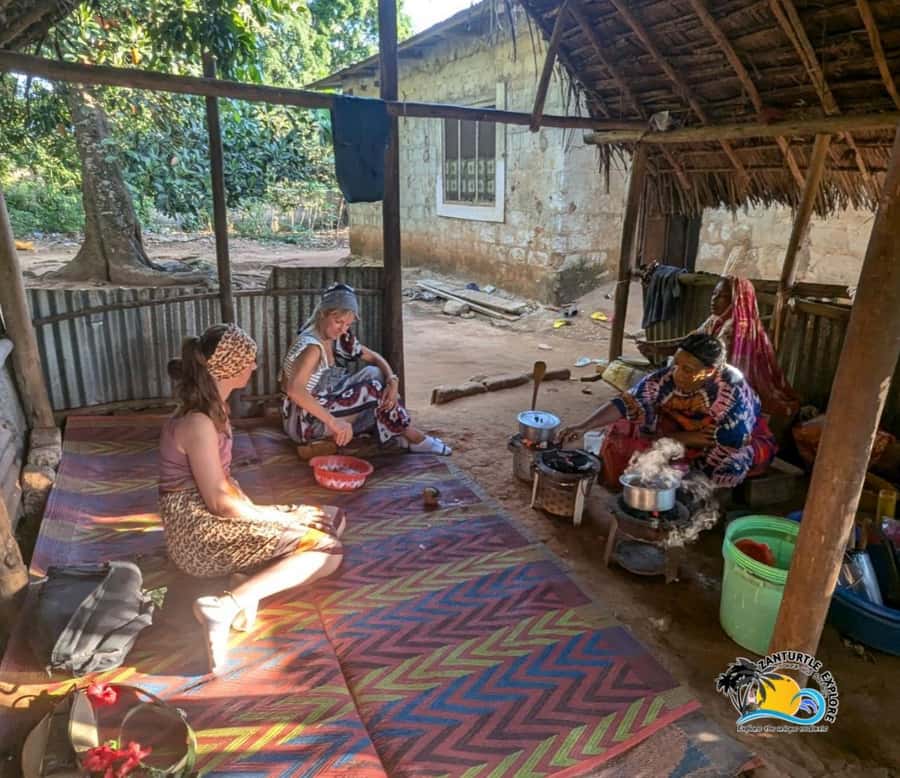
How it feels in real life can vary by group size and flow, but you should expect an outdoor, traditional cooking approach. One traveler described cooking on open fire and outdoors, and the tour info also mentions traditional cooking tools and techniques passed down through generations.
That matters because Zanzibar cooking is about balance and method. You are learning how spices combine, how heat works, and how common Swahili staples fit into a meal. Even if you only remember a few practical steps, you will leave with a better sense of how to build flavor.
Lunch is included, and it is what you helped make. Soft drinks and fruits are part of the included day as well, so you are not hunting for snacks mid-lesson.
Lunch, Shopping, and How to Handle Spice Souvenirs
You get some free time and shopping during the lunch portion. This is a real benefit if you like bringing spices home. It is also a chance to compare what you learned on the walk with what is sold at the farm.
Here is the balanced reality: prices for spices can feel like a mixed bag. Some people report feeling like spice purchases were overpriced and that shopping moments became a bit pushy. Others found they could buy spices at better rates than what they saw around Stone Town markets.
So use a simple strategy:
- Set a spending limit before you start shopping.
- Ask what you are getting and compare sizes or quantities if possible.
- If a vendor pressures you, step back and come back later when you are calmer.
You are already paying for the experience, so you do not need to buy everything. Pick one or two spices you will actually use, especially if you plan to cook Swahili-style meals at home.
Price and Value: Is $63 a Smart Trade in Zanzibar?
At about $63 per person for a roughly 5-hour private-group experience, value depends on your travel priorities. This is not just a cooking show. It includes hotel pickup and drop-off, a guided spice plantation walk, and a shared cooking class.
The included items are a big part of the value:
- guided walking tour through spice plantations
- cooking class with a local chef
- all cooking ingredients and equipment
- lunch of the dishes prepared during the class
- soft drinks and fruits
- taste, smell, and touch spices (including fruits)
- hotel pickup and drop-off
If you are comparing against paying separately for a farm visit, a guide, and a cooking class, this packaged approach can make sense. You also get the benefit of a chef teaching in context, because the ingredients you cook come from the farm story you just experienced.
What you may still spend money on is personal expenses, and shopping. Also, since cash is on the bring list, plan for the real-world expectation of tipping requests during the day, based on what people have described. That does not mean tipping is mandatory, but it is smart to be prepared so it does not catch you off guard.
Logistics That Can Affect Your Day: Pickup Timing and Cash Prep
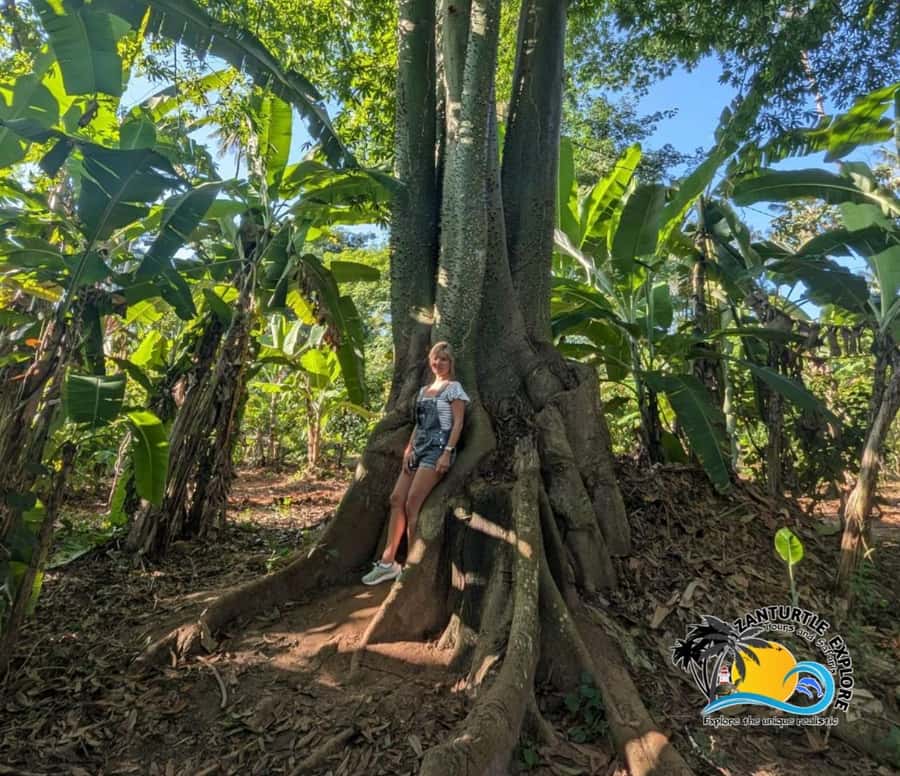
This tour is built around hotel pickup from multiple zones, including Stone Town and the North and South regions. That makes it convenient when your hotel is in range. It also means the exact timing can depend on how the van route is managed.
A couple of issues come up in real life. One is pickup confusion, where a driver picks up different guests than the ones booked from your hotel, leading to a long wait. Another is delayed pickup. If your schedule is tight, treat that as a reason to communicate clearly and stay flexible.
Here is what you can do to reduce stress:
- Provide your hotel name and room number when asked.
- Be waiting in the lobby or reception area when pickup is expected.
- Keep some cash available so you are not scrambling later.
Also bring the practical items the tour asks for: comfortable shoes, hat, camera, and sunscreen. If you forget those, the farm walk will feel longer in the sun than it should.
On the rules side, pets are not allowed. Alcohol and drugs are also not allowed, which is normal for a shared local meal experience.
Who Should Book This Spice Farm and Cooking Class
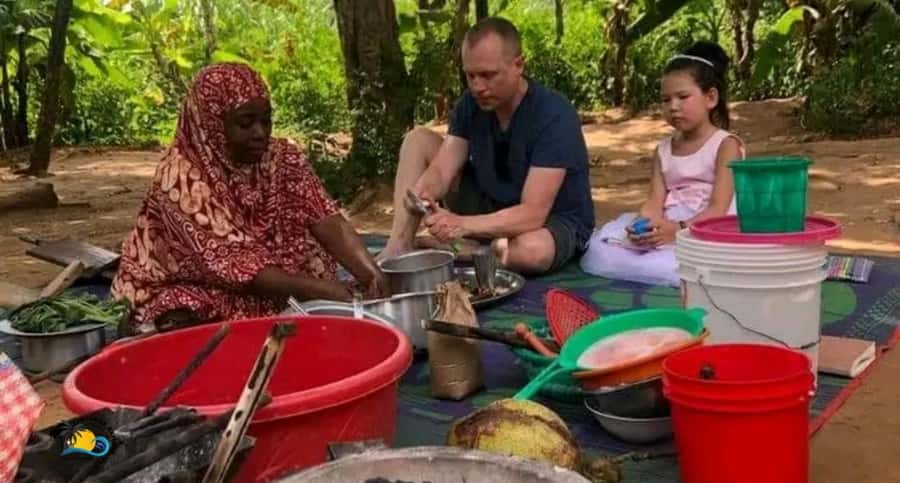
This is best for people who want food education that uses more than books and menus. If you like smelling spices, walking through plantations, and learning by working alongside a chef, you will probably enjoy it.
It is also a good match if you are staying around Stone Town. Hotel pickup and drop-off makes it simple, and the half-day format works well when you want one focused activity without eating up your whole day.
You might like it especially if you:
- enjoy cooking but want the ingredient story behind the dish
- want a hands-on, outdoors-focused class
- care about learning Zanzibar flavors like Swahili cooking basics
You might reconsider if:
- you dislike farm walking or sun exposure (bring hat and sunscreen either way)
- you want a strict classroom-style cooking lecture
- you strongly prefer fewer shopping moments or no tip requests
The tour is listed as private group and includes wheelchair accessibility, which can help if you need more direct, flexible handling.
Should You Book This Zanzibar Spice Farm Tour With Cooking Class?
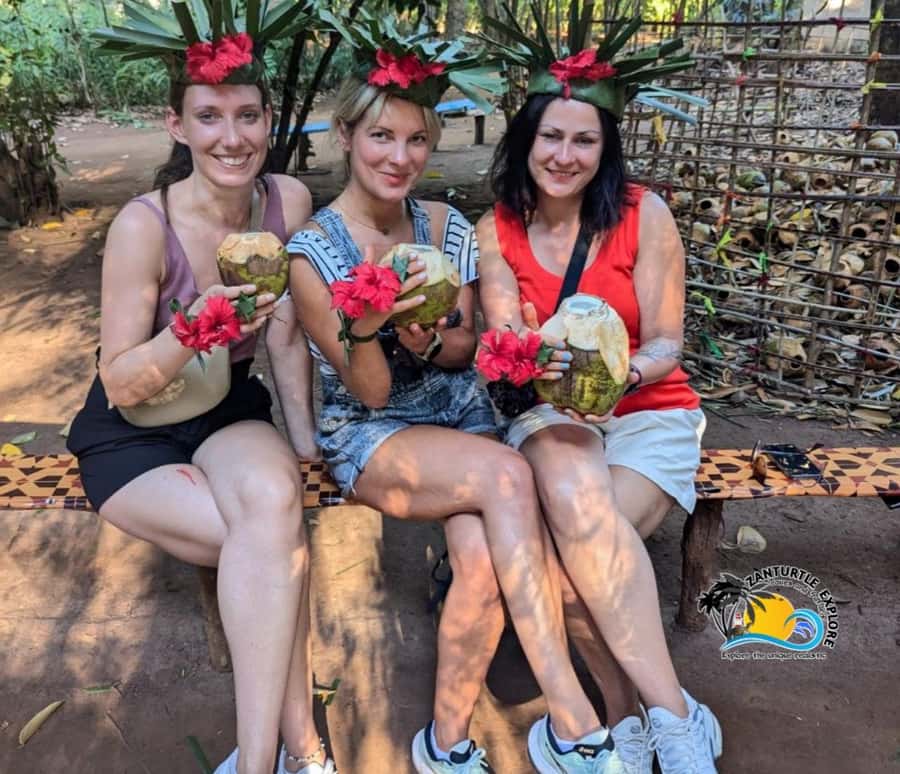
My honest take: book it if you want a sensory day that connects spice plants to a real Swahili meal you eat at the end. The combination of spice walk, fruit tastings, and hands-on cooking is the real reason this works. You leave with more than photos, you leave with a better sense of how Zanzibar flavors come together.
I would not book it blindly if you are very sensitive to schedule hiccups or you hate any chance of shopping pressure or tip requests. You can still have a great day, but go in ready with cash, comfortable shoes, and a little patience for pickup timing.
If you plan it as a flexible half-day and you want an authentic island food experience, this is one of the more practical choices you can make.
FAQ
Where does the tour pick up and drop off?
Pickup and drop-off are available at multiple options including Stone Town and Unguja North, Unguja South, and Mjini Magharibi regions. You meet in your hotel lobby or reception area.
How long is the Zanzibar spice farm tour and cooking class?
The total duration is about 5 hours.
What is included in the cooking class and lunch?
You get a guided walking tour through spice plantations, a cooking class with a local chef, all cooking ingredients and equipment, soft drinks and fruits, and lunch of the dishes prepared during the class.
What should I bring for the spice farm and cooking session?
Bring comfortable shoes, a hat, a camera, sunscreen, and cash.
What languages is the live guide available in?
The tour guide is listed as available in English, Italian, French, German, Portuguese, Spanish, Polish, Arabic, Swahili, Czech, Russian, and Romanian.
Is the tour wheelchair accessible?
Yes, the tour is listed as wheelchair accessible.
Are alcohol or pets allowed?
Alcohol and drugs are not allowed. Pets are also not allowed.
More Zanzibari Kitchens
- Zanzibar: The Swahili Spice Experience – Spice Tour + Culinary Journey
★ 4.7 · 96 reviews - A private half day spice farm with a cooking lesson
★ 5.0 · 13 reviews - Zanzibar:Stone town Street food market walking tour,transfer
★ 4.5 · 9 reviews - Zanzibar: Spice farm tour with Zanzibar fruits tasting
★ 3.8 · 7 reviews - Zanzibar: Spice Farm Tour with Traditional Cooking Class
★ 4.8 · 6 reviews
More Spice Farm Afternoons
- Zanzibar: Stone Town, Spice Tour, Prison Island with Lunch
★ 4.4 · 1,219 reviews - Zanzibar: Prison Island, Stone Town, & Spice Farm Tour
★ 4.5 · 579 reviews - Zanzibar: Stone Town, Spice tour & Prison Island with Lunch
★ 4.6 · 453 reviews - Full-Day Private Stone Town +Spice Farm and Prison Island Tour
★ 4.5 · 216 reviews - Zanzibar: Spice Tour & Stone Town Walking Tour
★ 4.8 · 115 reviews
Just added from around Zanzibar City



Zanzibar Spice Farms and Plantations, compared.
 ★ 4.4Zanzibar: Stone Town, Spice Tour, Prison Island with LunchFrom $681,219 reviews
 ★ 4.5Zanzibar: Prison Island, Stone Town, & Spice Farm TourFrom $70579 reviews
★ 4.6Zanzibar: Stone Town, Spice tour & Prison Island with LunchFrom $55453 reviews
★ 4.5Zanzibar: Prison Island, Stone Town, & Spice Farm TourFrom $70579 reviews
★ 4.6Zanzibar: Stone Town, Spice tour & Prison Island with LunchFrom $55453 reviews
 ★ 4.5Full-Day Private Stone Town +Spice Farm and Prison Island TourFrom $100216 reviews
 ★ 4.5Spice Tour + Stone Town Tour + Prison IslandFrom $140130 reviews
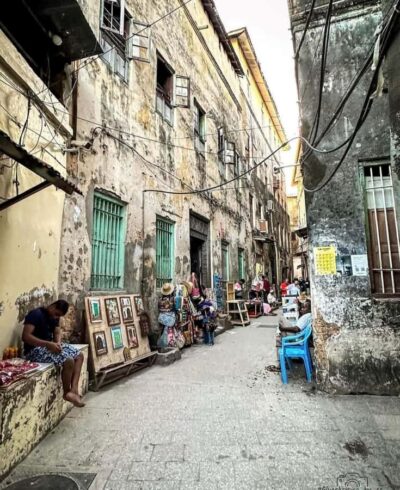 ★ 4.8Zanzibar: Spice Tour & Stone Town Walking TourFrom $95115 reviews
 ★ 4.5Zanzibar: Stone Town & Spice Farm Tour with LunchFrom $7397 reviews
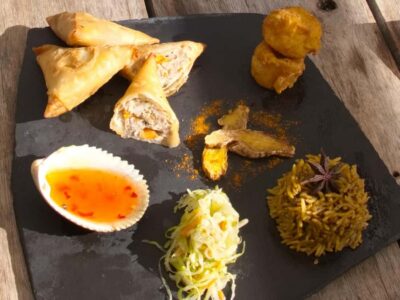 ★ 4.7Zanzibar: The Swahili Spice Experience – Spice Tour + Culinary JourneyFrom $2196 reviews
Browse the lists this tour appears in