

REVIEW · ZANZIBAR SPICE FARMS AND PLANTATIONS
Zanzibar: Spice Farm Tour with Traditional Cooking Class
A spice farm tour is Zanzibar in miniature. You get hands-on walks through real crops and then a Swahili cooking class that turns what you learned into dinner.
I like that you are not just tasting, you are learning how spices are grown, harvested, and used.
One heads-up: even though the tour is listed as 6 hours, your day may run shorter depending on timing and how fast the group moves.
In This Review
- What Makes This Spice Farm Tour Worth Your Time
- Key Things You’ll Notice on This Tour
- From Stone Town to the Spice Farm: How the Day Flows
- Three Farm Sections with Zanzibar’s Spice Lineup
- Learning the Trade and Exploration Story Behind the Crops
- Coconut Climber (Butterfly) and Young Coconuts
- The Workshop Cooking Class: Where Swahili Flavor Becomes Real
- What You Eat, and How to Appreciate the Flavors
- Price of $47: The Value Argument That Actually Matters
- Included Extras and What to Bring for a Smooth Day
- Languages and Guide Style: Getting Answers Without the Language Stress
- Who This Tour Fits Best
- Should You Book This Zanzibar Spice Farm and Cooking Class?
- FAQ
- How long is the Zanzibar spice farm tour with cooking class?
- Where do you get picked up?
- What is included in the $47 per person price?
- What is not included?
- What spices and plants will we see?
- Is there a cooking class, and do we eat the food?
- What languages is the tour guide available in?
- What should I bring?
- Is alcohol allowed?
- Can I cancel or book with flexible payment?
What Makes This Spice Farm Tour Worth Your Time
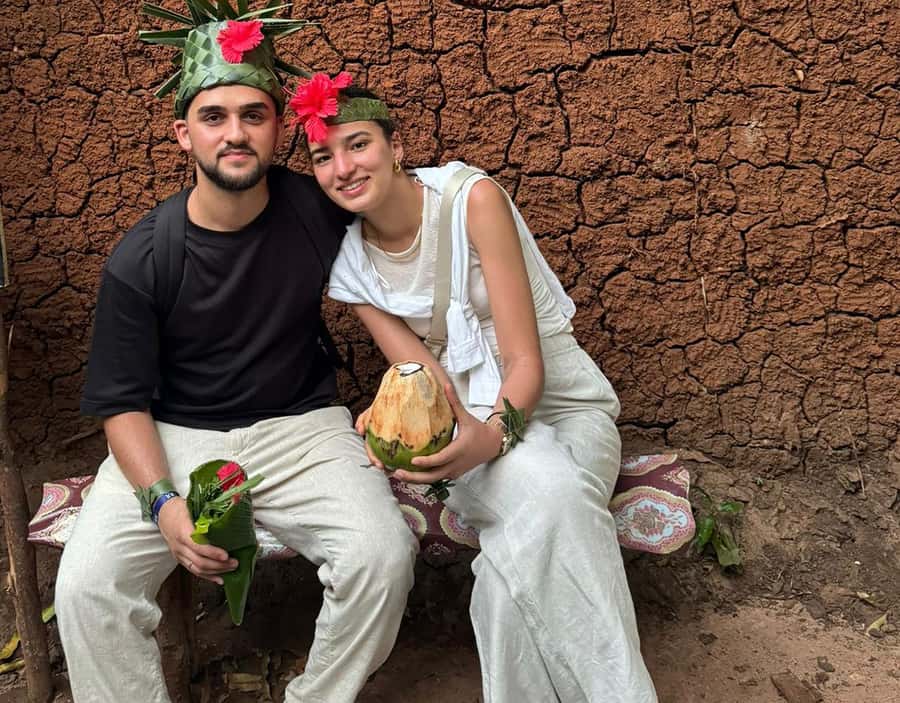
You will visit the farm in multiple parts, with stops that focus on the plants themselves. You will see and learn about spices like cardamom, ginger, vanilla, coffee, nutmeg, cinnamon, and lemongrass, plus you get explanations about planting and how long each crop takes to be ready.
Then you shift gears to the kitchen. Cooking happens in a workshop led by a local chef, using ingredients and tools already gathered on site. I especially like that the meal is not just food, it is conversation, with the Swahili flavors doing the talking.
The main drawback to consider is time. The experience is listed at 6 hours, but the flow can shorten to something closer to a half day, so if you planned a tight schedule after, build in buffer.
More spice farm afternoons on the island
- Zanzibar: Stone Town, Spice Tour, Prison Island with Lunch★ 4.4 · 1,219 reviews
- Zanzibar: Prison Island, Stone Town, & Spice Farm Tour★ 4.5 · 579 reviews
- Zanzibar: Stone Town, Spice tour & Prison Island with Lunch★ 4.6 · 453 reviews
- Full-Day Private Stone Town +Spice Farm and Prison Island Tour★ 4.5 · 216 reviews
Key Things You’ll Notice on This Tour
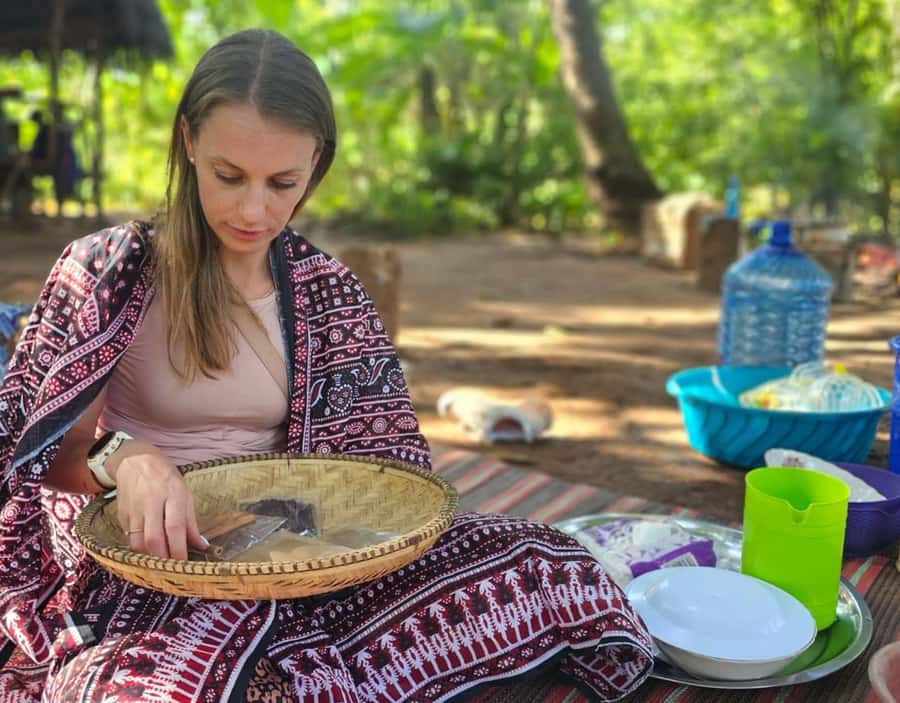
- Farm-to-plate learning, from growing and harvesting to cooking steps
- Spice variety in the field, including cardamom, cinnamon, lemongrass, ginger, vanilla, and more
- Coconut surprise, like the coconut climber (often called butterfly) and young coconuts
- A local workshop kitchen, led by a family-style chef using materials from nearby
- Swahili meal with real interaction, time to talk while you eat
- Small group potential, which makes questions and attention easier
From Stone Town to the Spice Farm: How the Day Flows
This tour starts with pickup in and around Stone Town hotels. It is a straightforward transfer, but the timing matters. Zanzibar experiences can feel chaotic if you are bouncing between places all day, so I like that this one is organized around a single theme, spice growing and cooking.
The official plan calls for about 6 hours. In practice, the experience can feel more like a half-day if everything moves quickly, especially if the group is small. The upside is you do not burn your whole day. The trade-off is that you should not stack another long activity immediately after you get back.
Once you leave Stone Town, you are heading into the rural side of Unguja South Region. That shift is part of the value. You are going from tourist landmarks to an working farm environment, where you can actually picture where the flavors come from.
Three Farm Sections with Zanzibar’s Spice Lineup
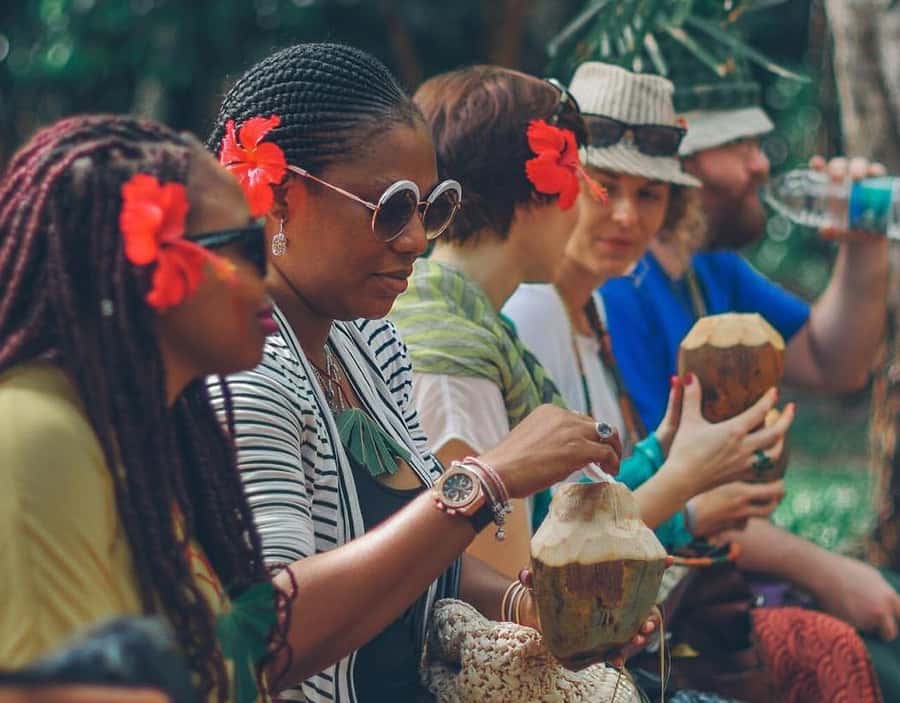
The heart of the tour is walking through multiple parts of the farm. You do not just point at plants. You get an actual explanation of what the spice is, how it is grown, and what the timeline looks like until it is usable.
What helps is that you get a clear mix of spice types:
- aromatic spices you can smell while standing near the plants
- kitchen staples that you see in a growing stage
- trees and shrubs that look different from what you might expect
On the spice list you will see cardamom and ginger up close, along with vanilla and coffee. You will also come across nutmeg, cinnamon, and lemongrass. Each stop is a chance to connect the dots between the field and the flavors that end up in Swahili cooking.
A practical tip: wear comfortable shoes. Farm paths can be uneven, and you want your feet to be happy while you are focusing on the plants and the guide’s explanations. This is also one of the easiest tours to get “lost in learning,” so you might want to pace yourself and take in each stop without rushing.
More Zanzibari kitchens to sit in

Learning the Trade and Exploration Story Behind the Crops
Zanzibar is known as Spice Island, and this tour gives you historical insight related to the era when spices drove trade and exploration. You will hear this context while you are walking, so the history does not feel like a lecture floating above the plants.
For you, that matters because it changes how you remember the spices. If you only taste food, you remember a flavor. If you understand why spices mattered in the first place, you remember the bigger picture. It makes the whole day feel more grounded, not just scenic.
You do not need to be a history buff either. The tone is tied to what is growing right now and how it becomes part of local life.
Coconut Climber (Butterfly) and Young Coconuts
One of the most memorable field moments is the coconut stop. You will get to see a coconut climber, often called butterfly, and you will also see young coconuts.
This is the kind of detail that makes the tour feel different from the usual spice talk. Even if you have heard about spices before, this coconut scene gives you a new visual anchor. It also helps you understand how tropical ingredients and everyday plant life overlap in Zanzibar kitchens.
If you like photography, this is one of your best moments to slow down. Take a couple of minutes, look at the plant structure, then listen to the explanation. That combo makes it stick.
The Workshop Cooking Class: Where Swahili Flavor Becomes Real
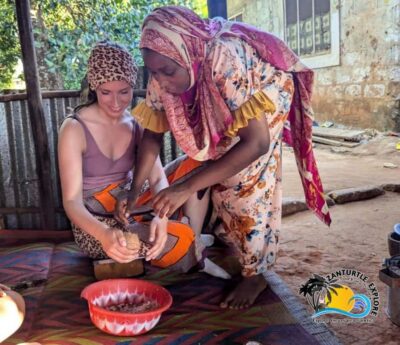
After the farm walks, you move into a workshop setting where cooking happens. This part is led by a local woman who acts as the chef. She uses authentic ingredients and materials that have already been bought from a workshop, so you are not watching a staged demo with random kitchen props.
In the cooking session, you get active involvement. You typically cut and prepare ingredients, and the chef gives instructions on how to use the items properly. If you want to learn how Swahili dishes work, this is where you pick up the practical rhythm: prep first, then combine flavors in a way that makes sense for the meal.
In at least one experience, the group even makes coconut milk themselves, which is a great reminder that coconut is not just an afterthought in Zanzibar cooking. It can be a key foundation for texture and taste.
One small consideration: you may not automatically receive a printed recipe. If you want something you can recreate later, ask the chef during the class. Even a simple written list of ingredients and steps would be useful.
What You Eat, and How to Appreciate the Flavors
You will cook together, and once the meal is ready, you eat as a group with your chef. This is not just eat-and-run. You get a chance for conversation while you taste the Swahili cuisine you helped prepare.
The best way to enjoy this part is to treat it like a guided tasting. Don’t worry about memorizing every spice at once. Instead, focus on a few things:
- what smells strong even before you taste
- what feels warming or aromatic after the first bite
- what the coconut and spice mix does to the overall flavor
If you are a picky eater, the good news is that you can ask what goes into each part. Since you are cooking with the chef, the ingredients are not mysterious. You see them, you handle them, and you learn what each one contributes.
Price of $47: The Value Argument That Actually Matters
At $47 per person for about 6 hours, the key question is whether you are paying for transportation and a short visit, or for real learning plus a meal.
Here is what you get, in practical terms:
- pickup and drop-off around Stone Town hotels
- a tour guide
- entrance fees
- bottled water
- a cooking class where you help prep and then eat
That bundle is why the price can feel fair. You are not just buying an attraction ticket. You are paying for a guided farm walk, explanations, and a hands-on cooking session that ends in food.
Also, the cooking part is often what makes the day feel “worth it.” A spice farm visit without the kitchen step can feel like a slideshow. Here, you connect plant to plate.
If your schedule is tight, remember the timing may run shorter than 6 hours. That can be a plus for value, since you get the experience without losing the whole day to delays.
Included Extras and What to Bring for a Smooth Day
This tour keeps things simple, which is good news after you have already spent time planning Zanzibar logistics.
Included items:
- transport available around Stone Town hotels
- entrance fees
- tour guide
- bottled water
Not included:
- personal needs
What you should bring:
- comfortable shoes (seriously, you will walk)
- cash (helpful if you want to buy spices on site)
A helpful thing to know: alcohol and drugs are not allowed. If you are trying to keep the day relaxed and focused, it is easier when you plan around that.
Languages and Guide Style: Getting Answers Without the Language Stress
The tour guide can work in English, French, Italian, or German. That matters more than people think. When you understand the explanation about planting and harvesting, you remember more and enjoy more.
Also, the tone tends to feel friendly and informal. In small groups, you can ask more questions, and the conversation can turn into real back-and-forth. That is often when people get the most value out of the experience.
Who This Tour Fits Best
I think this tour is a strong match if you want more than souvenir shopping.
It is a great choice for:
- food lovers who like to know where flavors come from
- people who enjoy learning through doing, not just watching
- couples who want an interactive half-day in the countryside
- anyone who wants a clearer feel for why Zanzibar spices mattered in trade and exploration
It might be less ideal if you want a super long, slow-paced itinerary, because the experience can run shorter than expected. It can also feel a bit active, so if you prefer minimal walking, plan to take it easy and pace yourself at each farm stop.
Should You Book This Zanzibar Spice Farm and Cooking Class?
If you want a Zanzibar experience that connects spice growing to Swahili cooking, I would book it. The hands-on farm sections, the cooking workshop led by a local chef, and the fact that you end with a shared meal are a strong trio for value.
Book it especially if you:
- are in or near Stone Town and want a real countryside day
- care about learning how spices are used, not just tasting them
- like small, personal experiences where you can ask questions
Skip it if your schedule cannot handle a day that might run closer to half-day timing rather than a full 6 hours. And if you love having a written recipe, plan to ask during cooking so you leave with something you can actually repeat at home.
FAQ
How long is the Zanzibar spice farm tour with cooking class?
The duration is 6 hours. Starting times depend on availability.
Where do you get picked up?
Pickup is from Stone Town hotels (transport is available around Stone Town hotels).
What is included in the $47 per person price?
The tour includes pickup and drop-off transport, entrance fees, a tour guide, and bottled water.
What is not included?
Personal needs are not included.
What spices and plants will we see?
You can expect to see spices such as cardamom, ginger, vanilla, coffee, nutmeg, cinnamon, and lemongrass. You may also see a coconut climber (butterfly) and young coconuts.
Is there a cooking class, and do we eat the food?
Yes. A local woman chef leads the cooking training, and when the meal is ready, you and your chef can enjoy the Swahili cuisine together.
What languages is the tour guide available in?
The live tour guide is available in English, French, Italian, and German.
What should I bring?
Bring comfortable shoes and cash.
Is alcohol allowed?
No, alcohol and drugs are not allowed.
Can I cancel or book with flexible payment?
Free cancellation is available up to 24 hours in advance for a full refund. You can also reserve now and pay later, depending on what the booking offers at the time you check out.
More Zanzibari Kitchens
- Zanzibar: The Swahili Spice Experience – Spice Tour + Culinary Journey
★ 4.7 · 96 reviews - A private half day spice farm with a cooking lesson
★ 5.0 · 13 reviews - Zanzibar: Spice Farm Tour and Cooking Class with Lunch
★ 4.2 · 11 reviews - Zanzibar:Stone town Street food market walking tour,transfer
★ 4.5 · 9 reviews - Zanzibar: Spice farm tour with Zanzibar fruits tasting
★ 3.8 · 7 reviews
More Spice Farm Afternoons
- Zanzibar: Stone Town, Spice Tour, Prison Island with Lunch
★ 4.4 · 1,219 reviews - Zanzibar: Prison Island, Stone Town, & Spice Farm Tour
★ 4.5 · 579 reviews - Zanzibar: Stone Town, Spice tour & Prison Island with Lunch
★ 4.6 · 453 reviews - Full-Day Private Stone Town +Spice Farm and Prison Island Tour
★ 4.5 · 216 reviews - Zanzibar: Spice Tour & Stone Town Walking Tour
★ 4.8 · 115 reviews
Just added from around Zanzibar City



Zanzibar Spice Farms and Plantations, compared.
 ★ 4.4Zanzibar: Stone Town, Spice Tour, Prison Island with LunchFrom $681,219 reviews
 ★ 4.5Zanzibar: Prison Island, Stone Town, & Spice Farm TourFrom $70579 reviews
★ 4.6Zanzibar: Stone Town, Spice tour & Prison Island with LunchFrom $55453 reviews
★ 4.5Zanzibar: Prison Island, Stone Town, & Spice Farm TourFrom $70579 reviews
★ 4.6Zanzibar: Stone Town, Spice tour & Prison Island with LunchFrom $55453 reviews
 ★ 4.5Full-Day Private Stone Town +Spice Farm and Prison Island TourFrom $100216 reviews
 ★ 4.5Spice Tour + Stone Town Tour + Prison IslandFrom $140130 reviews
 ★ 4.8Zanzibar: Spice Tour & Stone Town Walking TourFrom $95115 reviews
 ★ 4.5Zanzibar: Stone Town & Spice Farm Tour with LunchFrom $7397 reviews
 ★ 4.7Zanzibar: The Swahili Spice Experience – Spice Tour + Culinary JourneyFrom $2196 reviews
Browse the lists this tour appears in