
REVIEW · SERENGETI NATIONAL PARK SAFARIS
serengeti & ngorongoro 3 days private tour
Three days can feel short in Tanzania, yet Serengeti and Ngorongoro pack a lot. This is a private 4×4 safari built for maximum sightings without the hassle of shared tours. You get time for early game drives, crater views, and the kind of predator tension that makes wildlife feel close.
I like the practical setup: a pop-up roof jeep with cooler fridge and charging ports means you stay comfortable while scanning for movement. I also like that the pace still leaves breathing room, especially around Ngorongoro when you have a better chance at specific stars like black rhinos.
One consideration is simple: you start early and you’ll be in the vehicle a lot. If you get motion sick or hate dawn departures, you may want to plan for breaks and bring the basics (hat, water, light layers).
In This Review
- Key things that make this safari work
- Day 1: Ngorongoro viewpoints, a Maasai village stop, then Serengeti at sunset
- Day 2: Early Seronera drive, then back-to-camp logistics that keep you hunting
- Day 3: Descend for black rhinos, then a final crater drive and climb back
- The safari jeep and camping setup, why it matters more than you think
- Value and price: what you’re paying for in a private 3-day circuit
- Wildlife expectations you can actually plan around
- Guides and service quality, what the names suggest
- Who this safari suits best, and who should think twice
- Should you book the Serengeti and Ngorongoro private 3-day safari?
- FAQ
- What time does the safari start?
- Is this tour private?
- What meals are included?
- What’s included in the safari vehicle and gear?
- Are park or activity fees included?
- Are tipping costs included?
- What’s the cancellation policy?
Key things that make this safari work
- Private jeep, your group only, so you can move at a calmer rhythm and get attention when it matters.
- Rooftop pop-up viewing, plus a cooler fridge and charging ports, for easier long drives.
- Crater focus at Ngorongoro, including a targeted effort for black rhinos.
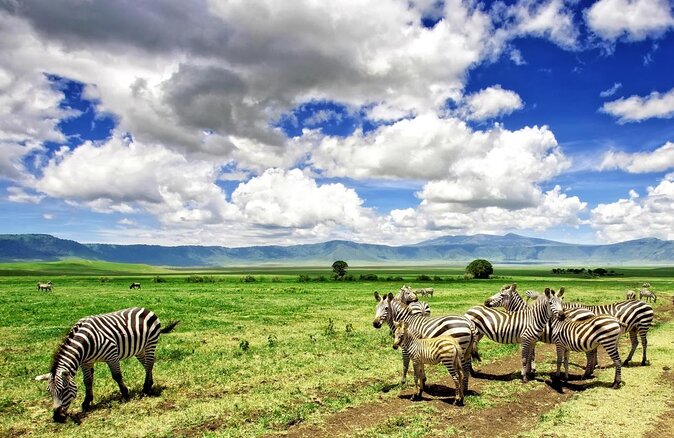
- Serengeti time in the Seronera area, with both afternoon and early-day game drives.
- Camping style included, with camping gear and organized meal plans.
- Guides get praised for spotting animals early, including names like Isaac, Simon, Cheddy, Freddy, Anwar, Jonathan, and Giuseppe in past feedback.
More of the Serengeti, drive by drive
- Balloon Safari & Bush Breakfast in Serengeti – Miracle Experience★ 5.0 · 1,646 reviews
- 3 Days Serengeti & Ngorongoro Group Camping Safari★ 5.0 · 574 reviews
- 5-Day Highlights mid-Range Crater, Serengeti, Tarangire★ 5.0 · 296 reviews
- 3-Day Classic Serengeti Safari★ 5.0 · 263 reviews
Day 1: Ngorongoro viewpoints, a Maasai village stop, then Serengeti at sunset
Day 1 starts with a pickup and a drive toward Ngorongoro. Early travel matters here. It helps you catch the crater viewpoint when the light is good and the air feels cooler, which makes long spotting sessions easier.
At the Ngorongoro Conservation Area, you stop briefly at the gate and viewpoint for crater views. This is one of those “so that’s what everyone talks about” moments. From up top, the crater looks like a bowl holding a world of animals, and it sets your expectations for what you’ll see later.
Next comes the crater itself, where you have a choice built in: a Maasai village visit is included as an optional cultural add-on. The note is clear that there is a $20 entrance fee for the village, which is not included in the tour price. If you go, treat it as learning and listening, not a movie set. Some traditions have changed over time, and the stop is best approached with respect and curiosity.
Then you turn toward Serengeti and arrive in the afternoon for game drive time in the Seronera area. This is a smart time window. You’re not trying to rush all of Serengeti in one day, but you do get animals active in shifting light, plus you can catch sunset from the park. The goal is simple: sightings plus the feeling that you’re inside the ecosystem, not just driving through it.
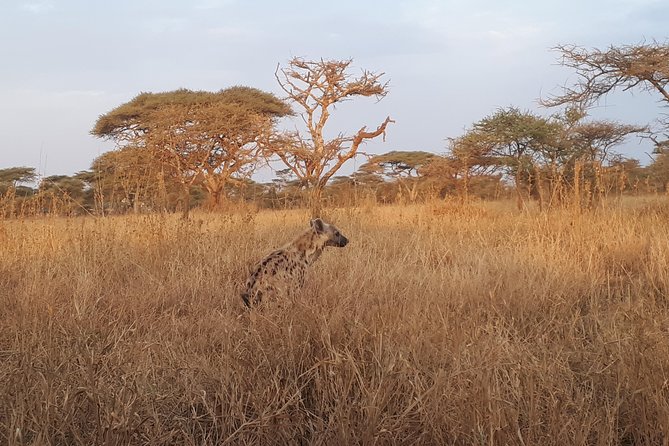
Dinner and overnight follow at a campsite around Seronera. One useful note is that you can still see animals from camp, especially hyenas, and that there’s close protection by rangers. That doesn’t mean “instant calm,” but it does mean you aren’t left alone to figure things out at night.
Day 2: Early Seronera drive, then back-to-camp logistics that keep you hunting
Day 2 begins with early breakfast, then an early game drive. Early is where your chances usually improve. In Serengeti, animals move with the rhythm of the day, and dawn often gives you the best mix of visibility and energy before the heat spreads everyone out.
You’ll keep driving through the morning and into the afternoon looking for animals. The plan is designed for serious sighting time without pretending you can see everything. On a three-day safari, the best strategy is to let your guide do the work, then be ready to stop quickly when something shows up. This is where a good spotting team changes the experience from scenic to memorable.
Later in the day, you head to camp for lunch and more park time while exiting Serengeti toward the Simba campsite area. This kind of move has two benefits. First, it reduces wasted driving. Second, it gives you a chance to shift your animal viewing focus as the route changes.
One small detail I appreciate is that animals can be spotted around campsites. That means you’re not always waiting for the next vehicle stop to get wildlife time. It also keeps the trip feeling alive, even when you’re taking a breather.
Day 3: Descend for black rhinos, then a final crater drive and climb back
The big hook of Day 3 is the crater descent. After an early breakfast, you go down into Ngorongoro with a specific target: black rhinos. The note you’ll want to remember is that black rhinos can be hardest to spot, even in such a rich place. The reason is practical, not mysterious. Ngorongoro is a floor crater, so animal visibility depends heavily on where they are on the ground and what the conditions allow.
Rhinos also tend to be less “performative” than grazers. So the best mindset is patience. When you’re in an ecosystem built for survival, sightings can be quick, then gone. The crater helps because you’re working from a enclosed stage where animals can be easier to locate than in open country, but it still takes skill.
After lunch, you continue with a game drive inside the crater and then ascend back toward the camp area and your return trip to Arusha. This final day often feels like the most “complete” because you’ve combined crater scenery, targeted wildlife, and one more chance to see predators and prey in the same wide network.
Once you’re done, you pack and prepare to head back. That finish is built for comfort, not a mad scramble.
Other ways down into the Ngorongoro Crater
The safari jeep and camping setup, why it matters more than you think
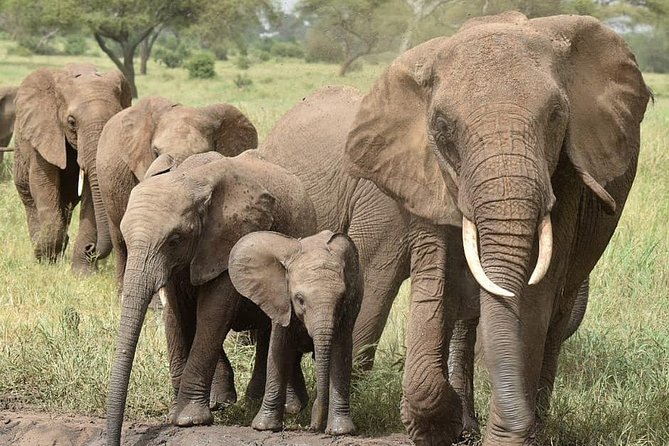
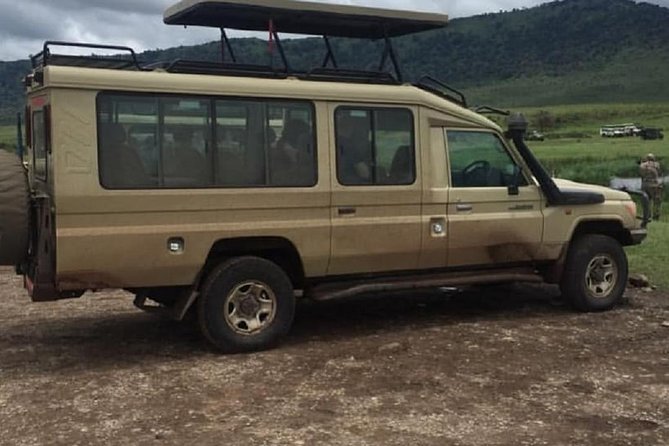
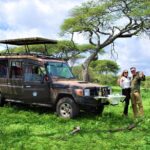
This tour includes a 4×4 safari jeep with a pop-up roof, plus a cooler fridge and charging ports. That sounds like gear talk, but it really affects how you experience the drives. A pop-up roof helps you scan without doing awkward leaning. A cooler fridge helps on warm days, and charging ports mean your phone or camera stays useful.
You also get camping equipment included. In a short 3-day safari, camping can feel like the best value option when it comes with the basics handled. It keeps you closer to the “real rhythm” of the bush compared with bouncing between hotels, but it still needs to be run properly. The inclusion of fees, taxes, and organized meal plans suggests this is meant to be handled end-to-end, not stitched together day by day.
Meal coverage is also clear: you get three breakfasts, three lunches, and two dinners. That’s not a minor detail. When you’re driving at dawn and staying out for long game drives, food timing can make you either comfortable or cranky. This plan keeps you fueled without turning every meal into a hunt.
Value and price: what you’re paying for in a private 3-day circuit
At $1,298.08 per person, this is not a budget-by-default safari. But it is positioned as a short, private wildlife hit that packs Serengeti and Ngorongoro into three days, with a jeep designed for viewing and a camping gear package.
Here’s the value lens I use for safaris like this:
You’re paying for time and access. A private jeep means your guide can prioritize your group’s pace and your spotting needs. You’re also paying for structured meals and included fees and taxes, which removes a big chunk of “guessing costs” that often surprise people later.
You’re not just buying wildlife. You’re buying logistics that keep you from wasting half your trip coordinating. Past feedback highlights that service coordination was smooth, and that guides helped people see a lot of animals. Names that show up include Isaac, Simon, Cheddy, Freddy, Anwar, Jonathan, and Giuseppe, which signals they take care in staffing and guidance.
The only clear “extra” cost noted is the Maasai village entrance fee if you choose to visit. Tipping is also not included, so you should budget for that in your head even if the exact amount is not specified here.
Wildlife expectations you can actually plan around
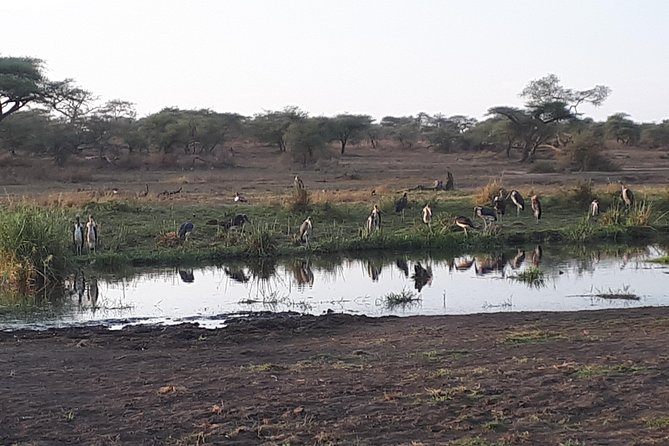
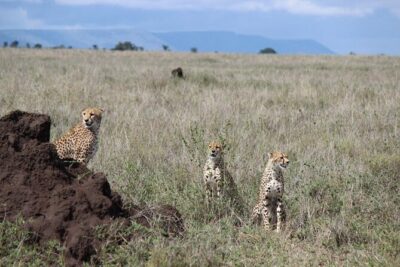
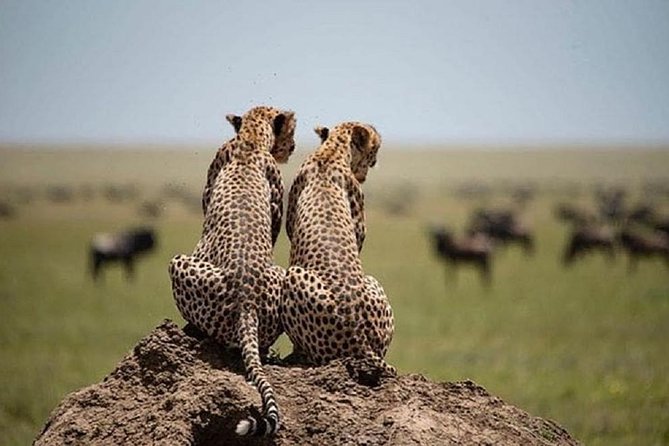
You’re in the Serengeti-ngorongoro corridor, and that’s built for animal viewing. This isn’t a guarantee of the Big Five in one go, but it is a real chance at wild cat action. The Serengeti is known worldwide for predator and prey dynamics, and that’s the tension you feel when you’re out in the field.
You’ll also have a potential migration bonus. The migration of wildebeest is seasonal, so if you’re in the right window, you can see thousands of wildebeest and related zebras and grazers in motion. That’s one of those experiences that changes how the landscape feels. Instead of individual animals, you see a system moving.
In Ngorongoro, you focus on the crater’s special set of animals, with black rhinos as the harder target. Even when sightings are not instant, the habitat itself is memorable. You’re watching animals in a natural enclosure where the visibility can be very different from open plains.
If you’re chasing lions and the famous “lion country” vibe tied to pop culture, this route gives you the environment that people point to when they describe why Serengeti captures the imagination.
Guides and service quality, what the names suggest
The strongest repeated theme is that the guiding team helps you see more. Multiple guide names appear in feedback, and they’re paired with comments about spotting animals from a distance and keeping things organized.
Seeing names like Isaac, Simon, Cheddy, Freddy, Anwar, Jonathan, and Giuseppe tells me this operator likely assigns experienced local guides and supports them well. When guides are good at reading animal behavior, you spend less time scanning randomly and more time reacting to real signs.
There’s also praise for the coordinator side of service, with names like Bryson showing up for smooth planning and communication. That matters because safaris live or die on coordination, not just wildlife. If pick up, timing, meal planning, and transfers align, you spend more of your day outside the vehicle, looking up at the world instead of worrying about it.
Who this safari suits best, and who should think twice
This tour is a strong fit for couples, friends, and small groups who want privacy and don’t want to stretch a safari into a week. It’s also ideal if you like camping but still want creature comforts like a rooftop viewing setup and charging access in the vehicle.
You’ll also like it if you enjoy a mix of wildlife and light cultural add-ons. The optional Maasai village visit can add context, and the crater viewpoint helps you understand the terrain.
You might think twice if you hate early mornings. The start time is 6:30 am, and the rhythm of the days is built around it. You should also consider whether you’re comfortable with camping at a campsite where you might see animals close by at night and day. The ranger protection note helps, but it’s still an outdoors experience.
If you want a totally relaxed safari with no long drives, look at longer trips. Three days is efficient, which is part of the appeal, but it means fewer buffer hours.
Should you book the Serengeti and Ngorongoro private 3-day safari?
I’d book this if you want a private route that hits Serengeti in Seronera plus a serious Ngorongoro crater focus in only three days. The jeep setup and camping gear inclusion make the experience feel organized, and the animal hunting windows on the first day and the early start on day two give you a real chance to see a lot.
I wouldn’t book it if your top priority is sleeping in and taking things slowly. This itinerary is built around early visibility, crater descent timing, and extended game drives. It’s efficient, and that’s a feature only if you’re okay being on the move.
If you want to maximize your odds, plan around seasonality. The possible wildebeest migration highlight depends on timing, and Ngorongoro black rhino sightings also depend on conditions. In other words, you’re booking a well-run attempt, not a factory guarantee.
If you’re the type who enjoys real wildlife time, appreciates a good guide, and can handle early starts, this is a solid value way to do the classic Tanzania combo, with privacy baked in.
FAQ
What time does the safari start?
The start time is 6:30 am.
Is this tour private?
Yes. It’s described as a private tour/activity, and only your group participates.
What meals are included?
Breakfast is included three times, lunch is included three times, and dinner is included two times.
What’s included in the safari vehicle and gear?
You get a 4×4 safari jeep with a pop-up rooftop, plus a cooler fridge and charging ports. Camping equipment is also included.
Are park or activity fees included?
All fees and taxes are included. The Maasai village entrance fee is listed as $20 and is not included.
Are tipping costs included?
No. Tipping is listed as not included.
What’s the cancellation policy?
Free cancellation is available, and you can cancel up to 24 hours in advance for a full refund. If it is canceled due to poor weather, you’ll be offered a different date or a full refund.
Still Thinking About the Crater?
- 3 Days Serengeti & Ngorongoro Group Camping Safari
★ 5.0 · 574 reviews - 5 Days Camping Tarangire, Serengeti & Ngorongoro crater & Visiting Maasai
★ 5.0 · 229 reviews - 4 Days Join Group tour Tarangire Serengeti and Ngorongoro crater
★ 5.0 · 219 reviews - 4-Day Safari from Arusha: Tarangire, Serengeti and Ngorongoro
★ 5.0 · 173 reviews - 2 Days Tarangire and Ngorongoro Group Camping Safari
★ 5.0 · 146 reviews
The Serengeti, Three More Ways
- Balloon Safari & Bush Breakfast in Serengeti – Miracle Experience
★ 5.0 · 1,646 reviews - 3 Days Serengeti & Ngorongoro Group Camping Safari
★ 5.0 · 574 reviews - 5-Day Highlights mid-Range Crater, Serengeti, Tarangire
★ 5.0 · 296 reviews - 3-Day Classic Serengeti Safari
★ 5.0 · 263 reviews - Private 6-Day Tarangire Manyara Crater and Serengeti with Mid-Range Lodges
★ 5.0 · 238 reviews
Just added from around Arusha
Serengeti National Park Safaris, compared.
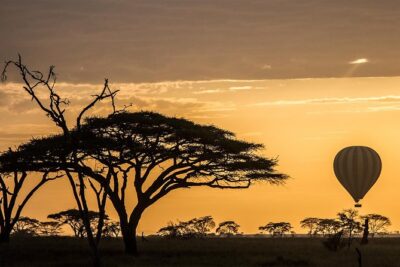 ★ 5.0Serengeti Balloon Safari and authentic bush breakfastFrom $5502,480 reviews
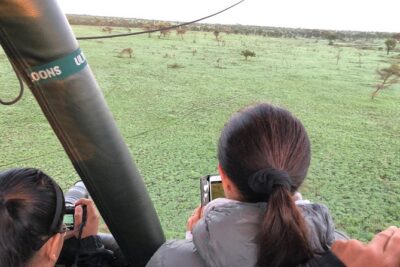 ★ 5.0Balloon Safari & Bush Breakfast in Serengeti – Miracle ExperienceFrom $5991,646 reviews
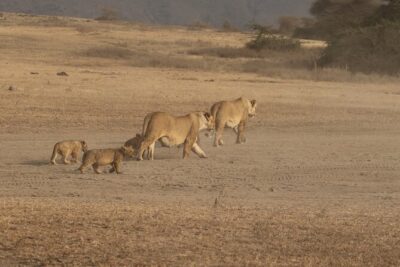 ★ 5.03 Days Serengeti & Ngorongoro Group Camping SafariFrom $815574 reviews
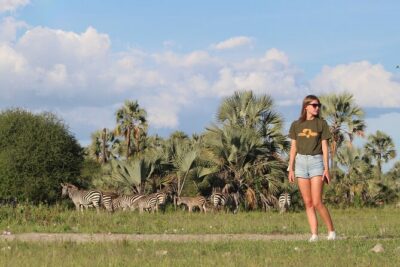 ★ 5.05-Day Highlights mid-Range Crater, Serengeti, TarangireFrom $2,327296 reviews
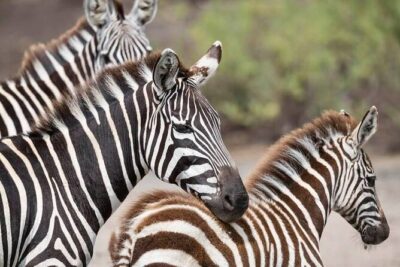 ★ 5.0Safari Serengeti And NgorongoroFrom $2,845288 reviews
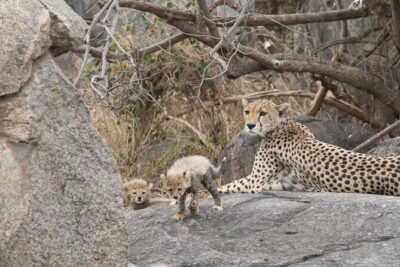 ★ 5.03-Day Classic Serengeti SafariFrom $1,455263 reviews
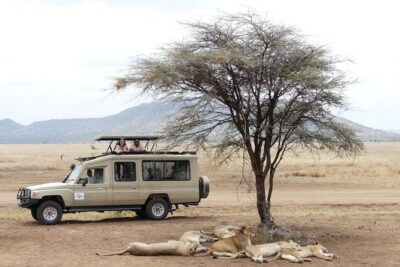 ★ 5.0Private 6-Day Tarangire Manyara Crater and Serengeti with Mid-Range LodgesFrom $2,685238 reviews
 ★ 5.05 Days Camping Tarangire, Serengeti & Ngorongoro crater & Visiting MaasaiFrom $1,254229 reviews
Browse the lists this tour appears in