
REVIEW · SERENGETI NATIONAL PARK SAFARIS
Private Group Serengeti Safari, Crater & Tarangire National Park
Three days in Tanzania can feel endless. This private safari strings together Serengeti action, the drama of the crater, and wildlife-rich savanna, all handled with a small-team feel because it is a private group setup.
What I like most is the way it protects your best game-viewing hours, starting with a morning drive in the Serengeti when animals are most active. I also love the crater day, because descending into Ngorongoro Crater turns the view into something you can stare at for hours, with predators often showing up on the crater floor.
One thing to plan for: it is a tight 3-day circuit, so you will spend real time driving between areas. Also, wildlife spotting is never guaranteed, and crater predator sightings can vary depending on conditions and animal movement.
In This Review
- Key Things That Make This Private Serengeti, Crater, and Tarangire Safari Work
- Entering The Safari Loop: Why Arusha Is Your Smart Starting Point
- Serengeti Morning Game Drive: When The Plains Feel Like They Go On Forever
- Transition Day: Serengeti To The Ngorongoro Highlands With Time For The Right Choices
- The Ngorongoro Crater Day: Why Descending Changes Everything
- Tarangire National Park: A Strong Final Day With Big Grazers and Open-Field Viewing
- Private Group Benefits, Pickup, and Paper Tickets: The Real-World Details
- Value for $2,020 Per Person: What This 3-Day Safari Costs And Why
- Who This Safari Suits Best (And Who Might Want More Days)
- Practical Packing And Safari Comfort Tips
- Should You Book This Private Group Serengeti Safari, Crater & Tarangire Tour?
- FAQ
- How long is the Private Group Serengeti Safari, Crater & Tarangire National Park?
- Where does the tour start and end?
- Is this tour private or shared?
- Do you offer pickup?
- What ticket type is used for this safari?
- Are Olduvai Gorge or Masai Village visits included?
- When will I get confirmation after booking?
- Is the booking refundable if I cancel?
Key Things That Make This Private Serengeti, Crater, and Tarangire Safari Work
- Serengeti early start: Morning timing matters in a park where wildebeest and zebra movement can be constant.
- Serengeti numbers are wild: The itinerary talks about up to about 2 million wildebeest and huge zebra and gazelle populations, which helps explain the predator pressure.
- Ngorongoro Crater is the main event: Around 12 miles (19 km) across and about 610 meters with steep walls, the bowl concentrates wildlife.
- Optional detours, for extra cost: Olduvai Gorge and Masai Village visits can be added, but you should budget for it.
- Tarangire as a strong closer: The day focuses on the mineral-rich cratered region of grass and grazing animals in Tarangire.
- Guides with sharp eyes: Past travelers praised guides like Victor, Reggie, Elliott, and Emanuel for finding animals and positioning well from the vehicle.
More of the Serengeti, drive by drive
- Balloon Safari & Bush Breakfast in Serengeti – Miracle Experience★ 5.0 · 1,646 reviews
- 3 Days Serengeti & Ngorongoro Group Camping Safari★ 5.0 · 574 reviews
- 5-Day Highlights mid-Range Crater, Serengeti, Tarangire★ 5.0 · 296 reviews
- 3-Day Classic Serengeti Safari★ 5.0 · 263 reviews
Entering The Safari Loop: Why Arusha Is Your Smart Starting Point
Arusha is the practical launchpad for northern Tanzania safaris. From here, you can reach big parks without the trip feeling like nonstop chaos, and your tour starts and ends back at the meeting point in Arusha.
This tour is sold as a private experience, which matters. You are not stuck waiting for a big shared itinerary rhythm. Your driver and guide can adjust timing based on what you are seeing, even though you still follow the broad route between Serengeti, the Ngorongoro area, and Tarangire.
You will also notice the tour uses paper ticketing, which is old-school but often smooth in Tanzania when things are handled locally. Pickup is offered, so you do not have to guess where to go or how to coordinate your first ride out of town.
Serengeti Morning Game Drive: When The Plains Feel Like They Go On Forever
Serengeti is Tanzania’s big headline for good reason. The itinerary describes it as one of the largest and most popular wildlife sanctuaries, and the numbers it quotes help you understand why the action can feel relentless.
The tour starts with a game drive in the Serengeti in the morning. I like this approach because early hours tend to give you better activity, and you avoid the late-day slowdown that can happen when animals settle in or move less. If you have ever watched the same species behave differently at different times, you already get why morning matters.
Here is what the safari is built around: huge grazing herds and the predators that follow them. The itinerary mentions estimates of up to about 2 million wildebeest, plus perhaps half a million zebra, and large populations of gazelles and other antelope. That is not trivia. It is why you can spend less time searching and more time watching.
A very practical tip: bring something that makes your long sit in the vehicle more comfortable. Safari days can run long, even when you are just doing one or two drives. Also, pack layers, because it can feel cool early and warm later.
The day ends at a nearby lodge with dinner and overnight. That is a good match for a 3-day schedule, because you get a proper reset instead of bouncing to another campsite late at night.
Transition Day: Serengeti To The Ngorongoro Highlands With Time For The Right Choices
After breakfast, you continue into a full morning drive across the Serengeti again. Then the day shifts toward the Ngorongoro highlands, with a picnic lunch and options for add-ons.
This part of the plan is smart because it gives you two looks at Serengeti behavior on the same trip: the early active window and a later round where you might catch different feeding or movement patterns. If you only had one drive, you would miss that variety.
The optional stops are Olduvai Gorge and/or Masai Village, and the itinerary is clear that there is an additional cost for these. If you care more about animal time than cultural stops, you can treat these as optional side quests instead of obligations.
I also like that the route into the Ngorongoro side uses a picnic lunch. It keeps the day fluid. When your meal is part of the day plan, you are less likely to lose time hunting for food schedules.
You will have dinner and overnight at a lodge in the area after this day’s driving. In past experiences with this operator, people have praised the way lodges are selected and the overall care of the in-country team. For example, travelers mentioned local contacts such as Rickson and support from staff like Tiffany and Giddien, especially when something like luggage hiccups happens.
Tarangire again, with different operators
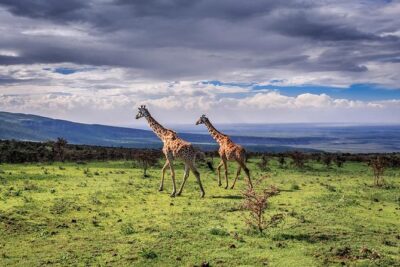
The Ngorongoro Crater Day: Why Descending Changes Everything
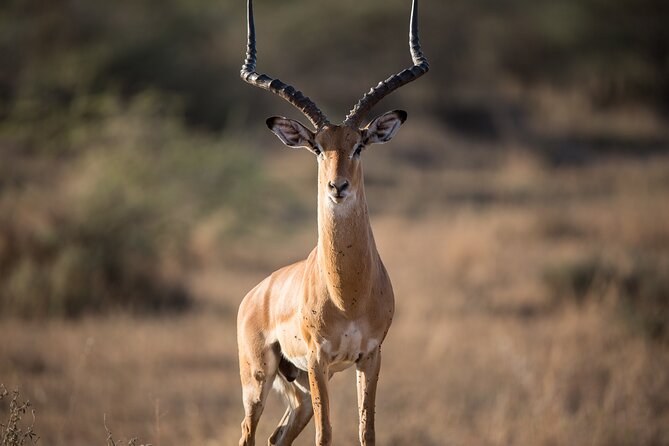
This is the big “how is this even real” part of the safari.
After breakfast, you drive to Ngorongoro Crater and descend into the crater with a picnic lunch. Then you get a full day crater game drive. That is key, because Ngorongoro is not a quick look-and-leave place. Even when you see animals early, you want time to watch patterns shift as the day warms up and animals change their position.
The itinerary includes helpful scale details: the crater measures about 12 miles (19 km) in diameter, with walls roughly 1900 feet (about 610 meters) high. Those numbers help you picture why visibility is so different from open plains. The bowl holds wildlife in a way that feels like a natural stage.
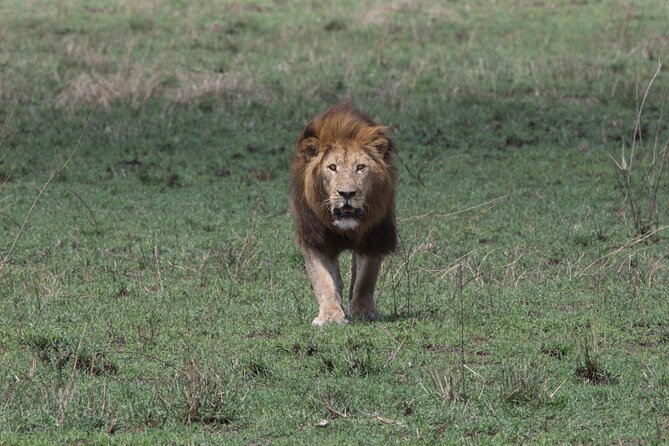
The plan emphasizes predators on the crater floor. It also notes that the crater’s lion population varies over time, with the constant being how well these animals have adapted to safari vehicles. That is one of the most useful pieces of honest framing in any safari itinerary. It means you should expect the crater to do its job, but you should also be mentally ready for variability in exact predator sightings.
A small reality check I appreciate: a “full day” crater drive is not just about seeing everything. It is about letting your guide reposition as the day’s activity unfolds. People who booked past trips praised guides like Emanuel and Reggie for having eagle eyes and staying calm while positioning the vehicle.
If you want the best chance of strong sightings, do this: stay patient when it feels slow. On crater terrain, animal movement can happen suddenly, and the best spot can depend on where other vehicles park.
Tarangire National Park: A Strong Final Day With Big Grazers and Open-Field Viewing
On the last day, you drive to Tarangire National Park after breakfast. The itinerary highlights the crater-like nature of the area, describing an extinct volcanic collapse that creates a natural enclosure, then focusing on the mineral-rich, flat, open floor covered in nutritious grasses.
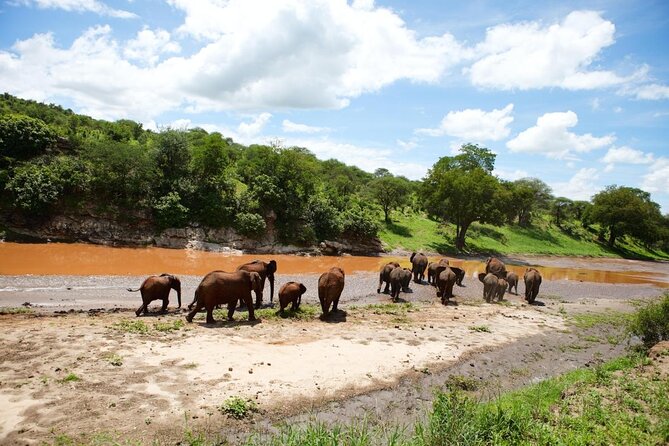
You will enjoy a full day in Tarangire, with game viewing built around the open grazing conditions. The itinerary specifically calls out large herds of zebra as a key sighting in this type of environment. Even if you are not chasing one species, that grazing base is what powers the rest of the food chain.
Tarangire can feel different from Serengeti in the way animals use space. You may find it easier to read behavior when the ground is open and the animals are moving in visible lines. It is also a great way to end the safari because you get a fresh environment before the trip closes back at Arusha.
What to watch for on a final day: fatigue. By day three, your feet might be tired from viewing, and your camera battery will be begging for mercy. Bring a power bank if you use lots of phone photos, and plan for a slower pace at breaks so you can stay sharp for the next drive.
Private Group Benefits, Pickup, and Paper Tickets: The Real-World Details
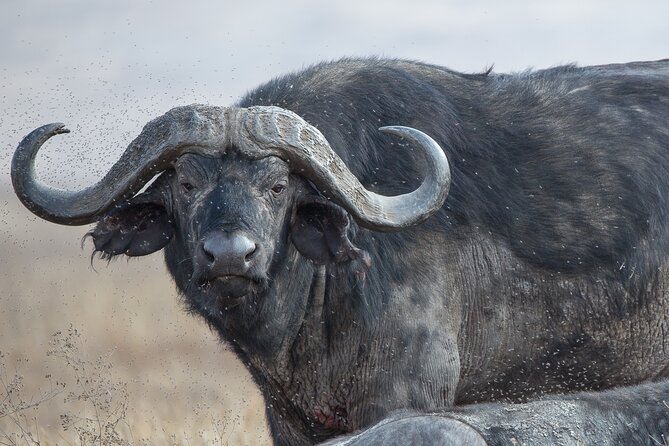
This is a private tour/activity, meaning only your group participates. In safari terms, that usually translates into less waiting and more control over pacing.
Pickup is offered in Arusha, and the tour ends back at the meeting point. That matters if you are trying to line up hotels, meals, and airport logistics. You are not left scrambling at the end of the day.
The tour uses a paper ticket. That is not something you will notice much day-to-day, but it can be comforting if you prefer traditional confirmation details. Also, confirmation is expected within 48 hours of booking, subject to availability. That means you will not be stuck in limbo for weeks.
One more small thing: the itinerary is designed as a 3-day circuit, and most travelers can participate. Still, safari days involve long sitting stretches in vehicles and early starts. If you have mobility challenges, it is worth thinking about comfort and pace before you commit.
Value for $2,020 Per Person: What This 3-Day Safari Costs And Why
At $2,020 per person for an approximately 3-day private safari, this is not a budget safari. You are paying for two things that matter on real game drives: time and vehicle-guiding attention.
First, the tour packs major areas into a short window, meaning you are paying for efficient routing between Serengeti, the Ngorongoro area, and Tarangire. That can save you the need for separate planning or extra days.
Second, the “private group” setup is where a chunk of the value lives. A shared safari can be cheaper, but it often means you move at the group’s pace. Here, your guide and driver can focus your time on your group’s priorities, which is especially valuable for predator chances when timing matters.
The itinerary also lists admission ticket free for the safari days. That is important for value. If park fees are covered, the overall budget is easier to manage. Always double-check what is included in the final confirmation, but the structure here suggests you are not getting hit with surprise line items for basic entry.
Is it worth it? For many people, yes, if you want a compact trip that still hits the big icons and you value having a guide who can position you well. If you are trying to cut cost above all else, you might compare against shared safaris or longer itineraries. But if your goal is maximum wildlife time in a short window, private usually makes sense.
Who This Safari Suits Best (And Who Might Want More Days)
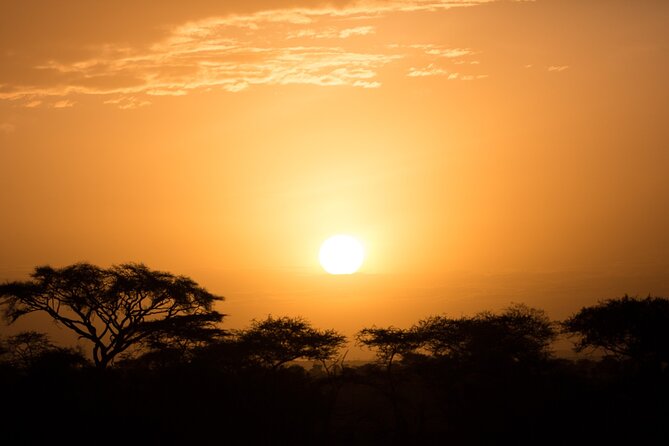
This tour fits best if you want big wildlife experiences without spending a week in transit. It is also a good match if you like having a guide you can ask questions to, and you prefer flexibility around optional add-ons like Olduvai Gorge or Masai Village.
It also works well for couples, families, and small groups who want their own rhythm. Past parties on this route praised the organization and constant attention from the team before and during the trip. People mentioned names like Tiffany for planning support and Rickson as an on-the-ground contact, plus help from Giddien.
Who might want a longer trip instead? If you are the type who gets satisfaction from slow travel, you might feel the pace here. Three days can also mean you get a taste rather than a deep, unhurried study of each place.
If you are planning a Tanzania visit that also includes Kilimanjaro, this safari can function as a high-energy warm-up. One traveler even timed a Serengeti safari with time before a Kilimanjaro climb and described their guide as the best they had for anything.
Practical Packing And Safari Comfort Tips
You are going to spend time in the vehicle, spend time outdoors, and take photos that you will want to actually keep. Based on how these safari days are structured, plan for the basics:
- Layers for early mornings and warmer midday.
- Sunscreen and a hat, because crater and open savanna sun can hit hard.
- Binoculars if you have them, especially for spotting movement and reading animal positions from farther spots.
- A power bank if your phone does most of the work for photos.
- Water and snacks are helpful, even if picnic lunches are planned.
If you want to get the most from guides like Victor, Elliott, Emanuel, and Reggie, listen closely when they explain what you are seeing. The best sightings often come from understanding behavior, not just from luck.
Should You Book This Private Group Serengeti Safari, Crater & Tarangire Tour?
I would book it if your priorities are clear: Serengeti game drives, a full Ngorongoro Crater day, and a final day in Tarangire, all in about 3 days, with pickup and a private group setup. The itinerary structure is built to protect your wildlife viewing time, and the guide quality seems consistently strong based on how multiple guides were singled out by name.
I would think twice if you hate long drives, or if you want lots of downtime and fewer transfers. Also, if you are traveling during a period when predator sightings feel uncertain, you should still go with a patient mindset. This route aims for the best chances, but nature controls the final results.
If you want a safari that feels focused, not scattered, this is a solid pick. It is intense, yes. But it is also the kind of plan that can make Africa feel real in just a few days.
FAQ
How long is the Private Group Serengeti Safari, Crater & Tarangire National Park?
The safari is listed as approximately 3 days.
Where does the tour start and end?
It starts in Arusha, Tanzania, and ends back at the meeting point in Arusha.
Is this tour private or shared?
This is a private tour/activity, so only your group participates.
Do you offer pickup?
Yes, pickup is offered.
What ticket type is used for this safari?
You receive a paper ticket.
Are Olduvai Gorge or Masai Village visits included?
They are optional, and the itinerary notes an additional cost applies if you add them.
When will I get confirmation after booking?
Confirmation is received within 48 hours of booking, subject to availability.
Is the booking refundable if I cancel?
No. The experience is non-refundable and cannot be changed for any reason.
Tarangire and Its Baobabs
- 5-Day Highlights mid-Range Crater, Serengeti, Tarangire
★ 5.0 · 296 reviews - Private 6-Day Tarangire Manyara Crater and Serengeti with Mid-Range Lodges
★ 5.0 · 238 reviews - 5 Days Camping Tarangire, Serengeti & Ngorongoro crater & Visiting Maasai
★ 5.0 · 229 reviews - 4 Days Join Group tour Tarangire Serengeti and Ngorongoro crater
★ 5.0 · 219 reviews - 4-Day Safari from Arusha: Tarangire, Serengeti and Ngorongoro
★ 5.0 · 173 reviews
The Serengeti, Three More Ways
- Balloon Safari & Bush Breakfast in Serengeti – Miracle Experience
★ 5.0 · 1,646 reviews - 3 Days Serengeti & Ngorongoro Group Camping Safari
★ 5.0 · 574 reviews - 5-Day Highlights mid-Range Crater, Serengeti, Tarangire
★ 5.0 · 296 reviews - 3-Day Classic Serengeti Safari
★ 5.0 · 263 reviews - Private 6-Day Tarangire Manyara Crater and Serengeti with Mid-Range Lodges
★ 5.0 · 238 reviews
Just added from around Arusha
Serengeti National Park Safaris, compared.
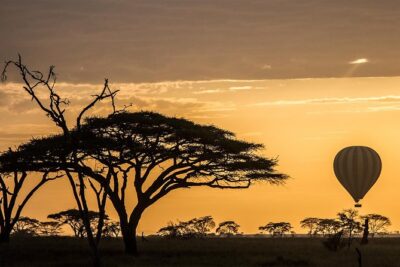 ★ 5.0Serengeti Balloon Safari and authentic bush breakfastFrom $5502,480 reviews
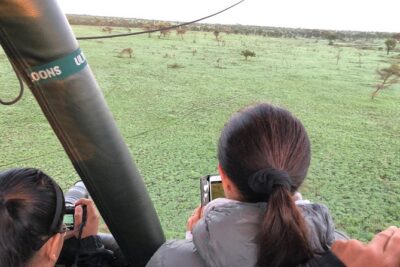 ★ 5.0Balloon Safari & Bush Breakfast in Serengeti – Miracle ExperienceFrom $5991,646 reviews
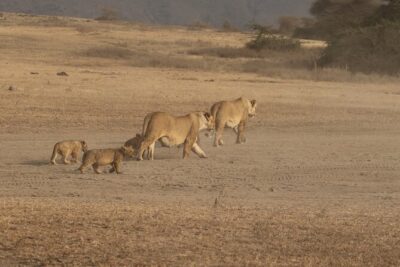 ★ 5.03 Days Serengeti & Ngorongoro Group Camping SafariFrom $815574 reviews
 ★ 5.05-Day Highlights mid-Range Crater, Serengeti, TarangireFrom $2,327296 reviews
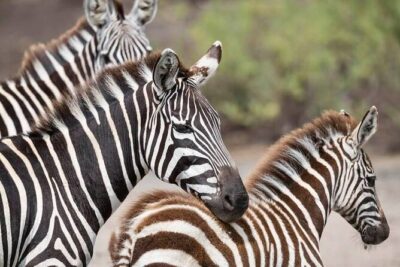 ★ 5.0Safari Serengeti And NgorongoroFrom $2,845288 reviews
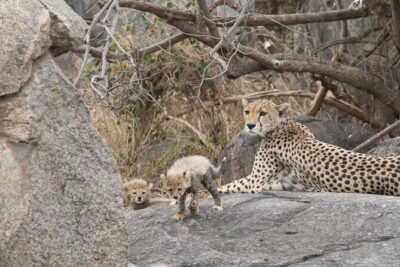 ★ 5.03-Day Classic Serengeti SafariFrom $1,455263 reviews
 ★ 5.0Private 6-Day Tarangire Manyara Crater and Serengeti with Mid-Range LodgesFrom $2,685238 reviews
 ★ 5.05 Days Camping Tarangire, Serengeti & Ngorongoro crater & Visiting MaasaiFrom $1,254229 reviews
Browse the lists this tour appears in