
REVIEW · WATERFALLS AND COFFEE FARM TOURS
Coffee walk with stay in the village
Coffee tastes better with dirt under your nails. This coffee walk plus village stay in Arusha takes you from seed to cup, with an organic and Fairtrade farm as your classroom. You are not just tasting coffee, you are seeing the work behind it, and you sleep in the same village where it is grown.
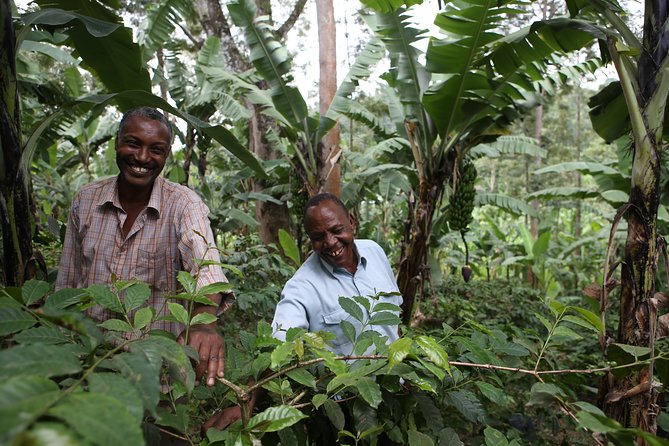
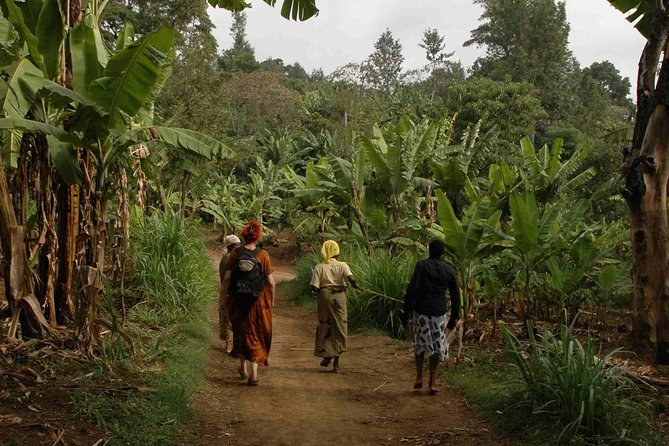
What I like most is the way the day starts in real village life, not at a display table. You get guided time with Samwel, and you walk through the village center, including a hospital, primary and secondary schools, an orphanage, and the oldest church in the mountain area. Then the route turns practical, from coffee cultivation to the roaster area, so the story makes sense in your hands and your shoes.
One consideration: there is walking, including a 30 to 40 minute walk down toward the roaster. If you have mobility limits, plan for comfort and talk with the provider before you book.
In This Review
- Key things that make this coffee walk special
- Arusha pickup at 17:00, then you check in on the farm
- Morning walk starts at village life, then shifts to the coffee farm
- The roaster walk and what you should expect from the pace
- Lunch in the garden: hot Tanzanian food after the coffee lesson
- Fairtrade and organic: why it matters to farmers and your cup
- Samwel and the culture talk that makes the walk feel human
- Two nights in the guesthouse: slow time on a coffee farm
- Price and value: what $270 buys you over 3 days
- Who this coffee walk suits best
- Quick tips so your coffee day goes smoothly
- Should you book this coffee walk with village stay?
- FAQ
- What time is pickup from Arusha town?
- How long is the coffee walk and village stay?
- Where do I sleep during the tour?
- Are meals included?
- What is included in the Day 2 coffee walk?
- What time does the coffee guide meet you on Day 2?
- Is the coffee farm organic and Fairtrade?
- Is this tour private?
- What is the cancellation policy?
Key things that make this coffee walk special
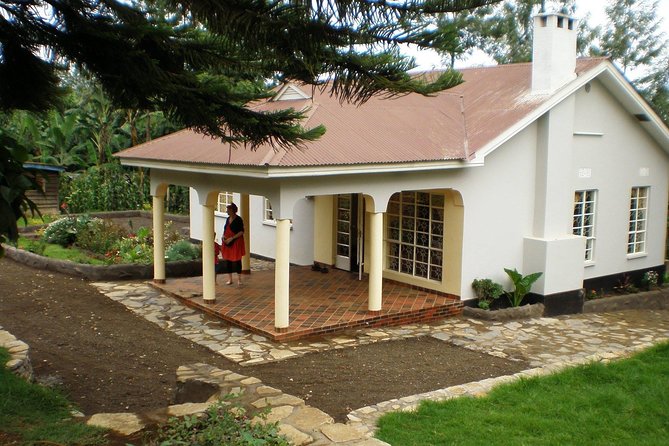
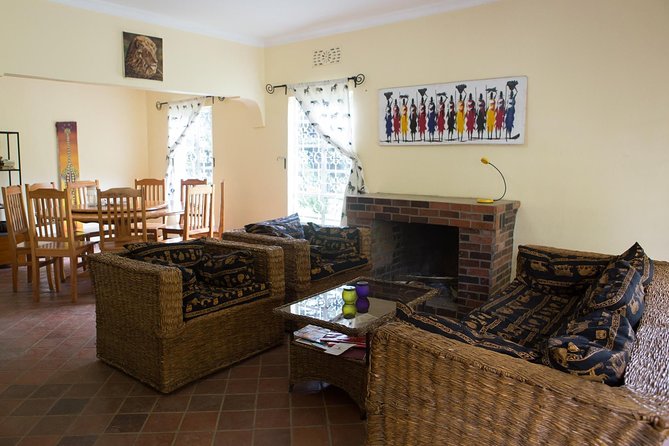
- Sleep on a working coffee farm with 2 nights at a guesthouse in the coffee-producing village
- Organic and Fairtrade lessons tied to real pricing, including farmers paid 3 times the normal price
- Village-center walking route past a hospital, schools, orphanage, and the oldest church
- Coffee processing on foot, including a 30 to 40 minute walk to the roaster area
- Homemade meals with a hot Tanzanian lunch and chef-made breakfast and dinner
- Private group experience with pickup offered from Arusha town, or airport pickup if arranged
More waterfall and coffee farm mornings
- Materuni Waterfalls, coffee tour & Kikuletwa Hot Springs★ 5.0 · 643 reviews
- Materuni Waterfalls & Chemka Hotsprings Day Trip★ 5.0 · 214 reviews
- Maasai village visit, Materuni waterfalls & coffee experience★ 4.5 · 95 reviews
- Materuni Waterfalls & Coffee Tour from Moshi★ 5.0 · 92 reviews
Arusha pickup at 17:00, then you check in on the farm

Day 1 starts with a pickup from Arusha town at 17:00, with the drive taking about 30 to 40 minutes to the village. If you are arriving by air, airport pickup is also possible, as long as you share your flight details when you book. Once you arrive, you check into your rooms, then you have time for a small walk in the village before dinner.
That evening timing is actually useful. If you are doing a safari or trekking soon after, it helps you avoid packing and rushing. You land, settle in, and ease into the rhythm of village life.
Dinner is served at the guesthouse, and it is described as homemade by the chef. In practical terms, this matters because it cuts down on decision fatigue. You do not have to find a restaurant after a travel day, you just eat and rest.
Morning walk starts at village life, then shifts to the coffee farm
On Day 2, you meet your coffee guide at about 09:30 after breakfast. From the guesthouse, you walk toward the village center, where you can see key community spots along the way: a hospital, primary and secondary schools, an orphanage, and the oldest church in the mountain. Your guide shares culture and traditions as you go, which is a nice change from tours that only focus on plants and machines.
After that, you head toward the organic coffee farm. This is where the coffee lesson becomes physical. You see the difference between traditional and organic coffee production, and you connect the concepts to what is happening on the land, not just in theory.
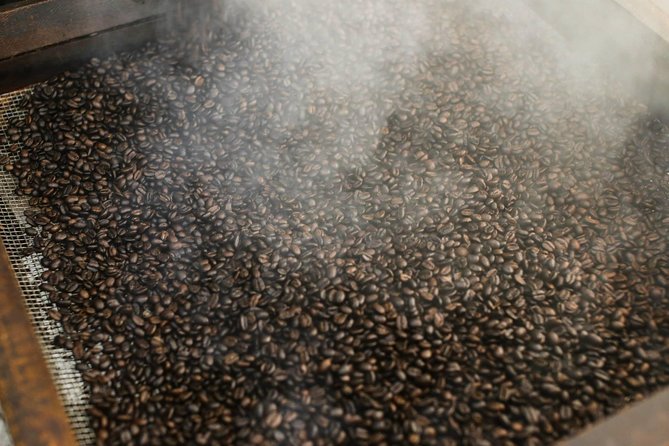
Then comes the processing walk. The route down to the roaster takes about 30 to 40 minutes. For many people, this is the turning point in the whole trip, because you go from watching coffee grow to seeing how it becomes drinkable.
The roaster walk and what you should expect from the pace
The Day 2 schedule is built around steady walking and real observation. You are not sprinting between stops, and the pacing gives you time to ask questions and listen. Still, the 30 to 40 minute walk down to the roaster area is not the kind of stretch you want to ignore.
Wear shoes you trust. Mud and uneven ground are common in rural settings, and you do not want your feet to be the limiting factor for the experience. Also, bring a simple water plan, since the walk is outdoors for part of the day.
A small practical note: the tour is listed as private, meaning it is just your group. That can be a plus, because the pace can be matched more easily, but it also means there is less flexibility if your group wants to slow down or speed up.

Lunch in the garden: hot Tanzanian food after the coffee lesson
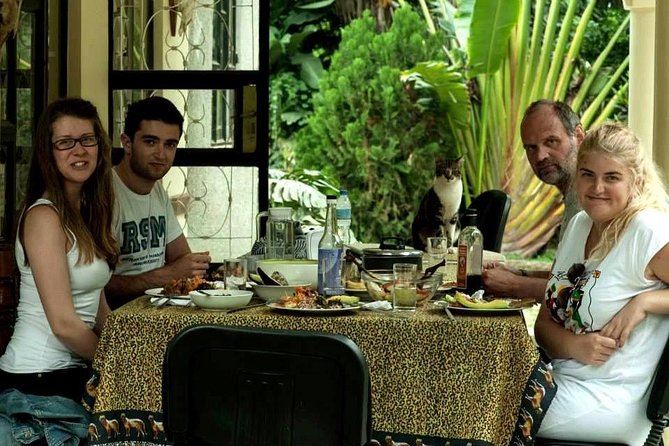
At the farm, lunch is served hot in the garden. The meal includes chapati, roasted banana, rice, ugali, sauce of goat, spinach, salad, and fruits of the sea, plus fruits.
This is more than just fuel. You are eating in the same setting you are learning about, so the farm story expands beyond coffee into daily food traditions. It also helps you compare tastes and ingredients, since rural cooking often uses what is available and what is grown or raised locally.
If you have dietary restrictions, plan ahead. The menu is not described as flexible, and it includes goat and fruits of the sea. Asking questions before you go is the safest way to avoid an awkward meal moment.
Fairtrade and organic: why it matters to farmers and your cup
A big reason this tour feels meaningful is the way it frames coffee as work, not magic. The coffee farm delivering coffee to the experience is described as organic and Fairtrade, and the emphasis is on how that changes what farmers receive.
The tour explains that farmers typically get low payment for coffee, sometimes not enough to cover essentials like children’s schooling. Here, your tour price is tied to a Fairtrade approach where farmers are paid 3 times the normal price. That is the kind of fact you can actually hold onto when you look at your cup later.
Organic also gets real-world attention. You learn that coffee trees are not sprayed with chemicals. For farmers, that can mean a safer working environment. For you, it is about the end product being healthier to drink, according to the tour’s explanation.
So when you smell and taste coffee later in your trip, you have a clearer idea of the chain behind it. It is not perfect justice or a cure-all for global supply chains, but it is a direct connection between your purchase and how the people on the land are treated.
Samwel and the culture talk that makes the walk feel human
If you care about good guides, this one is a standout. The name Samwel comes up for being friendly and outgoing, with a strong grasp of the area and the plants. One detail that makes the guide time feel authentic is that he is described as growing up there, which usually means you get practical context, not just rehearsed facts.
The best part is the conversation angle. You are walking, you see the places, and you ask questions. That turns the tour from a checklist into a back-and-forth chat about village life and how coffee fits into daily routines.
I also like the way the guide-led part is spread out. You are not only learning at the farm gate. You get culture and traditions information while you walk through the village center, and then you shift into coffee-specific explanations as you move toward production areas.
Two nights in the guesthouse: slow time on a coffee farm

This trip includes 2 nights at the guesthouse in the same village as the coffee production. That means you are not commuting back and forth all day. You get time to settle, enjoy the guesthouse garden, and experience the village atmosphere at a slower pace.
Breakfast and dinner are described as homemade by the chef. You also get your own rooms, and on Day 1 there is a little village walk before dinner, so you do not feel locked in the whole evening.
The value of a farm stay is that it gives you breathing room. With a quick half-day tour, you see a few things and then you are out. With an overnight, you start to notice patterns, like how the place feels after the main day stops.
Day 3 is then simple. After a slow breakfast, you drive back to Arusha town, with the return taking about 3 hours. You end the trip without having to cram in a last-minute detour, which is a smart way to keep your energy for whatever comes next.
Price and value: what $270 buys you over 3 days
The price is $270 per person for approximately 3 days, and for that you get a lot packed in. Included are pickup offered from Arusha town, a stay at the guesthouse for 2 nights, and meals across the schedule, including homemade breakfast and dinner plus a hot Tanzanian lunch.
You also get guide-led walking time, including the village route and the coffee farm walk down to the roaster area. Admission ticket is listed as free, which helps reduce small surprise costs.
There is also mention of group discounts and a mobile ticket. Group discounts can be a quiet win if you are traveling with friends or family, because it lowers the per-person cost without forcing you into a bigger crowd than you want.
The main question I’d ask you is what you want from Arusha. If your plan is mostly safari and trekking, this is a different kind of day, one that trades big distances for a focused, local lesson. If you want coffee as more than a souvenir, the value makes sense.
Who this coffee walk suits best
This experience is best for you if coffee is a true interest, not just a caffeine habit. You will like the way the trip explains coffee’s long journey from seed to cup, while also showing the village behind the product.
It also fits travelers who want their guides to talk about culture and daily life. The route includes real community sites, so it gives you a wider view of the area than just the plantation angle.
The tour is listed as something most travelers can participate in, but that still does not remove the walking component. If you are choosing this because you love gentle strolls, you might be happy. If you have mobility concerns, check in ahead of time, especially for the 30 to 40 minute walk down toward the roaster area.
Finally, if you are the kind of person who likes supporting Fairtrade and organic production, this aligns with that goal. The pricing story and the chemical-free growing explanation are part of what you are paying for, not just background reading.
Quick tips so your coffee day goes smoothly
Bring comfortable shoes for village paths and farm walks. The tour includes a longer walking segment on Day 2, including the descent to the roaster area.
Plan for outdoor time in the morning. Day 2 starts at about 09:30 after breakfast, so you want basic sun protection and a light layer if the air feels cool.
Be ready for the meal menu. Lunch includes goat sauce and fruits of the sea, so if you follow a specific diet, ask questions before you go.
If you want pickup, share your location clearly. Pickup from Arusha town is part of the plan, and airport pickup is possible if you arrange it when booking.
Should you book this coffee walk with village stay?
Book it if you want a coffee experience that is hands-on and grounded in village life. The overnight farm stay, the homemade meals, and the guided walking through both community spots and coffee production areas make this feel like a real visit, not a quick photo stop. The Fairtrade and organic focus also gives you a clear reason to care about the choices behind your cup.
Skip it or ask extra questions if you dislike walking, especially the 30 to 40 minute roaster walk, or if you need a very specific diet. Also, because Day 1 pickup is 17:00, it may be a better fit if your day can handle a late start rather than rushing in right at noon.
If your ideal Arusha day mixes coffee, culture, and time to slow down, this is a strong choice.
FAQ
What time is pickup from Arusha town?
Pickup from Arusha town is at 17:00. You should tell the operator where to pick you. Airport pickup is also possible.
How long is the coffee walk and village stay?
The experience runs for about 3 days. Day 1 is listed at 5 hours, Day 2 at 6 hours, and Day 3 at 3 hours.
Where do I sleep during the tour?
You stay for 2 nights at a guesthouse in the same village where the coffee is produced.
Are meals included?
Yes. You get homemade breakfast and dinner at the guesthouse, and on Day 2 you have a hot Tanzanian lunch served at the farm.
What is included in the Day 2 coffee walk?
After breakfast, you meet your guide at about 09:30 and walk through the village center, including a hospital, primary and secondary schools, an orphanage, and the oldest church. Then you walk to the organic coffee farm and continue down to the roaster area, which takes about 30 to 40 minutes.
What time does the coffee guide meet you on Day 2?
The guide meets you at about 09:30 after breakfast.
Is the coffee farm organic and Fairtrade?
Yes. The coffee farm is described as organic and Fairtrade. The tour also explains that farmers are paid 3 times the normal price and that coffee trees are not sprayed with chemicals.
Is this tour private?
Yes. It is a private tour or activity, and only your group will participate.
What is the cancellation policy?
Free cancellation is available. You can cancel up to 24 hours in advance for a full refund, and cancellations within 24 hours of the start time are not refunded.
Waterfalls and Coffee, Keep Going
- Materuni Waterfalls, coffee tour & Kikuletwa Hot Springs
★ 5.0 · 643 reviews - Materuni Waterfalls & Chemka Hotsprings Day Trip
★ 5.0 · 214 reviews - Materuni waterfalls coffee tour & Chemka hot springs Day trip
★ 5.0 · 131 reviews - Maasai village visit, Materuni waterfalls & coffee experience
★ 4.5 · 95 reviews - Materuni Waterfalls & Coffee Tour from Moshi
★ 5.0 · 92 reviews
Just added from around Arusha




Waterfalls and Coffee Farm Tours, compared.
 ★ 5.0Materuni Waterfalls, coffee tour & Kikuletwa Hot SpringsFrom $100643 reviews
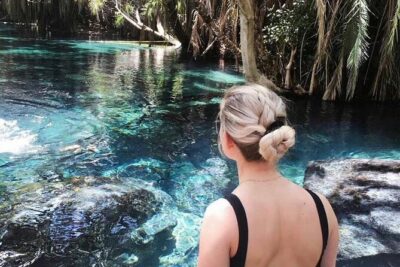 ★ 5.0Materuni Waterfalls & Chemka Hotsprings Day TripFrom $100214 reviews
 ★ 5.0Materuni waterfalls coffee tour & Chemka hot springs Day tripFrom $95131 reviews
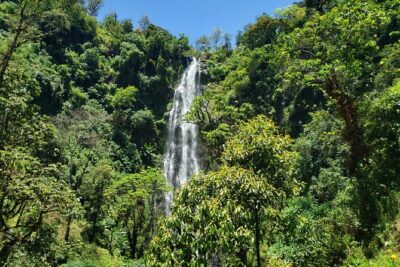 ★ 5.0Materuni Waterfall, Coffee Tour and Picnic Hot LunchFrom $70128 reviews
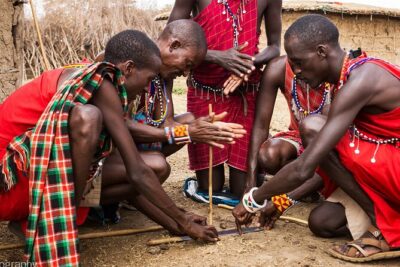 ★ 4.5Maasai village visit, Materuni waterfalls & coffee experienceFrom $15495 reviews
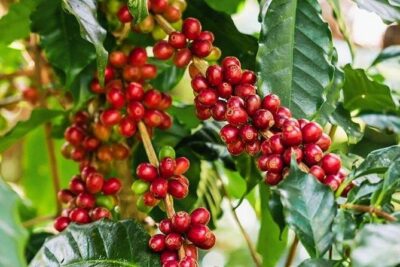 ★ 5.0Materuni Waterfalls & Coffee Tour from MoshiFrom $6092 reviews
 ★ 4.8Arusha or Moshi : Hot Spring, Waterfall & Coffee Farm TourFrom $5380 reviews
 ★ 4.8Arusha: Materuni Waterfalls, Coffee, and Hotsprings TourFrom $10078 reviews
Browse the lists this tour appears in