

REVIEW · WATERFALLS AND COFFEE FARM TOURS
Coffee walk day trip
Coffee has a backstory you can taste.
This is a 6.5-hour coffee walk day trip from Arusha that trades bus views for real footstep learning. You start with a drive to a coffee village about 40 minutes from town (around 1400 meters elevation), then walk through local farms and community life before you reach the organic, Fairtrade coffee farm. I like that the day mixes hands-on agriculture with a guided cultural thread, and I also like the practical reward at the end, you get a bag of coffee to take home.
One consideration, this is a walking tour. You will walk from the village center toward the farm and again down to a roaster (about 30 to 40 minutes), so wear shoes that handle uneven paths and some hills.
In This Review
- Key Highlights I’d Plan Around
- Coffee Walk Day Trip Near Arusha, What You’re Really Buying
- Meeting In Arusha and Getting to the Coffee Village Smoothly
- The Walk Through the Village Route, Why It Adds Real Meaning
- Reaching the Organic and Fairtrade Farm, What You’ll Learn on the Ground
- The Descent Toward the Roaster, Timing and What to Watch For
- Lunch in the Garden with Tanzanian Specialties
- Dessert Coffee Cupping, How to Taste What You Learned
- Taking Coffee Home, Why This Inclusion Is a Big Deal
- Price and Value for a 6.5-Hour Private Experience
- What to Expect Day Of, The Practical Stuff That Helps
- Who This Coffee Walk Works Best For
- Should You Book This Coffee Walk Near Arusha?
- FAQ
- How long is the coffee walk day trip?
- Where does the tour start?
- Is pickup included?
- Is this a private tour?
- What is included besides the coffee farm visit?
- Do we walk as part of the tour?
- What kind of meal is served?
- Are admission tickets included?
- What is the booking and confirmation process?
- What is the cancellation window?
Key Highlights I’d Plan Around
- Private tour feel, your group goes together and moves at your pace
- Walk through the coffee village route, passing small farms, schools, and churches on the way to the farm
- Organic vs traditional coffee made visible during the farm visit
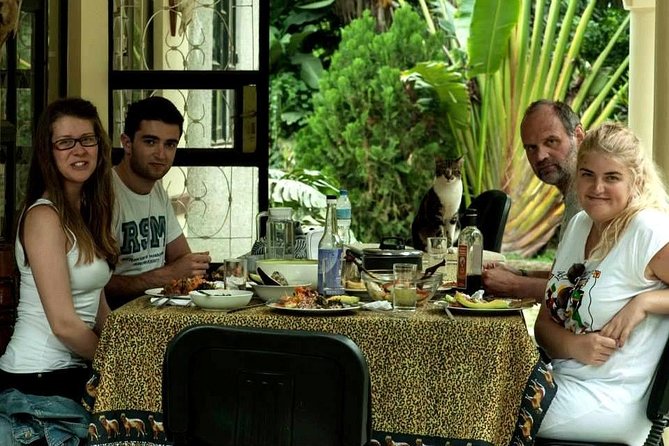
- Hot Tanzanian lunch in the garden, with local specialties served by villagers
- Coffee cupping with dessert, paired with banana cake, so you taste what you learn
- Coffee to take home, included in the experience, not just a souvenir talk
More waterfall and coffee farm mornings
- Materuni Waterfalls, coffee tour & Kikuletwa Hot Springs★ 5.0 · 643 reviews
- Materuni Waterfalls & Chemka Hotsprings Day Trip★ 5.0 · 214 reviews
- Maasai village visit, Materuni waterfalls & coffee experience★ 4.5 · 95 reviews
- Materuni Waterfalls & Coffee Tour from Moshi★ 5.0 · 92 reviews
Coffee Walk Day Trip Near Arusha, What You’re Really Buying

On paper, this is a coffee farm tour. In practice, it’s a day that teaches you how coffee becomes coffee, without pretending it’s magic.
For $102 per person, you’re not paying only for a scenic visit. You’re paying for a structured walk, farm time where production methods are explained, lunch with a set of Tanzanian dishes, and the included coffee take-home bag plus a shared cupping moment. If you value experiences that connect food to people, it’s strong value for Arusha.
The private format matters too. In a private setup, you can ask direct questions and get answers tied to what you’re seeing, especially around how small-scale coffee farming works in real life. It also helps if your group includes folks who want more time at the farm or need slower walking intervals.
Meeting In Arusha and Getting to the Coffee Village Smoothly
The tour starts at 9:00 am, and pickup is offered. From Arusha town, the coffee village is about 40 minutes away, at around 1400 meters elevation. That height matters for comfort. Mornings in the Arusha area can feel cooler than you expect, especially once you begin walking.
There’s also a practical detail that helps, the meeting area is described as near public transportation. So if your plan involves arriving on your own and coordinating pickup timing, you’re not trapped in a complicated last-mile situation.
Expect a mix of road travel and then a walk right from the village center. The guide leads you from there on foot, which is where the tour becomes more than a photo stop.
The Walk Through the Village Route, Why It Adds Real Meaning
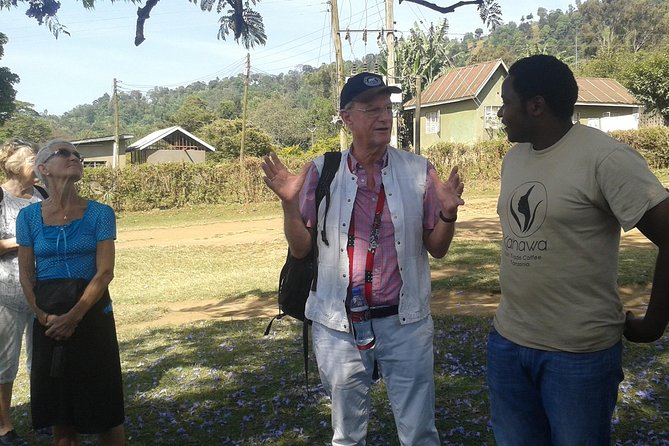
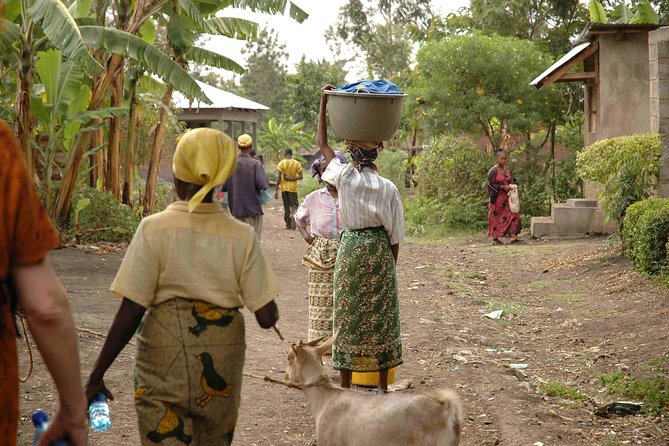
The route begins in the village center and then you walk toward the organic coffee farm. Along the way you pass small farms, schools, and churches. This is one of the best parts of the day because it shows coffee farming as part of everyday community life, not a distant industry.
Your guide has lots of information about culture and traditions. You can treat this like a cultural orientation as much as a route briefing. When you learn the coffee part while also seeing how the village functions, it sticks better. You stop thinking of coffee as a product and start thinking of it as a livelihood pathway.
The walk isn’t described as extreme, and it says most travelers can participate. Still, bring shoes you can trust for dirt paths and uneven ground. If you’re used to city sidewalks, give yourself grace here.

Reaching the Organic and Fairtrade Farm, What You’ll Learn on the Ground
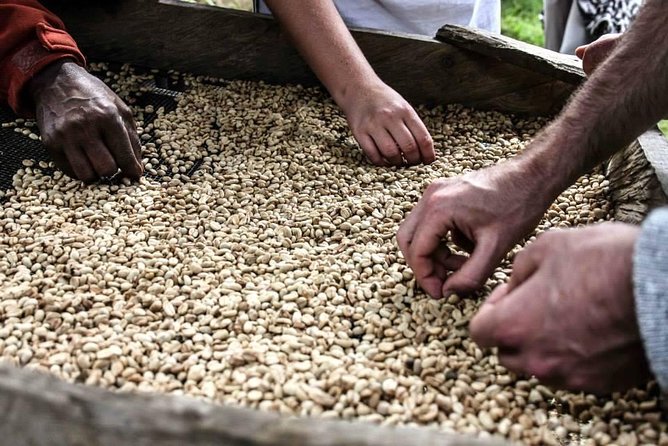
At the farm, the tour focuses on the difference between traditional and organic coffee production. That matters because it’s the easiest place for you to connect farming choices with what coffee ends up tasting like, and with how workers farm and manage the plants.
You’ll be shown and explained how coffee production works on that property, and because it’s described as an organic, Fairtrade farm, you have a framework for understanding the bigger story. Fairtrade signals attention to how livelihoods are supported, and organic signals a focus on farming methods.
This is also where the tour’s private nature pays off. You’re not waiting for the group to catch up while you ask about specifics. If something makes you curious, you can usually ask your guide to slow down and explain it in a way that matches what you’re seeing.
The Descent Toward the Roaster, Timing and What to Watch For

One of the built-in segments is the walk down to the roaster, about 30 to 40 minutes. That’s long enough that your comfort decisions matter.
Bring a light layer if you get cold easily at altitude. Also, plan on a steady pace. If you rush, your body will feel it more than the walk itself. A calm walk also helps you notice what the guide points out along the route, since the tour ties the production story to place and routine.
From your perspective, the descent can feel like a transition point, you go from coffee plants and farm management to the processing side. It helps you mentally separate coffee growing from coffee manufacturing.
Lunch in the Garden with Tanzanian Specialties
After the farm walking and roaster time, the day settles into food. In the garden, they serve a hot Tanzanian lunch. This is not listed as a generic buffet, it’s a set of traditional village dishes, and it’s described as specialties from the village.
Here’s what’s included:
- Chapati
- Roasted banana
- Rice
- Ugali
- Sauce of goat
- Spinach
- Salad
- Fruits of the season
That menu works well for most tastes because it mixes familiar carbs with distinctly Tanzanian flavors. Ugali is a filling staple, and it helps if you’re the type who needs energy to keep going after walking. Chapati gives you a warm, bread-like base. The goat sauce and spinach add the savory side, while roasted banana and fruits keep it from becoming too heavy.
The biggest value here is that the lunch is served in the farm setting and is tied to the villagers. You are eating with the day’s story, not just stopping for fuel.
Dessert Coffee Cupping, How to Taste What You Learned
For dessert, you’ll do coffee cupping together, with banana cake as part of the experience.
Cupping is a neat capstone because it turns education into sensation. Even if you don’t know coffee jargon, the guided format gives you a way to compare coffees side by side. You can pay attention to aroma, taste notes, and the overall feel in your mouth.
The tour’s structure makes sense here. You learn the long journey of coffee, then you taste. That sequencing helps you remember details from the farm stage because you have something concrete to connect them to.
If you’re a coffee person, this part is the “wait, now I get it” moment. If you’re not, it’s still a fun way to learn basic tasting steps and leave with a new appreciation for what goes into a cup.
Taking Coffee Home, Why This Inclusion Is a Big Deal
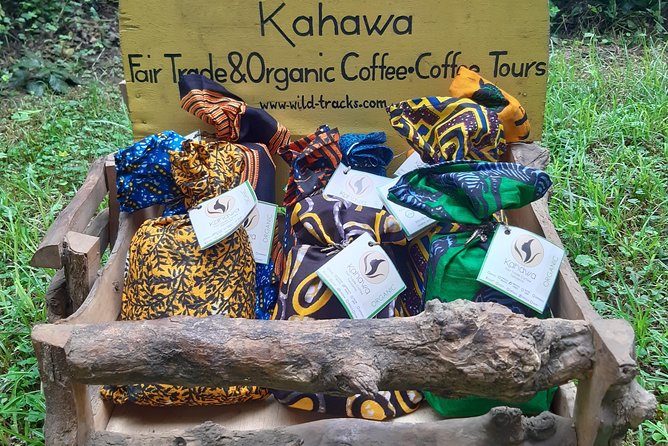
You receive a bag of coffee to take home. This is one of those extras that turns the tour from a story you hear into something you can test later.
It also adds value to the $102 price. Instead of paying for memories only, you’re leaving with a product that fits the exact theme of the day. You can brew it later and recall what you learned about production, processing, and quality.
If you enjoy sharing food and drink, this also becomes a conversation piece back home. You’ll have real talking points, like organic vs traditional production differences and the farm-to-roaster path you experienced.
Price and Value for a 6.5-Hour Private Experience
Let’s talk value in plain terms. At $102 per person for about 6 hours 30 minutes, you’re paying for:
- a private tour setup
- pickup offered
- farm and roaster time tied to production education
- lunch with multiple Tanzanian dishes
- coffee cupping with banana cake
- a bag of coffee to take home
- admission ticket labeled as free in the experience details
That bundle is the reason this doesn’t feel like an overpriced “ride and look” trip. The day includes both learning and eating, plus a take-home item. In Arusha, coffee-themed tours can range widely in what’s included, so this one stands out because the included meals and product matter.
If you’re on a tight schedule, the 6.5-hour duration is also workable as a focused day trip. It’s long enough to feel complete, but not so long you lose the rest of your Arusha plans.
What to Expect Day Of, The Practical Stuff That Helps
Here’s how the day generally feels, based on the described flow.
You’ll start in the morning and get driven out of Arusha to the coffee village. Then you walk from the village center to the organic farm, with stops where the guide explains the differences in production. After farm time, you walk down to the roaster for additional processing context.
Then lunch happens in the garden, hot and filling. After lunch you do dessert coffee cupping with banana cake, and you end the tour with a bag of coffee to take home.
Bring:
- closed-toe shoes for walking
- a light layer for morning air at elevation
- a refillable water bottle, since you’ll be walking and eating outdoors
If your group includes folks who want photos, you’ll get plenty of opportunities around the village and the farm. Just remember the tour is mostly about learning on foot, so leave time to listen.
Who This Coffee Walk Works Best For
This tour is a strong match if you:
- love coffee and want the grow-to-roaster story explained in a real setting
- enjoy walking tours with cultural context
- want a satisfying lunch experience tied to the area’s people
- like the idea of taking a product home, not just photos
It may be less ideal if your group strongly prefers short, flat walks with minimal time on foot. You can still consider it because the tour states most travelers can participate, but plan around the 30 to 40 minute roaster descent and the village-to-farm walking.
Should You Book This Coffee Walk Near Arusha?
I’d book it if you want a coffee experience that’s practical, hands-on, and tied to livelihoods. The combination of organic and Fairtrade farming education, a walk through daily village life, a home-style Tanzanian lunch, and an included coffee bag to take home makes it feel like a complete day, not a half-story.
If you’re mainly interested in a quick sightseeing stop, you might find another type of tour fits better. But if you like understanding what you’re eating and drinking, this is one of those days that leaves you with both a new story and something you can taste later.
Also, check for the guide Samuel, since he’s specifically mentioned as having worked with coffee tours for more than 10 years, which is a nice sign you’ll get a confident, grounded explanation as you walk and taste.
FAQ
How long is the coffee walk day trip?
It lasts about 6 hours 30 minutes.
Where does the tour start?
The start time is 9:00 am in Arusha.
Is pickup included?
Pickup is offered.
Is this a private tour?
Yes. It’s private, so only your group participates.
What is included besides the coffee farm visit?
The experience includes a Tanzanian lunch, coffee cupping with banana cake, and a bag of coffee to take home.
Do we walk as part of the tour?
Yes. You walk from the village center to the organic coffee farm, and then there is a walk down to the roaster of about 30 to 40 minutes.
What kind of meal is served?
Lunch includes chapati, roasted banana, rice, ugali, sauce of goat, spinach, salad, and fruits of the season.
Are admission tickets included?
Admission ticket is listed as free in the experience details.
What is the booking and confirmation process?
You receive confirmation at the time of booking.
What is the cancellation window?
Free cancellation is allowed up to 24 hours in advance for a full refund.
Waterfalls and Coffee, Keep Going
- Materuni Waterfalls, coffee tour & Kikuletwa Hot Springs
★ 5.0 · 643 reviews - Materuni Waterfalls & Chemka Hotsprings Day Trip
★ 5.0 · 214 reviews - Materuni waterfalls coffee tour & Chemka hot springs Day trip
★ 5.0 · 131 reviews - Maasai village visit, Materuni waterfalls & coffee experience
★ 4.5 · 95 reviews - Materuni Waterfalls & Coffee Tour from Moshi
★ 5.0 · 92 reviews
Just added from around Arusha




Waterfalls and Coffee Farm Tours, compared.
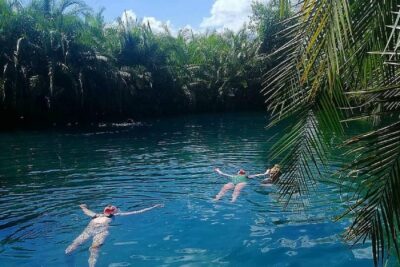 ★ 5.0Materuni Waterfalls, coffee tour & Kikuletwa Hot SpringsFrom $100643 reviews
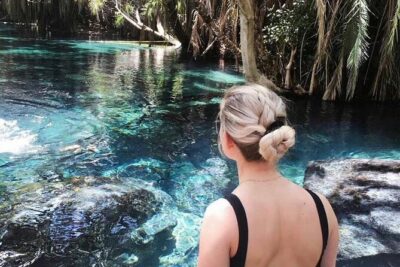 ★ 5.0Materuni Waterfalls & Chemka Hotsprings Day TripFrom $100214 reviews
 ★ 5.0Materuni waterfalls coffee tour & Chemka hot springs Day tripFrom $95131 reviews
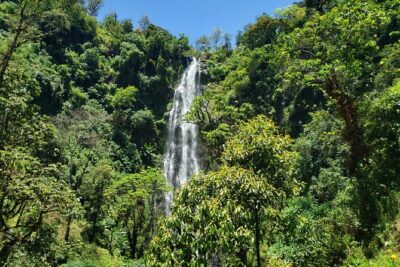 ★ 5.0Materuni Waterfall, Coffee Tour and Picnic Hot LunchFrom $70128 reviews
 ★ 4.5Maasai village visit, Materuni waterfalls & coffee experienceFrom $15495 reviews
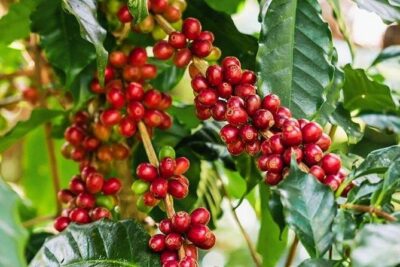 ★ 5.0Materuni Waterfalls & Coffee Tour from MoshiFrom $6092 reviews
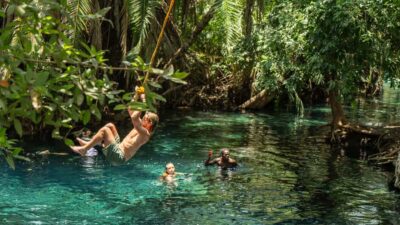 ★ 4.8Arusha or Moshi : Hot Spring, Waterfall & Coffee Farm TourFrom $5380 reviews
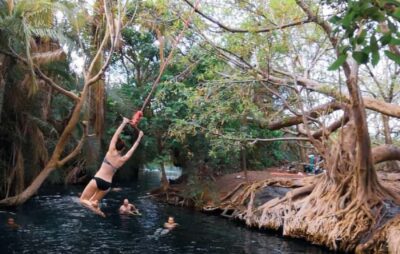 ★ 4.8Arusha: Materuni Waterfalls, Coffee, and Hotsprings TourFrom $10078 reviews
Browse the lists this tour appears in