
REVIEW · WATERFALLS AND COFFEE FARM TOURS
Arusha: Traditional Coffee Preparation(coffee tour)
Your coffee starts with a big wooden mortar. In Arusha, this 3 hour experience teaches bean-to-cup coffee the traditional way, from farm to your own handmade brew. I like that it is not just watching, you get doing, including pounding, roasting, grinding, and tasting arabica coffee.
I also like the focus on organic single-origin coffee, with a short farm visit first so you understand what you are actually drinking. One practical plus is that the process is taught step by step, so even if you are new to coffee, you can follow along and produce a cup that tastes like it came from a real local operation.
The main drawback to consider is that it is hands-on and manual. If you want a hands-off tasting where you just sip and leave, this can feel like real work, plus it is a charcoal and clay-pot style setup, so expect rustic messiness.
In This Review
- Key moments you will remember
- From Bean to Cup in Arusha, Without the Coffee Snob Stuff
- Meeting Naturalland Expeditions: Simple, Main-Road Start
- Touring a Smallholder Arabica Farm: Why the Coffee Begins Here
- The Garden Workshop: Husking, Roasting in Clay, and Grinding by Hand
- Brewing Your Own Cup: What to Watch While You Pour and Taste
- Coffee Quality: Organic Single-Origin and What You Might Learn from the Cup
- Price and Value for a 3 Hour Hands-On Coffee Tour
- Who This Coffee Workshop Is Best For (and Who Should Skip)
- Practical Tips So You Get the Best Cup
- Should You Book This Arusha Coffee Preparation Tour?
- FAQ
- How long is the Arusha Traditional Coffee Preparation tour?
- Where do I meet the guide?
- What is included in the tour price?
- Will there be a live guide, and what language do they speak?
- Is there free cancellation?
- Is there a reserve now and pay later option?
Key moments you will remember
- A smallholder farm walk tied to arabica cultivation so your cup has context
- Hands-on husking, roasting, and grinding using manual tools
- Clay pot roasting over charcoal for that more rustic flavor
- Brewing your own coffee, not just tasting someone else’s
- Organic single-origin coffee with a clear focus on quality
More waterfall and coffee farm mornings
- Materuni Waterfalls, coffee tour & Kikuletwa Hot Springs★ 5.0 · 643 reviews
- Materuni Waterfalls & Chemka Hotsprings Day Trip★ 5.0 · 214 reviews
- Maasai village visit, Materuni waterfalls & coffee experience★ 4.5 · 95 reviews
- Materuni Waterfalls & Coffee Tour from Moshi★ 5.0 · 92 reviews
From Bean to Cup in Arusha, Without the Coffee Snob Stuff
This is one of those tours where the point is simple: coffee is a process, and you learn it by doing it. In Arusha, you will start with the raw material, walk through how arabica is grown on a small scale, and then move into a garden workshop where you make the drink yourself.
What I like about the format is that it respects your time. In 3 hours, you get enough steps to understand the flow, but not so many that you end up bored or exhausted. Think of it as a practical coffee lesson, not a long lecture.
Also, you do not need to bring any special skills. The steps are explained, and you get to use traditional, handmade utensils. If you have ever wondered what happens after the beans are harvested, this tour gives you a clear answer, one pounding session at a time.
Meeting Naturalland Expeditions: Simple, Main-Road Start
You meet at Naturalland expeditions. Your guide will be waiting at the main road and wearing a company t-shirt in gray or chocolate color.
This is the kind of meeting point that works best when you arrive a few minutes early. Arusha street life can move fast, so give yourself a small buffer and you will start calm. If you are unsure, look for the t-shirt first, then confirm the name or tour group with your guide.
Once you meet up, the tour quickly turns into walking and learning. That helps if you do not want a long sit-and-wait before you actually get to the good part.
Touring a Smallholder Arabica Farm: Why the Coffee Begins Here
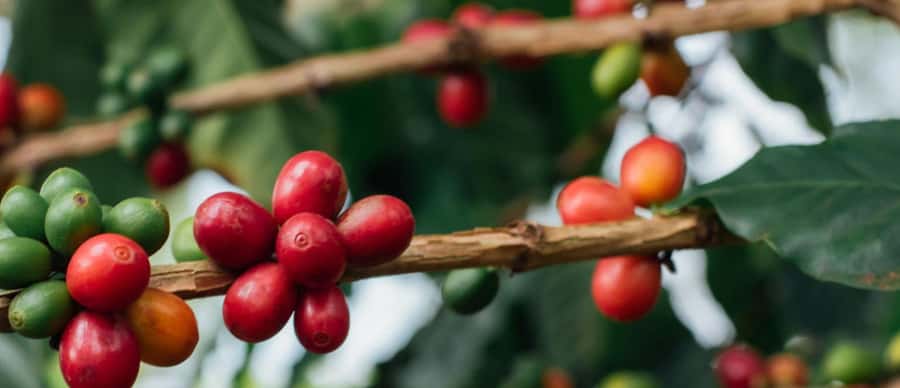
The experience begins with a short guided tour of a smallholder coffee farm. You will learn about the cultivation of arabica coffee, Tanzania’s major export coffee crop.
This farm section matters more than it sounds. When you only taste coffee, it can feel like flavor is some magic trick. Here, you connect flavor to decisions made earlier in the chain, like how coffee is grown and handled before it ever reaches the roasting step.
You will also see that the coffee world is not just big plantations. Smallholder farms are family-run, and at least one booking highlighted a family setup with multiple generations living on the farm. Even if your specific farm details differ, the message stays the same: this is a local livelihood, not a theme park.
Practical tip: wear comfortable shoes for walking on farm paths. You do not need hiking gear, but you do want grip and support.

The Garden Workshop: Husking, Roasting in Clay, and Grinding by Hand
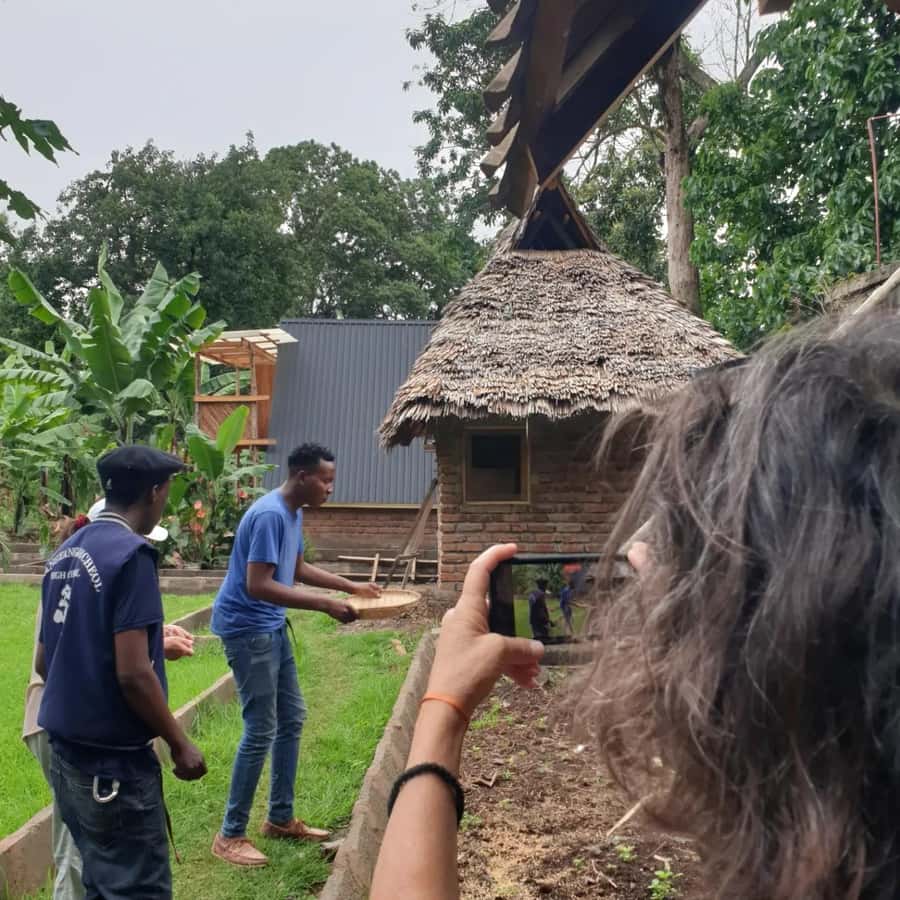
After the farm visit, you head to a private garden for the step-by-step workshop. This is where the tour becomes genuinely hands-on.
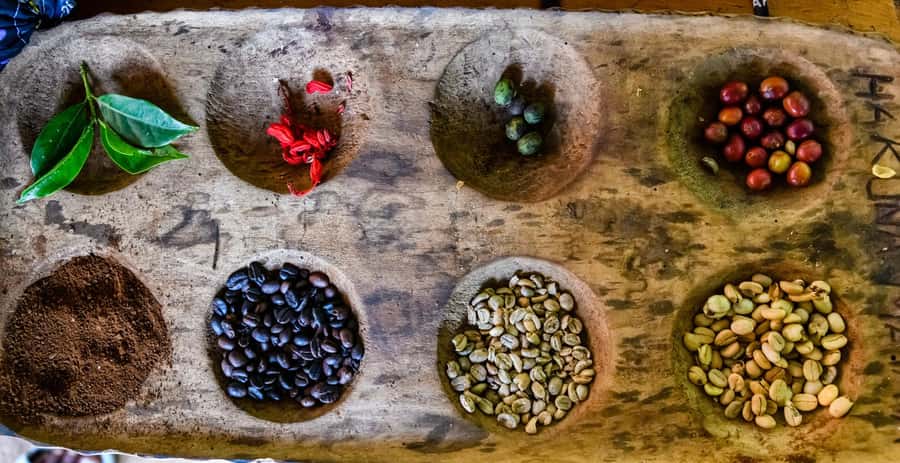
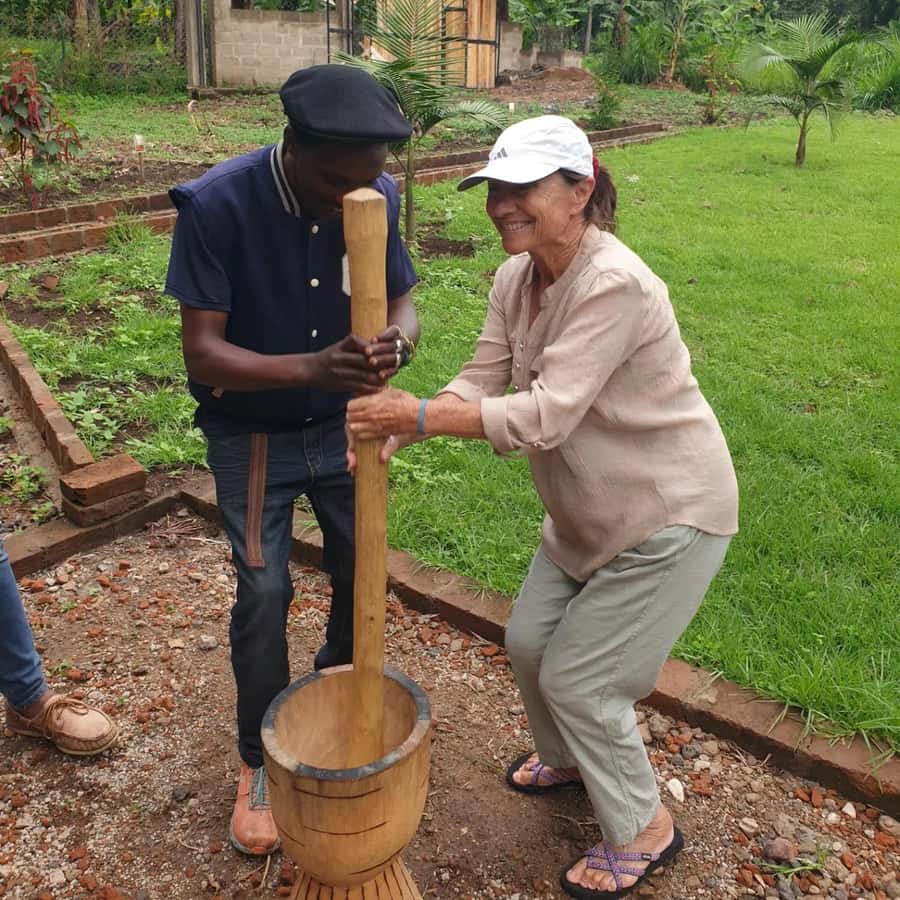
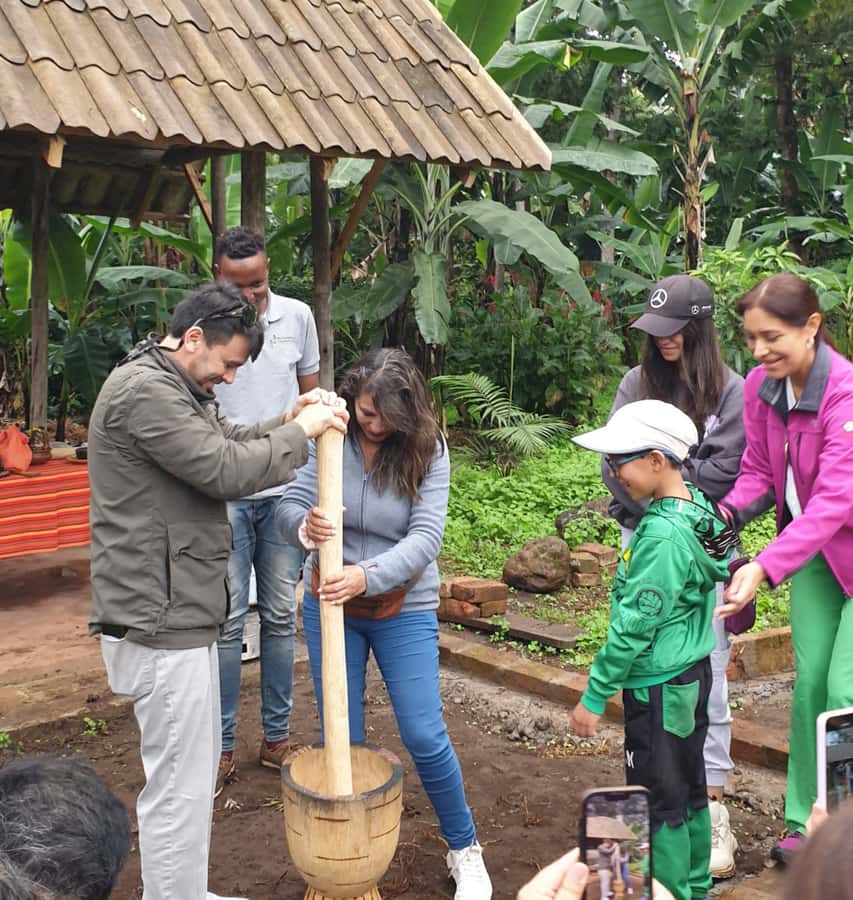
You start by husking the dried beans. The method is manual: you pound the dried beans in a large wooden mortar and pestle to remove the outer husk. It is simple, but it is also physical. If you have wrist stiffness, take it slow at first. You will get the hang of it.
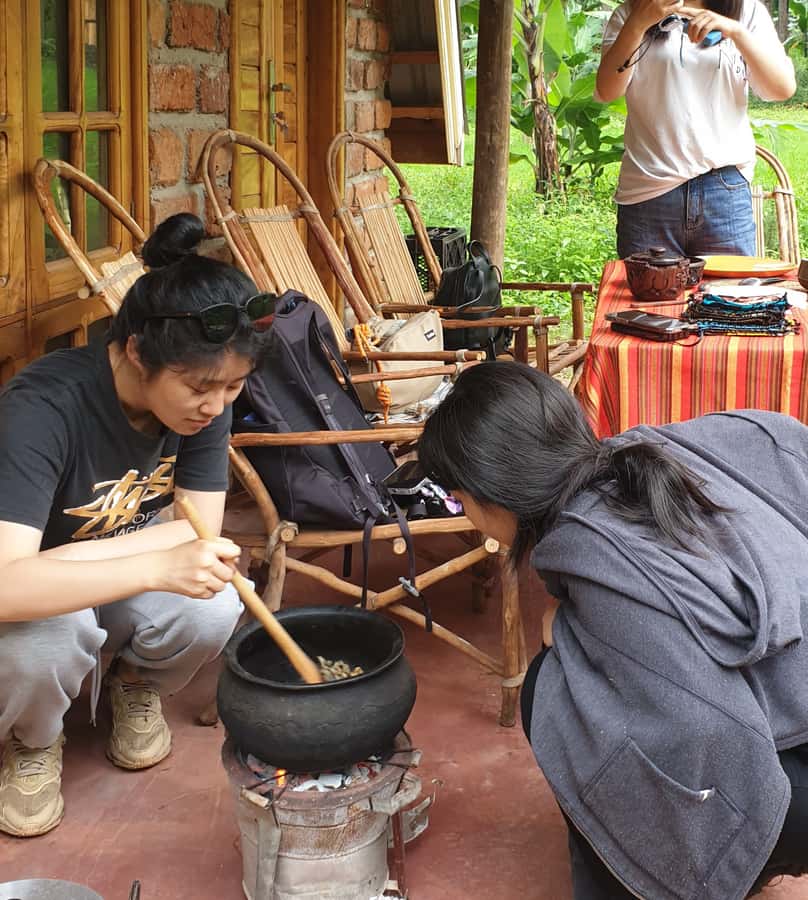
Then comes roasting, and this is one of the most distinctive parts. The beans are roasted in a clay pot over a charcoal fire. That detail changes the whole feel of the flavor and the atmosphere. You are not roasting in a modern drum roaster behind glass. You are roasting with fire, heat, and a more rustic setup.
After roasting, you pound the roasted beans into a fine powder. Again, manual work. The guide will show you what a good grind looks like for brewing, and you will learn how the texture you create affects the final cup.
Why I think this section is so worth it: it makes coffee real. You stop thinking of coffee as something that shows up in a cafe mug. You understand it as an edible transformation, from dried bean to aromatic roasted grounds to liquid brew.
Brewing Your Own Cup: What to Watch While You Pour and Taste
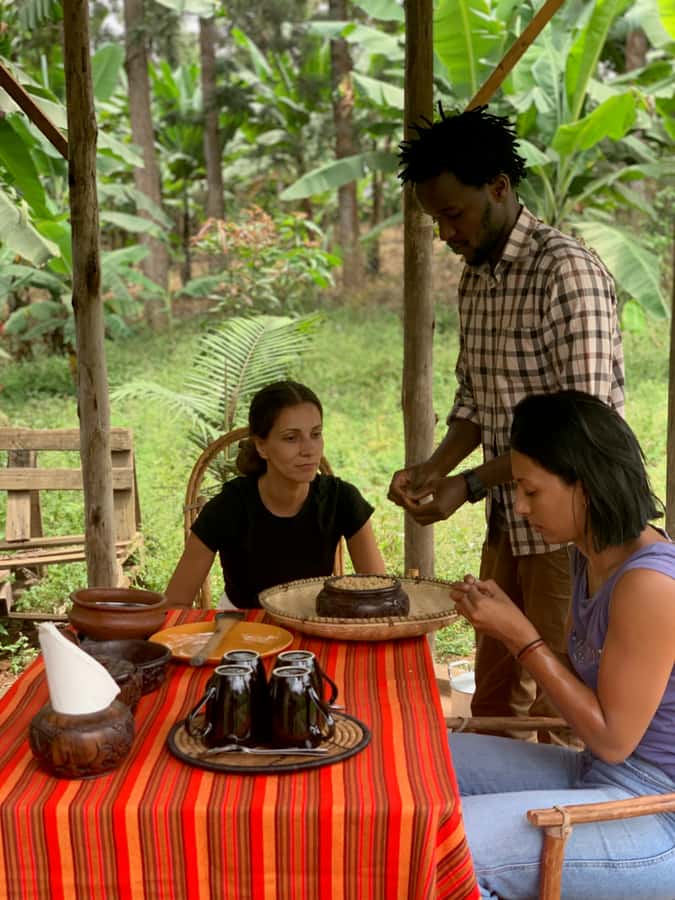
Once the grinding is done, you brew and enjoy your cup. The tour is designed as a bean-to-cup experience, so you are not just a spectator. You will follow instructions to make the drink from the ground coffee you worked on.
Pay attention to two things while you brew.
First, note the aroma as the water hits the grounds. With a traditional process, the scent can be stronger and more direct than what you get from packaged coffee you never saw processed. It is an immediate feedback loop for what you did with roasting and grinding.
Second, notice how the taste matches the process you followed. The tour is centered on organic single-origin coffee, which tends to highlight clearer characteristics from one growing area. Since the roasting is done over charcoal in a clay pot, the cup can carry that more rustic, traditional flavor profile.
One more practical point: listen to the guide’s timing and steps. Traditional brewing can be forgiving, but it is not instant. If you rush, your cup might taste a little harsher. If you follow the sequence, you get more balanced results.
Coffee Quality: Organic Single-Origin and What You Might Learn from the Cup
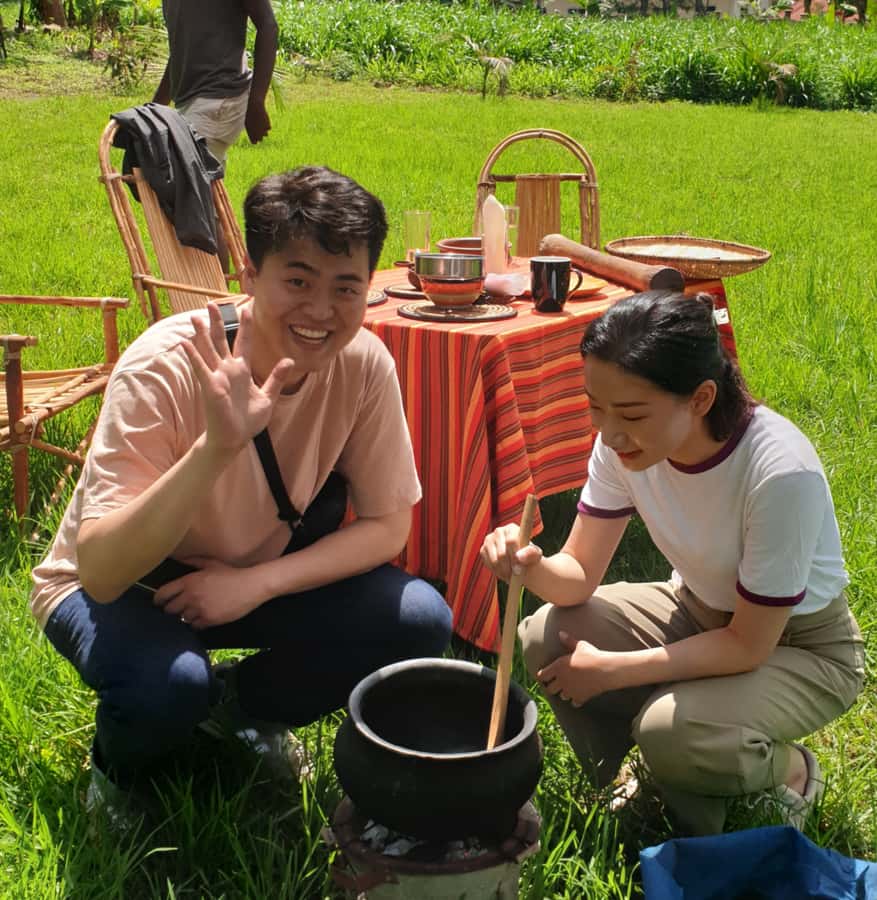
You are tasting organic single-origin coffee as part of the tour. Single-origin matters because it reduces variables. Instead of blending multiple origins, you focus on what one source tastes like.
That is great for you if you want to understand coffee in a grounded way. You can link what you learn about arabica cultivation to a final cup that reflects that origin. It is also a nice change from typical tastings where you sample several coffees but never see the full workflow.
If you are the type who likes to compare flavors, this tour gives you a base. After making your own cup, you will likely pick up the differences you notice between your process and what you get at home or in cafes.
And yes, there may be a small extra treat. One highlighted detail was coconut rolls being amazing. The core included items are drinks plus the farm visit and guide fee, so plan for at least some refreshments during your 3 hour session.
Price and Value for a 3 Hour Hands-On Coffee Tour
The price is $30 per person for a 3 hour tour. For many activities in East Africa, price is only half the story. What matters is what you actually do for those dollars.
Here, you are paying for three things:
- A guided smallholder farm visit focused on arabica cultivation
- A step-by-step workshop that takes you through husking, roasting, grinding, and brewing
- Drinks included, plus your guide time and instruction
That is strong value compared with a quick tasting where you might only sample and leave. You are also not relying on industrial equipment that hides the process. The experience is built around manual steps, and you get to repeat those actions, which is where most of the learning comes from.
Is it cheap? Not in the sense of a street snack. But it is not overpriced for the level of instruction and the time in the coffee-making workflow. If you like practical experiences and you want to learn by doing, $30 for this kind of content can feel fair.
Who This Coffee Workshop Is Best For (and Who Should Skip)
This experience is a good match if you want authentic, hands-on travel moments. It fits especially well for:
- Food lovers who enjoy knowing where ingredients come from
- Coffee beginners who want the basics of bean-to-cup in plain language
- Travelers who like meeting local farmers and seeing real small-scale production
You might choose something else if you hate manual chores or you want a purely relaxed sit-down tasting. The pounding and roasting are part of the learning, and you should treat it like a mini workshop, not just a tasting.
Also, if you are traveling with kids, it could work, but supervision and energy levels matter. This is not described as a quiet educational talk. It is active.
Practical Tips So You Get the Best Cup
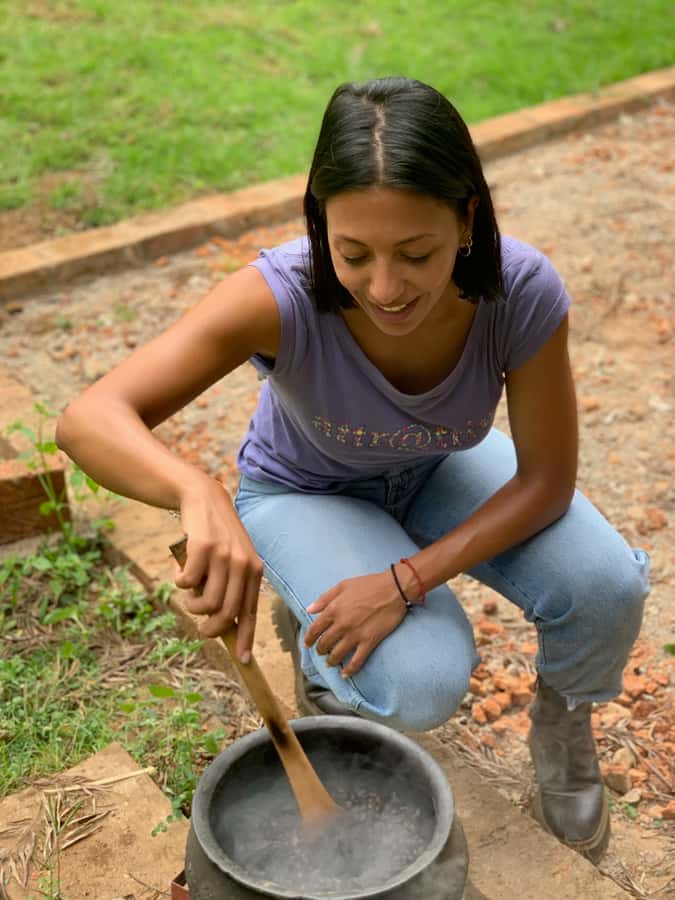
If you want to leave with the best possible experience, do these small things.
Wear comfortable clothes you do not mind getting slightly rustic. Charcoal and clay roasting are not clothing-friendly. Closed-toe shoes help, and bringing a light layer can be smart if you are out and about in morning or late afternoon air.
Bring a curious mindset. The tour is traditional, and that is the point. If you treat it like a hands-on science lab, you will enjoy it more.
Finally, focus on the steps you control. You will pound, grind, and brew. If you take your time with those parts, you will taste the difference and understand the logic behind each stage.
Should You Book This Arusha Coffee Preparation Tour?
I think you should book if you want a real bean-to-cup coffee lesson in Arusha, with farm context and active steps instead of passive sipping. The best reasons are the hands-on workflow, the organic single-origin focus, and the chance to roast with charcoal in a clay pot and brew what you made.
If you are short on time and only want a quick taste, you might not love the manual pace. But if you are okay with a little effort and you like learning by doing, this tour is exactly the kind of experience that makes a destination feel personal.
FAQ
How long is the Arusha Traditional Coffee Preparation tour?
The tour duration is 3 hours.
Where do I meet the guide?
Meet at Naturalland expeditions. Your guide will be waiting at the main road wearing a company t-shirt in gray or chocolate color.
What is included in the tour price?
The tour includes drinks, a coffee farm visit, and the guide fee.
Will there be a live guide, and what language do they speak?
Yes. The tour has a live tour guide who speaks English.
Is there free cancellation?
Yes. You can cancel up to 24 hours in advance for a full refund.
Is there a reserve now and pay later option?
Yes. You can reserve your spot and pay nothing today.
Waterfalls and Coffee, Keep Going
- Materuni Waterfalls, coffee tour & Kikuletwa Hot Springs
★ 5.0 · 643 reviews - Materuni Waterfalls & Chemka Hotsprings Day Trip
★ 5.0 · 214 reviews - Materuni waterfalls coffee tour & Chemka hot springs Day trip
★ 5.0 · 131 reviews - Maasai village visit, Materuni waterfalls & coffee experience
★ 4.5 · 95 reviews - Materuni Waterfalls & Coffee Tour from Moshi
★ 5.0 · 92 reviews
Just added from around Arusha





Waterfalls and Coffee Farm Tours, compared.
 ★ 5.0Materuni Waterfalls, coffee tour & Kikuletwa Hot SpringsFrom $100643 reviews
 ★ 5.0Materuni Waterfalls & Chemka Hotsprings Day TripFrom $100214 reviews
 ★ 5.0Materuni waterfalls coffee tour & Chemka hot springs Day tripFrom $95131 reviews
 ★ 5.0Materuni Waterfall, Coffee Tour and Picnic Hot LunchFrom $70128 reviews
 ★ 4.5Maasai village visit, Materuni waterfalls & coffee experienceFrom $15495 reviews
 ★ 5.0Materuni Waterfalls & Coffee Tour from MoshiFrom $6092 reviews
 ★ 4.8Arusha or Moshi : Hot Spring, Waterfall & Coffee Farm TourFrom $5380 reviews
 ★ 4.8Arusha: Materuni Waterfalls, Coffee, and Hotsprings TourFrom $10078 reviews
Browse the lists this tour appears in