
REVIEW · SERENGETI NATIONAL PARK SAFARIS
8 Days Safari (Lake Manyara /Tarangire/Serengeti/Ngorongoro)
You get a classic Northern Tanzania route with real wildlife variety, plus pop-up roof 4×4 game drives and bucket-list landscapes like Serengeti and Ngorongoro. I like how the days are built for sightings, not just driving, and how the team keeps things moving with an English-speaking guide, unlimited drinking water, and meals planned from start to finish. One drawback to keep in mind is the pace: early starts, long park days, and occasional bumpy roads come with the territory.
You’ll sleep in a mix of Arusha town accommodation and safari camps inside the parks, including Seronera campsite in Serengeti and Simba campsite near Ngorongoro. Then you’ll end with Lake Manyara, where the park’s reputation for tree-climbing lions and flamingos is hard to ignore.
In This Review
- What makes this safari loop feel worth it
- Key highlights you should care about
- Day-by-day: how each park earns its place
- Day 1: Arusha National Park for monkey chaos and crater vibes
- Day 2: Tarangire National Park for elephants, baobabs, and the river feel
- Days 3 to 5: Serengeti for migration odds and Mara River drama
- Day 6: sunrise in Serengeti, then the move toward Ngorongoro
- Day 7: Ngorongoro crater floor, big-five odds, and a village walk
- Day 8: Lake Manyara for tree-climbing lions, flamingos, hot springs, and Maasai life
- The practical stuff that makes or breaks your trip
- The jeep and guide team are not small details
- Camping and lodge nights, what to expect
- Meals and timing
- Migration odds, and how to think about success
- Value for money: what the package covers
- Who this safari fits best
- Should you book this 8-day Northern Circuit safari?
- FAQ
- What parks are included on this 8-day safari?
- How long is the safari?
- What time does the safari start and how do transfers work?
- What is included in the safari package?
- Do I need to arrange a Tanzanian visa myself?
- What about accommodation during the safari?
- Is this tour private or shared?
- Is there a mobile ticket?
- Can I get a refund if plans change?
- Are tips included for the guide and cook?
What makes this safari loop feel worth it
This trip is designed around the Tanzania Northern Circuit hits: Tarangire for elephants and baobabs, Serengeti for migration drama and Mara River crossings, Ngorongoro crater for the high-density wildlife experience, and Lake Manyara for the unusual stuff, like hot springs and tree-climbing lions. It also adds two cultural stops that most people appreciate more than they expect: Mto wa Mbu village and a Maasai boma.
On the human side, the company has strong signals in past bookings, including friendly communication from Gift and smooth airport pickups like Edson’s. People also specifically praised guides such as Nuru, Jacob, Mohamed, Douglas, and Iddy, plus chefs like Dula and Eric. That matters, because a safari guide is the difference between seeing animals and understanding what you’re looking at.
More of the Serengeti, drive by drive
- Balloon Safari & Bush Breakfast in Serengeti – Miracle Experience★ 5.0 · 1,646 reviews
- 3 Days Serengeti & Ngorongoro Group Camping Safari★ 5.0 · 574 reviews
- 5-Day Highlights mid-Range Crater, Serengeti, Tarangire★ 5.0 · 296 reviews
- 3-Day Classic Serengeti Safari★ 5.0 · 263 reviews
Key highlights you should care about
- Pop-up roof 4×4 jeep for better views during game drives
- Serengeti timing aimed at Mara River movement, especially July to October
- Ngorongoro crater floor drives with strong odds for big cats and even black rhino in-crater
- Tree-climbing lions at Lake Manyara plus flamingos and a hot spring stop
- Mto wa Mbu village walk with banana plantations and local food tasting
- Maasai boma visit to see daily life and culture beyond the savanna
Day-by-day: how each park earns its place
This is an 8-day loop that strings together Tanzania’s signature habitats. The goal is simple: maximize your chance of seeing predators, migration behavior, and dense crater wildlife, without wasting time on backtracking.
Day 1: Arusha National Park for monkey chaos and crater vibes
Your safari starts with Arusha National Park, leaving from Arusha in the morning. The drive is short enough that you can still feel fresh, and the park itself is a strong warm-up. You’ll roll into montane forest with blue monkeys and colorful birds like turacos and trogons.
What I like here is the mix of “pretty” and “wildlife practical.” The park’s forest is the kind of place where you can often spot animals near the roadside, not just in the far distance. You also get Ngurdoto Crater included in the plan, with steep rocky cliffs enclosing a marshy floor where buffalo and warthog can appear. It’s a helpful contrast to the open savanna days that come later.
Possible drawback: Arusha National Park is great, but it’s also the day that can set the bar too high for the rest of the safari. If you’re prone to disappointment, try to think of this as your warm-up act.
Other ways down into the Ngorongoro Crater
Day 2: Tarangire National Park for elephants, baobabs, and the river feel
Day two goes to Tarangire, about 115 km from Arusha, with a drive that takes a few hours. Once you’re in, you’ll do a full game drive and then head to Jambo lodge for dinner and overnight.
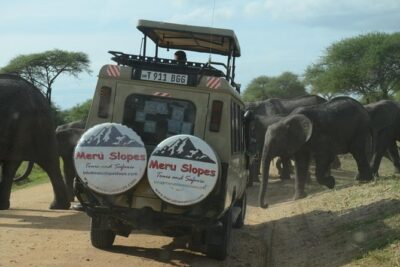
Tarangire is a favorite because it mixes big animals with iconic scenery. Expect elephants as a major highlight, plus baobab trees that make the landscape look instantly “Tanzania.” You can also see python and climbing-tree activity in the mix, and the park’s Tarangire River is central to why animals gather there.
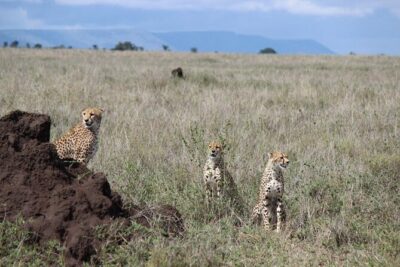
I also like that Tarangire gives you variety beyond the big mammals. Lions and leopards are possible too, but the real win is that Tarangire’s environment feels different from what you’ll see in Serengeti.
What to watch for: if you get your first real close elephant encounters here, you’ll understand what Serengeti will feel like at peak animal density later.
Days 3 to 5: Serengeti for migration odds and Mara River drama
These are your core days. You’ll reach Serengeti around mid-afternoon on day three, then go out again in the evening for game drive and sunset. You’ll sleep at Seronera campsite inside Serengeti.
On day four and day five, you’ll shift across areas depending on the migration movement and what your driver is seeing. The plan specifically points to flash-point areas around the Mara River and places like Ndutu Plains, plus the idea of Kogatende crossings showing up starting in July.
Here’s the practical truth about the Great Migration: it’s not a theme park schedule. It’s animal movement, and you’re going to chase where it currently is. That’s why having experienced, flexible guiding matters so much.
Day 3: Serengeti arrival and central sightings at sunset
You’ll start with en-route views, including Rift Valley scenery and a look at Ngorongoro from afar. Then you’ll get your first Serengeti evening drive in central Serengeti, which is excellent for wildlife activity when the day cools down.
This is also a nice pacing trick: arriving around 3 pm means you do not waste the day entirely on transit. You still get meaningful light for sightings.
Day 4: Mara River and northern Serengeti focus for July to October chances
Day four aims at the northern Serengeti side where the migration behavior around the Mara River becomes the centerpiece. The plan notes that river crossings at Kogatende start in July and that between July and October game viewing can be very strong, with crossings likely to happen frequently.
Even if you do not see a crossing every time, what you want to notice is the lead-up behavior: herds bunching near riverbanks, predators tracking the same routes, and the overall rhythm of movement.
Day 5: full-day pursuit of migration where the herd is working
Day five stays in Serengeti with a full day drive. The plan calls out timing logic: best chance for seeing migration varies year to year, with June through September often offering great odds for river crossings. It also mentions calving months (January to March) as another seasonal draw.
If you’re going in July through September, the itinerary’s intent is to position you toward northern Serengeti for Mara River events. Again, you cannot guarantee specific animals at specific minutes, but the strategy is solid.
My advice: ask your guide, early in the drive, where they think the herd is currently “working.” A good driver will be able to explain why they’re headed that way, not just where.
Day 6: sunrise in Serengeti, then the move toward Ngorongoro
Day six is built around an early start. You’ll wake up about 5:45 for sunrise viewing in Serengeti, then go out on an early game drive until around 11:30. You’ll come back for a hot lunch, pack, and then continue with a game drive while heading toward Ngorongoro.
You’ll sleep at Simba campsite for dinner and overnight. This is a long day, but it’s the kind that makes sense: you’re not trading sightings for travel. You’re stacking the best wildlife hours before moving on.
What you’ll feel: the light changes fast in this region, so sunrise drives are often the best time for action and good visibility.
Day 7: Ngorongoro crater floor, big-five odds, and a village walk
Ngorongoro crater is one of those places where the structure of the terrain does a lot of work for you. On day seven, you descend early, about 5:30, and spend hours driving the crater floor.
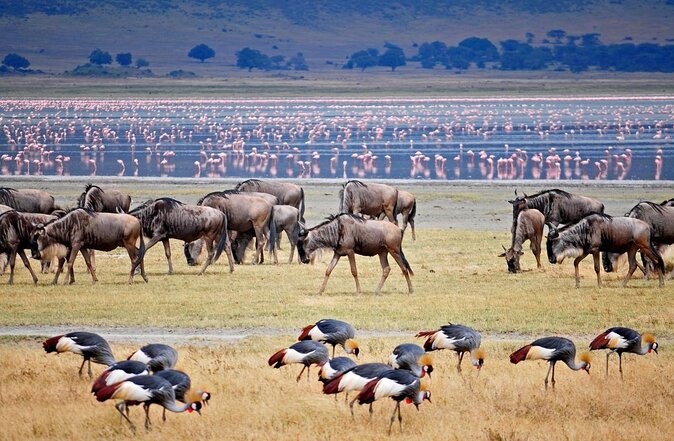
The plan says you can see all big five on the crater floor and that black rhino is available inside the crater. You’ll also see birds, and there’s a high concentration of flamingos mentioned as part of what you’ll witness while you’re there.
You’ll have lunch inside the crater during your game drive. Then you’ll spend about 6 to 7 hours driving before ascending and returning for dinner and overnight at Jambo lodge.
This day also includes a walking tour in Mto wa Mbu village. You’ll get a real-life look at how people live, see banana plantations, and taste local food. That mix, wildlife intensity plus human-scale experiences, is one reason this itinerary feels balanced rather than one-note.
Possible drawback: crater days are physically demanding, mostly because you’re descending and spending long hours in the vehicle. If you’re sensitive to motion or stairs, you’ll want to plan for that.
Day 8: Lake Manyara for tree-climbing lions, flamingos, hot springs, and Maasai life
Your final full day heads to Lake Manyara National Park. You’ll do a full game drive where tree-climbing lions are a headline feature, and flamingos show up in large numbers due to algae in the lake.
You’ll also visit a hot spring, and later you’ll go to a Maasai boma. The itinerary frames it as a chance to see how people live and learn about culture and traditions.
Then you’ll drive back to Arusha for dinner and overnight.
This last day is valuable because it gives you a different safari personality. Serengeti is migration and vast plains. Ngorongoro is dense crater wildlife. Lake Manyara is compact, visual, and full of odd surprises.
The practical stuff that makes or breaks your trip
The jeep and guide team are not small details
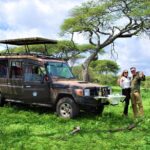
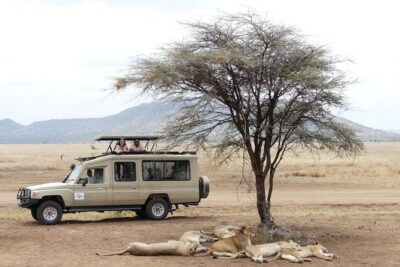
This safari uses an extended 4×4 luxury safari jeep with a pop-up roof for game viewing. That single design choice tends to make photos easier and spotting faster, especially when animals are at the edges of the road.
The tour also includes a professional safari guide who speaks English, plus unlimited drinking water. In the bush, that means you are not constantly improvising comfort. You can focus on animal behavior and direction from the driver.
From past traveler feedback, people have praised guides such as Nuru, Jacob, Mohamed, Douglas, and Iddy for making the experience feel well run and full of sightings. That matches what you want on a migration-focused route: a guide who can read the day.
Camping and lodge nights, what to expect
The itinerary includes Arusha town accommodation before and after the safari, plus nights inside parks. You’ll sleep at Seronera campsite in Serengeti and Simba campsite near Ngorongoro, while Tarangire and the crater area include lodge nights like Jambo lodge in the plan.
So this is not a fully hotel-based trip. You should expect the realities of camping or campsite logistics, even when conditions are comfortable.
Meals and timing
Meals are planned in the included package: breakfast for 8 mornings, lunch for 8 days, and dinner for 9 evenings. That helps a lot on a route like this, where stopping for food on your own would waste game drive hours.
You’ll also notice a structure to the day: early drive windows, lunch return points, then an afternoon drive or the crater descend.
Migration odds, and how to think about success
If you’re coming for the Great Migration, here is the mindset that serves you best.
The itinerary is clearly timed for July to October, pointing to Mara River movement and crossings starting in the July period around areas like Kogatende. It also references seasonal logic: June to September often brings strong chances for river activity, while calving is noted as January to March.
What you should take from that is not a promise of a crossing every day. It’s a positioning strategy. Your success comes from doing the route at the right time and trusting the guide when they reposition based on the herd.
My honest takeaway: the best safari feeling is not only watching one spectacular moment. It’s learning how the herd flows and why predators are where they are.
Value for money: what the package covers
The price shown here lists as $0.00 per person, so treat that as a placeholder and confirm your final quote. What you can evaluate right now is the inclusions list, and it’s extensive.
You get:
- all fees and taxes included
- transfers between the airport and Arusha
- two nights accommodation in Arusha town
- an extended 4×4 pop-up roof safari jeep
- a professional English-speaking safari guide
- unlimited drinking water
- breakfast, lunch, and dinner across the trip
What’s not included is also clear: Tanzania visa, personal expenses, and tips for the guide and cook.
So the value question becomes: are you comfortable paying for a package that bundles the big moving parts, from park fees to vehicles to meals? If yes, this style of tour tends to feel like a smooth, low-stress way to do Northern Tanzania.
Who this safari fits best
This trip fits best if you:
- want the Northern Tanzania “greatest hits” in one run
- are serious about migration chances during the July to October window
- like full days in the field with minimal downtime
- are okay with a mix of camping nights and lodge nights
It also seems like a family-friendly structure in practice. One past group included multiple families traveling together with teenagers in the 14 to 19 range, and people described the trip as well organized throughout.
Should you book this 8-day Northern Circuit safari?
I’d recommend it if your priority is variety plus a serious shot at migration events. You get a tight sequence of Tarangire, Serengeti, Ngorongoro, and Lake Manyara, and the itinerary explicitly targets the Mara River timing window around July through October.
But I would hesitate if you want a slow, luxury-only vacation with minimal early starts. The days are long. The schedule is built around wildlife hours, not comfort in bed.
If you like the idea of an organized team, strong guiding, and a route that hits elephants, crater wildlife, and the Mara River movement, this safari loop makes a lot of sense.
FAQ
What parks are included on this 8-day safari?
The route includes Arusha National Park, Tarangire National Park, Serengeti National Park, Ngorongoro Crater, and Lake Manyara National Park, plus cultural visits to Mto wa Mbu village and a Maasai boma.
How long is the safari?
It runs for 8 days (approximately).
What time does the safari start and how do transfers work?
The meeting start time is listed as 7:30 am. Transfers between the international airport and Arusha are included in both directions.
What is included in the safari package?
Included items are all fees and taxes, airport-to-Arusha transfers, two nights accommodation in Arusha town (night before and after the safari), an extended 4×4 safari jeep with pop-up roof, a professional English-speaking guide, unlimited drinking water, and breakfast, lunch, and dinner.
Do I need to arrange a Tanzanian visa myself?
Yes. Tanzania visa is not included.
What about accommodation during the safari?
You have two nights in Arusha town around the tour dates, and then you spend nights at safari lodges and camps as planned, including Serengeti campsite and Simba campsite near Ngorongoro.
Is this tour private or shared?
It is listed as private, meaning only your group participates.
Is there a mobile ticket?
The tour features include mobile ticket.
Can I get a refund if plans change?
Free cancellation is available if you cancel up to 24 hours in advance of the experience start time, for a full refund. If canceled less than 24 hours before, the amount paid is not refunded.
Are tips included for the guide and cook?
No. Tips and gratuities for the guide and cook are not included.
Tarangire and Its Baobabs
- 5-Day Highlights mid-Range Crater, Serengeti, Tarangire
★ 5.0 · 296 reviews - Private 6-Day Tarangire Manyara Crater and Serengeti with Mid-Range Lodges
★ 5.0 · 238 reviews - 5 Days Camping Tarangire, Serengeti & Ngorongoro crater & Visiting Maasai
★ 5.0 · 229 reviews - 4 Days Join Group tour Tarangire Serengeti and Ngorongoro crater
★ 5.0 · 219 reviews - 4-Day Safari from Arusha: Tarangire, Serengeti and Ngorongoro
★ 5.0 · 173 reviews
Still Thinking About the Crater?
- 3 Days Serengeti & Ngorongoro Group Camping Safari
★ 5.0 · 574 reviews - 5 Days Camping Tarangire, Serengeti & Ngorongoro crater & Visiting Maasai
★ 5.0 · 229 reviews - 4 Days Join Group tour Tarangire Serengeti and Ngorongoro crater
★ 5.0 · 219 reviews - 4-Day Safari from Arusha: Tarangire, Serengeti and Ngorongoro
★ 5.0 · 173 reviews - 2 Days Tarangire and Ngorongoro Group Camping Safari
★ 5.0 · 146 reviews
The Serengeti, Three More Ways
- Balloon Safari & Bush Breakfast in Serengeti – Miracle Experience
★ 5.0 · 1,646 reviews - 3 Days Serengeti & Ngorongoro Group Camping Safari
★ 5.0 · 574 reviews - 5-Day Highlights mid-Range Crater, Serengeti, Tarangire
★ 5.0 · 296 reviews - 3-Day Classic Serengeti Safari
★ 5.0 · 263 reviews - Private 6-Day Tarangire Manyara Crater and Serengeti with Mid-Range Lodges
★ 5.0 · 238 reviews
Just added from around Arusha
Serengeti National Park Safaris, compared.
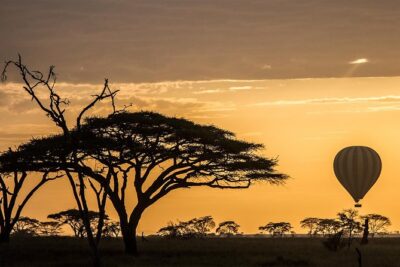 ★ 5.0Serengeti Balloon Safari and authentic bush breakfastFrom $5502,480 reviews
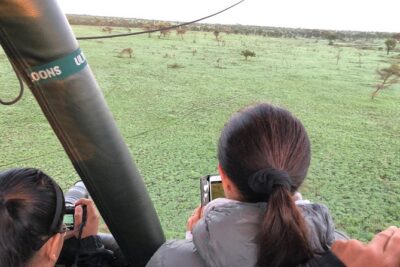 ★ 5.0Balloon Safari & Bush Breakfast in Serengeti – Miracle ExperienceFrom $5991,646 reviews
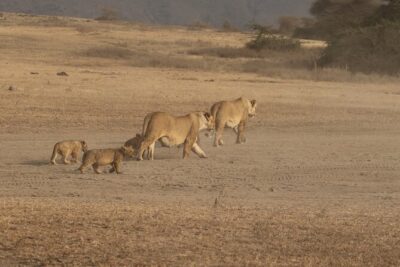 ★ 5.03 Days Serengeti & Ngorongoro Group Camping SafariFrom $815574 reviews
 ★ 5.05-Day Highlights mid-Range Crater, Serengeti, TarangireFrom $2,327296 reviews
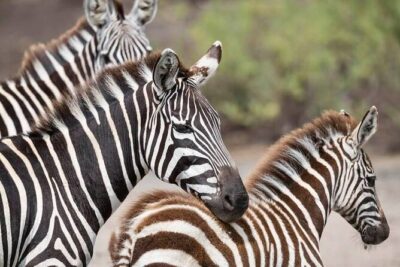 ★ 5.0Safari Serengeti And NgorongoroFrom $2,845288 reviews
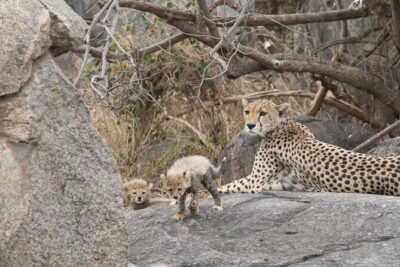 ★ 5.03-Day Classic Serengeti SafariFrom $1,455263 reviews
 ★ 5.0Private 6-Day Tarangire Manyara Crater and Serengeti with Mid-Range LodgesFrom $2,685238 reviews
 ★ 5.05 Days Camping Tarangire, Serengeti & Ngorongoro crater & Visiting MaasaiFrom $1,254229 reviews
Browse the lists this tour appears in