
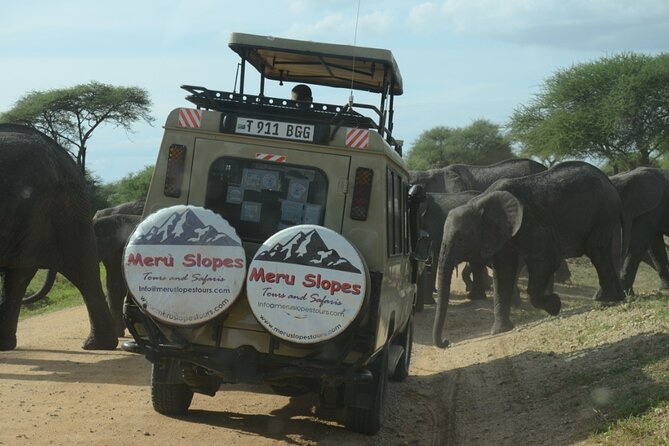
REVIEW · SERENGETI NATIONAL PARK SAFARIS
7-Day Group Camping Tarangire/Serengeti/Ngorongoro/lake Manyara
You feel the savanna wake up fast. This 7-day group camping safari links Tarangire elephants to Serengeti wildebeest migration drama, then drops you into Ngorongoro for a Big Five style day, finishing with Lake Manyara flamingos and hot springs. Add a pop-up roof 4×4 jeep for game viewing and all your meals handled, and the trip stays focused on one thing: seeing wildlife well.
One thing to weigh, though: the camping style is part of the package. If you need hotel-level comfort every night, the rhythm of early starts plus basic campsite living may feel like a trade-off.
In This Review
- Key Things That Make This Safari Worth Your Time
- October to December Migration Timing, and Why It Changes Everything
- Arusha to Tarangire: Elephants, Baobabs, and a Full First-Drive Day
- Serengeti Arrival: The Rift Valley Views and a Sunset Game Drive
- Northern Serengeti Focus: Mara River and Ndutu Plains Movement
- Sunrise to Ngorongoro: Packing Up Serengeti Before the Crater Day
- Ngorongoro Conservation Area: Big Five Crater Descent and Flamingo Time
- Lake Manyara Finale: Tree-Climbing Lions, Flamingos, Hot Springs, and a Maasai Boma
- Camping Style, Meals, and the Real Comfort Level You Should Expect
- Price and Value: Is $1,790 Fair for This Much Wildlife Time?
- Who Should Book This, and Who Might Want a Different Style
- Should You Book This Tarangire, Serengeti, Ngorongoro, and Lake Manyara Safari?
- FAQ
- How long is the safari?
- Where does the safari start, and is pickup included?
- What parks and areas are included in the itinerary?
- What is included in the price?
- What is not included?
- What kind of game drive schedule can I expect?
- Does this tour run during the wildebeest migration?
- What additional activities are included besides game drives?
- What happens if weather is bad?
- Can I cancel for a full refund?
Key Things That Make This Safari Worth Your Time
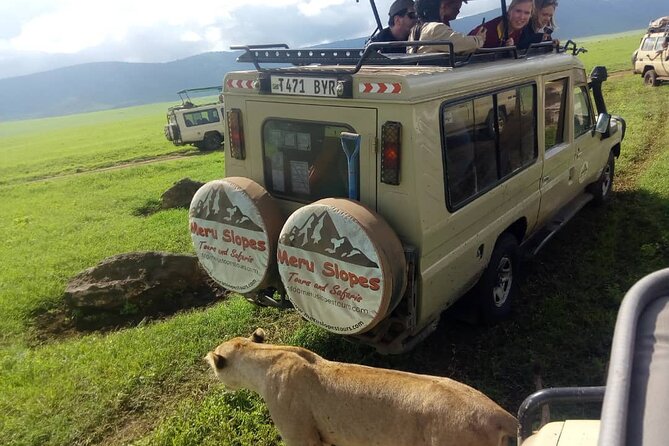
- Tarangire’s baobabs and elephants, plus the Tarangire River water source that gives the park its name
- Serengeti in the migration window, with time set for Mara River and Ndutu Plains style movement
- Ngorongoro crater Big Five potential, including black rhino listed as available in the crater
- Serious game-driving blocks, from sunrise sessions to longer crater-floor drives
- Small group feel and attentive guiding, often highlighted by the driver’s ability to hit the right moments
More of the Serengeti, drive by drive
- Balloon Safari & Bush Breakfast in Serengeti – Miracle Experience★ 5.0 · 1,646 reviews
- 3 Days Serengeti & Ngorongoro Group Camping Safari★ 5.0 · 574 reviews
- 5-Day Highlights mid-Range Crater, Serengeti, Tarangire★ 5.0 · 296 reviews
- 3-Day Classic Serengeti Safari★ 5.0 · 263 reviews
October to December Migration Timing, and Why It Changes Everything
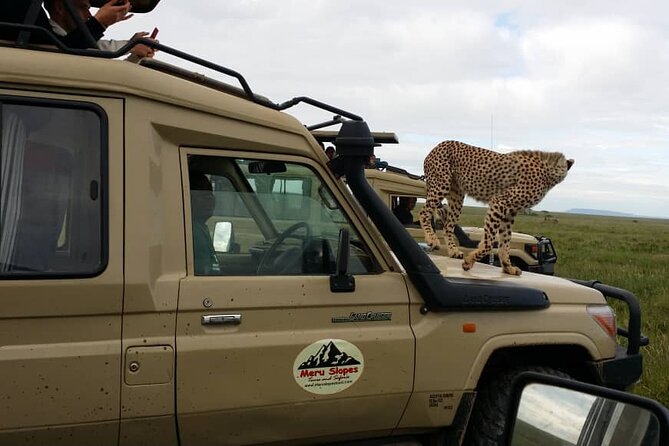
This safari runs during the great wildebeest migration period from October to December. That matters because migration is not just a theme, it is timing. When the herds shift, the predators follow, and the sightings feel like they are in motion all day.
You also get helpful context about where the action tends to cluster. The plan references river crossing patterns near Kogatende starting in July, and notes that July to October can be best for river-crossing drama. It also mentions that the best general odds for seeing the migration often line up June to September, while calving happens January to March. Translation for your planning: you are traveling during migration season, and you are still in the broader zone where huge movement and predator action are possible, even if exact crossing timing varies year to year.
Arusha to Tarangire: Elephants, Baobabs, and a Full First-Drive Day
Day 1 starts with an early pickup from Arusha, scheduled for 8:00, and then a roughly 3-hour drive to Tarangire National Park. You also get the sense of scale right away. Tarangire sits about 115 km from Arusha, with an area around 2,800 km², so you are not just doing a quick loop, you are settling in.
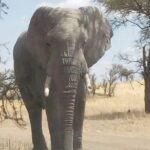
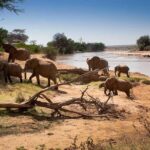
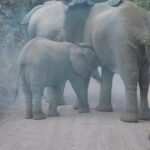
Tarangire is especially strong for elephants. The park is known for large numbers of elephants, and you will also be looking for the kind of quirky sights that make safari photos more interesting than just “animal, animal, animal.” Think baobab trees, pythons, and the drama of animals using the limited water sources. In fact, the park’s name ties back to the Tarangire River, the water point wildlife come to.
In your first full game drive day, you will also have chances at big cats like lions and leopards, plus plenty of other animals. The practical value here is that Tarangire often gives you a fast safari “yes, this is real” moment before Serengeti’s massive stage takes over.
One possible consideration: Day 1 is long, and it is drive-heavy. You are going from Arusha to Tarangire, then doing a full day of game viewing, and then heading to lodge time for dinner and sleep. If you land late or arrive stressed, try to travel light and keep your first evening easy.
Serengeti Arrival: The Rift Valley Views and a Sunset Game Drive
On Day 2, you leave camp energy behind and switch into Serengeti mode. After breakfast, you pack your luggage into the safari jeep and do an en-route game drive, with lunch inside the jeep. The itinerary also notes views like the Rift Valley, plus sightlines that include the Ngorongoro crater area from the road before you reach Serengeti around 3:00 pm.
That early afternoon arrival matters. It lets you ease into Serengeti with time for an evening game drive in central Serengeti, built around sunset. Watching animals at golden hour is not just pretty. In many areas, activity levels change in the late day, and predators often use the light shifts.
Your overnight on Day 2 is at Seronera campsite inside Serengeti with dinner and sleep. This is one of those details that sounds minor until you realize what it does for your schedule. Staying inside the park reduces drive time and keeps your game drives more efficient.
Other ways down into the Ngorongoro Crater
Northern Serengeti Focus: Mara River and Ndutu Plains Movement
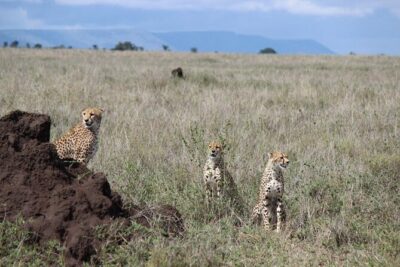
Days 3 and 4 are where the itinerary really tries to match the migration’s scale. Both days start early with breakfast, then you head into game drive time with a focus on northern Serengeti. The plan specifically calls out mass movement of wildebeest, with recommended flash-points around the Mara River and Ndutu Plains.
You are not just chasing animals randomly. The route is designed around how migration behaves: the herds tend to cross back and forth following the rains and fresh grass. The notes mention that river crossings at Kogatende can start in July, and that game viewing can be at its best between July and October, when crossings are more frequent.
Day 3 also emphasizes the “flash-point” approach. The driver is expected to use the right zones when drama is most likely. Day 4 keeps that going, with full-day game driving built around following the migration patterns during your specific dates.
If you like a safari where the guide actively positions you, this is the structure you want. People who have done this style of Serengeti timing often stress that the driver’s skill is not a minor detail. It is the whole difference between seeing wildlife, and seeing the moment right before something big happens.
Sunrise to Ngorongoro: Packing Up Serengeti Before the Crater Day
Day 5 shifts the pace. You wake at 5:45, eat breakfast, and go for an early morning game drive up to about 11:30 am. The plan includes the chance to see sunrise inside Serengeti, which is one of the easiest ways to feel like you are in the right place at the right time even before you start spotting big action.
Then comes the practical part: you head back for a hot lunch, pack, and continue with game driving while transferring toward Ngorongoro crater and Simba campsite for dinner and overnight. The route change is important. It prevents you from spending the day mostly on the road, and it keeps you in wildlife country until the last daylight.
One drawback to consider: by Day 5, you already have several early starts under your belt. If mornings are hard for you, plan to go to bed early on Day 4 and keep caffeine simple, because you have real sunrise time again.
Ngorongoro Conservation Area: Big Five Crater Descent and Flamingo Time
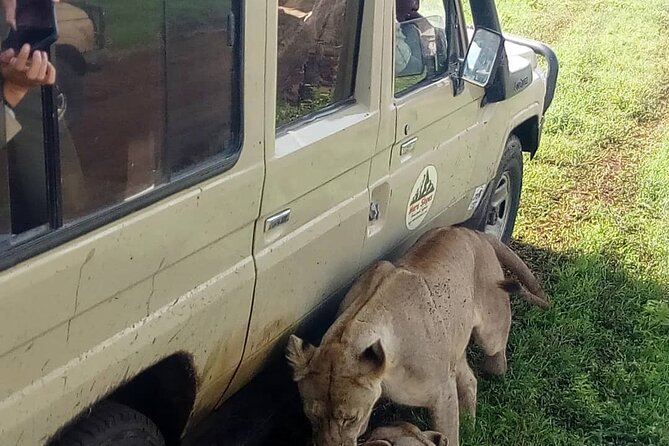
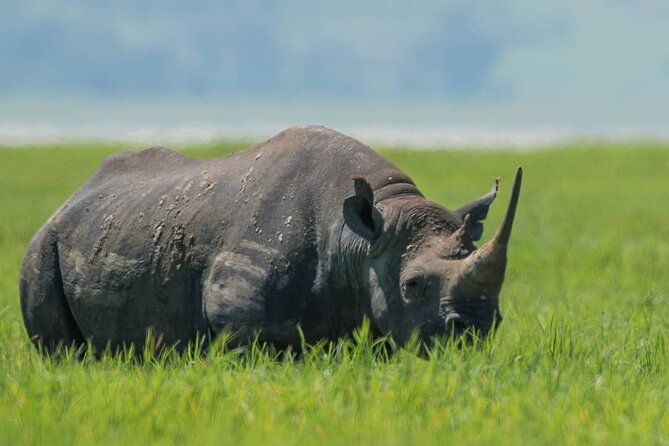
Day 6 is the “big day” in most people’s minds. You wake around 5:30, have breakfast, and then you descend into Ngorongoro crater floor for game viewing. The plan says you can see the Big Five, and it specifically mentions black rhino as available inside the crater. That is a strong promise on paper, and crater geography is one of the reasons this area is so effective for concentrated wildlife sightings.
Lunch is also inside the crater while you watch nature around you. Then you get 6 to 7 hours of game drive time on the crater floor. The itinerary also mentions high concentrations of flamingos, plus birds and other wildlife, which is a nice reminder that Ngorongoro is not only about one famous animal.
Afterward you ascend, pack, and start driving back for dinner and overnight at Jambo lodge. You also add a cultural stop, a walking tour in Mto wa Mbu village. The plan includes banana plantations and the chance to taste local food, with a look at how local people live.
This mix is one reason I like this itinerary. The crater morning delivers wildlife intensity, and then the village walk gives your brain a break from scanning. You come away with a sense of place, not just a checklist.
Lake Manyara Finale: Tree-Climbing Lions, Flamingos, Hot Springs, and a Maasai Boma
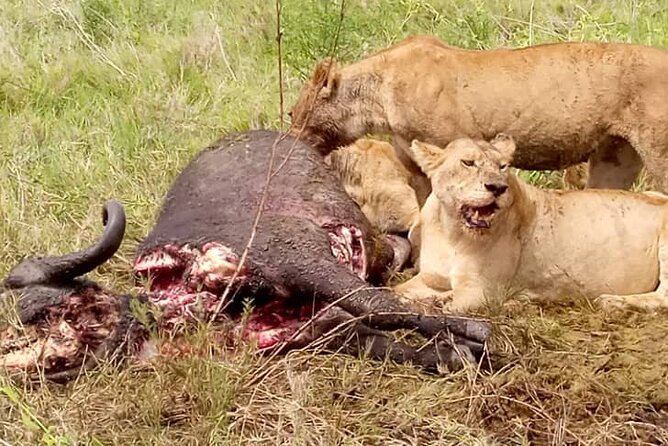
Day 7 closes with a full day at Lake Manyara National Park. After breakfast you head out for game drive time, with the itinerary calling out climbing tree lions and a lot of flamingos attracted by algae in the lake. This is one of those parks where the visuals are more varied than you might expect, and where birds can be as rewarding as mammals if you pay attention to the edges.
The plan also includes a hot spring visit. That is a rare add-on on a wildlife-focused schedule, and it is the kind of practical break that makes a long safari feel less like a nonstop grind.
Next you visit a Maasai boma to see how people live and learn culture and traditions. Then you drive back to Arusha for dinner and overnight.
Practical note: this is the day you are most likely to get mentally tired if you have been on sunrise drives for most mornings. The hot spring and the boma help with that, because you get to switch gears from animals to people and landscape features.
Camping Style, Meals, and the Real Comfort Level You Should Expect
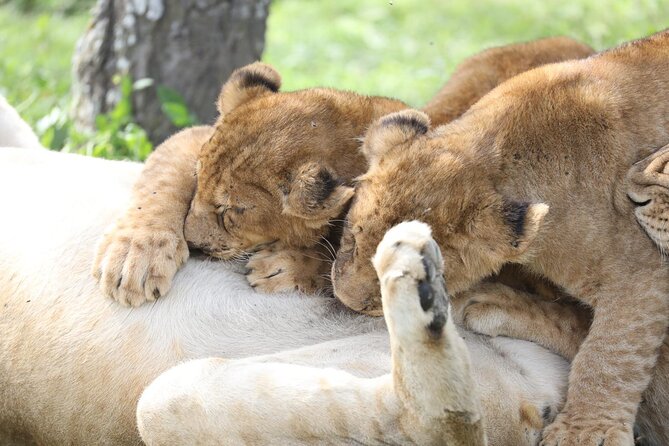
This safari is built around group camping quarters and includes all meals: breakfast (7), lunch (7), and dinner (7). That matters because meals on safari can either make your day or derail it. When your food plan is handled, you focus on game drives and rest without hunting down options.
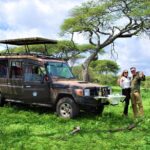
The jeep also gets attention. You ride in an extended 4×4 luxury safari jeep with pop-up roof for game viewing. That kind of setup helps because you can keep your posture ready for animal spotting without turning every stop into a back-and-forth shuffle.
From the experiences people shared about this operation, the food is not just about getting calories. A chef referred to as stomach engineer, including names like Salim and Gadi in different accounts, is praised for freshly made meals and even support with natural medicine when needed. I would take that as a sign that meal planning is taken seriously here.
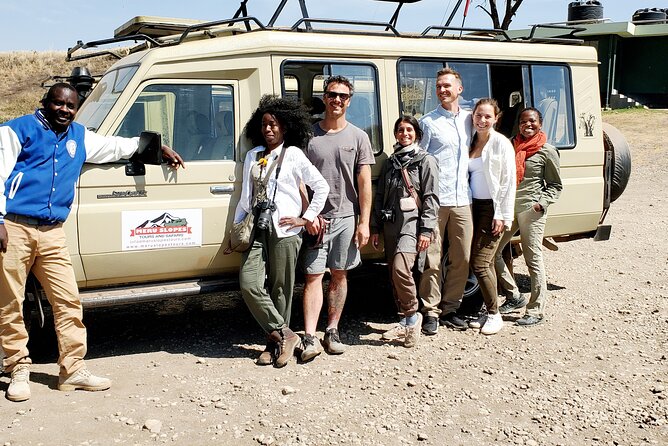
One more human detail: multiple guides get mentioned across different trips and accounts, including people like Jacob, Kelvin, Nuru, and Fredy, plus drivers such as Mohamed. The common thread is timing and attention, not just driving fast.
Price and Value: Is $1,790 Fair for This Much Wildlife Time?
At $1,790 per person, value comes down to what you avoid paying for separately. This itinerary lists all fees and taxes, transfers between the airport and Arusha, a safari jeep, and two nights in Arusha town (night before your tour and after your tour). You also get meals every day.
When you compare that to “pay-as-you-go” style safaris, this structure reduces decision fatigue. You do not have to negotiate park fees day by day or wonder if a lunch detour will cost extra. In safari country, that lack of friction is worth something.
Also, the schedule is packed with driving time inside major zones, not just quick photo stops. You get full-day game drives in Tarangire, multiple full days in Serengeti, a full crater day in Ngorongoro, and a full day in Lake Manyara.
The one cost you should expect to plan for is tips and gratuities for your guide and cook. Since that is not included, it can be the main surprise after you land, so budget for it early.
Who Should Book This, and Who Might Want a Different Style
This safari is a strong fit if:
- You want a first safari that hits the big highlights across multiple ecosystems
- You like the idea of camping nights paired with meals already handled
- You care about the migration timing and want real game-driving blocks in Serengeti
- You want the comfort of a pop-up roof 4×4 and a schedule designed for early starts
You might reconsider if:
- You need hotel-grade comfort every night
- You do not like waking up early for sunrise drives
- You want a completely “relaxed pace” with fewer long drive days
It is also well-suited for people who enjoy a small group feel. Some accounts mention sharing a safari with a couple of other travelers, which often improves the vibe without turning it into a huge tour bus situation.
Should You Book This Tarangire, Serengeti, Ngorongoro, and Lake Manyara Safari?
Yes, if you want a focused route that covers the Tanzanian wildlife highlights in seven days, and you are comfortable with camping and early wakeups. The value is clear: meals are included, park fees and taxes are included, and you get a pop-up roof 4×4 for serious game viewing.
Book it especially if you are chasing migration energy during October to December and you want Serengeti days planned around likely movement areas like the Mara River and Ndutu Plains. The Ngorongoro crater day is your best bet for concentrated Big Five-style sightings, and Lake Manyara adds variety with flamingos, hot springs, and tree-climbing lions.
If you want me to sum up the choice: this is a practical safari that spends time where it matters, and it keeps the logistics simple so you can watch wildlife instead of worrying about what happens next.
FAQ
How long is the safari?
The safari is listed as 7 days (approx.).
Where does the safari start, and is pickup included?
Pickup is offered from Arusha, and the itinerary starts with pickup around 8:00 on Day 1. Transfers between the International Airport and Arusha are included, and the listed start time is 7:30 am.
What parks and areas are included in the itinerary?
You visit Tarangire National Park, Serengeti National Park, Ngorongoro Conservation Area (Ngorongoro crater), Lake Manyara National Park, plus a walking tour in Mto wa Mbu village, and a Maasai boma visit.
What is included in the price?
All fees and taxes are included, along with transfers between the airport and Arusha. The safari includes an extended 4×4 luxury jeep with pop-up roof for game viewing, two nights’ accommodation in Arusha town (night before your tour and after your tour), and breakfast, lunch, and dinner for 7 days.
What is not included?
Tips and gratuities to your safari guide and cook are not included.
What kind of game drive schedule can I expect?
Expect full-day game drives on multiple days, with early wake-ups for sunrise and morning drives. The plan includes wake-up times such as 5:45 and 5:30 on later days, plus longer crater-floor game drive time in Ngorongoro.
Does this tour run during the wildebeest migration?
Yes. It is offered during the great wildebeest migration from October to December. The itinerary also notes that river crossings at Kogatende begin in July, and references July to October as a strong time for river-crossing odds.
What additional activities are included besides game drives?
In addition to game drives, there is a visit to a hot spring at Lake Manyara, a walking tour in Mto wa Mbu village, and a Maasai boma cultural visit.
What happens if weather is bad?
This experience requires good weather. If it is canceled due to poor weather, you will be offered a different date or a full refund.
Can I cancel for a full refund?
Yes. Free cancellation is offered, and you can cancel up to 24 hours in advance for a full refund. If you cancel less than 24 hours before the start time, the amount paid will not be refunded.
Tarangire and Its Baobabs
- 5-Day Highlights mid-Range Crater, Serengeti, Tarangire
★ 5.0 · 296 reviews - Private 6-Day Tarangire Manyara Crater and Serengeti with Mid-Range Lodges
★ 5.0 · 238 reviews - 5 Days Camping Tarangire, Serengeti & Ngorongoro crater & Visiting Maasai
★ 5.0 · 229 reviews - 4 Days Join Group tour Tarangire Serengeti and Ngorongoro crater
★ 5.0 · 219 reviews - 4-Day Safari from Arusha: Tarangire, Serengeti and Ngorongoro
★ 5.0 · 173 reviews
Still Thinking About the Crater?
- 3 Days Serengeti & Ngorongoro Group Camping Safari
★ 5.0 · 574 reviews - 5 Days Camping Tarangire, Serengeti & Ngorongoro crater & Visiting Maasai
★ 5.0 · 229 reviews - 4 Days Join Group tour Tarangire Serengeti and Ngorongoro crater
★ 5.0 · 219 reviews - 4-Day Safari from Arusha: Tarangire, Serengeti and Ngorongoro
★ 5.0 · 173 reviews - 2 Days Tarangire and Ngorongoro Group Camping Safari
★ 5.0 · 146 reviews
The Serengeti, Three More Ways
- Balloon Safari & Bush Breakfast in Serengeti – Miracle Experience
★ 5.0 · 1,646 reviews - 3 Days Serengeti & Ngorongoro Group Camping Safari
★ 5.0 · 574 reviews - 5-Day Highlights mid-Range Crater, Serengeti, Tarangire
★ 5.0 · 296 reviews - 3-Day Classic Serengeti Safari
★ 5.0 · 263 reviews - Private 6-Day Tarangire Manyara Crater and Serengeti with Mid-Range Lodges
★ 5.0 · 238 reviews
Just added from around Arusha
Serengeti National Park Safaris, compared.
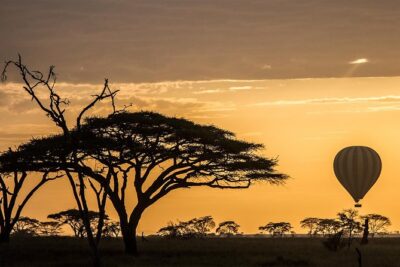 ★ 5.0Serengeti Balloon Safari and authentic bush breakfastFrom $5502,480 reviews
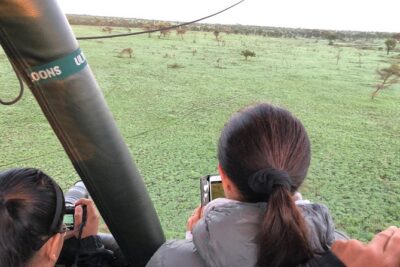 ★ 5.0Balloon Safari & Bush Breakfast in Serengeti – Miracle ExperienceFrom $5991,646 reviews
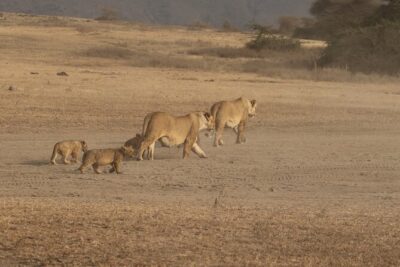 ★ 5.03 Days Serengeti & Ngorongoro Group Camping SafariFrom $815574 reviews
 ★ 5.05-Day Highlights mid-Range Crater, Serengeti, TarangireFrom $2,327296 reviews
 ★ 5.0Safari Serengeti And NgorongoroFrom $2,845288 reviews
 ★ 5.03-Day Classic Serengeti SafariFrom $1,455263 reviews
 ★ 5.0Private 6-Day Tarangire Manyara Crater and Serengeti with Mid-Range LodgesFrom $2,685238 reviews
 ★ 5.05 Days Camping Tarangire, Serengeti & Ngorongoro crater & Visiting MaasaiFrom $1,254229 reviews