
REVIEW · SERENGETI NATIONAL PARK SAFARIS
6 Days Tarangire, Serengeti, Ngorongoro & Manyara Joining Tour
Watching baobabs and rhinos in one trip is rare. This small-group safari loops Tanzania’s famous north parks with custom jeep game drives and crater views that feel almost unreal.
I especially like the pace, you get multiple Serengeti days instead of rushing through one quick drive. I also love the practical setup, camping gear like a sleeping bag and sleeping mattress is included, so you can focus on wildlife, not logistics.
One thing to consider is that animal sightings depend on where animals are that day, and even with early drives, big cats and black rhinos can be harder to spot than the easy-to-see herbivores.
In This Review
- Key things I’d plan around before you go
- North Circuit Safari, the Way It Should Feel
- Price and Value: What $1,600 Buys You
- The Daily Rhythm: Early Starts and Real Time in the Parks
- Tarangire National Park: Baobabs, Elephants, and Predator Scanning
- Serengeti: Three Days of Movement, Not One Quick Hit
- Ngorongoro Crater: The Black Rhino Challenge From the Floor
- Lake Manyara: Flamingoes, Hippos, Hot Springs, and Rare Tree-Climbing Lions
- Camping, Lodges, and the Comfort Tradeoffs That Matter
- Who This Safari Fits Best (And Who Should Rethink It)
- Should You Book This 6-Day Tarangire, Serengeti, Ngorongoro & Manyara Tour?
- FAQ
- What is the duration of this tour?
- What time does pickup start?
- Are hotel pickups included?
- Which parks are included?
- What group size should I expect?
- Is camping equipment included?
- What meals and drinks are included?
- Are park entrances included in the price?
- What is not included in the tour price?
- Is the Maasai village visit included, or optional?
- What is the cancellation policy?
Key things I’d plan around before you go
- Custom safari jeep with pop-up roof, built for seeing and photographing while you’re still seated low and stable on bumpy roads
- Maximum 7 people, so your guide can adjust the driving and the timing without feeling like a bus tour
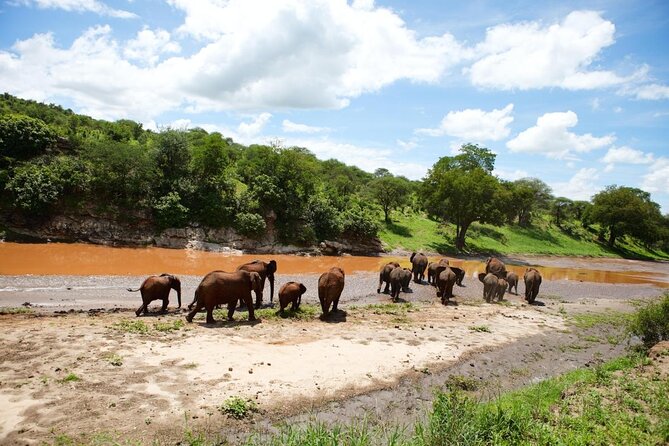
- Tarangire’s elephant concentrations, plus baobab landscapes and a high chance of predators when sightings are reported
- Three Serengeti game-drive days, including a day where you go farther across the park based on wildlife movement
- Ngorongoro crater rim to floor, where black rhino chances feel more realistic because so much is visible from the crater floor
- Lake Manyara mix of birds, flamingoes, hippo pool time, and hot springs, with tree-climbing lions listed but not guaranteed
More of the Serengeti, drive by drive
- Balloon Safari & Bush Breakfast in Serengeti – Miracle Experience★ 5.0 · 1,646 reviews
- 3 Days Serengeti & Ngorongoro Group Camping Safari★ 5.0 · 574 reviews
- 5-Day Highlights mid-Range Crater, Serengeti, Tarangire★ 5.0 · 296 reviews
- 3-Day Classic Serengeti Safari★ 5.0 · 263 reviews
North Circuit Safari, the Way It Should Feel
This 6-day route is built around Tanzania’s northern parks, and it makes a big difference that the trip is designed as a camping and lodge safari rather than a nonstop drive-through. You spend serious time on safari each day, then you actually stop, eat, and sleep in between park days.
I also like that it runs in a small group (up to 7), which usually means fewer voices in the jeep and more flexibility when your guide finds the animals. You’re not stuck chasing crowds, you’re chasing the sightings.
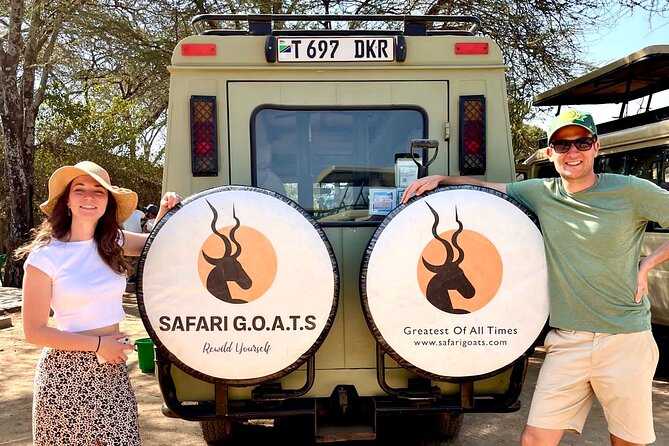
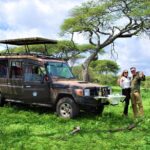
If you care about getting close to wildlife for photos and video, the jeep setup matters. This tour uses a custom safari jeep with a pop-up roof, which is the kind of detail that helps on uneven ground and during long scouting drives.
The vibe is practical, guided, and wildlife-first. That comes through in the reviews too, including a solo visitor who said everything felt well organized, and a photographer couple who highlighted how close they were to animals during their drives.
Price and Value: What $1,600 Buys You
At $1,600 per person for about 6 days, this isn’t a budget safari. It is, however, not just a “seat in a vehicle” price. The value is in what’s included and how many days you spend in the animal-heavy parks.
Here’s the value math in plain terms:
- Park entrances and taxes are included, which removes one of the common surprises on African safaris.
- Meals are covered for most of the trip: 6 breakfasts, 6 lunches, and 5 dinners.
- Water and soft drinks are provided, with bottled water of 3 liters or more per day.
- Camping equipment is included, including a sleeping bag and sleeping mattress, which saves you from buying or renting gear.
- You’re also not traveling in a massive convoy, max 7 people keeps the experience more manageable.
What’s not included is also clear: tips, flights, and visa. So you will want to budget for those, especially tips, because your guide and chef are part of the daily rhythm.
Also, average booking timing is about 74 days in advance. That tells me this tour is popular enough that you should plan ahead if you have firm dates in mind.
The Daily Rhythm: Early Starts and Real Time in the Parks
The tour starts with pickup from your hotel at 7:30 am, and that early start is not just tradition. Morning drives tend to give better lighting for photos and more active animal behavior, especially for the herbivores that keep predators on the move.
Each day is structured around:
1) hotel pickup or departure from where you camp overnight
2) a park drive and game viewing
3) lunch break and continued driving
4) dinner and overnight at camp or a lodge near the next area
One small detail I like is that the itinerary explicitly notes that animals can be spotted around campsites. That means you’re not always waiting for the next park gate. Sometimes the wildlife shows up where you’re resting.
And you should expect that the “best” viewing depends on the day’s animal reports. The tour plan is flexible in the way that matters most: your guide chooses where to drive based on sightings of predators like lions, cheetah, and leopard, while herbivores are generally easier to find in the right habitats.
Other ways down into the Ngorongoro Crater
Tarangire National Park: Baobabs, Elephants, and Predator Scanning
Day 1 is Tarangire, a roughly 2-hour drive from Arusha, followed by a game drive in a park known for ancient baobab trees and major elephant concentrations. If your idea of a great safari includes big herds and family groups moving through open areas, this park is built for you.
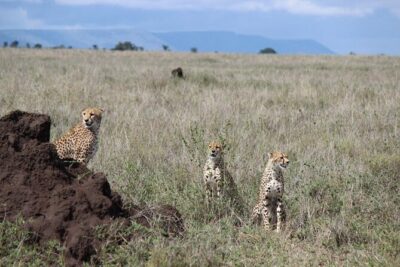
What Tarangire tends to do well is variety. You’ll see herbivores in numbers, including giraffes, wildebeest, and zebras, so you’re not starting the trip with empty hours. At the same time, the drive is designed to follow reported sightings of predators, even if predators can take patience.
Practical expectation: lions, cheetah, and leopard are mentioned because they can be harder to spot. That’s exactly why I like this park on day 1. You get time to settle in, learn how your guide looks for animals, and build confidence before the Serengeti days.
Also, Tarangire is the kind of place where photos of elephants beside baobabs turn into your “how is this real” moments. Even if the big cats are quiet that day, the park itself has strong visual payoff.
Serengeti: Three Days of Movement, Not One Quick Hit
Serengeti is the centerpiece, and you get three separate days in the park. That matters. One day in Serengeti can be great, but three days can also give you a broader chance of seeing different animal patterns as they shift.
On Day 2, you drive from the Mto wa Mbu area toward Serengeti. The transfer includes stops and takes about 6 hours, and it transits through Ngorongoro along the way. You do a brief stop at the crater gate and viewpoint for about 20 minutes, so you get a taste of what’s coming later.
Day 2 also includes a stop to visit the Ngorongoro area and an optional Maasai village visit. The cultural visit is described as optional, and it covers Maasai traditions and how they have changed over time. The description mentions hunting lions and drinking raw animal blood as traditions, noting that these are in the past with the exception of blood drinking being part of what you can learn. If that’s not your thing, you can skip it.
Day 3 is where Serengeti starts to feel like a real safari marathon day. The plan is to go to farther parts of the park depending on wildlife movement. You do an early game drive, then lunch, then continue driving into the evening, and you return to camp for dinner. There’s also that note that animals can be seen near campsites.
Day 4 continues the pattern, with an early drive, then more viewing until afternoon. After that, you exit Serengeti and drive about 2 hours to Simba campsite near the rim of Ngorongoro crater. That “exit day” setup is smart. It gives you time to see animals in the Serengeti before shifting gears to the crater experience.
Ngorongoro Crater: The Black Rhino Challenge From the Floor
Day 5 is all about Ngorongoro Conservation Area and the crater. After an early breakfast, you descend into the crater and focus on one of the hardest animals to spot in that setting: black rhino.
The logic makes sense for a first-time crater visitor. The crater is a floor crater, which means you’re not constantly scanning long distances across flat land. From the crater floor, animals can be easier to locate because the terrain concentrates the viewing.
You’ll spend time on a game drive after lunch, and then you ascend back out and pack. After the crater day, you travel to fig tree lodge and campsite near Lake Manyara National Park. The itinerary notes you should be prepared for swimming if interested, which suggests the lodge area may have water access. If you like that kind of option after dusty driving days, it’s a nice flexibility.
This is one of those days where your expectations should match reality. Black rhino are specifically described as the hardest to spot, so treat that as an adventure goal, not a guaranteed box check.
Lake Manyara: Flamingoes, Hippos, Hot Springs, and Rare Tree-Climbing Lions
Day 6 starts at Lake Manyara National Park. This park is famous for the lake views and for flamingoes that can be present in the water. You also have the chance to see tree-climbing lions, though the tour description is honest that they are rarely seen.
Game drive time is paired with specific add-ons that make this day feel more than just “spot animals from the jeep.” The plan includes:
- hippo pool viewing for a closer look at hippos
- hot spring time
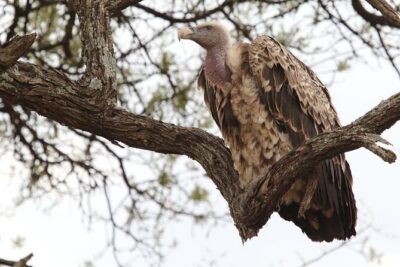
- continued game drive and animal viewing, with buffaloes, wildebeest, warthogs, vultures, eagles, and monkeys listed
The value here is the mix. You get birds on the lake, mammals near the hippo pool, plus the chance of something special with tree-climbing lions. Even if the lions are not visible, the hippos and birds give you a full safari day that doesn’t feel dependent on one single sighting.
Camping, Lodges, and the Comfort Tradeoffs That Matter
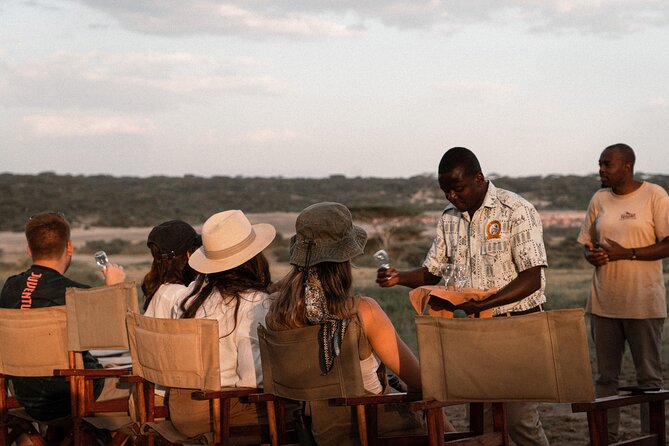
This tour mixes camping and lodge-style nights. You sleep in a custom safari setup with camping equipment provided, including a sleeping bag and sleeping mattress. That removes a major headache if you were thinking you’d need to buy gear in Tanzania.
The big comfort tradeoff is common to most camping safaris: you’re closer to the elements than in a hotel. That’s not a dealbreaker, but it’s part of the deal. If you like being outdoors and you want the experience to feel authentic and close to the landscape, camping is the right format.
The itinerary also has you sleeping in different places:
- nights on safari near Serengeti
- Simba campsite near the rim of Ngorongoro
- fig tree lodge and campsite near Lake Manyara
And because you’re in a small group with a dedicated chef, dinner is part of the rhythm, not something you scramble for. In the reviews, organization came up as a big plus, including a solo traveler who said the trip planning felt super organized, especially for photos and videos.
Who This Safari Fits Best (And Who Should Rethink It)
This tour is a strong match if you:
- love wildlife variety and want Tarangire plus Serengeti plus Ngorongoro plus Lake Manyara in one tight loop
- want multiple Serengeti days rather than a one-day drive
- feel comfortable with early starts and long days in a safari jeep
- care about photography and video opportunities, especially with the pop-up roof setup
You might rethink it if:
- you are extremely sensitive to long drives and early mornings
- you expect every day to guarantee predators and black rhino
- you want a fully luxury, no-outdoors feel experience, because it includes camping nights
This is a great “animals first” itinerary, and it gives you enough time in each park to actually see what the parks are known for.
Should You Book This 6-Day Tarangire, Serengeti, Ngorongoro & Manyara Tour?
If your priority is value for time, this one checks a lot of boxes. You get included entrances, most meals, bottled water, camping gear, and a small-group jeep safari that’s built for wildlife viewing and photos. The route also makes sense: Tarangire eases you in, Serengeti gives you multiple days for movement, Ngorongoro gives you crater-focused viewing for black rhino, and Lake Manyara ends with birds and hippos.
Book it if you can accept that animal sightings are never guaranteed, and you’re happy to chase the day’s best odds with an experienced guide and a good schedule.
Skip it only if your idea of comfort means you need a hotel every night, or you are not into early starts and camping nights at all.
If you want one trip that puts the north circuit highlights within reach, this is a solid way to do it.
FAQ
What is the duration of this tour?
The tour is listed as 6 days (approximately).
What time does pickup start?
Pickup from your hotel is scheduled for 7:30 am.
Are hotel pickups included?
Yes, pickup is offered.
Which parks are included?
The itinerary includes Tarangire National Park, Serengeti National Park, Ngorongoro Crater in the Ngorongoro Conservation Area, and Lake Manyara National Park.
What group size should I expect?
The maximum group size is 7 travelers.
Is camping equipment included?
Yes. Camping equipment is included, including a sleeping bag and sleeping mattress.
What meals and drinks are included?
Soft drinks and water are included, with bottled water listed as 3 liters or more per day. Meals included are 6 breakfasts, 6 lunches, and 5 dinners.
Are park entrances included in the price?
Yes. All park entrances and taxes are included.
What is not included in the tour price?
Tips, flights, and visa are not included.
Is the Maasai village visit included, or optional?
The Maasai village visit is optional.
What is the cancellation policy?
Free cancellation is available. You can cancel up to 24 hours in advance of the experience start time for a full refund. If you cancel less than 24 hours before the start time, the amount paid is not refunded.
Tarangire and Its Baobabs
- 5-Day Highlights mid-Range Crater, Serengeti, Tarangire
★ 5.0 · 296 reviews - Private 6-Day Tarangire Manyara Crater and Serengeti with Mid-Range Lodges
★ 5.0 · 238 reviews - 5 Days Camping Tarangire, Serengeti & Ngorongoro crater & Visiting Maasai
★ 5.0 · 229 reviews - 4 Days Join Group tour Tarangire Serengeti and Ngorongoro crater
★ 5.0 · 219 reviews - 4-Day Safari from Arusha: Tarangire, Serengeti and Ngorongoro
★ 5.0 · 173 reviews
Still Thinking About the Crater?
- 3 Days Serengeti & Ngorongoro Group Camping Safari
★ 5.0 · 574 reviews - 5 Days Camping Tarangire, Serengeti & Ngorongoro crater & Visiting Maasai
★ 5.0 · 229 reviews - 4 Days Join Group tour Tarangire Serengeti and Ngorongoro crater
★ 5.0 · 219 reviews - 4-Day Safari from Arusha: Tarangire, Serengeti and Ngorongoro
★ 5.0 · 173 reviews - 2 Days Tarangire and Ngorongoro Group Camping Safari
★ 5.0 · 146 reviews
The Serengeti, Three More Ways
- Balloon Safari & Bush Breakfast in Serengeti – Miracle Experience
★ 5.0 · 1,646 reviews - 3 Days Serengeti & Ngorongoro Group Camping Safari
★ 5.0 · 574 reviews - 5-Day Highlights mid-Range Crater, Serengeti, Tarangire
★ 5.0 · 296 reviews - 3-Day Classic Serengeti Safari
★ 5.0 · 263 reviews - Private 6-Day Tarangire Manyara Crater and Serengeti with Mid-Range Lodges
★ 5.0 · 238 reviews
Just added from around Arusha
Serengeti National Park Safaris, compared.
 ★ 5.0Serengeti Balloon Safari and authentic bush breakfastFrom $5502,480 reviews
 ★ 5.0Balloon Safari & Bush Breakfast in Serengeti – Miracle ExperienceFrom $5991,646 reviews
 ★ 5.03 Days Serengeti & Ngorongoro Group Camping SafariFrom $815574 reviews
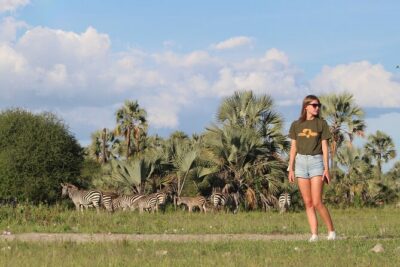 ★ 5.05-Day Highlights mid-Range Crater, Serengeti, TarangireFrom $2,327296 reviews
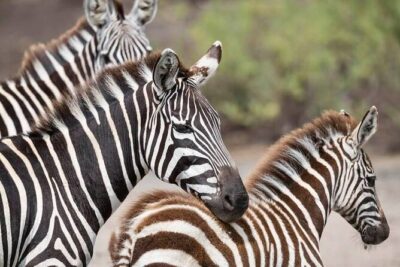 ★ 5.0Safari Serengeti And NgorongoroFrom $2,845288 reviews
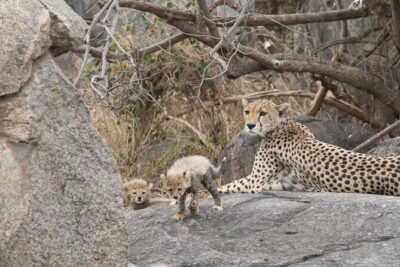 ★ 5.03-Day Classic Serengeti SafariFrom $1,455263 reviews
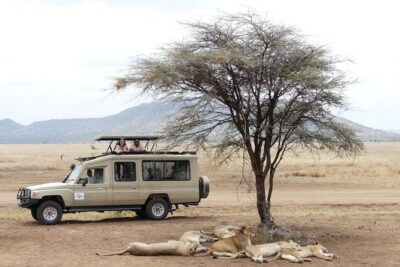 ★ 5.0Private 6-Day Tarangire Manyara Crater and Serengeti with Mid-Range LodgesFrom $2,685238 reviews
 ★ 5.05 Days Camping Tarangire, Serengeti & Ngorongoro crater & Visiting MaasaiFrom $1,254229 reviews
Browse the lists this tour appears in