
REVIEW · MULTI-DAY NORTHERN CIRCUIT SAFARI PACKAGES
6 Days Mid-Range Tanzania Safari
There is something about Tanzania that pulls you forward. This 6-day mid-range safari stacks the big names in the right order, with Tarangire, Serengeti, and Ngorongoro all in one run, plus an Arusha arrival that includes a Kilimanjaro view. I like that it is designed for real wildlife time, not airport shuffle, and that you move by private vehicle with a driver who keeps things flowing.
What I really like is the human factor. Reviews repeatedly praise Kiwoito’s responsive planning (Charles answering questions quickly), and guides like Sway, Abuu, and Emma for being attentive, kind, and tuned in to what your group needs, including families with kids.
One consideration: this is a long day style safari, especially in Serengeti and on the crater day, so if you get tired easily, plan to keep your energy up. Also, tipping the driver guide is not included, so budget for that in advance.
In This Review
- Quick safari highlights
- Kilimanjaro arrival and Arusha town tour, the calm start you want
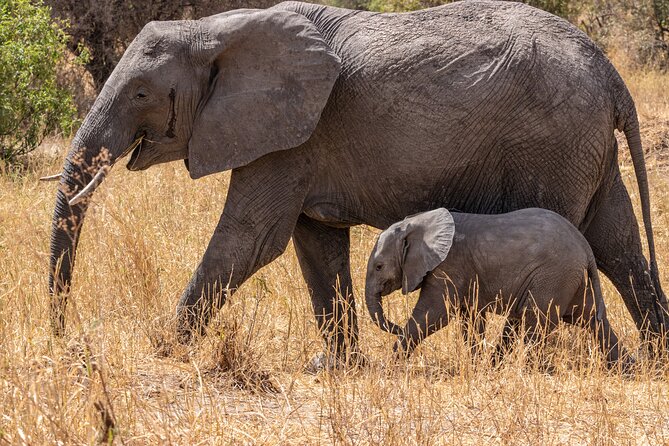
- Tarangire National Park day, baobabs and elephants early on
- Serengeti day 1, arriving through Ngorongoro and easing into the big plains
- Serengeti full day on Day 4, with a lunch choice that changes your energy
- Ngorongoro Crater on Day 5, why the crater feels so close
- Mto wa Mbu market day on Day 6, culture and a clean finish
- Service that reviews consistently praise, and what it means for you
- Price and value for a 6-day mid-range safari at about $2,740
- Practical tips to make this safari day-by-day easier
- Should you book this 6-day Tanzania safari with Kiwoito?
- FAQ
- Where does the tour start and end?
- How long is the safari?
- Is pickup included?
- Which national parks and areas are included?
- What time does the tour start?
- Are meals included?
- Are park fees and taxes included?
- What is not included in the price?
- Is WiFi available during the trip?
- Is cancellation free?
Quick safari highlights
- Tarangire’s baobabs and elephants, a signature combo that sets the tone early
- Serengeti time in two chunks, so you get both arrival-drive energy and a full-day focus
- Ngorongoro Crater viewing, where wildlife can feel unusually close
- Ngorongoro’s Maasai pastoral setting, not just a nature stop
- Mto wa Mbu local market tour, a practical cultural add-on before Zanzibar or home
- Private group feel, plus WiFi on board and included meals
Longer northern circuit routes, side by side
- Tanzania Classic – 7 Days★ 5.0 · 1,151 reviews
- Tanzania Wildlife Encounters – 6 Days★ 5.0 · 277 reviews
- Group Safari 7 Days in Tanzania’s Main Parks★ 5.0 · 240 reviews
- 4 Days Join Group tour Tarangire Serengeti and Ngorongoro crater★ 5.0 · 219 reviews
Kilimanjaro arrival and Arusha town tour, the calm start you want
The first day is built to settle you in, not rush you. You land at Kilimanjaro International Airport, meet and greet, then head to your hotel by driver, with a town tour that also includes a marvelous view of Mount Kilimanjaro. That matters, because the next days are wildlife heavy, with long drives and early starts.
Arusha is also a useful staging point. You get to understand your surroundings, pick up your bearings, and start adjusting to the pace of northern Tanzania. If you are traveling for the first time, this day helps you feel oriented before the safari days begin.
One more practical detail I appreciate: the tour is set up as private transportation, so you are not sharing transfers with random people. That keeps your schedule steadier, which matters on safari where timing can affect where you spend the best light.
Tarangire National Park day, baobabs and elephants early on
Day 2 is Tarangire National Park, a strong first wildlife hit. After breakfast, you depart with lunch boxes and spend a full day on game drives. Tarangire sits in a biosphere reserve area of about 2,850 square kilometers, and the park’s personality comes through fast once you see the habitat.
The big draw here is the mix of baobab trees and elephants. That pairing makes Tarangire feel different from Serengeti. Instead of endless grassland, you get a more textured landscape with tree silhouettes and open spaces that can create great viewing angles.
You are also in the right place to look for predators and other wildlife. The itinerary lists chances for lions, leopards, cheetahs, plus giraffes, hippos, baboons, buffalo, and lots of birdlife. Even if your sighting luck varies day to day, the variety helps. It keeps the “what will we see next?” feeling alive without relying on one miracle moment.
A possible drawback with any full day drive is fatigue. This day is about 8 hours, and while the schedule is realistic, you still sit through bumpy roads. Bring patience, keep water handy, and plan for a slower evening back at camp or lodge.
Serengeti day 1, arriving through Ngorongoro and easing into the big plains
On Day 3, you move from Karatu to Serengeti National Park via the Ngorongoro Conservation Area. The format is smart: you get a game drive en route, then an afternoon drive once you reach the Serengeti plains. That avoids the common problem of arriving late and losing the best light.
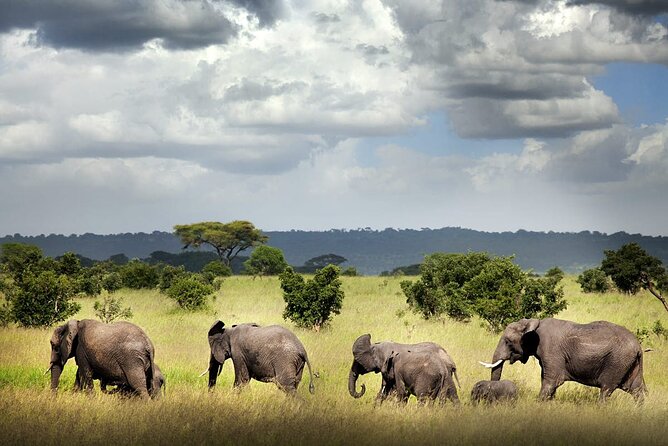
Serengeti’s name comes from the Maasai word Siringeti, meaning endless plains, and the itinerary leans into that “no end” feel. You are seeing grassland that can stretch for miles, with the concentration of wildebeest and zebras during migration. Even when you are not in the peak migration window, Serengeti’s system of prey and predator still has a constant rhythm.
This day is also where the route becomes a story. Stopping in Ngorongoro Conservation Area on the way adds context: this is not just one park, it is part of a larger ecosystem. That is one reason the timing feels right. You are not jumping from one world to the next, you are traveling through the same ecological network.
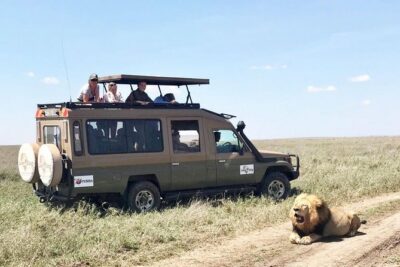
The itinerary also points to the exciting big-cat reality: the chance to spot the Big Five and many carnivores together with birds of prey. You should treat that as opportunity, not a guarantee. But the way the day is structured gives you more “search time,” and more search time is how you turn the odds in your favor.
If you are traveling with kids, this day’s split format can be helpful. It gives you a meaningful game-drive block, then a lighter transition into the afternoon, instead of one single grind.
Lodge safaris in the same bracket
Serengeti full day on Day 4, with a lunch choice that changes your energy
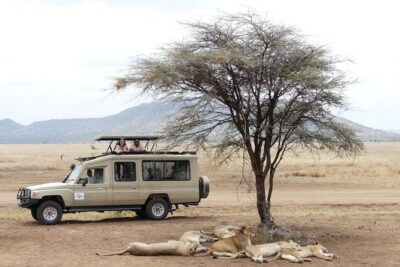
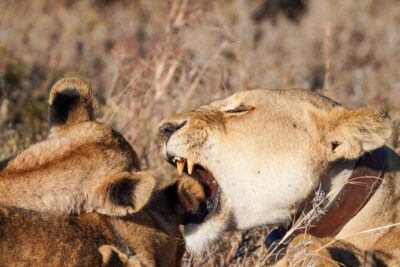
Day 4 is another Serengeti day, but it is the long one. You get a full-day game drive for about 11 hours, with an option for how you handle lunch. You can return to your lodge or camp for a hot lunch, or carry packed lunch boxes and stay out longer.
That choice sounds small, but it affects the whole rhythm of the day. If you want comfort and recovery, go with the return and hot lunch. If you want maximum drive time and minimal “downtime,” packed lunch keeps you in the field where the action is.
Either way, this is the day that gives you the best odds for repeat sightings. Wildlife areas teach you over time, patterns show up, and you start recognizing where animals tend to pause, feed, or move. Two Serengeti days help more than one, because animals and weather both shift.
This is also one of the best times to slow down and really observe. The tour includes birds of prey in the general wildlife theme, and Serengeti has a way of rewarding attention to small movement. You may find yourself tracking by sound, wingbeats, or sudden posture changes, not just by spotting the biggest animals first.
From a comfort standpoint, remember you are sitting for a long stretch. If you are prone to getting sore, bring layers. Morning and afternoon can feel very different, and being comfortable helps you stay focused instead of rushing to “get it over with.”
Ngorongoro Crater on Day 5, why the crater feels so close
Day 5 shifts you into Ngorongoro Conservation Area for a crater tour. You depart with picnic lunch boxes, then spend about 7 hours on the day. Ngorongoro is described as a multiple land-use area, where Maasai pastoralists share the ecosystem with wild animals. That detail matters because it is not a sealed-off nature set. It is a living landscape with human activity alongside wildlife.
The crater itself is the headline. The itinerary describes Ngorongoro as the largest unbroken and unflooded caldera in the world, formed after a volcano exploded and collapsed. That history creates the geography that makes the crater special for wildlife viewing.
In plain terms, the crater bowls wildlife into view. Instead of scanning huge distances across open plains, you get more “close range” opportunities. The itinerary notes that the crater is one of the best places to view animals very close, including the Big Five, depending on the season. Again, season is a factor. But the crater structure itself is a viewing advantage.
The itinerary also mentions timing for calving in the Ndutu area between December and April, with wildebeest and zebra births. If you are traveling outside that window, you still get major wildlife density, but the type of drama may differ. That is why I like this day in the middle of the safari. It breaks up Serengeti rhythm and gives you a different viewing style.
One practical consideration: crater day can feel intense. The slopes, the concentration of vehicles, and the constant scanning can be mentally tiring even if the driving is not as long. You will get more from it by keeping a flexible mindset, letting your guide adjust routes as sightings appear.
Mto wa Mbu market day on Day 6, culture and a clean finish
Day 6 is a softer landing day. After breakfast you head to Mto wa Mbu for a local market tour, then drive back to Arusha for a hot lunch. From there, you fly to Zanzibar or back home, depending on your plan.
This market stop is a good counterbalance to wildlife. It gives you a chance to meet local people on their daily basis and experience that real African market feeling. You can learn a lot just by watching how daily life moves, how bargaining works, and how products connect to community routines.
Mto wa Mbu is also a smart place to do this before Zanzibar, because it keeps your travel day from becoming a full day of wildlife driving. By the time you reach the airport or transfer point, you have already had a meaningful cultural moment.
If you are someone who likes photos, this is where you can get more variety than only safari scenery. If you are someone who prefers interaction, markets are where you can ask simple questions, practice a few Swahili phrases, and slow your pace after days on the road.
Service that reviews consistently praise, and what it means for you
The strongest recurring theme in reviews is service reliability and guide quality. People mention that Kiwoito provided top notch service from booking to the end. They also highlight responsiveness, with Charles answering questions quickly during planning. That is not just nice. It reduces stress, and stress is what makes safari planning harder than it should be.
Guides come up again and again. Reviews thank guides for professionalism and kindness, and they mention guides being super kid friendly and even humorous. One review specifically notes a guide who took the time to stop at each of the group’s requests and gave necessary explanations.
That is exactly the kind of approach you want in wildlife country. A guide’s job is not only driving and spotting. It is managing your expectations and making sure you understand what you are seeing. It is also adjusting when the day changes, because wildlife days rarely follow a perfect script.
The tour is private, and reviews mention private jeep time. That matters because your guide can tailor your pace and viewing focus to your group, rather than sticking to one rigid plan for everyone.
Price and value for a 6-day mid-range safari at about $2,740
At $2,740 per person, you are not buying a budget safari. You are buying time, logistics, and the structure that makes a multi-park trip workable.
Here is what helps the price feel fair based on what is included:
- Private transportation for the safari days
- WiFi on board
- All fees and taxes listed as included
- Meals: breakfast (5), lunch (5), dinner (4)
- Airport-side help on day 1, including meet and greet and hotel transfer with a town tour
What is not included is also clearly listed:
- Tipping for the driver guide
- Travel insurance
- Flights
- Visa fees
That list is important because it lets you budget accurately. In other words, the headline price is more meaningful when many of the “gotchas” are spelled out.
I also like that the itinerary gives you multiple wildlife environments, not just one repetitive loop. Tarangire brings trees and elephants. Serengeti gives you big plains and the migration ecosystem. Ngorongoro gives you crater viewing and the Maasai pastoral setting. Paying for diversity is usually a better value than paying for the same kind of driving every day.
If you are traveling as a couple and you want a private rhythm, the per-person cost can feel more reasonable than splitting a cheaper group tour among strangers. If you are traveling with kids, you also benefit from having a guide who can adapt, and reviews say that happened.
Practical tips to make this safari day-by-day easier
You do not need fancy gear, but you do need a few basics.
First, pack for movement. These days are built around long drives and long scanning time, especially the two Serengeti days and crater day. Comfortable layers help because mornings and afternoons can feel different.
Second, plan for lunch logistics. The itinerary includes packed lunch boxes on certain days, and you also have a lunch option on Day 4. If you tend to get hangry, pick the lunch style that keeps you steady. Hot lunch can be a reset, packed lunch can be more wildlife time.
Third, use the guide relationship. Reviews highlight that guides stop for requests and explain what you are seeing. If something matters to you, ask. If you want a more relaxed pace, say it. If you want more bird viewing, ask. A good guide can shift focus within reason, and a private tour is where those small adjustments matter.
Finally, keep an eye on costs beyond the main price. Tipping is not included, and travel insurance is not included. If you are used to all-inclusive packages, it helps to prepare for those line items early.
Should you book this 6-day Tanzania safari with Kiwoito?
Book it if you want a classic northern Tanzania safari route with enough structure to feel smooth, and you want guides who are repeatedly praised for kindness, professionalism, and attention to your needs. The day mix makes sense, with Tarangire to start, Serengeti stretched across two days, then Ngorongoro crater for that concentrated viewing style. Reviews also suggest you get strong communication during planning, thanks in part to Charles, which is a big win for first-time visitors.
Skip it or compare alternatives if you dislike long days of driving and scanning. This itinerary is intense in the way wildlife safaris usually are, and the crater and full Serengeti day can be mentally and physically demanding.
If you are a couple, a small private group, or you are traveling with kids and you want a guide who can handle questions and requests, this route looks like a strong match.
FAQ
Where does the tour start and end?
It starts at the Arusha Clock Tower roundabout in Arusha, Tanzania, and ends back at the same meeting point.
How long is the safari?
The safari runs for about 6 days.
Is pickup included?
Yes. Pickup is offered, and the tour uses private transportation.
Which national parks and areas are included?
Tarangire National Park, Serengeti National Park, Ngorongoro Conservation Area, and a local market tour in Mto wa Mbu.
What time does the tour start?
The listed start time is 11:30 pm, and you should confirm the exact timing on your booking confirmation.
Are meals included?
Yes. Breakfast is included 5 times, lunch is included 5 times, and dinner is included 4 times.
Are park fees and taxes included?
Yes. All fees and taxes are included, and the itinerary lists admission tickets as free for each day.
What is not included in the price?
Tipping for the driver guide, travel insurance, all flights, and visa fees are not included.
Is WiFi available during the trip?
Yes, WiFi is available on board.
Is cancellation free?
Free cancellation is available up to 24 hours in advance for a full refund. Canceling within 24 hours does not receive a refund.
More Lodge Safaris
- 7-Day Premium Luxury Tanzania Safari All-Inclusive
★ 5.0 · 426 reviews - 5-Day Highlights mid-Range Crater, Serengeti, Tarangire
★ 5.0 · 296 reviews - Private 6-Day Tarangire Manyara Crater and Serengeti with Mid-Range Lodges
★ 5.0 · 238 reviews - 5 Days Best of Tanzania Luxury Safari Northern Circuit
★ 5.0 · 174 reviews - 5-Day Private midrange Tour in Arusha with Airport Pickup
★ 5.0 · 160 reviews
Longer Trips Through the North
- Tanzania Classic – 7 Days
★ 5.0 · 1,151 reviews - 7-Day Premium Luxury Tanzania Safari All-Inclusive
★ 5.0 · 426 reviews - Tanzania Wildlife Encounters – 6 Days
★ 5.0 · 277 reviews - Group Safari 7 Days in Tanzania’s Main Parks
★ 5.0 · 240 reviews - 4 Days Join Group tour Tarangire Serengeti and Ngorongoro crater
★ 5.0 · 219 reviews
Just added from around Arusha

Multi-Day Northern Circuit Safari Packages, compared.
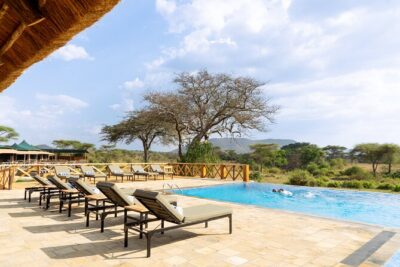 ★ 5.07-Day Premium Luxury Tanzania Safari All-InclusiveFrom $4,840426 reviews
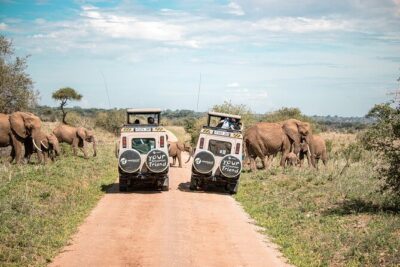 ★ 5.0Tanzania Wildlife Encounters – 6 DaysFrom $3,413277 reviews
 ★ 5.0Group Safari 7 Days in Tanzania’s Main ParksFrom $3,000240 reviews
 ★ 5.04 Days Join Group tour Tarangire Serengeti and Ngorongoro craterFrom $1,090219 reviews
 ★ 5.05-Day Private Northern Tanzania Safari from ArushaFrom $2,780182 reviews
 ★ 5.05 Days Best of Tanzania Luxury Safari Northern CircuitFrom $3,744174 reviews
 ★ 5.08 Day Spectacular Migration Serengeti mid -Range Tanzania SafariFrom $4,257161 reviews
 ★ 5.0Multi-Day Tanzania Odssey Safari from ArushaFrom $4,164120 reviews
Browse the lists this tour appears in