
REVIEW · SERENGETI NATIONAL PARK SAFARIS
6 Days lodge &camping tour Serengeti ,Tarangire ,Ngorongoro Crater and Manyara
Life and wildlife, packed into six days. This Northern Tanzania loop is built around camping plus lodge time and the swing from savannah to the crater bowl. I love how the route mixes classic sightings with strong bird life, especially Tarangire’s reputation for big elephant numbers and huge baobabs. Another win is the way early starts and crater timing shape your odds for predators and big-game action. One consideration, though, is that you will be on the move a lot, including mornings as early as 06:30 and long drives between parks.
If you want a relaxed trip with lots of sleeping in, this plan may feel intense. The day pacing is more about wildlife than downtime, and camping nights mean you trade some comfort for being close to the wild.
In This Review
- Key highlights worth knowing
- Northern Safari Loop: what you’re really signing up for
- Price and logistics: how $1,600 per person adds up
- Group size, pickup, and the day timing that shapes your safari
- Day 1 in Tarangire: baobabs, elephants, and bird paradise vibes
- Day 2 Serengeti arrival with Ngorongoro gate check-in and rim viewpoints
- Day 3 early Serengeti game drive at 06:30 and migration timing
- Day 4 Serengeti exit toward Simba campsite near the crater rim
- Day 5 Ngorongoro crater descent over 600 m into wildlife density
- Day 6 Lake Manyara: overlapping habitats, flamingos, baboons, and tree-climbing lions
- Guides and service quality: why names like Elias, Sam, David, Faith, and Hassan matter
- Camping and lodge nights: comfort tradeoffs and smart packing
- Who should book this safari, and who should skip it
- Should you book this 6-day Tarangire, Serengeti, Ngorongoro, and Lake Manyara tour?
- FAQ
- How long is the safari?
- Where does the tour take place?
- Which national parks are included?
- Is pickup offered?
- How big is the group?
- Are park admissions included?
- What time are some of the early game drives?
- What happens if weather is poor or you need to cancel?
Key highlights worth knowing
- Tarangire’s elephant and baobab country, plus birding with 400+ species mentioned for the park
- Serengeti rim-to-plains route, with Ngorongoro crater viewpoints along the way
- A true early-morning Serengeti game drive (starting 06:30) for cat-family and migration timing
- Ngorongoro crater descent over 600 m into a natural animal sanctuary
- Lake Manyara’s habitat variety, including baboon concentration and the tree climbing lion idea
More of the Serengeti, drive by drive
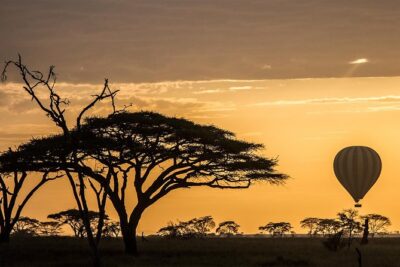
- Balloon Safari & Bush Breakfast in Serengeti – Miracle Experience★ 5.0 · 1,646 reviews
- 3 Days Serengeti & Ngorongoro Group Camping Safari★ 5.0 · 574 reviews
- 5-Day Highlights mid-Range Crater, Serengeti, Tarangire★ 5.0 · 296 reviews
- 3-Day Classic Serengeti Safari★ 5.0 · 263 reviews
Northern Safari Loop: what you’re really signing up for
This 6-day safari in northern Tanzania is designed like a greatest-hits circuit: Tarangire for elephants and birds, Serengeti for big-herd energy, Ngorongoro for dense wildlife in a bowl-like setting, and Lake Manyara for a different flavor of habitat. You’re not just doing one park. You’re changing ecosystems day to day, which is exactly how you keep the safari from feeling repetitive.
The “camping and lodge” mix is also a big deal. Camping typically gives you that raw, get-up-and-go feeling. Lodge nights can help you reset mentally after crater mornings or long game drives. Either way, your days are structured around game drives and park time, not museum stops or city shopping marathons.
You’ll also travel with a small group, capped at six travelers. That matters. Smaller groups generally mean fewer delays when you stop for wildlife sightings, and it can make the guide-chat and vehicle positioning more flexible.
Price and logistics: how $1,600 per person adds up
At $1,600 per person for about six days, you’re paying for transportation between parks, multiple day-long game drives, and at least part of the park entry costs. Based on what’s listed, admission is free for Tarangire, Serengeti, and Lake Manyara, while the Ngorongoro crater day shows admission ticket included.
So you’re not just buying animals. You’re buying access time, fuel, vehicle time, and the rhythm that lets you hit the “big moments” in each park. Serengeti includes both a general day of travel and a dedicated early morning game drive, and Ngorongoro is treated as its own full wildlife-focused day with a crater descent.
This is also a tour that gets booked well in advance. The average booking timing listed is 168 days in advance, which tells me it’s popular for the timing of parks and the availability of vehicles and guides.
Group size, pickup, and the day timing that shapes your safari
Pickup is included, and the loop starts from the Arusha area, with a practical first stop in town for last-minute purchases before heading to Tarangire. That little detail helps you avoid arriving with empty hands, especially if you need snacks or personal supplies.
The schedule is safari-realistic: early departures, long drives, and full day game viewing. Some of the key starts are very specific, like 06:30 for both an early Serengeti day and the Ngorongoro crater descent day. That means you should plan to be comfortable with waking up early and staying alert in the vehicle.
Another logistical point: you’ll be in and out of gates and checkpoints as you move parks. The Serengeti day includes checking in around the Ngorongoro gate before you take crater rim viewpoints, and the Lake Manyara day includes park formalities before game viewing. This isn’t a problem, just part of how you keep the timing right for wildlife.
Other ways down into the Ngorongoro Crater
Day 1 in Tarangire: baobabs, elephants, and bird paradise vibes
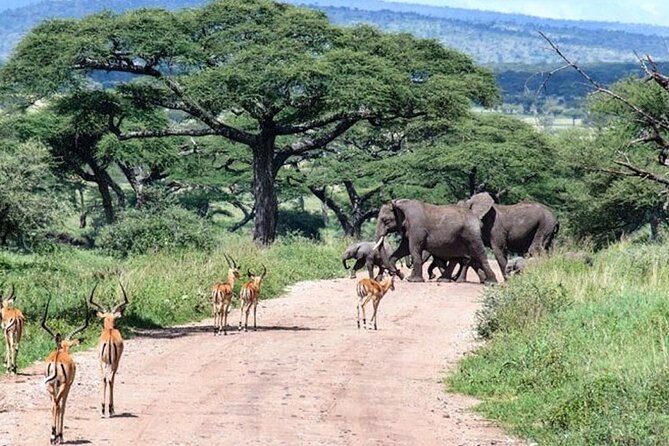
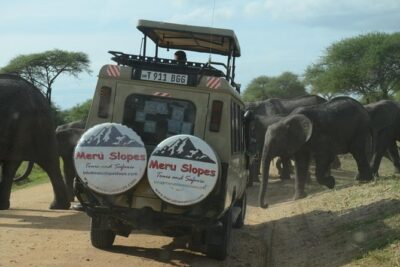
Tarangire National Park is often the place where first-time safari energy turns into full-on safari obsession. Here, the standout features described are huge baobab trees and a large elephant population. On your first game drive after breakfast, you’re likely to encounter a mix of savannah species such as wildebeest, buffalo, zebra, giraffe, hippos, baboons, antelopes, and African elephants.
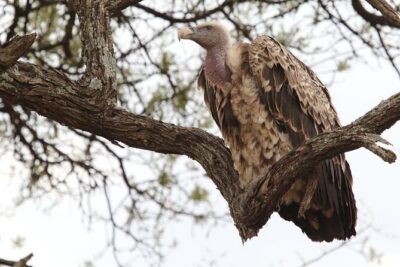
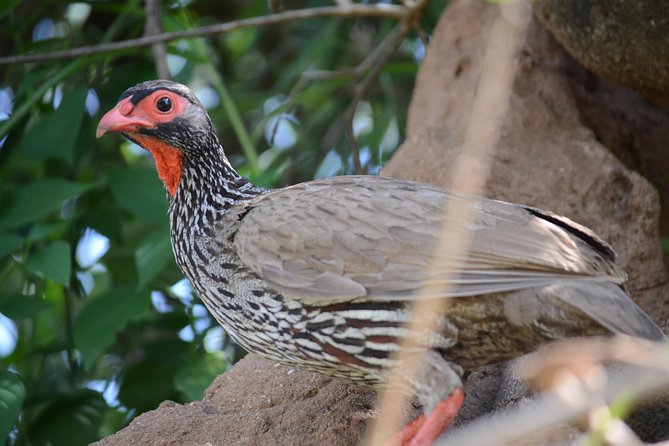
This is also where the birding angle becomes a real selling point. The park is described as having over 400 species of birds recorded, including the Ash Starling and Great Kudu, plus another rare species starting with fringe (the name is cut off, but the key point is rarity). If you care about wildlife beyond the Big Five, Tarangire is set up to satisfy you.
One practical note: because it’s day one, you’ll probably feel the drive more than later days. You’re going from the Arusha area along the Great Northern Highway, crossing Masai steppe and passing villages before reaching the park. It’s a scenic approach, but it’s also part of the “workday” of a safari.
Day 2 Serengeti arrival with Ngorongoro gate check-in and rim viewpoints
On the second day, the focus shifts from Tarangire toward Serengeti, but you don’t just teleport there. You drive through farmland in Karatu and across the Ngorongoro Conservation Area. Then you stop at Ngorongoro gate for check-in.
Before you even get to the Serengeti plains, you’ll take in crater rim views for photos, then continue around the crater rim, cross Malanja depression, and descend toward Serengeti. This is one of the smartest ways to structure a long-distance day because you get a “preview” of the next major wildlife setting before you even arrive.
Once you reach Serengeti, you check in at Naabi Hills gate and choose where to have packed lunch, either at the gate or near rocky outcroppings called kopjes. You then head to the central Serengeti area, described as the Seronera zone. That matters because Seronera is repeatedly associated with strong wildlife presence in many safari routes, and this plan clearly treats it as a core viewing area.
A small drawback: day two is mostly about getting there plus the first chunk of Serengeti time. If you’re hoping for an instant, nonstop parade of action, this day might feel slightly more “transfer-heavy” than the early Serengeti morning you’ll have later.
Day 3 early Serengeti game drive at 06:30 and migration timing
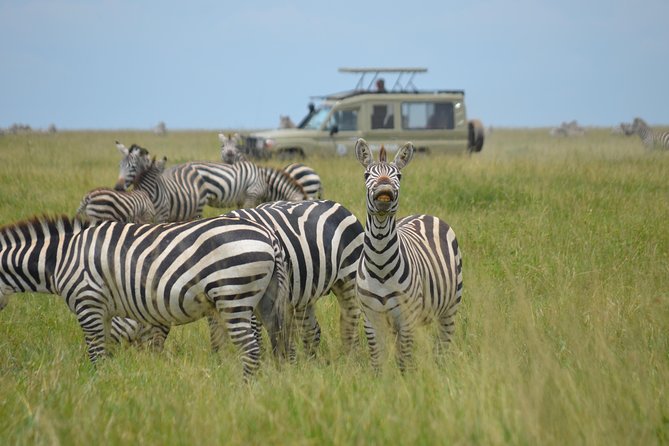
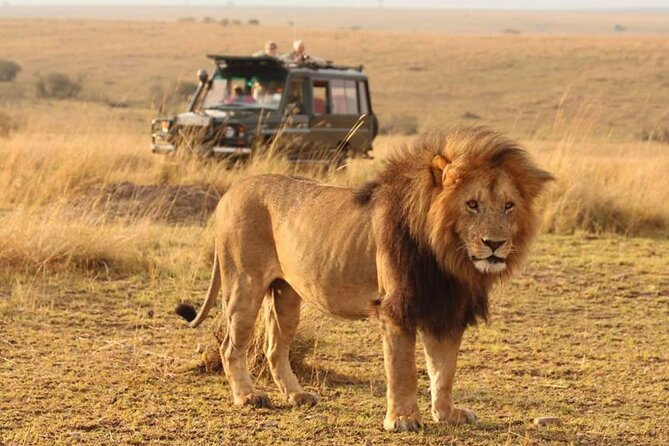
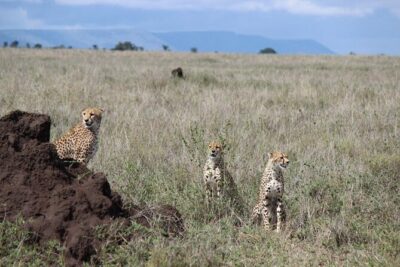
Day three is the schedule you want if you like wildlife at its most active. You start early, at 06:30, with a packed breakfast box and a lunch box. The plan is to take you out for an early morning game drive, when the mist can be a factor and cats are mentioned as possibly moving along roads as they avoid it.
The description also points to nocturnal predators returning from night hunting. That’s the kind of timing that can make the difference between a good day and a memorable one.
You’ll also have a bush breakfast break in the wild before continuing the day. That makes the experience feel less like a long bus ride and more like a guided day outdoors, with real pause time.
Then there’s the migration angle. The Great Wildebeest Migration is mentioned as a possibility depending on traveling time, and the plan says you follow herds and spend time waiting for animal actions like eating or fighting. This is the heart of Serengeti magic for many people, because the animals aren’t just “there,” they’re doing things.
One consideration: early starts plus packed food means you’ll be living by the day plan. If you’re the type who likes long café mornings, you might feel a bit rushed. But if you want the best wildlife window, it’s hard to beat.
Day 4 Serengeti exit toward Simba campsite near the crater rim
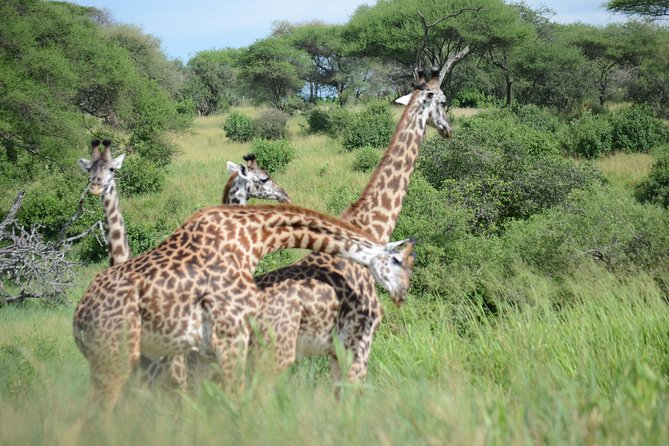
Day four shifts you from the open Serengeti into the Ngorongoro orbit. After early breakfast and game viewing in the morning, you exit Serengeti and drive toward Simba campsite, which is described as about 2 hours away and near the crater rim.
This is a key “transition day” because it sets you up for the crater descent on day five. Instead of treating Ngorongoro as a drive-by stop, the plan gives you an overnight near the rim, which usually makes the next morning smoother and less rushed.
Your afternoon includes camp lunch, packing, and additional game drive while exiting. That means you still get time watching animals, even though the park spotlight is shifting.
Possible drawback: day four is not a slow, restful recovery day. You may feel the cumulative effect of big drives. Still, if you’ve come for wildlife variety, the steady pace keeps the trip feeling like one long safari story instead of separate short trips stitched together.
Day 5 Ngorongoro crater descent over 600 m into wildlife density
Ngorongoro gets its own spotlight day, starting at 06:30 after breakfast. The plan is a crater descent over walls described as more than 600 m high. Game viewing happens on the crater floor, and this setting is described as a natural sanctuary supporting many species due to a yearly round water and enough fodder.
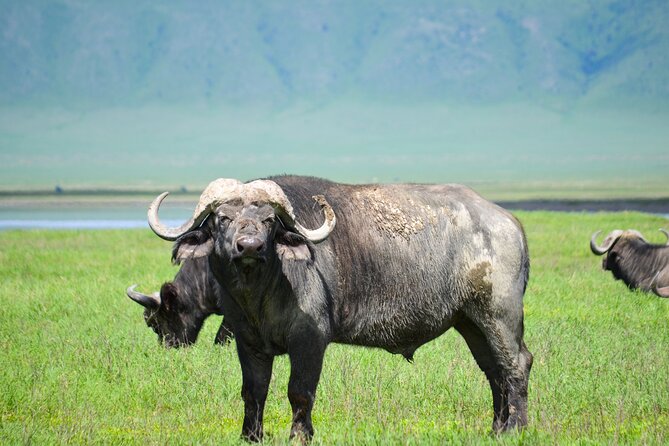
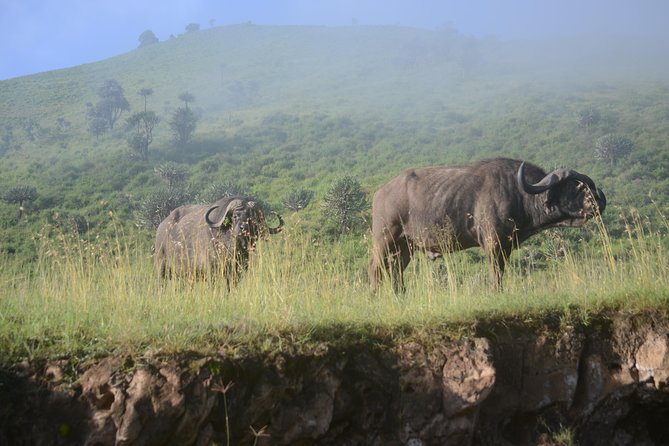
The animals listed for potential viewing include buffalo, zebra, wildebeest, eland, topi, warthog, hippo, and giant African elephant. That’s a strong list for one place. It’s also where predator density is highlighted, with predators described as having a dense population.
If you care about the “why Ngorongoro is special” part, this day is it. You’re not driving through endless distance searching for animals. You’re in a contained amphitheater where wildlife can feel more concentrated, and the game drive style is built around visibility and scanning.
One practical consideration: the crater descent and the morning schedule mean you’ll want to stay focused and prepared for early-hour visibility. The reward is that you’re in position when animals are most active and the day is still fresh.
Day 6 Lake Manyara: overlapping habitats, flamingos, baboons, and tree-climbing lions
The last day brings you to Lake Manyara National Park with a short drive after breakfast and game drive after park formalities. Lake Manyara is described as dramatically positioned and made up of overlapping habitats, including underground water forest, acacia woodlands, swamps, baobab-strewn cliffs, algae-streaked hot springs, and the lake itself.
That variety is why the day can feel different from the earlier parks. You’re not just seeing one kind of savannah scene.
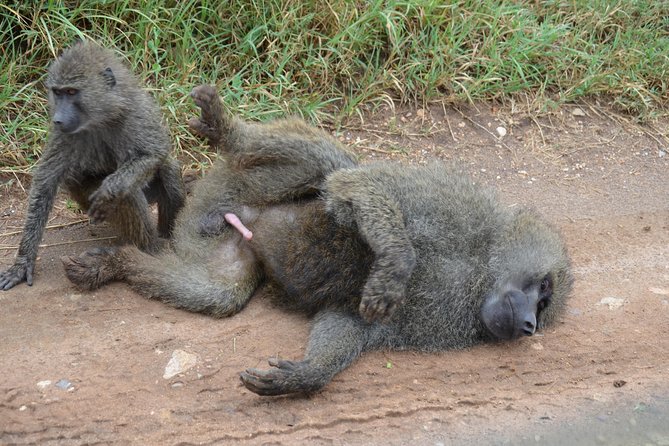
The bird life is highlighted, including the largest concentration of baboons mentioned anywhere in the world and strong flamingo presence. The park is also famous in this description for the tree climbing lion idea. Other animals are mentioned as possible, but the key message is that the setting supports both primates and dramatic predator sightings.
Best part for many people: you end on a park that feels visually and ecologically distinct from Serengeti and Ngorongoro, so the safari doesn’t fade into one repeating background.
Guides and service quality: why names like Elias, Sam, David, Faith, and Hassan matter
One of the most consistently praised elements in the provided feedback is the human factor, especially guides. Elias is repeatedly highlighted as a great driver and friendly, competent companion. You’ll also see Sam mentioned for first-week pickup and overall care, David for responsive planning and adapting the itinerary, Faith for helping shape a longer multi-country plan, and Hassan for expertise and making guests feel taken care of.
Even without knowing which guide you’ll get, this pattern tells you something. You want a guide who knows how to position the vehicle, interpret animal behavior, and handle the practical stuff without turning your day into a stress session. In this tour, the guide is not an afterthought. It’s part of the experience engine.
Camping and lodge nights: comfort tradeoffs and smart packing
This is a camping-focused safari with lodge included for two nights. That mix can be a good compromise: you get outdoor closeness without feeling like the whole trip is one long “roughing it” endurance test.
That said, camping always changes what you should bring. You’ll want to be prepared for basic conditions rather than hotel comfort. Since the plan includes early game drives at 06:30 and time in the bush, plan for mornings being cooler and evenings potentially colder than you expect. Pack layers, and bring a hat or light sun protection for midday.
Also think about personal supplies. The day one stop in Arusha is there for last-minute purchases, which is a hint that you should arrive with the essentials for long days: snacks, refillable water habits you can manage, and any comfort items you rely on.
Who should book this safari, and who should skip it
This tour fits best if you want:
- A small group safari (maximum six travelers)
- Multiple iconic parks in a tight six-day schedule
- A chance at predator sightings through early starts and Ngorongoro timing
- A variety of scenery, from baobabs and elephants to plains and crater wildlife
You might want to rethink if:
- You dislike early wake-ups. At least two days start at 06:30.
- You want lots of downtime between parks.
- You need a highly cushy, hotel-style comfort level every night. The plan includes camping.
If you’re traveling as a family, this can work too, because shorter attention spans can still be satisfied by constant motion and wildlife stops, not lectures. For couples, it’s a strong “shared wonder” format, especially with a guide who can explain what you’re seeing.
Should you book this 6-day Tarangire, Serengeti, Ngorongoro, and Lake Manyara tour?
I’d book this if your goal is simple: maximize wildlife variety in a manageable time, with early drives that improve your odds, and a crater day that treats Ngorongoro as the main event. The combination of parks, plus the camping and lodge mix for two nights, is good value for a six-day arc.
I’d hesitate if you are prioritizing comfort and sleep above all else. This tour is built for action. It will ask you to be ready early and stay flexible with day pacing.
If you’re on the fence, use this checklist:
- Are you okay waking at 06:30 on key days?
- Do you want a small-group safari rather than a crowd experience?
- Are you excited about bird life in Tarangire and habitat variety in Lake Manyara?
FAQ
How long is the safari?
The safari is about 6 days.
Where does the tour take place?
It runs in northern Tanzania, with Arusha as the base area for pickup.
Which national parks are included?
Tarangire National Park, Serengeti National Park, Ngorongoro Conservation Area (including Ngorongoro Crater), and Lake Manyara National Park.
Is pickup offered?
Yes, pickup is offered.
How big is the group?
The maximum group size is 6 travelers.
Are park admissions included?
Tarangire, Serengeti, and Lake Manyara list admission as free, while Ngorongoro Crater lists admission as included.
What time are some of the early game drives?
Some game drives are scheduled as early as 06:30.
What happens if weather is poor or you need to cancel?
This experience requires good weather. If it is canceled due to poor weather, you will be offered a different date or a full refund. For cancellations, you can cancel up to 24 hours in advance for a full refund, with no refund if you cancel less than 24 hours before the start time.
Tarangire and Its Baobabs
- 5-Day Highlights mid-Range Crater, Serengeti, Tarangire
★ 5.0 · 296 reviews - Private 6-Day Tarangire Manyara Crater and Serengeti with Mid-Range Lodges
★ 5.0 · 238 reviews - 5 Days Camping Tarangire, Serengeti & Ngorongoro crater & Visiting Maasai
★ 5.0 · 229 reviews - 4 Days Join Group tour Tarangire Serengeti and Ngorongoro crater
★ 5.0 · 219 reviews - 4-Day Safari from Arusha: Tarangire, Serengeti and Ngorongoro
★ 5.0 · 173 reviews
Still Thinking About the Crater?
- 3 Days Serengeti & Ngorongoro Group Camping Safari
★ 5.0 · 574 reviews - 5 Days Camping Tarangire, Serengeti & Ngorongoro crater & Visiting Maasai
★ 5.0 · 229 reviews - 4 Days Join Group tour Tarangire Serengeti and Ngorongoro crater
★ 5.0 · 219 reviews - 4-Day Safari from Arusha: Tarangire, Serengeti and Ngorongoro
★ 5.0 · 173 reviews - 2 Days Tarangire and Ngorongoro Group Camping Safari
★ 5.0 · 146 reviews
The Serengeti, Three More Ways
- Balloon Safari & Bush Breakfast in Serengeti – Miracle Experience
★ 5.0 · 1,646 reviews - 3 Days Serengeti & Ngorongoro Group Camping Safari
★ 5.0 · 574 reviews - 5-Day Highlights mid-Range Crater, Serengeti, Tarangire
★ 5.0 · 296 reviews - 3-Day Classic Serengeti Safari
★ 5.0 · 263 reviews - Private 6-Day Tarangire Manyara Crater and Serengeti with Mid-Range Lodges
★ 5.0 · 238 reviews
Just added from around Arusha
Serengeti National Park Safaris, compared.
 ★ 5.0Serengeti Balloon Safari and authentic bush breakfastFrom $5502,480 reviews
 ★ 5.0Balloon Safari & Bush Breakfast in Serengeti – Miracle ExperienceFrom $5991,646 reviews
 ★ 5.03 Days Serengeti & Ngorongoro Group Camping SafariFrom $815574 reviews
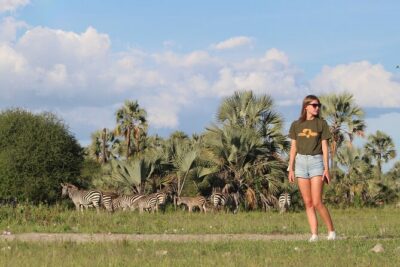 ★ 5.05-Day Highlights mid-Range Crater, Serengeti, TarangireFrom $2,327296 reviews
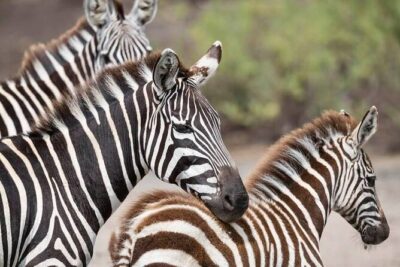 ★ 5.0Safari Serengeti And NgorongoroFrom $2,845288 reviews
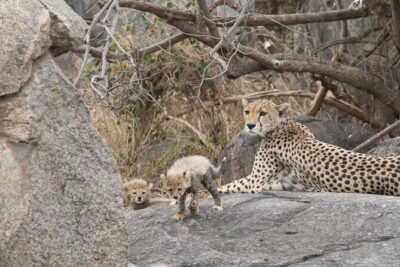 ★ 5.03-Day Classic Serengeti SafariFrom $1,455263 reviews
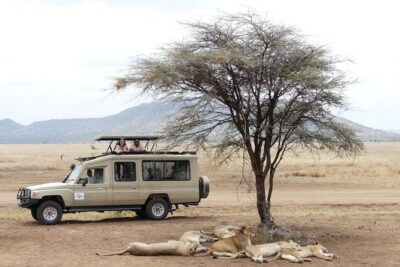 ★ 5.0Private 6-Day Tarangire Manyara Crater and Serengeti with Mid-Range LodgesFrom $2,685238 reviews
 ★ 5.05 Days Camping Tarangire, Serengeti & Ngorongoro crater & Visiting MaasaiFrom $1,254229 reviews