
REVIEW · SERENGETI NATIONAL PARK SAFARIS
6 days 5 nights safari Ngorongoro, Serengeti and Tarangire National Parks
Safari mornings start before the sun.
What makes this 6-day, 5-night route special is the focus on sunrise game drives across Tarangire and the Serengeti, plus a dedicated day to Ngorongoro Crater for a long, concentrated wildlife outing. I also like that the team behind the trip is easy to reach, with Humphrey and Elli often highlighted for fast communication and smooth problem-solving. One consideration: you are in the vehicle a lot, and the early starts can be no joke, with some schedules pushing as early as 4:30 am.
The big idea here is variety without feeling rushed. You get elephants at Tarangire, predator-chasing in the Serengeti and conservation areas, and the crater’s famous density. Lodging runs from lodge comfort to more basic tent camping, so you’ll want to be flexible about expectations and pack for a tented rhythm.
In This Review
- Key things that make this safari tick
- The smart route: Tarangire, Serengeti, then Ngorongoro in 6 days
- Day 1: From Kilimanjaro Airport to Arusha, then an easy start
- Day 2 Tarangire National Park: elephants, picnic timing, and a lodge outside the park
- Day 3 Serengeti transfer day: Ngorongoro Conservation Area and Naabi Hills gate
- Day 4 Another sunrise day in the Serengeti, then a steady midday break
- Day 5: Conservation-area mornings, more Serengeti time, and Ang’ata Tented Camp
- Day 6 Ngorongoro Crater: the big payoff with a full 6-hour drive
- Lodging and meals: what “tented” and “lodge” really mean here
- Guides, responsiveness, and the driver-guide difference
- Price and value: $2,560 per person for three parks and multiple sunrise drives
- Who this safari suits best (and who should rethink it)
- Practical tips before you go
- Should you book this safari?
Key things that make this safari tick
- Sunrise drives multiple days so you catch predators in that first-light window
- Ngorongoro Crater gets a full 6-hour game drive plus picnic lunch before heading back to Arusha
- Small group size, up to 7 travelers, which usually means less chaos and more responsiveness from the driver-guide
- Naabi Hills gate stop during the Serengeti transfer, giving you a scenic pause instead of straight driving
- Food is repeatedly praised, including meals prepared by chefs named Halid and Hamid
More of the Serengeti, drive by drive
- Balloon Safari & Bush Breakfast in Serengeti – Miracle Experience★ 5.0 · 1,646 reviews
- 3 Days Serengeti & Ngorongoro Group Camping Safari★ 5.0 · 574 reviews
- 5-Day Highlights mid-Range Crater, Serengeti, Tarangire★ 5.0 · 296 reviews
- 3-Day Classic Serengeti Safari★ 5.0 · 263 reviews
The smart route: Tarangire, Serengeti, then Ngorongoro in 6 days
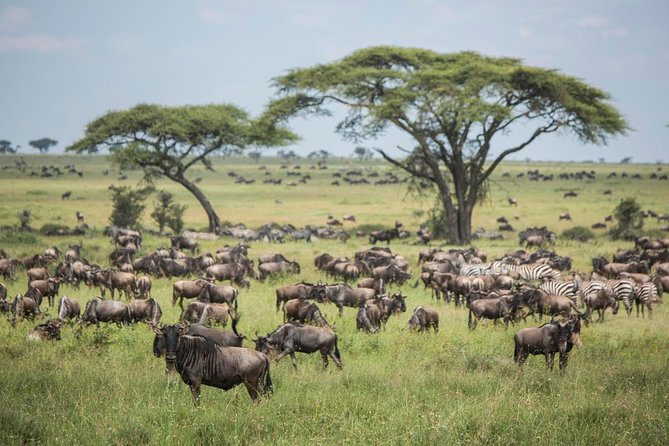
This itinerary is built around a simple safari logic: go where the wildlife is, then move before the day gets too hot and still keep enough time in each area to actually see animals. Tarangire is its own world with its elephant numbers and big, open-feeling habitat. Serengeti is where you hunt for predators and the classic action you came for, including the Big Five possibility. Ngorongoro is the closer, dramatic payoff, where the crater bowl funnels animals into one concentrated viewing zone.
The travel time is real, but the pacing is structured to keep you on the road when it makes sense: long drives tend to happen between parks, while game drives are scheduled early and late when sightings are more likely and the light is kinder for photos. If you’re the type who likes a plan but still wants the day to flex when the animals appear, this format usually works well.
Day 1: From Kilimanjaro Airport to Arusha, then an easy start
On day 1 you’re picked up at Kilimanjaro Airport and driven to Arusha for dinner and an overnight at a hotel. It’s a helpful first step because it lets you arrive, clear your head, and get your body ready for early mornings.
Practical note: even though day 1 feels relaxed, you’ll likely be joining a schedule that ramps up quickly. I’d treat your first night like a reset, hydrate, and go to bed while you still can.
Day 2 Tarangire National Park: elephants, picnic timing, and a lodge outside the park
After breakfast, the day starts with the drive to Tarangire National Park for a game drive. The timing includes a picnic lunch moment during your outing, which is a nice way to avoid turning the day into pure logistics.
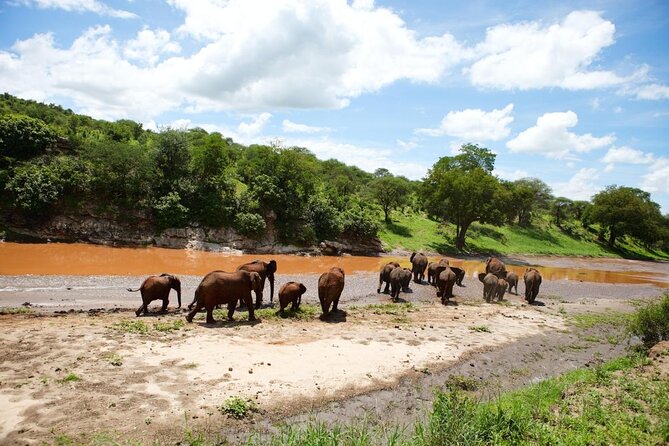
Tarangire is known for elephants, and this route leans into that strength. You’ll be looking at the mix of open plains and scattered habitats where elephants move through their rhythms. Even if you don’t see a massive herd every hour, this is the kind of park where the elephants tend to show up in believable patterns rather than as a one-off lucky sighting.
After the game drive, you head back toward Marera View Lodge, which is described as outside the Tarangire area, about 30 minutes or more away. That extra drive time is normal safari math, and it often means the lodge is in a quieter setting than the park edge. The upside is you get a real night’s rest. The downside is you won’t return immediately after the last sighting, so don’t plan to do anything else that evening beyond dinner and sleep.
Other ways down into the Ngorongoro Crater
Day 3 Serengeti transfer day: Ngorongoro Conservation Area and Naabi Hills gate
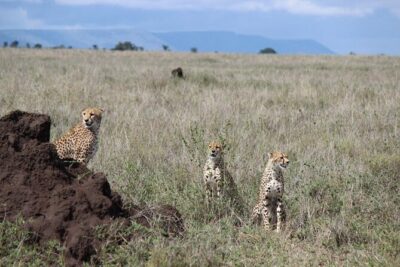
Day 3 begins with driving toward Serengeti, passing through the Ngorongoro Conservation Area. This matters because that corridor is not just a hallway. It’s part of the broader ecosystem, and it can deliver its own wildlife moments while you’re moving between major stops.
You start with a game drive during the route, and the plan pushes toward Naabi Hills gate later in the day. Naabi Hills is worth paying attention to because it gives you that classic high-view Serengeti feeling. Then lunch happens at the gate, followed by another game drive as you move toward Serengeti, continuing into sunset time.
That sunset push is a good choice. Late afternoon and evening can bring activity spikes for predators and grazers alike. You’re basically squeezing the “golden light” hours for wildlife behavior into your transfer day, which is smart because it reduces wasted hours sitting in the vehicle.
You end at Serengeti Heritage Tented Lodge for dinner and an overnight. The word tented shows up often on safari, and in practice it usually means a comfortable room or canvas-style accommodation rather than something you’d expect from a backpacking trip. Still, it helps to treat it as outdoors-first living.
Day 4 Another sunrise day in the Serengeti, then a steady midday break
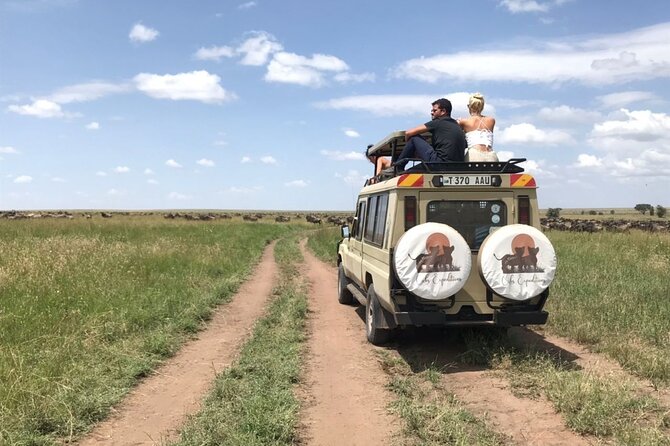
Day 4 repeats the sunrise strategy, which is one of the best parts of this safari. Early morning game driving gives you a shot at predators while the animals are active and the air is cooler. It’s also when you often get the clearest animal behavior, because you’re watching them during their daily routine rather than just during the hottest, most tiring hours.
After the morning outing, you head back to the lodge for breakfast and lunch. Then you continue game drive time until around 3:30, before returning for dinner and sleep.
That built-in midday break is quietly important. Safari days can wear you out, even when you’re enjoying them. A schedule that actually protects rest time helps you stay sharp for the later drive, when sightings can still happen but you don’t want your energy crashing.
Day 5: Conservation-area mornings, more Serengeti time, and Ang’ata Tented Camp
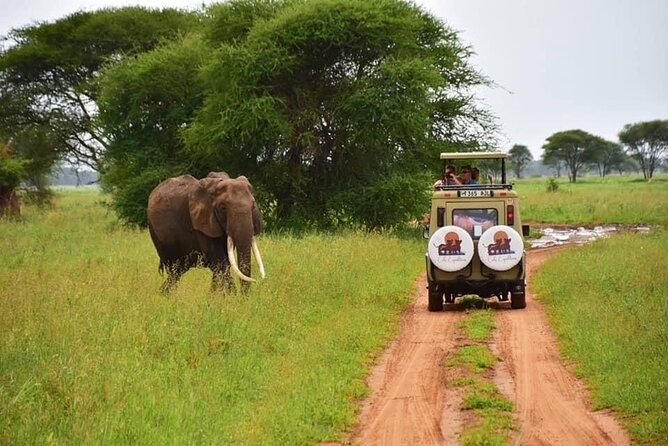
Day 5 stays focused on predators and prime viewing hours. You go out early again with sunrise timing, aiming to spot predators during the best light window. After the morning drive, you return for lunch, then you continue game driving and routing in the Serengeti as you work your way toward Ngorongoro, ending at Ang’ata Tented Camp for dinner and overnight.
One reason I like how this day is structured is that it avoids the common mistake of treating the last days as travel-only. Instead, you keep game drive time on the calendar while still building in the move toward the crater. That combination is what makes the Ngorongoro day feel like a final highlight rather than just another long slog.
If you’re a photographer, this is the part of the trip where your habits start to show. You’ll know how you like to shoot, how long you prefer to stay on a sighting, and when to accept that a driver is making a calculated move rather than just guessing.
Day 6 Ngorongoro Crater: the big payoff with a full 6-hour drive
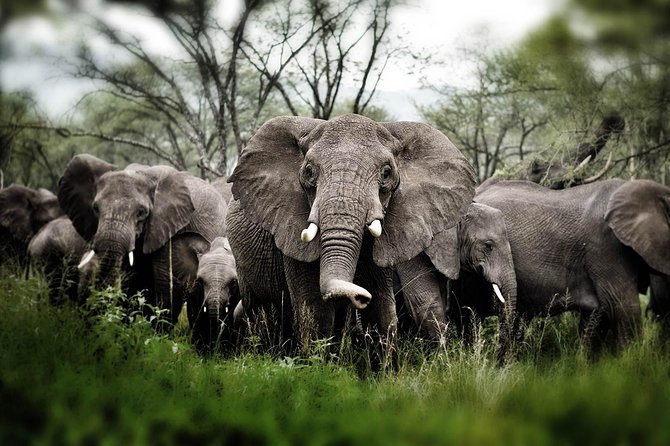
The last day is built around one very focused event: you descend to Ngorongoro Crater for about 6 hours of game driving, including picnic lunch. This is the day most people picture when they say Ngorongoro, because the crater bowl creates a kind of natural viewing theater.
Wildlife in the crater area tends to be more concentrated, which is exactly what you want on the final day. You don’t just pass through, you stay and work the sighting rhythm. The long drive window means you can adjust as animals move, rather than having the pressure of a short, one-shot outing.
After the crater experience, you drive back to Arusha for an overnight hotel. It’s a good wrap, because it gives you time to shower, regroup, and handle any last-day logistics without racing straight to the airport.
Lodging and meals: what “tented” and “lodge” really mean here
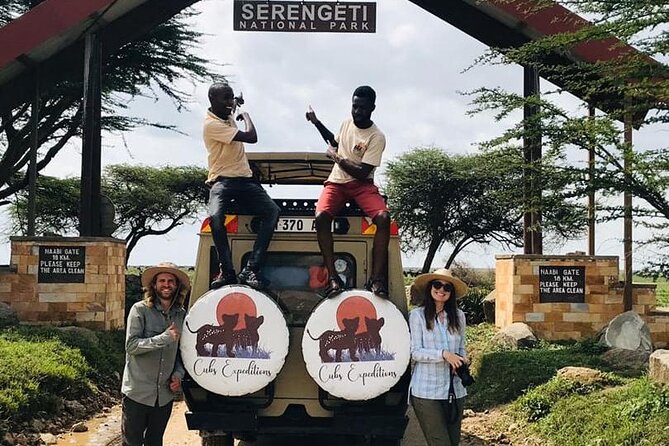
This safari includes a full set of meals while you’re on the circuit: 5 breakfasts, 5 lunches, and 4 dinners. That’s a big practical value because safari kitchens solve a daily problem for you. You’re not hunting for food between drives, and you can plan your day around meals rather than around restaurants.
Food gets consistent praise, with chefs named Halid and Hamid coming up in feedback. The typical theme is that meals are plentiful and satisfying, which matters when you’re using calories just to sit in a vehicle for hours, then walk a little for viewing.
Lodging is described as clean and comfortable in general terms, with working bathrooms and warm shower mentions from past guests. Some accommodations are more humble or basic, especially when camping-style nights are involved. The good news is you’re not left without the essentials. The mindset shift is simply this: think of safari lodging as functional comfort, not luxury resort life.
If you want the best odds of enjoying the tent experience, bring layers. Nights can feel cooler than you expect, and tents can create a different kind of airflow than a sealed hotel room.
Guides, responsiveness, and the driver-guide difference
A safari lives or dies on the guide and driver. This operator gets credit for professional guidance and fast, helpful communication, especially through Humphrey and Elli, who are repeatedly described as easy to reach and responsive from planning through the end of the trip.
You’ll also see multiple guide names pop up in experiences: Mohamed, Amani, and Shaibu are mentioned as driver-guides, which suggests a team approach rather than one person doing everything. There are also mentions of Azzizi as a driver and Halid or Hamid as the chef, which helps explain why the day can feel coordinated instead of improvised.
Here’s what you can actually use as advice: pay attention to how your guide handles sightings. The best guides don’t just stop when something is far away. They weigh distance, animal movement, and safety, then position you for a view you can realistically enjoy. When a guide is doing that well, you feel it within the first day.
Price and value: $2,560 per person for three parks and multiple sunrise drives
Let’s talk money in a practical way. At $2,560 per person for 6 days, you’re paying for a packaged safari with major time costs handled for you: planning the route, arranging game viewing, securing a professional guide, driving between parks, and providing most meals.
Value here comes from three areas:
First, you get multiple sunrise game drives, not just one token early morning. That increases your chances for predators and active wildlife behavior, and it also means you’re using the best hours of the day instead of wasting them.
Second, Ngorongoro Crater is given a long outing, around 6 hours, with picnic lunch. That is a big block of guided wildlife time that would cost a lot more if you tried to assemble it yourself late in the game.
Third, the group size cap of up to 7 travelers typically helps keep the experience manageable. Smaller groups mean fewer people to coordinate at each stop, and it often makes it easier for the guide to make quick decisions based on sightings.
One thing to confirm when you book is what’s meant by admission, since the itinerary notes admission tickets as free. Still, the overall structure is clearly designed to bundle the core safari costs so you can budget without surprises for meals and guiding.
Also, free cancellation is offered up to 24 hours before the start time for a full refund. If your flight timing is still uncertain, that flexibility can be worth its weight in gold.
Who this safari suits best (and who should rethink it)
This safari is a strong fit if you want:
- A road safari style trip with guided game drives and planned meals
- A focus on sunrise wildlife viewing, including predator odds
- The classic parks combo, Tarangire plus Serengeti plus Ngorongoro Crater, in a single week
- A small group experience, with room for the guide to respond to what the animals are doing
You might want to rethink it if you hate early mornings or you strongly prefer low-drive days. The schedule is designed around wildlife timing, not around staying comfortable in bed.
It also helps if you can handle tented accommodation as part of the deal. The lodging is described as functional and clean, but it isn’t selling itself as a high-end hotel stay every night.
Practical tips before you go
Because the driving starts early, build your packing around comfort and temperature changes. Wear breathable layers and keep a light jacket for mornings and tent nights. Bring sun protection for all the long open-air viewing time, and don’t underestimate how much dust can collect on safari roads and paths.
If you’re sensitive to fatigue, plan your first day at Arusha as a real recovery day. Then treat the early wake-ups as part of the rhythm, not a surprise.
Finally, embrace flexibility. This type of safari puts time on your calendar for great viewing, but it also depends on animal movement and road conditions. A good driver-guide, like those named in guest experiences such as Mohamed, Amani, and Shaibu, is what turns “a plan” into “a day that delivers.”
Should you book this safari?
I’d book this safari if you want a high-value week that hits Tarangire elephants, Serengeti predator chances with sunrise timing, and a long Ngorongoro Crater drive without the hassle of piecing everything together. The combination of organized game drives, meals included, and a responsive team centered around Humphrey and Elli is exactly what you want when you’re far from home and want the day to run cleanly.
Skip it or ask extra questions if early mornings and lots of vehicle time are dealbreakers for you, or if you only want luxury lodging every night. For the right traveler, though, this is a solid, practical way to see three Tanzanian wildlife icons in one smooth, guided loop.
Tarangire and Its Baobabs
- 5-Day Highlights mid-Range Crater, Serengeti, Tarangire
★ 5.0 · 296 reviews - Private 6-Day Tarangire Manyara Crater and Serengeti with Mid-Range Lodges
★ 5.0 · 238 reviews - 5 Days Camping Tarangire, Serengeti & Ngorongoro crater & Visiting Maasai
★ 5.0 · 229 reviews - 4 Days Join Group tour Tarangire Serengeti and Ngorongoro crater
★ 5.0 · 219 reviews - 4-Day Safari from Arusha: Tarangire, Serengeti and Ngorongoro
★ 5.0 · 173 reviews
Still Thinking About the Crater?
- 3 Days Serengeti & Ngorongoro Group Camping Safari
★ 5.0 · 574 reviews - 5 Days Camping Tarangire, Serengeti & Ngorongoro crater & Visiting Maasai
★ 5.0 · 229 reviews - 4 Days Join Group tour Tarangire Serengeti and Ngorongoro crater
★ 5.0 · 219 reviews - 4-Day Safari from Arusha: Tarangire, Serengeti and Ngorongoro
★ 5.0 · 173 reviews - 2 Days Tarangire and Ngorongoro Group Camping Safari
★ 5.0 · 146 reviews
The Serengeti, Three More Ways
- Balloon Safari & Bush Breakfast in Serengeti – Miracle Experience
★ 5.0 · 1,646 reviews - 3 Days Serengeti & Ngorongoro Group Camping Safari
★ 5.0 · 574 reviews - 5-Day Highlights mid-Range Crater, Serengeti, Tarangire
★ 5.0 · 296 reviews - 3-Day Classic Serengeti Safari
★ 5.0 · 263 reviews - Private 6-Day Tarangire Manyara Crater and Serengeti with Mid-Range Lodges
★ 5.0 · 238 reviews
Just added from around Arusha

Serengeti National Park Safaris, compared.
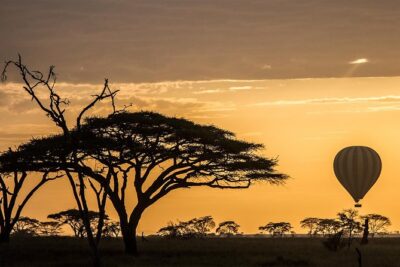 ★ 5.0Serengeti Balloon Safari and authentic bush breakfastFrom $5502,480 reviews
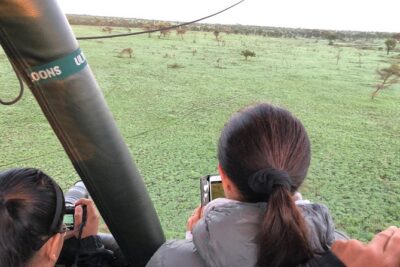 ★ 5.0Balloon Safari & Bush Breakfast in Serengeti – Miracle ExperienceFrom $5991,646 reviews
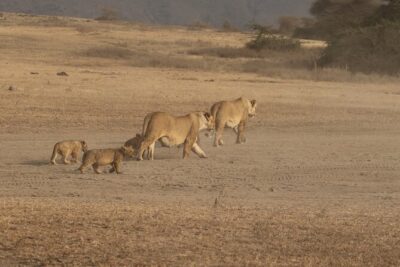 ★ 5.03 Days Serengeti & Ngorongoro Group Camping SafariFrom $815574 reviews
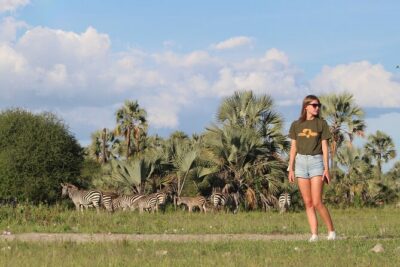 ★ 5.05-Day Highlights mid-Range Crater, Serengeti, TarangireFrom $2,327296 reviews
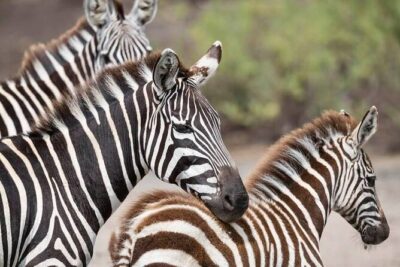 ★ 5.0Safari Serengeti And NgorongoroFrom $2,845288 reviews
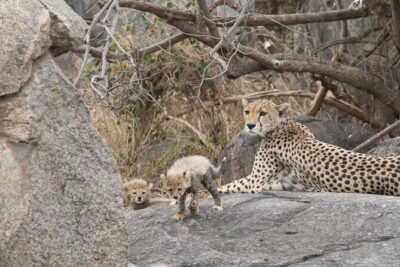 ★ 5.03-Day Classic Serengeti SafariFrom $1,455263 reviews
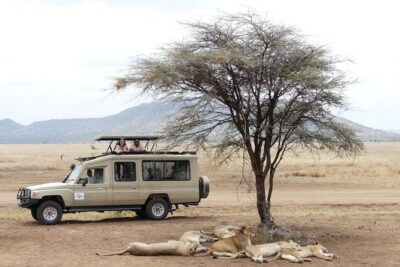 ★ 5.0Private 6-Day Tarangire Manyara Crater and Serengeti with Mid-Range LodgesFrom $2,685238 reviews
 ★ 5.05 Days Camping Tarangire, Serengeti & Ngorongoro crater & Visiting MaasaiFrom $1,254229 reviews